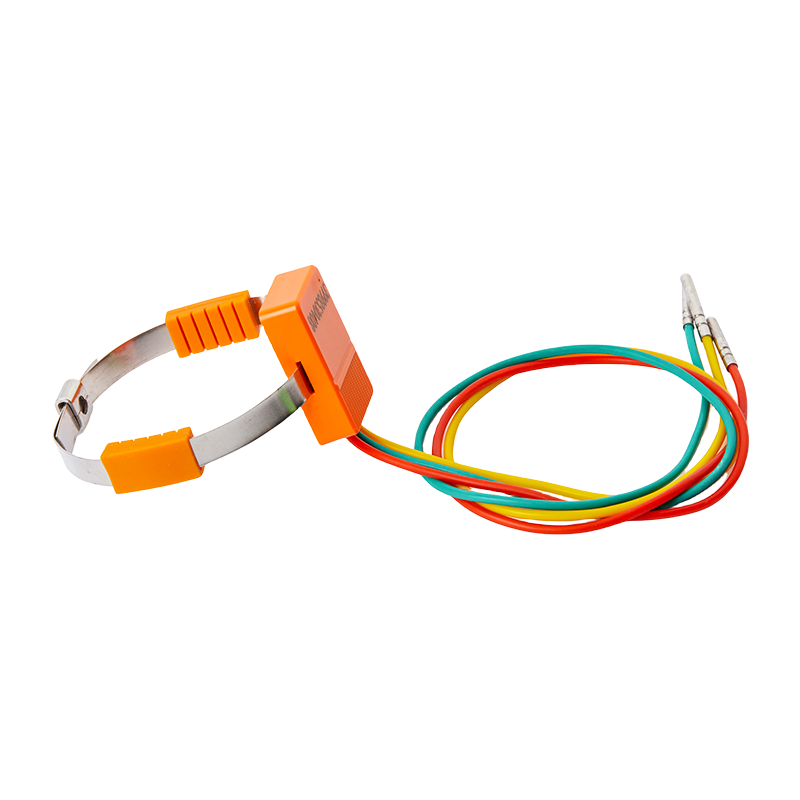


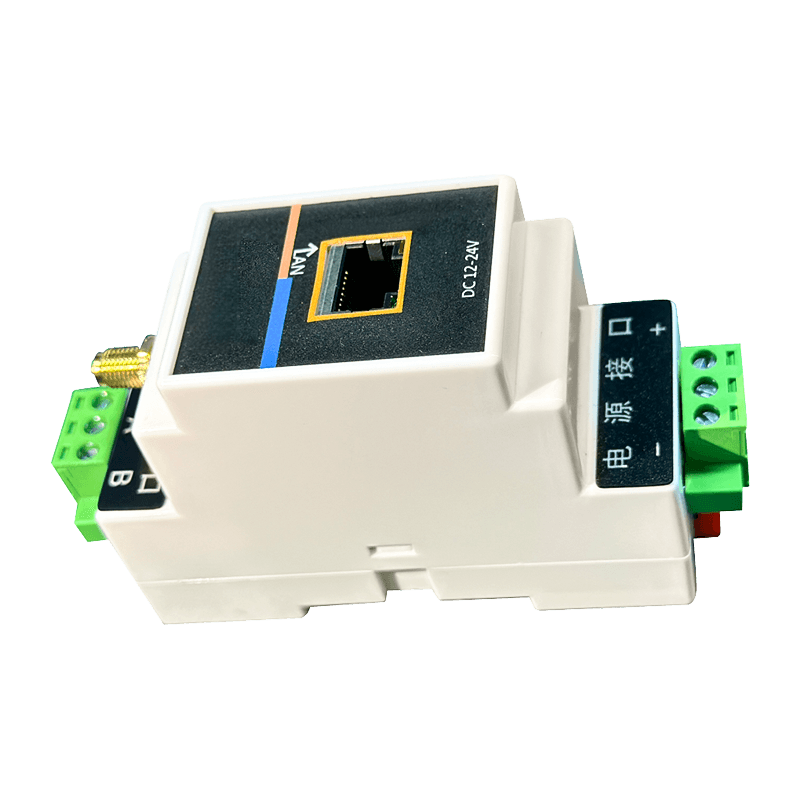
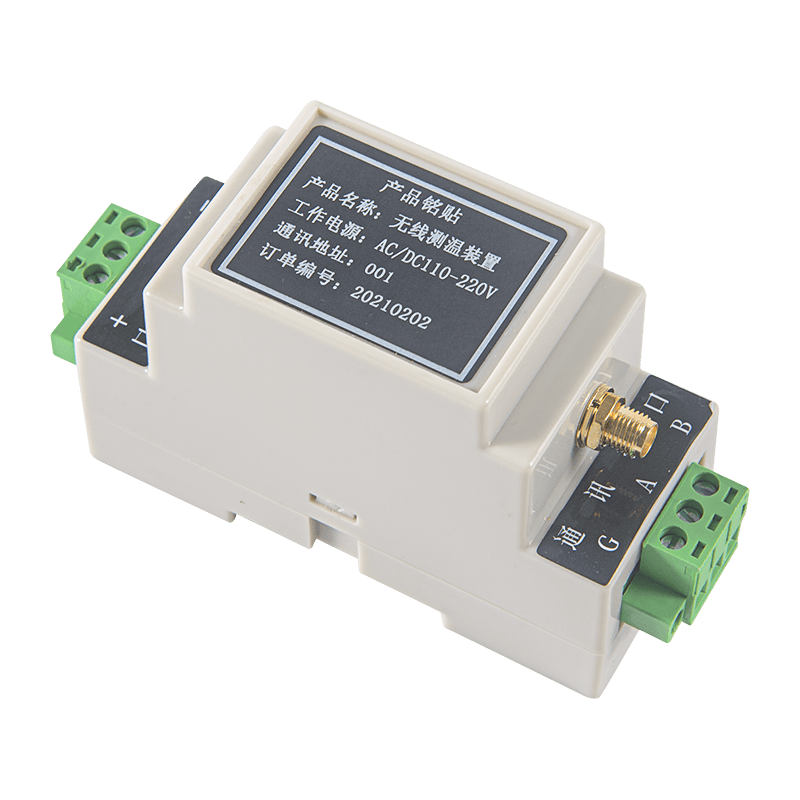
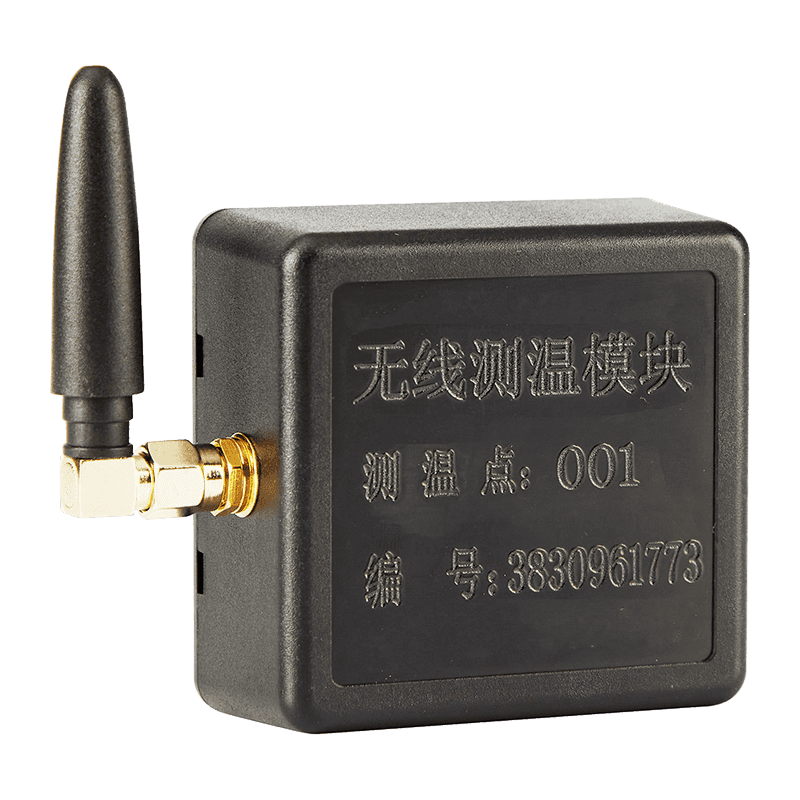
Industrial temperature monitoring is no longer a secondary function in modern electrical rooms, production workshops, utility tunnels, power distribution cabinets, and equipment-intensive factories. It is a core requirement for safe operation, predictive maintenance, energy efficiency, and digital transformation. When critical connection points, busbars, cable joints, switchgear contacts, metal tracks, and enclosed electrical assets begin to overheat, the early warning window can be short. A wireless temperature measurement system helps maintenance teams detect abnormal heat before it becomes equipment failure, fire risk, production downtime, or unplanned maintenance cost.
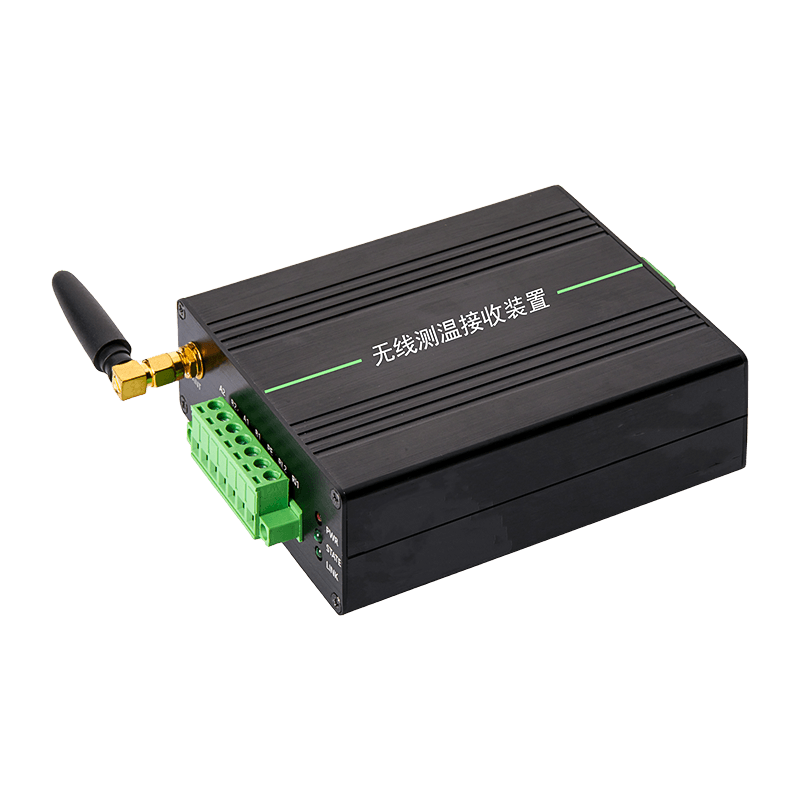
The KS30R-LORA rail-mounted wireless temperature measurement repeater is designed for this exact environment. It operates as a wireless signal amplification and forwarding device between matched wireless temperature sensors and a temperature measurement host. In practical terms, it strengthens the communication network that carries temperature data from field sensors to the receiving host, helping industrial users build a more stable, wider-reaching, and easier-to-deploy temperature monitoring architecture.
Unlike simple short-range receivers or generic wireless modules, this repeater is engineered for industrial monitoring scenarios where equipment layouts are complex, metal cabinets interfere with signals, distances vary, and maintenance staff need reliable data without excessive wiring. It supports guide rail installation and screw installation, uses AC220V power, communicates through TTL and RS485 interfaces, and supports the standard MODBUS protocol with customization options. Its operating environment range of -25 Celsius to +85 Celsius, humidity tolerance up to 95 percent, and open-area transmission distance of 200 meters make it suitable for demanding industrial sites.
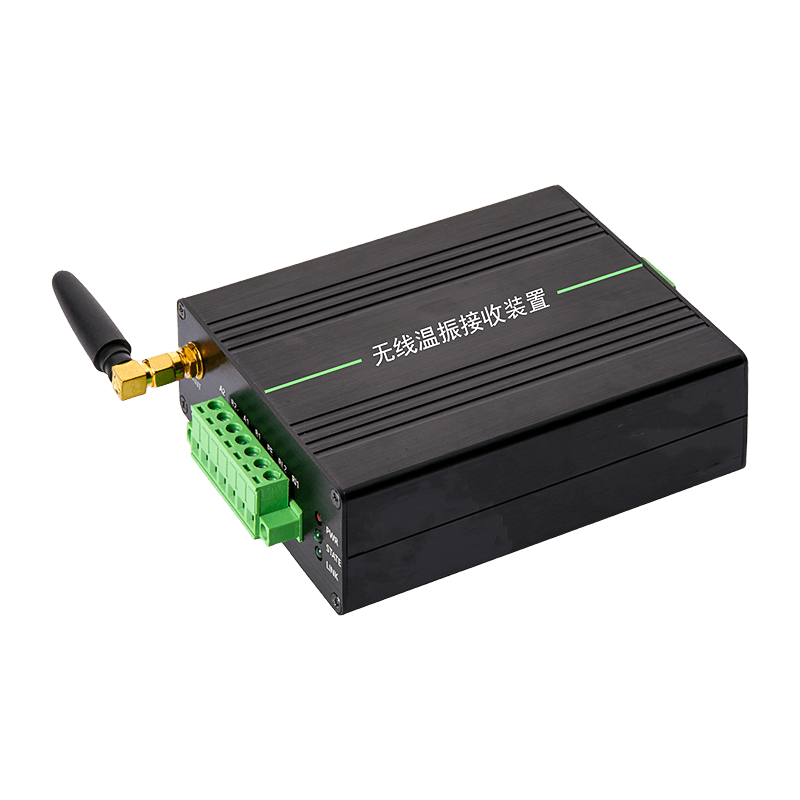
Metal Track Temperature Measurement System Transmitter
Product Role in a Wireless Temperature Monitoring System
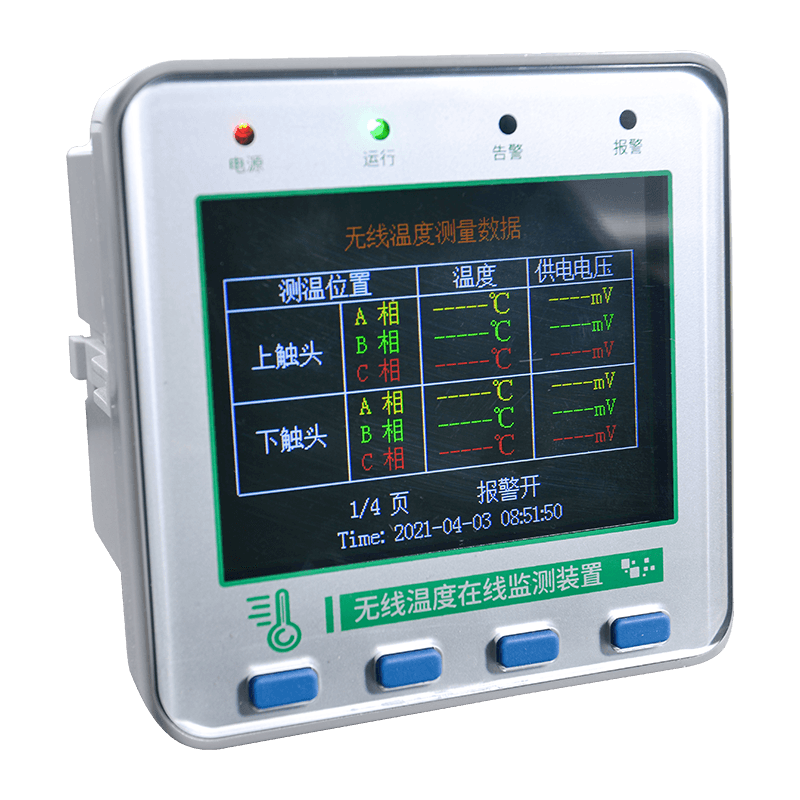
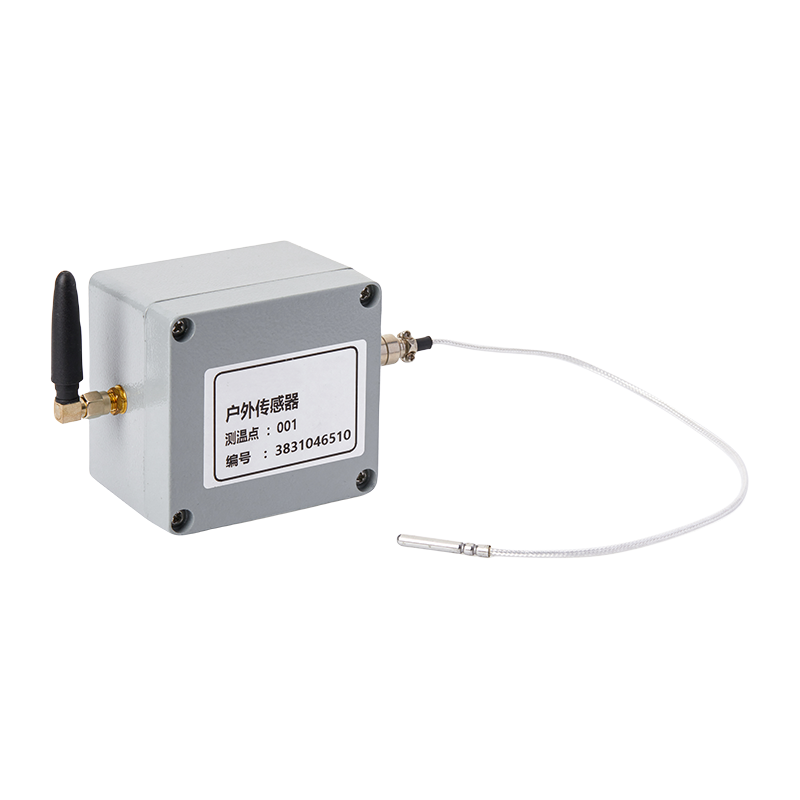
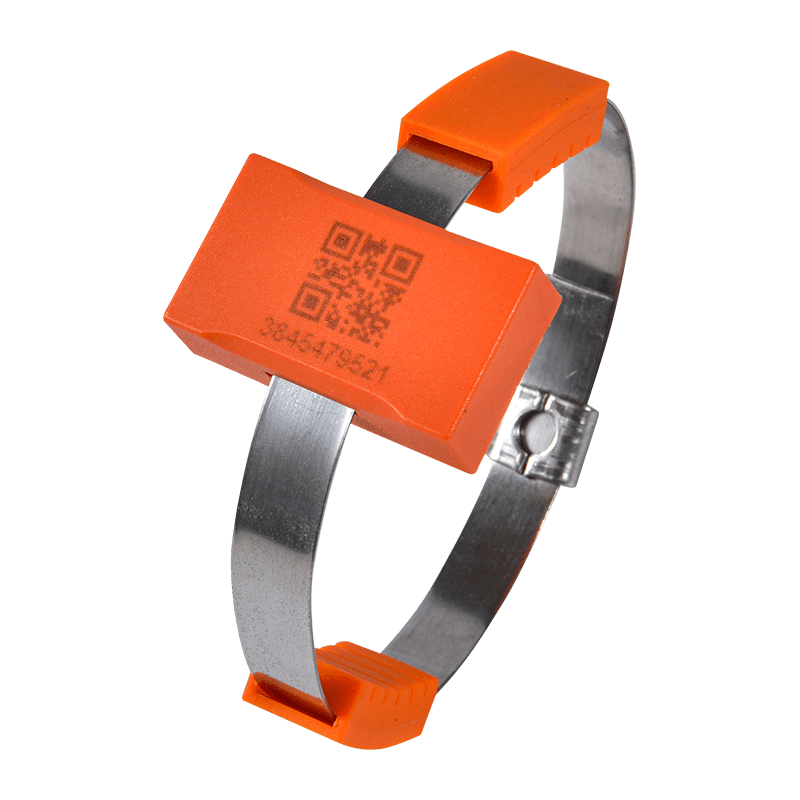
A wireless temperature monitoring system usually includes field sensors, repeaters or routers, and a host or data acquisition unit. Sensors collect temperature values from key monitoring points. The host receives, stores, displays, alarms, or forwards the data to a supervisory platform. Between these two ends, the repeater plays a strategic role: it receives wireless temperature data, strengthens the signal route, and forwards the information to the receiving host.
The KS30R-LORA repeater is particularly valuable in facilities where sensors are installed inside switchgear, on metal surfaces, near moving electrical equipment, or at locations where a direct wireless path to the host is unstable. Industrial environments often contain steel enclosures, cable trays, transformers, motors, thick walls, and electromagnetic noise sources. These factors can reduce signal quality. By adding a repeater in the correct location, users can improve network coverage and raise the probability that temperature data reaches the host consistently.
The product is also important for staged system expansion. A factory may begin with several monitoring points and later increase coverage to more cabinets, tracks, busbar joints, or distribution nodes. Instead of redesigning the entire communication layout, a repeater allows a more flexible network structure. The device acts as a practical bridge between distributed sensors and the central receiving point.
This capability is especially meaningful for plants pursuing predictive maintenance. Predictive maintenance depends on continuous and trustworthy data. If temperature data is missing, delayed, or unstable, abnormal trends may be overlooked. By improving wireless transmission reliability, the repeater contributes to safer electrical asset management and more accurate thermal analysis.
Core Product Overview
The KS30R-LORA rail-mounted wireless temperature measurement repeater is a wireless signal amplifier device for matched wireless temperature sensors and a temperature measurement host. It receives information from the sensor side and forwards it to the host side. It serves as the signal network route between the temperature sensing layer and the host communication layer.
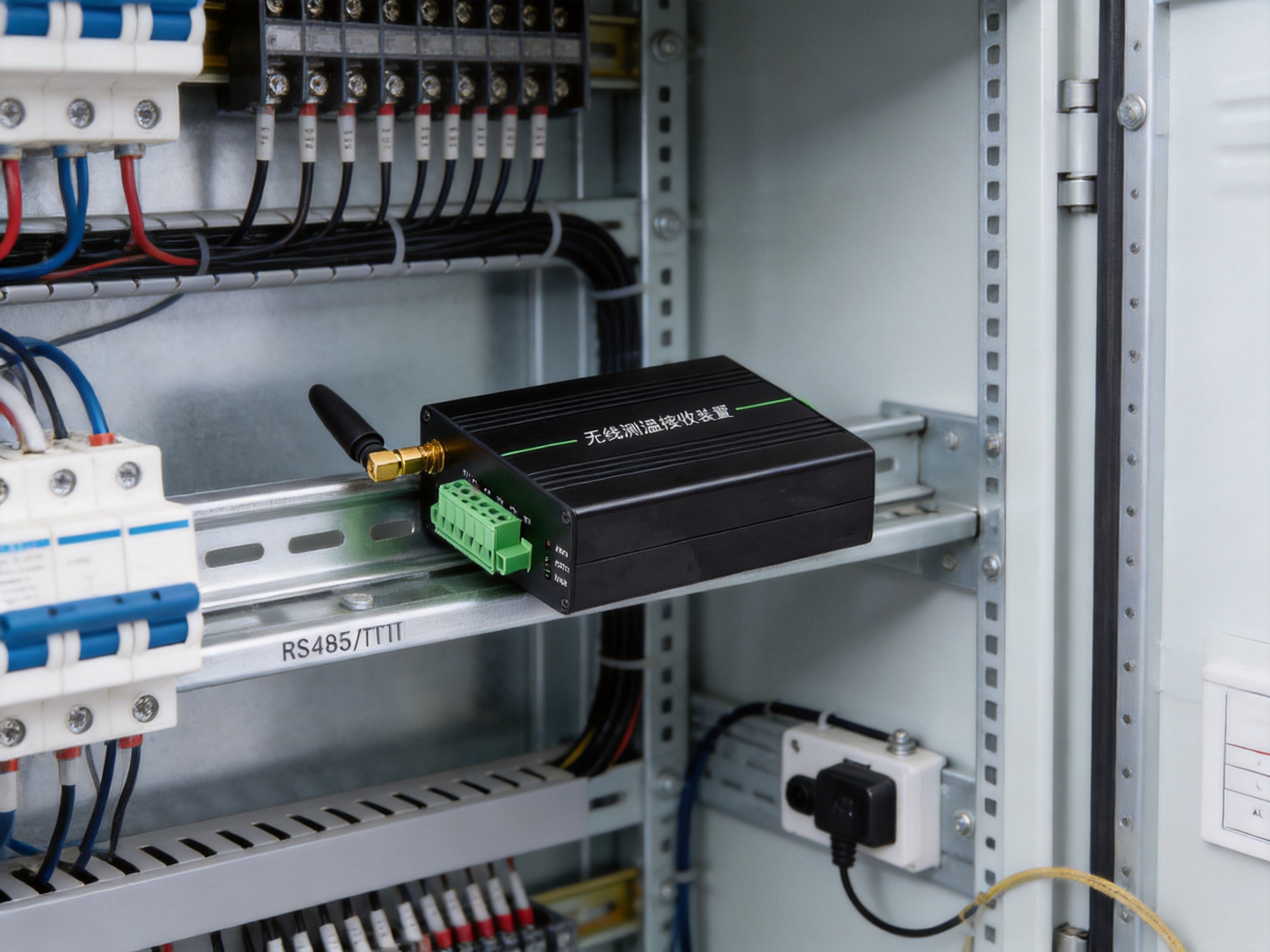
The device is designed for industrial installation. Its rail-mounted format makes it suitable for control cabinets, power distribution panels, equipment rooms, and other locations where standardized mounting is preferred. Screw installation is also supported, giving engineers flexibility when a DIN rail is not available or when the installation position requires a fixed surface mount.
The repeater operates on AC220V power, which is commonly available in industrial electrical cabinets. It works within a wireless frequency band of 433 to 510 MHz, with outdoor sensors using the 470 MHz band. This frequency range is widely used in industrial wireless monitoring due to its balance of coverage, penetration, and practical deployment range. The open-area transmission distance of 200 meters supports many factory, warehouse, utility, and power distribution scenarios.
The device supports TTL and RS485 communication methods. RS485 is highly valued in industrial automation because it supports longer cable distances, strong noise resistance, and multi-device communication. The standard communication parameters include a baud rate of 9600 bps, 8 data bits, no verification, and a default stop bit setting as specified for the product. The communication protocol is standard MODBUS, with customization available when project requirements demand special integration.
Main Functions and Practical Value
The primary function of the repeater is signal amplification. It receives sensor data and amplifies or forwards the signal to the receiving host. This simple description represents a major practical advantage because temperature monitoring systems often fail not due to sensor inaccuracy, but due to communication gaps. A sensor can measure correctly, but if data transmission is weak or unreliable, the system cannot produce effective alarms or reports.
The second important function is wireless data forwarding. All detected data is wirelessly uploaded to the receiving host through the communication route. This reduces the need for long signal cables between every sensor point and the host. In electrical cabinets and industrial facilities, reducing wiring brings many benefits: easier installation, lower labor cost, fewer cable failure points, less interference with existing equipment, and simpler retrofitting in older installations.
The repeater also contributes to system scalability. If new measurement points are added, the communication network can be expanded more conveniently. This is important in factories where monitoring requirements grow over time. A facility may first monitor high-risk switchgear and then expand to busbars, distribution terminals, motor control centers, transformer rooms, metal tracks, and cable joints. The repeater helps users extend wireless coverage without replacing the entire system.
Another practical value is maintenance convenience. Rail-mounted installation means the device can be installed in a structured and accessible location. Maintenance staff can inspect, replace, or adjust equipment more efficiently. Compared with hidden or battery-only relay devices, a fixed powered repeater inside an electrical cabinet can provide more stable operation for long-term monitoring.
Technical Parameters
Item |
Technical Indicator |
Operational Meaning |
Product Type |
Rail-mounted wireless temperature measurement repeater |
Receives and forwards data between wireless temperature sensors and the host |
Operating Temperature |
-25 Celsius to +85 Celsius |
Suitable for demanding industrial and electrical environments |
Ambient Humidity |
Up to 95 percent |
Supports operation in humid equipment rooms and industrial locations |
Atmospheric Pressure |
80 to 110 kPa |
Compatible with common industrial operating conditions |
Altitude |
Up to 2500 meters |
Applicable to many regional industrial and power installations |
Power Supply |
AC220V |
Convenient connection in electrical panels and control cabinets |
Wireless Frequency Band |
433 to 510 MHz; outdoor sensors at 470 MHz band |
Provides practical wireless coverage for industrial monitoring |
Transmission Distance |
200 meters in open areas |
Supports distributed temperature monitoring layouts |
Communication Methods |
TTL and RS485 |
Supports integration with industrial communication systems |
Default Baud Rate |
9600 bps |
Compatible with common industrial data acquisition settings |
Data Bits |
8-bit |
Standard configuration for serial communication |
Verification Method |
None |
Simplifies default communication configuration |
Communication Protocol |
Standard MODBUS protocol, customizable |
Enables connection to host systems and project-specific platforms |
Installation Method |
Guide rail installation and screw installation |
Flexible installation in cabinets, panels, and equipment spaces |
Antenna Cable Length |
Default 1.5 meters, customizable |
Allows antenna placement optimization for signal quality |
Why Signal Amplification Matters in Industrial Temperature Monitoring
Wireless temperature monitoring seems straightforward when viewed on a diagram. Sensors send temperature data to a host, and the host displays alarms. In real factories, however, this signal path is affected by many physical and electromagnetic conditions. Metal cabinets reflect and block radio waves. Electrical equipment generates interference. Thick concrete walls reduce signal strength. Long distances between cabinets and control rooms create communication uncertainty. A repeater is therefore not an optional accessory in many systems; it is the component that makes the network dependable.
Signal amplification is not only about distance. It is also about reliability. A stable monitoring system must capture routine temperature values day after day, not only during ideal conditions. It must continue collecting data when doors are closed, when nearby machines are running, when humidity rises, and when the electrical load changes. If the host receives incomplete data, the monitoring record becomes less useful. Trend analysis requires continuity. Alarm response requires timeliness. Maintenance planning requires confidence in the data stream.
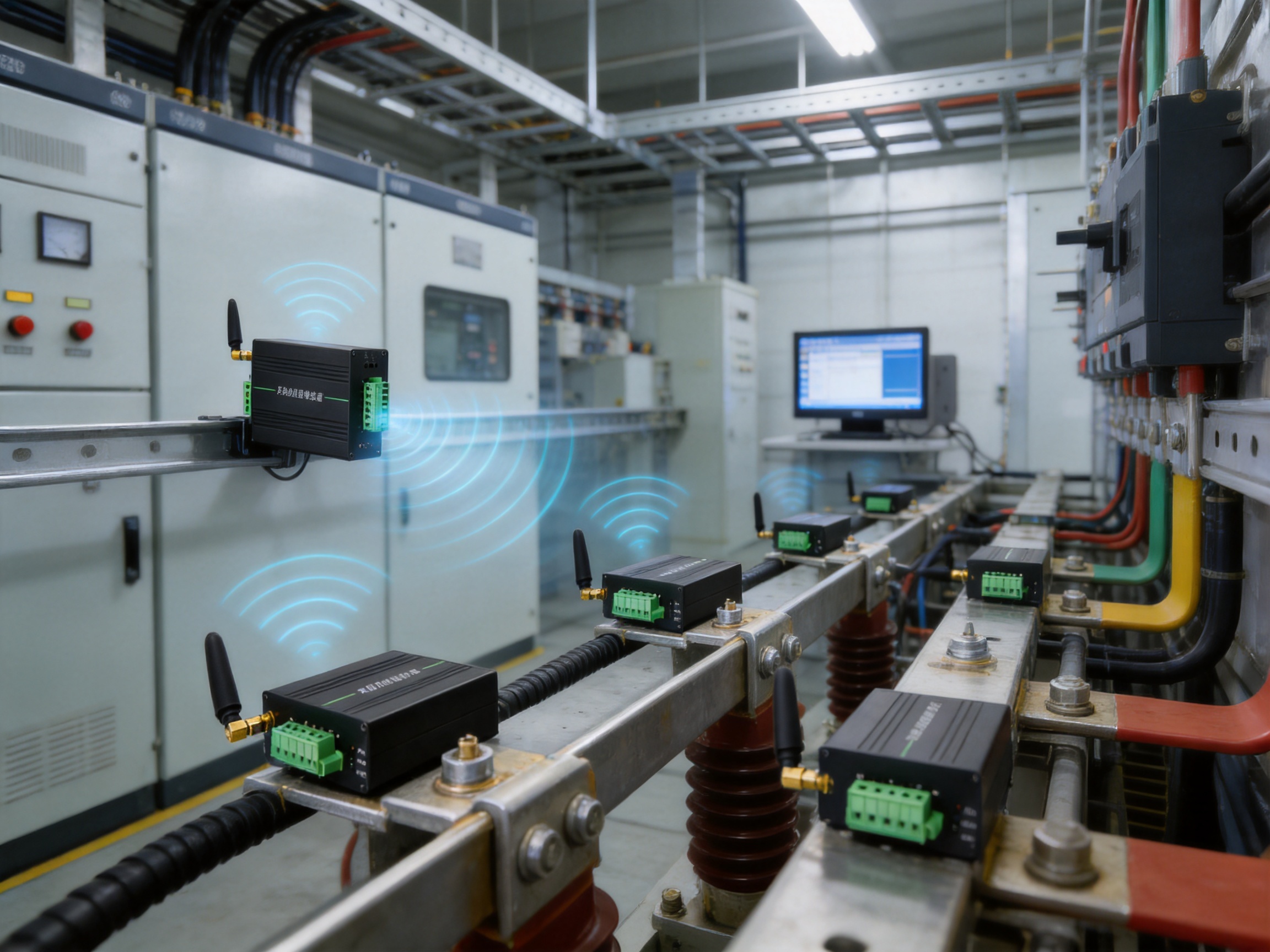
The KS30R-LORA repeater improves practical wireless routing by receiving sensor data and forwarding it to the host. In a large electrical room, repeaters can be placed strategically to overcome weak zones. In a facility with distributed cabinets, the repeater can reduce communication blind spots. In retrofitted sites where cables are difficult to add, wireless repeaters provide a cleaner and faster upgrade path.
For users comparing solutions, this is a major advantage over basic point-to-point wireless devices. A simple wireless sensor may work in a small test area but perform poorly in a real cabinet row or production line. A system that includes industrial repeaters is more adaptable to actual deployment conditions.
Advantages Over Common Competitor Solutions
The first advantage is installation flexibility. Some competing devices are designed only for a single mounting method, limiting placement options. The KS30R-LORA supports both guide rail installation and screw installation. This allows users to install it inside standard control cabinets, on mounting plates, near equipment groups, or in positions selected for better wireless reception. The customizable antenna cable length further supports installation optimization, because antenna location can strongly affect signal quality.
The second advantage is industrial communication compatibility. RS485 and MODBUS remain widely used in factories, power distribution systems, equipment monitoring, and industrial automation. Many low-cost wireless repeaters lack mature industrial communication interfaces or use proprietary communication methods that complicate integration. By supporting standard MODBUS and offering customization, this repeater is easier to connect with existing monitoring hosts, gateways, and supervisory systems.
The third advantage is environmental adaptability. The operating temperature range from -25 Celsius to +85 Celsius covers many harsh operating scenarios, from cold utility spaces to warm electrical cabinets. Humidity tolerance up to 95 percent also expands potential applications. Some competitor products are designed for office-like environments or consumer-grade wireless communication, making them less suitable for continuous industrial use.
The fourth advantage is power stability. Battery-powered relay devices may be convenient in certain temporary installations, but they can create maintenance burdens in long-term systems. A rail-mounted AC220V powered repeater is more appropriate for permanent industrial monitoring because it avoids frequent battery replacement and supports continuous operation.
The fifth advantage is application specificity. Generic wireless modules may require significant engineering work before they can become part of a temperature monitoring system. This product is designed specifically as a signal network route between wireless temperature sensors and the temperature measurement host. That purpose-built design reduces integration uncertainty and supports more efficient project deployment.
The sixth advantage is customization capability. Industrial projects often differ in host platforms, communication parameters, cabinet layout, antenna requirements, and data integration needs. A product that supports customizable communication protocol details and antenna cable length is better suited to project-based deployment than a fixed, one-size-fits-all competitor device.
Designed for Metal Track and Electrical Asset Temperature Measurement
The product title identifies the system as a metal track temperature measurement system transmitter, and the actual device description defines it as a rail-mounted wireless temperature measurement repeater. In application, these two ideas are closely connected. Metal tracks, rails, busbars, and conductive connection structures can become thermal risk points when electrical resistance increases, mechanical connections loosen, loads fluctuate, or ventilation is insufficient. Monitoring these assets requires dependable wireless communication because the monitoring points may be distributed over long or obstructed paths.
In a power distribution system, abnormal heating often begins at connection points. These points may not be visible during routine inspection, especially when equipment is energized and enclosed. Wireless temperature sensors provide a way to monitor those points without routing signal wires through high-voltage or confined areas. The repeater then ensures that the collected data can reach the host.
For metal track applications, the physical environment can be especially challenging for wireless communication. Metal surfaces can reflect, absorb, and redirect radio signals. When sensors are mounted close to metal components, signal orientation and routing become important. A repeater placed in a favorable location can improve communication paths and reduce missed transmissions.
This makes the device useful for facilities that want to monitor rail-mounted electrical equipment, enclosed distribution systems, switch cabinets, busbar chambers, and other assets where temperature rise is a leading indicator of risk. The repeater does not replace the sensor; it strengthens the sensor network and makes the entire monitoring solution more dependable.
Application Scenarios
One major application is power distribution cabinets. These cabinets contain terminals, breakers, busbars, cable joints, and load-carrying components that may heat under abnormal operating conditions. Wireless temperature sensors can be installed at key points, while the repeater helps transmit data to the host even when cabinets are arranged in rows or separated by walls.
Another application is switchgear monitoring. Switchgear reliability is essential for industrial power continuity. Overheating inside switchgear may indicate contact resistance, poor fastening, insulation aging, overload, or unbalanced load. A wireless monitoring network supported by repeaters can provide continuous visibility without requiring frequent manual infrared inspections.
A third application is transformer room monitoring. Transformer rooms often include high-current connections and enclosed structures. When sensors are distributed across multiple cabinets or feeder points, the repeater can help maintain a stable route to the central host.
A fourth application is manufacturing equipment monitoring. Large production lines may contain electrical control panels, motor control centers, heaters, drives, conveyors, and rail systems. Wireless temperature monitoring supports condition-based maintenance, while repeaters expand coverage across the production area.
A fifth application is warehouse and logistics infrastructure. Automatic doors, power cabinets, distribution boards, and control systems may be spread across wide spaces. A repeater with an open transmission distance of 200 meters can help build a more coherent monitoring network.
A sixth application is retrofit projects. Many factories need to improve safety monitoring but cannot easily add new cables. Wireless temperature sensors and rail-mounted repeaters allow upgrades with less disruption to existing equipment. This is especially useful in plants where downtime is costly and installation windows are limited.
Integration with Industrial Internet of Things Strategies
Industrial Internet of Things development depends on collecting data from machines, energy systems, environmental systems, and electrical assets. Temperature is one of the most important industrial data types because it is directly connected to equipment health, safety, efficiency, and load behavior. A stable wireless temperature monitoring repeater supports this digital foundation by improving data availability from distributed field sensors.
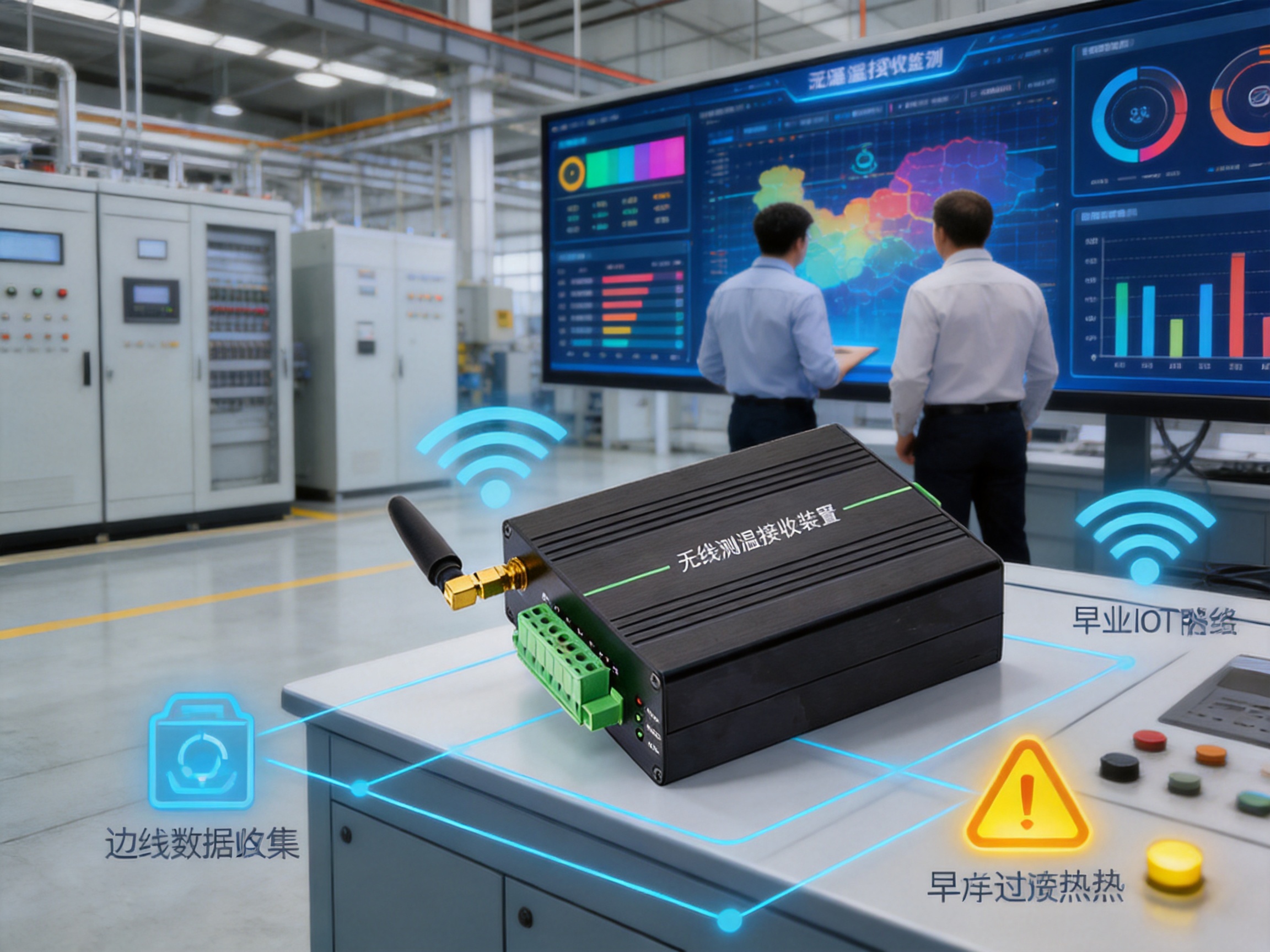
In a smart factory, temperature data may be used for real-time alarms, historical trend analysis, equipment condition scoring, maintenance scheduling, energy management, and production continuity planning. However, these advanced applications require reliable communication from the field. If wireless temperature data is intermittent, the digital platform becomes less effective. The repeater strengthens the edge-layer network and helps ensure that sensor data can be captured by the host.
The use of MODBUS is also important for Industrial Internet of Things integration. Many gateways, programmable controllers, data acquisition devices, and supervisory platforms can read MODBUS data. This makes the repeater easier to incorporate into broader monitoring architectures. Customizable protocol support is valuable when the project requires connection to a specialized host or enterprise system.
Because the device is part of a wider portfolio that includes high-speed power line communication, wireless temperature monitoring, transmitters, thermal gas mass flow meters, and automatic door controllers, it fits into a broader industrial connectivity and sensing strategy. It is not an isolated component; it is part of an approach that combines sensing, communication, and industrial data integration.
Advanced Manufacturing Strengths Behind the Product
ASY Electronics (JiaXing) Co., Ltd. is positioned as a high-tech enterprise focused on building smart factories of the future. Its mission emphasizes efficient, reliable, and green smart factories through data sensing and intelligent connectivity. This background is important because wireless temperature monitoring products require more than electronic assembly. They require system-level understanding of industrial data, communication reliability, field installation, and long-term operation.
The company’s product range covers broadband power line carrier communication, wireless temperature monitoring systems, industrial transmitters, flow meters, and automatic door controllers. This combination gives the manufacturing team experience in both sensing and communication. For a repeater product, that experience matters. The device must interact with sensors, hosts, industrial protocols, power supplies, antennas, and installation environments. A manufacturer with broad industrial connectivity expertise can better optimize product design for real-world deployment.
Advanced manufacturing for this type of product includes careful component selection, stable circuit design, communication performance verification, firmware configuration control, and quality inspection. Industrial repeaters must maintain consistent operation under temperature changes, humidity changes, and electrical noise. Manufacturing processes must therefore control soldering quality, interface reliability, housing assembly, labeling, calibration configuration, and final testing.
Another strength is the ability to support customization. In industrial projects, customers may require specific antenna cable lengths, communication protocol adjustments, host matching, or installation recommendations. A manufacturer with in-house engineering capability can respond more effectively than a supplier that only resells generic modules. This is an important advantage for system integrators and end users who need project-specific reliability.
The company’s focus on edge-layer hardware and industrial data integration also supports better product evolution. As customers demand more intelligent monitoring, products must adapt to host platforms, gateways, cloud systems, and data visualization tools. A repeater with MODBUS compatibility and wireless network routing capability can become part of a scalable industrial monitoring solution rather than a standalone device.
Quality Considerations for Industrial Repeater Manufacturing
Industrial monitoring equipment must be dependable over long service periods. The cost of failure is not only the price of the device; it may include missed alarms, maintenance delays, troubleshooting labor, production stoppage, or safety hazards. Therefore, manufacturing quality is a central product advantage.
For a rail-mounted wireless temperature measurement repeater, quality begins with design validation. Engineers must confirm that the power input, wireless communication circuit, serial communication interface, antenna connection, and housing design meet operating requirements. The device must remain stable across the declared operating temperature range and humidity conditions.
Production control is also essential. Printed circuit board assembly quality affects long-term reliability. Poor solder joints, weak connectors, unstable power components, or inconsistent antenna interfaces can cause field problems. A disciplined manufacturing process reduces these risks by using controlled assembly steps, inspection procedures, and functional tests.
Communication testing is especially important. The repeater must receive and forward data reliably. It should be verified with matched sensors and receiving hosts to confirm practical network behavior. Serial communication parameters such as baud rate and MODBUS protocol behavior should be checked before delivery. Where customization is required, firmware or configuration changes must be documented and tested.
Environmental durability should also be considered. Industrial cabinets may experience heat buildup, vibration, dust, and humidity. While the product parameters define operating conditions, manufacturing consistency determines how well units perform across those conditions. Stable materials, reliable terminals, appropriate housing design, and proper assembly all contribute to field reliability.
How the Repeater Improves Safety Management
Electrical overheating can be caused by overload, loose connections, poor contact, aging insulation, contamination, unbalanced phases, or equipment fatigue. Many of these problems develop gradually. A temperature monitoring system gives maintenance teams earlier visibility into risk, and the repeater helps ensure that this visibility is not interrupted by weak wireless communication.
In traditional inspection methods, technicians often use handheld infrared thermometers or thermal cameras during scheduled rounds. These tools are useful, but they only capture temperature at specific moments. If a fault occurs between inspections, it may not be detected early. Wireless temperature monitoring provides continuous or frequent data collection, making it more suitable for high-risk equipment.
The repeater enhances this continuous monitoring approach by extending communication coverage. If a sensor is installed deep inside a cabinet or behind metal structures, direct communication to the host may be unreliable. The repeater can create a stronger route, improving the likelihood that the host receives timely data.
From a safety management perspective, reliable temperature data supports alarm thresholds, escalation procedures, maintenance work orders, and risk reporting. Facility managers can identify repeated overheating patterns, prioritize inspection, and verify whether corrective actions reduce temperature. This transforms maintenance from reactive repair to evidence-based prevention.
Reducing Installation Cost and Project Complexity
Wired temperature monitoring can be difficult in existing electrical systems. Signal wiring must avoid high-voltage interference, comply with cabinet layout constraints, pass through protective channels, and be installed without disrupting equipment. In many facilities, adding cables to each monitoring point is expensive and time-consuming. Wireless sensors reduce this burden, and repeaters make wireless deployment more practical over larger areas.
The KS30R-LORA repeater helps reduce installation complexity because it supports standard mounting methods and wireless forwarding. Installers can place sensors at required temperature points and position the repeater where it improves communication. The default 1.5-meter antenna cable offers flexibility, and the option to customize antenna length allows better adaptation to cabinet structure and signal conditions.
The use of AC220V power also simplifies deployment in electrical cabinets where this supply is available. Instead of managing battery replacement schedules for relay devices, users can rely on a powered repeater for continuous operation. This can reduce maintenance workload and long-term ownership cost.
Because the device supports MODBUS, integration work can also be more efficient. Many industrial hosts and gateways can communicate using MODBUS, reducing the need for special software development. When customization is necessary, the manufacturer’s ability to adapt communication requirements provides additional project flexibility.
Performance Considerations in Real Sites
The open-area transmission distance of 200 meters is a useful reference, but actual site performance depends on installation conditions. Walls, metal cabinets, electrical equipment, antenna placement, sensor position, and interference sources can affect communication range. For this reason, repeaters are valuable not only for increasing distance but also for managing real-world signal paths.
Good installation practice includes placing the repeater where it has a better line of communication to both sensors and the host. If possible, antennas should be positioned away from large metal obstructions and high-interference components. The customizable antenna cable length can be used to move the antenna to a more favorable location while keeping the repeater body securely mounted.
Engineers should also consider system layout. In a large facility, multiple repeaters may be used to build a stable wireless network. The exact quantity and position depend on sensor distribution, host location, and site structure. A well-planned layout can improve communication stability and reduce troubleshooting after installation.
Communication parameters should be confirmed during commissioning. The default baud rate is 9600 bps, with 8-bit data and no verification. The MODBUS protocol should be matched with the receiving host or gateway. If the project uses a custom protocol or special data mapping, this should be verified before full deployment.
Comparison with Manual Inspection
Manual thermal inspection remains useful, but it has limitations. It depends on inspection frequency, technician access, equipment operating state, and visual exposure. Some components cannot be inspected safely while energized. Others are enclosed and not visible without opening cabinets. Temperature may also fluctuate with load, meaning a manual inspection may miss peak heating events.
A wireless temperature monitoring system supported by repeaters provides more continuous visibility. Sensors can remain installed on key points and transmit data regularly. The host can record temperature trends and generate alarms. The repeater supports this process by improving communication reliability between sensor points and the host.
Compared with manual inspection alone, this approach helps reduce blind spots. It also supports documentation. Instead of relying only on inspection notes, maintenance teams can review historical temperature curves. This improves fault analysis and helps justify maintenance decisions. For example, if a connection point repeatedly rises during production peaks, maintenance can be scheduled before the condition worsens.
The goal is not necessarily to eliminate manual inspection. Rather, wireless monitoring makes manual work more targeted. Technicians can focus on assets with abnormal temperature trends instead of inspecting all points with equal priority. This can improve maintenance efficiency and safety.
Comparison with Generic Wireless Modules
Some projects attempt to use generic wireless modules for industrial temperature monitoring. While generic modules may appear inexpensive, they often require additional engineering, enclosure design, protocol development, testing, and integration. They may not be optimized for industrial temperature monitoring networks or compatible with standard hosts.
The KS30R-LORA repeater is purpose-built for wireless temperature measurement systems. It is designed to receive and forward information from matched temperature sensors and hosts. It includes industrial installation options, defined communication methods, MODBUS protocol support, and environmental specifications. These features reduce project risk compared with assembling a solution from generic parts.
Another difference is support and customization. A generic module supplier may not understand the complete monitoring application. A manufacturer focused on industrial sensing and connectivity can provide more practical guidance on deployment, host matching, antenna configuration, and communication customization. For system integrators, this support can be as valuable as the hardware itself.
In lifecycle terms, a purpose-built repeater can also reduce hidden costs. Lower upfront hardware cost does not guarantee lower project cost if integration delays, signal instability, field failures, or maintenance complexity arise. Industrial users should evaluate total reliability and deployment efficiency, not only component price.
Support for Sustainable and Reliable Smart Factories
Smart factory development is not only about automation speed. It is also about reliability, energy awareness, equipment health, and sustainable operation. Temperature monitoring contributes to all these goals. Overheated electrical connections waste energy, increase failure risk, and shorten equipment life. Early detection helps prevent catastrophic faults and supports more efficient maintenance.
The repeater supports sustainable operations by improving data continuity. Reliable temperature data allows factories to identify overheating caused by poor contact or overload. Correcting these issues can reduce energy loss and improve equipment efficiency. Preventing failures also reduces material waste, emergency replacement, and production disruption.
For factories building digital maintenance systems, the repeater forms part of the edge data infrastructure. Sensors provide field data, repeaters strengthen communication, hosts collect information, and management platforms transform data into decisions. This layered approach is central to industrial digital transformation.
ASY Electronics’ focus on efficient, reliable, and green smart factories aligns with this product’s value. By combining wireless temperature monitoring with industrial communication expertise, the company helps customers create safer and more sustainable production environments.
Procurement Considerations
When selecting a rail-mounted wireless temperature measurement repeater, buyers should consider more than basic wireless range. The first consideration is system compatibility. The repeater should be matched with the intended wireless temperature sensors and receiving host. Communication parameters and protocol requirements should be confirmed early.
The second consideration is installation environment. Temperature, humidity, altitude, cabinet structure, and available power supply should match product specifications. For this device, the working temperature range, humidity tolerance, AC220V power, and installation options make it suitable for many industrial sites.
The third consideration is signal layout. Buyers should evaluate sensor positions, host location, obstacles, and required transmission paths. In some sites, one repeater may be sufficient. In larger or more complex sites, multiple repeaters may be needed.
The fourth consideration is integration. RS485 and MODBUS support are valuable for connection to industrial hosts and gateways. If the project requires customized protocol behavior, this should be discussed with the manufacturer before ordering.
The fifth consideration is manufacturer capability. A supplier with experience in industrial communication, sensing products, and data integration can provide more dependable project support. This is especially important for users deploying wireless temperature monitoring as part of a broader smart factory or equipment condition monitoring initiative.
Commissioning and Deployment Recommendations
A successful deployment begins with a site survey. Engineers should identify all temperature monitoring points, evaluate wireless obstacles, and determine the receiving host location. They should also identify available AC220V power points and suitable mounting positions for the repeater.
After installation, the device should be powered and tested with matched sensors and the host. Communication status should be checked under normal operating conditions, not only during quiet periods. If equipment doors, cabinet panels, or nearby machines affect wireless quality, antenna placement should be adjusted. The customizable antenna cable option can be useful in these cases.
System data should be verified at the host. Temperature values should be received correctly, timestamps should be stable, and communication interruptions should be investigated. If MODBUS integration is used, register mapping and host reading settings should be confirmed.
Maintenance teams should document the repeater location, power source, communication parameters, sensor groups, and antenna placement. This documentation simplifies future troubleshooting and expansion. If additional sensors are added later, the repeater network layout can be reviewed and optimized.
Long-Term Operational Benefits
The long-term value of a wireless temperature measurement repeater is seen in reduced failures, improved maintenance planning, and stronger safety management. By helping data reach the host reliably, the repeater supports a continuous record of temperature conditions. This record can reveal gradual deterioration before a serious fault occurs.
Maintenance teams can use historical data to compare similar assets, identify abnormal patterns, and verify repairs. For example, if one cabinet connection consistently runs hotter than others under similar load, it may require inspection. If a repair lowers the temperature trend, the data confirms the effectiveness of maintenance.
Operations managers benefit from fewer unexpected shutdowns. Electrical failures can stop production lines, damage equipment, and create safety incidents. Early warning through reliable monitoring reduces these risks. Insurance, compliance, and internal safety programs may also benefit from documented monitoring practices.
From a financial perspective, the repeater can contribute to lower lifecycle cost. It helps avoid excessive wiring, reduces monitoring blind spots, supports scalable expansion, and minimizes communication-related troubleshooting. These benefits are especially significant in large facilities where manual inspection and cable installation costs are high.
Q&A
What is the main purpose of the KS30R-LORA rail-mounted wireless temperature measurement repeater?
Its main purpose is to receive wireless temperature data from matched sensors and forward the information to the receiving host. It acts as a signal network route between wireless temperature sensors and the temperature measurement host, improving communication coverage and reliability.
Is the device a temperature sensor?
No. It is not the temperature sensing element itself. It is a wireless repeater or signal amplifier used within a wireless temperature monitoring system. Sensors collect the temperature data, while the repeater helps transmit that data to the host.
Why is a repeater needed in a wireless temperature monitoring system?
A repeater is needed when direct wireless communication between sensors and the host may be weakened by distance, metal cabinets, walls, electrical interference, or complex equipment layouts. It helps improve signal stability and expands practical coverage.
What installation methods does the product support?
The product supports guide rail installation and screw installation. This gives installers flexibility in control cabinets, power panels, equipment rooms, and other industrial spaces.
What power supply does the repeater use?
The repeater uses AC220V power, which is commonly available in industrial electrical cabinets and permanent monitoring installations.
What communication interfaces are supported?
The device supports TTL and RS485 communication methods. RS485 is especially useful for industrial systems because of its robustness and common use in automation and monitoring applications.
Does the product support MODBUS?
Yes. It supports the standard MODBUS protocol, and customization is available when project requirements call for special communication adaptation.
What is the transmission distance?
The specified transmission distance is 200 meters in open areas. Actual performance depends on site conditions such as obstacles, metal structures, antenna placement, and interference sources.
Can the antenna cable length be customized?
Yes. The default cable length is 1.5 meters, and it can be customized as needed. This is useful when the antenna must be positioned away from obstructions or inside a better signal area.
What industries can benefit from this repeater?
Industries with power distribution cabinets, switchgear, transformer rooms, production lines, logistics facilities, metal track systems, and equipment condition monitoring needs can benefit from the product. It is especially useful where wireless temperature sensors are distributed across complex industrial environments.
How does this product compare with generic wireless modules?
Generic modules may require additional engineering, protocol development, enclosure design, and field testing. This repeater is purpose-built for wireless temperature measurement systems and includes industrial mounting, RS485 support, MODBUS compatibility, environmental specifications, and project customization options.
What manufacturer strengths support the product?
ASY Electronics has experience in industrial sensing, intelligent connectivity, broadband power line carrier communication, wireless temperature monitoring, transmitters, flow meters, and automatic door controllers. This broader industrial background supports better product design, manufacturing control, and system integration capability.
Conclusion
The KS30R-LORA rail-mounted wireless temperature measurement repeater is a practical and important component for industrial wireless temperature monitoring. By receiving and forwarding sensor data to the host, it strengthens the communication path that enables reliable temperature visibility. In environments filled with metal cabinets, electrical interference, distributed assets, and installation constraints, this capability directly supports safety, maintenance efficiency, and digital monitoring performance.
Its advantages include flexible installation, AC220V powered operation, RS485 and TTL communication, standard MODBUS protocol support, customizable antenna cable length, industrial environmental tolerance, and an open-area transmission distance of 200 meters. Compared with generic wireless modules or limited-purpose competitor devices, it offers stronger application focus and easier integration into real industrial systems.
Backed by a manufacturer focused on smart factory development, data sensing, intelligent connectivity, and industrial data integration, the repeater is more than a signal accessory. It is part of a broader movement toward predictive maintenance, safer electrical systems, and sustainable digital productivity. For factories, utilities, system integrators, and equipment operators seeking reliable wireless temperature monitoring, this rail-mounted repeater provides a strong foundation for stable data transmission and long-term operational confidence.
References
International Electrotechnical Commission. Industrial Communication Networks and Fieldbus Standards.
International Organization for Standardization. Condition Monitoring and Diagnostics of Machines: General Guidelines.
Institute of Electrical and Electronics Engineers. Recommended Practices for Electrical Equipment Maintenance and Monitoring.
MODBUS Organization. MODBUS Application Protocol Specification.
National Fire Protection Association. Electrical Safety and Preventive Maintenance Guidance.
Industrial Internet Consortium. Industrial Internet of Things Connectivity and Edge Computing Frameworks.
Power Distribution Engineering Handbook. Thermal Behavior of Electrical Connections and Switchgear Components.