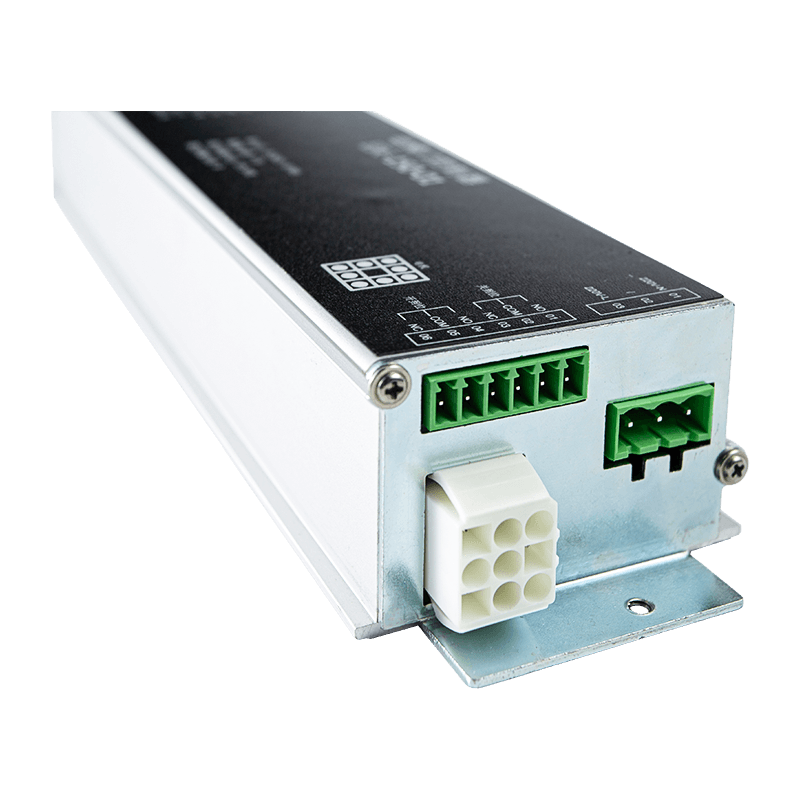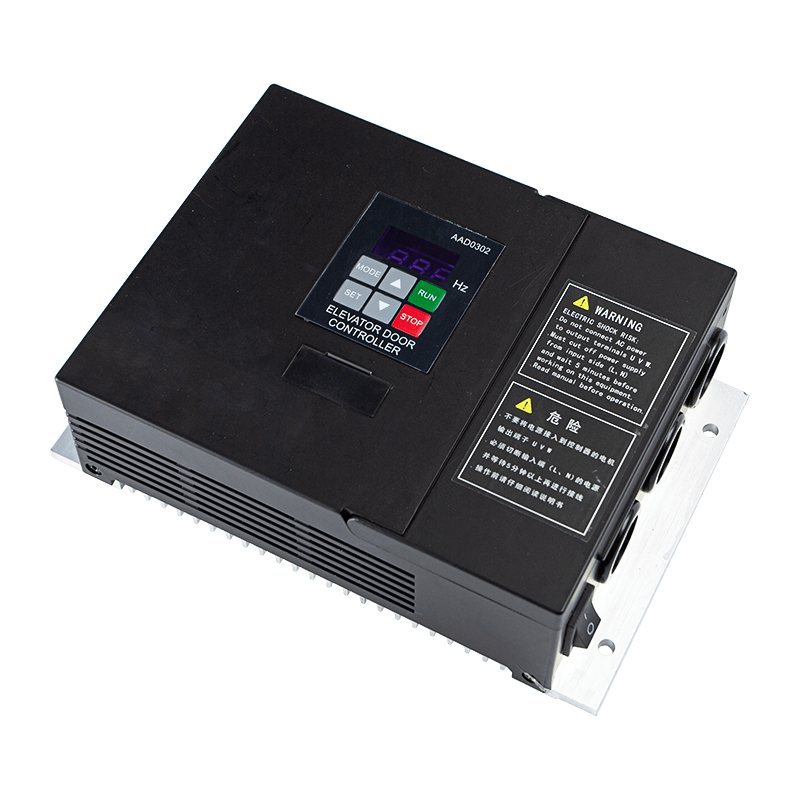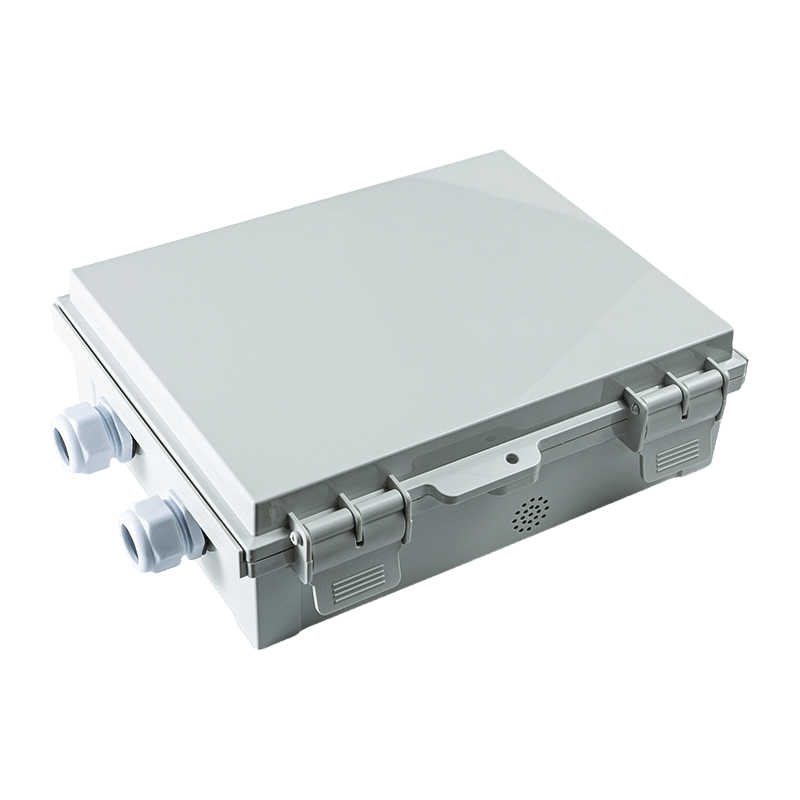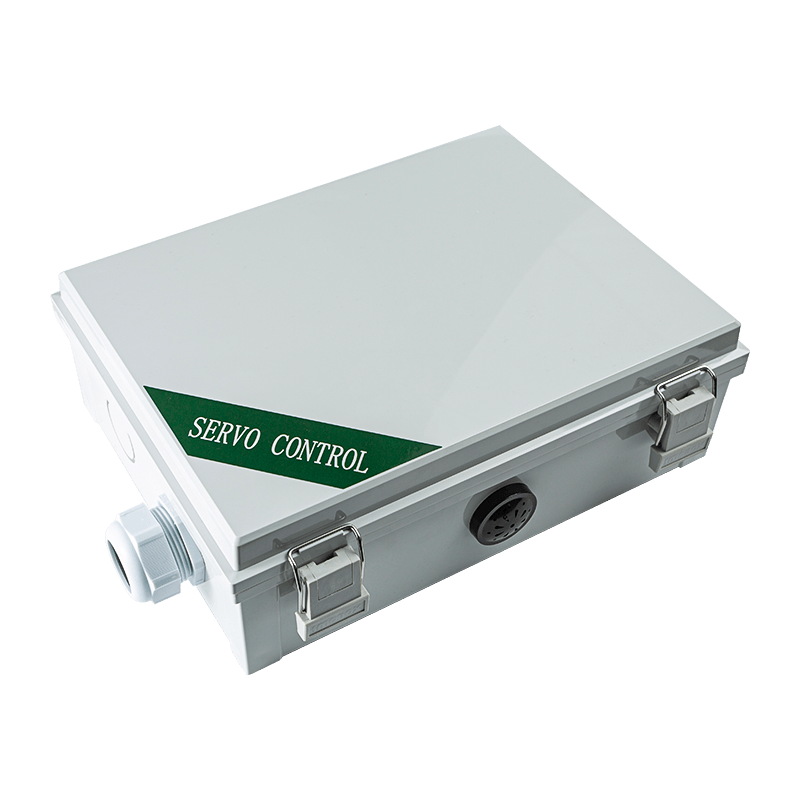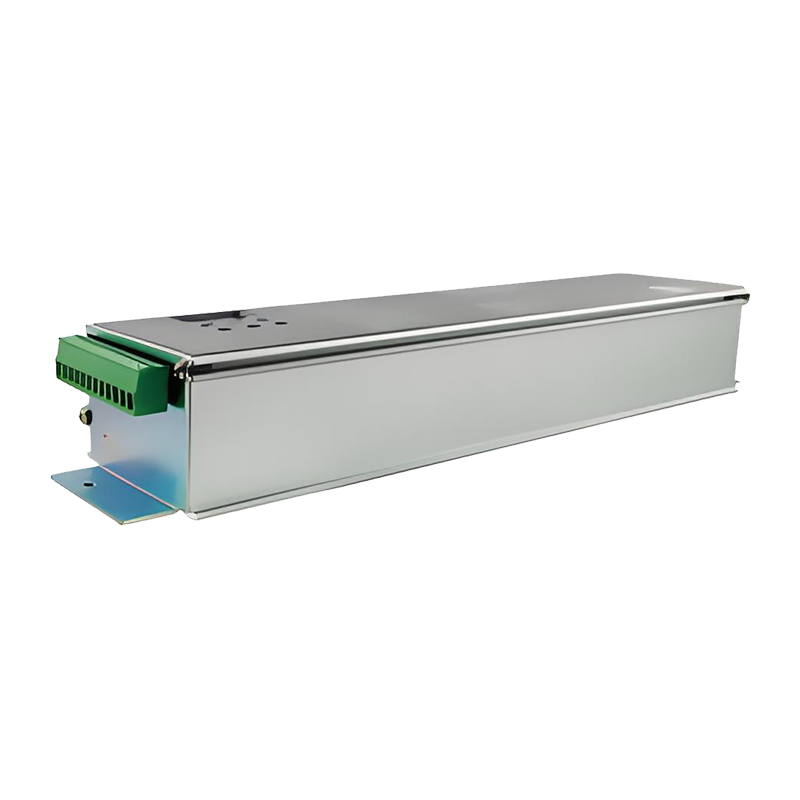


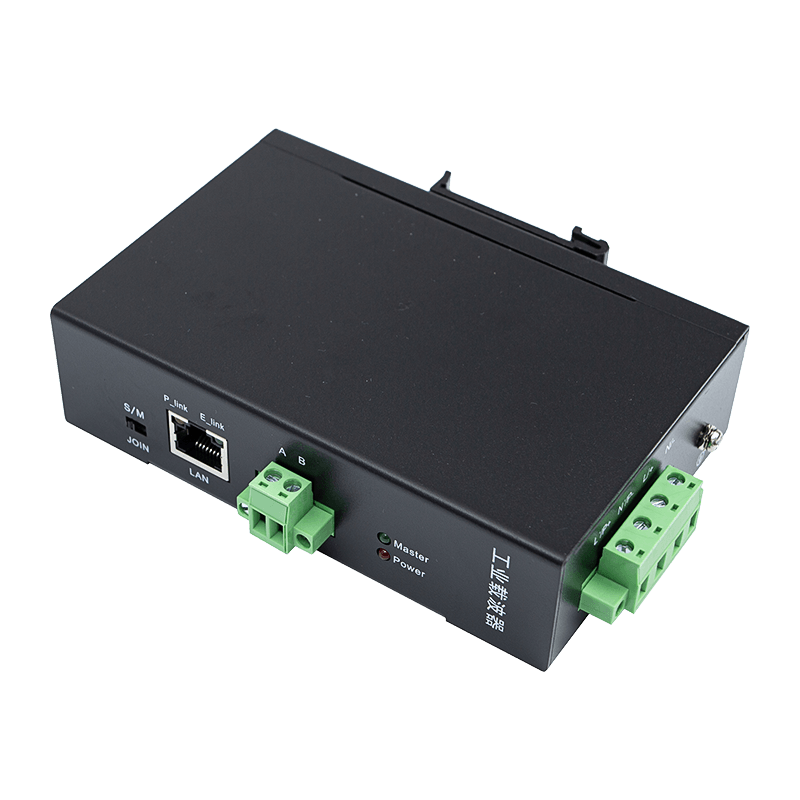
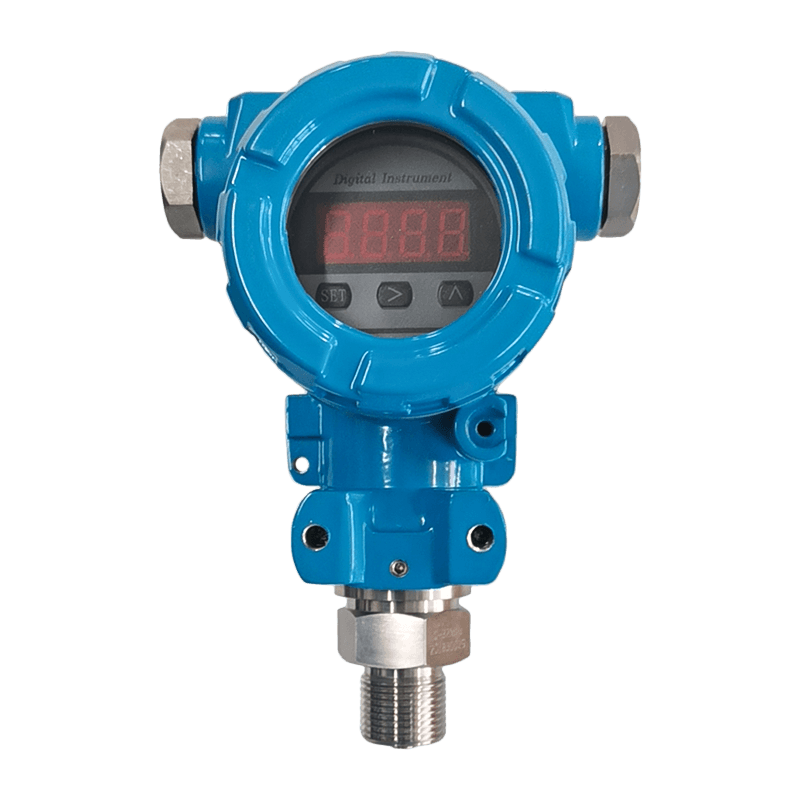
Elevator door performance is one of the most visible indicators of an elevator system’s quality. Passengers may not see the traction machine, control cabinet, encoder, or safety circuit, but they immediately notice whether the door opens smoothly, closes confidently, responds to obstruction, and operates quietly during every trip. The Elevator Door Controller AIG-500E-01 is designed for this critical interface between the elevator system and the user experience. It provides precise motion management, flexible input and output control, advanced commissioning functions, and stable servo control for sliding elevator door applications.
The product is positioned as a high-performance lift door servo controller for modern elevator door operator systems. It uses fully closed-loop space vector PWM control to manage door motion with accuracy and repeatability. Compared with traditional door controllers that rely on simpler speed commands or less refined feedback methods, this controller is engineered to deliver smoother acceleration, better low-speed stability, more reliable positioning, and more convenient parameter adjustment. These characteristics are essential for export elevator doors, villa elevator doors, customized door systems, and industrial-grade entrance automation projects where reliability and comfort are both required.
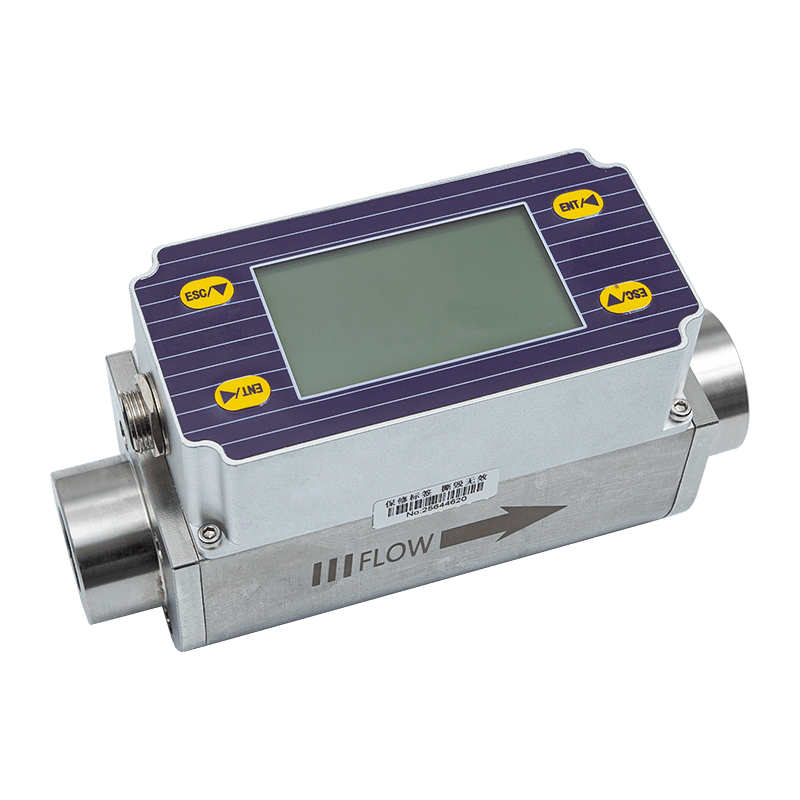
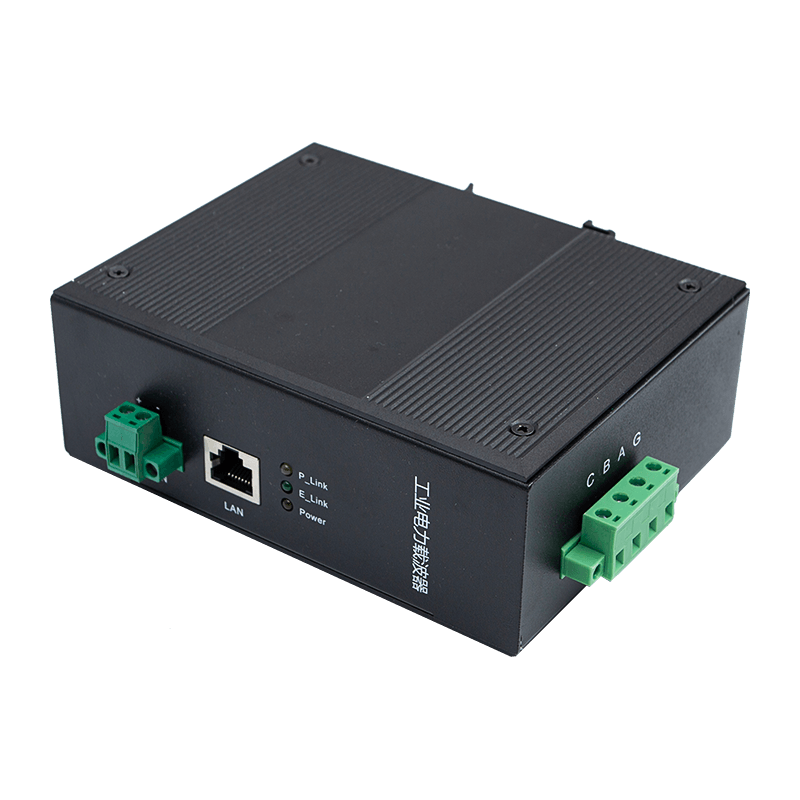
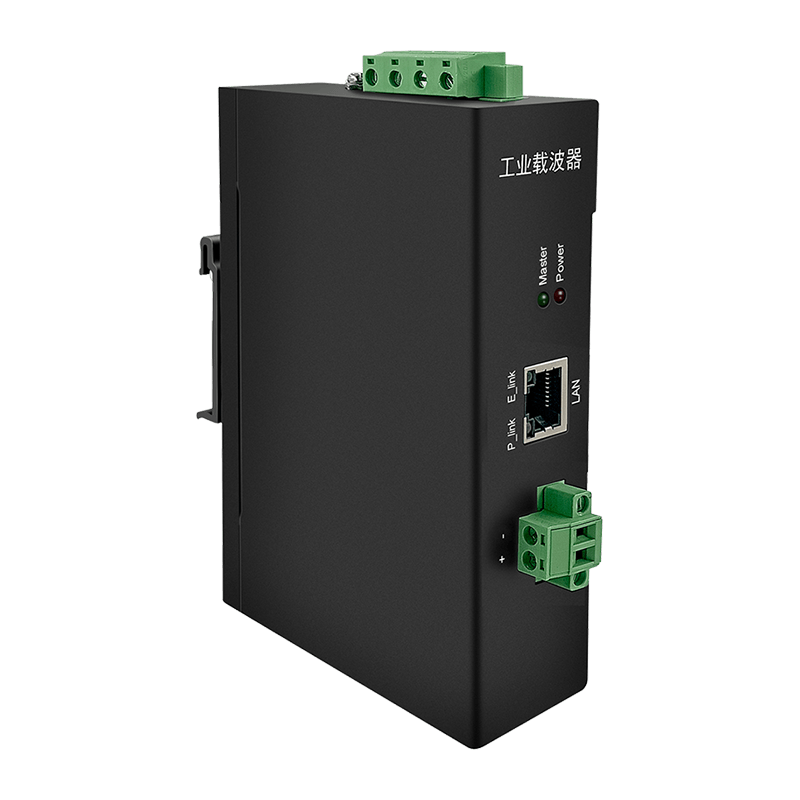
Beyond the product itself, the controller reflects a broader capability in intelligent connectivity, sensing, industrial data integration, and advanced electronic manufacturing. It is developed by a company focused on smart factory technologies, including broadband power line carrier communication, wireless temperature monitoring, transmitters, flow meters, and automatic door controllers. This background gives the product a strong foundation in industrial electronics, signal reliability, embedded control, and quality-oriented production. For customers, the value is not only a single controller, but also the engineering depth behind it.
Product Overview
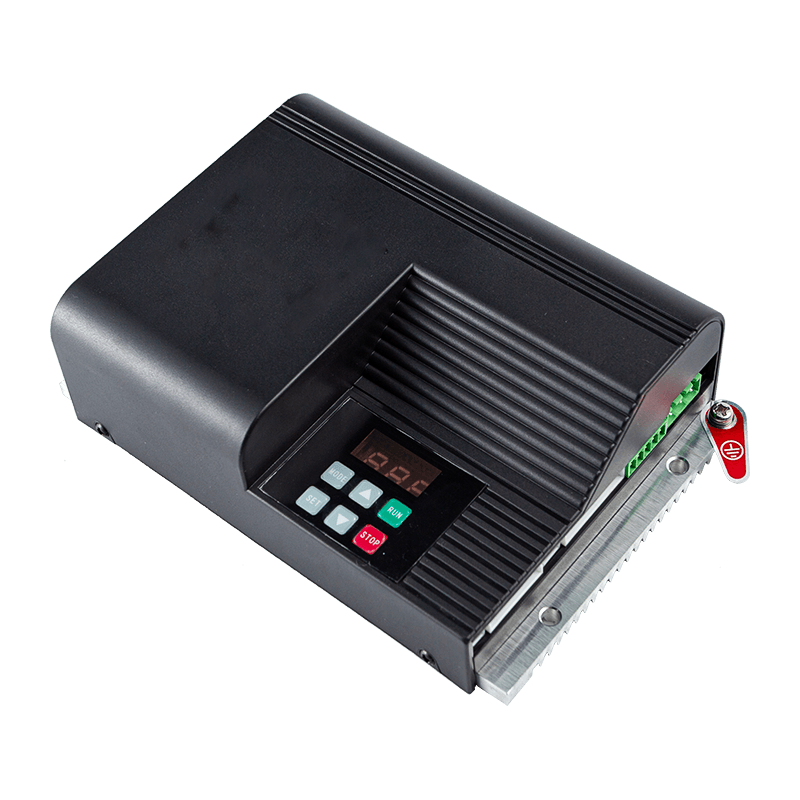
The Elevator Door Controller AIG-500E-01 is a dedicated automatic door controller for elevator door operator systems. Its primary function is to manage the opening and closing motion of sliding lift doors through controlled motor output, digital signal processing, position judgment, safety response, and relay status output. In an elevator environment, a door controller must do much more than start and stop a motor. It must interpret opening and closing commands, coordinate with safety devices, respond to fire protection or anti-pinch signals, monitor operating status, and provide clear information for commissioning and maintenance personnel.
This controller is designed around a precision control philosophy. It supports fully closed-loop operation, which means the controller does not simply assume that the motor and door have reached the intended position. Instead, it uses feedback to evaluate motion and adjust output. This provides better control over speed, current, door position, and travel behavior. Closed-loop management is especially valuable in elevator door systems because door load conditions may change over time due to mechanical wear, rail friction, belt tension, roller condition, or environmental changes.
The controller is suitable for use with compatible permanent magnet servo motors and can also support controllable 24 V DC brushless motor or servo motor configurations according to system design requirements. It offers a maximum output current of 7.5 A and maximum output power of 150 W, making it suitable for many elevator door operator mechanisms that require compact size, controlled torque, and stable speed response. The integrated 24 V switching power supply simplifies system design and reduces the need for additional external power modules in many installations.
The operating input voltage range is 176 to 264 VAC at 50 or 60 Hz, allowing the controller to adapt to common single-phase supply environments. This broad voltage tolerance is important for elevator projects in different markets, where grid conditions may vary. In practical applications, voltage fluctuations can affect motor behavior and electronic reliability. A controller designed for a wide input range provides greater installation flexibility and helps maintain consistent operation under normal site conditions.
Core Design Philosophy
The central design objective of the AIG-500E-01 is to provide safe, smooth, and adjustable elevator door motion. In elevator applications, motion quality is not a luxury feature. It affects passenger confidence, reduces mechanical impact, extends the life of rollers and belts, lowers noise, and improves the overall perceived quality of the elevator. A poorly tuned door can close too sharply, shake at the end of travel, hesitate during opening, or fail to respond consistently to changing friction. A well-designed door controller prevents these issues through intelligent motion curves and reliable feedback.
The controller incorporates four different speed gears for door opening and closing curves. These settings allow technicians to tune the door movement through defined acceleration, deceleration, buffer distance, and speed values. This is a major advantage compared with basic controllers that offer only limited speed adjustment. Elevator doors do not move through their full travel at one constant speed. They typically require a gentle start, a faster middle travel section, a controlled slowdown, and a soft arrival near the fully open or fully closed position. The AIG-500E-01 allows this behavior to be adjusted with more precision.
Its parameter groups are structured for practical commissioning. Opening and closing curve parameters are separated into O and C groups, making it easier for technicians to understand and adjust the motion profile. Technician-level parameters in the F group manage deeper functions such as motor pole pairs, encoder lines, relay output logic, and demo mode. This organization supports both everyday commissioning and advanced service configuration. The result is a controller that can be adapted to different door widths, motor types, installation conditions, and customer requirements.
Another important part of the design philosophy is operational transparency. The built-in digital display provides status information such as output speed, current, busbar voltage, door position, and total run time. This information helps technicians identify issues quickly. Instead of guessing whether a problem is caused by low voltage, high current, incorrect position feedback, or a mechanical blockage, service personnel can use displayed values to narrow the cause. This reduces maintenance time and improves installation quality.
Technical Performance Parameters
The following table summarizes key product performance parameters for the Elevator Door Controller AIG-500E-01.
Parameter |
Specification |
Practical Value |
Input Voltage |
176 to 264 VAC, 50 or 60 Hz |
Supports common single-phase power environments and improves installation adaptability. |
Control Method |
Fully closed-loop space vector PWM control |
Improves motion precision, torque response, and smooth door operation. |
Motor Compatibility |
Compatible with specified permanent magnet servo motor systems and controllable 24 V DC brushless or servo motor configurations |
Enables flexible door operator design for different elevator projects. |
Maximum Output Current |
7.5 A |
Provides sufficient drive capability for compact elevator door mechanisms. |
Maximum Output Power |
150 W |
Suitable for villa elevators, export elevator doors, and customized door operator systems. |
Integrated Power Supply |
24 V switching power supply |
Simplifies cabinet wiring and reduces reliance on additional external modules. |
Communication |
RS-485 communication networking and TTL communication support for data copying and debugging |
Supports system integration, parameter transfer, and efficient field service. |
Digital Inputs |
Eight digital inputs |
Accommodates open, close, anti-pinch, fire protection, arrival, and motor protection signals. |
Relay Outputs |
Three relay outputs |
Provides open arrival, close arrival, and fault alarm status feedback. |
Application Range |
Sliding lift doors, export elevator doors, villa elevator doors, and customized door operators |
Addresses both standard and specialized automatic door requirements. |
Closed-Loop Space Vector PWM Control
One of the strongest technical advantages of this controller is its fully closed-loop space vector PWM control method. In motor control, PWM determines how electrical energy is delivered to the motor. Space vector PWM is known for efficient voltage utilization, smooth torque production, and refined control of motor behavior. When combined with closed-loop feedback, it allows the controller to adjust output based on real operating conditions instead of relying only on preset assumptions.
For elevator door control, this matters in several ways. First, door movement must remain smooth even when load conditions change. Dust, aging rollers, belt tension, and temperature variations can increase resistance. A basic controller may respond with uneven speed or excessive force. A closed-loop controller can detect deviation and correct output more effectively. Second, accurate low-speed operation is essential near the ends of travel. The door should approach the open or closed position gently, without collision or rebound. Closed-loop control supports this by maintaining precise speed and position behavior.
Third, closed-loop control improves repeatability. Every cycle of the door should feel similar to the previous cycle. If one cycle closes quickly and another closes slowly, passengers may perceive the elevator as unreliable. The AIG-500E-01 is designed to maintain consistent behavior across many operating cycles. This contributes to passenger comfort and mechanical durability.
Compared with conventional open-loop or semi-closed-loop door control solutions, the AIG-500E-01 offers a more professional motion control architecture. Competitor products in entry-level segments may be easier to configure but often provide limited compensation for mechanical variations. The result can be more noise, more adjustment time, or less accurate arrival behavior. The AIG-500E-01 provides a stronger balance between precision, adjustability, and field usability.
One-Touch Commissioning for Faster Installation
Commissioning is one of the most important stages in an elevator door project. Even a high-quality controller can perform poorly if it is not tuned correctly. Traditional commissioning can require repeated manual adjustment of travel distance, speed points, acceleration, deceleration, and arrival judgment. This consumes time and depends heavily on technician experience. The AIG-500E-01 addresses this challenge with an automated one-key debugging function.
The one-key debugging function measures door width and tests the initial position. This gives technicians a structured starting point for system setup. Instead of manually estimating travel distance, the controller can identify essential movement information and establish the basis for further parameter optimization. For installers working on multiple doors or export projects with tight schedules, this feature can reduce commissioning time and improve consistency.
The benefit is especially clear in customized door operator systems. Custom projects may involve different door widths, mechanical linkages, or motion requirements. A controller with automated commissioning support helps reduce the risk of human error. It also shortens the learning curve for field service teams. Experienced technicians can still fine-tune parameters, but the basic setup process becomes more efficient and repeatable.
Compared with competitor controllers that require more manual setup, one-touch commissioning improves productivity. In large installations, saving even a small amount of time per door can significantly reduce total project labor. It also helps avoid inconsistent tuning among different technicians. When the controller establishes door width and initial position in a standardized way, the resulting system behavior is more predictable.
Flexible Door Curve Parameters
Elevator door motion is best understood as a curve rather than a simple command. A door must begin moving gently, accelerate to a practical travel speed, decelerate before the end of travel, and complete its movement smoothly. The AIG-500E-01 supports detailed door curve adjustment through opening and closing parameter groups. These include four speed gears, buffer distances, acceleration settings, and deceleration settings for both opening and closing cycles.
This flexibility provides several advantages. The first is comfort. Passengers prefer doors that move smoothly and quietly. Abrupt starts or stops can create noise and vibration. The second is mechanical protection. A door that repeatedly impacts its limits or moves with excessive force can accelerate wear on rollers, tracks, belts, and couplers. The third is safety response. A carefully tuned closing curve can work more effectively with anti-pinch and obstruction judgment functions.
Opening and closing behavior often require different tuning. Opening can usually be faster because it moves away from passengers, while closing may require more conservative speed and more sensitive obstruction logic. The controller’s separate O and C parameter groups make it possible to optimize each direction independently. This is superior to simpler products that apply similar speed logic in both directions or provide only basic high-speed and low-speed settings.
For villa elevators and customized door systems, this level of adjustment is valuable. Villa elevator users often expect quiet operation and refined comfort. Export elevator projects may need to meet different market expectations and installation standards. Customized door systems may have unique panel weights or travel distances. The AIG-500E-01 gives integrators the ability to tune the product for these different conditions without changing the controller hardware.
Comprehensive Monitoring and Digital Display
The integrated digital display is another practical advantage. It can show output speed, output current, busbar voltage, door position, and total run time. In daily operation and maintenance, this information is highly useful. A controller that hides operating data forces technicians to troubleshoot blindly. A controller that displays key values supports faster diagnosis and more professional service.
Output speed information helps verify whether the door is following the intended motion curve. Current data can indicate load conditions. If current is consistently higher than expected, the door mechanism may have excessive friction, misalignment, or mechanical resistance. Busbar voltage information helps identify power supply issues. Door position data supports travel confirmation and commissioning accuracy. Total run time provides insight into usage and maintenance planning.
In competitive comparison, many basic door controllers provide only fault codes or minimal status indicators. While fault codes are useful, they do not provide the same depth of real-time operational understanding. The AIG-500E-01’s broader display functions reduce uncertainty. This is especially helpful for service teams managing many elevator sites, where quick fault identification can reduce downtime and improve customer satisfaction.
The display also supports training. New technicians can observe how current, speed, and position change during door movement. This helps them understand the relationship between parameters and actual behavior. Over time, service teams can build stronger field expertise and reduce dependency on trial-and-error adjustment.
Input and Output Flexibility
Elevator door controllers must communicate with the broader elevator control system and multiple safety devices. The AIG-500E-01 includes eight digital inputs and three relay outputs. Input signals can include open, close, anti-pinch, fire protection, arrival, and motor thermal protection. Relay outputs can provide open position reached, close position reached, and fault alarm signals.
This flexible input and output structure allows the controller to fit into different elevator control architectures. Some systems may use level signals, while others may use edge-triggered commands. The controller supports both level and edge switching gate signal modes. This reduces compatibility problems during installation and makes the controller more suitable for export or retrofit projects where signal logic may differ.
Anti-pinch and fire protection input support are especially important. Elevator doors must respond appropriately when passenger safety devices are activated or when emergency modes are required. The controller’s adjustable judgment times for door blocking provide further flexibility. Different door systems may require different obstruction response timing depending on mechanical inertia, door weight, and sensor design. Adjustable judgment time helps balance sensitivity with stability.
The three relay outputs improve system feedback. When the main elevator controller receives reliable open and close arrival signals, it can coordinate car movement and passenger flow more safely. A fault alarm output allows the elevator system to respond to abnormal conditions and supports maintenance notification. Compared with controllers that provide fewer outputs or fixed logic, the AIG-500E-01 gives integrators more freedom in system design.
Communication and Parameter Management
Modern elevator systems increasingly require data exchange, remote configuration, and efficient parameter management. The AIG-500E-01 includes RS-485 communication networking functionality and also supports TTL communication for data copying and external parameter setting or debugging. These features make the controller more suitable for professional elevator production and maintenance environments.
RS-485 is widely used in industrial and elevator applications because it supports reliable communication over practical distances and performs well in electrically noisy environments when properly implemented. For door controller applications, communication capability can support networking, monitoring, parameter adjustment, and integration with other control devices. It also gives system designers more options for future intelligent elevator functions.
TTL communication support for data copying is useful in production and service. When multiple controllers need similar parameter settings, data copying can improve consistency and reduce manual input errors. In a manufacturing environment, this supports standardized configuration. In field service, it allows a known good parameter set to be transferred efficiently when replacing or commissioning units.
Compared with competitor products that rely only on local keypad settings, communication-based parameter management is a major advantage. It reduces setup time, supports documentation, and improves repeatability. For elevator manufacturers producing multiple models or serving different regions, efficient parameter management can improve both quality control and delivery speed.
Application Scenarios
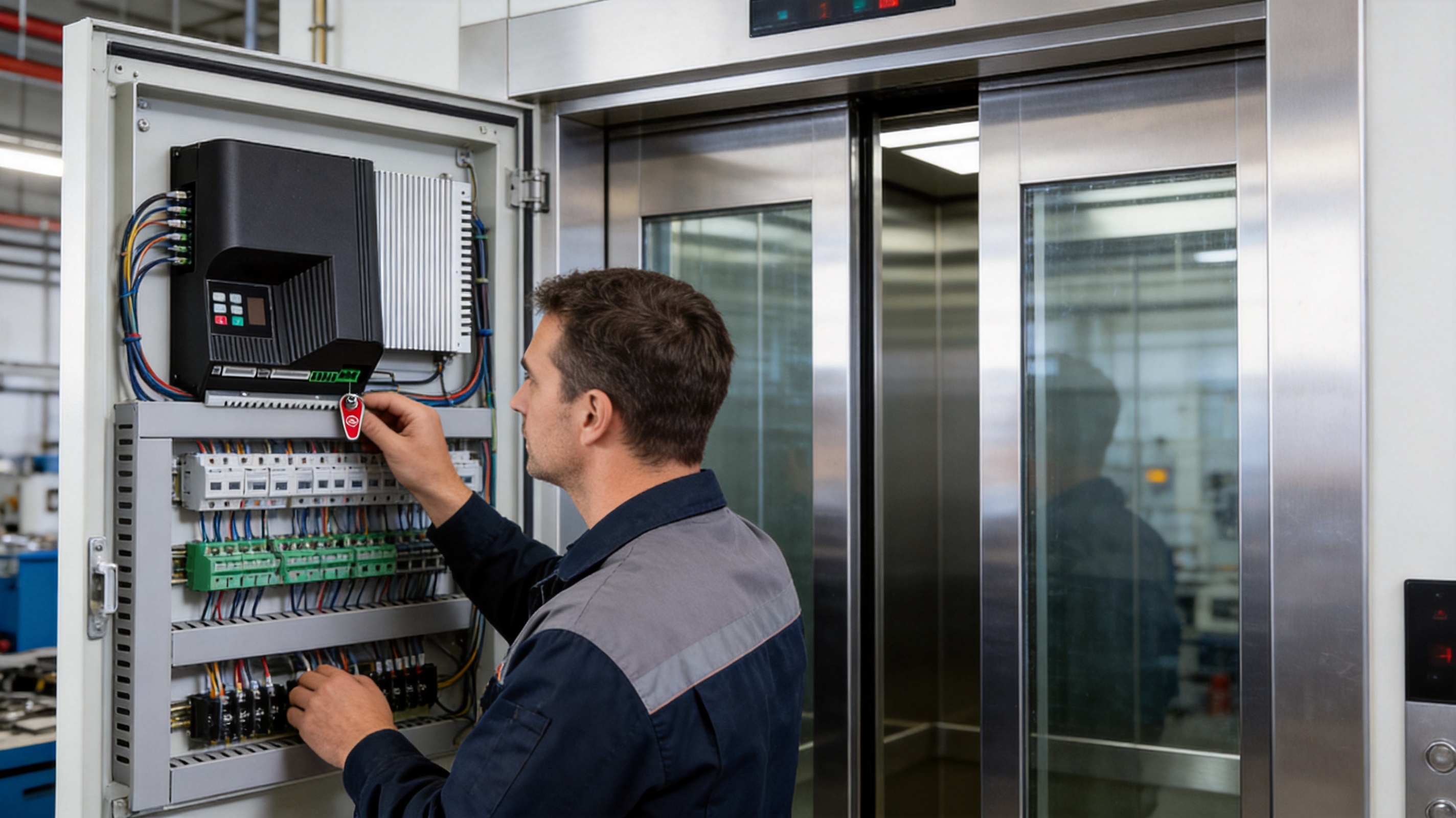
The primary application of the AIG-500E-01 is the management of sliding lift and elevator doors. Sliding doors are common in passenger elevators, villa elevators, commercial buildings, residential buildings, and special-purpose lifting systems. In each of these applications, the door controller must provide smooth movement, safe response, and reliable coordination with the elevator system.
For export elevator doors, adaptability is important. Export markets may have different supply voltage conditions, installation habits, control signal expectations, and customer preferences. The controller’s broad input voltage range, flexible I/O, communication support, and adjustable parameters make it suitable for such variation. Manufacturers can use a common controller platform while tuning parameters for specific market needs.
For villa elevator doors, comfort and quiet operation are often top priorities. Villa elevator users may be more sensitive to noise, vibration, and door movement quality because the elevator is located inside a private living environment. The controller’s closed-loop control, refined speed curves, and buffer settings help achieve a premium feel. Smooth arrival and controlled acceleration can make the elevator feel more stable and refined.
For specially customized door operator systems, flexibility is the key advantage. Custom systems may involve non-standard door widths, unique mechanical structures, special sensors, or specific relay logic. The AIG-500E-01 provides parameter depth and I/O flexibility that help engineers adapt the controller to these needs. Its demo mode also supports continuous test cycling of the door mechanism, which is useful during development, factory testing, and endurance verification.
Demo Mode for Testing and Validation
The controller includes a demo mode for continuous test cycling of the door mechanism. This feature is useful for manufacturers, system integrators, and maintenance teams. During product development or factory testing, continuous cycling can reveal mechanical issues such as roller misalignment, belt slip, abnormal noise, or inconsistent travel. It can also help verify whether parameter settings remain stable over repeated cycles.
In the factory, demo mode supports quality assurance. A door operator system can be cycled repeatedly before shipment to confirm that the controller, motor, wiring, sensors, and mechanical components work together reliably. This reduces the risk of failures after installation. For customers, this means higher confidence in the delivered product.
In maintenance, demo mode can help reproduce intermittent problems. Some door faults occur only after repeated cycles or under certain timing conditions. Continuous cycling gives technicians a controlled method to observe behavior and identify root causes. Compared with products that lack an integrated test mode, this controller provides a more complete service toolkit.
Advantages Over Conventional Competitor Solutions
The AIG-500E-01 has several advantages over conventional competitor solutions in the automatic elevator door controller market. These advantages are not based on a single feature, but on the combination of control quality, commissioning efficiency, parameter flexibility, monitoring capability, communication support, and manufacturing reliability.
First, the closed-loop space vector PWM control architecture provides better motion precision than simple open-loop controllers. This improves speed stability, arrival accuracy, and low-speed smoothness. Competitor products with less advanced control methods may operate acceptably in simple conditions but can struggle when mechanical resistance changes or when refined motion quality is required.
Second, the one-touch commissioning function improves installation efficiency. Many traditional door controllers require more manual setup and repeated trial adjustment. The AIG-500E-01 reduces setup difficulty by measuring door width and testing the initial position automatically. This gives installation teams a faster and more consistent commissioning process.
Third, the product provides extensive parameter adjustment. Four speed gears, buffer distances, acceleration, and deceleration settings for both opening and closing allow detailed motion optimization. Basic competitor products often provide fewer adjustment points, limiting the installer’s ability to balance speed, comfort, and safety response.
Fourth, the digital display offers comprehensive operating information. Speed, current, busbar voltage, door position, and total run time help technicians diagnose problems more effectively. Controllers with only simple indicator lights or limited fault codes provide less service value and can increase troubleshooting time.
Fifth, the I/O structure and signal mode flexibility improve compatibility. Support for multiple digital inputs, relay outputs, level signal mode, and edge signal mode allows the controller to work with different elevator systems. This is a practical advantage in export, retrofit, and custom projects.
Sixth, communication support improves professional integration. RS-485 networking and TTL parameter copying help manufacturers and service teams manage configuration more efficiently. Competitor products without communication functions may be less suitable for modern smart elevator systems or standardized production environments.
Manufacturing Strength Behind the Product
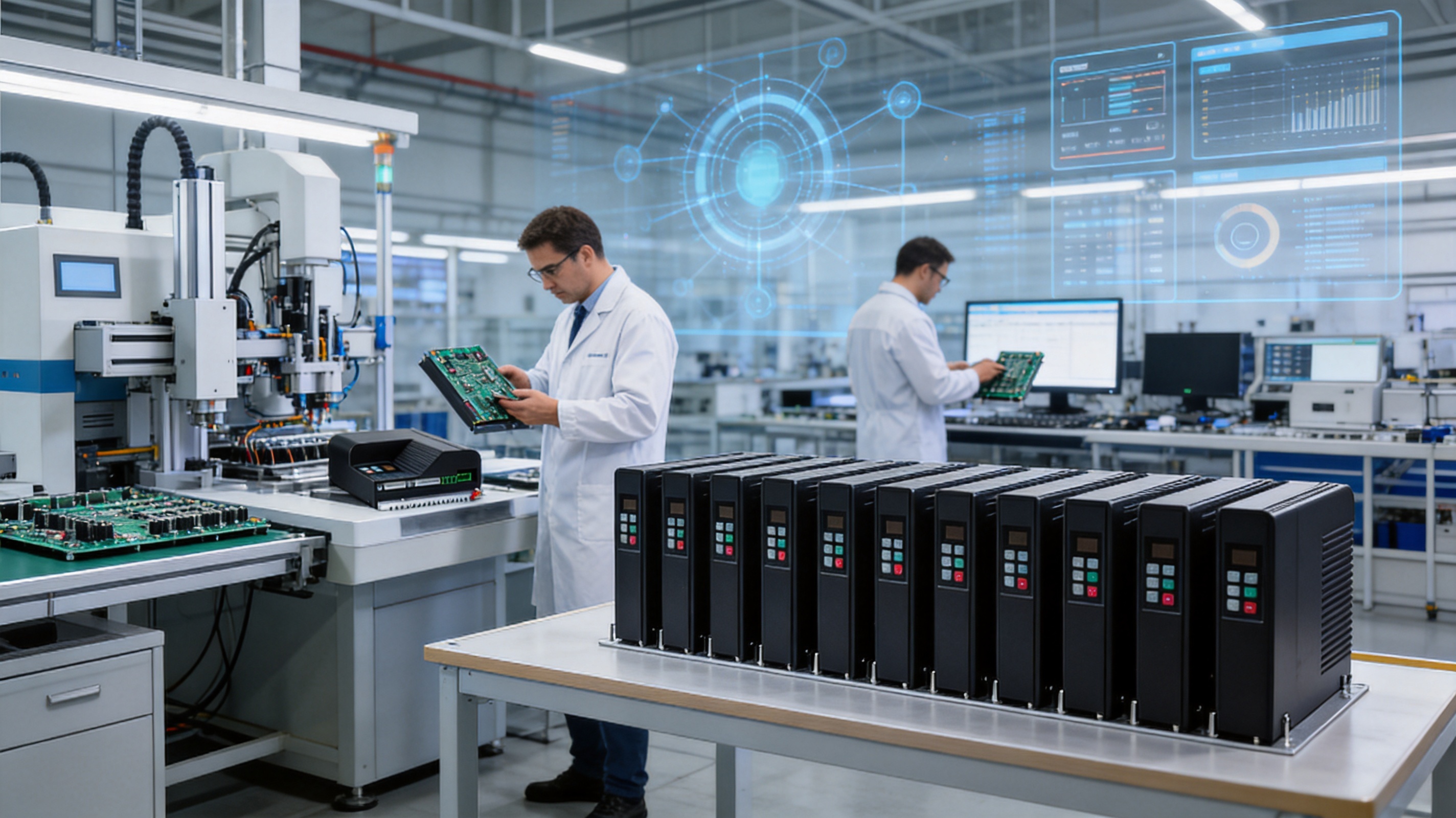
The quality of an elevator door controller depends not only on circuit design and software logic, but also on manufacturing discipline. Electronic controllers used in elevator systems must endure voltage variation, electromagnetic interference, frequent switching, thermal stress, and long operating life. A strong manufacturing process is therefore essential. The company behind the AIG-500E-01 is a high-tech enterprise dedicated to smart factory technologies, with capabilities in data sensing, intelligent connectivity, edge-layer hardware, and industrial data integration solutions.
This industrial background strengthens the product in several ways. Experience with broadband power line carrier communication contributes to knowledge of signal integrity, noise resistance, and reliable data transmission. Experience with wireless temperature monitoring systems supports understanding of sensor reliability and industrial monitoring. Work with transmitters and thermal gas mass flow meters reflects capability in precision measurement, calibration, and stable electronic design. These capabilities are relevant to the development and production of an elevator door controller because they all require accuracy, durability, and reliable field operation.
Advanced manufacturing begins with controlled component selection. For a motor controller, components such as power semiconductors, capacitors, relays, connectors, microcontrollers, and protection devices directly affect reliability. Careful selection and supplier management help ensure stable performance. Inconsistent components can cause heat problems, voltage instability, weak relay life, or communication failures. A professional manufacturing operation manages these risks through qualification, inspection, and process control.
Printed circuit board assembly quality is equally important. Motor controllers often operate in electrically demanding environments. Proper soldering, layout execution, insulation spacing, and inspection reduce the risk of field failures. Manufacturing teams must control solder joint quality, component placement accuracy, and cleanliness. Automated and standardized production processes improve consistency from batch to batch.
Testing is another essential strength. A controller should be tested not only for power-on function but also for input response, relay output, display operation, communication behavior, motor drive output, voltage handling, and protection logic. Factory validation can include parameter verification, simulated signal testing, and door motion cycling when integrated with a door operator mechanism. These steps help ensure that the controller delivered to customers performs as expected.
Smart Factory Capability and Industrial Quality Culture
The company’s mission is to support efficient, reliable, and green smart factories. This mission influences how products are designed and manufactured. Smart factory thinking emphasizes data, traceability, process optimization, and continuous improvement. For the AIG-500E-01, this means that production is not treated as simple assembly. It is treated as an integrated process involving design control, manufacturing consistency, testing discipline, and feedback from real applications.
Traceability is valuable in industrial electronics. When components, production batches, testing records, and configuration details are managed systematically, quality issues can be identified and corrected more efficiently. This supports long-term product reliability and customer confidence. For elevator manufacturers, traceable controller quality is important because elevator systems are expected to operate safely for many years.
The company’s focus on edge-layer hardware products and industrial data integration also supports future-ready product development. Elevator systems are becoming more intelligent, with increased interest in condition monitoring, preventive maintenance, remote service, and energy management. A door controller with communication capability and operating data visibility fits well into this trend. It can become part of a broader smart elevator ecosystem rather than remaining an isolated component.
Green manufacturing and efficient design also matter. Smooth motor control can reduce unnecessary mechanical impact and may improve energy behavior during door operation. Durable electronics reduce replacement frequency and waste. Efficient commissioning reduces service time and repeated site visits. These practical benefits align with sustainable industrial productivity.
Reliability in Real Elevator Environments
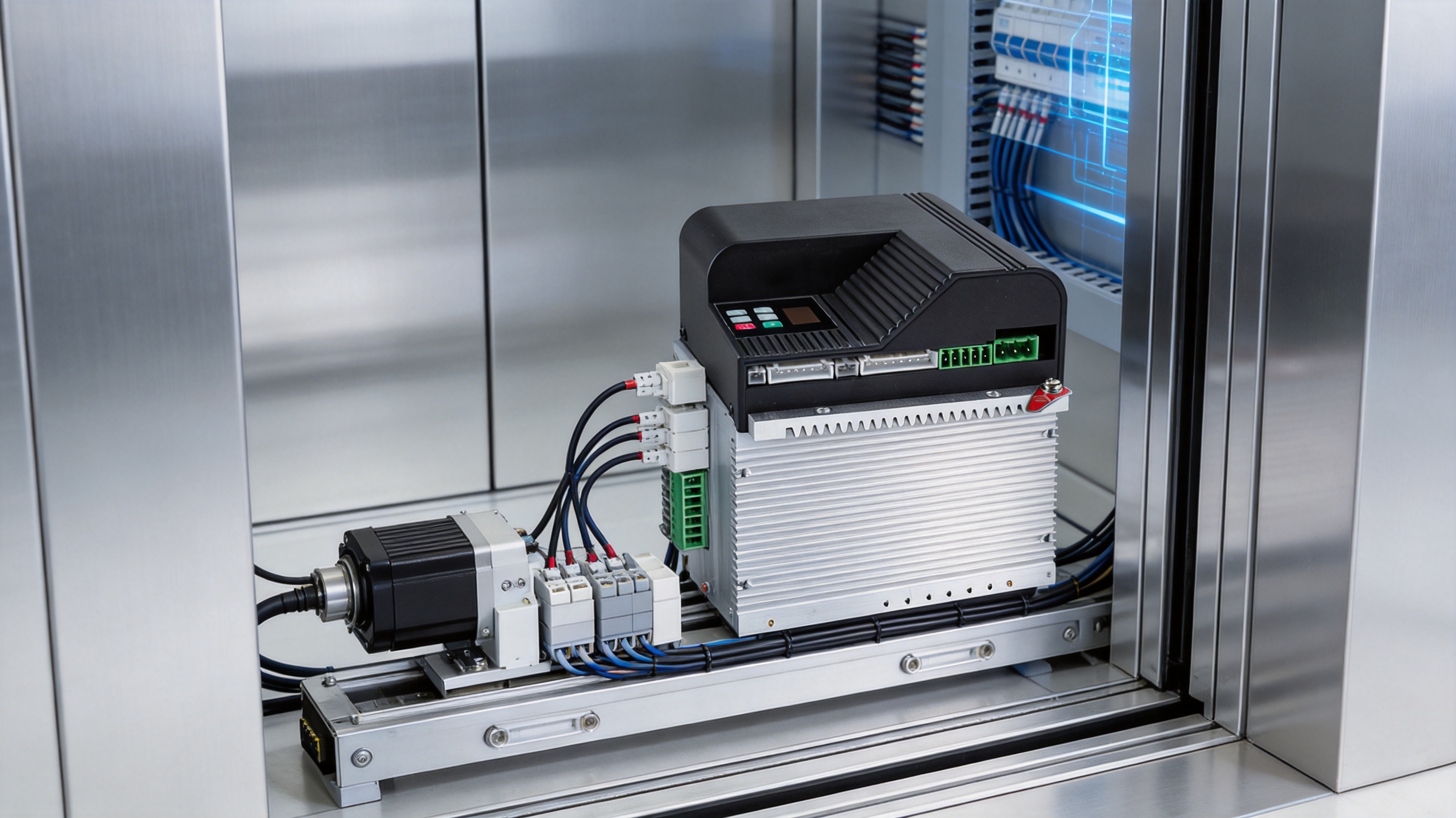
Elevator door controllers operate in demanding conditions. They may be installed in control cabinets, door operator assemblies, or compact spaces where temperature, dust, vibration, and electrical noise are present. They must perform reliably through thousands or millions of opening and closing cycles. The AIG-500E-01 is designed for this type of environment with a focus on stable control, practical monitoring, and flexible protection logic.
Motor thermal protection input support helps protect the drive system from abnormal temperature conditions. Fault alarm output allows the wider elevator system to respond when abnormal operation occurs. Current monitoring helps identify mechanical load problems before they become serious failures. Busbar voltage display helps detect power supply instability. Together, these functions create a more maintainable and reliable door control system.
Reliability also comes from motion quality. A door that accelerates and stops harshly places stress on mechanical components. Over time, this can increase noise, loosen fasteners, wear rollers, and reduce door alignment quality. By enabling smooth speed curves and buffer control, the AIG-500E-01 helps protect the door mechanism. This reduces maintenance burden and can improve the life of the complete door operator system.
Installation and Service Benefits
From the installer’s perspective, a good door controller should be understandable, adjustable, and forgiving of real-world site variation. The AIG-500E-01 supports this through one-key debugging, display monitoring, organized parameter groups, flexible signal modes, and communication support. These features reduce the complexity of installation while still allowing advanced tuning when necessary.
Service teams benefit from clear diagnostic information. If a door does not open fully, the technician can check position and current. If movement is unstable, speed and voltage information can be reviewed. If the elevator system does not recognize arrival, relay output logic and input signals can be inspected. This structured approach is faster than replacing components by guesswork.
For elevator manufacturers, serviceability affects brand reputation. A controller that is easy to commission and diagnose reduces support calls, shortens installation time, and improves customer satisfaction. The AIG-500E-01 is therefore not only a component but also a contributor to the overall efficiency of elevator production, installation, and after-sales service.
Why This Controller Fits Modern Elevator Projects
Modern elevator projects increasingly demand compact design, smooth operation, flexible configuration, and intelligent maintenance. The AIG-500E-01 fits these needs by combining servo-level motion control with practical elevator-specific logic. It supports the door functions that elevator systems require while offering the adjustability that integrators need for different applications.
In residential elevators, it can improve comfort and reduce noise. In commercial projects, it can support reliable high-frequency operation. In export projects, it can adapt to different signal requirements and supply environments. In custom door systems, it provides enough parameter flexibility to match unique mechanical designs. This broad applicability gives it a competitive advantage over controllers designed only for narrow use cases.
The controller is also suitable for manufacturers seeking a stable platform. Instead of using different controllers for different door types, manufacturers may standardize around a capable controller and adjust parameters for each project. This can simplify inventory, training, documentation, and service. The communication and parameter copying functions further support standardized production.
Q&A Section
What is the main purpose of the AIG-500E-01 Elevator Door Controller?
The main purpose of the AIG-500E-01 is to control the opening and closing movement of sliding elevator doors. It manages motor output, door position, input commands, safety signals, relay outputs, and motion curves to achieve smooth, reliable, and safe door operation.
What makes this controller different from a basic elevator door controller?
Its key differences include fully closed-loop space vector PWM control, one-touch commissioning, detailed opening and closing curve adjustment, digital monitoring of speed and current, flexible input and output configuration, RS-485 communication, TTL parameter support, and demo mode for testing. These features provide better performance and serviceability than many basic controllers.
Why is closed-loop control important for elevator doors?
Closed-loop control allows the controller to use feedback to adjust motor output according to real operating conditions. This improves speed stability, low-speed smoothness, position accuracy, and consistency, especially when door friction or mechanical load changes over time.
How does one-touch commissioning help installers?
One-touch commissioning helps measure door width and test the initial position automatically. This reduces manual setup time, improves commissioning consistency, and lowers the risk of parameter errors during installation.
What types of signals can the controller process?
The controller can process input signals such as open, close, anti-pinch or fire protection, arrival, and motor thermal protection. It also provides relay output signals for open position reached, close position reached, and fault alarm.
Does the controller support communication functions?
Yes. It supports RS-485 communication networking and TTL communication for data copying, external parameter setting, and debugging. These functions are valuable for integration, production standardization, and field service.
What applications are suitable for this controller?
The controller is suitable for sliding lift doors, export elevator doors, villa elevator doors, and specially customized door operator systems. It is also useful for manufacturers that require a flexible controller platform for multiple elevator door designs.
How does the product improve passenger experience?
It improves passenger experience by enabling smooth acceleration, stable travel speed, controlled deceleration, soft arrival, and reliable response to safety signals. These features reduce door noise, vibration, and abrupt movement.
How does the controller support maintenance?
The digital display shows useful operating information such as output speed, current, busbar voltage, door position, and total run time. These values help technicians diagnose problems quickly and make maintenance more efficient.
Why is the manufacturer’s industrial electronics background important?
The manufacturer’s experience in industrial communication, sensing, transmitters, flow meters, and smart factory hardware supports strong capabilities in electronic design, signal reliability, testing, and production quality. This background contributes to the reliability and practicality of the elevator door controller.
Conclusion
The Elevator Door Controller AIG-500E-01 is a high-performance solution for modern elevator door automation. It combines fully closed-loop space vector PWM motor control, flexible parameter adjustment, one-touch commissioning, comprehensive monitoring, broad I/O support, and communication capability. These features help elevator manufacturers and system integrators achieve smoother door motion, faster installation, more reliable safety response, and easier maintenance.
Compared with conventional competitor products, the controller offers stronger motion precision, better commissioning efficiency, more detailed door curve tuning, richer diagnostic information, and more professional integration options. Its ability to support export elevator doors, villa elevator doors, and customized door operator systems makes it a versatile platform for both standard and specialized elevator projects.
The product is further strengthened by the company’s advanced manufacturing culture and industrial technology background. With expertise in smart factory solutions, data sensing, intelligent connectivity, industrial hardware, and quality-controlled production, the manufacturer provides more than a controller. It provides a reliable electronic control solution supported by engineering experience and manufacturing discipline.
For elevator projects where door quality matters, the AIG-500E-01 offers a strong combination of smooth motion, intelligent control, practical service features, and dependable production quality. It is designed to help elevator systems operate more comfortably, more efficiently, and more reliably throughout their service life.
References
1. Elevator Door Operator Control Principles, Industrial Motion Control Technical Notes.
2. Space Vector PWM Methods for Permanent Magnet Motor Drives, Electrical Drive Engineering Reference.
3. Practical Guide to Elevator Door Commissioning and Maintenance, Vertical Transportation Systems Handbook.
4. Industrial RS-485 Communication and Field Device Integration, Automation Communication Standards Reference.
5. Brushless DC and Servo Motor Control in Compact Automation Systems, Mechatronics Application Manual.
6. Smart Factory Hardware Design and Industrial Data Integration Practices, Manufacturing Digitalization Review.