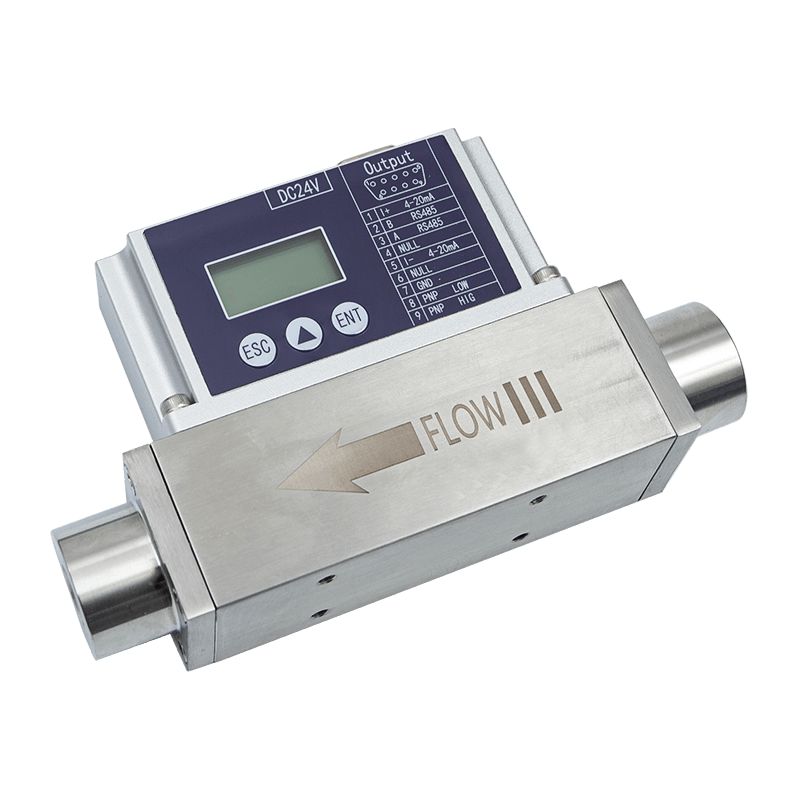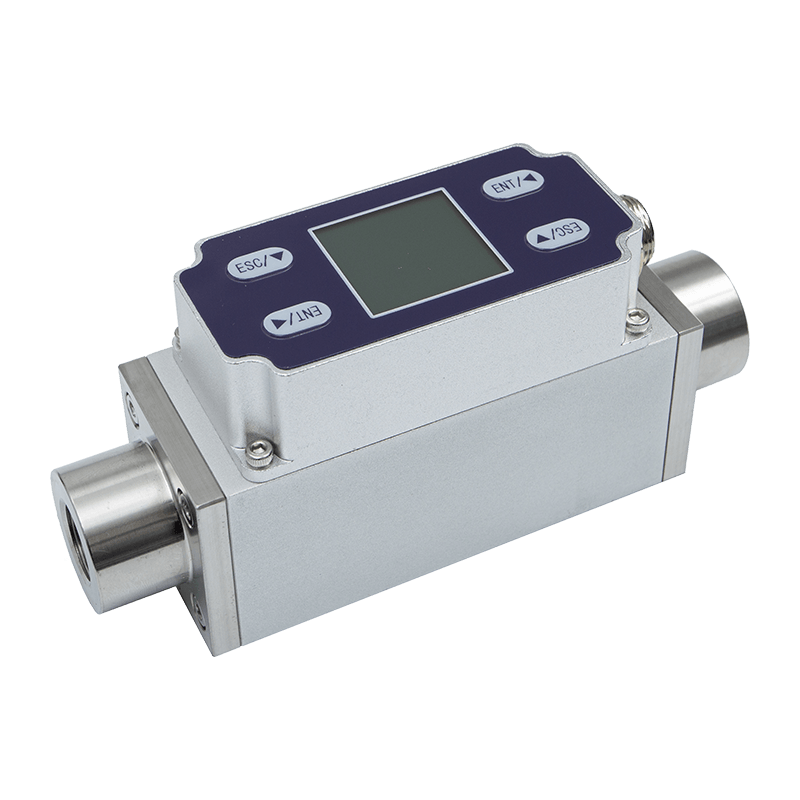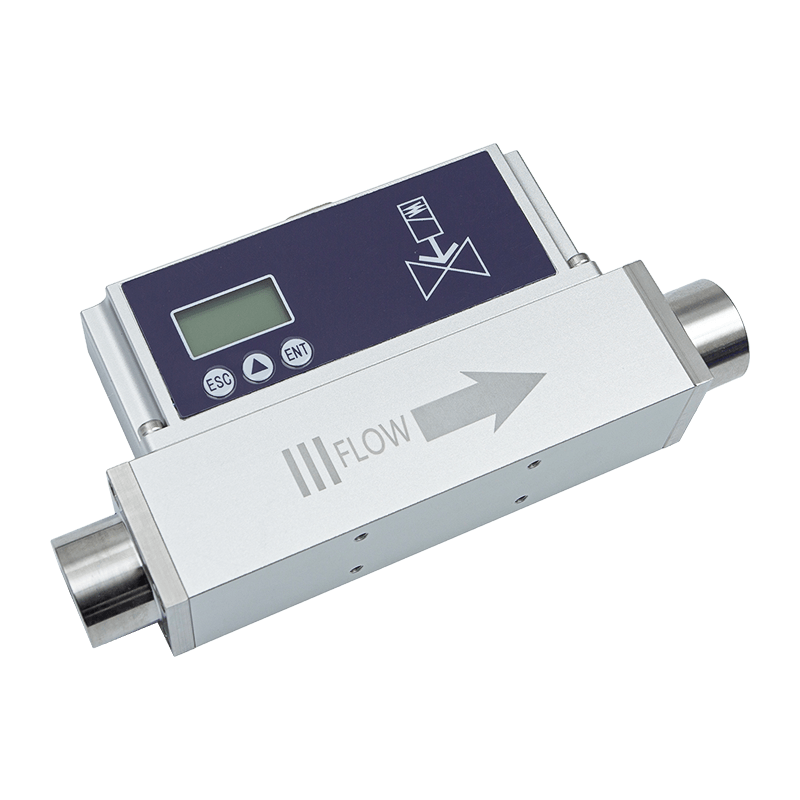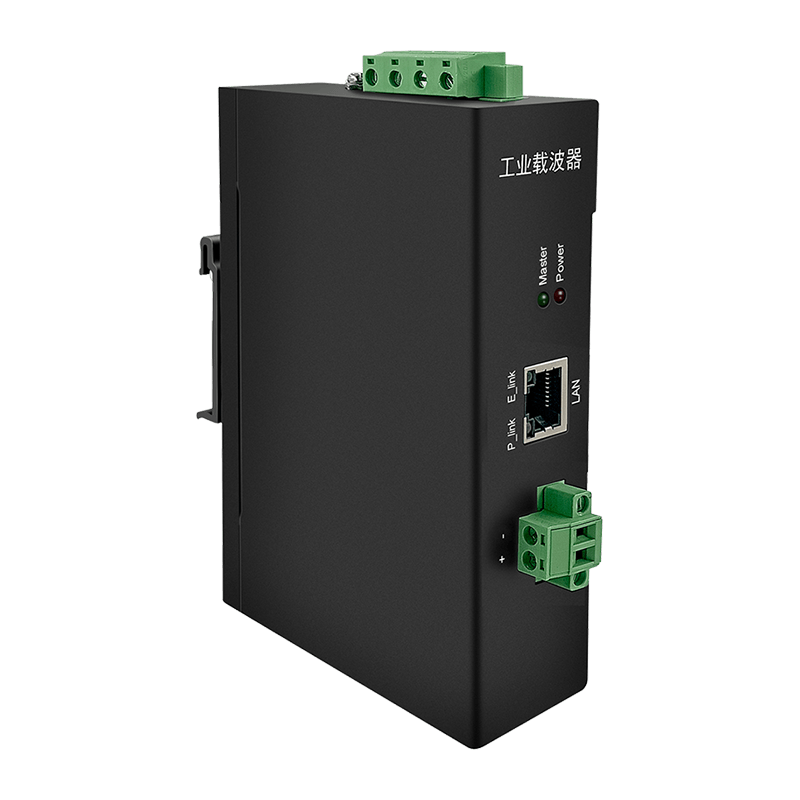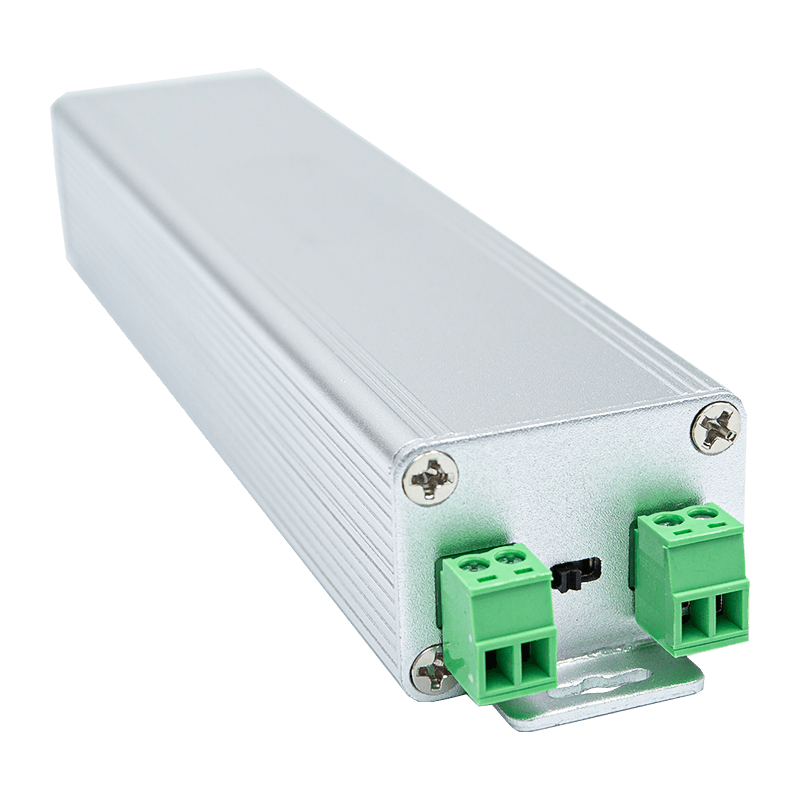


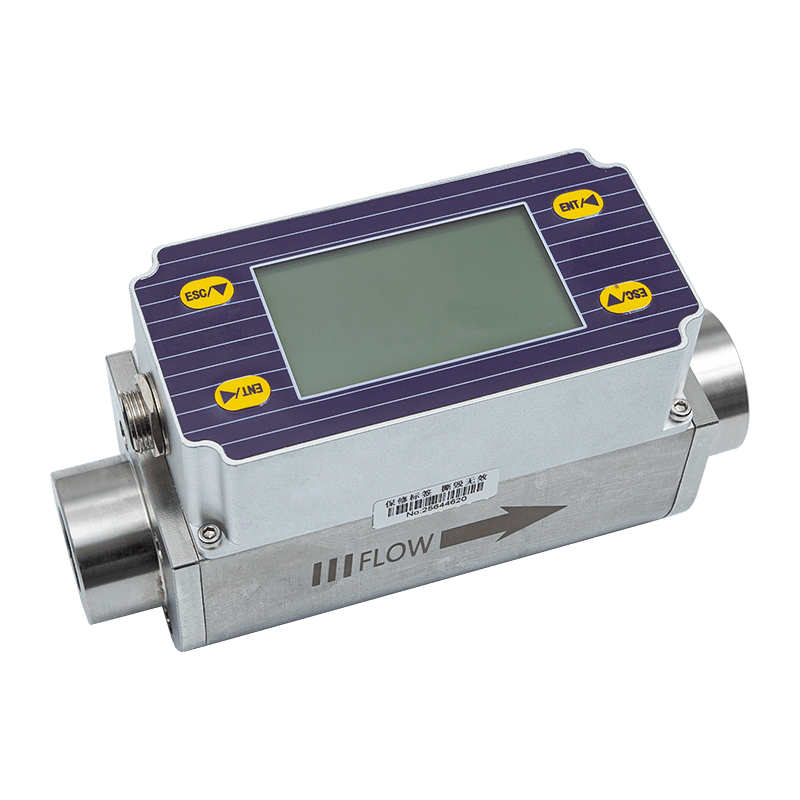
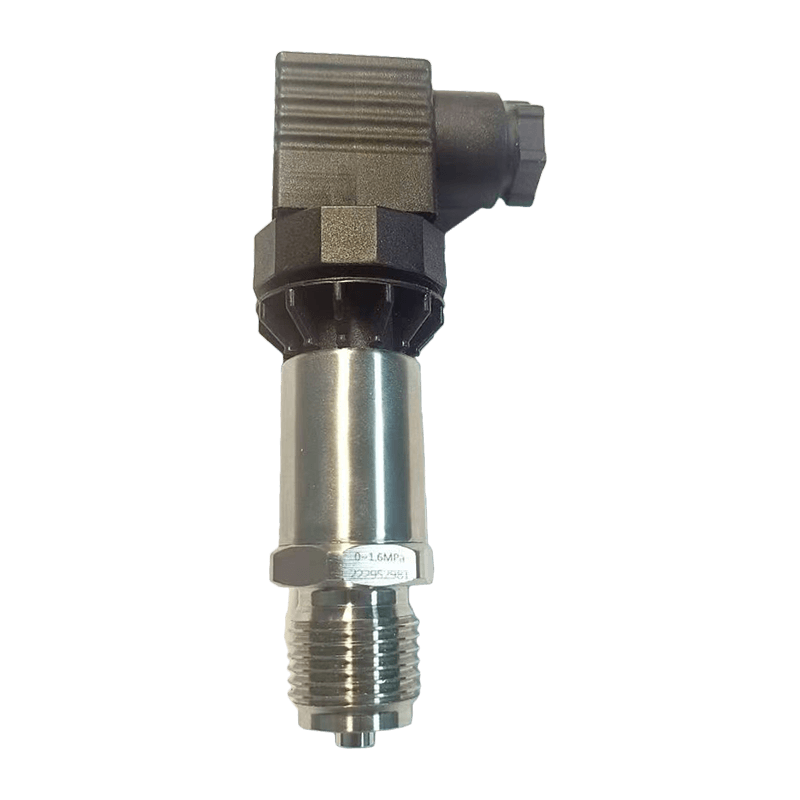
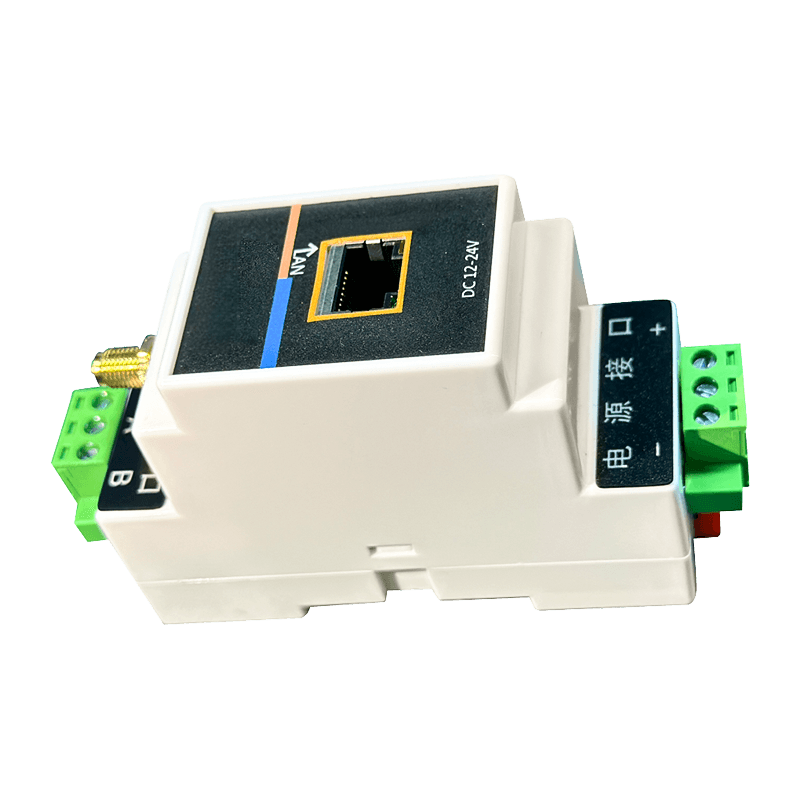
In modern industrial automation, gas flow measurement is no longer a supporting function that can be treated as an afterthought. It has become a core data source for energy management, process control, equipment protection, quality assurance, and digital factory optimization. The General Type Thermal Gas Mass Flow Meter, model AI-FL, is designed for applications that require reliable measurement of small-flow-rate clean gases with high sensitivity, compact installation, and practical industrial connectivity.
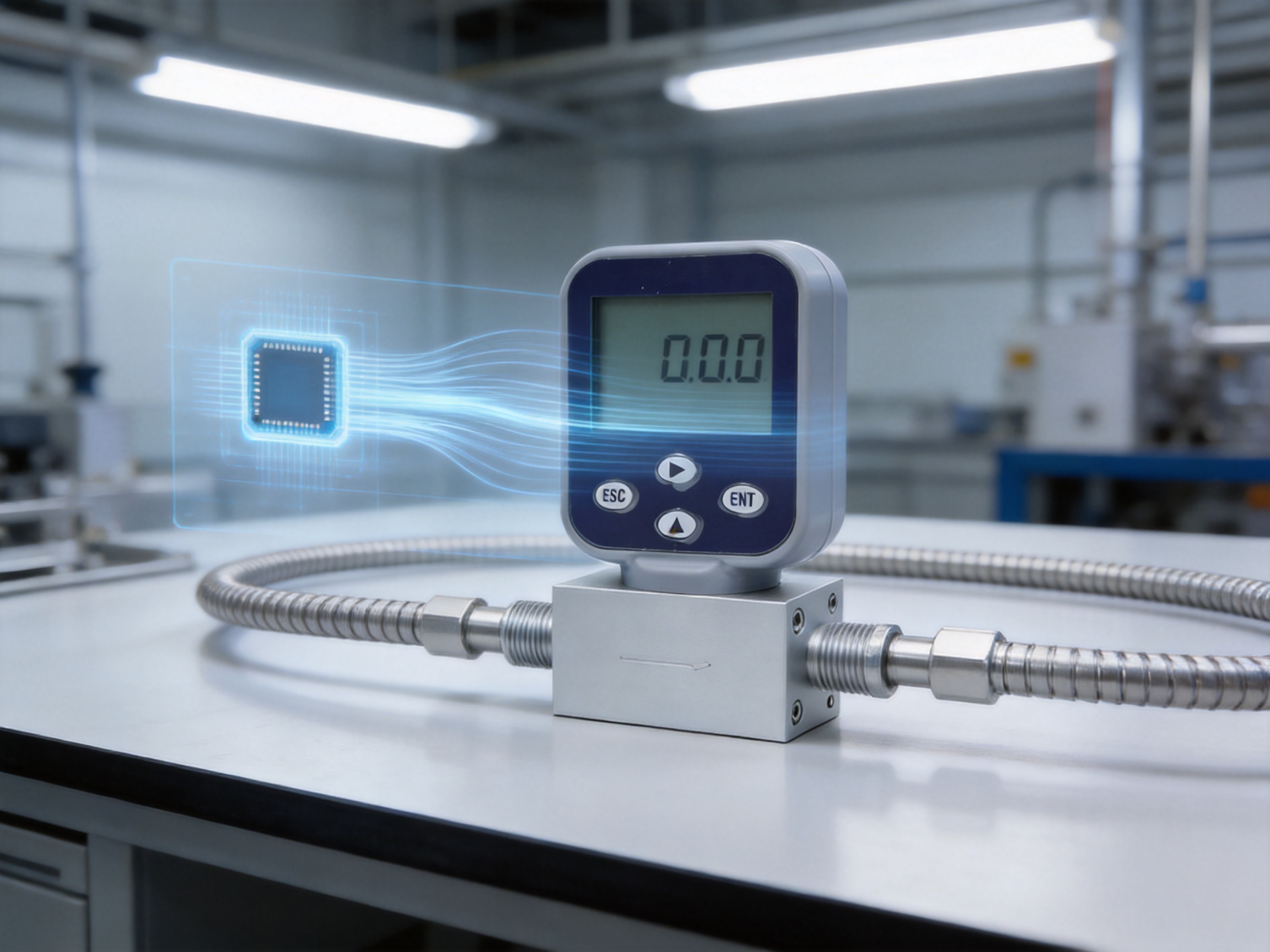
This thermal gas mass flow meter uses a microelectromechanical system, commonly known as MEMS, flow sensing chip to deliver stable and repeatable measurement performance. Compared with many traditional volumetric flow meters and differential pressure flow meters, it provides direct mass flow measurement without requiring additional temperature and pressure compensation under typical operating conditions. This makes it especially useful for industrial users who want to simplify system design, reduce installation complexity, and improve measurement consistency.
The product is suitable for measuring and controlling clean gases in industrial environments where compact size, low power consumption, standard communication, and flexible output options are important. With DC 24 V power supply, optional 4 to 20 mA output, RS485 communication, standard Modbus RTU protocol, and LCD display for instantaneous and cumulative flow, the AI-FL flow meter is built for both local visibility and digital integration.
General Type Thermal Gas Mass Flowmete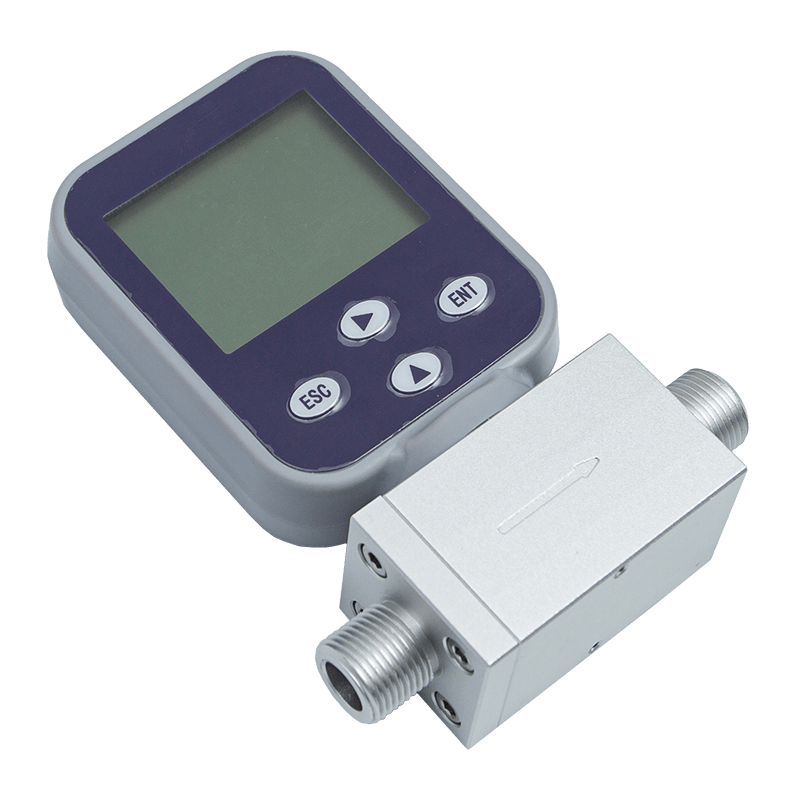
Product Overview
The AI-FL universal thermal gas mass flow meter is an ultra-compact instrument developed for clean gas flow measurement. It combines MEMS sensing technology, digital signal processing, standard mechanical interfaces, and industrial communication capability in a small housing with dimensions of approximately 90 mm by 35 mm by 127 mm. This compact form factor allows it to be installed in equipment cabinets, gas distribution panels, compact skids, laboratory devices, automated production equipment, and other space-constrained systems.
The product is designed for a medium temperature range from minus 10 degrees Celsius to 55 degrees Celsius and a storage temperature range from minus 10 degrees Celsius to 65 degrees Celsius. Its default working pressure is up to 1.6 MPa, while higher pressure ratings can be customized according to application requirements. This flexibility allows it to support a broad range of industrial gas measurement scenarios.
The minimum measurable flow rate is 5 NL per minute, and the maximum measurable flow rate is 1000 NL per minute. This range makes the instrument suitable for small-flow and medium-small-flow applications, especially where accurate monitoring of clean air or similar gases is required. The measurement reference conditions are 25 degrees Celsius, 101.32 kPa, and dry air, which are commonly used as a baseline for standardized gas flow performance evaluation.
One of the defining characteristics of the instrument is that it provides both instantaneous flow and cumulative flow display. Instantaneous flow is essential for real-time process control, while cumulative flow is valuable for consumption tracking, energy management, leak detection, and maintenance planning. This dual display function improves the usefulness of the device in practical production environments.
Why Thermal Gas Mass Flow Measurement Matters
Gas flow is a critical variable in many industrial processes. In pneumatic systems, gas flow affects actuator performance and compressed air energy consumption. In environmental equipment, flow consistency influences treatment efficiency and monitoring reliability. In semiconductor, electronics, laboratory, packaging, food processing, and general manufacturing applications, stable gas supply can directly affect product quality and equipment stability.
Traditional flow measurement methods often require correction for temperature and pressure changes. For example, volumetric flow meters measure volume under actual operating conditions, so changes in gas density can affect the relationship between measured volume and actual mass flow. Differential pressure flow meters rely on pressure drop across a restriction, and their accuracy can be affected by installation conditions, pressure fluctuations, density changes, and low-flow limitations.
Thermal gas mass flow measurement offers an important advantage because it is based on heat transfer from a sensing element to the gas stream. As gas molecules pass across the sensor, they carry heat away. The amount of heat transfer is related to mass flow rather than only volume. As a result, thermal mass flow meters are particularly useful for gas applications where mass-based measurement is more meaningful than simple volumetric measurement.
The AI-FL applies this principle through a MEMS flow sensing chip, which allows the instrument to achieve high sensitivity in a compact structure. MEMS technology supports miniaturization, repeatable manufacturing, low power consumption, and rapid signal response. This is one reason the product can provide reliable performance while maintaining a very small physical footprint.
Core Product Advantages
High Sensitivity from MEMS Sensing Technology
The use of a MEMS flow sensing chip is one of the strongest advantages of the AI-FL. MEMS devices are manufactured using micro-scale processes that allow precise sensor geometry and consistent response characteristics. In gas flow measurement, this means small flow changes can be detected more effectively, helping users monitor low-flow clean gases with better confidence.
For many competing instruments based on larger sensing elements or older measurement principles, low-flow measurement can be challenging. At small flow rates, mechanical friction, low pressure differential, signal noise, and environmental changes may reduce measurement reliability. The AI-FL addresses this challenge through an advanced micro-scale sensing structure and optimized signal processing.
Strong Anti-Interference Capability
Industrial environments often include electrical noise, vibration, temperature variation, equipment switching, motor drives, and communication interference. A gas flow meter must not only measure accurately in a laboratory but also remain stable in real production conditions. The AI-FL is designed with strong anti-interference capability, making it suitable for industrial systems where measurement reliability is essential.
Its digital communication interface also supports stable integration into control systems. Through RS485 and Modbus RTU, the flow meter can transmit data to programmable logic controllers, data acquisition units, industrial computers, gateways, or supervisory systems. Compared with purely local mechanical meters, this digital capability supports modern industrial Internet of Things and smart factory architectures.
Good Repeatability Across the Measurement Range
Accuracy is important, but repeatability is equally important in process control. Repeatability means that when the same flow condition occurs again, the instrument reports a consistent reading. The AI-FL provides good repeatability within its measurement range, which helps process engineers build stable control logic and detect abnormal deviations with greater confidence.
In practical production, repeatability helps reduce unnecessary adjustment and troubleshooting. When a flow meter repeatedly indicates the same value under the same conditions, operators can trust the data and focus on real process changes rather than instrument uncertainty. This is especially important for automated equipment, gas dosing, clean gas monitoring, and compressed air consumption analysis.
Stable Zero Point
Zero-point stability is another important characteristic. The zero point indicates the instrument output when there is no flow. If a sensor drifts at zero, the cumulative error may become significant over time, especially in applications where low-flow measurement is required. The AI-FL is designed for stable zero-point performance, with zero drift specified as plus or minus 20 mV.
Stable zero behavior helps improve confidence in both instantaneous and cumulative flow values. In low-flow systems, even a small offset can lead to meaningful error in cumulative consumption data. By emphasizing zero-point stability, the product supports better long-term monitoring and more accurate process evaluation.
Compact Size and Easy Installation
The instrument’s ultra-compact size is a practical competitive advantage. Many industrial systems have limited space for instrumentation. Traditional flow meters may require long straight pipe runs, bulky installation accessories, or separate display and transmitter modules. The AI-FL integrates sensing, display, output, and communication functions in a compact housing.
The standard mechanical interface further simplifies installation. The product supports threaded mechanical connections, including G3/4 external thread and G1/2 external thread options. Standardized connection designs reduce installation time, simplify replacement, and help system integrators incorporate the meter into new equipment designs without complex custom fabrication.
Technical Specification Summary
Parameter |
Specification |
Practical Benefit |
Product Model |
AI-FL |
General type thermal gas mass flow measurement for clean gases |
Working Power Supply |
DC 24 V, 2.5 W |
Compatible with common industrial control power systems |
Accuracy |
Plus or minus 2.0 percent plus 0.2 percent full scale |
Suitable for process monitoring, gas consumption analysis, and control applications |
Medium Temperature |
Minus 10 degrees Celsius to 55 degrees Celsius |
Supports typical industrial clean gas operating environments |
Working Pressure |
Up to 1.6 MPa by default, higher ratings customizable |
Provides flexibility for different gas supply systems |
Output Options |
4 to 20 mA or RS485 optional |
Supports both analog control systems and digital data networks |
Communication Protocol |
Modbus RTU through RS485 output |
Easy integration with PLCs, gateways, and supervisory systems |
Display |
Instantaneous flow and cumulative flow |
Improves local monitoring and consumption tracking |
Response Time |
50 to 1000 ms |
Allows application-specific balance between responsiveness and signal stability |
Storage Temperature |
Minus 10 degrees Celsius to 65 degrees Celsius |
Supports normal storage and logistics conditions |
Humidity |
Less than 95 percent relative humidity, no frost and no ice |
Suitable for non-condensing industrial environments |
Minimum Measurable Flow |
5 NL per minute |
Useful for low-flow clean gas monitoring |
Maximum Measurable Flow |
1000 NL per minute |
Covers a practical range for many compact gas systems |
Advantages Compared with Traditional Flow Meters
No Routine Temperature and Pressure Compensation Requirement
One of the most important benefits of the AI-FL thermal gas mass flow meter is that it can replace traditional volumetric or differential pressure flow meters in many clean gas applications without requiring separate temperature and pressure compensation. This simplifies system design. Users do not need to install additional pressure transmitters, temperature sensors, or compensation algorithms for many standard measurement tasks.
This advantage can reduce total system cost, wiring effort, commissioning time, and maintenance workload. It also reduces the chance of calculation errors caused by incorrect compensation settings or sensor mismatch. For equipment manufacturers, this means fewer components and a cleaner mechanical layout. For factory users, it means simpler operation and easier troubleshooting.
Better Low-Flow Measurement Capability
Many mechanical or differential pressure flow meters perform best at moderate to high flow rates. At low flow, mechanical components may not move reliably, and differential pressure signals may be too weak for stable measurement. The AI-FL is designed for small-flow clean gases and can measure from 5 NL per minute, making it a strong choice for systems where low-flow accuracy and stability are important.
This is valuable in applications such as purge gas control, small pneumatic branches, gas consumption monitoring for compact equipment, analytical instruments, laboratory gas lines, and precision gas supply modules. The ability to detect low flows can also support leakage analysis and energy-saving programs in compressed air systems.
Lower Installation Burden
Traditional flow measurement often involves strict installation conditions. Long straight pipe runs, careful orientation, pressure tap placement, and specialized accessories may be required. The compact design and standard mechanical interface of the AI-FL help reduce this burden. While proper installation practices are still important, the product is designed for practical industrial integration rather than complex field engineering.
For machine builders and system integrators, reduced installation burden can shorten design cycles and simplify assembly. For end users, it can lower labor cost and make retrofit projects more feasible. In crowded control cabinets or equipment frames, the compact size becomes especially valuable.
Digital Communication for Smart Factory Integration
Modern manufacturing increasingly depends on data. A flow meter that only provides a local indication may be useful for manual inspection, but it cannot fully support digital production management. The AI-FL offers RS485 communication with standard Modbus RTU protocol, enabling it to become part of a connected industrial data system.
Through Modbus RTU, flow values can be collected by PLCs, edge controllers, industrial gateways, or supervisory control systems. This allows users to record gas consumption, analyze process trends, compare equipment performance, generate alarms, and support predictive maintenance. In this sense, the flow meter is not merely an instrument; it is a data source for intelligent production.
Flexible Output Selection
The AI-FL can be equipped with a 4 to 20 mA standard current output, and RS485 communication is also available. This combination is important because different factories and machines use different control architectures. Some legacy systems rely on analog input cards, while newer systems prefer digital communication. By supporting both, the product can fit into a wider range of projects.
Analog output is valued for simplicity, noise resistance, and compatibility with established control systems. Digital output is valued for richer data, network integration, and easier multi-device communication. The availability of both options improves the product’s competitiveness and reduces the need for special converters.
Designed for Clean Gas Applications
The AI-FL is intended for measuring clean gases. Clean gas applications are common in industrial automation, pneumatic control, instrumentation, environmental monitoring, gas distribution, research equipment, and production process support. Clean air is one of the most common measurement targets, but the instrument may also support other clean gas applications depending on configuration and compatibility confirmation.
Clean gas measurement differs from liquid measurement and dusty gas measurement. The sensor must respond sensitively to heat transfer in the gas stream, and contamination should be minimized. Proper filtration, dry gas conditions, and suitable installation help maintain long-term stability. Because the product uses a MEMS sensing chip, protecting the flow path from particles, oil, water, and corrosive substances is important for reliable operation.
In compressed air systems, the meter can be used to monitor branch consumption, identify abnormal usage, and support energy-saving initiatives. Compressed air is one of the most expensive utilities in many factories because electrical energy is consumed to generate pressurized air. By measuring flow, users can discover leaks, inefficient equipment, and unnecessary demand.
In automation equipment, the meter can help verify whether gas delivery remains within required limits. Stable gas flow may be necessary for product handling, purging, cooling, drying, blowing, or process atmosphere control. When flow deviates from the normal range, alarms or control actions can prevent quality problems and equipment downtime.
LCD Display for Local Visibility
The built-in LCD display shows instantaneous flow and cumulative flow. This local display is a practical benefit for operators, maintenance personnel, commissioning engineers, and process technicians. Even when the meter is connected to a control system, local visibility can speed up troubleshooting and reduce the need to open software interfaces or connect diagnostic tools.
Instantaneous flow helps users confirm current operating status. If a valve opens, a compressor starts, or a process changes state, the instantaneous flow reading provides immediate feedback. Cumulative flow helps users understand total gas usage over time. This can be valuable for shift-based accounting, equipment benchmarking, maintenance planning, and energy cost allocation.
Compared with flow meters that only provide electrical output, the LCD display improves field usability. Compared with purely mechanical meters, it offers a clearer digital reading and the possibility of integration with automation systems. This combination of local and remote functionality is one of the reasons the AI-FL is suitable for modern industrial environments.
Advanced Manufacturing Strengths Behind the Product
The quality of a flow meter is not determined only by its design concept. It also depends on the manufacturing process, component selection, calibration method, inspection discipline, and continuous improvement capability of the company that produces it. ASY Electronics (JiaXing) Co., Ltd. is a high-tech enterprise focused on smart factory development, industrial data sensing, intelligent connectivity, and edge-layer hardware products. These capabilities create a strong foundation for manufacturing reliable industrial instruments such as the AI-FL thermal gas mass flow meter.
The company’s product portfolio includes broadband power line carrier communication products, wireless temperature monitoring systems, industrial transmitters, flow meters, and automatic door controllers. This broad industrial technology base is important because flow measurement is increasingly connected with data communication and intelligent monitoring. A manufacturer with experience in sensing, communication, and industrial data integration can design instruments that fit naturally into smart factory systems.
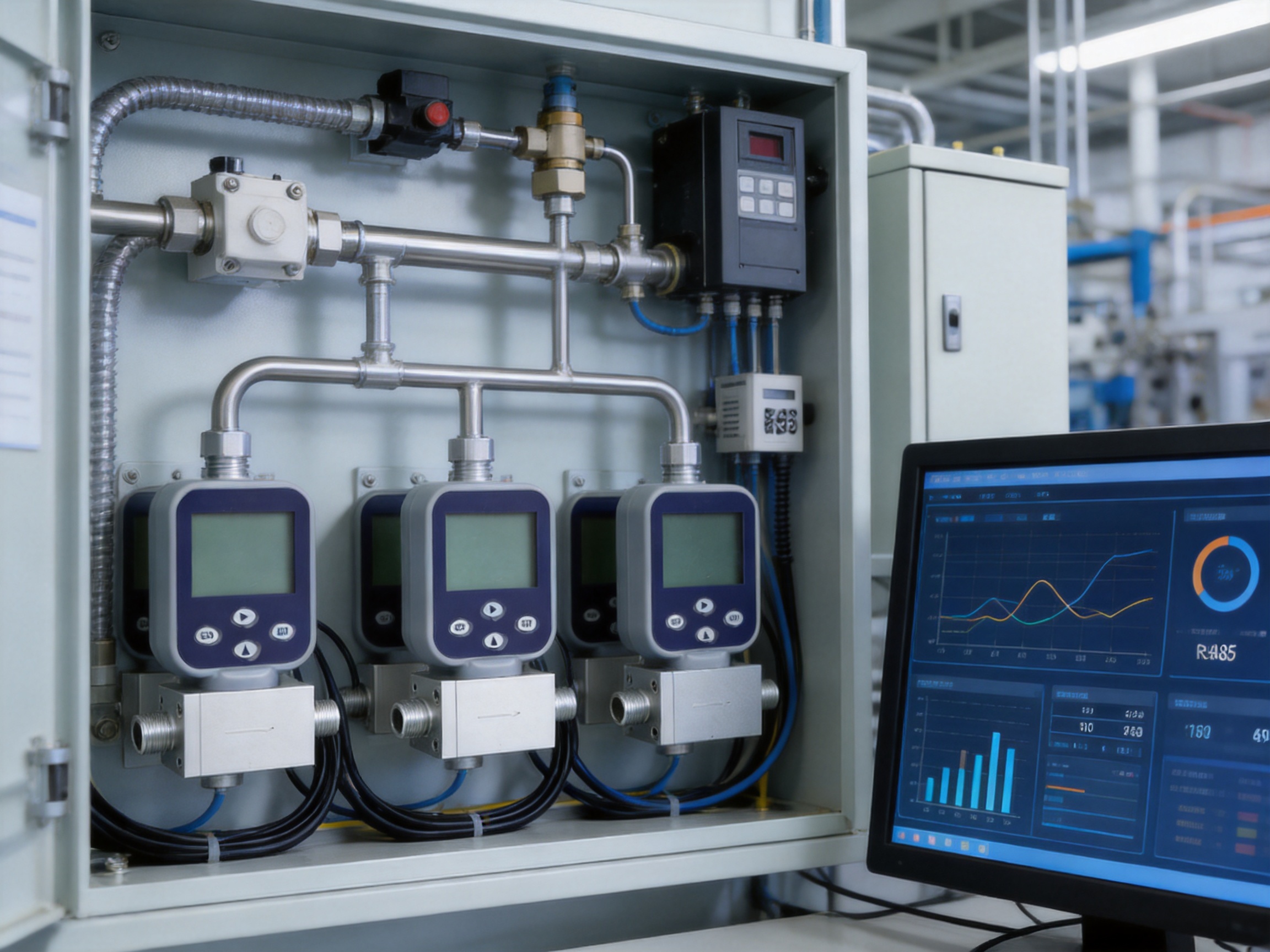
For the AI-FL, manufacturing strength begins with sensor selection and circuit design. The MEMS flow sensing chip must be integrated with stable electronics, power conditioning, signal processing, display control, and communication circuitry. The instrument must operate on DC 24 V industrial power while maintaining signal stability and low power consumption. Good electrical design helps reduce noise, improve response, and support reliable RS485 communication.
Mechanical manufacturing is also important. The housing must be compact yet robust, and the gas path must support stable flow through the sensor. Threaded interfaces must be accurately machined to ensure sealing and installation reliability. In industrial instruments, small mechanical inconsistencies can influence performance, leakage risk, or installation convenience. A disciplined manufacturing process helps maintain dimensional consistency and repeatability.
Calibration is another critical manufacturing step. Thermal gas mass flow meters require careful calibration under controlled conditions. Reference gas conditions, flow standards, temperature control, pressure conditions, and data recording procedures all affect final product quality. The stated performance data for the AI-FL are measured at 25 degrees Celsius, 101.32 kPa, and dry air, reflecting the importance of defined reference conditions.
Quality inspection should include electrical verification, communication testing, display inspection, mechanical connection review, sealing evaluation, and functional flow testing. For products intended for industrial IoT and automation environments, communication reliability is just as important as sensing accuracy. A device that measures correctly but cannot transmit data reliably may not satisfy modern digital factory requirements.
Company Capabilities That Support Long-Term Value
ASY Electronics is dedicated to building efficient, reliable, and green smart factories. This mission is closely aligned with the value of thermal gas mass flow measurement. Accurate gas flow data helps users reduce waste, improve energy efficiency, and optimize production processes. In this way, the AI-FL supports both immediate measurement needs and long-term sustainability goals.
The company’s strengths include data sensing, intelligent connectivity, self-developed edge-layer hardware products, and industrial data integration solutions. These strengths are relevant because industrial customers increasingly want complete solutions rather than isolated devices. A flow meter may need to connect with energy management platforms, equipment condition monitoring systems, production optimization tools, or factory-level data networks.
Because the company is experienced in industrial communication solutions, the AI-FL benefits from practical knowledge of field connectivity. RS485 and Modbus RTU remain widely used in factories because they are robust, economical, and well understood by engineers. By supporting this standard protocol, the product can be integrated into many existing systems without requiring proprietary software or unusual network infrastructure.
The company’s manufacturing and engineering background also supports customization. The working pressure is up to 1.6 MPa by default, and higher pressure ratings can be customized. Customization capability is important because industrial projects often have unique requirements involving pressure, connection type, output configuration, installation space, or integration method.
Typical Application Scenarios
Compressed Air Monitoring
Compressed air is a major utility in manufacturing plants, but it is frequently wasted through leaks, inappropriate pressure settings, inefficient equipment, and unnecessary continuous blowing. The AI-FL can be installed in branch lines or equipment supply lines to measure clean compressed air usage. With cumulative flow data, users can compare consumption among machines, detect abnormal increases, and support energy-saving projects.
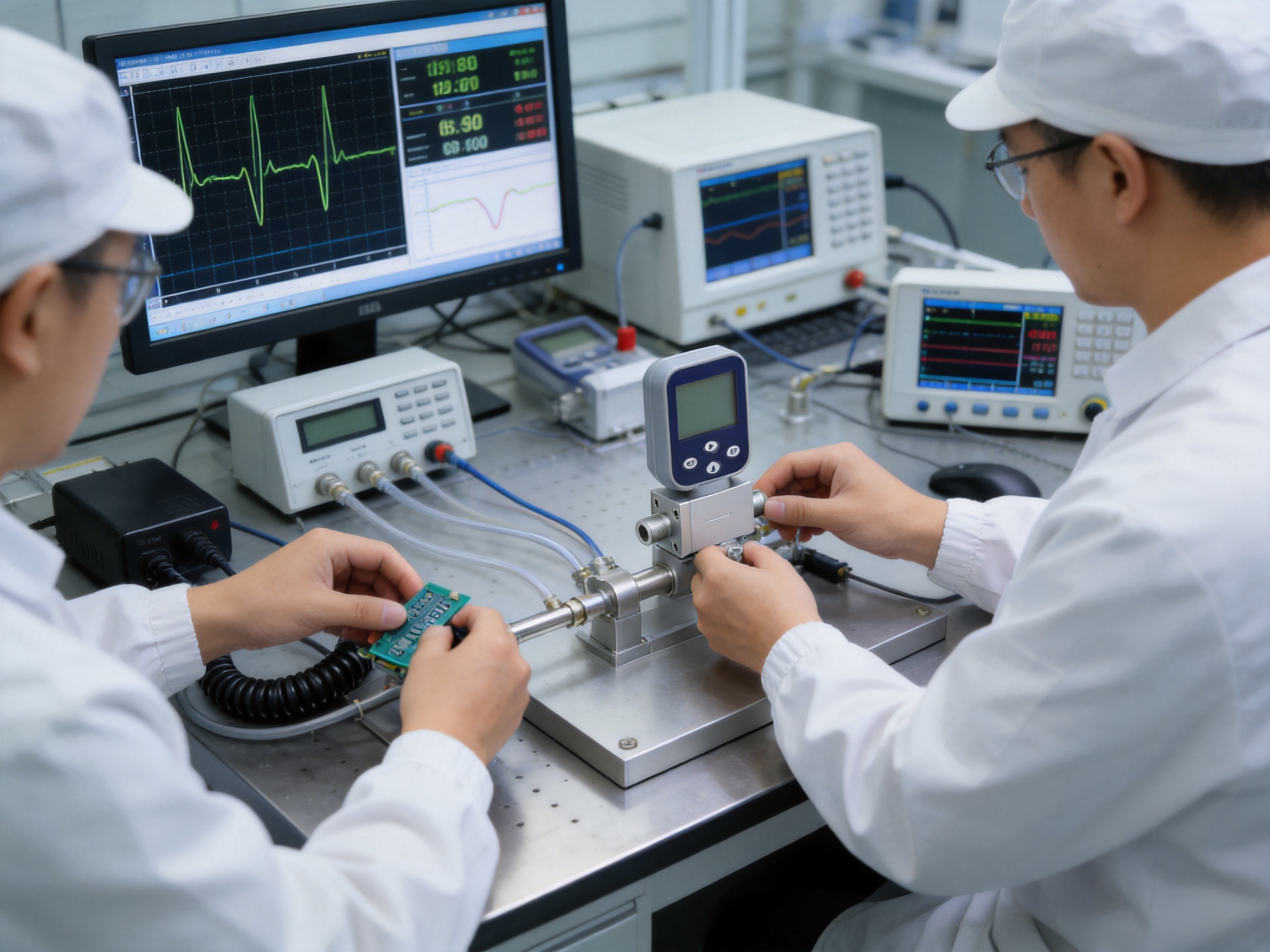
When connected through RS485 and Modbus RTU, multiple flow meters can feed data into an energy management system. This enables real-time dashboards, historical trends, and alarms. Instead of estimating compressed air consumption from compressor load alone, users can obtain more detailed distribution-level data.
Automation Equipment Gas Supply
Many automated machines rely on clean gas for actuators, grippers, purging, drying, cooling, or product handling. If gas flow is too low, equipment may malfunction. If flow is too high, energy may be wasted or product quality may be affected. The AI-FL provides a compact measurement solution for machine builders who want to monitor gas flow inside equipment.
The small dimensions are particularly useful in machine design. Space inside equipment is often limited, and designers must balance sensors, valves, controllers, wiring, safety components, and maintenance access. A compact flow meter with standard connections and flexible output options reduces design pressure.
Laboratory and Analytical Instruments
Laboratories and analytical systems often require stable clean gas flow. Although some applications may require specialized high-precision mass flow controllers, many monitoring tasks benefit from a compact flow meter that provides local display and communication output. The AI-FL can support test benches, gas distribution panels, and experimental equipment where clean gas monitoring is needed.
Because the instrument measures small-flow clean gases, it can help researchers and technicians verify gas delivery conditions. Cumulative flow can also be useful for estimating gas cylinder usage or documenting test conditions.
Environmental and Process Support Systems
Environmental systems may use gas flow measurement for aeration, sampling, purging, or treatment processes. In such applications, consistent flow supports process stability and reliable data. The AI-FL’s digital communication capability allows flow data to be recorded and analyzed, which can be useful for compliance support, maintenance planning, and operational optimization.
OEM Integration
Original equipment manufacturers often need sensors that are compact, cost-effective, reliable, and easy to integrate. The AI-FL is well suited for OEM applications because it provides a standard mechanical interface, digital display, optional analog output, and RS485 communication. Its small size makes it easier to incorporate into product designs without major structural changes.
For OEMs, supplier capability is also important. A manufacturer with experience in industrial electronics, communication products, sensors, and smart factory solutions can better support integration questions, customization needs, and long-term product supply.
Installation and Use Considerations
To achieve reliable performance, users should install the AI-FL according to good industrial instrumentation practice. The gas should be clean, dry, and compatible with the meter. Filters may be used upstream when particles, oil mist, or moisture are possible. Avoiding contamination helps protect the MEMS sensing element and maintain long-term stability.
The meter should be installed in a location that allows easy reading of the LCD display and convenient wiring access. The mechanical connection should be properly sealed without applying excessive force to the housing. Users should confirm that operating pressure, temperature, humidity, and flow range remain within the specified limits.
For electrical installation, DC 24 V supply should be stable and properly grounded according to system requirements. RS485 wiring should follow standard practice, including correct polarity, appropriate cable type, suitable termination for longer networks, and reasonable device addressing. For 4 to 20 mA output, the receiving device should be compatible with the output range and loop requirements.
Commissioning should include zero-flow verification, flow response confirmation, output signal check, Modbus communication test if applicable, and comparison with expected process conditions. If the device is used for cumulative flow accounting, operators should establish a clear reset and recording procedure.
Maintenance and Lifecycle Benefits
The AI-FL has no large mechanical moving parts in the flow sensing principle, which can reduce wear-related maintenance compared with certain mechanical flow meters. This is an advantage in clean gas applications where long-term stability and low maintenance are important. However, proper gas cleanliness remains essential. Contamination is one of the main factors that can affect thermal gas sensor performance.
Routine maintenance may include visual inspection, checking electrical connections, confirming display function, verifying communication, inspecting for leakage, and comparing readings with process expectations. In critical applications, periodic calibration or verification against a reference standard may be recommended based on quality requirements.
The combination of compact size, stable zero point, digital output, and cumulative flow display can reduce the total cost of ownership. Users gain not only a measurement device but also a practical tool for improving process transparency. By identifying abnormal gas usage, supporting energy-saving actions, and reducing downtime caused by poor flow visibility, the meter can deliver value beyond its purchase cost.
How the AI-FL Supports Smart Factory Development
Smart factories depend on accurate and timely data from equipment, utilities, and production processes. Gas flow data is an important part of this information structure. Without flow data, factories may not know how much compressed air is consumed by each line, whether gas supply remains stable during production, or when abnormal usage begins. The AI-FL helps convert gas flow from an invisible utility variable into measurable digital information.
Through RS485 and Modbus RTU, the flow meter can connect to edge-layer hardware, data acquisition systems, and industrial IoT gateways. This fits the direction of manufacturing digitalization, where distributed sensors feed data into higher-level analysis platforms. Flow data can be correlated with production output, equipment status, energy usage, alarms, maintenance records, and quality results.
For example, if a machine begins consuming more gas than normal while production output remains unchanged, the data may indicate leakage, valve wear, improper adjustment, or operator misuse. If gas flow drops below a threshold during a process step, the system can trigger an alarm before product defects occur. If cumulative consumption increases across a factory, energy managers can prioritize inspection and improvement actions.
This type of data-driven operation is central to smart factory improvement. The AI-FL supports this goal by combining sensing, display, and communication in one compact product.
Competitive Positioning
Compared with many basic flow indicators, the AI-FL offers stronger digital functionality. It is not limited to visual reading; it can transmit data to control and monitoring systems. Compared with bulky traditional flow meters, it offers a compact form factor and simplified installation. Compared with many low-cost devices that provide only limited accuracy or poor repeatability, it emphasizes MEMS sensing, zero-point stability, and good repeatability across the measurement range.
The product’s competitive value also comes from its balance of features. It is not only accurate, not only compact, and not only digital. It combines these qualities in a practical industrial package. For many users, the best instrument is not the most complex one, but the one that provides reliable performance, easy integration, reasonable cost, and long-term usability.
The AI-FL is especially competitive where users need clean gas flow measurement with small size, standard communication, local display, and optional analog output. It can replace traditional volumetric or differential pressure meters in appropriate applications, reducing the need for compensation equipment and simplifying system architecture.
Q&A Section
What type of product is the AI-FL?
The AI-FL is a general type thermal gas mass flow meter designed for measuring and controlling small-flow-rate clean gases. It uses a MEMS flow sensing chip and provides local display as well as optional industrial signal outputs.
What are the main advantages of this flow meter?
Its main advantages include high sensitivity, good repeatability, stable zero point, strong anti-interference capability, compact size, standard mechanical interface, RS485 communication with Modbus RTU, optional 4 to 20 mA output, and LCD display for instantaneous and cumulative flow.
What gases can it measure?
The product is intended for clean gas measurement. The provided performance reference is based on dry air at 25 degrees Celsius and 101.32 kPa. For other gases, users should confirm compatibility, calibration requirements, and application conditions with the supplier.
What is the measurable flow range?
The minimum measurable flow rate is 5 NL per minute, and the maximum measurable flow rate is 1000 NL per minute.
Does it require temperature and pressure compensation?
In many standard clean gas applications, thermal mass flow measurement can reduce or eliminate the need for separate temperature and pressure compensation compared with volumetric or differential pressure flow meters. Users should still evaluate application conditions and accuracy requirements.
What output signals are available?
The flow meter supports optional 4 to 20 mA output and RS485 communication. The RS485 output uses the standard Modbus RTU protocol.
Why is Modbus RTU useful?
Modbus RTU is widely used in industrial automation. It allows the flow meter to communicate with PLCs, industrial gateways, data acquisition devices, and supervisory systems, making it easier to integrate flow data into smart factory platforms.
What does the LCD display show?
The LCD displays instantaneous flow and cumulative flow. Instantaneous flow helps users monitor real-time operation, while cumulative flow supports consumption tracking and energy analysis.
What is the working power supply?
The working power supply is DC 24 V with power consumption of approximately 2.5 W.
What is the operating temperature range?
The medium temperature range is minus 10 degrees Celsius to 55 degrees Celsius. The storage temperature range is minus 10 degrees Celsius to 65 degrees Celsius.
What is the default working pressure?
The default working pressure is up to 1.6 MPa. Higher pressure ratings can be customized according to project requirements.
Why is the compact size important?
The compact dimensions, approximately 90 mm by 35 mm by 127 mm, make the meter easier to install in equipment panels, compact gas systems, machine cabinets, and OEM products where space is limited.
How does it compare with a differential pressure flow meter?
A differential pressure flow meter often requires pressure drop measurement, installation restrictions, and compensation for changing gas conditions. The AI-FL provides direct thermal mass flow measurement in a compact package, which can simplify installation and improve low-flow measurement in suitable clean gas applications.
What maintenance practices are recommended?
Users should keep the gas clean and dry, prevent particles and moisture from entering the meter, inspect wiring and connections, verify communication, check for leakage, and perform periodic verification or calibration when required by the application.
How does the manufacturer’s expertise support the product?
ASY Electronics has capabilities in data sensing, intelligent connectivity, edge-layer hardware, and industrial data integration. These strengths support the development of industrial instruments that are not only accurate but also suitable for digital factory integration.
Conclusion
The AI-FL General Type Thermal Gas Mass Flow Meter is a practical and competitive solution for clean gas flow measurement in industrial automation, compressed air monitoring, laboratory systems, process support equipment, and OEM integration. Its MEMS sensing technology, compact structure, digital communication, optional analog output, LCD display, and stable measurement characteristics make it suitable for modern manufacturing environments that demand both reliable instrumentation and useful data connectivity.
Compared with traditional volumetric and differential pressure flow meters, it offers simplified installation, reduced compensation complexity, stronger low-flow capability, and easier digital integration. Compared with basic flow indicators, it provides richer functionality and better support for smart factory systems. These advantages make it a valuable instrument for companies seeking improved process visibility, energy efficiency, and equipment reliability.
Backed by a manufacturer focused on smart factory solutions, industrial sensing, and intelligent connectivity, the AI-FL is more than a standalone flow meter. It is part of a broader movement toward measurable, connected, and optimized industrial operations. For users who need compact, reliable, and integration-ready clean gas flow measurement, it provides a strong balance of performance, usability, and long-term value.
References
1. Baker, R. C. Flow Measurement Handbook: Industrial Designs, Operating Principles, Performance, and Applications.
2. Miller, R. W. Flow Measurement Engineering Handbook.
3. Liptak, B. G. Instrument Engineers' Handbook: Process Measurement and Analysis.
4. ISO 14511. Measurement of Fluid Flow in Closed Conduits: Thermal Mass Flowmeters for Gases.
5. Modbus Organization. Modbus Application Protocol Specification.
6. Webster, J. G. The Measurement, Instrumentation, and Sensors Handbook.