

Industrial temperature monitoring has become a central requirement for modern power distribution rooms, rail-mounted electrical cabinets, switchgear assemblies, busbar systems, machinery rooms, and smart factory infrastructure. When a temperature monitoring system is deployed across metal enclosures, high-density cabinets, or widely distributed electrical assets, stable wireless communication is often just as important as the temperature sensor itself. A temperature sensor can detect heat rise, but the value of that data depends on whether it reaches the receiving host accurately, continuously, and in time for maintenance teams to act.
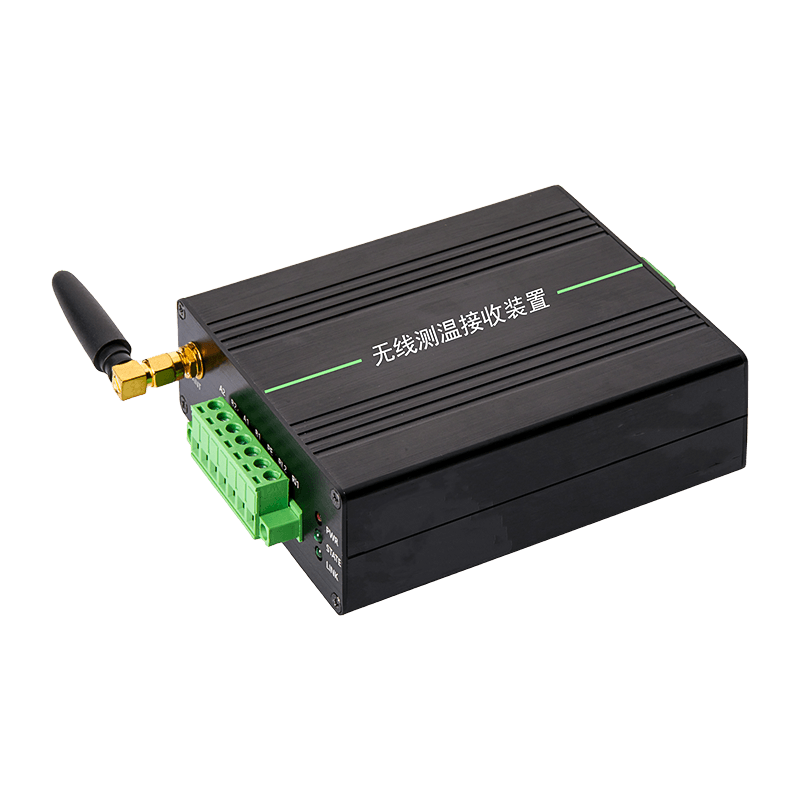
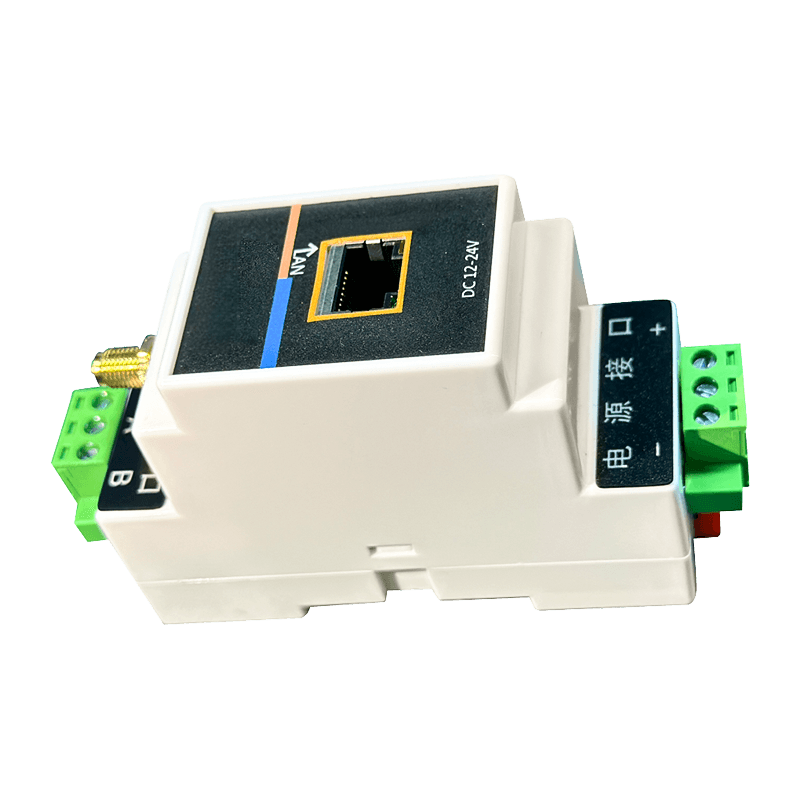
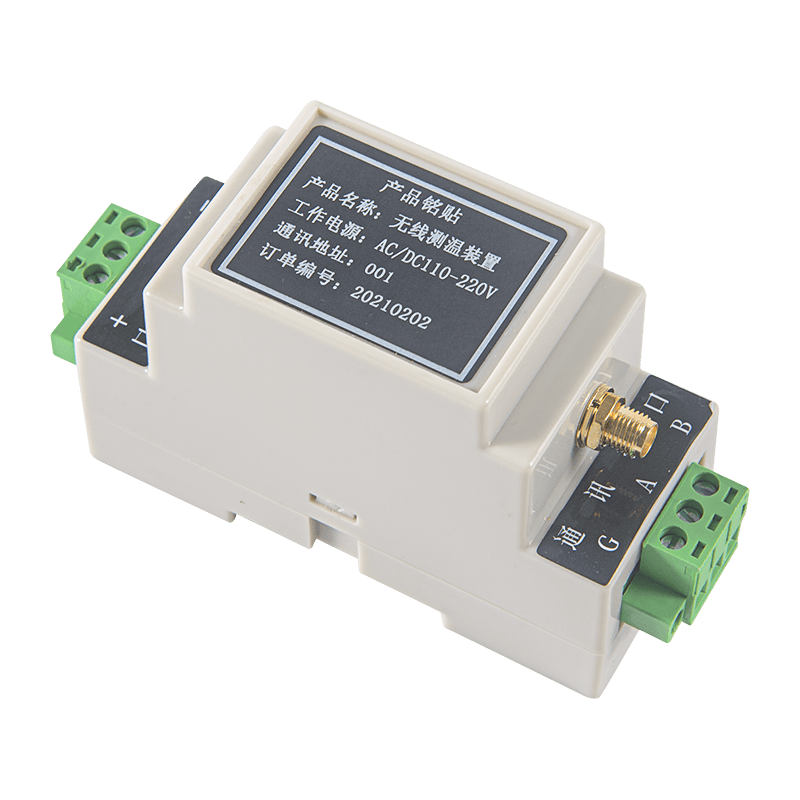
The KS30R-LORA Metal Track Temperature Measurement System Transmitter is designed to solve this communication challenge. It functions as a rail-mounted wireless temperature measurement repeater, receiving information from matched wireless temperature sensors and forwarding amplified signals to the temperature measurement host. In practical terms, it serves as the signal network route between wireless temperature sensors and the receiving host, helping industrial users extend communication coverage, improve data reliability, and build a more stable temperature monitoring architecture.
In industrial applications, signal obstruction, metal shielding, installation distance, cabinet density, and electromagnetic interference can all weaken wireless communication. A repeater device positioned correctly inside the monitoring network can strengthen the system by bridging the distance between sensors and the host. The KS30R-LORA is engineered for this role, supporting wireless data forwarding, signal amplification, and integration through common industrial communication methods such as TTL and RS485. It supports a wireless frequency band from 433 MHz to 510 MHz, with outdoor sensors using the 470 MHz band, and offers an open-area transmission distance of up to 200 meters.
This article explores the product in depth, including its functional value, technical parameters, industrial advantages, competitive differentiation, installation flexibility, application scenarios, and the manufacturing strengths behind it. It also explains how the product fits into a broader industrial IoT communication strategy, where data sensing, intelligent connectivity, equipment condition monitoring, refined energy management, and production process optimization work together to create more reliable and efficient factories.
Metal Track Temperature Measurement System Transmitter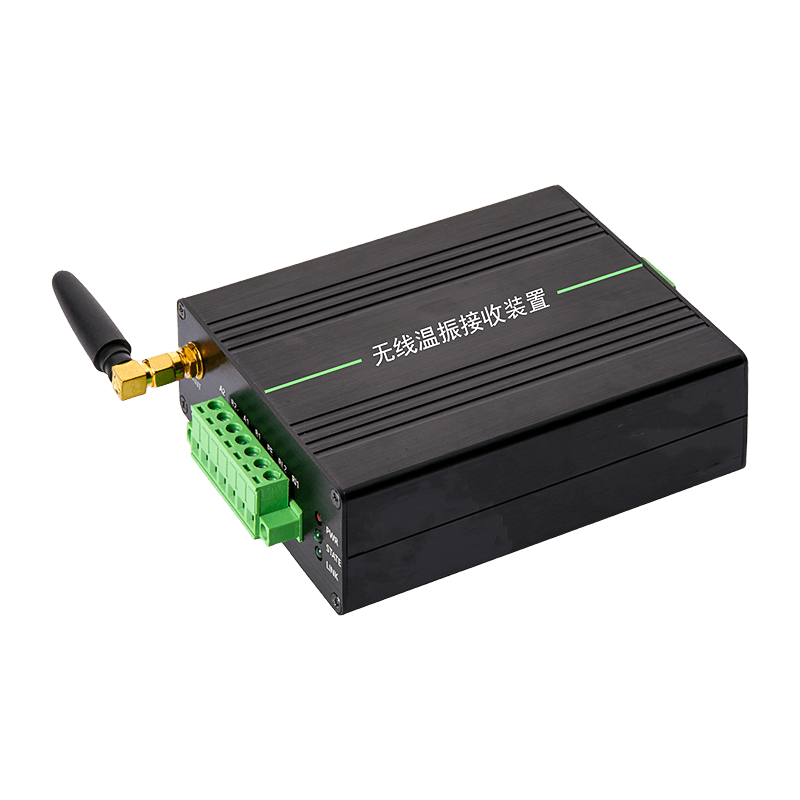
Product Overview
The KS30R-LORA is a rail-mounted wireless temperature measurement repeater for industrial temperature monitoring systems. Its core function is to receive data from matched wireless temperature sensors, amplify the communication signal, and forward the data to the receiving temperature measurement host. By serving as a routing node between sensors and the host, it improves the practical reliability of temperature monitoring networks in environments where direct sensor-to-host communication may be affected by distance, shielding, or site structure.
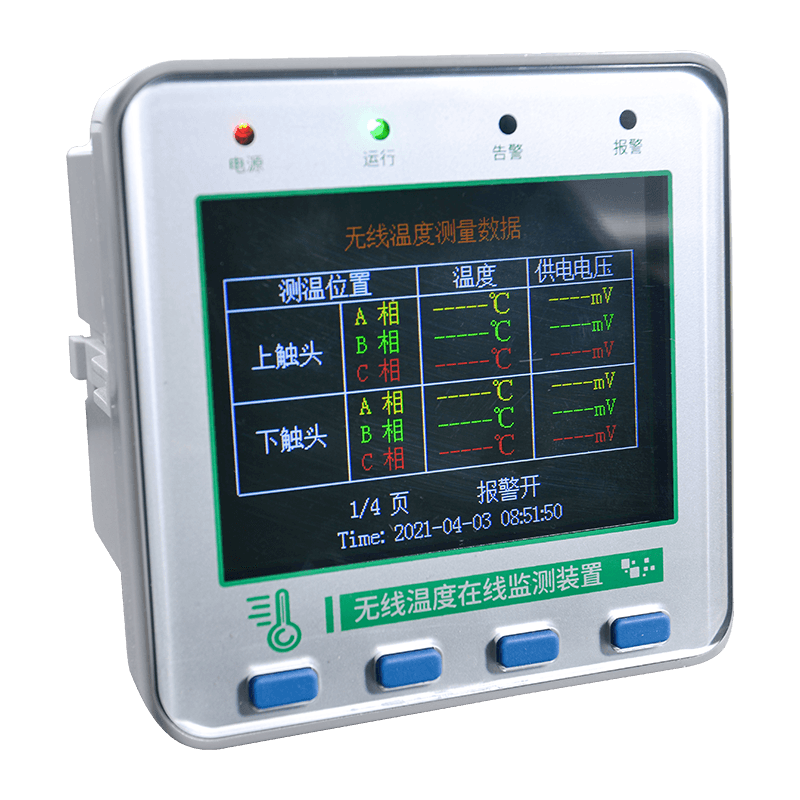
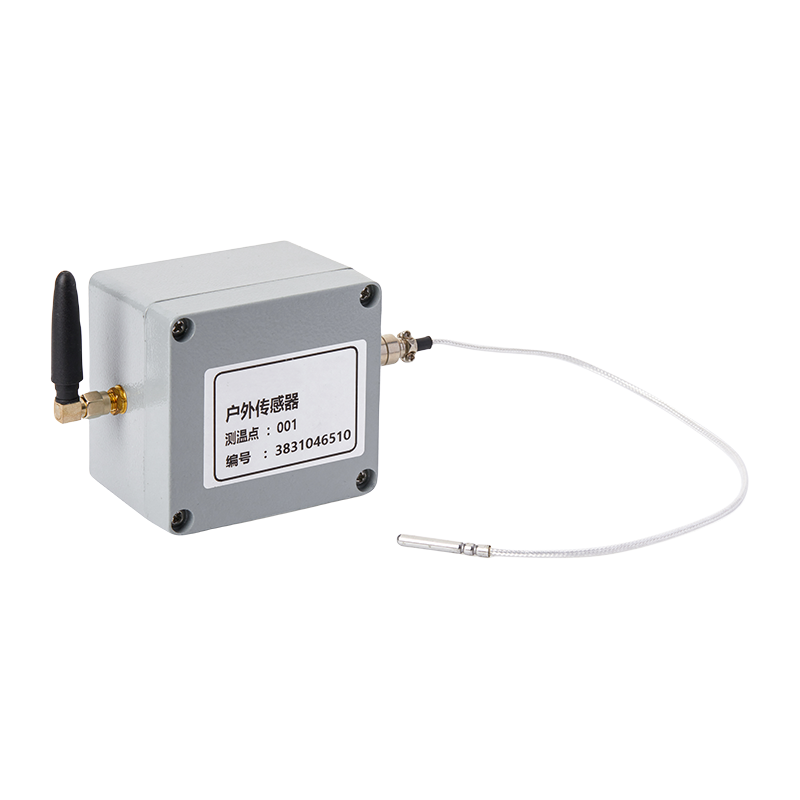
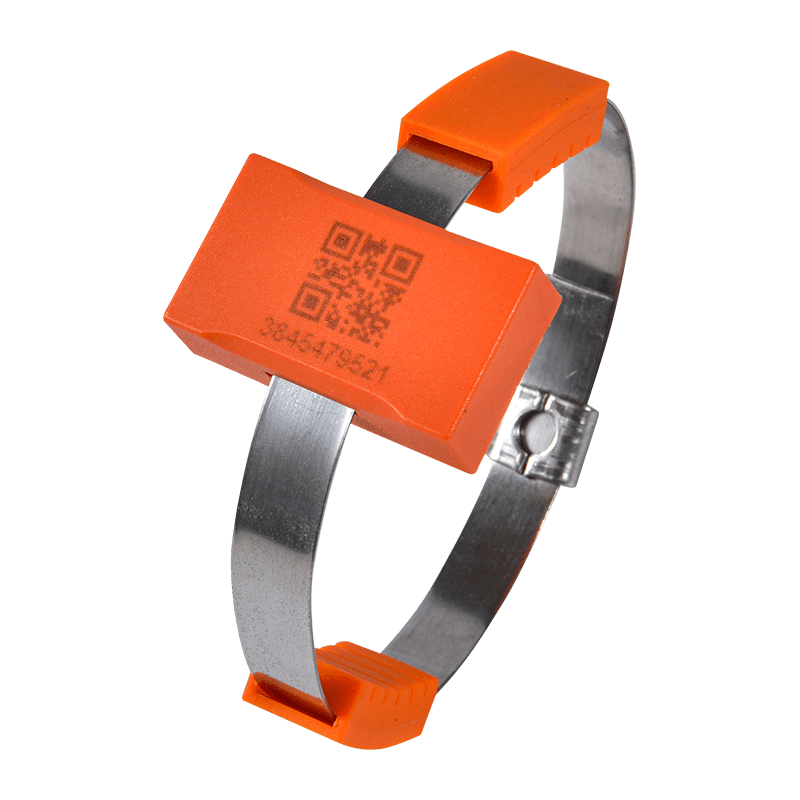
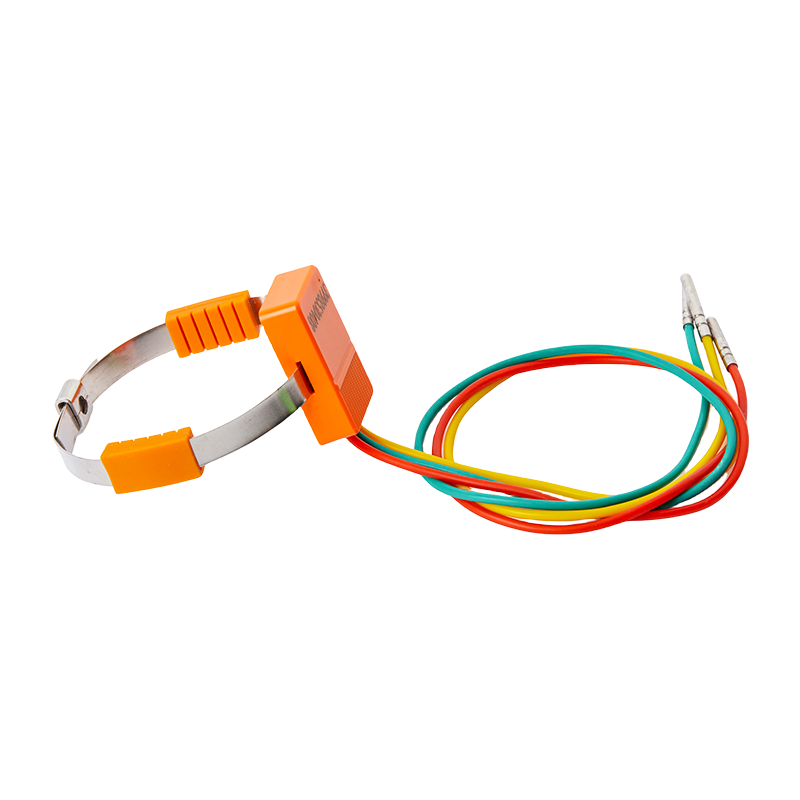
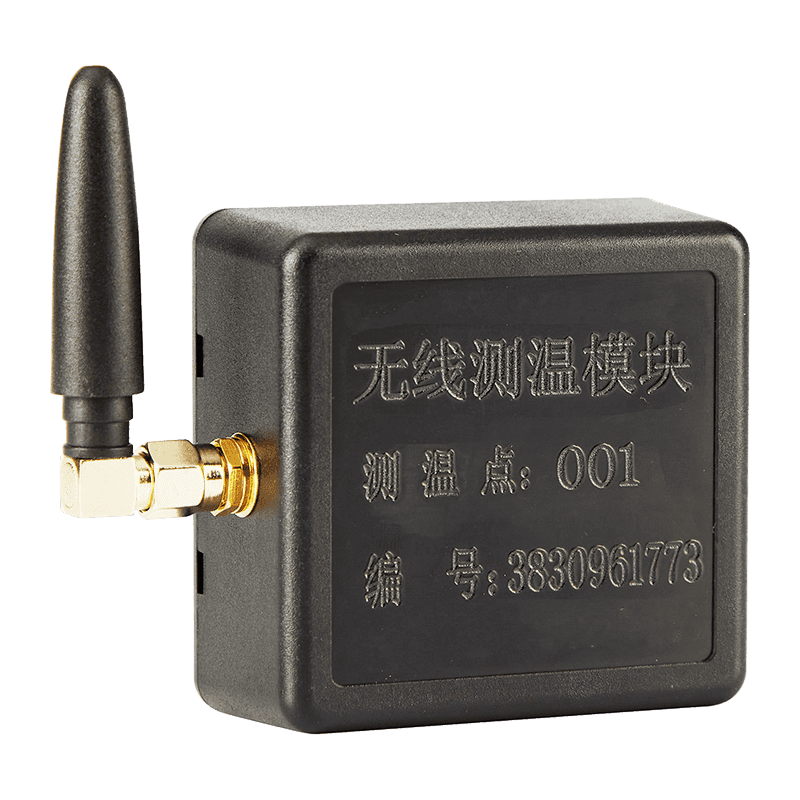
The product is especially useful in systems where multiple temperature sensors are installed across cabinets, busbar joints, cable connections, electrical terminals, mechanical components, or other thermal risk points. These sensors gather temperature information, and the repeater helps ensure that the data reaches the host wirelessly. All detected data can be uploaded to the receiving host through wireless transmission, supporting centralized monitoring and maintenance decision-making.
The device is designed for harsh and variable industrial environments. It supports an ambient temperature range from minus 25 degrees Celsius to plus 85 degrees Celsius, relative humidity up to 95 percent, atmospheric pressure from 80 to 110 kPa, and altitude up to 2500 meters. These environmental parameters make it suitable for many industrial sites, power distribution facilities, and equipment rooms.
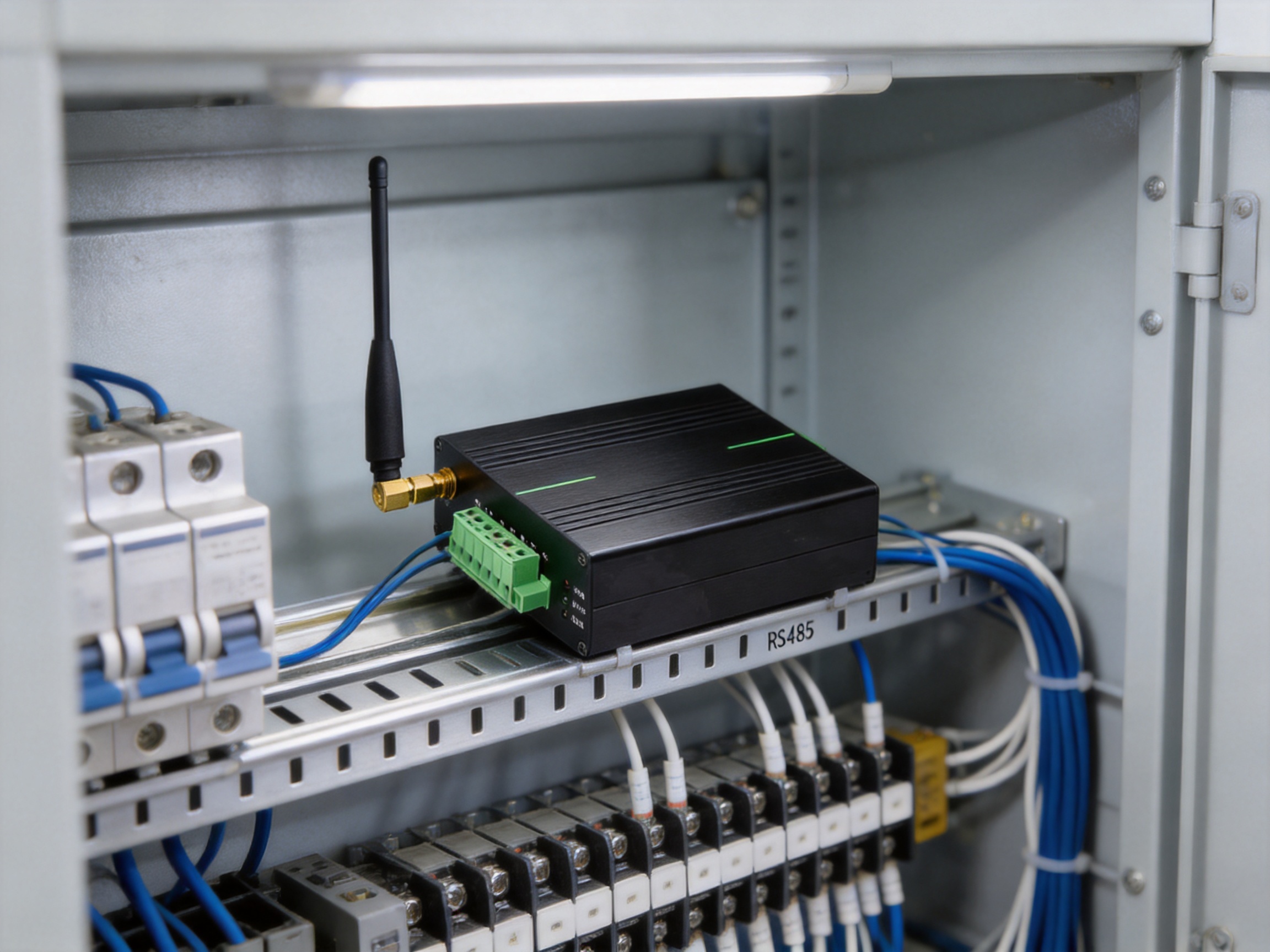
The repeater uses AC 220 V power supply and supports guide rail installation as well as screw installation. This gives system integrators and maintenance teams flexibility during field deployment. In many electrical cabinets, standard guide rail installation is the preferred method because it saves space, simplifies maintenance, and matches common cabinet design practice. Screw installation is useful when the cabinet structure or on-site layout requires a more customized mounting approach.
The antenna cable length is 1.5 meters by default and can be customized according to project needs. This is an important practical feature because the ideal antenna position is not always the same as the ideal device mounting position. In metal cabinets or dense equipment spaces, being able to place the antenna in a more favorable position can improve communication quality and reduce installation limitations.
Core Function: Signal Amplification and Wireless Data Forwarding
The main purpose of the repeater is to amplify wireless signals and forward sensor data to the receiving host. In an industrial wireless temperature monitoring network, every node must contribute to overall data integrity. A sensor installed in a difficult location may collect accurate temperature values, but if its signal is weak, unstable, or blocked, the monitoring system may suffer from missing data, delayed alarms, or incomplete trend records.
The KS30R-LORA addresses this by acting as an intermediate communication point. It receives wireless data from sensors and transmits the strengthened signal to the host. This reduces dependence on one long direct communication path and allows a more flexible monitoring network structure. For large sites or cabinet groups, repeaters can help create a more reliable communication route without requiring extensive cabling.
The product is particularly relevant for temperature monitoring in power-related environments. Electrical contact points, cable joints, switchgear terminals, transformers, and busbar connections can experience abnormal heating caused by loose connections, oxidation, overload, imbalance, aging insulation, or poor ventilation. Continuous temperature monitoring helps detect such issues before they become serious failures. However, monitoring is only effective when data transmission is consistent. A repeater improves the dependability of the monitoring network and helps operators receive data from locations that might otherwise be difficult to cover.
The product’s wireless design also supports retrofit projects. Many factories, distribution rooms, and equipment cabinets were not originally designed with wired temperature monitoring infrastructure. Adding communication cables to existing assets can be expensive, disruptive, or physically difficult. A wireless repeater-based architecture allows users to expand monitoring coverage with less installation disturbance.
Technical Parameters
The following table summarizes the main technical parameters of the KS30R-LORA rail-mounted wireless temperature measurement repeater.
Parameter Category |
Item |
Technical Indicator |
Usage Environment |
Ambient temperature |
Minus 25 degrees Celsius to plus 85 degrees Celsius |
Usage Environment |
Ambient humidity |
Not more than 95 percent |
Usage Environment |
Atmospheric pressure |
80 to 110 kPa |
Usage Environment |
Altitude |
Not more than 2500 meters |
Power Supply |
Working power supply |
AC 220 V |
Wireless Communication |
Wireless frequency band |
433 MHz to 510 MHz band, with outdoor sensors using the 470 MHz band |
Wireless Communication |
Transmission distance |
Up to 200 meters in open environments |
Wired Communication Interface |
Communication methods |
TTL and RS485 |
Default Communication Parameters |
Baud rate |
9600 bps |
Default Communication Parameters |
Data bits |
8-bit |
Default Communication Parameters |
Stop bit |
Project parameter according to configuration requirements |
Default Communication Parameters |
Verification method |
None |
Protocol |
Communication protocol |
Standard MODBUS protocol, customizable |
Installation |
Installation method |
Guide rail installation or screw installation |
Antenna |
Antenna cable length |
Default 1.5 meters, customizable according to project needs |
Why a Repeater Matters in Wireless Temperature Monitoring
In industrial temperature monitoring, the communication layer determines whether data sensing becomes useful information. Wireless temperature sensors are often placed on or near metal structures, inside electrical cabinets, around cable joints, or in spaces crowded with conductors, instruments, and protective equipment. These environments are not always friendly to wireless signals. Metal surfaces can reflect, absorb, or block radio signals, and electrical equipment may create interference or complicated signal paths.
A repeater reduces these risks by giving the system another communication point. Instead of requiring every sensor to communicate directly with the host, the repeater receives nearby sensor data and forwards it onward. This can improve network robustness, especially where the host is located outside the cabinet group or where the site layout includes corners, walls, long rows of equipment, or separated rooms.
The value of a repeater is not only about distance. It is also about continuity. A temperature monitoring system is used to detect trends, compare temperature rise over time, and trigger warnings when operating conditions become abnormal. If communication gaps appear, trend analysis becomes less complete. A stable data route helps maintenance teams see the real thermal behavior of monitored points and make decisions before faults escalate.
Compared with basic wireless sensor networks that rely only on direct transmission, a repeater-supported architecture offers greater deployment flexibility. It lets system designers choose sensor positions based on thermal risk rather than communication convenience. Sensors can be installed where temperature measurement is most meaningful, while repeaters can be placed where signal routing is most effective.
Advantages Over Conventional Competing Solutions
The KS30R-LORA offers several practical advantages over many conventional wireless monitoring accessories and generic repeaters. These advantages come from its industrial design focus, installation flexibility, communication compatibility, environmental adaptability, and role as a dedicated temperature measurement network component.
Dedicated Function for Temperature Monitoring Networks
Many generic wireless repeaters are designed for broad communication use, but they may not be optimized for industrial temperature measurement systems. The KS30R-LORA is positioned specifically as a wireless temperature measurement repeater. It is intended to receive and forward data from matched temperature sensors and temperature measurement hosts. This dedicated role simplifies system integration and improves functional alignment with the monitoring application.
In temperature monitoring, data consistency is more important than occasional high throughput. A repeater must support steady collection and forwarding of sensor data. The product’s design emphasizes reliable routing between sensors and the receiving host, which is exactly what industrial temperature monitoring requires.
Strong Industrial Installation Compatibility
Guide rail installation is a major advantage in electrical and automation cabinets. Many competing products require non-standard brackets, additional mounting plates, or improvised installation methods. The KS30R-LORA supports guide rail installation and screw installation, allowing it to fit into both standardized cabinets and customized field installations.
This reduces installation time and improves cabinet neatness. A rail-mounted device is easier to inspect, replace, and maintain. It can be integrated into the cabinet layout together with terminals, circuit breakers, relays, power supplies, and other control components. For industrial users, these details directly affect total deployment cost and long-term maintenance efficiency.
Flexible Antenna Placement
The product provides a default antenna cable length of 1.5 meters, with customization available as needed. This feature gives it an advantage over fixed-antenna devices, especially in metal cabinets where antenna location can strongly affect wireless performance. A fixed antenna may be trapped inside a shielded space, while a cable-connected antenna can be placed closer to a cabinet opening, outside a dense component zone, or in a position with better signal exposure.
In real industrial projects, small installation details often determine performance. The ability to customize antenna cable length gives engineers more freedom to adapt the repeater to the physical environment rather than forcing the environment to adapt to the device.
Wide Wireless Frequency Band Support
The repeater supports the 433 MHz to 510 MHz band, with outdoor sensors using the 470 MHz band. This frequency range is commonly suitable for industrial sensor communication because it can provide practical coverage and penetration characteristics for many monitoring scenarios. Compared with some devices limited to narrower operating bands, this product offers broader project adaptability within its supported system architecture.
The 200-meter open-area transmission distance provides sufficient coverage for many equipment rooms, cabinet groups, factory areas, and distributed monitoring points. Actual distance depends on obstacles, installation height, antenna placement, cabinet density, and electromagnetic conditions, but the stated open-distance capability provides a strong basis for planning.
Industrial Communication Interface Options
The product supports TTL and RS485 communication methods. RS485 is widely used in industrial automation because of its robustness, multi-drop capability, and suitability for equipment communication over practical distances. TTL support also provides integration flexibility for embedded systems or specific host-side designs. Standard MODBUS protocol support, with customization available, further improves integration into industrial monitoring platforms.
Compared with closed communication devices that limit user integration, MODBUS compatibility offers a major advantage. MODBUS is well understood by engineers, widely supported by gateways and controllers, and useful for connecting field devices to supervisory systems. Customizable protocol support also allows the device to be adapted to project-specific architectures.
Environmental Durability
The repeater is rated for ambient temperatures from minus 25 degrees Celsius to plus 85 degrees Celsius and humidity up to 95 percent. This allows it to operate in many challenging industrial locations, including non-air-conditioned cabinets, utility rooms, distribution environments, and production areas with temperature variation. Some ordinary communication accessories are intended for office or light commercial environments and may not maintain performance in harsher conditions. The industrial environmental specification of the KS30R-LORA gives it an advantage in demanding sites.
Practical Power Supply Design
The AC 220 V power supply matches many industrial and electrical cabinet environments. This can simplify deployment by allowing the repeater to be powered from commonly available cabinet power. Competitors requiring uncommon power adapters, battery-only operation, or extra converters may increase installation complexity. A straightforward working power supply contributes to system reliability and maintenance convenience.
Application Scenarios
The KS30R-LORA can be used in a wide range of wireless temperature monitoring projects. Its value is highest where temperature sensors are distributed across multiple points and where direct wireless communication may need reinforcement.
Power Distribution Cabinets and Switchgear
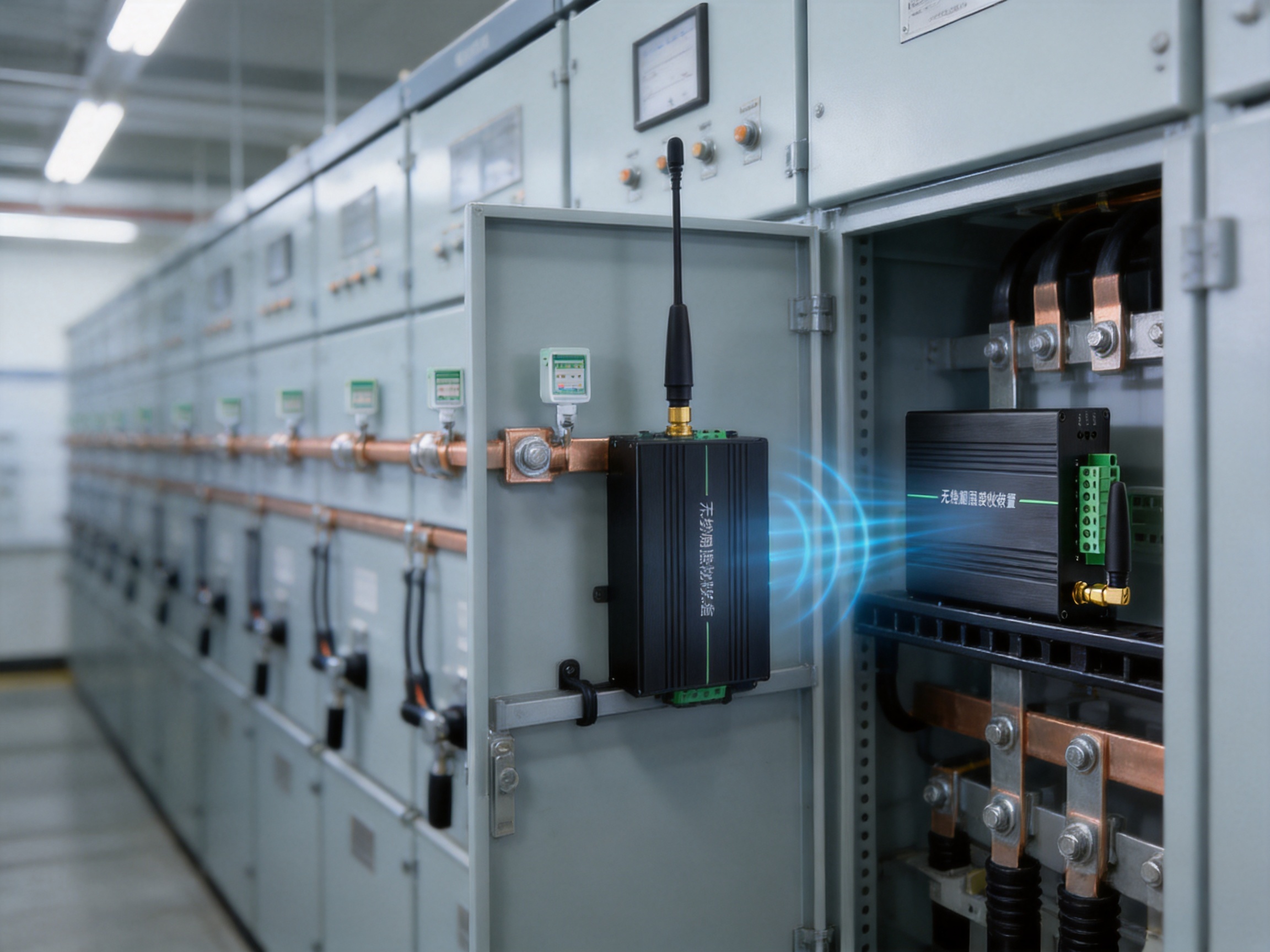
Switchgear and distribution cabinets contain many contact points that may heat abnormally under poor connection, overload, oxidation, mechanical looseness, or aging conditions. Wireless temperature sensors can be placed near key joints and conductive parts, while the repeater helps transmit data to the host. This supports continuous supervision without extensive internal signal wiring.
Busbar and Cable Joint Monitoring
Busbar connections and cable joints are common thermal risk points. In large industrial sites, these components may be spread across long cabinet rows or separated electrical rooms. A repeater can improve the communication link between sensor clusters and the receiving host, helping ensure that all monitored points report data reliably.
Smart Factory Equipment Monitoring
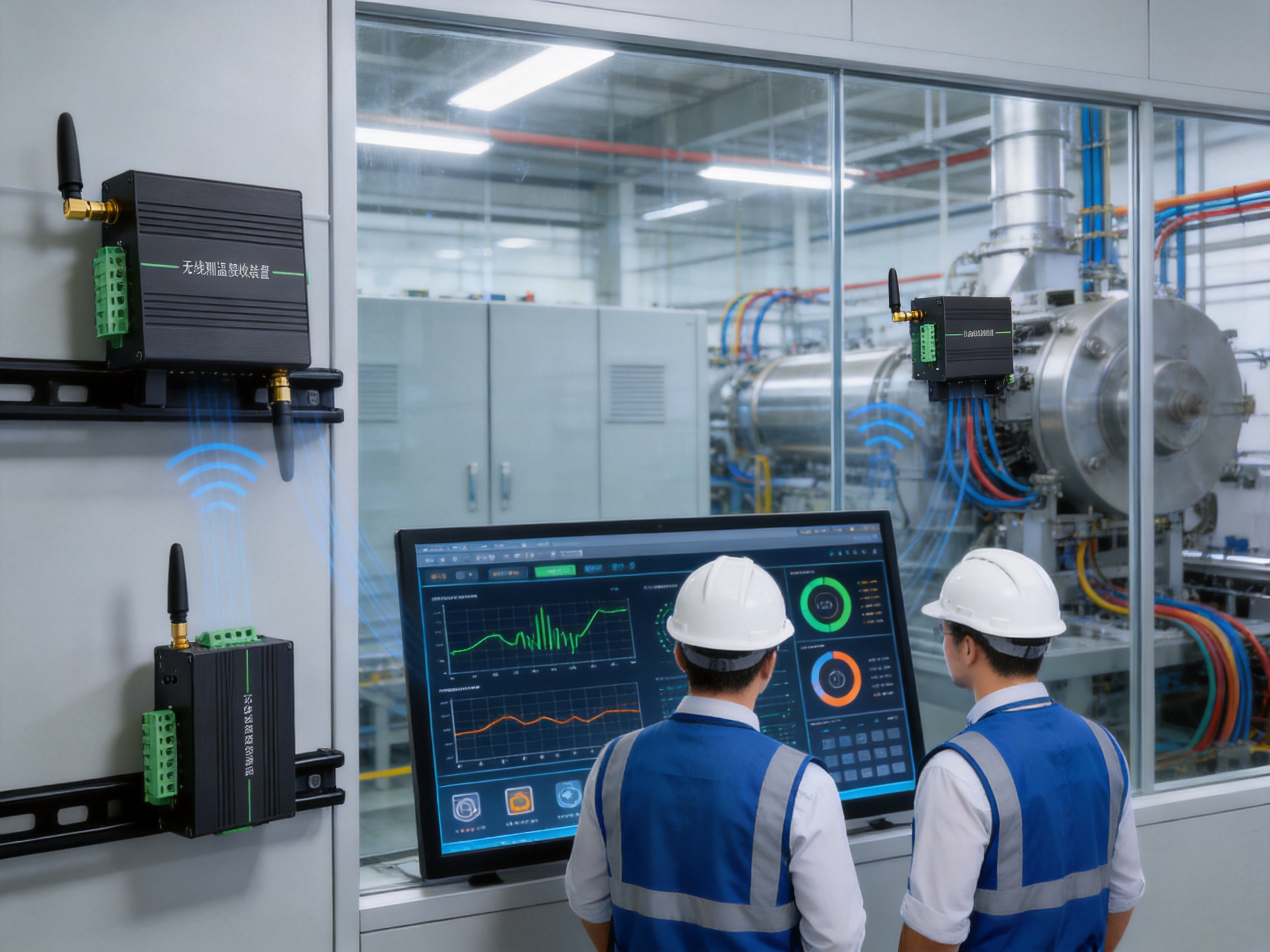
Modern factories increasingly depend on condition monitoring to reduce downtime and optimize maintenance. Temperature data is an important indicator for motors, electrical panels, drives, power distribution units, and production support equipment. By improving wireless data forwarding, the repeater becomes part of the smart factory data layer.
Energy Management Systems
Refined energy management requires visibility into equipment operation. Abnormal heating may indicate energy loss, overload, poor contact, or inefficient operation. Temperature monitoring, when integrated with energy data and production data, can help managers identify inefficiencies and prevent failures. The repeater supports the communication reliability needed for such systems.
Retrofit Projects
Many existing facilities need digital upgrades but cannot easily add new communication wiring. Wireless temperature monitoring is attractive because it can be deployed with less disruption. The KS30R-LORA supports this upgrade path by extending or strengthening the wireless communication route, making retrofit implementation easier.
Outdoor or Semi-Outdoor Monitoring Points
The product information notes that outdoor sensors use the 470 MHz band. In projects that include outdoor cabinets, transformer areas, or semi-outdoor equipment, communication planning is important. A repeater can help bridge distances between outdoor sensors and indoor monitoring hosts, depending on site layout and environmental conditions.
Role in Industrial IoT Architecture
The KS30R-LORA is more than a simple signal accessory. It is part of the edge-layer communication infrastructure that makes industrial IoT systems useful. In an industrial IoT architecture, sensors collect data, communication devices transmit it, edge hardware organizes it, and software platforms analyze it. If the communication layer is weak, even the best analytics system receives incomplete information.
Temperature measurement is a typical edge data application. It produces continuous, practical, condition-based information. When transmitted reliably, this data can support predictive maintenance, alarm management, safety supervision, and asset performance analysis. The repeater strengthens the path from the sensing point to the host, helping the entire system produce dependable results.
Industrial IoT is not only about connecting devices. It is about connecting devices in a way that survives real factory conditions. Metal cabinets, long distances, electrical noise, changing production layouts, and maintenance constraints all affect system success. A product such as the KS30R-LORA is valuable because it is designed around actual deployment needs, including rail mounting, RS485 communication, MODBUS protocol support, antenna customization, and industrial environmental tolerance.
System Design Considerations
To obtain the best performance from the repeater, system designers should consider sensor distribution, host location, antenna position, cabinet structure, and expected communication path. Wireless communication in industrial spaces is influenced by obstacles and reflections, so planning is important.
First, the repeater should be installed where it can receive sensor data effectively and forward it to the host with minimal obstruction. If sensors are inside metal cabinets, antenna placement becomes especially important. The customizable antenna cable length allows the antenna to be positioned in a more favorable location than the repeater body itself.
Second, the repeater should be mounted in a location with stable AC 220 V power and suitable environmental conditions within its rated range. Although the device supports high humidity and a wide temperature range, avoiding unnecessary exposure to water ingress, corrosive gases, severe vibration, or direct heat sources will support long service life.
Third, communication parameter consistency should be checked during integration. The default baud rate is 9600 bps, with 8-bit data and no verification method. MODBUS protocol support makes integration easier, but host-side settings must match project configuration. If a customized protocol is required, it should be confirmed during system design and commissioning.
Fourth, installation teams should evaluate whether guide rail or screw installation is more appropriate. Guide rail mounting is typically faster and more standardized, while screw installation may be better for special panels, retrofits, or non-standard enclosures.
Manufacturing Strength Behind the Product
The quality of an industrial communication device depends not only on its specification sheet but also on the manufacturing capability behind it. ASY Electronics is a high-tech enterprise focused on building smart factories of the future. Its core mission is to create efficient, reliable, and green smart factories through data sensing and intelligent connectivity. This mission aligns closely with the KS30R-LORA, which supports data transmission for wireless temperature monitoring systems.
The company develops edge-layer hardware products and industrial data integration solutions. This combination is important because industrial users need more than isolated devices. They need hardware that can become part of an integrated system. A repeater designed by a company with experience in sensing, connectivity, power line carrier solutions, wireless temperature monitoring, transmitters, flow meters, and automatic door controllers benefits from cross-disciplinary engineering knowledge.
Advanced manufacturing processes for such a product typically include component selection, circuit design verification, communication performance testing, environmental reliability evaluation, assembly control, firmware configuration, protocol verification, and final inspection. For industrial electronics, manufacturing discipline directly affects stability. A small variation in assembly, antenna connection, power design, or interface quality can influence long-term reliability.
ASY Electronics’ strengths include the ability to support industrial data integration, equipment condition monitoring, refined energy management, and production process optimization. This means the product is not developed in isolation. It is part of a broader ecosystem of smart factory hardware and communication solutions. Such a background helps the company understand practical site requirements, including cabinet installation, standard communication protocols, wireless performance, and system compatibility.
Advanced Manufacturing Process Orientation
The production of an industrial wireless repeater requires strict attention to both electronic performance and mechanical reliability. A high-quality manufacturing process begins with design for manufacturability. Engineers must ensure that the circuit layout, power supply section, wireless module, communication interface, terminal arrangement, and enclosure structure can be produced consistently.
During component selection, industrial-grade stability is a priority. Components must tolerate expected voltage conditions, temperature changes, and long operating hours. The repeater’s specified operating environment requires the manufacturing process to consider thermal behavior, humidity resistance, and durability under industrial use.
Printed circuit board assembly must be controlled to ensure soldering quality and electrical reliability. In communication devices, poor solder joints or inconsistent assembly can cause intermittent faults that are difficult to diagnose in the field. Professional manufacturing processes reduce these risks through controlled assembly parameters, inspection procedures, and functional testing.
Wireless performance testing is also essential. Since the repeater’s core function is signal receiving and forwarding, production verification should confirm the communication path, frequency operation, antenna connection, and data forwarding stability. The device must operate as expected within the matched temperature monitoring system.
Communication interface testing is equally important. TTL and RS485 functions should be verified, and MODBUS communication should be checked for proper parameter response. Industrial users rely on predictable communication behavior because the repeater may be connected to receiving hosts, gateways, or monitoring controllers.
Final quality control should confirm power supply operation, installation hardware, labeling, antenna cable configuration, communication settings, and overall appearance. For customized orders, antenna length, protocol details, or parameter settings should be checked against project requirements before delivery.
Quality Advantages for Industrial Users
Industrial users want products that reduce uncertainty. The KS30R-LORA provides quality advantages through its clear technical scope, standard installation options, recognized communication methods, and adaptability to real environments. It helps users build wireless temperature monitoring networks without relying only on direct sensor-to-host communication.
Its environmental range supports deployment in difficult conditions. Its mounting flexibility supports practical cabinet work. Its communication methods support system integration. Its wireless forwarding role supports monitoring reliability. Together, these qualities create a product that addresses the practical barriers often encountered in industrial temperature monitoring projects.
Compared with competitors that may focus mainly on laboratory specifications, this product is oriented toward field usability. Features such as guide rail mounting, screw installation, AC 220 V power, RS485 support, MODBUS compatibility, and customizable antenna length are valuable because they solve problems installers and maintenance teams actually face.
Another advantage is the company’s broader product portfolio. Since ASY Electronics works with broadband power line carriers, wireless temperature monitoring systems, transmitters, flow meters, and automatic door controllers, it has experience across multiple industrial connectivity fields. This gives the engineering team a wider view of how devices operate in complex facilities. For customers, that can translate into better project support, more practical customization, and stronger integration capability.
How the Product Supports Preventive Maintenance
Preventive maintenance depends on early warning. Temperature is one of the most direct indicators of abnormal electrical or mechanical behavior. When a connection begins to loosen, resistance increases and heat rises. When a load is unbalanced, certain phases or components may operate at higher temperatures. When ventilation is poor or equipment is overloaded, temperature can gradually climb before a visible failure occurs.
A wireless temperature monitoring system collects this information continuously. The repeater improves the communication reliability of that system, helping ensure that data from sensors reaches the receiving host. Maintenance teams can then observe temperature trends, compare multiple points, identify abnormal rise patterns, and schedule inspection before a fault becomes critical.
This is particularly important in facilities where downtime is expensive. A single electrical cabinet failure may stop a production line, damage equipment, create safety hazards, or require emergency repair. Reliable temperature data helps transform maintenance from reactive troubleshooting into planned intervention.
The repeater also supports remote or centralized monitoring. In many factories, maintenance personnel cannot manually inspect every cabinet or connection point frequently. A wireless system supported by reliable repeaters allows data to be collected in a centralized host, reducing the need for constant physical inspection while improving visibility.
Integration with MODBUS-Based Systems
MODBUS remains one of the most widely used communication protocols in industrial automation. Its popularity comes from simplicity, compatibility, and broad support across controllers, gateways, human-machine interfaces, and supervisory platforms. The KS30R-LORA supports standard MODBUS protocol and can be customized according to project needs.
This is important because industrial customers often need to integrate temperature data into existing systems. A monitoring host may connect to a local display, an industrial computer, a gateway, or a plant management platform. MODBUS compatibility helps reduce integration difficulty and allows engineers to work with familiar tools and configuration methods.
RS485 communication further strengthens this compatibility. RS485 is common in distributed industrial networks because it is robust and suitable for many field communication layouts. By supporting RS485 along with TTL, the repeater offers flexibility for different host designs and system architectures.
For projects that require customized data structures or special integration rules, protocol customization can be valuable. Different factories may have different monitoring platforms, alarm logic, naming systems, or data collection intervals. Customizable communication support helps the product adapt to such differences.
Installation and Commissioning Recommendations
Correct installation is essential for stable performance. The following recommendations can help users deploy the repeater effectively.
Install the repeater in a location that has stable AC 220 V power, convenient access for maintenance, and a communication path to both sensors and the host. Avoid placing the antenna directly behind thick metal barriers when possible. If the repeater body must be installed inside a cabinet, use the antenna cable to position the antenna where signal conditions are better.
Use guide rail installation when the cabinet supports it. This provides a neat and standardized layout. Use screw installation for special enclosures, retrofits, or locations where rail mounting is unavailable. Ensure the device is mechanically secure and that cable connections are not under tension.
Verify communication settings during commissioning. Confirm baud rate, data bits, verification method, communication interface, and protocol configuration. If the project uses customized protocol settings, confirm them before full system operation.
Test the wireless route after installation. A practical field test should check whether sensors communicate through the repeater and whether the receiving host obtains data reliably. Testing should be performed with cabinet doors and normal equipment conditions as close as possible to real operation, because wireless behavior may differ between open and closed cabinet states.
Document the installation location, antenna position, communication parameters, and sensor group relationships. Good documentation simplifies future maintenance and troubleshooting.
Comparison with Wired Temperature Monitoring
Wired temperature monitoring can be reliable, but it often requires significant installation effort. Each sensing point may require routing cables through cabinets, cable trays, or equipment structures. In existing facilities, this can be disruptive. It may require shutdowns, cabinet modifications, or complex cable management. In moving or changing production environments, wiring can also reduce flexibility.
Wireless temperature monitoring reduces wiring requirements. Sensors can be installed at key thermal points, and data can be transmitted wirelessly. However, wireless systems need strong communication design. This is where the KS30R-LORA becomes important. It helps address one of the main concerns about wireless systems: signal reliability.
Compared with a purely wired system, a repeater-supported wireless system can be faster to deploy and easier to expand. Compared with a simple wireless system without repeaters, it can provide better coverage and improved communication stability in challenging layouts. This balance makes it attractive for industrial users who want both flexibility and dependable data collection.
Competitive Differentiation in the Market
Industrial buyers evaluate products based on performance, reliability, installation convenience, integration capability, supplier competence, and lifecycle support. The KS30R-LORA is differentiated by combining these elements in one purpose-built repeater.
Its signal amplification function directly addresses a real pain point in wireless temperature monitoring. Its support for wireless uploading of detected data to the receiving host makes it suitable for centralized monitoring. Its industrial environmental specifications allow use in demanding sites. Its guide rail and screw mounting options improve deployment flexibility. Its RS485, TTL, and MODBUS support align with industrial communication practice. Its customizable antenna cable length improves real-world wireless planning.
Competitors may provide wireless devices with strong nominal range but limited installation practicality. Others may offer communication accessories that lack industrial protocol support. Some may support cabinet installation but provide less flexibility in antenna placement. The KS30R-LORA brings together practical features that matter in field projects.
The company behind the product further strengthens its competitive position. ASY Electronics focuses on industrial IoT communication solutions, smart factory development, edge-layer hardware, and industrial data integration. This background supports better understanding of customer applications and more capable customization for special projects.
Contribution to Smart Grid and Smart Factory Development
Temperature monitoring is a foundational function in smart grid and smart factory environments. Smart systems require reliable field data. In power distribution, temperature data helps operators detect abnormal heating and reduce equipment risk. In factories, temperature monitoring supports condition-based maintenance and energy efficiency. In industrial IoT, temperature data becomes part of a larger data model that includes equipment status, energy use, production performance, and maintenance records.
The KS30R-LORA contributes to this development by strengthening the communication link between sensors and hosts. It supports the edge layer of smart infrastructure, where physical operating conditions are converted into digital information. Without reliable data communication, smart systems cannot make accurate decisions. With stable sensor data forwarding, monitoring platforms can provide alarms, reports, trend analysis, and maintenance guidance.
The company’s broader mission of creating efficient, reliable, and green smart factories is reflected in products like this. Efficient factories reduce unnecessary downtime and maintenance waste. Reliable factories detect risks early and maintain stable production. Green factories optimize energy use and reduce losses. Wireless temperature monitoring supports all three objectives by improving visibility into equipment health and operating efficiency.
Practical Benefits for Different Stakeholders
For maintenance engineers, the repeater helps reduce blind spots in temperature monitoring networks. It supports more complete data collection and can reduce time spent investigating communication failures.
For electrical engineers, the device provides an industrially compatible communication node with RS485, TTL, and MODBUS support. This makes it easier to integrate into existing monitoring systems or new cabinet designs.
For system integrators, guide rail installation, screw installation, and customizable antenna length simplify project deployment. The repeater can be adapted to a variety of cabinet layouts and site conditions.
For plant managers, reliable temperature monitoring supports safer operation, reduced downtime, and more predictable maintenance planning. This can contribute to better production continuity and asset management.
For energy managers, temperature data can help identify abnormal operating conditions that may reflect energy loss, poor connections, or overloaded components. When integrated with energy monitoring, it supports refined management.
Long-Term Value
The long-term value of the KS30R-LORA lies in its ability to improve system reliability over the lifecycle of a monitoring project. A temperature monitoring system is not a one-time measurement tool. It is a continuous protection and management platform. The communication network must remain stable day after day, through changing loads, seasonal temperature variation, cabinet modifications, and equipment aging.
A repeater that is easy to install, compatible with industrial protocols, and suitable for demanding environments helps protect the investment in sensors and monitoring hosts. It can reduce data gaps, simplify expansion, and improve confidence in the monitoring system.
As factories become more digital, the need for reliable edge communication will continue to grow. Products that connect sensors to hosts and platforms will become increasingly important. The KS30R-LORA is positioned to support this transition by strengthening wireless temperature measurement networks in practical industrial environments.
Q&A Section
What is the main function of the KS30R-LORA?
The main function of the KS30R-LORA is to act as a rail-mounted wireless temperature measurement repeater. It receives data from matched wireless temperature sensors, amplifies the signal, and forwards the data to the receiving temperature measurement host.
Why is a repeater needed in a wireless temperature monitoring system?
A repeater is needed when direct communication between sensors and the host may be weakened by distance, metal cabinets, equipment density, walls, or electromagnetic conditions. It improves the communication route and helps ensure that sensor data reaches the host reliably.
What types of installation does the product support?
The product supports guide rail installation and screw installation. Guide rail installation is convenient for standard electrical cabinets, while screw installation is useful for special panels or customized field layouts.
What wireless frequency range does the product support?
It supports the 433 MHz to 510 MHz wireless frequency band, with outdoor sensors using the 470 MHz band.
What is the transmission distance?
The transmission distance is up to 200 meters in an open environment. Actual performance depends on installation conditions, obstacles, antenna position, and site interference.
What communication methods are supported?
The product supports TTL and RS485 communication methods. It also supports standard MODBUS protocol and can be customized according to project requirements.
What power supply does it use?
The working power supply is AC 220 V, which is common in many industrial and electrical cabinet environments.
Can the antenna cable length be customized?
Yes. The default antenna cable length is 1.5 meters, and it can be customized as needed. This is useful when the best antenna position is different from the device mounting position.
What environments can the product operate in?
The product supports ambient temperatures from minus 25 degrees Celsius to plus 85 degrees Celsius, humidity up to 95 percent, atmospheric pressure from 80 to 110 kPa, and altitude up to 2500 meters.
How does the product compare with generic wireless repeaters?
Unlike generic wireless repeaters, this product is designed for wireless temperature measurement systems. It is built for industrial cabinet installation, supports industrial communication interfaces, uses MODBUS protocol, and offers antenna customization for real field conditions.
How does it support preventive maintenance?
By improving the reliability of temperature data transmission, the repeater helps maintenance teams detect abnormal heating trends, identify risk points, and plan inspections before failures occur.
Is it suitable for smart factory applications?
Yes. It supports the edge communication layer of smart factory systems by helping transmit temperature data from sensors to hosts, enabling condition monitoring, energy management, and production process optimization.
Conclusion
The KS30R-LORA Metal Track Temperature Measurement System Transmitter is a practical and industrially focused wireless temperature measurement repeater. It addresses one of the most important challenges in wireless monitoring systems: reliable data communication between distributed sensors and the receiving host. By receiving sensor data, amplifying the signal, and forwarding information wirelessly, it strengthens the overall monitoring network and helps reduce data blind spots.
Its advantages include dedicated application design, rail-mounted and screw-mounted installation options, AC 220 V power supply, support for 433 MHz to 510 MHz wireless communication, up to 200 meters open-area transmission distance, TTL and RS485 communication methods, MODBUS protocol support, customizable antenna cable length, and strong environmental adaptability. These features make it more practical than many generic communication devices and more suitable for industrial wireless temperature monitoring projects.
Behind the product is ASY Electronics, a high-tech enterprise focused on smart factory development, industrial IoT communication, edge-layer hardware, data sensing, and intelligent connectivity. The company’s manufacturing strengths and system-level understanding support the product’s reliability, integration capability, and field usability.
For power distribution systems, switchgear, busbar monitoring, smart factories, retrofit projects, and energy management applications, the KS30R-LORA provides a dependable way to enhance wireless temperature monitoring networks. As industrial sites continue moving toward digitalization, predictive maintenance, and refined energy management, communication devices like this repeater will play an increasingly important role in turning field data into actionable intelligence.
References
1. Industrial Wireless Sensor Network Design Principles, Engineering Practice Review.
2. MODBUS Application Protocol Specification, Industrial Automation Reference.
3. RS485 Communication in Industrial Control Systems, Technical Engineering Handbook.
4. Condition Monitoring for Electrical Equipment, Maintenance and Reliability Guide.
5. Wireless Temperature Monitoring in Power Distribution Cabinets, Applied Industrial Safety Notes.
6. Smart Factory Edge Data Acquisition and Connectivity, Industrial IoT Manufacturing Reference.