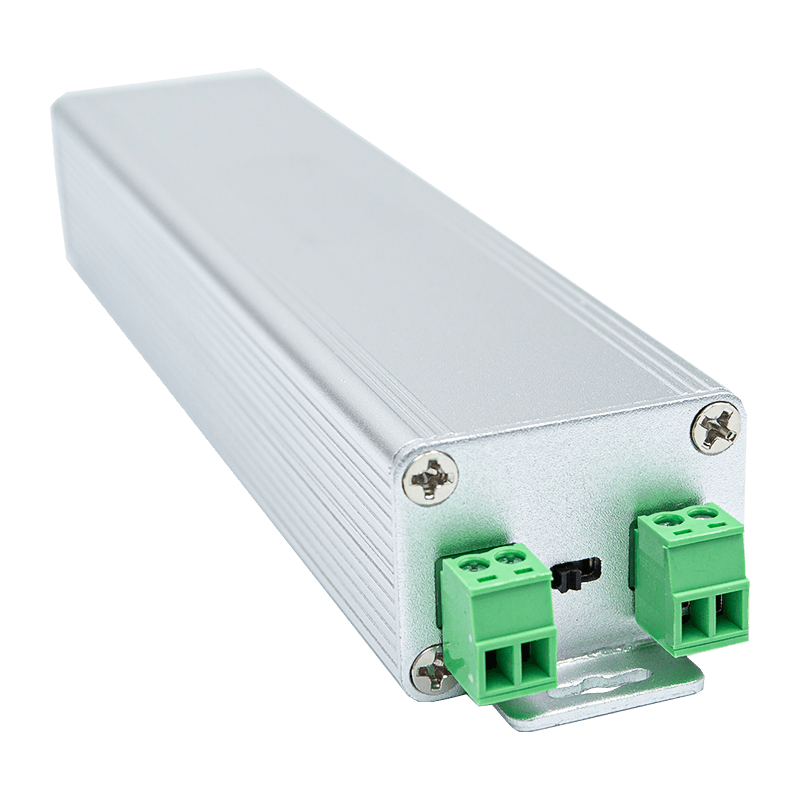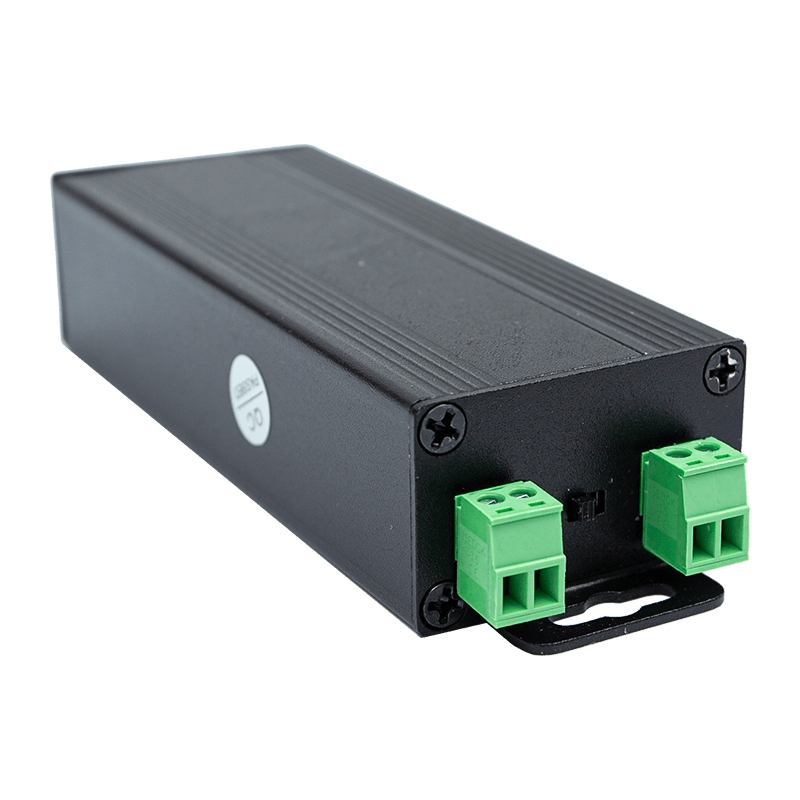


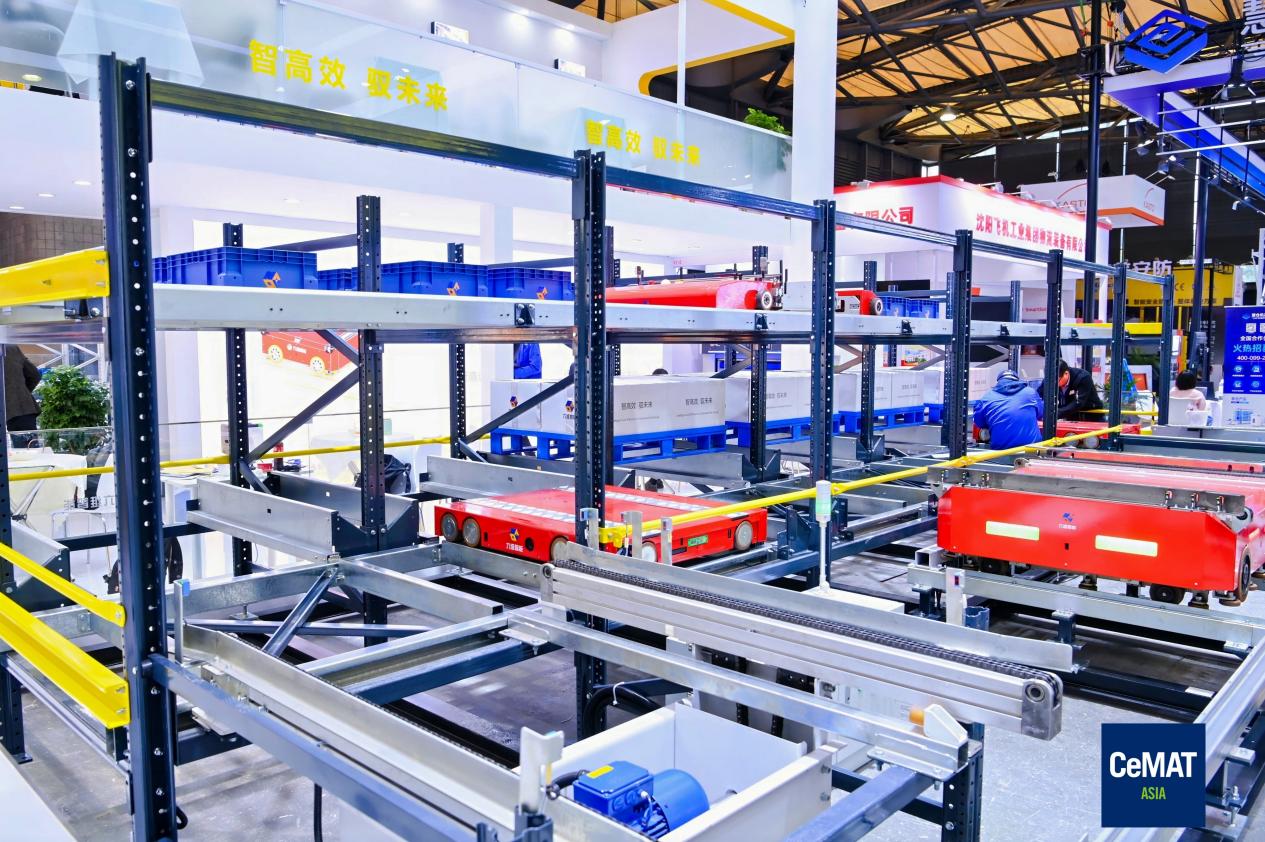
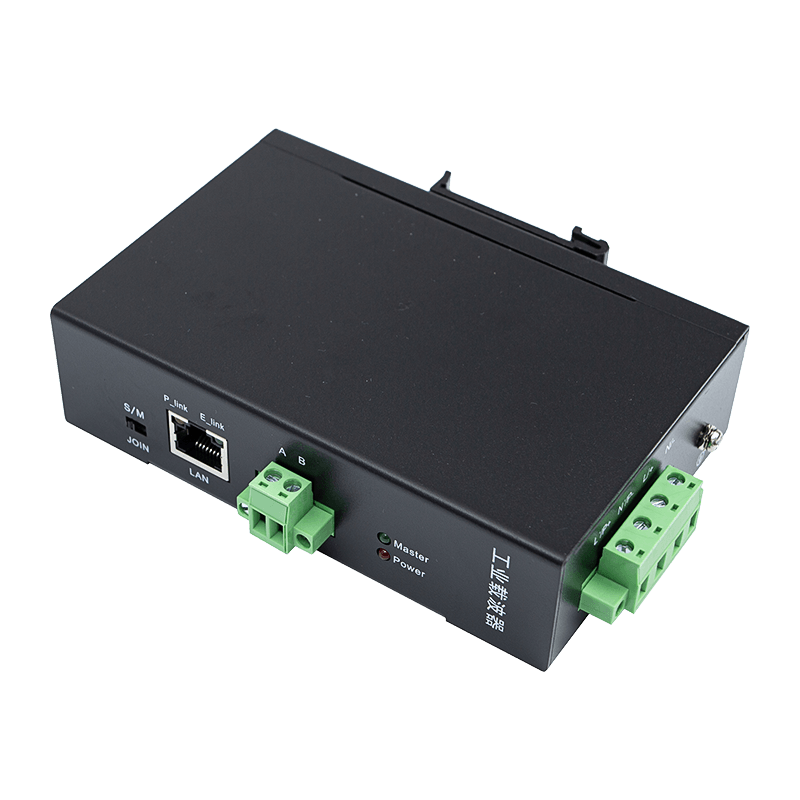
Cold storage facilities depend on fast, dependable, and accurately controlled door systems. Every opening cycle affects temperature stability, energy consumption, workflow efficiency, product protection, and worker safety. In this environment, a door controller is much more than a simple switching device. It must coordinate a high-power motor, safety sensors, heating elements, air curtains, control panels, alarms, door locks, and external automation signals while continuing to operate in a cold, humid, and demanding industrial setting.
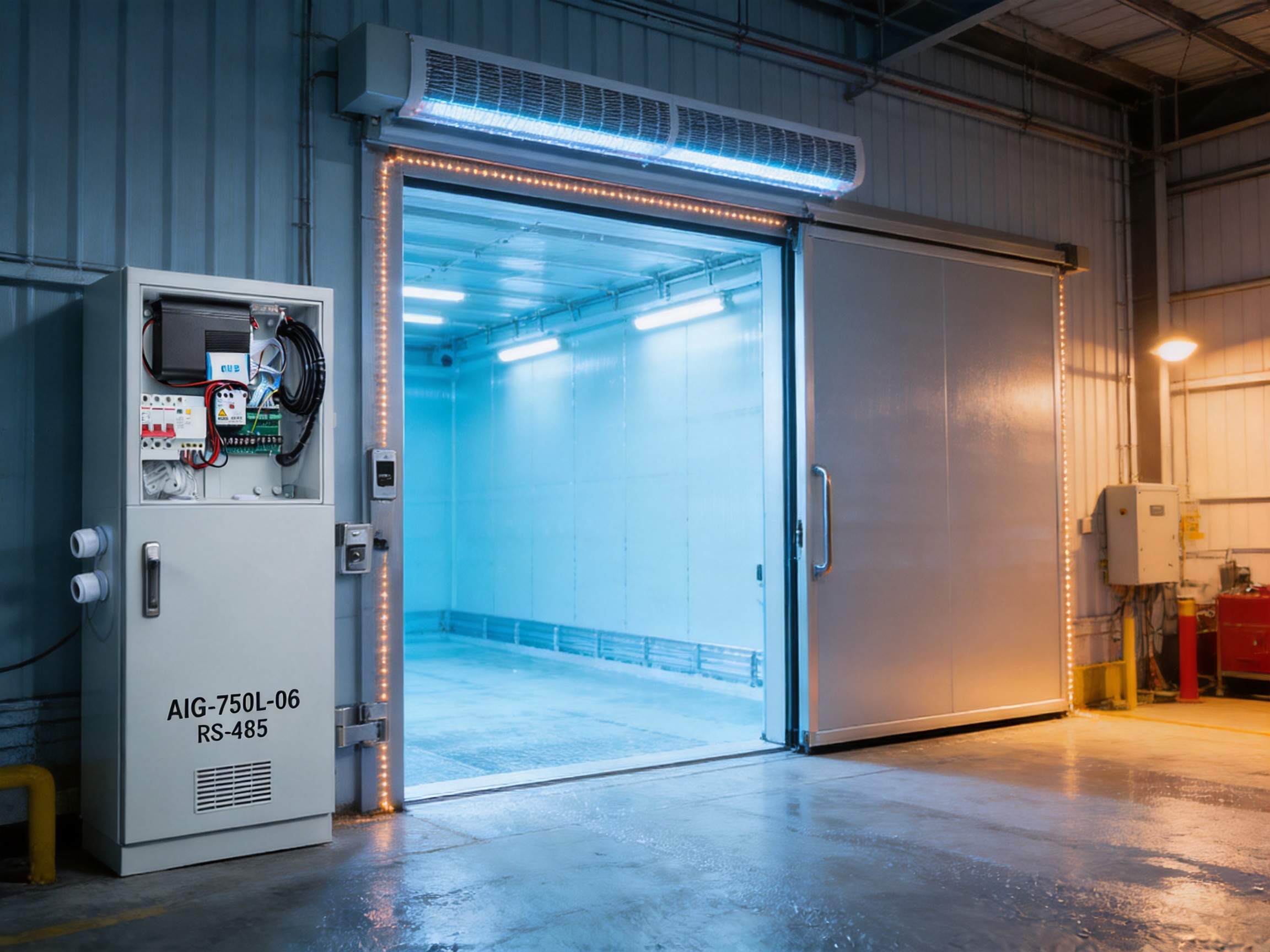
The AIG-750L-06 DC brushless motor controller is designed for this specific challenge. It manages cold storage sliding doors and heavy-duty industrial sliding doors by coordinating a compatible high-voltage DC brushless motor with a wide range of input signals and auxiliary outputs. Its design combines adjustable motion control, real-time monitoring, fault recording, external device integration, and RS-485 communication in one control platform.
When used with the AIG-1500P-02Y control box and a compatible DC brushless motor, the system provides a structured solution for applications requiring controlled acceleration, adjustable opening and closing speeds, anti-pinch protection, door-position management, and reliable operation in low-temperature environments. The compatible motors are designed for operating conditions from -30°C to 60°C, while their moisture-resistant construction and Grade B insulation support use in humid industrial areas.
This article examines the product’s operating principles, technical advantages, safety functions, monitoring capabilities, application value, and manufacturing strengths. It also explains why a dedicated cold-storage door controller can offer advantages over general-purpose motor controllers and basic automatic door operators.
DC Brushless Motor Controller for Cold Storage Sliding Doors
1. The Role of a Dedicated Cold Storage Door Controller
Cold storage doors operate under conditions that are significantly more demanding than those found in ordinary commercial entrances. A typical cold room may have large temperature differences between two sides of the door, frequent opening cycles, condensation, frost, humidity, heavy door panels, and strict requirements for temperature retention. A controller designed only for conventional doors may not provide sufficient torque management, environmental compatibility, sensor integration, or fault visibility.
The AIG-750L-06 addresses these requirements as a dedicated controller for cold storage sliding doors. It is intended to regulate the movement of a compatible high-voltage DC brushless motor, allowing the door system to respond to opening, closing, stopping, anti-pinch, fire-protection, radar, pull-cord, door-lock, and other commands.
Its function is not limited to starting and stopping the motor. The controller can manage operating parameters such as opening speed, closing speed, torque, delayed closing time, and safety-related determination times. These adjustments help installers configure the door for different panel weights, track conditions, traffic patterns, and operating environments.
In a cold storage facility, the controller can also coordinate heating wires and air curtains. Heating wires can help reduce frost or condensation around relevant areas, while an air curtain can limit the exchange of warm and cold air when the door is open. The controller supports a heating element of up to 1 kW and an air curtain motor of up to 2.2 kW according to the supplied product information.
This combination of motion control and peripheral management reduces the need for multiple independent control devices. A more integrated architecture can simplify wiring, improve operational coordination, and make troubleshooting more straightforward for maintenance personnel.
2. Product Architecture and System Components
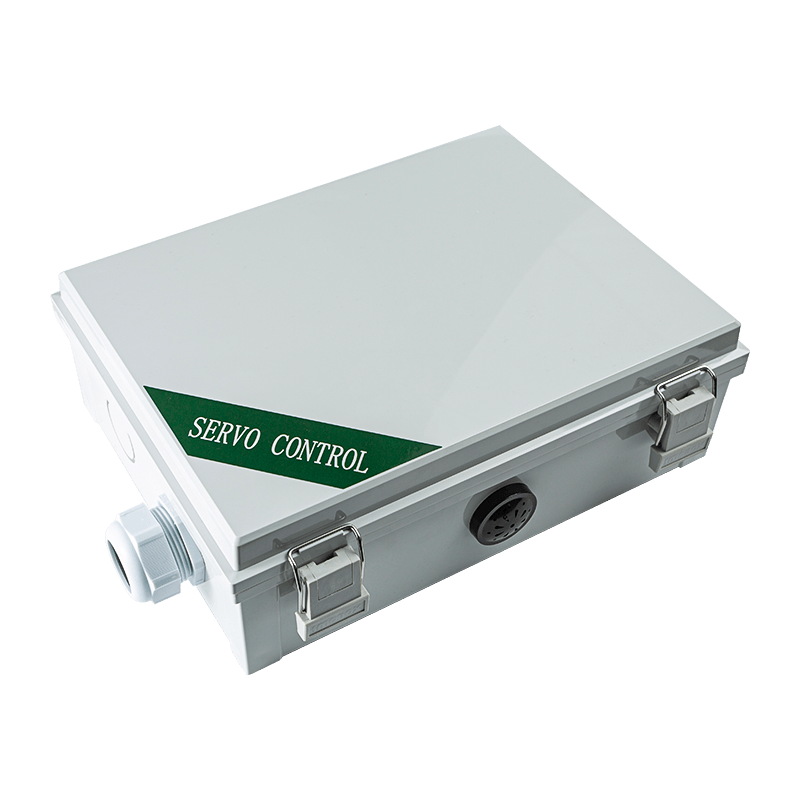
The complete door system typically consists of three primary elements: the AIG-1500P-02Y control box, the AIG-750L-06 controller, and a compatible DC brushless motor. Depending on the selected configuration, the controller may be available with a voice model or a touch-screen model.
2.1 Control Box
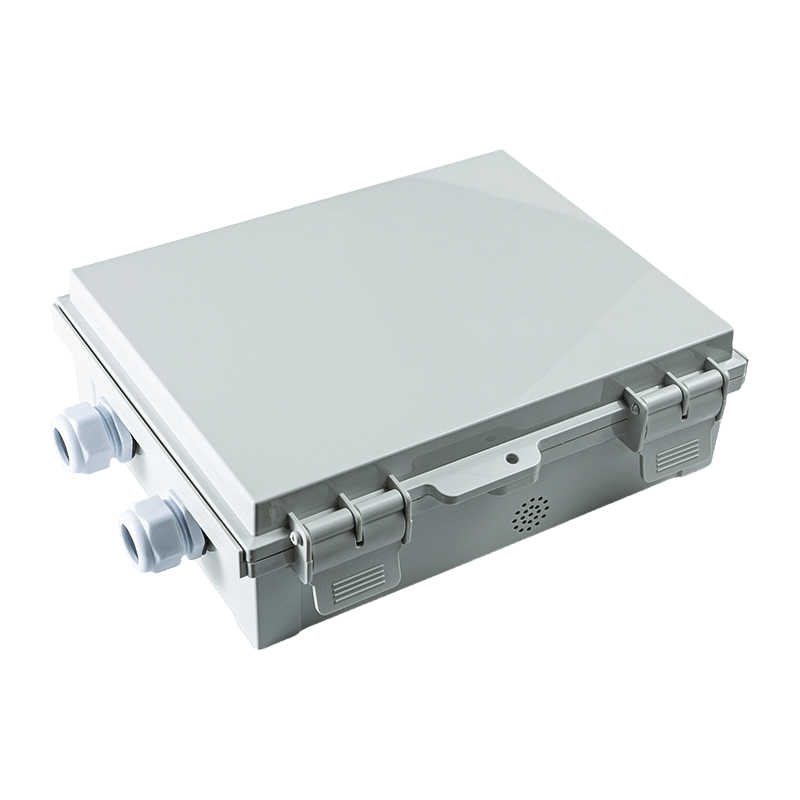
The control box provides the primary electrical interface for the door system. It receives commands from local controls and external sensors, distributes power to connected components, and works with the motor controller to execute the selected operating logic.
For an industrial installation, the control box should be installed according to the applicable electrical and environmental requirements. Wiring must be completed by qualified personnel, especially where mains voltage, high-voltage DC motor circuits, heating elements, and air curtains are involved.
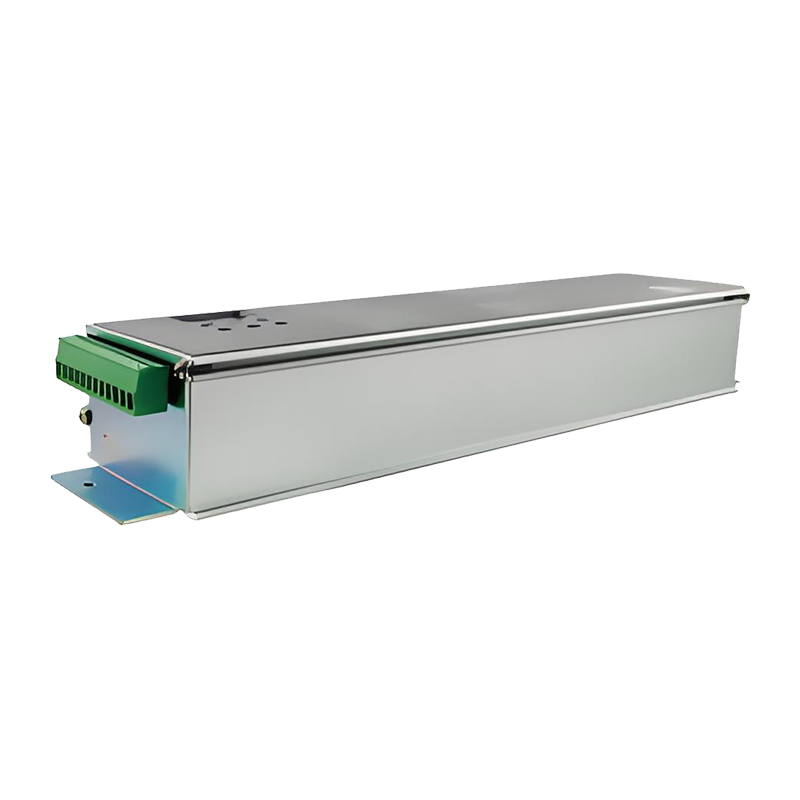
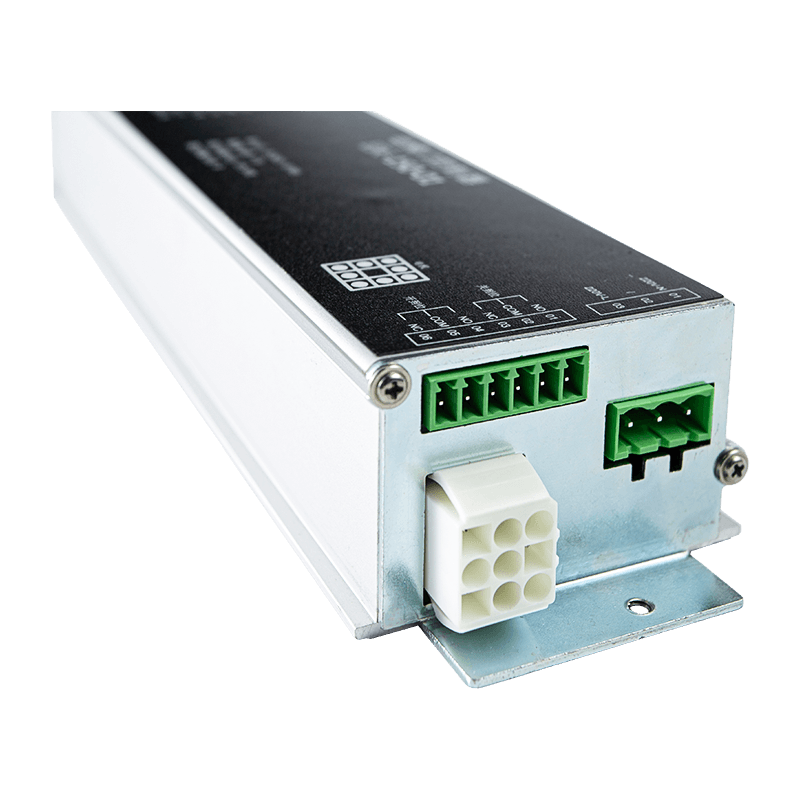
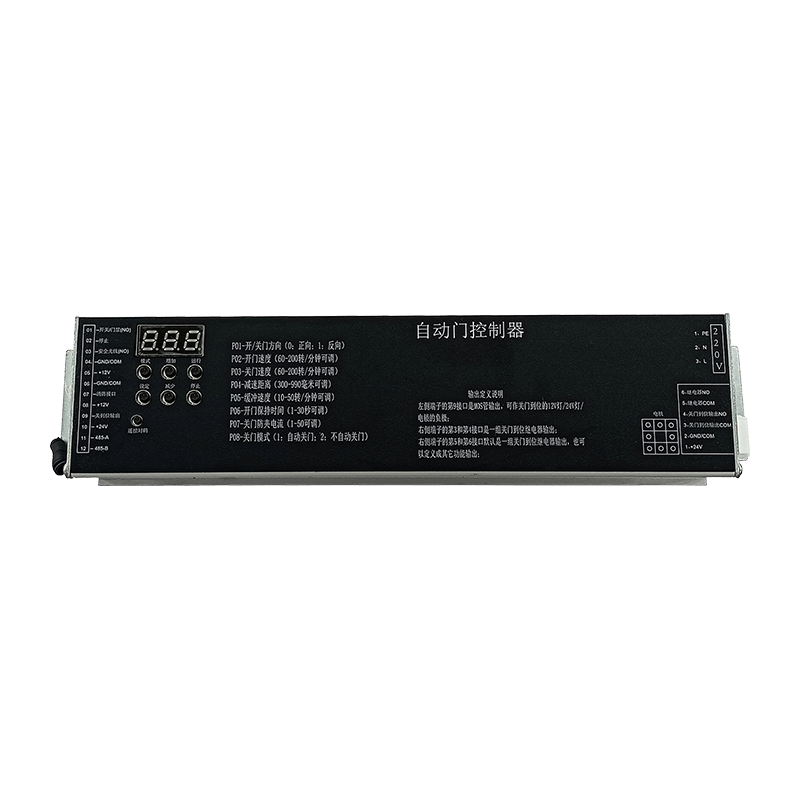
2.2 AIG-750L-06 Controller
The AIG-750L-06 is the control unit responsible for interpreting signals and controlling motor behavior. It supports a high-voltage DC brushless motor with a maximum output power of 1500 W. The controller can adjust the motor’s operating behavior to suit different door loads and installation requirements.
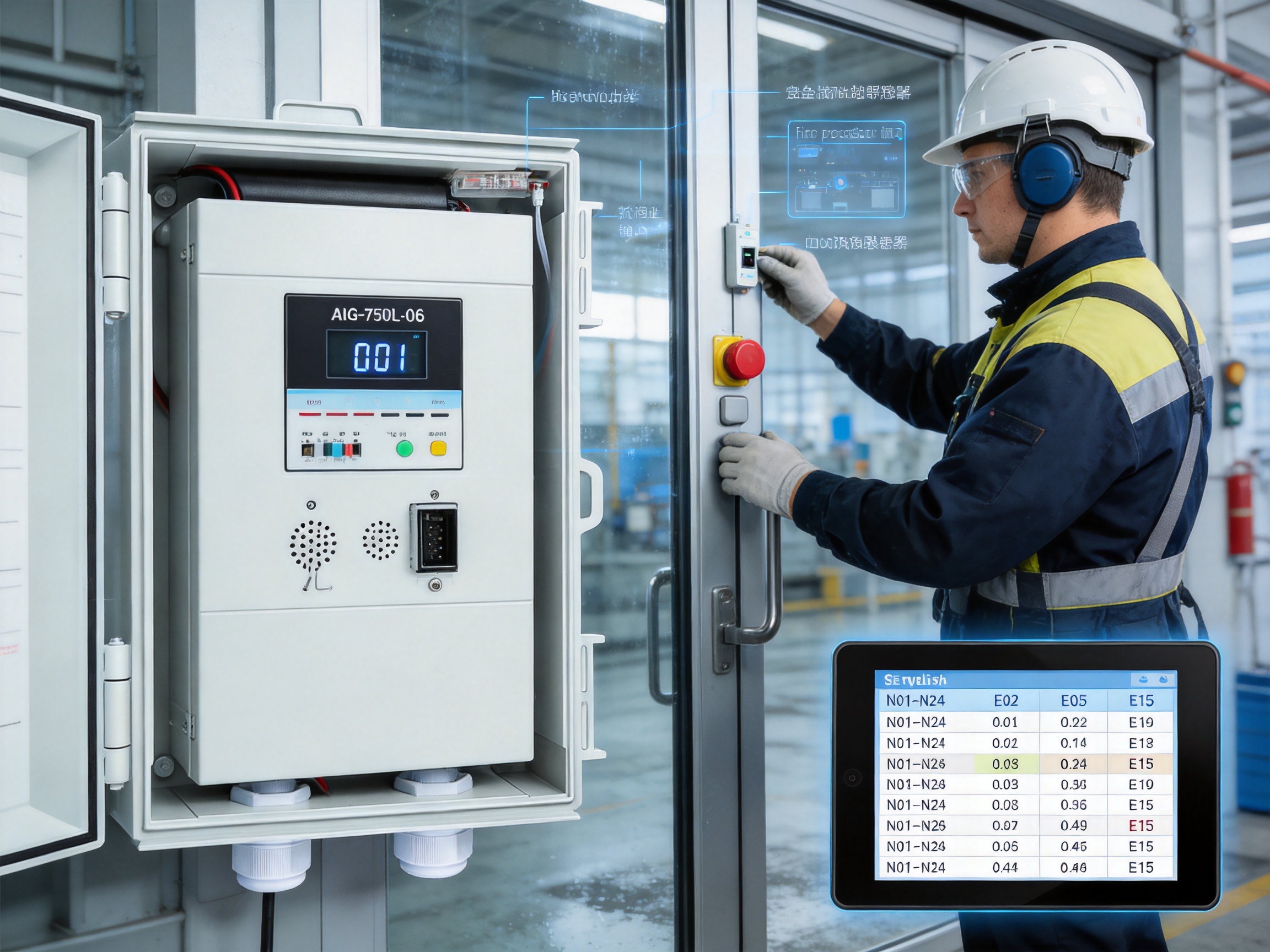
The digital display provides operating codes, configuration information, real-time monitoring values, and fault records. This interface gives installers and service technicians access to useful information without requiring a separate diagnostic instrument for routine checks.
2.3 Compatible DC Brushless Motor
The compatible motor provides the mechanical force required to move the sliding door. DC brushless motor technology is suitable for applications that require controlled speed, stable torque, frequent operation, and reduced mechanical wear associated with brush-type motor designs.
The specified compatible motors are designed for temperatures from -30°C to 60°C. Their moisture-proof construction and Grade B insulation are important features for cold storage environments, where condensation and high humidity can place additional stress on electrical components.
2.4 Local and External Control Devices
The system can support panel click operation and external control modes. External devices may include remote controls, pull cords, radar sensors, anti-pinch sensors, fire-protection inputs, door-lock signals, and temperature-detection resistance interfaces.
This flexibility allows the controller to be configured for different facility layouts. A smaller cold room may use a local panel and a pull cord, while a distribution center may integrate radar detection, access control, door interlocks, and building automation signals.
3. Technical Specifications
The following table summarizes the principal performance parameters provided for the AIG-750L-06 system.
| Parameter | Specification |
|---|---|
| Product type | DC brushless motor controller for cold storage sliding doors |
| Input voltage | 176–264 VAC, 50/60 Hz |
| Motor type | High-voltage DC brushless motor |
| Maximum motor output power | 1500 W |
| Compatible motor temperature range | -30°C to 60°C |
| Input signals | Open, close, stop, anti-pinch, fire protection, door lock, radar, temperature detection resistance, and related signals |
| Auxiliary outputs | Air curtain motor, heating element, buzzer, open-position output, and close-position output |
| Heating element capacity | Up to 1 kW |
| Air curtain capacity | Up to 2.2 kW |
| Communication interface | One RS-485 interface |
| Monitoring menu | Parameters N01–N24 |
| Fault memory | Latest four recorded faults |
| Typical applications | Cold storage doors and heavy-duty industrial sliding doors |
Final selection and installation should always be based on the actual door mass, motor compatibility, power distribution, operating cycle, sensor arrangement, ambient conditions, and local electrical regulations. The stated ratings should not be interpreted as permission to exceed the manufacturer’s installation instructions.
4. Adjustable Motion Control
One of the primary advantages of the AIG-750L-06 is the ability to adjust multiple motion parameters. Different doors have different masses, track resistances, opening widths, usage frequencies, and safety requirements. A fixed-speed controller may provide acceptable operation in one installation but perform poorly in another.
4.1 Opening and Closing Speed
Opening speed can be configured to support efficient traffic flow. In a busy logistics facility, a fast opening cycle may reduce waiting time for forklifts, pallet trucks, and personnel. In a smaller room or a restricted area, a lower speed may be preferred to reduce mechanical impact and improve overall control.
Closing speed is equally important. A door that closes too quickly may create unnecessary safety risks or mechanical stress. A door that closes too slowly may allow excessive heat exchange and increase energy consumption. Adjustable closing speed allows the installer to balance safety, productivity, and temperature management.
4.2 Torque Adjustment
Torque adjustment helps accommodate variations in door weight and mechanical resistance. Large insulated sliding doors can require substantial starting torque, especially when seals, guides, or tracks create resistance. Excessive torque, however, can increase stress on the door structure and create a greater hazard if an obstruction is encountered.
By configuring the torque according to the actual door system, the installer can avoid relying on an unnecessarily high force setting. Proper calibration supports more consistent movement and improves the relationship between normal operating force and anti-pinch protection.
4.3 Delayed Closing
Delayed closing time can be configured to match the application. A short delay may be suitable for a temperature-sensitive cold room where minimizing exposure is important. A longer delay may be appropriate where workers or vehicles need additional time to pass through the opening.
Delay settings should be selected together with radar sensors, pull cords, access controls, and traffic procedures. The purpose is not simply to keep the door open longer, but to ensure that the door responds predictably to real operating conditions.
4.4 Position and End-of-Travel Coordination
The system can identify opening and closing positions and provide corresponding outputs. Accurate door-position management is important for coordinating door locks, air curtains, heating elements, alarms, and other facility functions.
Position-related settings should be verified during commissioning. Installers should confirm that the door reaches the intended fully open and fully closed positions without excessive impact, incomplete sealing, or unnecessary motor operation.
5. Monitoring and Diagnostic Functions
Preventive maintenance becomes more effective when service personnel can see what the controller is doing in real time. The AIG-750L-06 includes a monitoring menu with parameters N01 through N24. These parameters can be used to track information such as output frequency, current, door position, fault records, and total operating times.
5.1 Output Frequency and Current
Output frequency and current provide useful indications of motor operation. A sudden change in current may indicate increased mechanical resistance, an obstruction, a track problem, a sealing issue, or a motor-related fault. Reviewing operating values over time can help maintenance staff identify developing problems before a complete failure occurs.
Current information must be interpreted in context. A high value during initial movement may be normal for a heavy door, while a new increase under the same operating conditions may require investigation. The controller’s monitoring function supports this comparison by making operational data more accessible.
5.2 Door Position
Door-position information helps technicians verify whether the controller is correctly recognizing the open and closed states. Incorrect position recognition can lead to incomplete closing, unnecessary motor operation, poor sealing, or unexpected auxiliary-device behavior.
5.3 Fault Records
The controller records the latest four faults, using codes in the E01–E99 range. Examples identified in the product information include Hall sensor failure E02, undervoltage E05, and overspeed E15.
Fault memory can reduce diagnostic time because the technician does not need to rely solely on verbal descriptions of the problem. A recorded fault provides a starting point for checking wiring, sensors, power quality, mechanical conditions, and configuration parameters.
5.4 Operating Time and Maintenance Planning
Total run-time information can support maintenance planning. Facilities can use operating data to identify heavily used doors and prioritize inspection of tracks, guides, seals, rollers, motor couplings, sensors, and electrical terminals.
Runtime data should be used as one maintenance indicator rather than the only criterion. Environmental exposure, door impact, visible wear, unusual noise, and changes in operating current should also be included in inspection decisions.
6. Digital Display and Operating Status Codes
The digital tube display provides a direct view of operating status. When the door system is in standby, the display shows “000”. This gives operators a simple indication that the controller is powered and waiting for an operating command.
When an input signal is detected, the display can identify the source. The supplied status examples include remote control at “100”, pull cord at “200”, radar at “300”, and anti-pinch sensor at “400”. These codes help technicians understand why the door has started or changed behavior.
The display also identifies operation status. Code “001” indicates that the door is opening, while code “002” indicates that it is closing. This information is particularly useful during commissioning because the installer can confirm that the command, motor direction, and position logic are correctly coordinated.
A clear status display has practical value in industrial environments. Technicians may be working in noisy areas where audible feedback is difficult to hear, or they may need to diagnose a door quickly during a production shift. Visual codes provide immediate information at the controller itself.
7. Safety and Anti-Pinch Protection
Safety is a central consideration for any powered door system. The AIG-750L-06 supports anti-pinch torque settings and determination times designed to help identify abnormal resistance during door movement.
When the door encounters resistance, the configured torque and detection logic can help the controller determine whether the condition is consistent with an obstruction or abnormal movement. Correct adjustment is essential. If settings are too sensitive, the door may stop unnecessarily during normal operation. If settings are too high, the system may not respond adequately to a genuine obstruction.
The product information includes an important limitation: entrapment protection is not active within 20 cm of the fully open or fully closed positions. This limitation must be clearly considered during system design, installation, risk assessment, and operator training.
Additional safety inputs include anti-pinch and fire-protection signals. A door system may also receive stop commands, door-lock signals, and external safety interlocks. The precise behavior of each input should be verified during commissioning and documented for facility operators.
Safety functions should never be treated as a substitute for physical risk assessment. Installers must consider the door’s travel path, clearance zones, nearby walls, guide rails, floor conditions, pedestrian routes, forklift traffic, emergency exits, and possible failure modes.
7.1 Grounding Requirement
The motor earth wire must be connected to the grounding mark on the controller. This is an important requirement for reducing the risk associated with high-voltage induced electricity and electric shock.
Grounding should be checked with appropriate test equipment by qualified personnel. The earth connection must not be omitted, loosely attached, or replaced with an unsuitable conductor. Electrical installation should comply with applicable national and local codes.
7.2 Functional Testing
Before the door is placed into service, technicians should test opening, closing, stopping, anti-pinch response, fire-protection input, door-lock coordination, sensor operation, alarm behavior, and power recovery behavior. Testing should be repeated after major mechanical adjustments or changes to controller parameters.
8. Integration with Heating Wires and Air Curtains
Cold storage doors often require more than motorized movement. Temperature differences can produce condensation, frost, and ice around frames, seals, and thresholds. The AIG-750L-06 can manage external heating wires rated up to 1 kW, subject to correct electrical design and installation.
Heating control can help maintain the operating condition of door components in suitable applications. However, heating elements must be correctly positioned, insulated where necessary, protected from physical damage, and controlled according to the facility’s safety requirements.
The controller also supports an air curtain motor of up to 2.2 kW according to the supplied information. An air curtain can reduce the movement of warm and cold air through an open doorway. It may also help reduce the entry of airborne contaminants in selected applications, although the actual result depends on air velocity, door dimensions, room pressure, and installation design.
Integrating these auxiliary devices with the door controller can improve coordination. For example, the air curtain may operate when the door is open, while heating functions may be managed according to door status or environmental requirements. Centralized coordination can reduce the number of independent timing devices and help simplify service procedures.
The stated output description also identifies a 380 VAC air curtain motor and a 220 VAC heating element. Because electrical configurations vary by installation, users should verify the exact model ratings, wiring diagrams, load compatibility, protective devices, and regional power requirements before connecting any auxiliary equipment.
9. RS-485 Communication and Networked Control
The AIG-750L-06 includes one RS-485 communication interface for networked control. RS-485 is widely used in industrial environments because it can support robust communication over suitable cable arrangements and is commonly integrated with supervisory systems, control panels, and building-management equipment.
A networked door controller can provide operational benefits in facilities with multiple cold rooms or production zones. Operators may be able to coordinate door states, monitor alarms, and integrate access or process logic through a wider control system, depending on the communication protocol and system configuration.
RS-485 integration should be planned carefully. Correct cable selection, termination, polarity, addressing, shielding, grounding, and protocol configuration are essential. The controller’s communication capabilities should be confirmed against the requirements of the intended supervisory system before project approval.
Network communication is particularly valuable for maintenance. If a door reports repeated faults or unusual operating behavior, the facility may be able to identify the affected unit more quickly and schedule service before a temperature excursion or production interruption occurs.
10. Advantages Compared with General-Purpose Controllers
General-purpose motor controllers can be useful in many applications, but they may not provide the specialized functions required by cold storage sliding doors. The AIG-750L-06 offers several application-specific advantages.
10.1 Designed Around Cold Storage Requirements
The system is designed for cold storage doors rather than being adapted from a generic industrial motor application. Its supported motor temperature range, moisture-proof motor construction, adjustable motion behavior, and peripheral outputs address common challenges in refrigerated environments.
10.2 Integrated Door Functions
The controller supports open, close, stop, anti-pinch, fire-protection, door-lock, radar, and temperature-detection-related inputs. This is more suitable for a complete automatic door system than a basic motor starter that only provides forward and reverse operation.
10.3 Motor and Safety Coordination
Adjustable speed, torque, delayed closing, and anti-pinch parameters allow the motor’s behavior to be coordinated with door mechanics and safety requirements. A basic controller with limited configuration may require additional devices or may not provide the same level of adjustment.
10.4 On-Board Visibility
The N01–N24 monitoring menu and the latest four fault records give technicians direct access to operational and diagnostic information. This can shorten troubleshooting time compared with systems that provide only a power indicator and a generic fault signal.
10.5 Auxiliary Equipment Management
The ability to manage heating wires, air curtains, buzzers, and open- and closed-position outputs supports a more complete door-control architecture. Separate control devices may still be required in some installations, but the integrated outputs can reduce system complexity where the ratings and wiring requirements are appropriate.
10.6 Support for Multiple Operating Modes
The system supports panel click operation and external control modes, including radar and pull-cord operation. This gives facility designers more flexibility when adapting the door to pedestrian traffic, forklift movement, restricted-access areas, and emergency procedures.
10.7 Serviceability
Fault codes, status codes, current information, and runtime records help maintenance staff approach problems systematically. Better visibility can reduce unnecessary part replacement and help distinguish electrical faults from mechanical problems.
11. Advantages Compared with Conventional Brushed Motor Systems
DC brushless motor technology can provide benefits in applications requiring frequent movement and controlled operation. Because the motor does not depend on conventional mechanical brushes for commutation, it can reduce brush-related wear and maintenance requirements.
Brushless motors can also provide precise electronic control of speed and torque. This supports smooth acceleration and deceleration, adjustable door movement, and better coordination with sensor inputs. Such characteristics are useful for heavy sliding doors that must move repeatedly without excessive impact.
The actual benefits depend on the motor, controller, mechanical transmission, installation quality, and maintenance program. A brushless motor does not eliminate the need to inspect tracks, rollers, seals, bearings, mounting hardware, and safety sensors.
For cold storage applications, the combination of brushless motor control and moisture-resistant construction can be especially valuable. The motor must still be correctly selected for the door load and environmental conditions. Operating a motor beyond its rated capacity or temperature range can reduce reliability.
12. Manufacturing Strengths and Engineering Capabilities
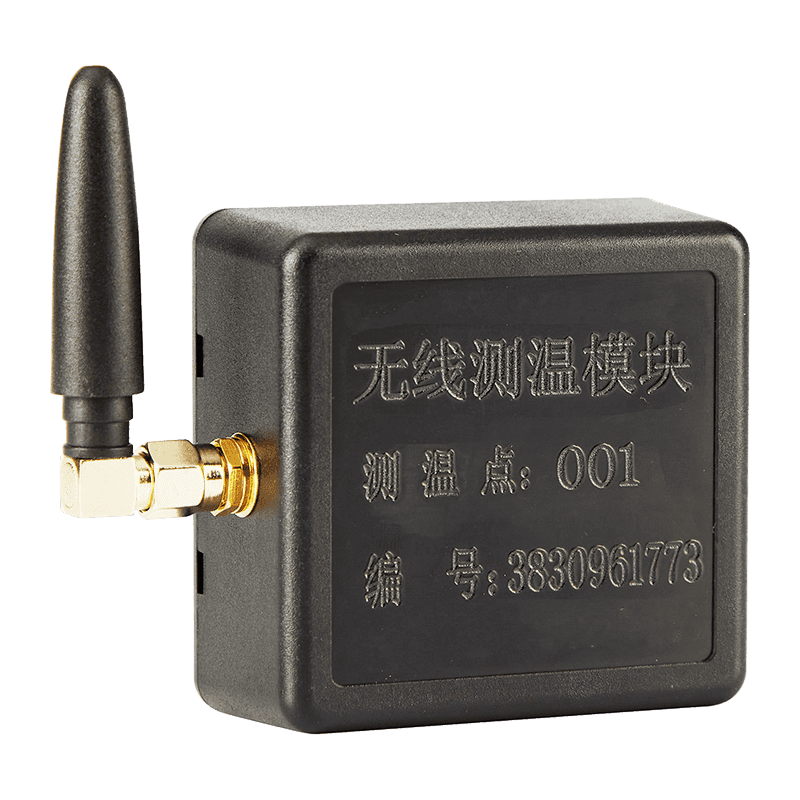
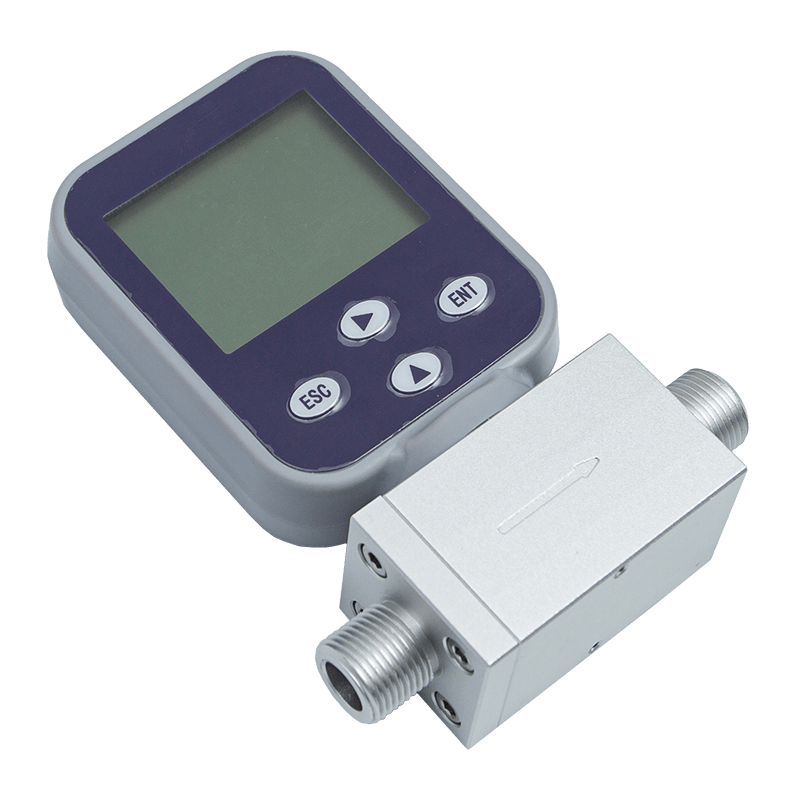
The product is supplied by ASY Electronics (JiaXing) Co., Ltd., a high-tech enterprise focused on data sensing, intelligent connectivity, industrial hardware, and equipment-control solutions. Its broader product portfolio includes broadband power line carriers, wireless temperature monitoring systems, industrial transmitters, thermal gas mass flow meters, and automatic door controllers.
This portfolio is relevant to the development of an industrial door controller because reliable automation depends on more than a single circuit board. It requires experience with sensing, communications, power management, embedded control, environmental protection, and industrial integration.
12.1 Product Development Based on Industrial Applications
A controller for cold storage doors must be developed around practical operating conditions. Engineering decisions must consider voltage variation, motor startup behavior, sensor response, door inertia, condensation, temperature cycling, and repeated operation. A manufacturer with a broader industrial product background can apply cross-disciplinary knowledge to these challenges.
Industrial product development also requires attention to serviceability. Display codes, parameter menus, fault memory, and communication interfaces are not merely software features; they reflect an understanding of how technicians install, commission, and maintain equipment in the field.
12.2 Intelligent Connectivity
The company’s stated focus on data sensing and intelligent connectivity supports the inclusion of monitoring and RS-485 communication in the controller. These functions enable the door system to become part of a wider industrial information architecture rather than operating as an isolated machine.
In a smart factory, door status may be relevant to material flow, environmental control, production scheduling, energy management, access management, and equipment condition monitoring. A connected controller provides a foundation for collecting and exchanging this information, subject to system-level integration.
12.3 Manufacturing for Industrial Reliability
Industrial controllers must be produced with consistent assembly quality. Important manufacturing considerations include printed circuit board assembly, component placement, soldering quality, electrical isolation, terminal integrity, enclosure construction, firmware loading, parameter verification, and functional testing.
For high-voltage motor control products, production inspection should pay particular attention to clearance, creepage, insulation, grounding paths, relay or switching-device performance, and protection against wiring errors. These processes help ensure that each unit performs consistently within its specified operating range.
12.4 Quality Control and Functional Verification
A robust manufacturing process should verify more than whether the controller powers on. Functional checks may include input-signal recognition, motor-control output, display-code behavior, fault detection, auxiliary outputs, communication-interface performance, and parameter storage.
Where products are intended for demanding environments, manufacturers may also evaluate thermal behavior, power fluctuation tolerance, electromagnetic compatibility, vibration resistance, and long-duration operation. The exact tests and acceptance criteria should be confirmed with the supplier for each project.
12.5 Customization and Application Adaptation
Industrial doors are not identical. Door size, motor power, sensor configuration, control logic, and auxiliary devices can vary from one facility to another. A manufacturer with engineering and industrial integration capabilities can be better positioned to support parameter configuration, interface adaptation, communication requirements, and project-specific control arrangements.
Customization should be managed through documented specifications. The buyer should confirm the required input and output functions, communication protocol, motor model, environmental conditions, safety devices, and installation constraints before production or delivery.
13. Application Scenarios
13.1 Food Processing Facilities
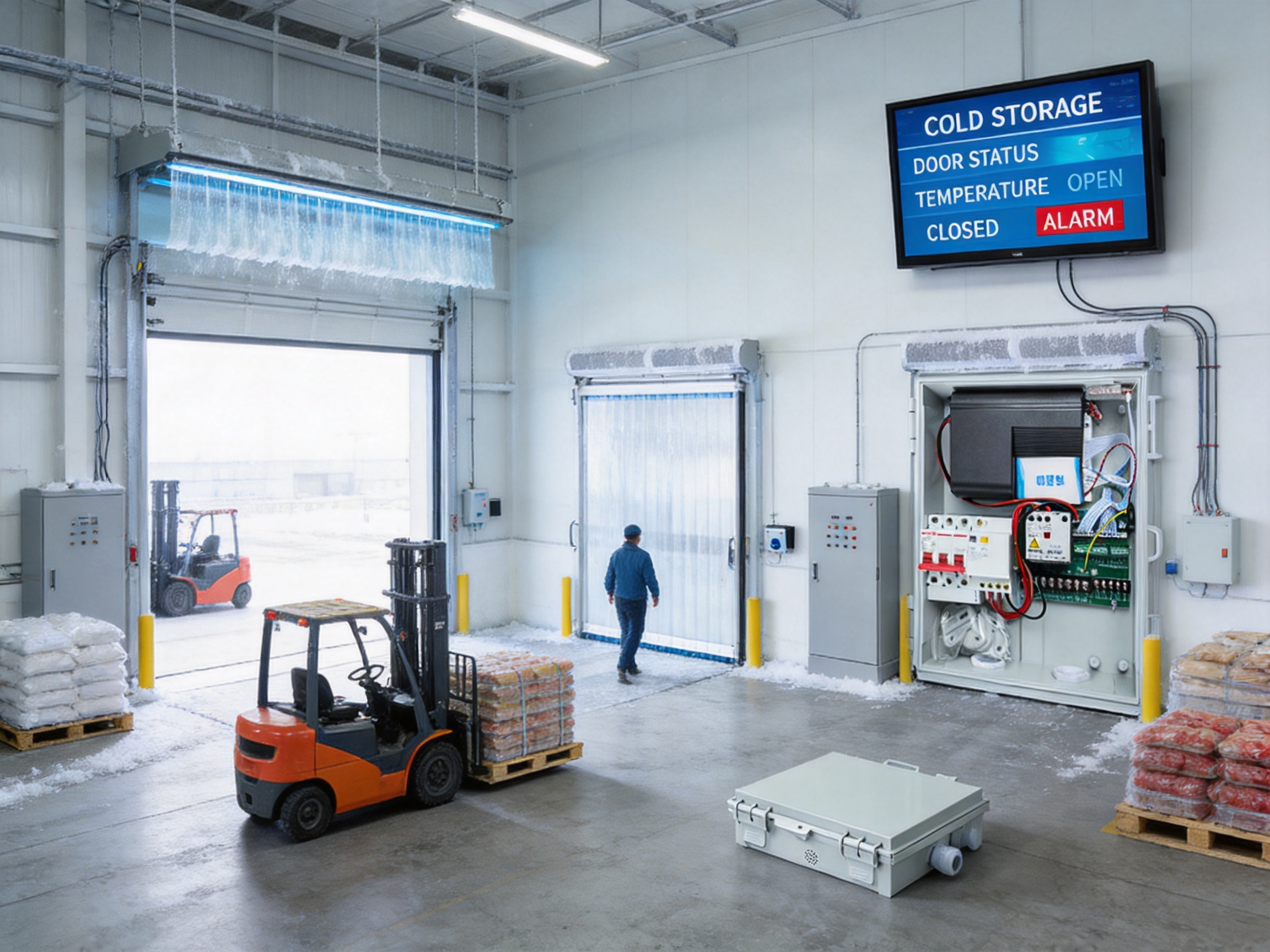
Food processing plants often use refrigerated rooms, blast freezers, chilled preparation areas, and temperature-controlled storage zones. Automatic sliding doors can improve material handling while reducing the duration of open-door exposure.
The controller’s support for radar, pull cords, door locks, and anti-pinch devices allows the door system to be adapted to hygienic production areas and vehicle traffic routes. Heating and air-curtain outputs can also support environmental management where properly designed.
13.2 Distribution and Logistics Centers
Cold-chain logistics centers may require frequent movement of pallets, containers, and forklifts through large door openings. Adjustable opening speed and delayed closing can help balance throughput with temperature retention.
Runtime and fault records are useful in logistics environments because a door failure can interrupt material flow. Maintenance personnel can use controller information to identify operating conditions and prioritize service.
13.3 Pharmaceutical and Laboratory Storage
Pharmaceutical and laboratory facilities may require controlled access, stable temperatures, and clear equipment status. Door-lock inputs, position outputs, communication capability, and fault monitoring can support integration with facility-management or access-control systems.
Project engineers should verify that the complete door assembly complies with the applicable hygiene, validation, access-control, and environmental requirements of the facility.
13.4 Industrial Workshops
Heavy-duty sliding doors in industrial workshops may be exposed to dust, temperature changes, frequent vehicle traffic, and mechanical vibration. The controller’s adjustable torque and speed functions can help match the drive system to the door’s physical characteristics.
Although the product is especially suited to cold storage doors, its stated application range also includes heavy-duty industrial sliding doors. Final suitability depends on the door design and site conditions.
13.5 Temperature-Controlled Loading Areas
Loading docks often have a high frequency of door operation and a strong need to minimize thermal exchange. Integration with radar or other detection devices can allow the door to respond automatically to approaching vehicles or personnel.
The control system can help coordinate door position, air curtains, heating elements, and warning signals, creating a more unified operating sequence.
14. Installation and Commissioning Considerations
Correct installation is essential to achieving the expected performance of any automatic door controller. Before installation, technicians should verify the input voltage, motor compatibility, door weight, travel distance, mechanical condition, and location of all sensors.
The door should move freely by its mechanical means before the motor is connected. Stiff tracks, damaged rollers, misalignment, excessive seal pressure, or structural deformation can increase motor current and cause repeated faults. A controller cannot compensate indefinitely for mechanical defects.
Power wiring and signal wiring should be arranged to reduce interference and prevent accidental contact with high-voltage circuits. Terminals should be tightened according to appropriate procedures, and cables should be protected from abrasion, condensation, heat, and moving components.
After power is applied, technicians should confirm that the display operates correctly and that the door is in a safe initial state. Input signals should be tested individually so that the display codes can be matched to the correct devices.
Motor direction, opening and closing limits, speed, torque, delayed closing time, anti-pinch settings, and peripheral outputs should be commissioned in a controlled sequence. Each setting change should be documented so that the final configuration can be reproduced during service or replacement.
Safety testing should be performed with the door operating at the intended settings. The anti-pinch function should be tested using an approved method that does not expose personnel to unnecessary risk. The limitation regarding the final 20 cm of the opening and closing positions must be included in the installation risk assessment.
15. Maintenance Recommendations
Routine maintenance should include inspection of the door track, rollers, guides, seals, mounting brackets, motor connection, earth wire, sensor alignment, control-box terminals, and auxiliary equipment.
Operators should report unusual noise, vibration, delayed movement, incomplete closing, repeated reversals, visible frost accumulation, or unexpected display codes. Early reporting can prevent minor problems from becoming major breakdowns.
Technicians can use the controller’s monitoring parameters to compare current operating conditions with commissioning values. If current rises, the door may require mechanical cleaning, alignment, lubrication where permitted, seal adjustment, or component replacement.
Fault records should be documented rather than simply cleared. Repeated E02 Hall sensor faults, E05 undervoltage indications, or E15 overspeed indications may point to an underlying wiring, power-quality, motor, configuration, or mechanical issue.
The controller should be kept dry and protected from unauthorized parameter changes. Where the equipment is installed in a humid or low-temperature area, the enclosure, cable entries, and ventilation arrangements should be checked regularly.
16. Energy and Operational Efficiency
Cold storage energy consumption is influenced by insulation, refrigeration performance, door opening frequency, open duration, air movement, and maintenance condition. A controlled automatic door system can contribute to efficiency by reducing unnecessary open time and supporting consistent movement.
Adjustable closing delay allows the door to remain open only as long as operationally necessary. Radar sensors and other external signals can reduce repeated manual operation and improve response to traffic. Air-curtain integration may reduce the movement of conditioned air through the opening when appropriately designed.
Energy performance depends on the complete installation. A controller alone cannot correct poor insulation, damaged seals, excessive traffic, or incorrect refrigeration settings. Its contribution is to provide the control logic needed for a more coordinated door operation.
Monitoring operating time and fault history can also support energy management. A door that takes longer to open, fails to close fully, or repeatedly reverses may increase thermal loss. Identifying these conditions early can protect both energy performance and product quality.
17. Why Industrial Buyers Should Consider the Complete System
Purchasing a controller separately from the motor, door hardware, and sensors can create compatibility risks. A complete system approach allows the motor rating, control parameters, sensor inputs, auxiliary outputs, and mechanical design to be considered together.
The AIG-750L-06 is typically used with the AIG-1500P-02Y control box and a compatible DC brushless motor. Buyers should request confirmation of the recommended motor model, wiring diagram, input definitions, output ratings, communication details, environmental limits, and commissioning procedure.
A complete technical review should also address spare parts, firmware or parameter backup, service support, operator training, and documentation. These factors influence the total cost of ownership and the long-term maintainability of the door system.
For facilities with multiple doors, standardizing on one controller family can simplify training and spare-parts management. Common display codes and diagnostic procedures may allow maintenance teams to service more units with fewer specialized tools.
18. Selection Guide for Project Engineers
Before specifying the controller, project engineers should collect the following information:
Door panel weight and dimensions should be identified because these determine the required motor torque and operating behavior.
The number of daily opening and closing cycles should be estimated to evaluate the expected duty level.
The temperature and humidity range should be documented, including possible condensation, frost, washdown, and thermal cycling.
The power supply should be checked to confirm compatibility with the stated 176–264 VAC, 50/60 Hz input range.
All required input signals should be listed, including open, close, stop, radar, pull cord, anti-pinch, fire protection, door lock, and temperature-related inputs.
All auxiliary loads should be identified, including the heating element, air curtain motor, buzzer, and position outputs.
The communication requirement should be defined if the controller will connect to a supervisory or building-management system through RS-485.
Safety requirements should be reviewed with reference to local regulations, site risk assessments, emergency procedures, and the controller’s stated protection limitations.
Finally, the supplier should confirm the complete system configuration before installation. This includes the motor, control box, controller model, display type, sensors, electrical protection, and required accessories.
19. Frequently Asked Questions
Q1: What type of door is the AIG-750L-06 designed to control?
The controller is primarily designed for cold storage sliding doors and can also be used for heavy-duty industrial sliding doors when the motor, door mechanism, electrical system, and environmental conditions are compatible.
Q2: What motor does the controller use?
It supports a high-voltage DC brushless motor with a maximum output power of 1500 W. The motor should be selected as a compatible model for the complete door system.
Q3: Can the controller operate in low-temperature environments?
The compatible motors are designed for temperatures from -30°C to 60°C. The complete installation must also be evaluated, including the controller enclosure, wiring, sensors, seals, condensation risk, and site protection.
Q4: What parameters can be adjusted?
Users can adjust operating parameters such as opening speed, closing speed, torque, delayed closing time, and safety-related determination settings. Exact adjustment procedures should follow the product manual and commissioning instructions.
Q5: What does the display code “000” mean?
“000” indicates standby status according to the supplied product information.
Q6: What do the input codes represent?
The examples provided are “100” for remote control, “200” for pull cord, “300” for radar, and “400” for anti-pinch sensor input.
Q7: What do the operating codes “001” and “002” mean?
“001” indicates that the door is opening, while “002” indicates that it is closing.
Q8: Does the controller record faults?
Yes. It records the latest four faults using E01–E99 codes. Examples include E02 for a Hall sensor failure, E05 for undervoltage, and E15 for overspeed.
The monitoring menu includes parameters N01–N24. The available information includes output frequency, current, door position, fault records, and total operating time.
Q10: Can the controller operate heating wires and an air curtain?
According to the supplied specifications, it can manage a heating element up to 1 kW and an air curtain motor up to 2.2 kW. The stated voltage and load ratings must be confirmed before connection.
Q11: Does the controller support external sensors?
Yes. Supported input types include open, close, stop, anti-pinch, fire protection, door lock, radar, pull cord, and temperature-detection-related signals, subject to the actual system configuration.
Q12: Does it support network communication?
The controller includes one RS-485 interface for networked control. Protocol, wiring, addressing, and compatibility should be confirmed for the intended supervisory system.
Q13: Is anti-pinch protection active throughout the entire door movement?
The supplied product information states that entrapment protection is not active within 20 cm of the fully open or fully closed positions. This limitation must be included in the safety assessment and installation design.
Q14: Why must the motor earth wire be connected?
The motor earth wire must be connected to the grounding mark on the controller to reduce the risk associated with high-voltage induced electricity and electric shock. This work must be completed by qualified personnel.
Q15: What makes this controller different from a basic motor starter?
It combines adjustable motor control, multiple safety and automation inputs, auxiliary outputs, status codes, real-time monitoring, fault memory, and RS-485 communication. These functions are more suitable for an integrated industrial door system than simple motor start-stop control.
Q16: Is the controller suitable for every cold room?
No controller should be selected without reviewing the complete application. Door size, weight, motor compatibility, power supply, temperature, humidity, opening frequency, sensor arrangement, safety requirements, and auxiliary loads must all be evaluated.
20. Conclusion
The AIG-750L-06 provides a dedicated control platform for cold storage sliding doors and heavy-duty industrial sliding doors. Its main strengths are the combination of DC brushless motor control, adjustable speed and torque, delayed closing, anti-pinch settings, real-time monitoring, fault recording, multiple input signals, auxiliary device outputs, and RS-485 communication.
Compared with a basic or general-purpose controller, it is better aligned with the operational realities of refrigerated and industrial facilities. The system can support temperature-control strategies, traffic automation, door safety, service diagnostics, and networked supervision within one coordinated architecture.
The product is also supported by a manufacturer whose broader industrial portfolio covers data sensing, intelligent connectivity, power line communication, wireless monitoring, transmitters, flow measurement, and automatic door control. This cross-disciplinary foundation is valuable for customers seeking not only a hardware component but also an industrial technology partner capable of supporting connected equipment and smart-factory development.
For best results, the controller should be installed as part of a properly matched system consisting of the control box, compatible motor, mechanical door assembly, sensors, grounding system, protective devices, and auxiliary equipment. Careful commissioning, documented parameter settings, routine maintenance, and regular safety testing will help the door operate reliably throughout its service life.
References
1. AIG-750L-06 Product Description and Performance Parameters, supplied technical information.
2. AIG-1500P-02Y Cold Storage Sliding Door Control System Information, supplied product materials.
3. Industrial Automatic Door Installation and Commissioning Practices, general engineering reference.
4. DC Brushless Motor Control Principles for Industrial Automation, general technical reference.
5. RS-485 Industrial Communication Interface Practices, general technical reference.
6. Electrical Grounding and Protective Safety Principles for Motor-Control Equipment, general engineering reference.
7. Cold Chain Facility Energy Management and Door-Operation Considerations, general industrial reference.