


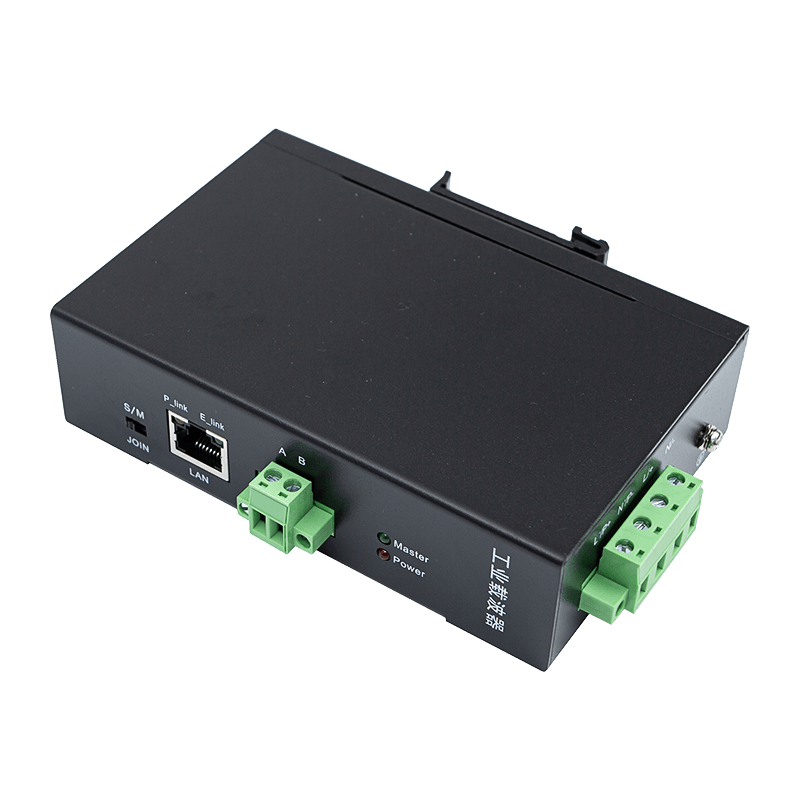
Accurate liquid-level measurement is a fundamental requirement in water management, hydrology, marine monitoring, industrial process control, municipal infrastructure, and energy operations. When a measurement point is located deep inside a tank, well, river, reservoir, drainage channel, or other submerged environment, the level instrument must withstand long-term exposure to moisture, pressure, temperature changes, sediment, biological growth, electromagnetic interference, and difficult maintenance conditions. A conventional instrument may provide an output signal, but a dependable modern installation requires much more: stable accuracy, corrosion resistance, strong sealing, digital communication, temperature compensation, simple networking, and reliable operation in demanding environments.
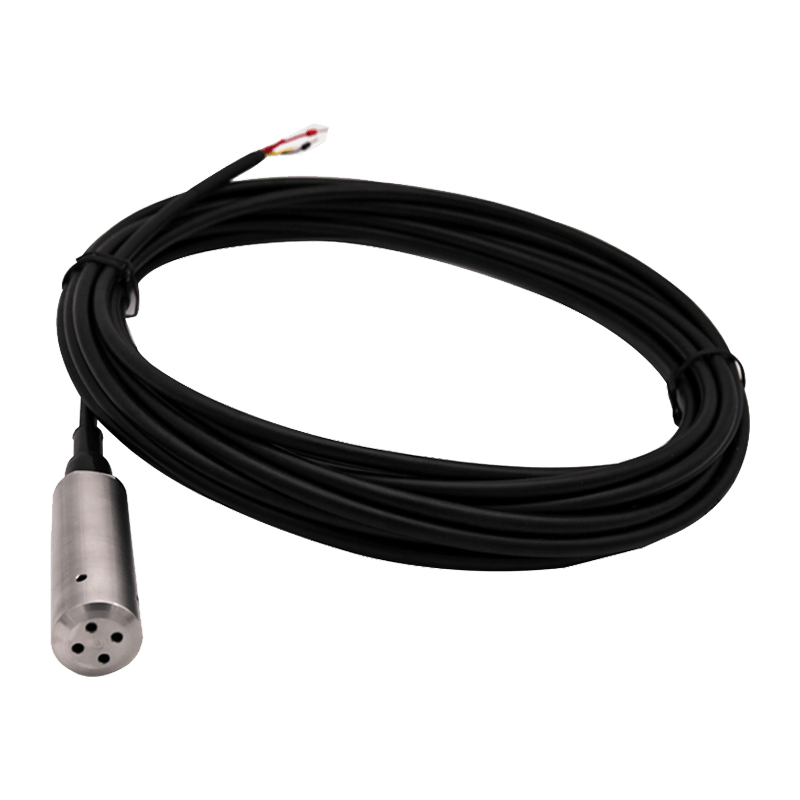
The Intelligent Submersible Level Transmitter is designed to address these requirements through a fully sealed stainless-steel construction, a high-performance diffused silicon pressure sensor, precision pressure and temperature compensation, and an RS485 Modbus RTU digital interface. The product measures liquid pressure at the installation depth and converts that pressure into a digital level signal. With measuring ranges from 0 mH2O to 200 mH2O, an IP68 protection rating, 316L stainless-steel wetted construction, and the ability to connect up to 99 transmitters on one RS485 bus, it is suitable for both individual measurement points and distributed monitoring networks.
This article explains the operating principle, construction, technical performance, application value, manufacturing strengths, installation considerations, and competitive advantages of the transmitter. It also describes how a product developed under a structured quality-management system can support industrial Internet of Things projects, smart water infrastructure, and long-term asset monitoring.
1. The Role of Submersible Level Measurement
Liquid level is often used as a direct operating variable and as an indirect indication of system health. A rising level in a drainage station may indicate a blockage or excessive inflow. A falling groundwater level may reveal seasonal changes, pumping activity, or a developing supply problem. A variation in a process tank may affect production quality, safety, or energy consumption. In reservoirs, rivers, and marine environments, accurate level data supports planning, warning systems, environmental research, and infrastructure management.
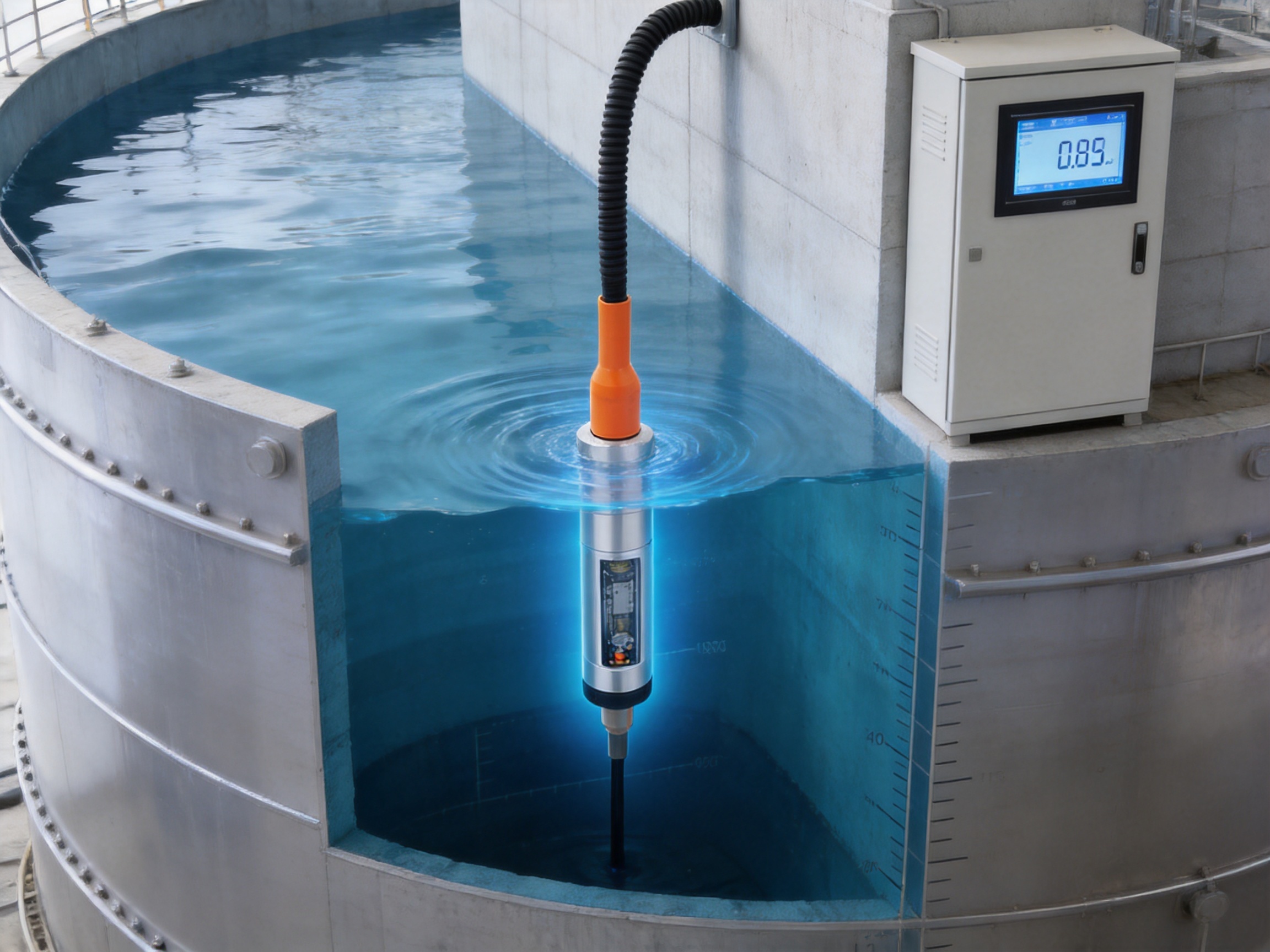
Submersible level transmitters are particularly useful when a measurement point is below the liquid surface and when the installation area is difficult to access. Instead of mounting a large instrument above the tank or building a separate external pressure chamber, a compact probe can be suspended at the required depth. The sensor detects the hydrostatic pressure generated by the liquid column above it. Because hydrostatic pressure is related to liquid density and depth, the transmitter can convert pressure into a corresponding level value after calibration.
This approach is valuable in deep wells, open channels, storage tanks, reservoirs, sewage systems, rivers, and other locations where contactless technologies may be affected by foam, vapor, condensation, turbulence, obstructions, or irregular surfaces. It also provides a practical method for installing measurement points in remote or confined areas.
However, a submerged instrument must be designed for more than measurement accuracy. Its enclosure must prevent water ingress. Its materials must tolerate the process medium. Its cable must withstand mechanical and environmental stress. Its sensing element must remain stable under pressure and temperature changes. Its communication system must provide dependable data transmission over a useful distance. These combined requirements distinguish an industrial-grade transmitter from a basic pressure probe.
2. Product Overview
The Intelligent Submersible Level Transmitter uses a high-performance diffused silicon pressure sensor as its measuring element. The sensor is housed in a stainless-steel structure and connected to a dedicated polyethylene cable. The instrument is lowered into the measured liquid, where the pressure at the sensing diaphragm represents the liquid depth relative to the selected reference condition.
The product incorporates precision correction and compensation for the sensor’s inherent pressure and temperature characteristics. This design helps maintain dependable performance across the specified compensation temperature range of -10°C to 80°C. The operating temperature range is -20°C to 85°C, while the storage temperature range extends from -40°C to 125°C.
Instead of relying only on a traditional analog current output, the transmitter communicates through an RS485 Modbus RTU digital interface. Digital output can reduce the effects of analog signal attenuation and improve the convenience of integrating multiple measurement points into a supervisory control and data acquisition system, industrial gateway, data logger, or remote monitoring platform.
The product is constructed primarily from stainless steel, with a 316L stainless-steel sensor section and fluororubber sealing components. Its IP68 protection level is intended for continuous immersion when the installation is properly completed and operated within the product’s environmental limits. The probe design also incorporates features intended to reduce sedimentation, protect against damage from sharp objects, and limit the growth or attachment of marine organisms.
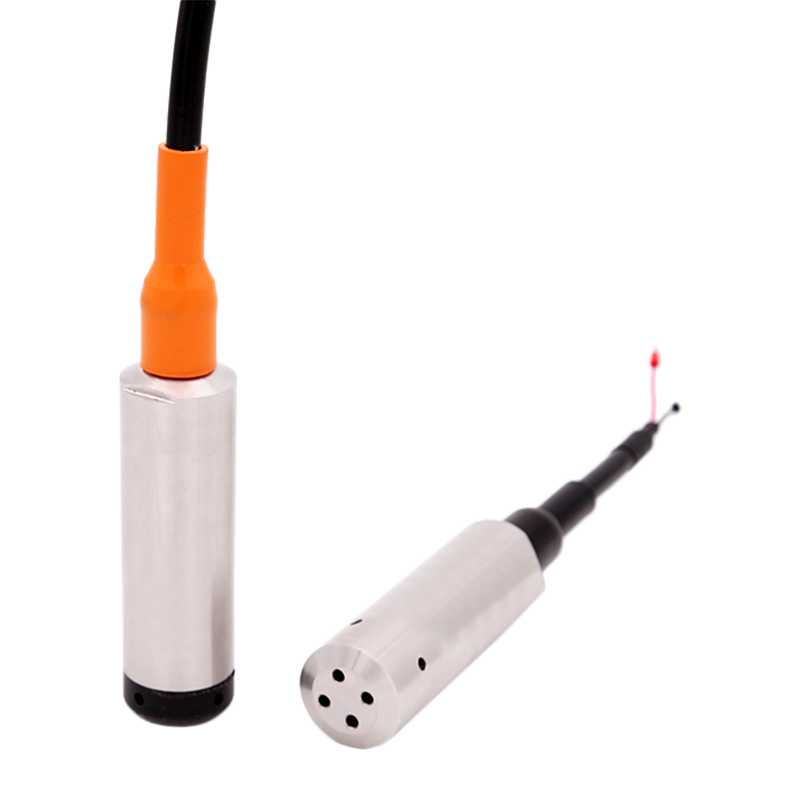
Intelligent Submersible Level Transmitter
3. Operating Principle and Measurement Method
The transmitter measures hydrostatic pressure. In a liquid at rest, pressure increases with depth according to the relationship between liquid density, gravitational acceleration, and the vertical height of the liquid column. The pressure detected by the submerged sensor therefore provides a practical indication of depth when the liquid characteristics and reference conditions are understood.
The sensing element converts mechanical pressure into an electrical signal. Internal signal-processing circuitry then applies calibration parameters and temperature compensation. The processed result is transmitted as a digital value through the RS485 interface using the Modbus RTU protocol.
For a tank or open reservoir, the actual level value depends on the installation reference, the sensor position, the liquid density, and the selected engineering-unit conversion. Water-level applications are generally straightforward because the density is relatively predictable. For liquids with significantly different or changing densities, the measurement system should be configured with appropriate compensation or validated against a known reference.
A submersible transmitter is commonly installed with its sensing end at or near the lowest point of the desired measurement range. The measured pressure then corresponds to the liquid height above the probe. The cable is routed upward to a junction box, control cabinet, data logger, or communication gateway. In a vented level transmitter, pressure changes in the atmosphere can be compensated through a suitable vented cable arrangement. The final installation method should follow the technical design and environmental requirements of the specific project.
Digital processing provides several practical advantages. The instrument can retain calibration and correction information within its measurement system, while the receiving controller obtains a numerical value rather than an analog voltage or current that must be converted. The RS485 bus also supports multidrop communication, allowing multiple transmitters to share a communication line when addressing, wiring, power distribution, termination, and polling parameters are correctly designed.
4. Technical Specifications
The following table summarizes the principal technical parameters of the Intelligent Submersible Level Transmitter.
| Parameter Group | Specification |
|---|---|
| Measurement range | 0 mH2O to 1 mH2O through 200 mH2O |
| Overload capability | Two times full-scale pressure; five times overpressure for ranges of 5 mH2O and below |
| Power supply | 10 V to 28 V DC |
| Output signal | RS485 Modbus RTU digital output |
| Bus capacity | Up to 99 transmitters on an RS485 bus |
| Insulation resistance | 100 MΩ at 50 V DC |
| Enclosure material | Stainless steel |
| Sensor material | 316L stainless steel |
| Sealing material | Fluororubber |
| Cable | 7.5 mm diameter polyethylene special cable |
| Protection rating | IP68 |
| Compensation temperature | -10°C to 80°C |
| Operating temperature | -20°C to 85°C |
| Storage temperature | -40°C to 125°C |
| Accuracy | ±0.1%FS minimum; ±0.5%FS maximum |
| Zero-point temperature coefficient | ±0.05%FS/°C for ranges of 5 mH2O and below; ±0.02%FS/°C above 5 mH2O |
| Full-scale temperature coefficient | ±0.05%FS/°C |
| Long-term stability | ±0.3%FS per year maximum |
“FS” means full scale. The actual performance selected for a particular project depends on the ordered range, calibration configuration, installation environment, liquid properties, electrical design, and operating conditions. Engineering teams should select the pressure range so that the normal operating level occupies a useful portion of the full scale without exposing the transmitter to unnecessary overload.
5. Construction Designed for Submerged Environments
5.1 Stainless-Steel Protection
The transmitter uses stainless steel for its enclosure and 316L stainless steel for the sensor area. This material selection supports mechanical durability and resistance to many common industrial and water-related environments. The specified media suitability includes fluids that do not corrode 316L stainless steel and fluororubber.
316L stainless steel is widely used in instrumentation because of its combination of strength, corrosion resistance, and suitability for wet environments. It is not universally resistant to every chemical, however. Chloride concentration, acidity, temperature, biological activity, and other process conditions must be evaluated before installation. A material compatibility review remains essential in seawater, chemical processing, wastewater, and aggressive industrial liquids.
5.2 IP68 Protection
An IP68 rating indicates a high level of protection against dust and water ingress under defined test conditions. For a submersible device, this protection is a fundamental requirement. Water penetration can damage electronics, change insulation performance, cause corrosion, and create unstable or intermittent communication.
The enclosure rating works together with the cable seal, connector or termination method, installation suspension, and protective accessories. The instrument should not be considered protected if the cable is cut, crushed, sharply bent, improperly spliced, or terminated in an unsuitable enclosure. Correct installation is therefore part of the overall protection strategy.
5.3 Protective Probe Design
Submerged probes may encounter suspended solids, sludge, debris, sharp structures, and biological growth. The probe design includes measures intended to reduce sedimentation and protect the sensing area from damage caused by sharp objects. It is also intended to help limit marine-organism growth, an important consideration for marine monitoring, open water, and long-term installations.
These features can reduce the frequency of cleaning and inspection compared with an unprotected sensing element. They do not eliminate the need for maintenance in heavily contaminated or biologically active environments. Periodic inspection should still be scheduled according to the liquid, installation depth, seasonal conditions, and consequences of measurement error.
6. Digital RS485 Modbus RTU Communication
The RS485 Modbus RTU interface is one of the product’s most important system-level advantages. RS485 is widely used in industrial automation because it supports differential communication, multidrop networking, and practical transmission over distances that are difficult for many single-ended signal interfaces.
With Modbus RTU, a host device can request measurement data from one or more transmitters. Each transmitter can be assigned an address, allowing up to 99 devices to share a bus according to the product specification. This can simplify distributed level monitoring in facilities that contain multiple tanks, wells, channels, or pumping stations.
A digital interface can also reduce the need for separate analog input channels. Instead of installing one analog input module for every measurement point, a project may use an RS485 communication network connected to a controller or industrial gateway. This can reduce cabinet wiring, improve data organization, and make expansion easier. The actual economic benefit depends on cable length, network architecture, controller selection, site conditions, and commissioning requirements.
RS485 networks must be designed correctly. The bus should generally use a suitable twisted-pair communication cable, follow an appropriate trunk-and-branch layout, maintain correct polarity, and use termination and biasing practices suitable for the equipment. Excessive branch length, poor shielding, ground-potential differences, electromagnetic noise, and incorrect address settings can cause communication faults. In a complete industrial installation, the transmitter, power supply, communication cable, surge protection, gateway, and host software should be treated as one integrated system.
Modbus RTU also provides a practical pathway to industrial IoT applications. A local controller or edge gateway can collect level values, apply alarm logic, store historical records, and forward data to a plant-management platform or remote monitoring system. This capability supports condition monitoring, predictive maintenance, energy management, and more responsive operation of pumps and valves.
7. Accuracy, Compensation, and Long-Term Stability
Measurement accuracy is not determined only by the nominal sensor specification. It also depends on calibration, temperature, pressure range, installation position, liquid properties, electrical noise, reference pressure, and long-term changes. The transmitter addresses several of these factors through precision correction and compensation across the specified temperature range.
The stated accuracy range extends from ±0.1%FS minimum to ±0.5%FS maximum. This provides flexibility for different application requirements and selected configurations. For a low-range instrument, full-scale error must be considered carefully because a percentage of a small range may represent a relatively small absolute level value. For a high-range instrument, the same percentage may represent a larger absolute distance.
Temperature coefficients describe how the zero point and full-scale response may change as temperature varies. The product provides specified zero-point and full-scale temperature coefficients for different range categories. These figures help engineers estimate performance under changing environmental conditions and compare the transmitter with alternative instruments.
Long-term stability is specified at a maximum of ±0.3%FS per year. This is important for monitoring systems that must operate for extended periods with limited access. Stable output can reduce recalibration frequency, improve confidence in trend analysis, and support more reliable alarm thresholds. Even with good stability, periodic verification is recommended for safety-critical, regulatory, or high-value process applications.
The insulation resistance specification of 100 MΩ at 50 V DC indicates a high level of electrical isolation under the stated test condition. Proper insulation is particularly important for submerged equipment, long cable runs, outdoor installations, and systems exposed to moisture or electrical transients.
8. Advantages Compared with Conventional Alternatives
8.1 Compared with Basic Analog Submersible Probes
Many conventional submersible level probes use analog current or voltage output. Analog devices can be effective and remain common in industrial installations, but they require a dedicated input channel, signal conversion, and careful consideration of cable resistance and interference. The RS485 Modbus RTU output of this transmitter supports direct digital communication and multidrop networking.
For a single short-distance measurement point, the difference may be modest. For a site with many tanks or wells, however, the ability to connect up to 99 transmitters on one bus can simplify network architecture. Digital transmission can also make it easier to identify individual measurement points, diagnose communication status, and organize data within a supervisory system.
8.2 Compared with Contactless Ultrasonic Measurement
Ultrasonic level instruments measure the distance from a sensor above the liquid surface. They can be useful where non-contact measurement is preferred, but their performance may be affected by foam, vapor, condensation, turbulence, internal obstructions, irregular tank geometry, and acoustic reflection conditions.
A submersible pressure transmitter measures from within the liquid and is not dependent on a clear acoustic path above the surface. This makes it attractive for wastewater, deep wells, open channels, and tanks where surface conditions are unstable. The trade-off is that the sensor is in contact with the medium, so material compatibility and cleaning requirements must be assessed.
8.3 Compared with External Differential-Pressure Installations
External differential-pressure systems can provide accurate tank-level measurement, especially in engineered process plants. They may require impulse lines, isolation valves, condensate management, mounting brackets, and protection from freezing or blockage. In open water, deep wells, and remote locations, those arrangements may be impractical.
The submersible transmitter reduces the number of external mechanical components. A probe, cable, power source, and communication connection can provide a compact measurement arrangement. This can be advantageous where installation space is limited or where building a separate pressure connection is costly.
8.4 Compared with Low-Cost Unsealed Sensors
Low-cost sensors may not provide the same combination of IP68 protection, stainless-steel construction, temperature compensation, overload capability, digital communication, and long-term stability. A lower purchase price can be outweighed by water ingress, corrosion, unstable readings, communication failures, or frequent replacement.
The Intelligent Submersible Level Transmitter is designed as an industrial instrument rather than a disposable sensing component. Its value is measured over the service life of the installation, including commissioning, maintenance, data reliability, and integration effort.
9. Application Areas
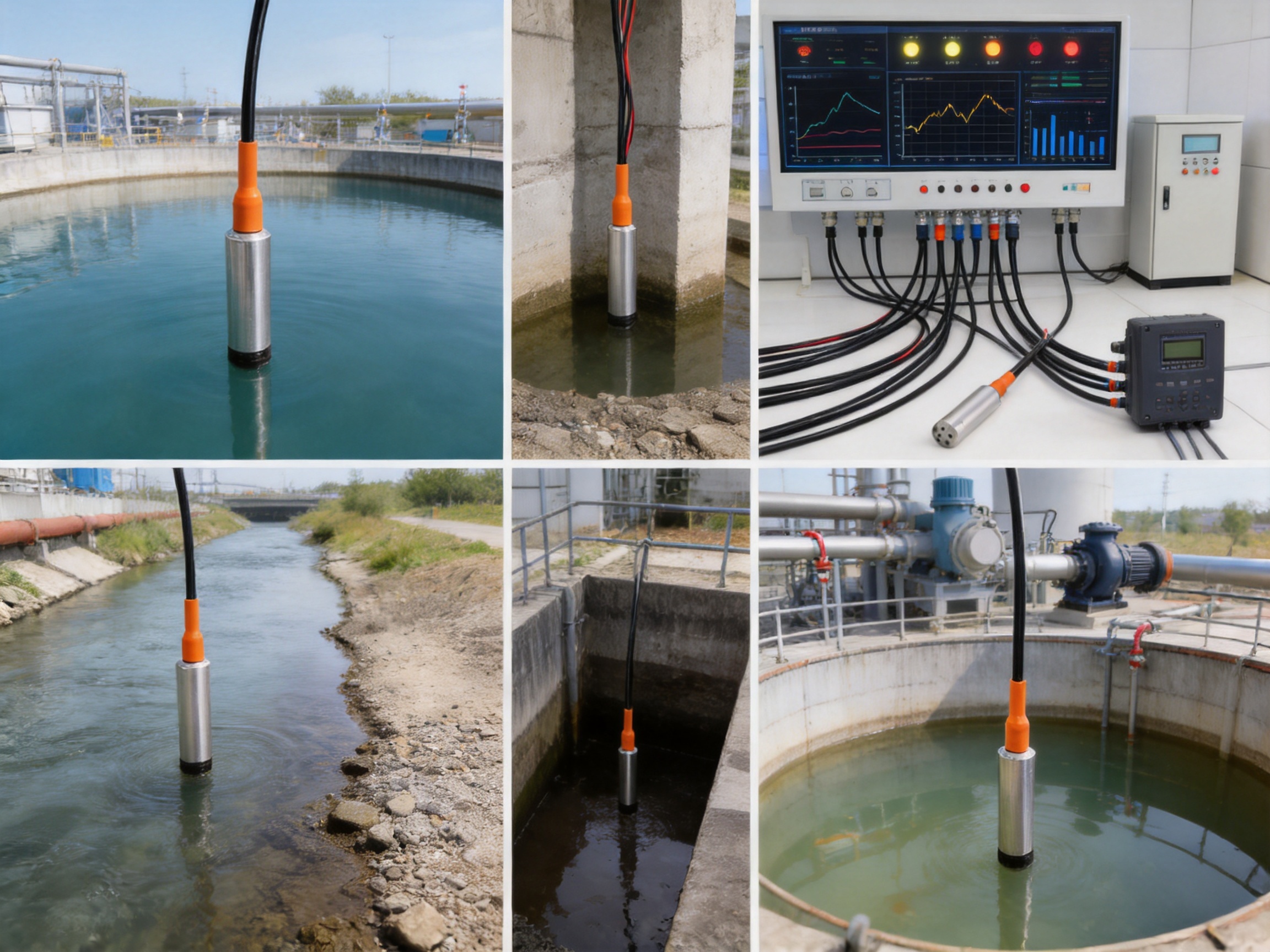
9.1 Shipping, Marine Monitoring, and Coastal Systems
Marine and shipping applications require equipment that can tolerate moisture, salt exposure, vibration, electromagnetic interference, and long periods between service visits. The stainless-steel construction, protective probe design, IP68 enclosure, and digital communication interface make the transmitter suitable for selected marine monitoring tasks where the fluid is compatible with 316L stainless steel and fluororubber.
Typical uses may include monitoring water levels in marine facilities, storage systems, drainage areas, ballast-related monitoring arrangements, and coastal infrastructure. A detailed corrosion assessment is necessary for direct seawater exposure, particularly where chloride concentration, temperature, and galvanic interactions may increase material stress.
9.2 Water Conservancy and Hydrology
Hydrological monitoring networks often contain many geographically distributed measurement points. A digital transmitter can provide level data to local data loggers, remote terminals, or communication gateways. Its measurement range options from 1 mH2O to 200 mH2O allow engineers to select a suitable configuration for shallow channels, reservoirs, wells, or deeper installations.
Long-term stability is especially valuable in hydrology because the objective is often to identify trends over weeks, months, or years. The transmitter can support water-level records used for resource planning, flood observation, groundwater studies, and infrastructure management.
9.3 Water Tanks and Municipal Water Supply
In municipal water systems, level data can help control pumps, maintain supply reserves, identify abnormal consumption, and manage storage capacity. A compact submersible probe can be installed in tanks and reservoirs without requiring a large overhead measurement structure. RS485 communication supports integration with a local controller or remote station.
The transmitter can also support urban drainage and road-sewage monitoring. In these locations, sediment, debris, and biological contamination are common concerns. The protective probe features can help maintain measurement availability, while the installation should include suitable access provisions for inspection and cleaning.
9.4 Rivers, Groundwater, and Environmental Observation
River and groundwater monitoring systems often operate outdoors under changing weather conditions. The transmitter’s wide operating and storage temperature ranges, sealed structure, and digital output can support permanent or semi-permanent monitoring stations.
For groundwater wells, the cable can be suspended from the wellhead while the probe is positioned at a defined depth. Engineers should protect the cable from abrasion and ensure that the instrument does not rest on sediment or become trapped against the well wall. The reference elevation and sensor position should be recorded so that measured depth can be converted consistently into an engineering level or elevation.
9.5 Petrochemical and Power Industries
Liquid-depth monitoring is required in many petrochemical and power applications, including utility water, process-water storage, drainage systems, cooling-water facilities, and selected non-corrosive liquid services. The transmitter’s stainless-steel body, pressure-range flexibility, overload resistance, and RS485 interface can support integration with industrial control systems.
For hazardous areas, combustible fluids, or explosive atmospheres, the project team must verify the applicable certification and installation requirements. The supplied product information references development and testing in accordance with various national and industry standards, but hazardous-area use should be approved only when the exact product configuration carries the required certification for the intended zone and process.
10. Manufacturing and Quality Strengths
A level transmitter is only as dependable as the manufacturing controls behind its sensor, mechanical body, sealing system, electronics, firmware, calibration process, and final inspection. ASY Electronics (JiaXing) Co., Ltd. is a high-tech enterprise focused on data sensing, intelligent connectivity, and industrial digitalization. Its broader product portfolio includes broadband power line carriers, wireless temperature monitoring systems, thermal gas mass flow meters, industrial transmitters, and automatic door controllers.
This product portfolio is relevant to the development of a submersible level transmitter because industrial IoT systems require more than an isolated sensor. They require reliable field devices, robust communication, data integration, and practical deployment knowledge. Experience across sensing and connectivity technologies can help a manufacturer understand how a transmitter will operate inside a larger monitoring architecture.
10.1 Sensor and Mechanical Integration
The transmitter combines a diffused silicon pressure sensor with a stainless-steel protective structure, sealing components, and a dedicated cable. Mechanical integration must control the position of the sensor, protect sensitive parts from impact, maintain sealing pressure, and support stable operation under immersion.
Material selection is also part of the manufacturing process. The use of 316L stainless steel for the sensor section and fluororubber for the sealing ring reflects the need to balance corrosion resistance, elasticity, temperature capability, and long-term environmental performance. Each material must be processed and assembled consistently to avoid damage, contamination, or dimensional variation.
10.2 Calibration and Temperature Compensation
Precision correction and compensation require controlled calibration procedures. A reliable manufacturing process should expose instruments to known pressure and temperature conditions, compare the measured response with reference values, calculate correction parameters, and verify the final output. Calibration across the intended range helps reduce errors caused by sensor nonlinearity, zero offset, thermal drift, and sensitivity variation.
The stated maximum design accuracy of 0.1%FS demonstrates the product’s precision-oriented design target, while the published accuracy range of ±0.1%FS minimum to ±0.5%FS maximum communicates the available performance range. Clear calibration records and traceable inspection data are important for industrial customers that need repeatable quality across multiple units.
10.3 Sealing and Environmental Testing
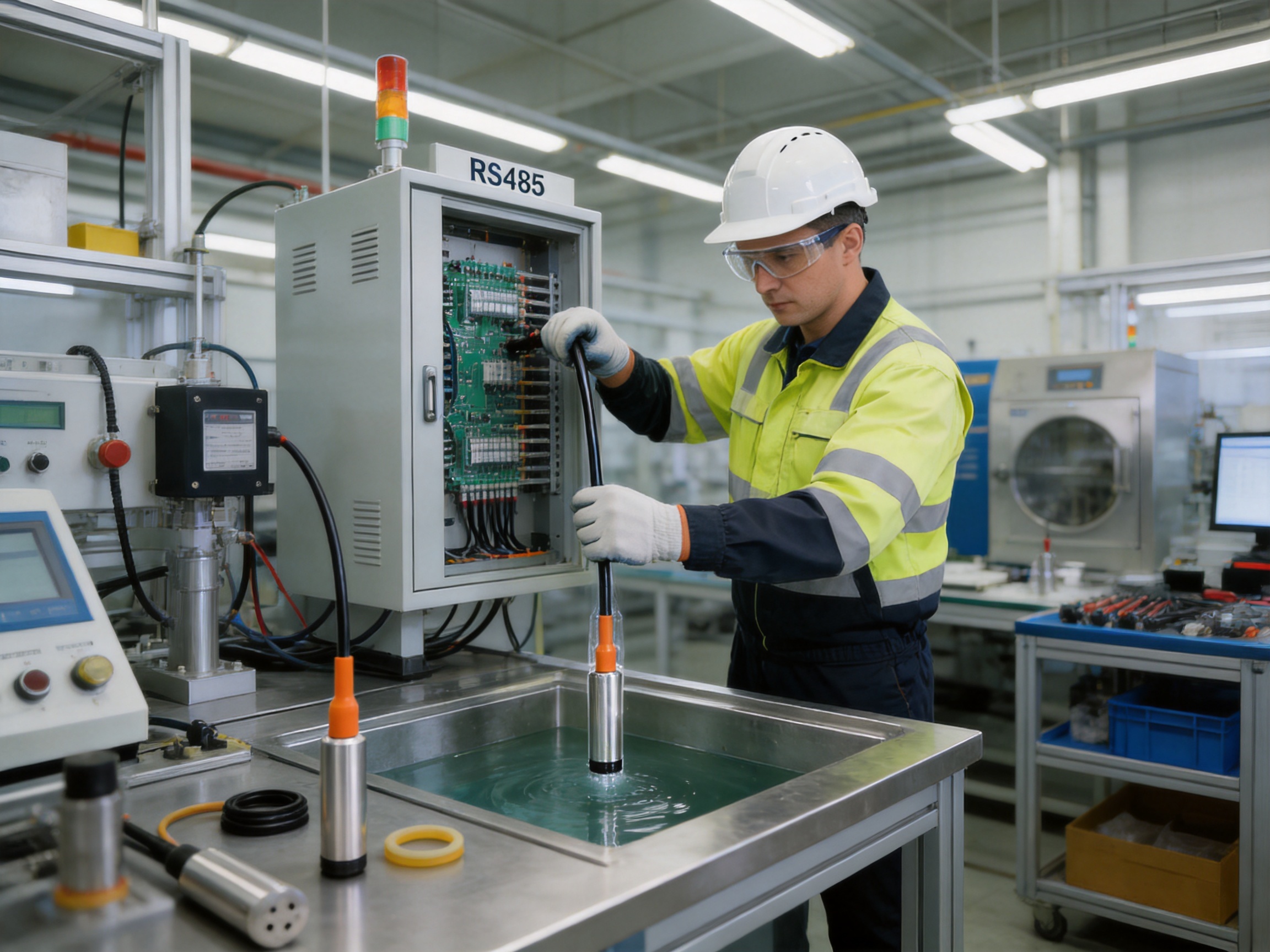
Sealing is a critical manufacturing process for an IP68 submersible device. It involves controlled assembly of the enclosure, sensor interface, cable entry, sealing ring, and other joints. Inspection may include visual checks, dimensional verification, insulation testing, pressure or immersion testing, and communication verification.
The product information states that the transmitter has been developed and tested with reference to standards and specifications associated with marine products, explosion-proof requirements, environmental testing, and metrological verification. It also states that production and inspection follow ISO9001:2015 quality-management requirements and company standards. These references indicate a structured approach to development and quality control. Customers should request the specific test reports, certificates, and conformity documents needed for their project.
10.4 Electromagnetic Compatibility Awareness
Industrial sites often contain motors, variable-frequency drives, switching power supplies, relays, radio equipment, and long cable runs. These sources can generate electromagnetic interference that affects measurement stability or communication reliability. The transmitter is designed to meet EMC environmental requirements and to resist strong electromagnetic signal interference according to the supplied product description.
Product-level EMC performance should still be supported by system-level installation practices. Communication cables should be routed away from high-power conductors where possible. Shielding and grounding should be implemented according to the site electrical design. Surge protection may be appropriate for outdoor, marine, or exposed installations. Correct power-supply selection and cabinet layout are also essential.
11. Why a Specialized Industrial Manufacturer Matters
Customers purchasing level transmitters are often implementing a broader digital transformation project. They may need to connect level, temperature, flow, equipment status, and energy data into one operational platform. A manufacturer that develops multiple types of industrial sensing and communication equipment can provide a more coherent approach to device integration.
ASY Electronics describes its mission as supporting efficient, reliable, and green smart factories through edge-layer hardware and industrial data integration solutions. This orientation is relevant to users that want to move from isolated instruments toward connected monitoring. A submersible level transmitter with RS485 Modbus communication can serve as a field-level data source within such an architecture.
The company’s experience with industrial transmitters and communication technologies may also support customization discussions involving communication parameters, measurement ranges, cable requirements, enclosure arrangements, gateways, or integration with existing control systems. Customization should be defined during the technical review so that the final configuration remains consistent with accuracy, environmental, safety, and regulatory requirements.
Manufacturing strength is not limited to the factory floor. It includes engineering documentation, application support, quality traceability, production consistency, after-sales service, and the ability to deliver repeatable products for multi-site projects. These factors can have a greater effect on total ownership cost than the initial instrument price.
12. Installation Recommendations
12.1 Select the Correct Measurement Range
The selected range should cover the maximum expected liquid depth while avoiding unnecessary over-ranging. A range that is too low may expose the sensor to overload during surges, while a range that is excessively high can reduce effective resolution for a shallow application. The available range options should be matched to normal, minimum, maximum, and abnormal operating levels.
12.2 Protect the Cable
The 7.5 mm diameter polyethylene special cable should be routed so that it is not cut, crushed, twisted, or exposed to sharp edges. The cable should be supported independently where appropriate rather than allowing the electrical connection to bear the full mechanical weight of the probe. Bending radius, tension, chemical exposure, and ultraviolet exposure should be considered during installation.
12.3 Avoid Sediment and Turbulence
The probe should be positioned where it represents the desired measurement point but is not buried in sediment or placed directly in a high-velocity inlet. Turbulence can create dynamic pressure variations, while sediment accumulation can obstruct the sensing area or change the effective reference position. A stilling tube or protective installation structure may be considered where site conditions require it.
12.4 Plan the RS485 Network
Each transmitter on the bus should have a unique address. The communication baud rate, data format, polling interval, cable topology, termination, and grounding method should be defined before commissioning. The host controller should be tested with each device individually and then with the complete network to identify addressing or wiring errors early.
12.5 Confirm Material Compatibility
The transmitter is suitable for fluids that do not corrode 316L stainless steel and fluororubber. Before ordering, the process medium should be reviewed for acidity, alkalinity, chloride content, solvents, hydrocarbons, suspended solids, temperature, and biological activity. Compatibility should be confirmed for both the sensor body and sealing materials.
12.6 Establish a Maintenance Program
Maintenance intervals should reflect the application. Clean-water tanks may require limited inspection, while sewage, sludge, river, and marine installations may need regular cleaning. Maintenance personnel should check the probe, cable, suspension point, junction box, power supply, communication quality, and recorded data. Any change in zero reading should be investigated rather than corrected without determining its cause.
13. Integration into Industrial IoT Systems
The transmitter can function as an edge sensing device in a layered industrial architecture. At the field layer, it measures liquid level. At the control layer, a PLC, remote terminal unit, or industrial gateway reads the Modbus registers. At the platform layer, software stores, visualizes, analyzes, and shares the information with operators and managers.
Level data can be combined with pump status, valve position, temperature, flow, power consumption, and alarm information. This makes it possible to identify relationships that a single measurement cannot reveal. For example, a rising tank level while a pump is running may indicate reduced pump performance or a blocked discharge line. A falling reservoir level combined with increased flow may indicate abnormal consumption. Historical records can support maintenance planning and resource optimization.
Digital connectivity also supports remote supervision. Operators can receive alarms when a level exceeds a defined limit, falls below a reserve threshold, changes too quickly, or becomes unavailable because of a communication fault. A well-designed system should distinguish between a genuine process alarm and an instrument or network alarm.
The transmitter’s role in an IoT system does not remove the need for sound engineering. Data quality depends on calibration, installation, network design, time synchronization, data validation, and cybersecurity. Industrial communication networks should be segmented and protected according to the organization’s policies. Access permissions, device addressing, maintenance procedures, and backup configuration records should be managed systematically.
14. Total Cost of Ownership and Project Value
The total value of a level transmitter includes purchase price, installation, wiring, commissioning, maintenance, downtime risk, replacement frequency, data quality, and integration effort. A device with stable long-term performance and digital networking may produce savings through easier expansion, fewer analog input modules, reduced field visits, and more reliable process decisions.
The IP68 structure and stainless-steel construction can reduce the risk of premature failure caused by water ingress or environmental exposure. Temperature compensation can improve confidence in data when conditions change. Overload capability provides additional protection during abnormal pressure events. RS485 communication can reduce wiring complexity in installations with many measurement points.
These benefits should be evaluated against the requirements of the application rather than assumed universally. A small, simple tank may not need a multidrop network. A highly corrosive chemical service may require a different wetted material. A hazardous-area installation may require certified equipment and barriers. The product is most valuable when its combination of digital communication, submerged installation, environmental protection, and precision performance aligns with the site’s actual needs.
15. Selection Guide for Engineering Teams
Before specifying the transmitter, engineering teams should define the liquid, maximum depth, normal operating range, minimum and maximum temperature, installation environment, required accuracy, communication architecture, cable length, power availability, and regulatory requirements.
The following questions can guide the selection process:
What is the maximum liquid depth, including temporary surges?
Does the liquid corrode 316L stainless steel or fluororubber?
Will the transmitter remain continuously submerged?
Is the installation exposed to sediment, debris, biological growth, vibration, or sharp structures?
Will one transmitter be used, or will multiple devices share an RS485 bus?
What controller, gateway, or data logger will read the Modbus RTU output?
Is the site exposed to lightning, surge activity, or strong electromagnetic interference?
Does the application require special marine, metrological, or hazardous-area documentation?
What inspection and cleaning interval is practical for the site?
Answering these questions before procurement helps avoid incorrect range selection, unsuitable materials, communication problems, and avoidable commissioning delays.
16. Q&A
Q1: What does the Intelligent Submersible Level Transmitter measure?
It measures liquid pressure at a submerged point and converts that pressure into a digital liquid-level value. It can be used for water depth, tank level, groundwater level, river level, drainage level, and compatible industrial liquids.
Q2: What communication protocol does it use?
The transmitter provides an RS485 Modbus RTU digital output. This allows connection to PLCs, industrial gateways, remote terminal units, data loggers, and other compatible control or monitoring equipment.
According to the supplied specifications, up to 99 transmitters can be connected through the RS485 bus. Each device must have an appropriate unique address, and the network must be designed with suitable wiring, termination, power distribution, and communication settings.
Q4: What power supply is required?
The specified power supply is 10 V to 28 V DC. The power system should provide adequate stability and protection for the transmitter and the wider field network.
Q5: Is the transmitter suitable for continuous immersion?
Its IP68 protection rating and submersible construction are intended for submerged operation. Continuous immersion must remain within the specified environmental and material-compatibility limits, and the cable and termination must be installed correctly.
Q6: What materials are used in the wetted construction?
The sensor section is made from 316L stainless steel, while the sealing ring is made from fluororubber. The transmitter is intended for fluids that do not corrode these materials.
Q7: Can it be used in wastewater or sewage monitoring?
Yes, it is designed for applications such as urban road sewage monitoring and other liquid-depth measurement tasks. In wastewater environments, the installation should account for sediment, debris, biological growth, and cleaning access.
Q8: What accuracy is available?
The published accuracy range is ±0.1%FS minimum to ±0.5%FS maximum, depending on the selected configuration and performance requirements. Engineers should confirm the exact accuracy for the ordered range and application.
Q9: How does temperature compensation improve the measurement?
Pressure sensors can experience zero and sensitivity changes as temperature varies. The transmitter applies correction and compensation across its specified temperature range to reduce these effects and maintain more stable level readings.
Q10: What is the operating temperature range?
The operating temperature range is -20°C to 85°C. The specified compensation temperature range is -10°C to 80°C, and the storage temperature range is -40°C to 125°C.
Q11: Is the transmitter suitable for seawater?
Suitability depends on the actual seawater conditions, including salinity, chloride concentration, temperature, exposure duration, and galvanic environment. The product uses 316L stainless steel, but a project-specific material-compatibility review should be completed before seawater deployment.
Q12: Can it be used in an explosive atmosphere?
The supplied product information references explosion-proof standards during development and testing, but the exact certification of the ordered product must be verified. Hazardous-area applications require the correct certified configuration, installation method, associated barriers, and compliance documentation.
Q13: Why choose a digital output instead of a conventional analog output?
Digital RS485 output can support multidrop networking, reduce the number of dedicated analog input channels, preserve numerical data over the communication path, and simplify integration with industrial gateways and monitoring platforms. The best choice depends on the existing control architecture.
Q14: What maintenance is required?
Maintenance may include inspection and cleaning of the probe, checking cable condition, confirming the suspension point, verifying power and communication quality, and comparing the reading with a known reference. The required interval depends on the liquid and installation environment.
Q15: Who manufactures the transmitter?
The product is supplied by ASY Electronics (JiaXing) Co., Ltd., a high-tech manufacturer focused on industrial sensing, intelligent connectivity, and industrial data integration. Its product portfolio includes transmitters and other industrial IoT devices.
17. Conclusion
The Intelligent Submersible Level Transmitter provides a practical combination of submerged pressure measurement, stainless-steel durability, IP68 protection, temperature compensation, overload resistance, and RS485 Modbus RTU communication. Its range options from 1 mH2O to 200 mH2O support diverse water, hydrology, municipal, marine, and industrial applications.
Compared with basic analog probes, contactless instruments in difficult surface conditions, or low-cost unsealed sensors, it offers a more complete solution for connected industrial monitoring. The ability to connect up to 99 transmitters on an RS485 bus is particularly valuable for distributed measurement networks containing multiple tanks, wells, channels, or reservoirs.
The product’s value is supported by the manufacturer’s focus on data sensing, intelligent connectivity, industrial transmitters, and smart-factory solutions. Its stated use of structured ISO9001:2015 quality-management practices, precision correction and compensation, EMC considerations, and long-term product verification reflects an industrial approach to product development and manufacturing.
For successful deployment, users should select the measurement range carefully, verify material compatibility, protect the cable, design the RS485 network correctly, and establish a maintenance plan appropriate to the medium. When these factors are addressed, the transmitter can provide a reliable field-level data source for water management, environmental monitoring, process control, and industrial IoT applications.
References
1. Product technical data for the Intelligent Submersible Level Transmitter, model AI-LF.
2. Modbus Application Protocol Specification, Modbus Organization.
3. IEC 60529, Degrees of Protection Provided by Enclosures, IP Code.
4. ISO 9001:2015, Quality Management Systems—Requirements.
5. Industrial pressure measurement and hydrostatic level measurement engineering principles.
6. RS485 serial communication and industrial network design practices.
7. General environmental testing methods for electrical and electronic products.