

Industrial facilities increasingly depend on fast, reliable communication between controllers, sensors, meters, gateways, cameras, and operational software. As factories become more automated, the communication network must support real-time data exchange without creating excessive installation work, downtime, or infrastructure cost. In many plants, power cables already extend to nearly every machine and operating area. Using those existing conductors as a communication medium can provide a practical alternative to installing new Ethernet cables or wireless access points.
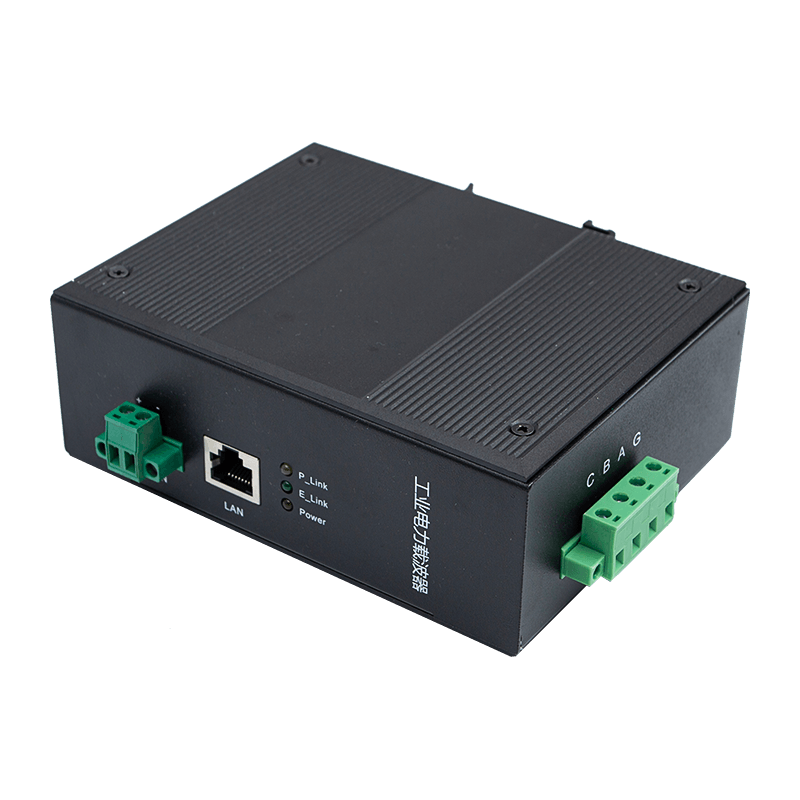
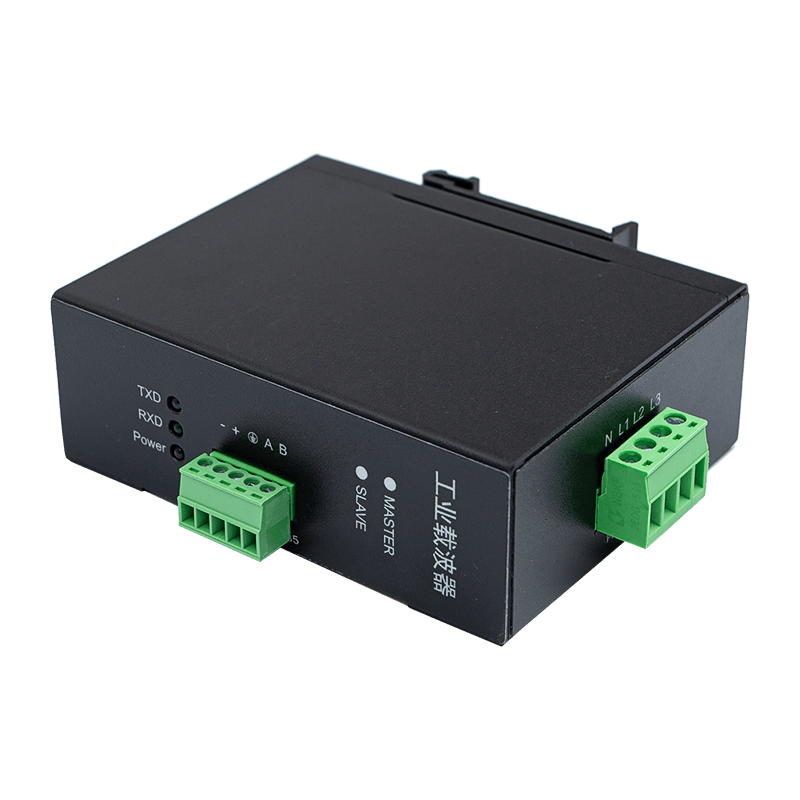
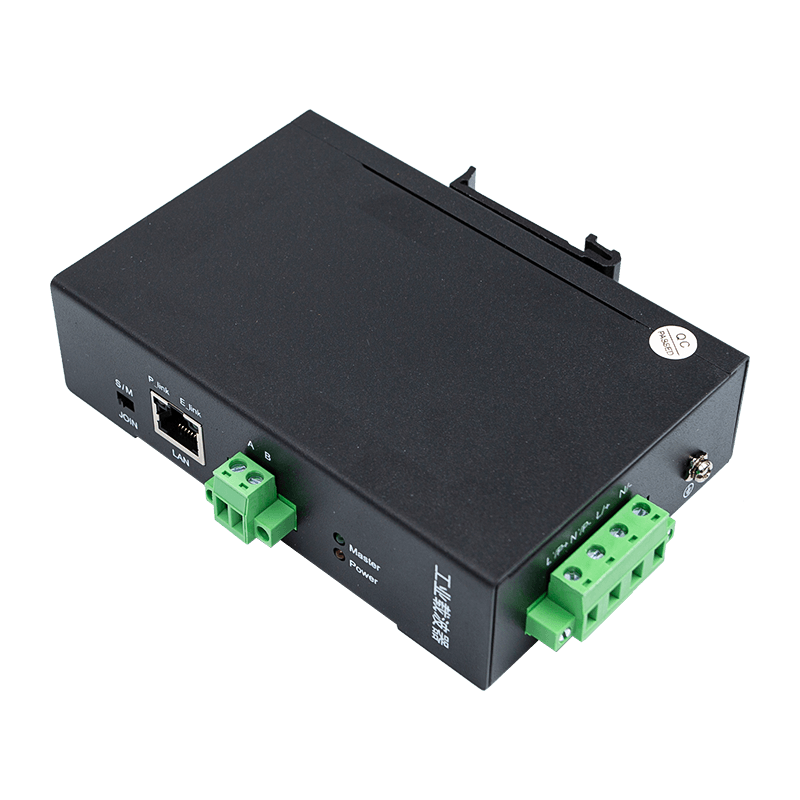
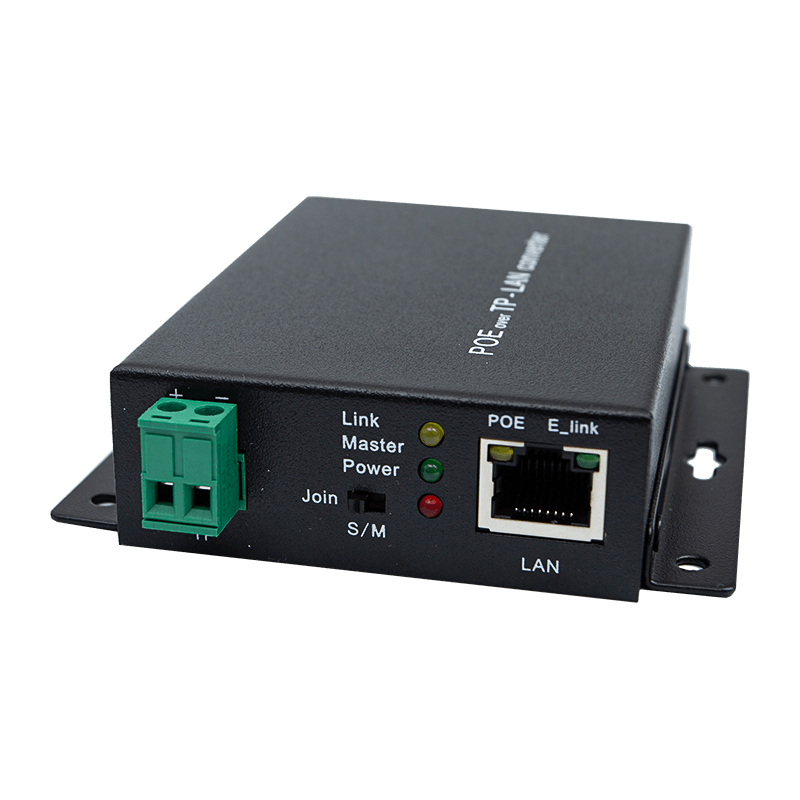
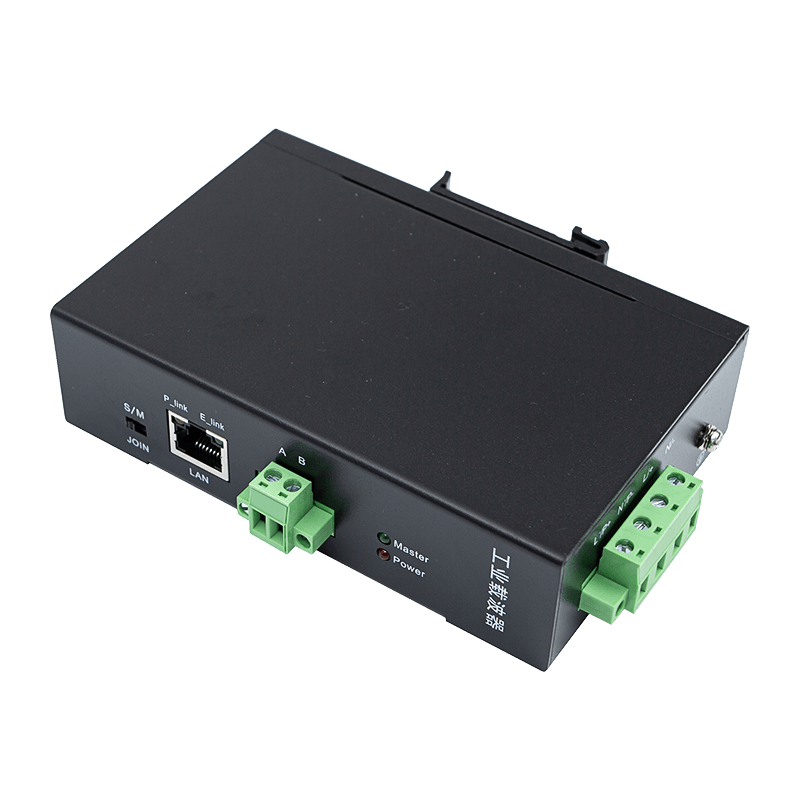
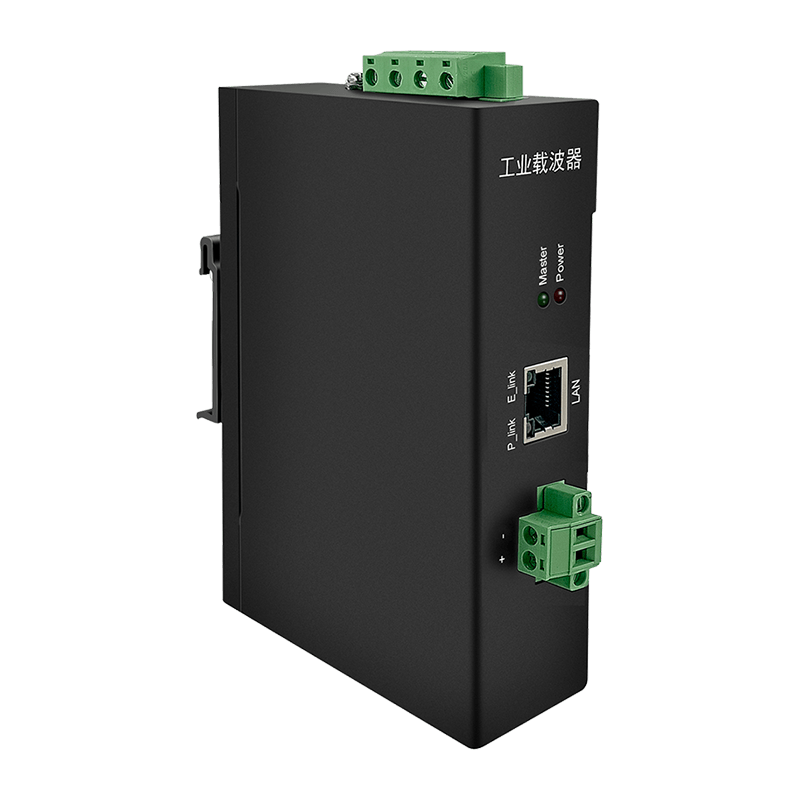
The KS1200G is an industrial broadband Power Line Communication device designed for high-speed data transmission over existing power lines and compatible cables. It combines Gigabit-class physical-layer capability, Ethernet connectivity, automatic networking, industrial environmental performance, and broad voltage compatibility in a compact DIN-rail-mountable enclosure. Its stated Ethernet interface supports 10 Mbps, 100 Mbps, and 1000 Mbps self-adaptive operation, while its power line communication channel supports AC power lines up to 380 V or DC power lines up to 560 V, subject to appropriate system design and safety requirements.
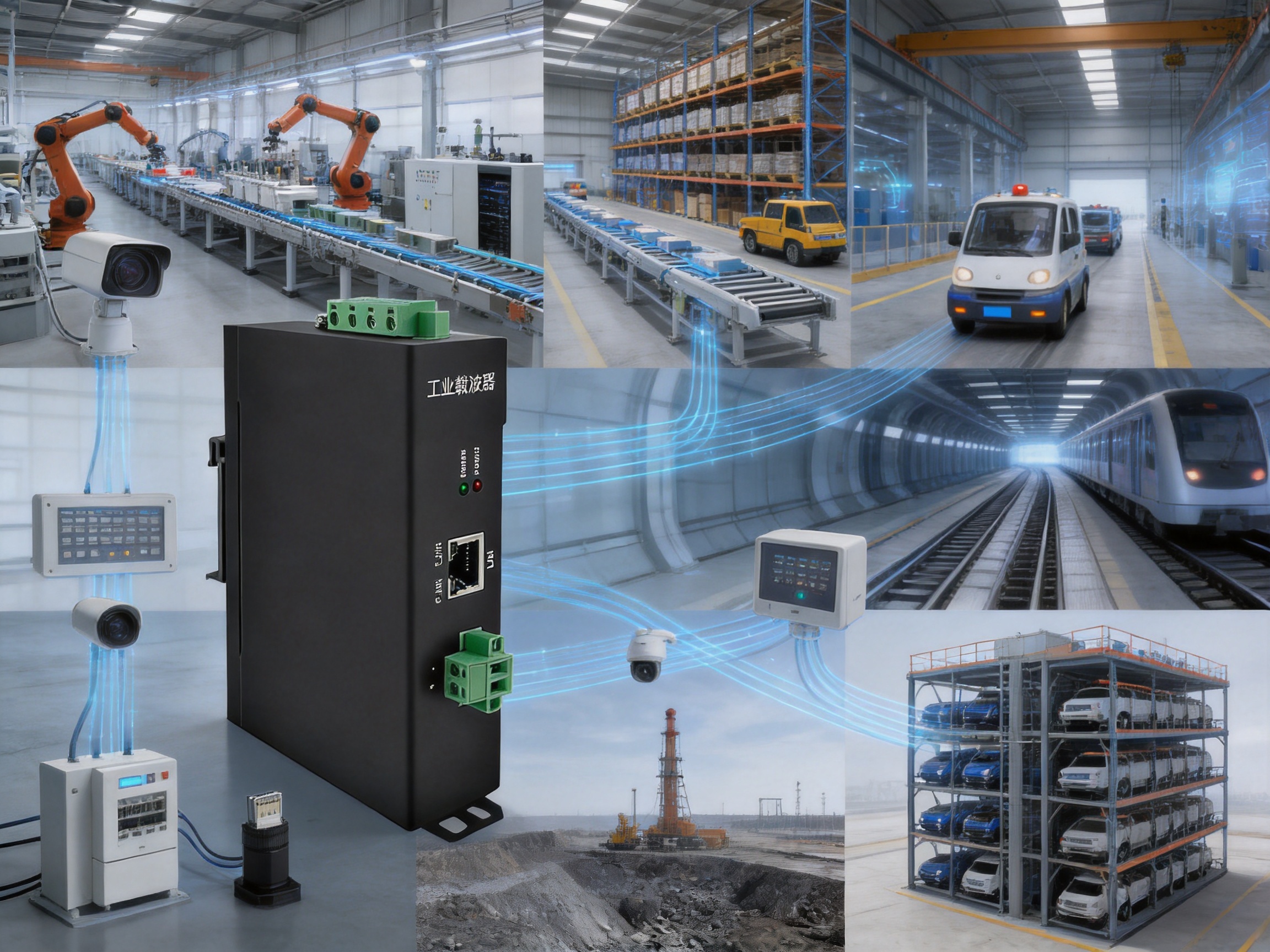
With a physical-layer carrier bandwidth of up to 1000 Mbps and Ethernet throughput of up to 480 Mbps, the device is intended for demanding industrial communication environments. Applications may include industrial automation, warehousing, logistics, rail and subway systems, mines, oilfields, underwater equipment, sorting systems, three-dimensional parking facilities, and other locations where installing dedicated network cabling is difficult or disruptive.
This article examines the product’s architecture, capabilities, industrial value, competitive advantages, deployment considerations, and the manufacturing and solution strengths of its supplier, ASY Electronics. It also explains how a broadband power line communication system can contribute to a more connected, efficient, and scalable smart factory.
General Gigabit Power Line Communication
1. The Role of Power Line Communication in Industrial Networking
Traditional industrial networks generally use copper Ethernet, fiber optic cable, fieldbus, or wireless communication. Each technology has important strengths. Ethernet offers mature protocols and high performance, fiber provides excellent distance and immunity to electromagnetic interference, fieldbus delivers predictable control communication, and wireless networking can reduce physical cabling. However, every option also creates installation considerations.
New Ethernet cabling may require cable trays, conduits, junction boxes, industrial switches, and planned shutdowns. Fiber optic networks need specialized termination and maintenance skills. Wireless systems require careful radio-frequency planning, antenna positioning, cybersecurity controls, and protection against obstacles or interference. Existing fieldbus infrastructure may not provide sufficient bandwidth for video, diagnostics, software updates, and large sensor data sets.
Power Line Communication addresses a different part of the problem. It uses a power conductor or other suitable electrical cable to carry data while the same infrastructure continues to provide power or electrical continuity. A PLC installation can therefore reduce the amount of additional communication cabling required, especially in mobile, distributed, rotating, remote, or difficult-to-access equipment.
The approach is particularly useful where a machine, sensor group, robot, vehicle, or remote cabinet already receives electrical power but does not have a separate data cable. A PLC unit at each communication endpoint can create a data link through the existing electrical route. This can reduce installation time, limit construction work, and simplify the expansion of equipment networks.
Broadband PLC differs from older narrow-band carrier systems primarily in its available data rate and application scope. Narrow-band systems are often optimized for low-speed metering, control, or status information. Broadband systems use a wider frequency range and advanced modulation to support higher-rate Ethernet communication. This makes them more suitable for industrial cameras, distributed control systems, edge computing, condition monitoring, supervisory systems, and operational data integration.
2. Product Overview
The KS1200G is a broadband industrial PLC communication device based on IEEE 1901-related technology and Orthogonal Frequency Division Multiplexing, commonly called OFDM. It is designed to provide Ethernet data communication over power lines, with automatic network formation and flexible topology options.
The device is independent from the electrical power line used for communication. Its own supply input accepts DC 12–48 V, while the PLC signal port is designed for communication over AC 0–380 V or DC 0–560 V power lines, subject to the installation design, insulation requirements, environmental conditions, and applicable electrical standards.
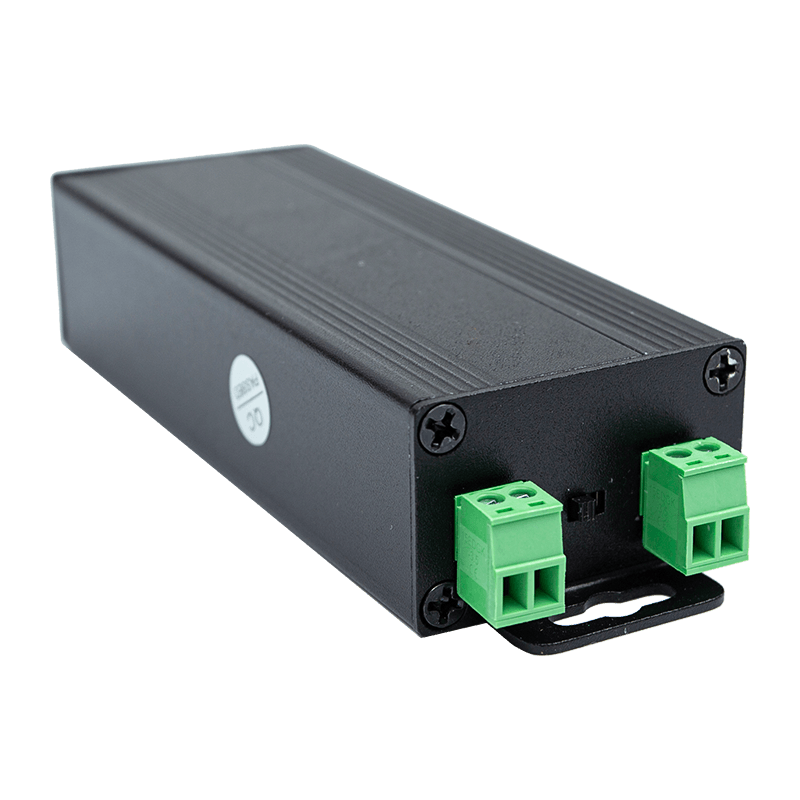
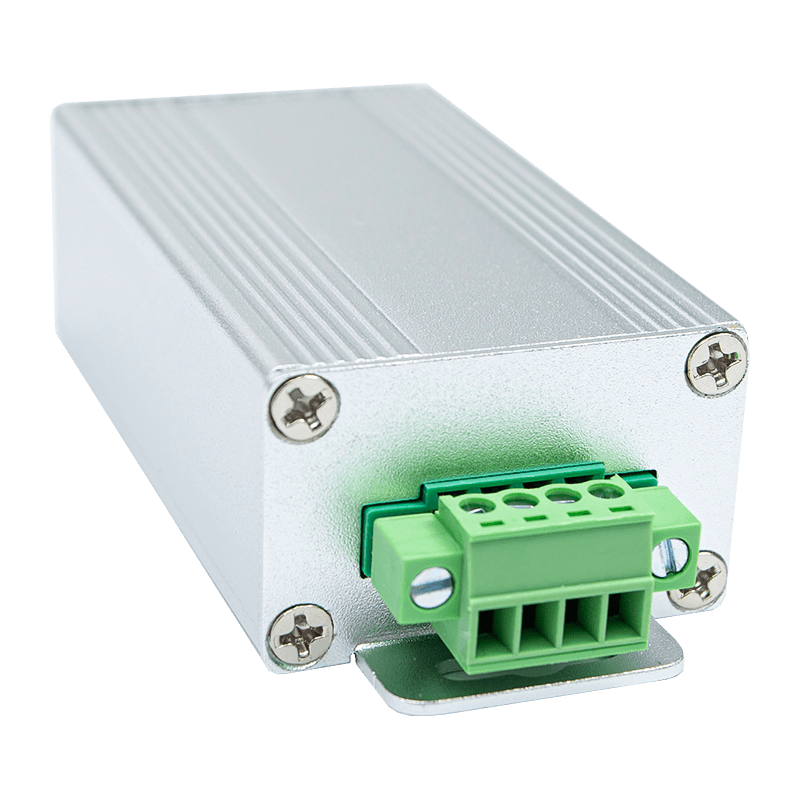
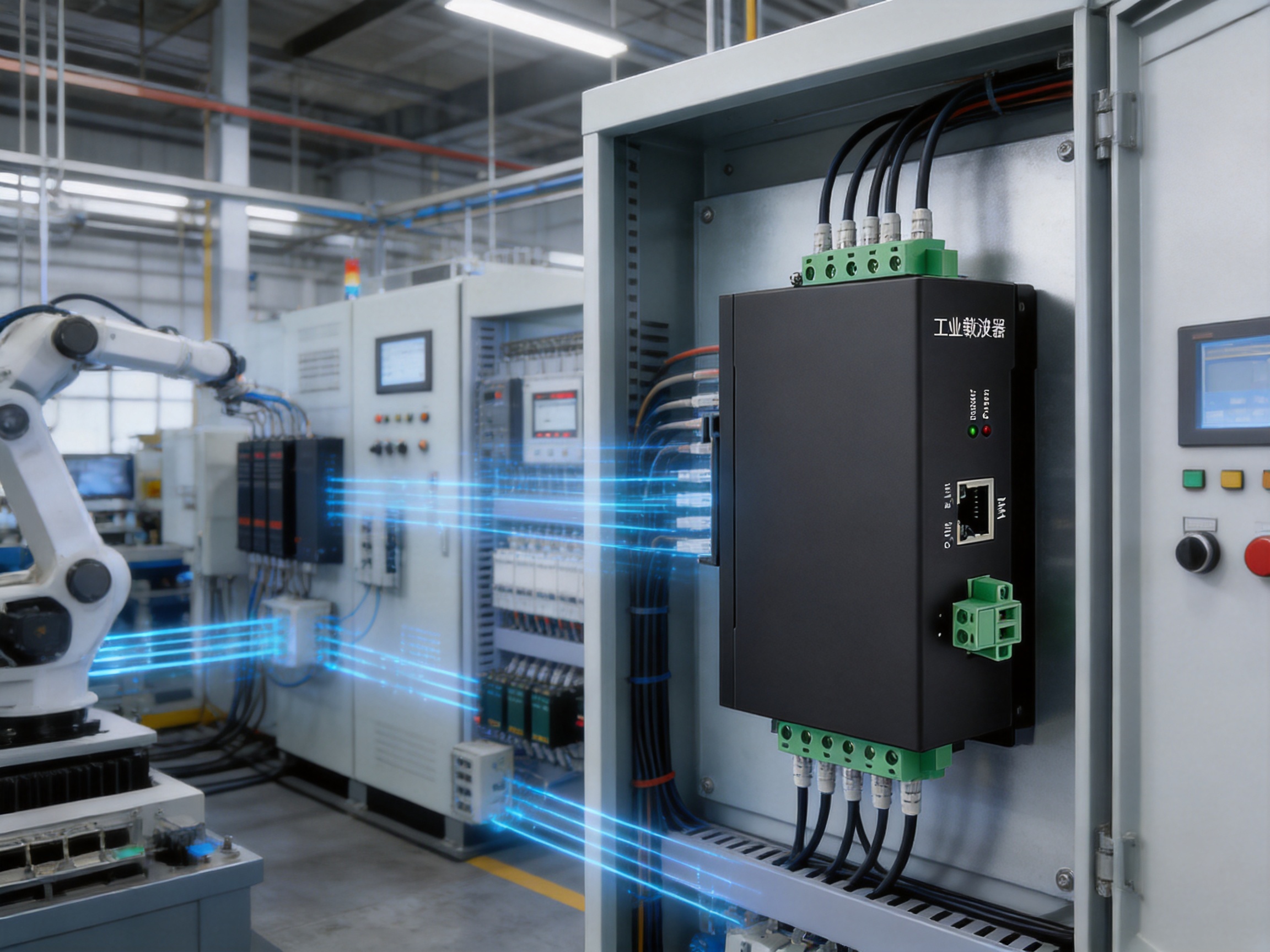
The product uses a compact enclosure measuring approximately 90 × 35 × 130 mm and weighing about 400 g. Its TS35 or RAILTS35 guide-rail mounting arrangement allows it to be installed inside industrial control cabinets, communication boxes, machine enclosures, distribution panels, and other equipment spaces where DIN-rail mounting is preferred.
The KS1200G supports point-to-point power line transmission distances of up to 800 meters under specified conditions. Actual distance depends on cable type, electrical loading, noise, impedance, line configuration, coupling design, grounding conditions, and the presence of filters or other equipment. The product provides a practical long-distance communication option for industrial areas where conventional Ethernet cable installation may be inconvenient.
Automatic networking is one of the product’s important operational features. The system does not require a fixed master-slave configuration for basic network formation. Devices can automatically discover and organize themselves, while built-in routing functions assist communication across the network. This approach can reduce commissioning effort and make it easier to add endpoints as a project grows.
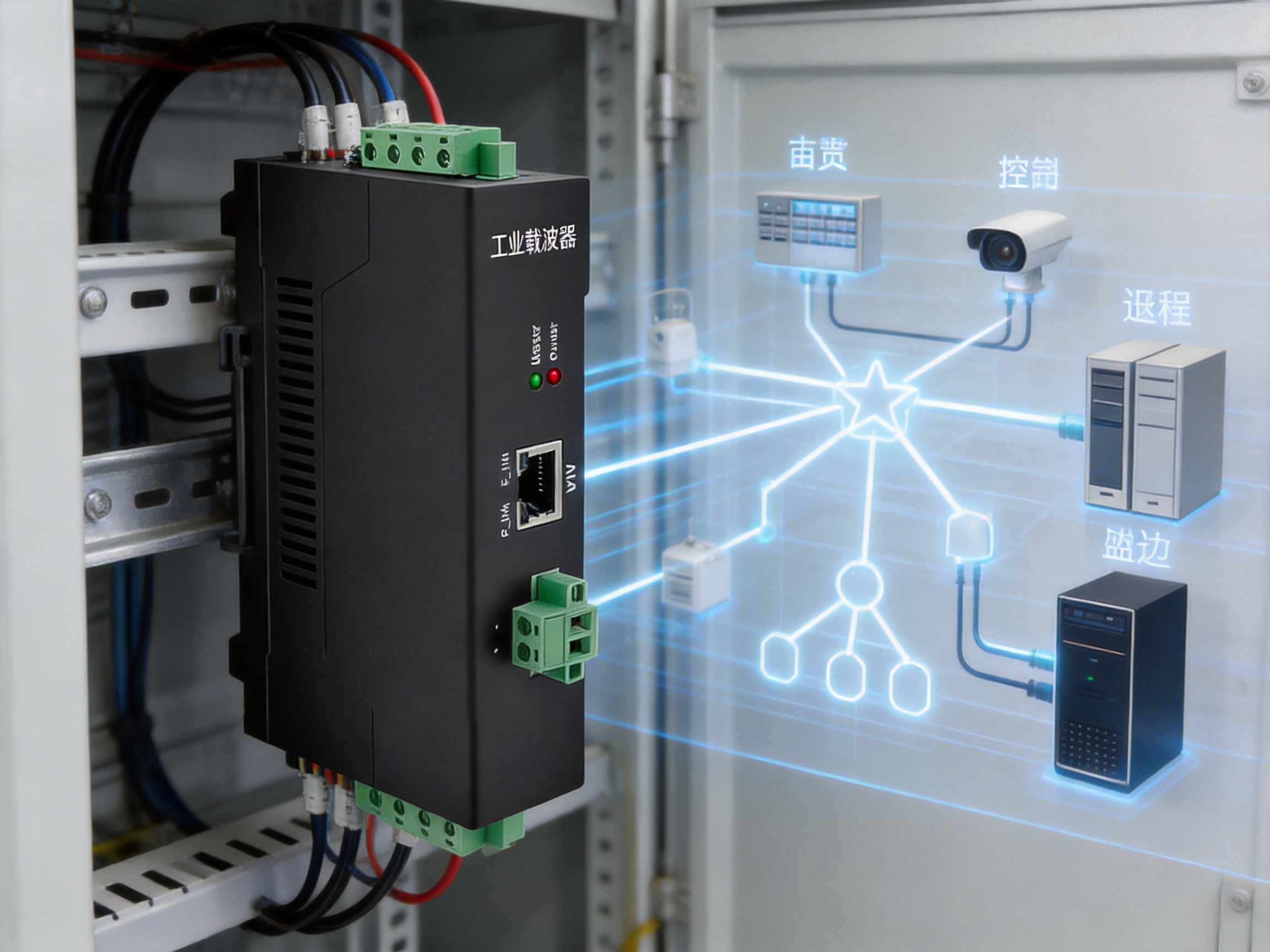
The platform supports bus, star, tree, and hybrid network structures. This flexibility enables engineers to adapt the communication architecture to the physical layout of a production line, building, railway system, storage site, or mobile equipment platform.
3. Main Technical Specifications
| Item | Specification |
|---|---|
| Product type | Industrial broadband Power Line Communication device |
| Model | KS1200G |
| Power supply | DC 12–48 V |
| PLC communication line | AC 0–380 V or DC 0–560 V power line or suitable electrical cable |
| Modulation | OFDM |
| Carrier frequency | 2–68 MHz |
| Physical-layer bandwidth | Up to 1000 Mbps |
| Ethernet interface rate | 10 Mbps, 100 Mbps, and 1000 Mbps self-adaptive |
| Stated maximum bandwidth | Up to 480 Mbps |
| Point-to-point transmission distance | Up to 800 meters under applicable conditions |
| Typical data delay | Within 10 ms |
| Packet loss specification | Less than 0.1‰ under specified conditions |
| Power consumption | ≤3 W |
| Encryption | AES-128 bit |
| Multicast | IGMP multicast support, with up to 64 nodes stated |
| Operating temperature | -40°C to 85°C |
| Operating humidity | 20%–95%, non-condensing |
| Storage temperature | -40°C to 85°C |
| Mounting | TS35 or RAILTS35 guide rail |
| Dimensions | Approximately 90 × 35 × 130 mm |
| Weight | Approximately 400 g |
| Operating mode | Industrial-grade, continuous 24-hour operation |
These specifications position the KS1200G between conventional industrial Ethernet equipment and specialized power carrier systems. It is not simply a low-speed signaling device. Its purpose is to extend Ethernet communication through electrical infrastructure while preserving the flexibility required by modern industrial applications.
4. Gigabit-Class Communication for Data-Intensive Applications
Industrial data requirements are growing rapidly. A modern production line may include high-resolution inspection cameras, programmable logic controllers, motion controllers, industrial PCs, energy meters, vibration monitors, machine-vision systems, barcode readers, and cloud or edge gateways. These devices may generate substantially more traffic than traditional discrete sensors or serial instruments.
The KS1200G provides a physical-layer bandwidth of up to 1000 Mbps and Ethernet self-adaptation from 10 Mbps to 1000 Mbps. The stated maximum bandwidth is up to 480 Mbps. This level of performance gives system designers greater capacity for high-volume data exchange than low-speed power carrier products.
Higher bandwidth can also support network consolidation. Instead of creating separate communication systems for machine status, maintenance information, video monitoring, and production data, a properly engineered broadband PLC network may carry multiple services over a common electrical infrastructure. Network segmentation, traffic prioritization, cybersecurity controls, and application-level design remain important, but the underlying connection has the capacity to support broader industrial integration.
Gigabit-class capability is especially valuable for equipment that moves or changes location. A mobile platform may need power and communication but may not be suitable for a fixed Ethernet cable. Similarly, a crane, automated guided vehicle, rail vehicle, elevator system, or rotating machine can present mechanical challenges for conventional network wiring. Power line communication can provide a data path through the same electrical route, reducing dependence on flexible data cables or wireless radio coverage.
The product also supports protocols and communication environments associated with industrial and IP networking, including TCP/IP, UDP, Profinet, and Modbus-TCP. Protocol support should always be validated against the complete system architecture, but compatibility with common Ethernet-based industrial communication practices can reduce integration barriers for automation engineers.
5. OFDM and Robust Data Transmission
Industrial power networks are electrically complex. Motors, variable-frequency drives, switching power supplies, contactors, welding equipment, inverters, and long cable runs can create noise and changing impedance. A communication system designed for residential or office environments may not perform adequately under these conditions.
The KS1200G uses OFDM modulation and demodulation technology. OFDM divides the available carrier spectrum into multiple subcarriers. Data is distributed across these subcarriers, allowing the communication system to adapt more effectively to frequency-selective attenuation and interference. If part of the spectrum becomes less favorable, other subcarriers may continue to carry information.
The stated carrier frequency range is 2–68 MHz. The use of a defined broadband frequency range gives the system a structured communication channel rather than relying on a single carrier frequency that could be severely affected by one source of interference.
The product description also identifies strong anti-interference performance, stable operation, and real-time bidirectional transmission as key benefits of broadband carrier communication. In practical deployment, performance depends on the electrical environment and proper coupling. Engineers should evaluate cable length, branch circuits, filters, transformers, circuit breakers, grounding, protective devices, and high-noise equipment before finalizing a network design.
The ability to communicate in both directions is important for industrial control. Data can travel from sensors and machines to a supervisory system, while commands, configuration parameters, firmware packages, and control information can travel back to field equipment. This makes the technology suitable for interactive machine networks rather than one-way monitoring only.
6. Flexible Network Topologies
Industrial sites rarely have a uniform layout. A factory may contain a central control room, several production cells, remote cabinets, storage areas, and equipment distributed across multiple floors. A railway or logistics site may follow a long linear route. A mine or oilfield may use separated equipment clusters. The communication system must accommodate these physical differences.
The KS1200G supports bus, star, tree, and hybrid topologies. A bus arrangement can be useful along a production line or linear machine group. A star arrangement may suit a central cabinet connected to several remote endpoints. A tree topology can follow the structure of a large facility, with branches serving different areas. Hybrid designs can combine these approaches to match the actual electrical and operational layout.
Automatic networking and self-routing reduce the need for complicated manual configuration. In a typical deployment, engineers can place units at selected endpoints, connect them to the appropriate Ethernet equipment and electrical line, and allow the PLC network to establish communication. Network planning is still required, particularly for IP addressing, security, quality of service, redundancy, and industrial protocol behavior, but the underlying carrier network can be easier to commission than a fully manually configured system.
Topology flexibility also supports phased expansion. A customer may begin with a small machine group and later add energy meters, condition-monitoring sensors, cameras, or additional control cabinets. A network architecture that can grow without replacing the entire communication backbone can help reduce lifecycle cost.
7. Security and Network Protection
Industrial communication networks carry operationally sensitive information and may influence physical processes. Unauthorized access, data interception, or malicious commands can create safety, quality, and production risks. Security should therefore be considered at the device, network, application, and organizational levels.
The KS1200G includes an AES-128-bit encryption algorithm. Encryption helps protect data transmitted over the PLC channel and can make unauthorized interpretation of intercepted traffic more difficult. It is an important security layer for networks that extend beyond a single protected cabinet or pass through shared electrical infrastructure.
Encryption does not replace complete industrial cybersecurity. A secure deployment should also include controlled physical access, properly managed Ethernet switches, network segmentation, user authentication, firewall policies, secure maintenance procedures, backup and recovery planning, and regular software management. Industrial protocols such as Modbus-TCP and some legacy automation protocols may require additional protection because they were not originally designed with comprehensive security features.
The combination of AES encryption, automatic network formation, and Ethernet compatibility provides a foundation for secure data transport. The final cybersecurity level depends on how the KS1200G is integrated into the customer’s broader control and information system.
8. Low Power Consumption and Compact Industrial Design
Control cabinets and remote equipment enclosures are often space-constrained. Excess heat can shorten component life and increase the cooling requirement. A communication product that provides high bandwidth while consuming limited power can therefore offer an important operational advantage.
The KS1200G has a stated overall power consumption of no more than 3 W. This low consumption helps limit heat generation and allows the product to be powered from common industrial DC supplies in the 12–48 V range. The broad DC input range is compatible with many control panels, vehicle systems, battery-backed installations, and industrial power architectures.
The approximately 90 × 35 × 130 mm enclosure is suitable for dense installations. DIN-rail mounting allows the unit to be positioned alongside breakers, relays, programmable controllers, power supplies, industrial switches, and terminal blocks. A compact form factor can reduce cabinet redesign and simplify retrofits.
Mechanical installation should still provide sufficient clearance, ventilation, cable bending radius, and access for inspection. The stated operating temperature range of -40°C to 85°C enables deployment in demanding environments, but the complete enclosure and system must be evaluated for condensation, dust, vibration, chemical exposure, and electromagnetic compatibility.
9. Performance in Harsh Industrial Environments
Many industrial communication products are installed in offices, control rooms, or climate-controlled server spaces. The KS1200G is intended for more demanding settings. Its industrial operating temperature range extends from -40°C to 85°C, and its storage temperature range is the same. The stated operating humidity range is 20%–95% non-condensing.
These conditions are relevant to outdoor cabinets, transportation systems, unheated warehouses, mines, oilfield facilities, logistics centers, and production areas with substantial temperature variation. Industrial-grade continuous operation supports applications that must remain active around the clock, including automated warehouses, energy management systems, production monitoring, and infrastructure communication.
Environmental ratings should always be interpreted together with the installation enclosure. The communication unit may tolerate a broad temperature range, but the entire system must be protected from water ingress, conductive dust, corrosive gases, severe vibration, and direct exposure to harmful substances. Appropriate cabinet design and surge protection are necessary in exposed environments.
For high-reliability applications, deployment teams should perform site surveys and pilot tests. Testing should include startup behavior, maximum expected traffic, electrical load changes, motor operation, network recovery after power interruption, and performance at the longest intended cable distance.
10. Competitive Advantages Compared with Conventional Alternatives
10.1 Reduced Dependence on New Communication Cabling
The most direct advantage of the KS1200G is its ability to use existing power lines or suitable electrical cables for data communication. This can reduce the need for new Ethernet cable routes, especially in completed buildings, heavy industrial plants, transportation systems, and remote equipment areas.
Reduced cabling can lower material and labor costs, but the larger benefit may be reduced disruption. Installing new cables in an operating plant can require permits, access equipment, shutdowns, drilling, conduit work, and production coordination. A PLC solution may allow communication to be added with less physical modification, provided the electrical path is suitable.
10.2 Greater Bandwidth than Narrow-Band PLC
Compared with narrow-band power carrier products, the KS1200G offers substantially greater bandwidth for Ethernet applications. It can support data-intensive workloads that would be impractical on low-speed carrier systems, including video streams, machine diagnostics, software updates, and centralized equipment monitoring.
10.3 Industrial Temperature Capability
The -40°C to 85°C operating range exceeds the environmental capability of many commercial networking devices. This makes the product more appropriate for industrial cabinets, remote stations, transportation equipment, and outdoor installations where temperature control is limited.
10.4 Broad Electrical Compatibility
The device supports communication over AC power lines up to 380 V or DC power lines up to 560 V, while using a separate DC 12–48 V supply for the device itself. This separation allows the unit to communicate through higher-voltage electrical infrastructure while operating from a common low-voltage industrial power supply.
10.5 Automatic Networking and Multiple Topologies
Automatic networking and self-routing can reduce commissioning effort compared with systems that require extensive manual master-slave planning. Support for bus, star, tree, and hybrid structures provides more design freedom than a product limited to one fixed topology.
10.6 Built-In Encryption
AES-128-bit encryption adds protection to the data channel. This is a meaningful advantage over basic communication products that transmit data without an integrated encryption mechanism.
10.7 Compact DIN-Rail Installation
The compact guide-rail enclosure is well suited to industrial control cabinets. It can be installed with other automation components and does not require a separate rack or large communication enclosure. This is valuable during retrofit projects where cabinet space is limited.
10.8 Multicast Support
IGMP multicast support allows one data stream to be distributed efficiently to multiple intended receivers. This can be useful for industrial video, synchronized information, monitoring applications, and systems where several nodes need the same data. The stated maximum number of nodes for multicast operation is 64, subject to network configuration and application requirements.
11. Industrial Applications
11.1 Factory Automation
In a production facility, the KS1200G can connect programmable controllers, remote I/O, industrial computers, sensors, and supervisory systems through existing power distribution routes. It may be particularly useful in production lines where machines are already connected to power but lack dedicated Ethernet connectivity.
Possible data types include machine status, alarms, process values, maintenance records, energy consumption, production counts, and control commands. The bandwidth available from a broadband PLC connection can also support selected vision and inspection applications, subject to network planning.
11.2 Smart Energy Management
Energy management systems require data from meters, power quality instruments, variable-frequency drives, and production equipment. Installing new communication cables to every measurement point can be expensive. A PLC-based network can help aggregate data through existing electrical infrastructure and transmit it to an edge gateway or energy management platform.
When combined with equipment monitoring and production information, energy data can help manufacturers identify idle consumption, abnormal loads, peak-demand events, and opportunities for process optimization.
11.3 Warehousing and Logistics
Automated warehouses contain conveyors, sorters, scanners, lifts, shuttles, and storage systems distributed over large areas. Power and communication routes may change as equipment is expanded or reconfigured. The KS1200G can provide a flexible data connection where power cabling is already available and where installing a separate network cable may interfere with material flow.
11.4 Rail and Subway Communication
Rail and subway environments often involve long routes, distributed equipment, vibration, temperature variation, and limited access. Communication through existing electrical cables can help connect monitoring devices, control units, platform equipment, or infrastructure sensors. Project engineers must conduct detailed safety, electromagnetic compatibility, and railway-standard evaluations before deployment.
11.5 Mines and Oilfields
Mines and oilfields may contain widely distributed equipment in harsh environments. Communication systems must often operate across long distances and remain available despite difficult access. A product supporting up to 800 meters of point-to-point power line transmission under suitable conditions can provide a useful option for remote monitoring and equipment integration.
Because these environments may involve hazardous areas, explosive atmospheres, or special electrical regulations, the product must only be used where the complete installation meets the applicable certification and safety requirements. The standard product specification alone should not be interpreted as approval for every hazardous location.
11.6 Underwater and Mobile Equipment
Underwater robots, remotely operated equipment, and mobile machinery may require a combined power and data connection through a tether or electrical cable. Power line communication can reduce the need for separate communication conductors and may simplify cable design. Mechanical, insulation, water-pressure, and signal-integrity requirements must be evaluated for each system.
11.7 Three-Dimensional Parking Systems
Automated parking facilities contain lifts, carriages, sensors, control cabinets, and access systems distributed throughout a structure. A compact industrial PLC device can help connect remote control equipment through existing power circuits, reducing additional network cabling and supporting system expansion.
12. Manufacturing and Engineering Strengths of the Supplier
ASY Electronics is a high-tech enterprise focused on smart factory development, industrial sensing, intelligent connectivity, and data integration. Its product portfolio includes broadband power line carriers, wireless temperature monitoring systems, industrial transmitters, thermal gas mass flow meters, and automatic door controllers.
This portfolio is relevant to the KS1200G because industrial communication is most valuable when it connects useful field data to an operational system. A supplier that understands sensors, transmitters, flow measurement, temperature monitoring, and control products can approach communication projects as complete industrial information systems rather than as isolated networking installations.
The company’s stated mission emphasizes efficient, reliable, and environmentally responsible smart factories. Its solutions address equipment condition monitoring, refined energy management, and production process optimization. These priorities align with the practical reasons customers deploy industrial PLC communication: to obtain more operational data, reduce wiring complexity, improve equipment visibility, and support more efficient production.
The company’s advanced manufacturing strengths can be understood through several areas. First, its product range shows an emphasis on self-developed edge-layer hardware. Edge hardware must operate close to machines and sensors, where temperature, electrical noise, vibration, and maintenance constraints are more demanding than in ordinary office environments.
Second, the company combines hardware development with industrial data integration. This combination supports solutions that connect field devices, communication networks, gateways, and management platforms. For customers, it can reduce the challenge of coordinating separate suppliers for sensing, communication, and data processing.
Third, the company serves multiple industrial sectors, including manufacturing, logistics, energy-related applications, transportation, and infrastructure. Cross-sector experience can support more adaptable product engineering and help the supplier understand different installation conditions, communication distances, and operational priorities.
Fourth, the KS1200G reflects an engineering approach centered on compact industrial packaging, low power consumption, wide environmental capability, automatic networking, and protocol compatibility. These characteristics are important when designing products for repeatable manufacturing and field deployment.
Advanced manufacturing should not be understood only as the use of sophisticated production machinery. It also includes controlled product design, component selection, firmware development, functional testing, environmental validation, production consistency, traceability, and application support. For industrial communication products, these processes are essential because a small device may become part of a production-critical control or monitoring system.
A strong supplier should therefore evaluate product performance across the entire lifecycle. This includes design verification, incoming material control, assembly quality, connector reliability, thermal behavior, communication testing, burn-in or continuous-operation evaluation, packaging, documentation, and after-sales technical support. ASY Electronics’ focus on industrial communication and smart factory solutions provides a foundation for this type of lifecycle-oriented product development.
13. Recommended Engineering Process for Deployment
13.1 Survey the Electrical Network
Before installation, engineers should map the electrical circuits that will carry both power and communication. The survey should identify cable lengths, circuit branches, transformers, breakers, filters, inverters, motors, grounding arrangements, and isolation points.
13.2 Identify Noise Sources
Variable-speed drives, welding equipment, switching supplies, large motors, and power converters can affect PLC performance. The design team should record when these devices operate and evaluate whether communication quality changes during startup, shutdown, or high-load conditions.
13.3 Define Network Roles
Each endpoint should be associated with a clear role, such as controller, sensor gateway, video device, edge computer, or supervisory interface. The required bandwidth, latency, multicast behavior, and cybersecurity controls should be documented before commissioning.
13.4 Test the Longest Route
Field testing should include the longest cable route and the most complex topology. A short laboratory connection may perform well while a branched industrial network produces different results. Testing should measure throughput, delay, packet loss, reconnection behavior, and performance during electrical load changes.
13.5 Plan for Maintenance
Installations should provide access for inspection and replacement. Labels, wiring diagrams, IP address records, device inventories, and spare-unit strategies can reduce recovery time when a fault occurs. Since the device supports continuous operation, maintenance planning should address both online diagnosis and controlled replacement.
14. Integration with Smart Factory Architecture
A smart factory normally includes several layers. The field layer contains sensors, actuators, meters, drives, and machine equipment. The control layer includes PLCs, remote I/O, robots, and industrial controllers. The edge layer aggregates information, performs local processing, and connects operational technology to higher-level systems. The management layer includes manufacturing execution, energy management, maintenance, and enterprise applications.
The KS1200G can serve as part of the communication foundation between these layers. By extending Ethernet through power infrastructure, it can help connect field and edge equipment without requiring a new communication cable to every location.
Condition monitoring is one example. Vibration, temperature, pressure, flow, and electrical measurements can be collected at machines and sent to an edge device. Algorithms can then identify abnormal trends and support predictive maintenance. The value of this system depends on sensor quality, data analysis, and maintenance workflows, but reliable communication is a necessary foundation.
Energy management is another example. Meter data can be transported to a centralized platform, where consumption is compared with production output and operating schedules. This can support refined energy accounting and help identify inefficient equipment.
Production optimization may require combining machine states, process values, quality results, and material movement data. A broadband communication network can provide the bandwidth needed to bring these data sources together while maintaining a flexible physical installation.
15. Important Limitations and Design Considerations
No communication technology is universally optimal. Power line communication performance is affected by the physical properties of the electrical network. The stated bandwidth and distance values should be treated as product specifications under appropriate conditions, not as guaranteed results for every installation.
Electrical isolation devices, transformers, filters, surge protectors, and some power converters may reduce or block the PLC signal. Different cable types and branch structures may produce varying impedance. High-noise machinery may require careful channel planning or filtering. A professional site survey is therefore recommended for critical projects.
Power line communication should also be distinguished from supplying power to the device. The KS1200G uses DC 12–48 V as its own operating supply, while the PLC port communicates through a separate electrical line that may carry higher AC or DC voltage. Installation must comply with electrical safety rules, insulation requirements, protective grounding, and local regulations.
For safety-critical control, customers should determine whether the communication behavior satisfies the required functional safety architecture. A general-purpose Ethernet communication product should not automatically be treated as a certified safety network. Redundancy, fail-safe control, local interlocks, and emergency systems should be designed independently where required.
Protocol compatibility also requires system-level validation. Although the product supports Ethernet and identifies compatibility with protocols such as Profinet and Modbus-TCP, the behavior of a complete control system depends on controller settings, cycle times, device configuration, multicast traffic, network loading, and application software.
16. Standards and Protocol Ecosystem
The product information references IEEE 1901, IEEE 1905.1, IEEE 802.3, IEEE 802.3u, IEEE 802.3ab, HomePlug 1.0, HomePlug AV, and HomePlug AV2. It also identifies TCP/IP, UDP, Profinet, Modbus-TCP, and several modulation or coding modes, including QAM, QPSK, BPSK, ROBO, HS-ROBO, and Mini-ROBO.
These references indicate compatibility with a broad range of power line and Ethernet communication concepts. IEEE 1901 is associated with broadband power line networking, while IEEE 802.3 family standards describe Ethernet operation. HomePlug-related standards define widely recognized power line communication approaches. The inclusion of industrial Ethernet and IP protocols helps bridge the product into existing automation architectures.
The product information also references compliance with the European Union EN 50561 standard specification. Customers deploying equipment in regulated markets should confirm the precise conformity documentation, applicable product variant, installation requirements, and regional certification status before purchase.
17. Why the Product Fits Industrial Retrofit Projects
Retrofitting an existing facility is often more difficult than designing a new factory. The building structure, power network, production schedule, and machine layout may already be fixed. Installing new data cables can require production interruptions and significant construction work.
The KS1200G can help address this challenge by using electrical routes already present in the facility. Its DIN-rail form factor allows integration into existing control cabinets, while its DC 12–48 V supply is compatible with common industrial power systems. Automatic networking can shorten the time required to establish a communication path, and the support for multiple topologies gives engineers flexibility during physical installation.
Retrofit projects also benefit from gradual implementation. A customer can begin by connecting a high-priority machine group, validate performance, and then extend the network to additional equipment. This staged approach reduces project risk and allows the value of condition monitoring, energy data collection, or production integration to be demonstrated before broader investment.
18. Total Cost of Ownership
Purchase price is only one part of communication infrastructure cost. Total cost of ownership includes engineering design, cable materials, installation labor, downtime, cabinet space, commissioning, maintenance, energy consumption, replacement, and future expansion.
By reducing the need for separate communication cabling, a PLC solution may lower installation and construction costs. The compact enclosure can reduce cabinet space requirements. Low power consumption can reduce heat generation and operating energy. Automatic networking may reduce commissioning time. Long-distance transmission capability can reduce the number of intermediate communication points in suitable installations.
Future expansion is another cost factor. A network that supports additional nodes, multiple topologies, multicast, and Ethernet data can accommodate new applications more easily than a narrowly specialized link. The value is greatest when the customer expects to add sensors, cameras, meters, or edge devices over time.
Total cost analysis should nevertheless include site testing, any required couplers or protective devices, electrical modifications, cybersecurity measures, and technical support. A well-designed system balances initial savings with reliability and maintainability over the expected service life.
19. Frequently Asked Questions
Q1. What is the KS1200G used for?
The KS1200G is used to transmit Ethernet data through existing power lines or suitable electrical cables. It is intended for industrial automation, smart factory communication, energy management, logistics, transportation, remote equipment, and other applications where installing a separate data cable is difficult.
Q2. What is the maximum communication speed?
The product has a physical-layer bandwidth of up to 1000 Mbps and supports Ethernet rates of 10 Mbps, 100 Mbps, and 1000 Mbps through self-adaptive operation. The stated maximum bandwidth is up to 480 Mbps. Actual application throughput depends on the electrical environment, network topology, traffic type, and cable conditions.
Q3. What power line voltage can it support?
The PLC communication port is specified for AC 0–380 V or DC 0–560 V power lines. The device itself uses an independent DC 12–48 V power supply. Electrical installation must comply with applicable safety standards and the manufacturer’s technical instructions.
Q4. Does the power line communication connection require phase or polarity matching?
The product information states that the PLC channel port does not distinguish between phase sequence or positive and negative poles. Nevertheless, the complete electrical installation must still be wired and protected correctly, and the system should be tested under actual operating conditions.
Q5. What is the communication distance?
The stated point-to-point transmission distance is up to 800 meters over a power line. The achievable distance depends on cable characteristics, electrical noise, branches, filters, loads, coupling conditions, and network design.
Q6. Does the product require a master device?
The product uses automatic networking and built-in routing. It does not require a traditional fixed master-slave arrangement for basic network formation. Application-level controllers and network management policies may still be required for the overall industrial system.
Q7. Which network topologies are supported?
The KS1200G supports bus, star, tree, and hybrid topologies. Engineers can select the structure that best matches the physical layout and electrical distribution of the facility.
Q8. Is data encryption available?
Yes. The device includes an AES-128-bit encryption algorithm. Customers should combine this feature with network segmentation, access control, secure configuration, and broader industrial cybersecurity practices.
Q9. Can it support industrial Ethernet protocols?
The product information identifies support for TCP/IP, UDP, Profinet, and Modbus-TCP, along with Ethernet standards. Protocol performance should be validated in the customer’s complete system, especially for real-time control, multicast, and high-traffic applications.
Q10. Is the device suitable for high-temperature environments?
The stated operating temperature range is -40°C to 85°C. The complete installation must also address enclosure design, ventilation, humidity, condensation, dust, vibration, corrosion, and other site conditions.
Q11. How is the device mounted?
The KS1200G is designed for TS35 or RAILTS35 guide-rail installation. This makes it suitable for industrial control cabinets, machine enclosures, distribution panels, and communication boxes.
Q12. Can the device be used in hazardous areas?
The general product information does not establish approval for every hazardous or explosive atmosphere. Such applications require confirmation of the exact certification, installation method, enclosure, wiring, and local regulatory requirements before use.
Q13. How many multicast nodes are supported?
The product information states that IGMP multicast is supported and that the maximum number of nodes is 64. The final practical limit depends on application traffic, topology, network configuration, and system performance requirements.
Q14. What industries can benefit from this product?
Potential industries include factory automation, warehousing, logistics, railways, subway systems, mines, oilfields, energy management, automated parking, industrial equipment, remote monitoring, and mobile or underwater machinery.
Q15. Why work with a supplier that also provides sensors and transmitters?
A supplier with products covering communication, temperature monitoring, transmitters, flow measurement, and automatic control can help customers develop more integrated industrial solutions. This may simplify system coordination and support the connection between field data, edge hardware, and smart factory software.
20. Conclusion
The KS1200G provides a practical industrial networking option for applications that need high-speed Ethernet communication but cannot easily accommodate new data cabling. Its broadband OFDM technology, physical-layer bandwidth of up to 1000 Mbps, stated throughput of up to 480 Mbps, and Ethernet self-adaptation from 10 Mbps to 1000 Mbps make it suitable for more demanding applications than traditional narrow-band power carrier systems.
Its independent DC 12–48 V supply, communication support for AC 0–380 V or DC 0–560 V power lines, compact DIN-rail enclosure, industrial temperature range, automatic networking, self-routing, multiple topology options, AES-128-bit encryption, and multicast support provide a broad feature set for industrial projects.
The product is particularly valuable in retrofits, remote equipment, logistics systems, transportation infrastructure, and smart factory applications where power lines are already available but dedicated communication cabling is costly or disruptive. It can help connect field devices to controllers, edge systems, energy platforms, and production management applications.
ASY Electronics strengthens this product offering through its focus on industrial sensing, intelligent connectivity, edge-layer hardware, and data integration. Its broader portfolio of wireless temperature monitoring systems, transmitters, thermal gas mass flow meters, and automatic door controllers supports a solution-oriented approach to industrial digitalization.
Successful deployment depends on proper electrical assessment, noise evaluation, safety compliance, cybersecurity planning, and field validation. When these requirements are addressed, broadband power line communication can become an effective part of a reliable, scalable, and efficient industrial communication architecture.
References
1. IEEE 1901, Broadband Power Line Networks: Medium Access Control and Physical Layer Specifications.
2. IEEE 1905.1, Convergent Digital Home Network Specification.
3. IEEE 802.3, Ethernet Standards for Local and Metropolitan Area Networks.
4. IEEE 802.3u, Fast Ethernet Standards.
5. IEEE 802.3ab, Gigabit Ethernet over Copper.
6. EN 50561, Power Line Communication Apparatus Used in Low-Voltage Installations.
7. HomePlug AV and HomePlug AV2 Technical Specifications.
8. Industrial Ethernet and TCP/IP Networking Principles.
9. Modbus-TCP Application Protocol Reference.
10. Profinet System Description and Industrial Communication Principles.
11. Industrial Cybersecurity Practices for Operational Technology Networks.
12. Product technical information for the KS1200G industrial broadband Power Line Communication device.