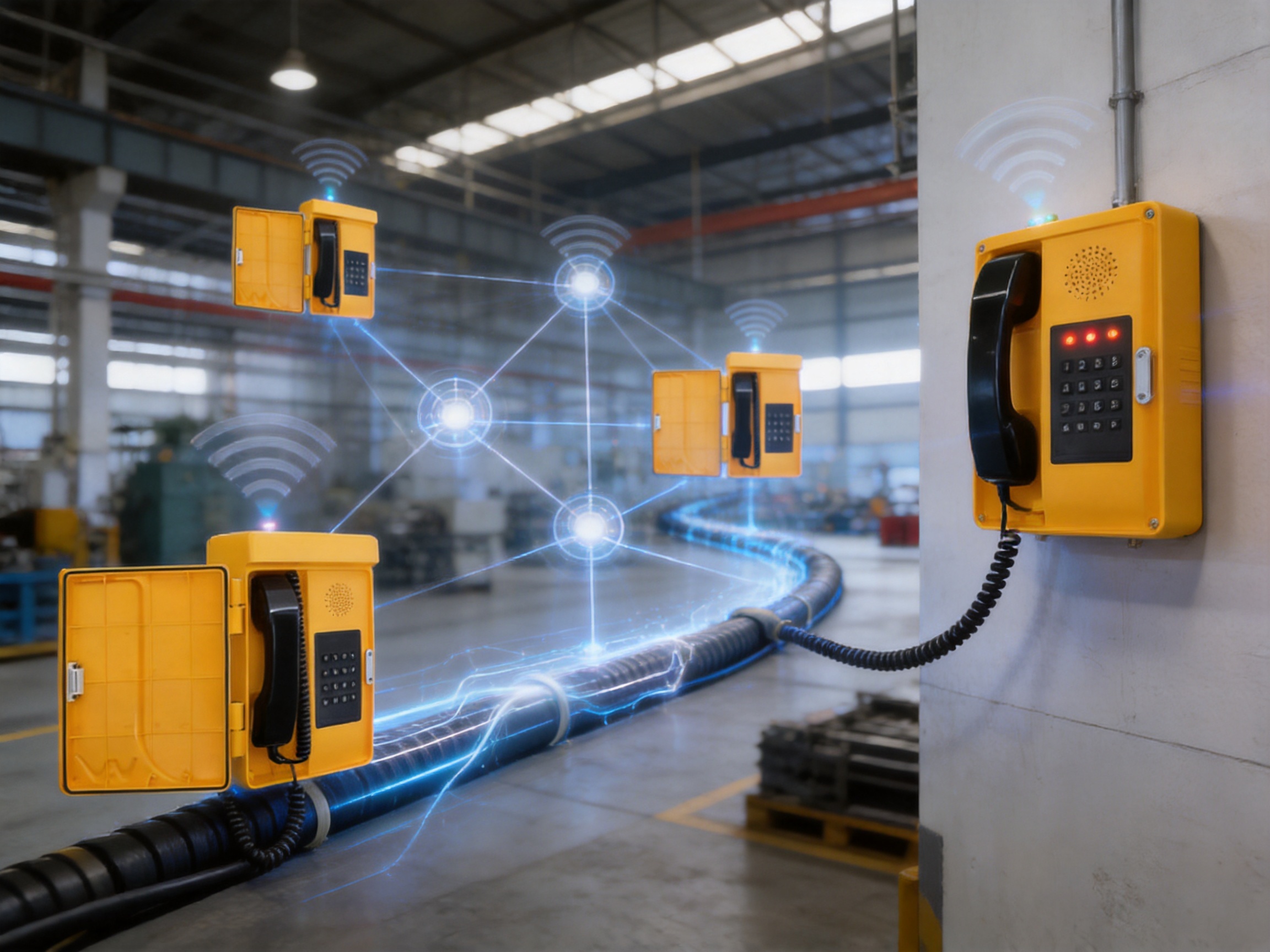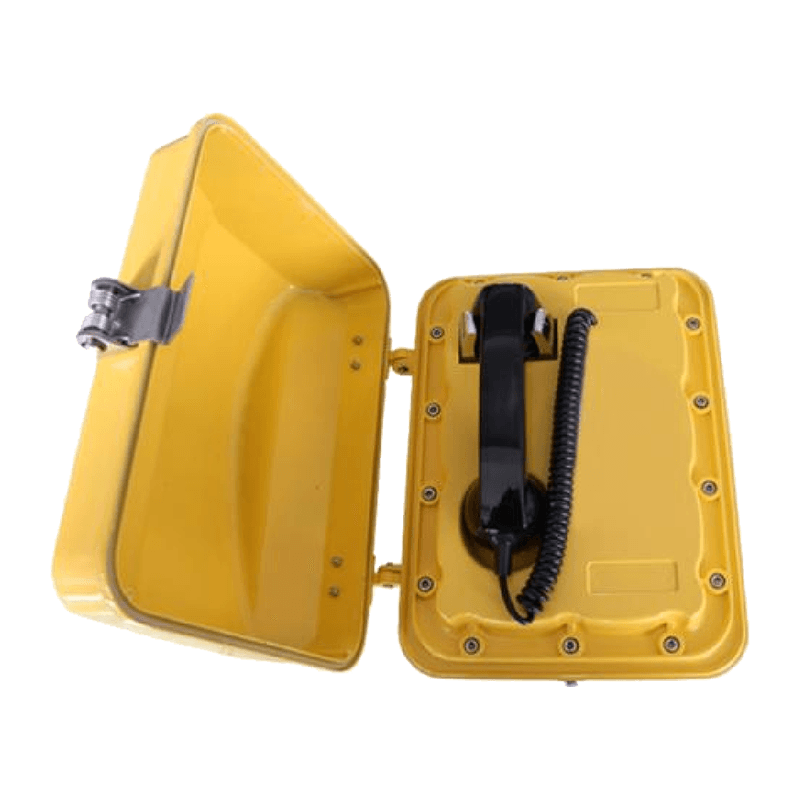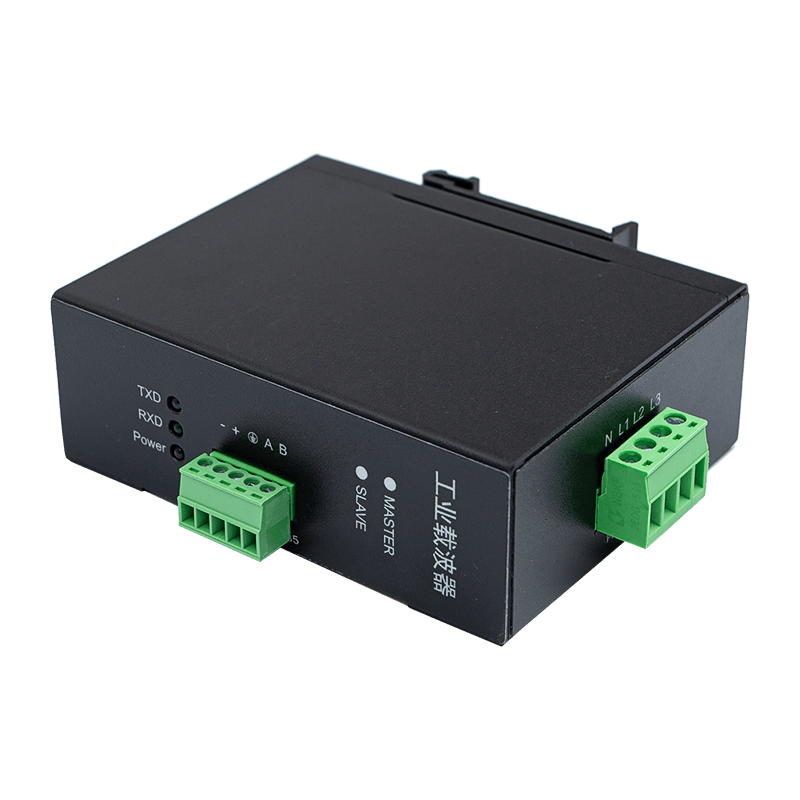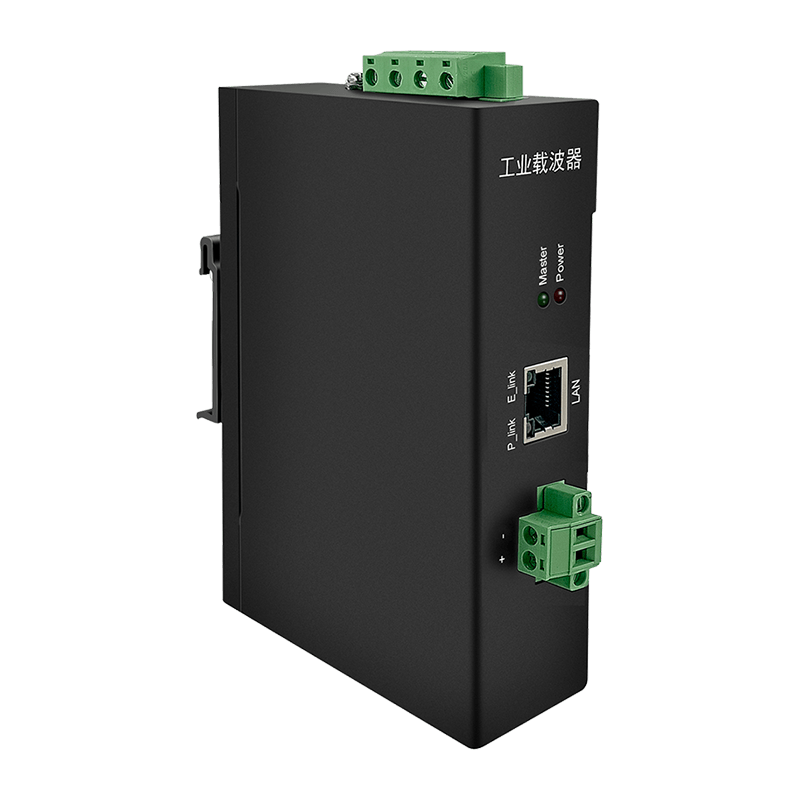


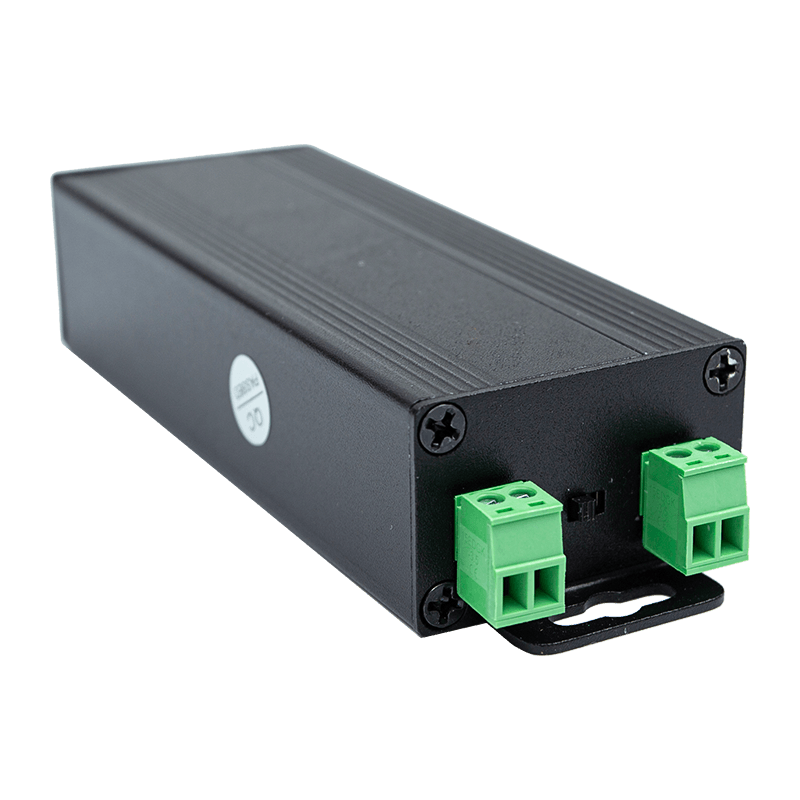
Industrial communication systems must remain dependable in environments where ordinary office telephones and conventional network equipment may be difficult to operate. Dust, water exposure, temperature fluctuations, long cable routes, limited infrastructure, and the need for rapid group communication can all affect operational safety and productivity. The CS618L-FS24 DC Waterproof Digital Telephone is designed to address these conditions through a combination of broadband power carrier communication, integrated power and signal transmission, automatic network organization, high-volume audio output, and a rugged IP66 enclosure.
Developed for wet or dusty industrial environments that do not specifically require explosion-proof certification, this telephone provides a practical communication and emergency notification solution for factories, workshops, utility facilities, tunnels, transportation areas, warehouses, production lines, and other demanding locations. It combines multi-party intercom, broadcast, and alarm functionality in one wall-mounted device, reducing the need for multiple separate communication terminals.
Its DC24V operating system supports a straightforward deployment model. Power and communication signals are carried through the same two-core cable, allowing the units to form a self-organizing communication network without depending on a conventional network server. Automatic IP assignment simplifies installation and reduces the amount of manual configuration required during commissioning. When paired with suitable system planning and power distribution, the telephone can support communication over distances of up to 1,000 meters.
The product is manufactured and supplied by ASY Electronics (JiaXing) Co., Ltd., a high-technology enterprise focused on industrial data sensing, intelligent connectivity, broadband power line carriers, wireless temperature monitoring systems, transmitters, flow meters, and automatic door controllers. The company’s product portfolio reflects an emphasis on practical industrial digitalization, including equipment condition monitoring, energy management, process optimization, and reliable communication between field devices.
1. The Role of Reliable Communication in Industrial Environments
Communication requirements in industrial facilities are different from those in commercial buildings. A factory floor may contain motors, pumps, conveyors, compressors, metal structures, and other equipment that create noise and physical obstacles. A warehouse or utility installation may have long distances between operating points. Outdoor or semi-outdoor areas may be exposed to rain, humidity, dust, temperature changes, or occasional cleaning water.
In these conditions, a communication terminal must do more than provide voice transmission. It must be sufficiently robust for its surroundings, easy to deploy, simple to operate, and compatible with emergency procedures. Operators may need to contact another station, broadcast instructions to several locations, or issue an alarm without waiting for a complex software system to initialize.
The CS618L-FS24 responds to these requirements by integrating several functions into one industrial telephone platform. It is intended to support routine voice communication as well as plant-wide or zone-based notification. Its 25W speaker output is suitable for areas where ordinary low-power telephone audio may be difficult to hear because of machinery and ambient noise.
The product also supports a decentralized deployment approach. Instead of requiring every communication point to be individually connected to a conventional Ethernet switch and centrally managed server, the units can use a wideband power carrier over the same two-core line that supplies DC24V power. This arrangement can reduce cabling complexity and simplify the design of smaller or specialized industrial communication networks.
2. Product Overview
The CS618L-FS24 is a DC waterproof digital telephone in a wall-mounted format. It is categorized as a PLC digital telephone because its communication method uses a wideband power carrier. The terminal automatically receives an IP address and participates in a self-organizing network. This enables plug-and-play deployment without extensive manual debugging under a properly designed system configuration.
The telephone is housed in ABS engineering plastic. This material provides a balance between mechanical practicality, weight, insulation, and resistance to common industrial handling conditions. With an overall weight of approximately 6 kilograms and dimensions of 322 × 260 × 142 millimeters, the device is compact enough for wall installation while still accommodating a high-output speaker and industrial-grade internal components.
Its IP66 protection rating indicates protection against dust ingress and powerful water jets from any direction when the product is installed and maintained according to the applicable requirements. The rating makes the telephone suitable for wet or dusty industrial environments, although it should not be interpreted as authorization for immersion or use in locations requiring certified explosion protection.
The specified operating temperature range is -40°C to 85°C. This broad range allows the unit to be considered for facilities that experience severe cold, high heat, or substantial seasonal variation. The specified relative humidity range is 10% to 95% without condensation, and the corrosion-proof grade is WF1. These characteristics support use in challenging industrial atmospheres, subject to site-specific environmental evaluation.
| Parameter | Specification |
|---|---|
| Product model | CS618L-FS24 |
| Product type | DC waterproof digital telephone |
| Communication method | Wideband power carrier |
| Supply voltage | DC24V |
| Signal line voltage | DC24V |
| Networking mode | Automatic IP assignment and self-organizing network |
| Protection rating | IP66 |
| Housing material | ABS engineering plastic |
| Speaker output | 25W |
| Rise upward audio output | 8Ω, 5W |
| Power consumption | 5W standby; 25W full load |
| Operating temperature | -40°C to 85°C |
| Relative humidity | 10% to 95%, non-condensing |
| Barometric pressure | 80 to 110 kPa |
| Corrosion-proof grade | WF1 |
| Dimensions | 322 × 260 × 142 mm |
| Weight | Approximately 6 kg |
| Installation | Wall mounting |
3. Integrated Intercom, Broadcast, and Alarm Functions
One of the product’s most important advantages is its multi-function design. The CS618L-FS24 combines multi-party intercom, broadcast, and alarm capability in a single industrial communication terminal. This reduces the need to install separate devices for point-to-point calls, public announcements, and emergency notification.
Multi-party intercom allows communication between several operational areas or designated stations. This can be useful for coordinating production tasks, maintenance activities, logistics movements, equipment inspections, and emergency response. A communication system that allows several authorized users to participate in a conversation can improve coordination when a situation involves more than two workstations.
The broadcast function is particularly valuable in large or noisy environments. A supervisor can issue instructions to multiple terminals, while operators in different zones can receive the same message. The 25W speaker output provides a higher audio level than many standard office telephones, helping messages remain intelligible near machinery and process equipment.
The alarm function adds another layer of operational support. An alarm channel may be used to announce abnormal equipment conditions, safety events, evacuation instructions, or urgent process information, depending on the overall system design. By combining alarm communication with voice intercom, the product can help reduce the delay between detecting an event and communicating the required response.
This integrated approach offers a practical alternative to purchasing and maintaining several unrelated communication systems. Fewer device types can simplify spare-parts planning, operator training, installation work, and routine maintenance. It also gives system designers a consistent terminal platform across multiple areas of a facility.
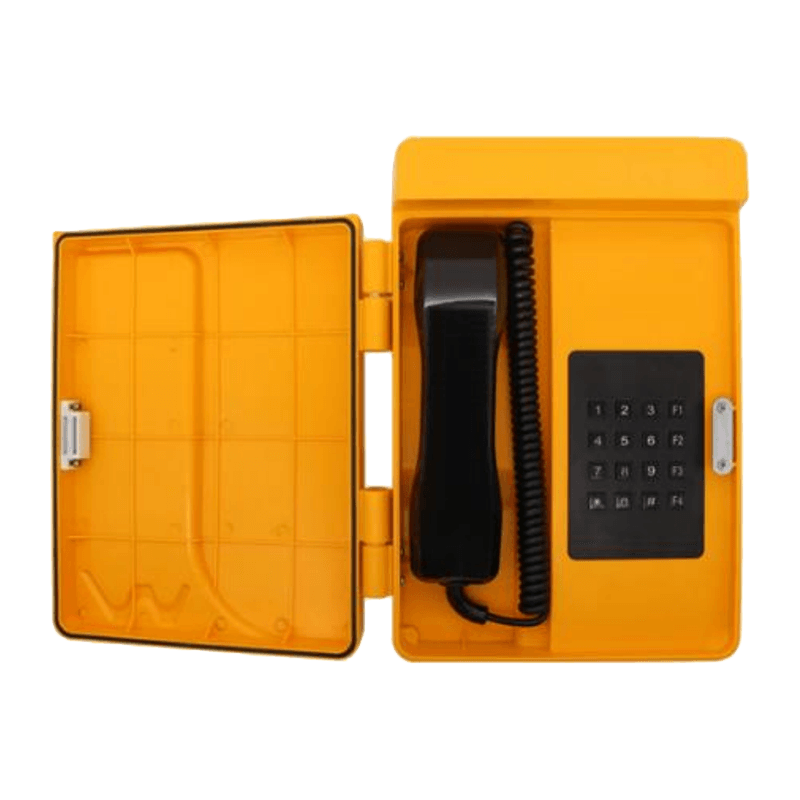
CS618L-FS24 DC Waterproof Digital Telephone
4. Wideband Power Carrier Communication
The CS618L-FS24 uses wideband power carrier communication. In this architecture, power and communication signals are integrated into the same two-core cable. The telephone operates on a DC24V system, while the same line carries the signal required for communication between networked terminals.
This design can be advantageous where installing separate power and communication cables would be expensive, disruptive, or physically difficult. Industrial structures often contain long cable routes, concrete walls, equipment platforms, pipe racks, and restricted access zones. A combined power-and-signal approach can reduce the number of conductors and simplify the path from the power source to each terminal.
The shared cable arrangement also supports a more orderly installation process. Project teams can plan the DC24V distribution and communication topology together rather than designing independent wiring systems for each function. This may reduce material requirements and help installers complete work more efficiently, although cable sizing, voltage drop, line length, grounding, protection, and system loading must still be evaluated by qualified personnel.
Compared with a conventional telephone that depends on a separate local network connection, the CS618L-FS24 can be attractive for locations where Ethernet infrastructure is unavailable or inconvenient. Compared with purely analog systems, its automatic IP allocation and self-organizing networking provide a more modern digital communication foundation.
The product should not be viewed as a replacement for every industrial network architecture. Large facilities may still require fiber backbones, managed Ethernet, redundant control networks, or specialized safety communication systems. However, the power carrier approach provides a focused solution for industrial intercom and notification applications where simple deployment and field-level connectivity are priorities.
5. Automatic IP Assignment and Self-Organizing Networking
Network commissioning is often one of the most time-consuming parts of installing multiple communication terminals. Traditional systems may require each device to be assigned an address manually, connected to a server, registered in configuration software, and tested individually. These activities can become difficult when stations are distributed across a large facility or when field conditions change during construction.
The CS618L-FS24 is designed to reduce this complexity through automatic IP assignment and self-organizing networking. The terminals can establish their network relationships without requiring a conventional network server for the basic self-organizing function. This feature supports the product’s plug-and-play positioning and can reduce the amount of specialized networking work needed during deployment.
Automatic configuration is especially useful for projects that require multiple identical terminals. Once power and signal wiring have been correctly installed, commissioning personnel can focus on verifying station locations, audio performance, group assignments, and operational functions instead of manually repeating low-level network setup tasks for every unit.
Self-organizing networking can also provide flexibility when a facility expands. Additional terminals may be integrated into the communication arrangement without redesigning the entire network, subject to the system’s capacity and installation requirements. This makes the platform suitable for phased projects in which production areas, storage zones, or service rooms are added over time.
Although automatic networking reduces configuration work, a professional commissioning process remains important. Installers should document the physical location of every terminal, verify power polarity and voltage, confirm line integrity, test audio levels, identify alarm groups, and record the final system structure. Automatic networking simplifies the process; it does not eliminate the need for engineering discipline.
6. Industrial Construction and Environmental Protection
The enclosure is made from ABS engineering plastic and is designed as a waterproof industrial housing. The material helps keep the product relatively lightweight while providing a practical enclosure for wall-mounted installation. At approximately 6 kilograms, the telephone is substantially more manageable during transportation and mounting than many heavy metal-bodied alternatives of similar industrial purpose.
The IP66 rating is a central feature of the product. Dust can affect switches, speakers, connectors, and electronic assemblies if it enters the enclosure. Water can create corrosion, short circuits, and signal instability. By providing protection against dust and powerful water jets, the enclosure is intended to preserve internal functionality in demanding areas.
The product’s protection should be considered together with correct installation. Cable entries must be properly sealed, mounting surfaces should be suitable, and covers and fasteners must be correctly fitted after service work. A high protection rating can only be maintained when the complete installation, including cable glands and connection points, is handled appropriately.
The broad temperature specification of -40°C to 85°C is another important advantage. Many general-purpose communication devices are intended for comfortable indoor conditions and may require additional cabinets or climate control when used in hot, cold, or semi-outdoor areas. A terminal specified for a much wider operating range can reduce the need for supplementary environmental protection in appropriate applications.
The specified humidity range of 10% to 95% non-condensing and the WF1 corrosion-proof grade further support use in industrial areas. These specifications are relevant to facilities where humidity and corrosive atmospheres may be concerns. However, application engineers should still review specific chemicals, salt exposure, cleaning agents, process vapors, and local environmental conditions before final selection.
Suitable Application Environments
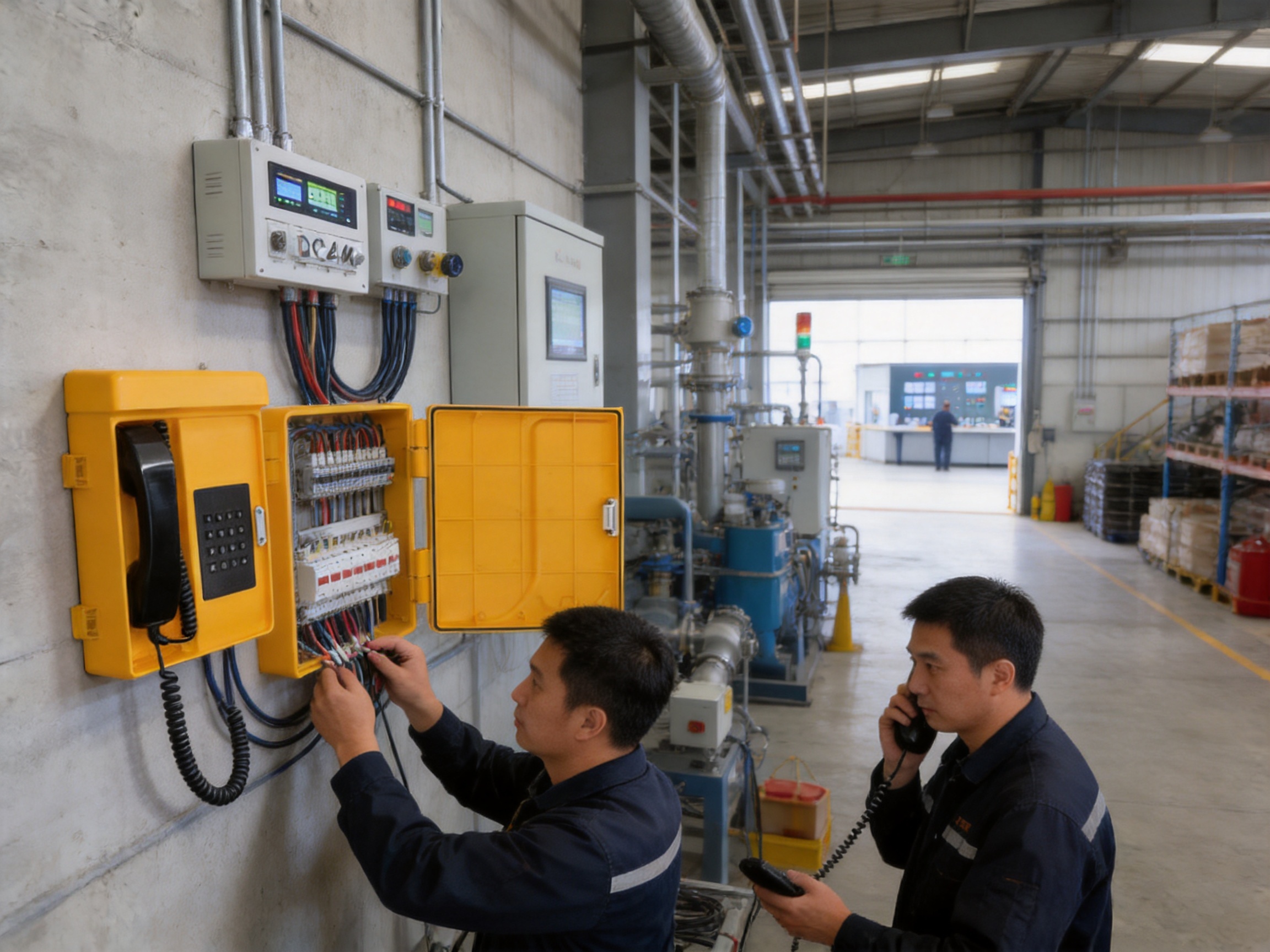
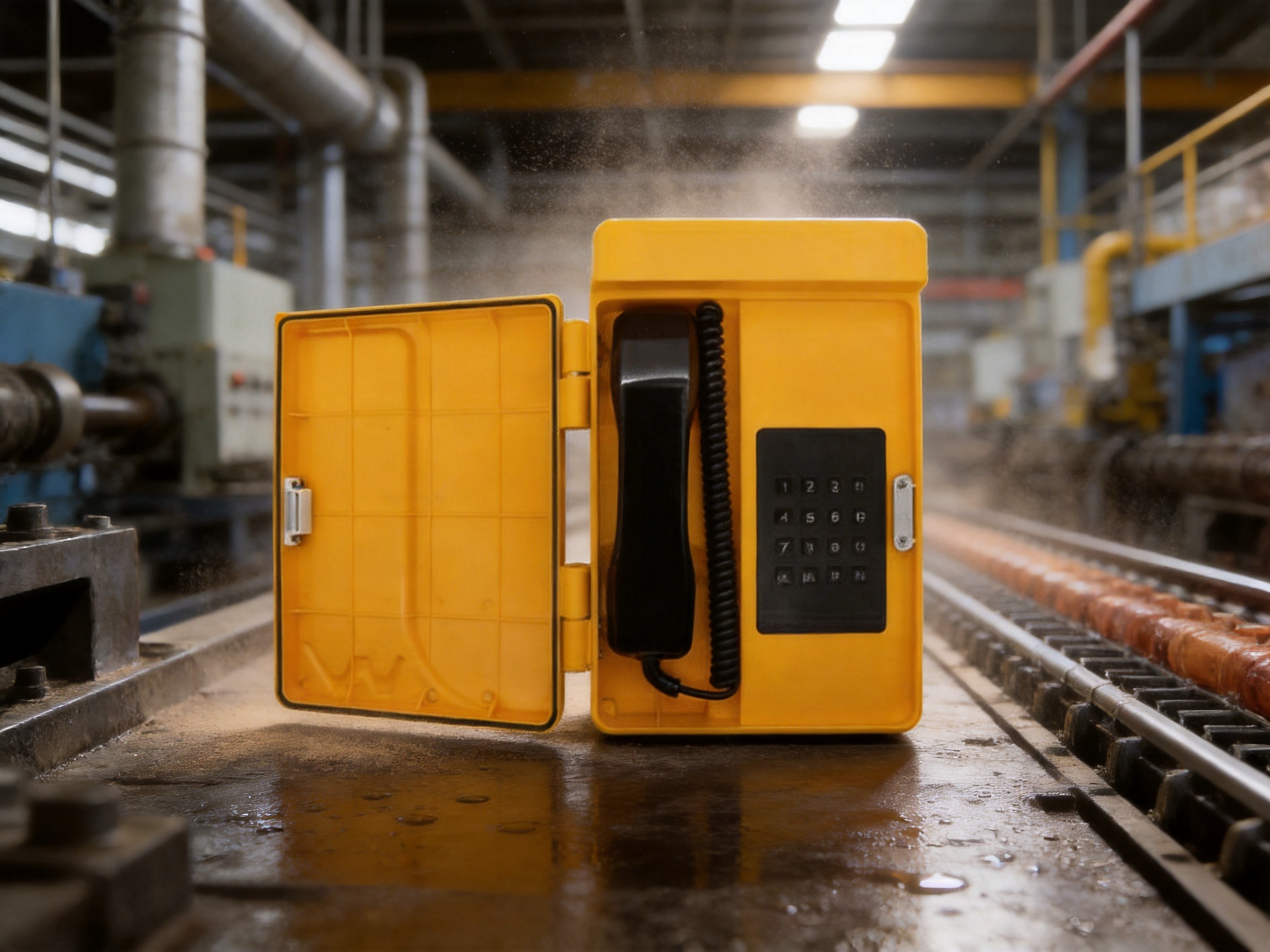
The telephone is intended for wet or dusty industrial environments that do not specifically require explosion-proof certification. Potential application areas include manufacturing workshops, equipment rooms, warehouses, utility stations, water treatment facilities, transportation infrastructure, loading areas, production lines, and service corridors.
In manufacturing plants, the device can support communication between production lines, control rooms, maintenance stations, and material-handling areas. In warehouses, it can help coordinate loading, receiving, dispatch, and safety announcements. In utility facilities, it can provide a field communication point where long cable routes and harsh conditions make office-style equipment unsuitable.
Where a location is classified as a hazardous area requiring explosion-proof or similarly certified equipment, this product should not be selected unless the applicable certification and installation requirements have been separately verified. The product is designed for industrial environments without that specific certification requirement.
7. High-Output Audio for Noisy Workplaces
Industrial communication is only useful when the intended listener can clearly hear the message. Machinery noise, ventilation systems, production processes, vehicle movement, and protective equipment can all reduce speech intelligibility. For this reason, loudspeaker performance is an important factor in selecting an industrial telephone.
The CS618L-FS24 provides a 25W speaker output. This high-output capability is designed to support broadcast and alarm communication in areas where ordinary telephone speakers may not be sufficient. The specification also lists an 8Ω, 5W audio output for the rise-up function, providing an additional audio channel within the product configuration.
High power does not automatically guarantee perfect intelligibility in every environment. Installation height, orientation, room acoustics, reverberation, background noise, and the number of terminals all influence the result. Nevertheless, the 25W output gives system designers greater audio headroom and can reduce the risk that critical messages will be lost in a noisy workplace.
For best performance, commissioning teams should conduct practical listening tests under normal production conditions. Testing should include routine voice communication, broadcast announcements, alarm tones, and multi-party operation. The goal is not merely to confirm that sound is produced, but to verify that messages are understandable at representative operator positions.
8. Power Consumption and DC24V Operation
The CS618L-FS24 operates on DC24V, a voltage commonly used in industrial control and automation environments. A DC24V system can make it easier to coordinate the telephone with existing industrial power architectures, provided that the available supply has sufficient capacity and appropriate protection.
The specified standby power consumption is 5W, while full-load consumption is 25W. This distinction is important for system designers because the required power supply capacity depends on the number of terminals, the expected operating condition, cable losses, and the behavior of the connected communication system during simultaneous calls or broadcasts.
For example, a project with many telephones should not size its supply solely by multiplying a nominal average value. Engineers should consider the full-load requirement, startup behavior, line length, ambient temperature, voltage drop, fuse coordination, and allowance for future expansion. Correct power planning helps protect communication availability and reduces the likelihood of nuisance interruptions.
Because power and signal share the same two-core cable, installation planning should give particular attention to conductor resistance and line conditions. The actual cable type and length should be selected according to the manufacturer’s installation guidance and the electrical requirements of the complete system. Proper routing and protection are also important in areas exposed to mechanical damage or electromagnetic interference.
9. Advantages Over Conventional Alternatives
The CS618L-FS24 offers several practical advantages when compared with conventional office telephones, basic analog intercoms, and communication terminals that require separate network and power wiring.
9.1 Advantages Compared with Office-Grade Telephones
Office telephones are generally designed for clean, temperature-controlled environments. They may not provide IP66 protection, high-power broadcast audio, or a wide operating temperature range. They also often depend on a standard indoor Ethernet or telephone infrastructure.
The CS618L-FS24 is purpose-built for industrial conditions. Its IP66 housing, -40°C to 85°C operating range, 25W speaker output, and wall-mounted construction make it more appropriate for exposed production and service areas. Its combined power-and-signal architecture can also be more practical where office-style network cabling is unavailable.
9.2 Advantages Compared with Basic Analog Intercom Systems
Basic analog intercoms may be straightforward for point-to-point communication, but they can have limited support for multi-party operation, automatic addressing, broadcast functions, and self-organizing network structures. Expanding an analog system may require additional central equipment or complex wiring changes.
The CS618L-FS24 provides a digital power carrier communication method, automatic IP assignment, and a self-organizing network. These features can improve scalability and reduce commissioning effort, especially when several stations need to communicate across a distributed industrial site.
9.3 Advantages Compared with Separate Power and Data Cabling
A conventional networked telephone may need an Ethernet cable for data and a separate power arrangement, depending on the architecture. In areas with long routes, difficult access, or limited cable tray capacity, installing separate systems can increase labor and material requirements.
The CS618L-FS24 integrates power and communication signals into the same two-core cable. This can simplify cable routing and reduce the physical infrastructure required for field communication. The result is not necessarily a universal replacement for Ethernet, but it is a strong option for dedicated industrial intercom and alarm networks.
9.4 Advantages Through Functional Integration
Many facilities use separate devices for telephony, public address, and emergency notification. The CS618L-FS24 combines multi-party intercom, broadcast, and alarm functions in one device. This can reduce equipment duplication, simplify training, and make it easier to standardize communication points throughout a site.
10. Manufacturing and Engineering Strengths
The product forms part of a broader industrial technology portfolio developed by ASY Electronics (JiaXing) Co., Ltd. The company focuses on smart factory applications, data sensing, intelligent connectivity, and industrial data integration. Its product categories include broadband power line carriers, wireless temperature monitoring systems, thermal gas mass flow meters, industrial transmitters, and automatic door controllers.
This portfolio is significant because the CS618L-FS24 is not an isolated consumer communication product. It belongs to an industrial solution environment that connects field devices, communication infrastructure, measurement equipment, and factory management requirements. Experience across these categories can support a more complete understanding of how communication terminals operate within real production systems.
The company’s stated mission is to help create efficient, reliable, and green smart factories. Its solutions are directed toward equipment condition monitoring, refined energy management, and production process optimization. These application areas require products that can operate reliably at the edge of industrial systems, where environmental conditions and installation constraints are often more demanding than those found in office networks.
10.1 Product-Oriented Engineering
Industrial product manufacturing begins with application requirements. In the case of the CS618L-FS24, those requirements include resistance to water and dust, reliable DC24V operation, integrated power and communication, high-output audio, automatic network organization, and stable operation across a broad temperature range.
The product’s specifications indicate an engineering approach centered on field usability. The enclosure, power system, communication method, audio output, dimensions, and mounting arrangement are combined into a single device intended for practical deployment. This type of integration can be more valuable to industrial customers than a collection of individual high-performance components that are difficult to install or maintain together.
10.2 Integration of Hardware and Communication Functions
Self-developed edge-layer hardware and industrial data integration are important areas in the company’s technology focus. For a digital telephone using power carrier communication, hardware and communication functions must work together within the constraints of a shared cable. Power delivery, signal transmission, network organization, audio processing, and environmental protection all influence the final product performance.
This integrated design philosophy can help reduce the gap between the communication device and the industrial application. Rather than treating the telephone as a generic endpoint, the product is positioned as part of a field-level communication infrastructure for smart factories and industrial facilities.
10.3 Manufacturing Consistency and Quality Focus
Reliable industrial equipment depends on manufacturing consistency. Enclosure assembly, circuit-board installation, cable and connector preparation, sealing, audio testing, power testing, and final inspection all influence field performance. A product intended for IP66 service must be assembled with careful attention to enclosure interfaces and cable entry points.
Although the supplied materials do not specify individual factory certifications or a detailed inspection checklist, the product’s industrial specifications establish clear areas for quality control. These include verification of DC24V operation, power consumption, speaker output, environmental sealing, dimensions, mounting structure, and communication performance.
For industrial buyers, the company’s broader product range also provides a foundation for coordinated sourcing. Customers seeking communication, sensing, flow measurement, transmitter, and automatic door control products may be able to work with one industrial technology supplier for multiple parts of a smart facility project. This can simplify technical communication and product integration at the procurement stage.
10.4 Application Knowledge Across Industrial Sectors
Products such as wireless temperature monitoring sensors, thermal gas mass flow meters, industrial transmitters, and power line communication devices are used in environments where accurate field information and dependable connectivity are important. Experience in these areas can help a manufacturer understand the operating realities of factories, utilities, process plants, and other industrial sites.
The CS618L-FS24 benefits from this application-oriented background by emphasizing straightforward field communication, environmental durability, and integration with industrial infrastructure. Its role is not limited to voice calling; it can become part of a broader strategy for improving awareness, coordination, and response across a facility.
11. Installation and Deployment Considerations
The device is designed for wall mounting. Before installation, the project team should identify locations that provide good audio coverage, convenient operator access, suitable cable routing, and protection from direct mechanical impact. The mounting surface should be capable of supporting the approximately 6-kilogram unit and should allow sufficient space for cable connection and future maintenance.
Power and signal planning should be completed before the terminals are installed. The DC24V supply must be able to support the expected number of units under full-load conditions. Cable size and route length should be reviewed to control voltage drop. Where the communication line passes near large motors, variable-frequency drives, welding equipment, or high-current conductors, the installation design should consider electromagnetic compatibility and appropriate separation.
Every cable entry and enclosure interface should be sealed in a manner consistent with the required IP66 protection. Unused openings should not be left exposed. After installation or maintenance, covers, fasteners, and seals should be checked to ensure that the protection level is not compromised.
Commissioning should include a physical inspection, voltage verification, network discovery, station identification, intercom testing, broadcast testing, alarm testing, and audio coverage testing. The system documentation should show the location and purpose of each terminal. If the facility uses zones or departments, communication groups should be recorded clearly for operators and maintenance personnel.
Recommended Deployment Sequence
First, define the communication objectives. Determine which locations require point-to-point intercom, which areas need broadcast coverage, and which stations must participate in alarm notification.
Second, prepare the network and power layout. Confirm cable routes, power supply locations, distribution points, expected line lengths, protection devices, and future expansion requirements.
Third, install the wall-mounted terminals and complete the two-core power-and-signal connections. Check polarity, physical security, cable protection, and enclosure sealing.
Fourth, energize the system and allow the automatic IP assignment and self-organizing network process to operate. Identify each terminal and verify that the communication structure corresponds to the project drawings.
Fifth, test all operating functions under realistic conditions. Voice communication should be checked at representative distances and background noise levels. Broadcast and alarm signals should be assessed throughout the intended coverage area.
Finally, record the completed configuration and train operators. A well-documented system is easier to expand, troubleshoot, and maintain over its service life.
12. Maintenance and Lifecycle Value
Industrial communication equipment should be maintained as part of the facility’s operational reliability program. Routine inspections can include checking enclosure condition, mounting security, cable glands, visible corrosion, speaker openings, audio quality, and alarm functionality.
The IP66 enclosure helps protect internal components, but it does not remove the need for periodic inspection. Dust accumulation, aggressive cleaning methods, mechanical impacts, or improperly fitted cable entries can affect long-term performance. Maintenance personnel should follow safe isolation procedures before opening or servicing the unit.
Audio testing should be performed periodically, especially in locations where machinery layout or production noise changes over time. A telephone that was clearly audible during initial commissioning may require reassessment after new equipment is installed or operating conditions change.
Automatic networking can simplify replacement and expansion, but maintenance records should still identify every terminal and its location. When a unit is replaced, technicians should confirm that the new device joins the network correctly and that it has the intended communication permissions or group relationships.
The product’s integrated functions can contribute to lifecycle value by reducing the number of separate devices that must be maintained. A single terminal that supports intercom, broadcast, and alarm communication may require fewer spare product types and less operator training than several independent systems.
13. Use in Smart Factory Communication Architectures
Modern smart factories depend on communication between people, machines, sensors, controllers, and management systems. While industrial Ethernet and wireless networks are important, direct voice communication remains essential for many operational activities. Workers need to coordinate maintenance, respond to alerts, manage materials, and communicate during abnormal situations.
The CS618L-FS24 can function as a human-facing edge device within this broader architecture. It provides a physical communication point at the location where industrial work occurs. Its power carrier method and self-organizing network can help connect distributed stations without requiring a complex local network at every point.
When combined with the company’s other industrial products, the telephone may support a wider equipment condition and process communication strategy. For example, sensing or transmitter systems can provide technical data, while communication terminals help deliver instructions or alerts to personnel. This division between automated data collection and human coordination is central to practical industrial digitalization.
The telephone also aligns with the need for efficient and sustainable infrastructure. Using a shared two-core cable for power and communication can reduce wiring complexity in suitable projects. Lower installation complexity may reduce material use, work duration, and disruption to operating areas, although actual savings depend on facility layout and engineering conditions.
14. Selection Guidance for Industrial Buyers
Buyers should evaluate the CS618L-FS24 according to the environmental and communication requirements of the intended site. The first consideration is environmental classification. The product is suitable for wet or dusty industrial locations that do not require explosion-proof certification. If the area is classified as hazardous, the applicable certified product must be selected.
The second consideration is communication distance. The product is specified for a talking distance of up to 1,000 meters. Actual performance depends on the cable route, line quality, power distribution, installation topology, environmental interference, and system design. Project engineers should confirm the required distance and communication quality before final deployment.
The third consideration is audio coverage. The 25W output is useful for noisy areas, but the number and placement of terminals should be selected according to the facility’s acoustic conditions. Large open spaces, enclosed rooms, reflective surfaces, and high-noise production zones may require different terminal densities.
The fourth consideration is power capacity. The system designer should calculate the number of terminals, standby consumption, full-load demand, cable voltage drop, and expansion margin. A stable DC24V supply is essential for reliable operation.
The fifth consideration is integration. Customers should determine whether they need only two-way intercom or a combined platform for intercom, broadcast, and alarm communication. The CS618L-FS24 is especially valuable when these functions are needed in the same industrial areas.
15. Frequently Asked Questions
Q1: What type of product is the CS618L-FS24?
The CS618L-FS24 is a DC waterproof digital telephone designed for industrial environments. It supports multi-party intercom, broadcast, and alarm functions and uses wideband power carrier communication.
Q2: What voltage does the telephone require?
The telephone operates on DC24V. The supply voltage and signal line voltage are both specified as DC24V.
Q3: Does it require separate power and communication cables?
No. The product is designed to integrate power and communication signals into the same two-core cable. This can simplify installation when the cable system is properly engineered.
Q4: How is the network configured?
The telephone supports automatic IP assignment and a self-organizing network. This allows the terminals to establish their communication structure without the same level of manual address configuration required by many conventional network systems.
Q5: Does the system require a network server?
The product information specifies that the self-organizing network can operate without a network server. The overall project may still include other control, monitoring, or management equipment depending on the application.
Q6: What is the maximum communication distance?
The product is specified with a talking distance of up to 1,000 meters. Actual results depend on the cable, line conditions, network design, power distribution, and surrounding environment.
Q7: What does the IP66 rating mean for this telephone?
IP66 indicates protection against dust ingress and powerful water jets from any direction under applicable test conditions. Correct installation, sealed cable entries, and proper maintenance are necessary to preserve the intended protection.
Q8: Can it be used in an explosion-proof area?
The product is intended for wet or dusty industrial environments that do not specifically require explosion-proof certification. It should not be used in a classified hazardous area unless the applicable certification and installation requirements have been separately confirmed.
Q9: What speaker output does it provide?
The specified speaker output is 25W. The technical parameters also list an 8Ω, 5W output for the rise-up function. The high-output speaker is intended to support communication and announcements in noisy industrial environments.
Q10: What temperatures can it withstand during operation?
The specified operating temperature range is -40°C to 85°C. Site conditions should still be evaluated for direct sunlight, heat sources, condensation, chemicals, and other factors that may affect equipment life.
Q11: What material is the enclosure made from?
The enclosure is made from ABS engineering plastic. This provides a relatively lightweight housing while supporting the product’s industrial wall-mounted design.
Q12: How much power does it consume?
Standby power consumption is specified as 5W, while full-load power consumption is 25W. System designers should use the full-load value when assessing power supply capacity and expansion requirements.
Q13: How is the unit installed?
The telephone uses a wall-mounted installation method. The mounting surface, cable route, enclosure sealing, and service access should be reviewed before installation.
Q14: Which industries can use this product?
Potential users include manufacturing plants, warehouses, utility facilities, water-related infrastructure, transportation sites, workshops, service areas, and other industrial locations requiring durable voice communication and notification.
Q15: What makes the product different from a standard telephone?
Its industrial advantages include IP66 protection, a wide operating temperature range, DC24V power, shared power-and-signal cabling, automatic IP assignment, self-organizing networking, high-output audio, and combined intercom, broadcast, and alarm functionality.
16. Conclusion
The CS618L-FS24 DC Waterproof Digital Telephone is designed for industrial communication tasks that demand more than ordinary voice calling. Its combination of multi-party intercom, broadcast, and alarm functions provides a unified platform for routine coordination and urgent notification. Wideband power carrier communication allows power and signal to share a two-core cable, while automatic IP assignment and self-organizing networking simplify deployment.
The IP66 enclosure, ABS engineering plastic housing, DC24V operation, 25W speaker output, -40°C to 85°C operating range, and wall-mounted design make the product suitable for many wet, dusty, noisy, and temperature-variable industrial locations. Its specification profile provides practical advantages over office-grade telephones, basic analog intercoms, and systems requiring separate power and data cabling.
The product also reflects ASY Electronics’ broader focus on industrial connectivity, smart factory infrastructure, data sensing, and intelligent edge-layer hardware. By combining communication technology with other industrial product categories, the company is positioned to support customers seeking practical solutions for equipment monitoring, energy management, process optimization, and field coordination.
For customers planning an industrial intercom or alarm communication network, the CS618L-FS24 offers a focused solution that balances rugged construction, simplified networking, strong audio output, and installation efficiency. Final selection should always consider environmental classification, cable design, power capacity, acoustic conditions, distance requirements, and local installation standards.
References
1. Product technical information for the CS618L-FS24 DC Waterproof Digital Telephone, including electrical, environmental, mechanical, and communication specifications.
2. Industrial enclosure protection principles and ingress protection classification guidance.
3. General engineering practices for DC24V industrial power distribution and low-voltage communication systems.
4. Industrial communication and smart factory integration principles for field-level devices.
5. General application guidance for industrial public address, intercom, and emergency notification systems.
6. Company information concerning industrial data sensing, intelligent connectivity, broadband power line carriers, wireless temperature monitoring, transmitters, flow meters, and automatic door controllers.