

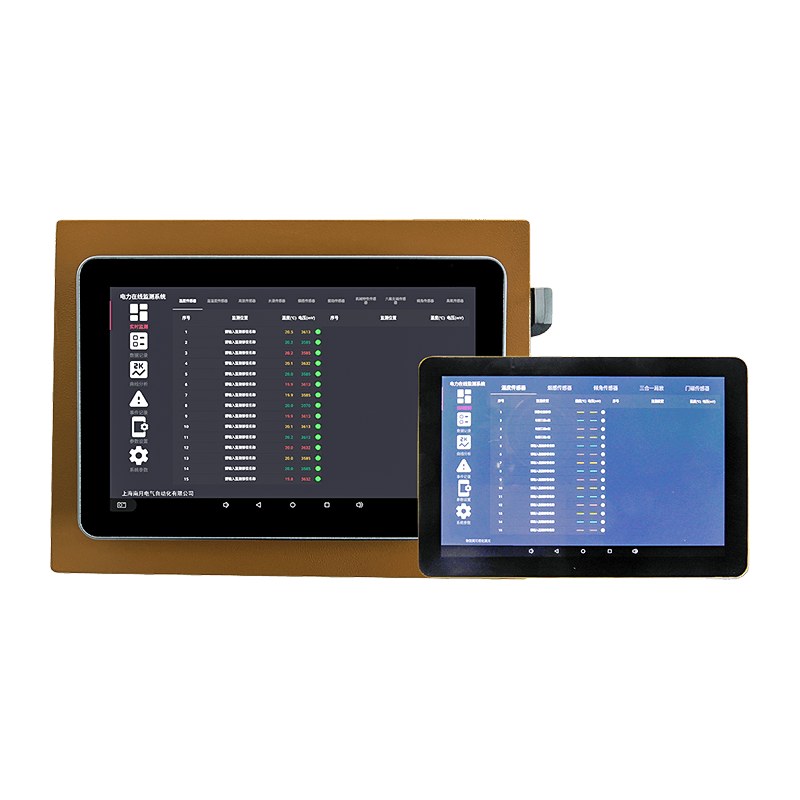
In hospitals, laboratories, pharmaceutical facilities, cold storage zones, and industrial sites, heavy sliding doors must move smoothly, stop safely, seal reliably, and perform consistently over long service cycles. A medical heavy duty door controller is not merely a motion device; it is a critical electromechanical control system that affects workflow efficiency, personnel safety, environmental separation, hygiene management, and equipment uptime. The AIG-750P-06 medical heavy duty door controller is designed for precisely these demanding environments, offering high-power motor control, intelligent safety logic, peripheral equipment management, network communication, fault diagnostics, and reliable operation with heavy medical lead doors and industrial sliding doors.
This article introduces the AIG-750P-06 controller as a specialized solution for automated heavy-duty sliding doors. It explains how the controller supports DC brushless motor systems, manages external devices such as heating wires and air curtains, provides anti-pinch protection, supports commissioning through door-position learning, and enables preventive maintenance through operational records. It also highlights the manufacturing strength behind the product, including ASY Electronics (JiaXing) Co.,Ltd.’s capabilities in sensing, intelligent connectivity, industrial control hardware, and smart factory-oriented production processes.
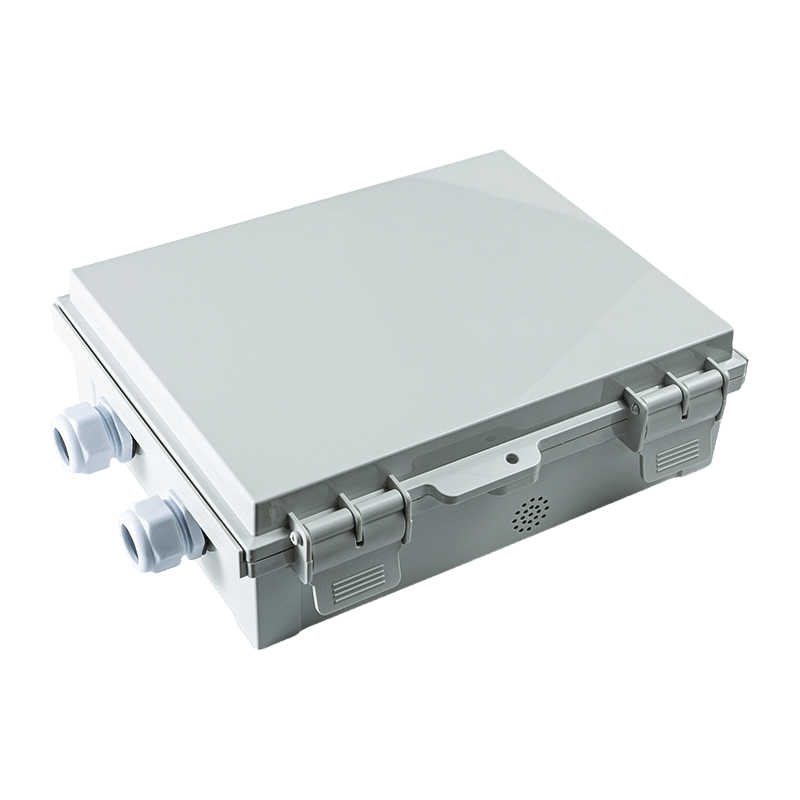
Medical Heavy Duty Door Controller
Product Overview
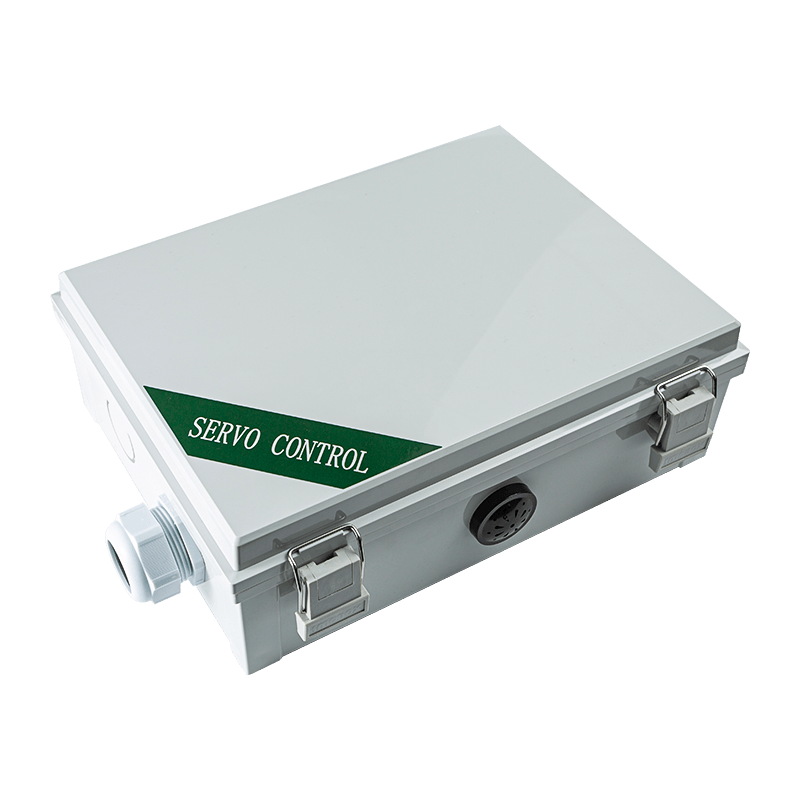
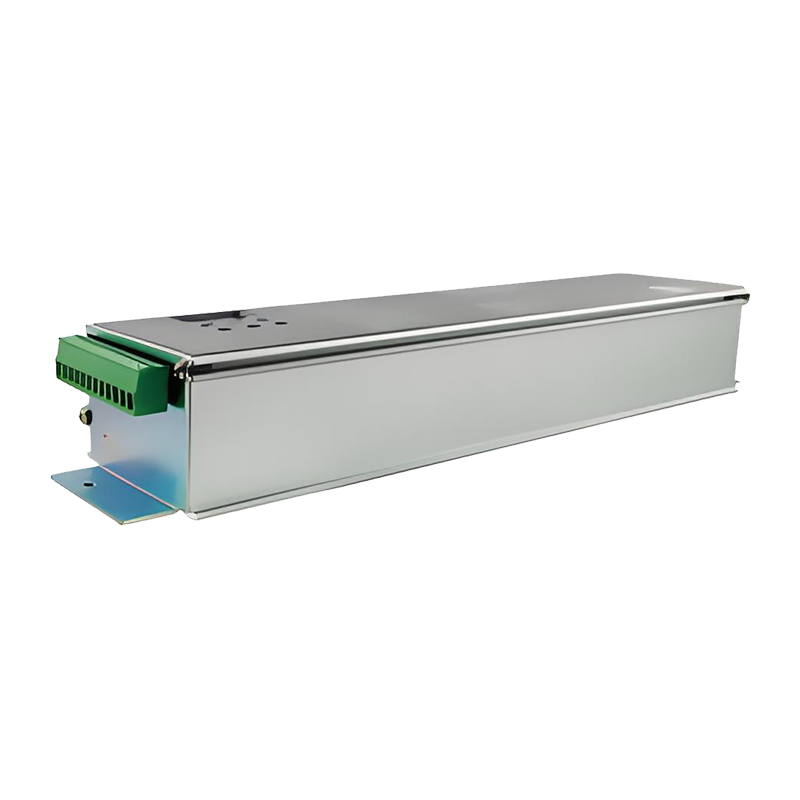
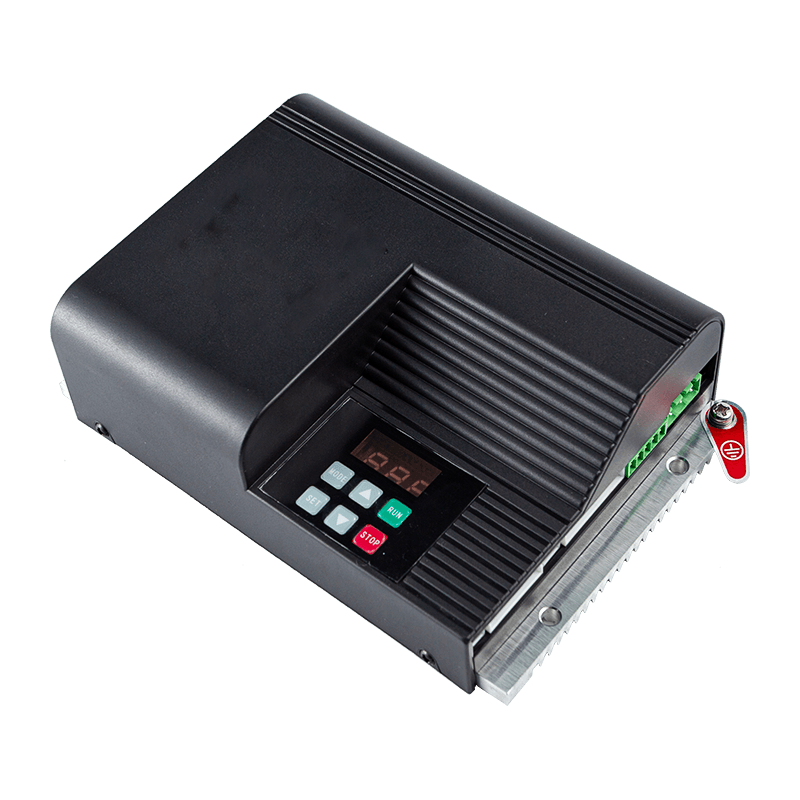
The AIG-750P-06 is a motor controller developed for medical heavy sliding doors, especially heavy lead doors used in healthcare and controlled environments. It is typically integrated with an AIG-1500P-02Y control box and paired with a DC brushless motor, such as the MT02-WS-200W or MT02-WS-150W. The controller operates with a rated voltage of 220V and a rated power of 0.75KW, while supporting high-voltage DC brushless motor control with a maximum output power of 1500W.
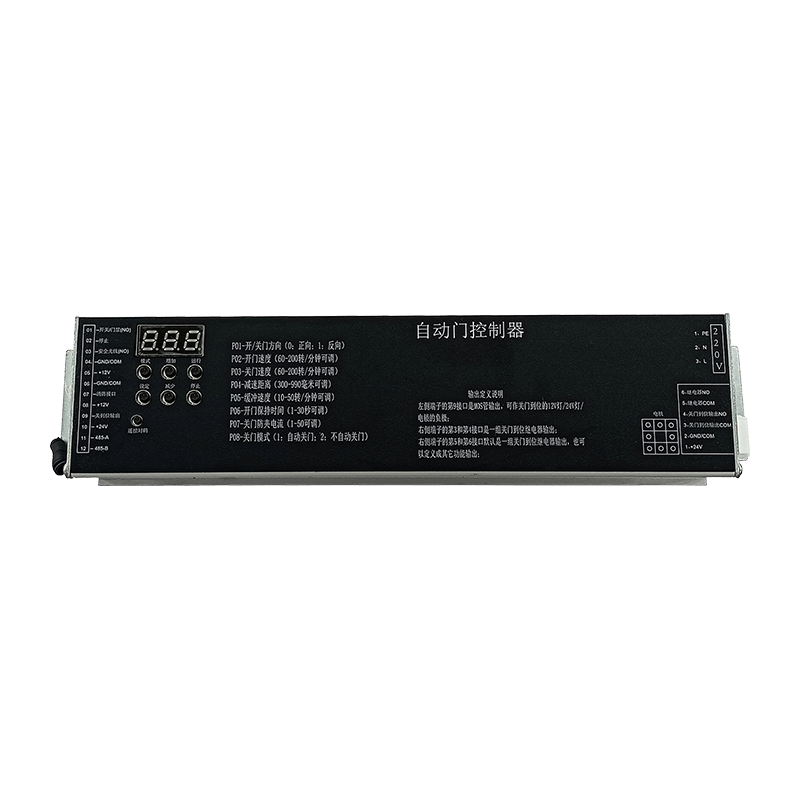
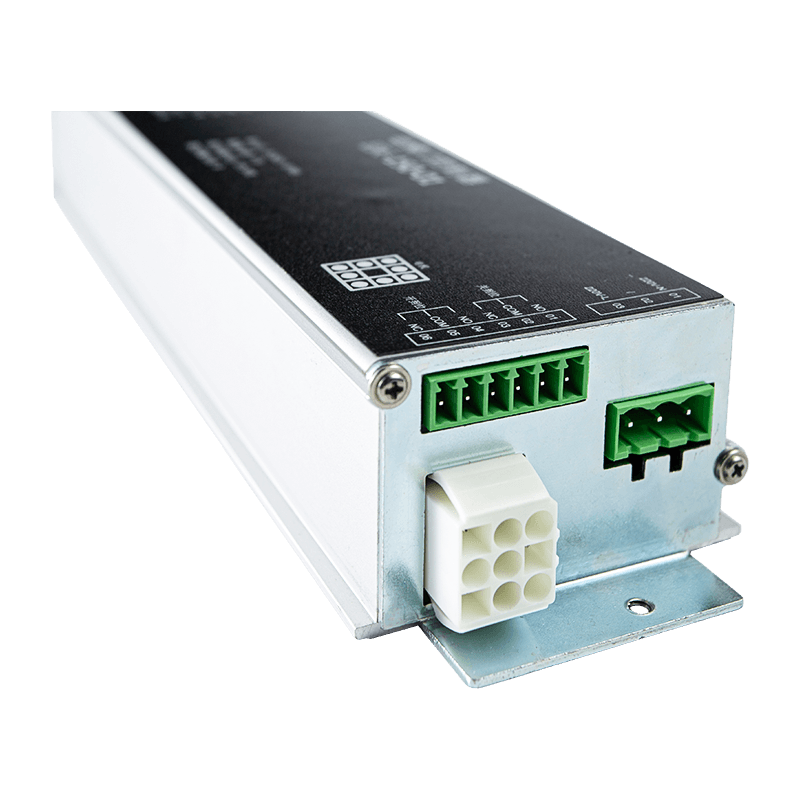
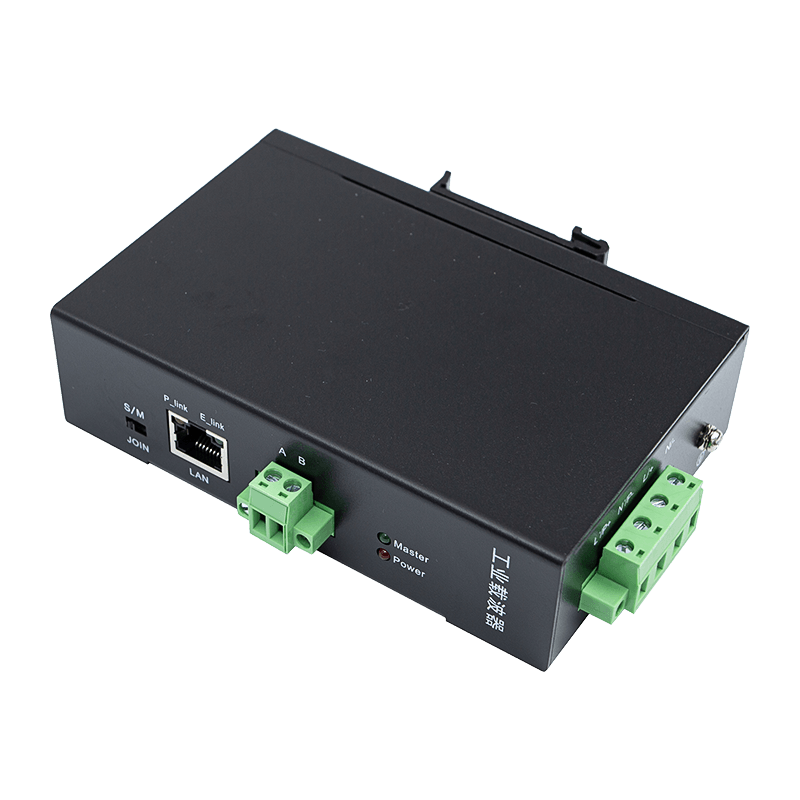
The product is suitable for automated heavy-duty sliding doors in medical environments, heavy industrial sliding doors, and cold storage applications where environmental separation is important. Its control architecture supports open, close, stop, anti-pinch, fire protection, door lock, radar, temperature sensing resistor, and other input signals. It also provides outputs for a 380VAC air curtain motor, a 220VAC heating element, a buzzer, open-position output, and close-position output. A built-in RS485 communication interface enables networked control and integration with wider automation systems.
Compared with basic door controllers that only provide simple open-and-close motion, the AIG-750P-06 is designed as a comprehensive door control platform. It can control motion, respond to safety signals, manage external equipment, monitor operational conditions, store fault information, and assist maintenance teams with diagnostic data. This makes it especially valuable in environments where downtime, unsafe movement, or poor environmental sealing can result in high operational risk.
Why Heavy Medical Doors Require Specialized Control
Heavy medical sliding doors are different from light commercial automatic doors. In many healthcare facilities, lead-lined doors are used in radiology rooms, imaging departments, radiation therapy areas, and other spaces where shielding is necessary. These doors are significantly heavier than ordinary glass or aluminum doors. Their inertia is greater, their braking requirements are stricter, and their safety risks are higher if movement is not precisely controlled.
A heavy medical door controller must therefore handle high torque, stable acceleration, controlled deceleration, precise limit identification, and reliable stopping. It must also cooperate with sensors, locks, fire protection systems, and operator commands. In many cases, the door must maintain a reliable closed position to help manage controlled environments, radiation safety, hygiene boundaries, temperature separation, or clean workflow paths.
The AIG-750P-06 addresses these challenges by combining brushless motor control with intelligent input handling and configurable protection functions. Its commissioning process allows the controller to learn the open and closed limits during first power-up. This reduces setup complexity and improves consistency between installations. Its anti-pinch logic can use adjustable determination times and torque settings to help prevent entrapment. Its error code history and operating cycle records support maintenance planning and rapid troubleshooting.
Core Technical Parameters
The following table summarizes the key performance parameters of the AIG-750P-06 medical heavy duty door controller.
Parameter |
Specification |
Input Voltage |
176–264VAC, 50/60Hz |
Rated Voltage |
220V |
Rated Power |
0.75KW |
Motor Control |
Supports high-voltage DC brushless motor, maximum output power 1500W |
Compatible Motors |
DC brushless motors such as MT02-WS-200W or MT02-WS-150W |
Input Signals |
Open, close, stop, anti-pinch/fire protection, door lock, radar, temperature sensing resistor, and other signals |
Outputs |
380VAC air curtain motor, 220VAC heating element, buzzer, open-position output, close-position output |
Communication Interface |
One RS485 interface for networked control |
Application Range |
Heavy-duty medical lead doors and heavy-duty industrial sliding doors |
Diagnostic Function |
Records the latest four errors and provides specific fault codes |
Maintenance Data |
Tracks current runtime and total number of operating cycles |
High-Voltage DC Brushless Motor Control
One of the controller’s most important advantages is its support for high-voltage DC brushless motors. Brushless motor systems are well suited for heavy-duty automatic doors because they offer smooth torque output, efficient operation, reduced mechanical wear, and controllable speed profiles. Since there are no brushes to wear out, brushless motors can provide longer service life and lower maintenance requirements compared with brushed motor alternatives.
For medical heavy doors, motor quality and controller coordination are essential. A poorly controlled motor may start too abruptly, stop too harshly, create excessive vibration, or fail to respond quickly to safety signals. The AIG-750P-06 is engineered to manage door movement in a controlled manner, supporting powerful operation while helping reduce unnecessary mechanical stress on the door structure, track, transmission components, and motor assembly.
The controller’s maximum output power of 1500W provides a strong control margin for heavy-duty applications. This is particularly important where doors are large, lead-lined, exposed to frequent use, or installed in environments where reliable motion must be maintained under different load conditions. By supporting compatible DC brushless motors with high protection levels and low-temperature operation capability, the controller becomes a practical choice not only for hospitals but also for temperature-controlled industrial environments.
Application in Medical Heavy Lead Doors
Medical lead doors are often used in imaging and radiation protection areas. These doors must combine shielding performance with safe and convenient access. Manual operation of heavy lead doors can be labor-intensive, especially in facilities with high patient flow, frequent equipment movement, or strict hygiene requirements. Automated control improves workflow by allowing staff to open and close doors efficiently while reducing physical effort.
The AIG-750P-06 supports automated operation with signals from buttons, radar sensors, locks, and other input devices. When integrated into a complete door system, it can help ensure controlled movement, reliable closing, and coordinated safety response. The open-position and close-position outputs can be used to provide status information to other systems, enabling integration with room control, safety monitoring, or building automation platforms.
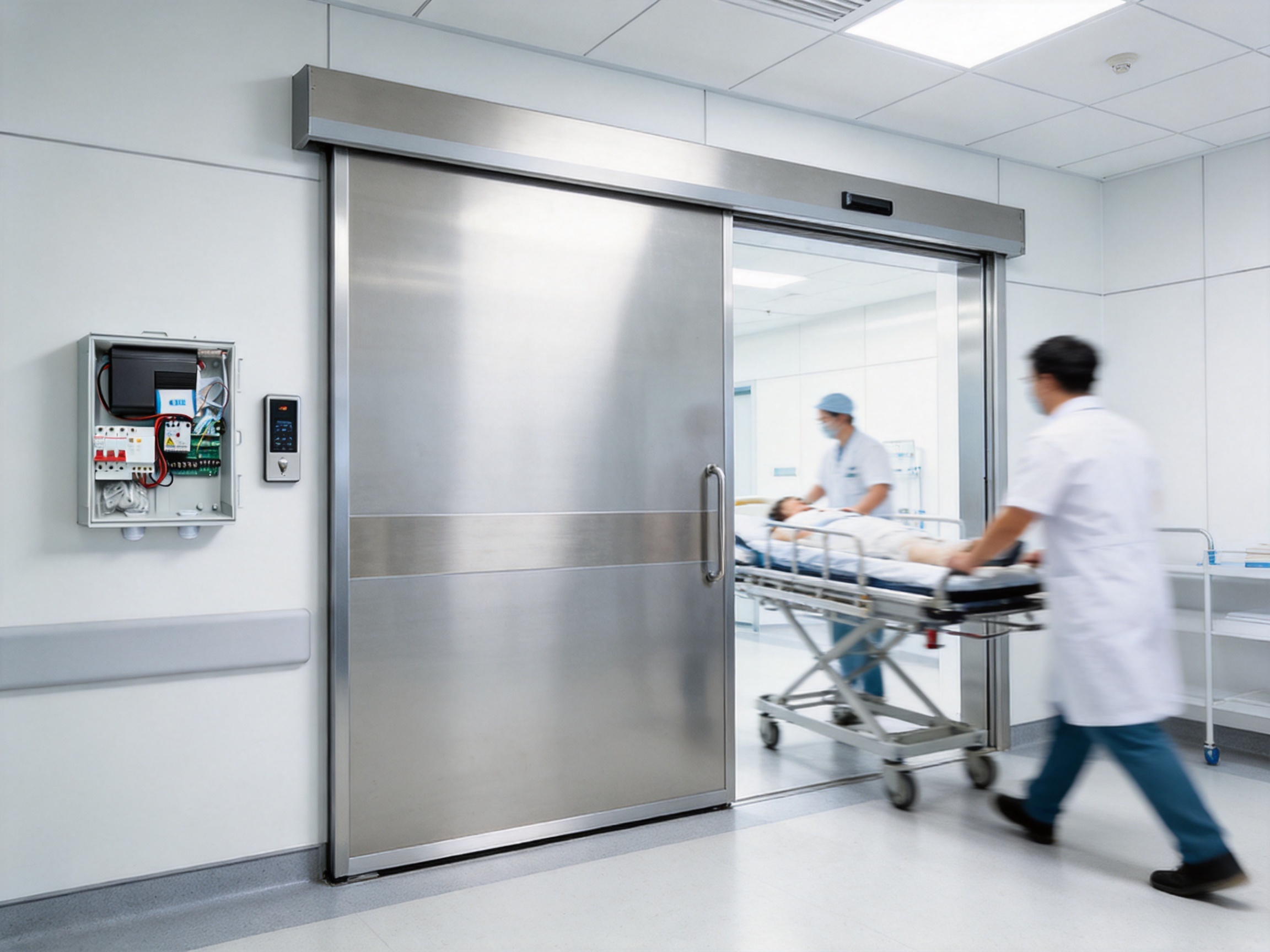
In medical environments, the door controller must not be treated as an isolated component. It is part of a larger safety and workflow ecosystem. For example, a radiology room may require door status confirmation before certain equipment can operate. A clean or controlled area may require reliable closure to maintain environmental boundaries. A hospital corridor may require smooth automatic access for stretchers, beds, wheelchairs, and medical carts. The AIG-750P-06 provides the control capability needed for these demanding scenarios.
Cold Storage and Low-Temperature Applications
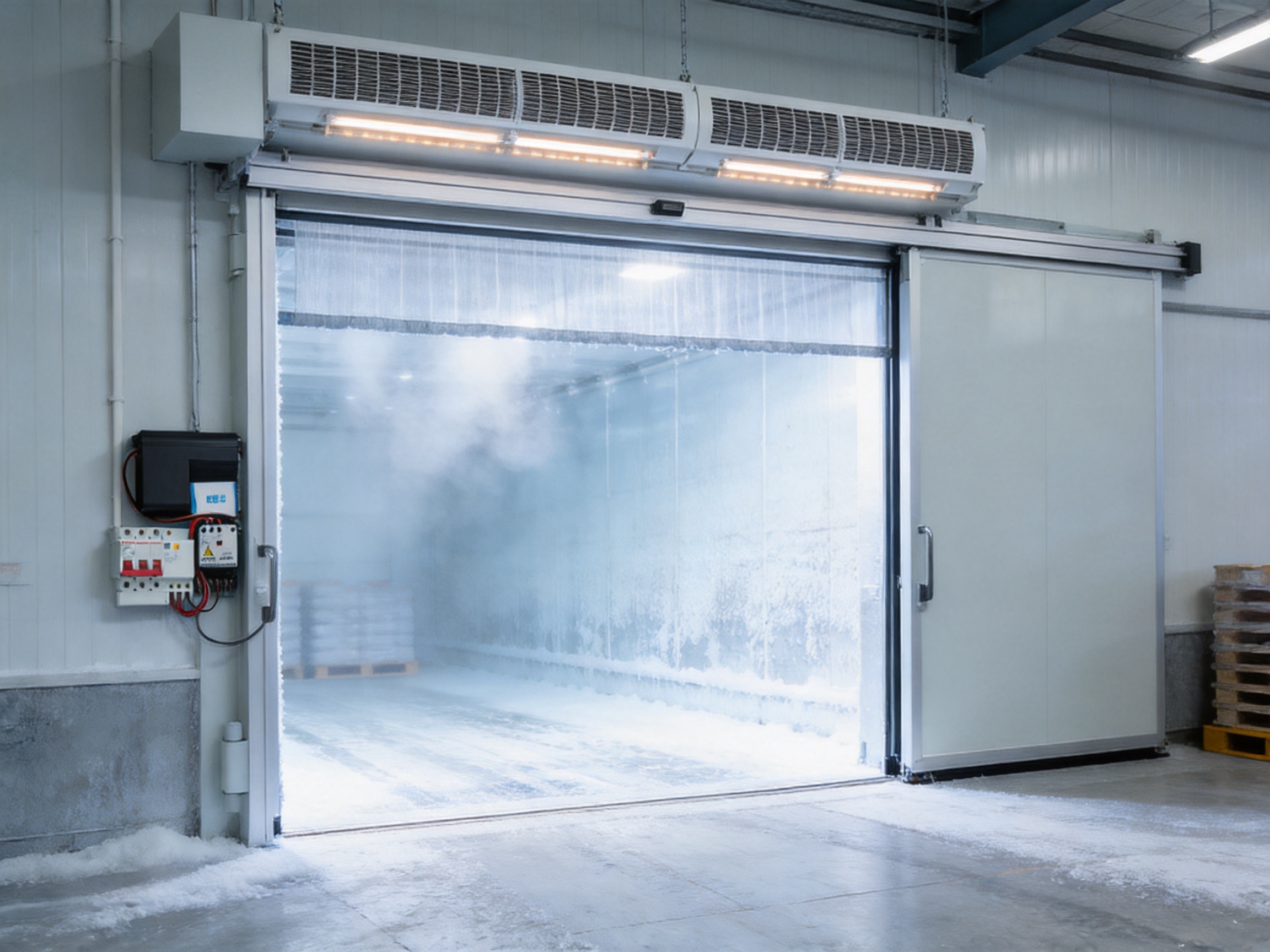
Although the controller is designed for medical heavy sliding doors, its documentation also identifies use with refrigerator door control boxes and cold storage doors. This expands its practical value beyond healthcare. Cold rooms, pharmaceutical storage areas, food processing facilities, and temperature-controlled warehouses often require automatic heavy doors that can maintain temperature separation while operating reliably under challenging conditions.
Cold storage doors introduce additional control requirements. Ice formation, condensation, temperature difference, and sealing resistance can increase door load and reduce reliability if not managed properly. The AIG-750P-06 can manage heating wires up to 1KW to help prevent freezing. It can also control air curtains up to 2.2KW, helping maintain environmental separation when the door is open. These peripheral management functions give the controller an advantage over simpler products that require separate control devices for heating and air curtain equipment.
Compatible motors with IP65 waterproof protection and operation capability as low as -30°C provide further suitability for cold and wet environments. In cold storage applications, equipment failure can lead to energy loss, product quality risk, and operational delays. A controller that supports both door movement and environmental support devices helps simplify the system architecture and improves overall reliability.
Peripheral Equipment Management
A key benefit of the AIG-750P-06 is its ability to coordinate external hardware. Heavy doors are often part of a larger environmental control system, and the controller’s outputs support practical integration with peripheral devices.
Heating Wire Control
Heating wires are important in cold environments where condensation or freezing can interfere with seals, tracks, or door movement. The controller supports heating wires up to 1KW, helping prevent freeze-related door failure. This is especially useful in refrigerator rooms, cold storage doors, and temperature-controlled facilities. Instead of relying on a disconnected heating control method, the door control system can manage heating as part of the overall door operation strategy.
Air Curtain Control
Air curtains help maintain separation between environments by reducing air exchange when the door is open. The AIG-750P-06 supports air curtain output up to 2.2KW. In hospitals, air curtains may assist with airflow separation in certain controlled areas. In cold storage, they help reduce energy loss and maintain internal temperature. In industrial settings, they can limit dust, insects, and external air intrusion.
Buzzer and Position Outputs
The controller also supports buzzer output and open/close position outputs. A buzzer can be used to provide audible warnings during door operation, helping alert nearby personnel. Position outputs are valuable for monitoring and interlocking. For example, a facility may use close-position confirmation before activating another process, or open-position confirmation to coordinate material handling. These outputs improve system visibility and make the controller easier to integrate into facility automation designs.
Safety Functions and Anti-Pinch Logic
Safety is a central requirement for any automatic door system, especially when the door is heavy. A medical lead door or industrial sliding door can present significant risk if it closes on a person, cart, or object. The AIG-750P-06 includes anti-pinch logic with adjustable determination times and torque settings. This allows installers and maintenance teams to configure protection behavior according to the door’s characteristics and operating environment.
The anti-pinch function is designed to help prevent entrapment by detecting abnormal resistance or torque conditions during movement. Adjustable parameters allow the system to balance sensitivity and operational stability. If the sensitivity is too low, the door may not respond quickly enough to obstruction. If it is too high, the door may stop unnecessarily due to normal resistance, seal friction, or environmental conditions. Configurable settings help achieve the right balance.
It is important to note that protection is not active within 20 cm of the fully open or closed positions. This installation and operation detail must be understood by designers, installers, and users. Proper sensor placement, mechanical design, signage, staff training, and commissioning should account for this characteristic. The controller provides strong safety capabilities, but safe door system design requires a complete approach that includes mechanical safeguards, external sensors, correct wiring, and regular maintenance.
Electrical Safety and Grounding
The controller documentation emphasizes that the motor earth wire must be connected to the controller’s grounding mark. This requirement is essential for electrical safety. Proper grounding helps prevent high-voltage induced electricity and reduces the risk of electric shock. In industrial and medical environments, grounding is not optional; it is a fundamental safety measure that protects personnel, equipment, and connected systems.
The wide input voltage range of 176–264VAC, 50/60Hz helps the controller adapt to real-world power conditions. Industrial facilities and hospitals may experience voltage fluctuation, especially in areas with large equipment loads. A controller that can operate within a broad input range provides more stable performance and reduces sensitivity to minor supply variations. However, power quality, proper circuit protection, and compliant installation practices remain essential.
Competitor products may provide motion control but offer less complete guidance or fewer integrated safety requirements. The AIG-750P-06’s emphasis on grounding, fault coding, and controlled integration reflects a system-level design philosophy. This is valuable for professional installations where long-term reliability and safety compliance matter more than basic function alone.
Commissioning and Door-Position Learning
Efficient commissioning is another major advantage of the AIG-750P-06. During first power-up, the controller can identify and learn the open and closed limits of the door. This commissioning method reduces the complexity of installation and helps ensure consistent door travel settings. For installers, faster and more reliable commissioning means fewer setup errors, less time on site, and easier replication across multiple doors.
Traditional door controllers may require extensive manual adjustment, repeated testing, or separate limit configuration procedures. In contrast, a learning-based commissioning process can streamline installation while improving precision. This is particularly important for heavy doors, where inaccurate travel limits can cause mechanical stress, poor sealing, collision, or incomplete opening.
The door-position learning function also contributes to user confidence. Once the controller has learned the door limits, it can manage operation with a defined understanding of the movement range. This supports smoother control, better stopping accuracy, and improved coordination with open-position and close-position outputs. For facilities with multiple controlled doors, simplified commissioning can reduce total project time and improve installation consistency.
Fault Diagnostics and Maintenance Support
Modern industrial and medical equipment must support maintenance teams with actionable information. The AIG-750P-06 records the latest four errors through diagnostic records identified as N09–N12. It also provides specific fault codes for conditions such as Hall sensor failure, undervoltage, and overspeed. Example codes include E02 for Hall sensor failure, E05 for undervoltage, and E15 for overspeed.
This diagnostic capability is important because door failures can have many causes. A door may fail to move because of a motor issue, sensor issue, power issue, wiring fault, mechanical blockage, or control parameter problem. Without diagnostic information, technicians must spend more time isolating the problem. Error records help narrow the investigation quickly, reduce downtime, and improve repair accuracy.
The controller also tracks current runtime and the total number of runs, up to millions of cycles. This operating history supports preventive maintenance. Instead of waiting for failure, facility managers can plan inspections, lubrication, component replacement, and performance checks according to actual use. In high-traffic hospitals or industrial facilities, cycle-based maintenance is far more effective than maintenance based only on calendar time.
Networked Control Through RS485
The AIG-750P-06 includes one RS485 communication interface for networked control. RS485 remains widely used in industrial automation because it is robust, cost-effective, and suitable for communication over longer cable distances compared with many simple point-to-point methods. For door systems, RS485 can support centralized monitoring, remote command, system integration, and coordinated control.
Networked communication is especially valuable in facilities with multiple automatic doors. Maintenance teams can monitor door status, identify faults, track operating cycles, and coordinate control from a central system. Building automation platforms may also use door status information to support energy management, safety interlocks, or process workflows.
Compared with non-networked controllers, RS485 capability gives the AIG-750P-06 a clear advantage in smart facility projects. The controller can become part of a larger industrial IoT or building automation strategy rather than remaining an isolated local device. This aligns with ASY Electronics (JiaXing) Co.,Ltd.’s broader capabilities in industrial data integration, intelligent connectivity, and edge-layer hardware.
Advantages Over Common Competing Controllers
Many automatic door controllers in the market are designed for ordinary commercial doors. They may function adequately for lightweight doors in offices, shops, or public entrances, but they often lack the power capacity, diagnostic depth, environmental equipment control, and rugged integration features needed for heavy medical and industrial doors. The AIG-750P-06 is positioned for more demanding applications.
Higher Suitability for Heavy Doors
Its support for high-voltage DC brushless motors and maximum output power of 1500W makes it suitable for heavy-duty doors. Competitors designed for smaller motors may struggle with heavy loads, produce unstable operation, or require external upgrades. The AIG-750P-06 provides stronger control capacity within a dedicated heavy-door design.
Integrated Peripheral Control
The ability to manage heating wires and air curtains is a strong differentiator. Many controllers require separate peripheral control circuits, which increases wiring complexity, installation cost, and potential failure points. Integrated output capability helps create a cleaner and more coordinated door system.
Diagnostic Memory and Specific Error Codes
The latest-four-error record and fault code system make troubleshooting easier. Lower-end competitors may provide only basic alarms or no meaningful diagnostic history. The AIG-750P-06 gives technicians clearer information, improving service efficiency.
Commissioning Efficiency
Door-position learning during first power-up can reduce installation time and limit-setting errors. This is especially beneficial for projects with multiple doors, where commissioning efficiency has a direct impact on labor cost and project schedule.
Network Integration
The RS485 interface supports networked control and monitoring. As facilities increasingly move toward smart building and industrial IoT architectures, controllers with communication capability offer more future value than isolated controllers.
Cold-Environment Practicality
The controller’s compatibility with systems using IP65 motors capable of low-temperature operation, together with heating and air curtain management, makes it practical for cold storage doors. Competing controllers often require additional equipment to support such environments.
Manufacturing Strength Behind the Product
ASY Electronics (JiaXing) Co.,Ltd. is a high-tech enterprise focused on building smart factories of the future. The company’s mission is to create efficient, reliable, and green smart factories by applying data sensing, intelligent connectivity, and industrial data integration. Its product portfolio includes broadband power line carriers, wireless temperature monitoring systems, transmitters, flow meters, and automatic door controllers. This diverse background gives the company a strong foundation in industrial electronics, communication, sensing, and control.
The manufacturing of a heavy duty door controller requires more than assembly. It demands electronic design capability, power control knowledge, component quality management, firmware reliability, testing discipline, and application understanding. A controller used in medical and industrial settings must be stable under electrical load, responsive to input signals, accurate in output control, and reliable across long operating cycles. The company’s experience in industrial IoT and edge-layer hardware supports this level of product development.
Because the company serves industrial sectors where reliability and monitoring are critical, it approaches product design with a system perspective. The AIG-750P-06 reflects this approach through its combination of motor control, safety logic, peripheral outputs, diagnostics, communication, and maintenance data. This is not a minimal controller designed only to move a door. It is an intelligent control module designed to participate in a complete automated environment.
Advanced Manufacturing Processes
Advanced manufacturing for industrial controllers typically involves controlled material selection, circuit board production management, component traceability, automated or semi-automated assembly, firmware programming, functional testing, electrical inspection, environmental reliability checks, and final quality verification. For a controller like the AIG-750P-06, these processes are especially important because product failure can affect safety, workflow, and facility operation.
ASY Electronics (JiaXing) Co.,Ltd. emphasizes self-developed edge-layer hardware products and industrial data integration solutions. This indicates a manufacturing and engineering model where hardware design, control logic, and system application are closely connected. Such integration allows the company to optimize products according to field requirements rather than relying only on generic hardware platforms.
In practical manufacturing, robust controller production should include inspection of incoming electronic components, verification of printed circuit board quality, controlled soldering processes, insulation and grounding checks, parameter calibration, load testing, communication testing, and simulation of input/output behavior. These steps help ensure that each controller performs consistently before shipment. For products used in hospitals and industrial facilities, this disciplined process is a major competitive strength.
Quality Control and Reliability Philosophy
The reliability of an automatic door controller depends on both design and production control. A strong design can still fail if manufacturing quality is inconsistent. Likewise, careful assembly cannot compensate for weak engineering. The AIG-750P-06 benefits from a product philosophy that considers application conditions, safety requirements, diagnostic needs, and integration flexibility.
Quality control for this class of product should focus on electrical stability, signal accuracy, output reliability, firmware behavior, and protection response. Inputs such as open, close, stop, anti-pinch, fire protection, radar, lock, and temperature sensing must be correctly recognized. Outputs for air curtain, heating element, buzzer, and door position must respond reliably. Communication over RS485 must remain stable in industrial environments. Fault detection should correctly identify abnormal conditions such as undervoltage, overspeed, or sensor failure.
By supporting error history and cycle counting, the controller also extends quality thinking into the product’s service life. Reliability is not only about passing factory tests; it is about helping the user maintain the system over years of operation. Maintenance data gives facility teams the visibility needed to protect uptime and reduce unexpected failures.
Role in Smart Factories and Digital Facilities
Automatic doors are often overlooked in discussions of smart factories and digital hospitals, but they are essential access points in controlled workflows. A door that cannot communicate, report status, or support maintenance data becomes a blind spot in the facility. The AIG-750P-06 helps reduce that blind spot by supporting RS485 network communication, status outputs, fault records, and cycle data.
In a smart factory, heavy sliding doors may separate production zones, clean areas, cold rooms, hazardous zones, or logistics pathways. Automated control improves efficiency and reduces manual effort. Networked monitoring improves visibility. Integration with air curtains and heating elements supports energy and environmental management. Diagnostic data supports predictive or preventive maintenance. These features align with the goals of efficient, reliable, and green smart factories.
In a digital hospital, door automation supports smoother movement of staff, patients, and equipment. Door status can support safety procedures, environmental control, and workflow coordination. A heavy medical door controller with intelligent diagnostics and communication capability is therefore part of the facility’s broader digital infrastructure.
Installation Considerations
Although the AIG-750P-06 provides advanced control capability, correct installation remains essential. Installers should ensure that the controller is paired with compatible motors and suitable mechanical door systems. The track, transmission mechanism, seals, and door panel must be properly aligned and maintained. A controller cannot compensate for severe mechanical misalignment or unsafe physical design.
Electrical installation should follow applicable standards and project requirements. The motor earth wire must be connected to the controller grounding mark. Power supply wiring should match the controller’s voltage and load requirements. Inputs and outputs should be wired according to the system design, and all peripheral devices should remain within rated capacities. The heating wire and air curtain outputs should be used only within supported power limits.
During commissioning, the learning process for open and closed limits should be performed carefully. The installer should verify full travel, stopping behavior, sensor response, anti-pinch behavior, door lock integration, radar activation, and position outputs. Because anti-pinch protection is not active within 20 cm of the fully open or closed positions, additional safety design and user awareness should be considered for these zones.
Maintenance Strategy
A professional maintenance strategy should combine visual inspection, functional testing, diagnostic review, and cycle-based servicing. The AIG-750P-06 supports this approach by tracking runtime and total number of operations. Facilities can use this data to schedule maintenance according to actual door usage rather than relying only on fixed time intervals.
Regular maintenance should include checking door tracks, rollers, belts or transmission parts, seals, fastening hardware, motor condition, wiring, grounding, sensors, locks, and peripheral devices. The error history should be reviewed when faults occur or during scheduled inspections. Repeated fault codes may indicate a developing issue, such as sensor instability, power supply fluctuation, mechanical overload, or parameter mismatch.
For medical and cold storage environments, maintenance teams should also inspect environmental support functions. Heating wires should be checked for proper operation in cold conditions, and air curtains should be verified for correct activation and airflow performance. These checks help protect both door reliability and environmental control performance.
Typical Use Scenarios
Radiology and Imaging Departments
Heavy lead doors in radiology and imaging departments require dependable automated movement and accurate closing. The AIG-750P-06 helps control these doors while supporting safety signals and position feedback. Automated operation reduces physical effort for medical staff and improves access convenience for patients and equipment.
Hospital Controlled Areas
Hospitals often include controlled rooms where reliable door operation supports hygiene, airflow control, and workflow management. The controller’s ability to integrate with radar, locks, stop commands, and position outputs makes it suitable for professional door systems in healthcare environments.
Cold Storage Rooms
Cold storage doors benefit from heating wire and air curtain management. The controller can help prevent freezing and reduce temperature loss during door operation. Its compatibility with low-temperature motor systems makes it practical for demanding cold-chain applications.
Industrial Sliding Doors
Heavy industrial doors in factories and warehouses require strong motor control, safety logic, and maintenance visibility. The AIG-750P-06 supports high-power operation and diagnostic functions that improve uptime in production environments.
Smart Facility Projects
Facilities pursuing digitalization need equipment that can communicate and provide data. With RS485 communication, fault memory, and cycle tracking, the controller can support broader smart building and smart factory systems.
Design Value for System Integrators
System integrators benefit from products that reduce complexity and improve repeatability. The AIG-750P-06 provides multiple integration advantages. It supports diverse inputs, including open, close, stop, anti-pinch/fire protection, door lock, radar, and temperature sensing resistor. It provides practical outputs for environmental equipment and status reporting. It supports RS485 for communication. It offers commissioning support through door-position learning.
These functions reduce the need for additional modules and simplify panel design. For example, an integrator working on a cold storage project may otherwise need separate controls for the door motor, heating wire, and air curtain. With the AIG-750P-06, these functions can be coordinated more directly. In a hospital project, position outputs and safety inputs can simplify connection with room status or access control systems.
The controller’s diagnostic features also improve post-installation support. If a customer reports a fault, the integrator can use error codes and fault history to investigate the issue more efficiently. This reduces service time and improves customer satisfaction.
Energy and Environmental Benefits
Automatic heavy doors affect energy performance, especially in temperature-controlled environments. A door that closes reliably and operates smoothly helps reduce unwanted air exchange. Air curtain support further helps maintain environmental separation. Heating wire management helps prevent freeze-related problems that could cause doors to remain open, seal poorly, or require emergency maintenance.
In smart factory and green facility strategies, small improvements across many systems can produce significant total benefits. A reliable automatic door controller contributes to energy efficiency by supporting controlled access, reducing door open time, and integrating with environmental support devices. It also reduces waste associated with unexpected breakdowns, emergency repairs, and premature component replacement.
Because ASY Electronics (JiaXing) Co.,Ltd. focuses on efficient, reliable, and green smart factories, the AIG-750P-06 fits within a broader philosophy of sustainable industrial productivity. Reliability and energy control are connected: a system that operates correctly and provides useful data is easier to optimize and maintain.
Operational Benefits for End Users
For end users, the value of the AIG-750P-06 can be seen in daily operation. Staff experience smoother door movement and more convenient access. Maintenance personnel receive clearer diagnostic information. Facility managers gain better uptime and maintenance planning. System designers gain flexible inputs and outputs. Cold storage operators gain coordinated support for heating and air curtains.
The product’s ability to track total runs is particularly useful in high-traffic environments. A door that operates thousands of times per month should not be maintained the same way as a door that operates only occasionally. Cycle data supports practical decision-making. It can help determine when to inspect mechanical components, replace wear parts, or adjust settings.
The controller also reduces dependence on guesswork. When a fault occurs, the latest-four-error record provides a starting point for troubleshooting. Instead of replacing parts unnecessarily, technicians can identify whether the problem is related to a Hall sensor, voltage condition, speed abnormality, or another issue. This improves maintenance efficiency and reduces operating cost.
Professional Safety Approach
A heavy door control system must be designed with layered safety. The AIG-750P-06 provides anti-pinch logic, stop input, safety-related signal support, and diagnostic functions. However, safe operation also depends on proper mechanical design, correct sensor placement, grounding, installation quality, parameter setting, user training, and maintenance.
Professional installers should verify that the door area is free from unexpected hazards, that warning devices function correctly, and that personnel understand the door’s operation. Special attention should be paid to the 20 cm zones near fully open and fully closed positions where anti-pinch protection is not active. Additional protective measures may be required depending on the application and local safety requirements.
The controller’s adjustable anti-pinch determination time and torque settings allow safety behavior to be tuned. This flexibility is important because heavy doors vary in size, weight, seal resistance, and operating environment. A one-size-fits-all configuration is rarely ideal for professional installations. Adjustable safety logic helps match control behavior to real site conditions.
Q&A Section
Q1: What type of door is the AIG-750P-06 designed for?
The AIG-750P-06 is designed for medical heavy sliding doors, especially heavy-duty medical lead doors. It is also suitable for heavy-duty industrial sliding doors and cold storage door applications.
Q2: What motor type does the controller support?
The controller supports high-voltage DC brushless motors and can provide maximum output power of 1500W. It is typically used with motors such as the MT02-WS-200W or MT02-WS-150W.
Q3: Why is brushless motor control important for heavy doors?
Brushless motors provide efficient operation, smooth torque output, long service life, and reduced maintenance compared with brushed motors. For heavy doors, smooth and powerful motor control helps improve safety, reliability, and movement quality.
Q4: Can the controller be used in cold storage environments?
Yes. The controller is suitable for cold storage door applications and can manage heating wires up to 1KW and air curtains up to 2.2KW. Compatible motors may provide IP65 waterproof protection and low-temperature operation down to -30°C.
Q5: What safety function does the controller provide?
The controller includes anti-pinch logic with adjustable determination times and torque settings. It also supports safety-related input signals such as stop, anti-pinch, and fire protection. However, anti-pinch protection is not active within 20 cm of the fully open or closed positions.
Q6: Does the controller support fault diagnosis?
Yes. The controller records the latest four errors and provides fault codes for conditions such as Hall sensor failure, undervoltage, and overspeed. This helps technicians troubleshoot problems more efficiently.
Q7: How does the controller support preventive maintenance?
It tracks current runtime and total operating cycles, allowing maintenance teams to plan inspections and service based on actual usage. This helps reduce unexpected downtime and supports long-term reliability.
Q8: What communication interface is included?
The controller includes one RS485 interface for networked control. This allows integration with larger automation, monitoring, or building management systems.
Q9: What gives the product an advantage over simpler competitors?
Its advantages include high-power brushless motor control, peripheral management for heating wires and air curtains, fault memory, specific error codes, door-position learning, RS485 communication, and suitability for heavy medical and industrial doors.
Q10: Why is grounding important during installation?
The motor earth wire must be connected to the controller’s grounding mark to prevent high-voltage induced electricity and reduce the risk of electric shock. Proper grounding is essential for safe operation.
Conclusion
The AIG-750P-06 medical heavy duty door controller is a specialized solution for demanding automatic sliding door applications. It is built for heavy medical lead doors, industrial sliding doors, and cold storage doors where ordinary controllers may not provide sufficient power, reliability, safety logic, or integration flexibility. With high-voltage DC brushless motor support, maximum output power of 1500W, wide input voltage range, multiple signal inputs, practical outputs, RS485 communication, anti-pinch logic, fault diagnosis, and cycle tracking, it provides a strong foundation for professional automated door systems.
Its advantages are especially clear when compared with basic door controllers. It does not merely open and close a door; it coordinates motion, safety, environmental equipment, diagnostics, and maintenance data. The ability to manage heating wires and air curtains makes it valuable in cold storage and environmental separation applications. The diagnostic history and fault codes reduce service time. The commissioning learning process improves installation efficiency. The RS485 interface supports modern networked control.
Behind the product is ASY Electronics (JiaXing) Co.,Ltd., a high-tech enterprise focused on smart factory development, data sensing, intelligent connectivity, and industrial edge hardware. The company’s strengths in industrial IoT communication, sensing systems, transmitters, flow meters, and automatic door controllers support the engineering quality of the AIG-750P-06. Its manufacturing philosophy emphasizes reliability, integration, and practical industrial application.
For hospitals, cold storage operators, industrial facilities, system integrators, and smart building projects, the AIG-750P-06 offers a capable and future-ready control solution. It combines powerful motor control with intelligent system functions, helping heavy doors operate safely, efficiently, and reliably across demanding environments.
References
1. Industrial Automation Control Systems: Design Principles and Application Practices.
2. Automatic Door Safety and Performance Guidelines for Commercial and Healthcare Facilities.
3. Brushless DC Motor Control Theory and Industrial Drive Applications.
4. Electrical Safety, Grounding, and Protective Measures for Industrial Control Equipment.
5. Preventive Maintenance Strategies for Automated Mechanical Access Systems.
6. Cold Storage Door System Design, Heating Protection, and Air Curtain Integration Practices.
7. RS485 Communication in Industrial Automation Networks and Distributed Control Systems.