


Introduction
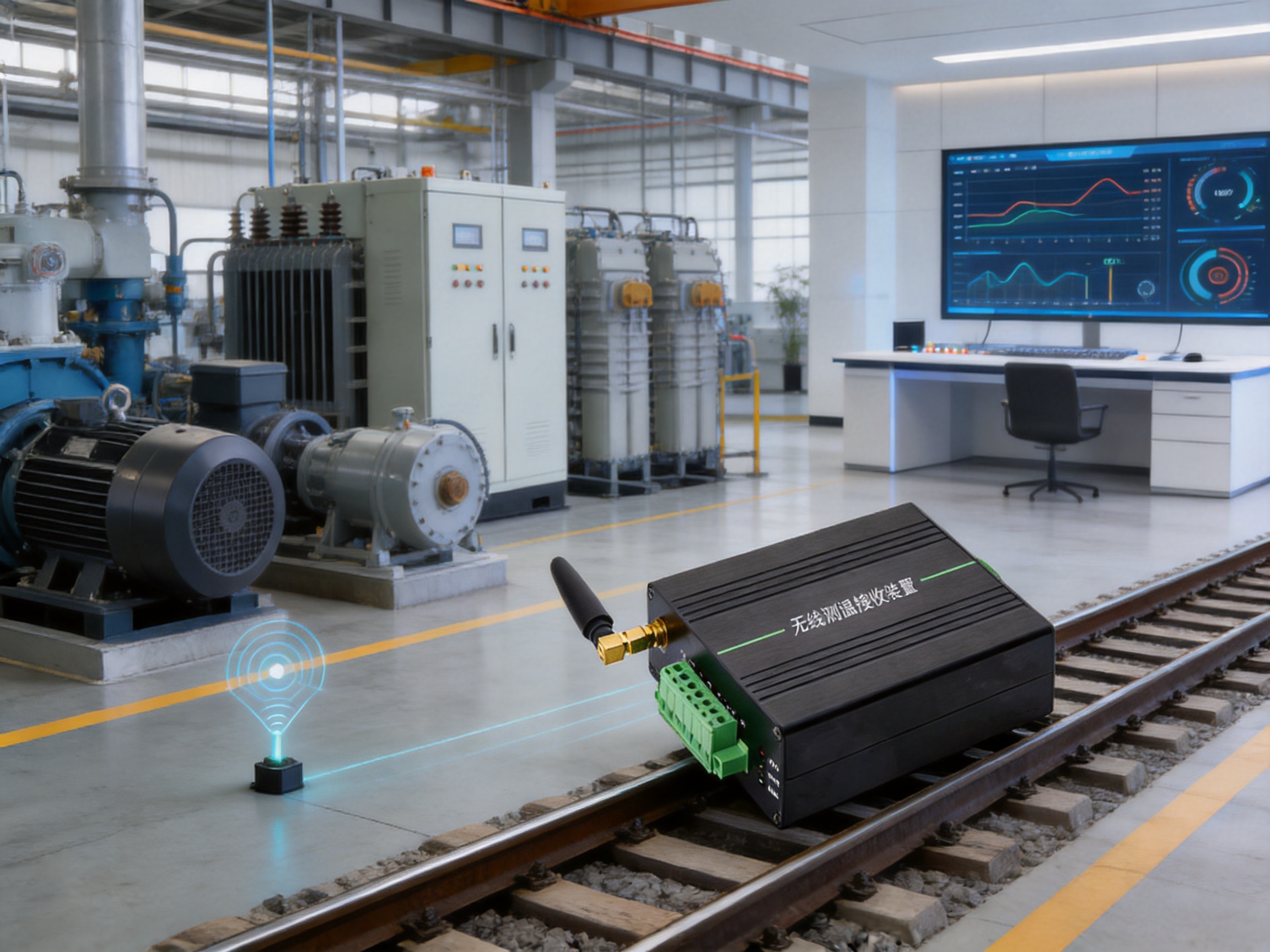
Industrial facilities increasingly depend on continuous temperature monitoring to protect electrical equipment, rotating machinery, production assets, and safety-critical infrastructure. A temperature sensor can measure the condition of a monitored point, but measurement quality also depends on whether the data can travel reliably from the sensor to the host system. In large plants, substations, workshops, and equipment rooms, distance, metal structures, electrical interference, and complex layouts may weaken wireless communication. The Metal Track Temperature Measurement System Transmitter, model KS30R-LORA, is designed to address this communication challenge as a rail-mounted wireless temperature measurement repeater.
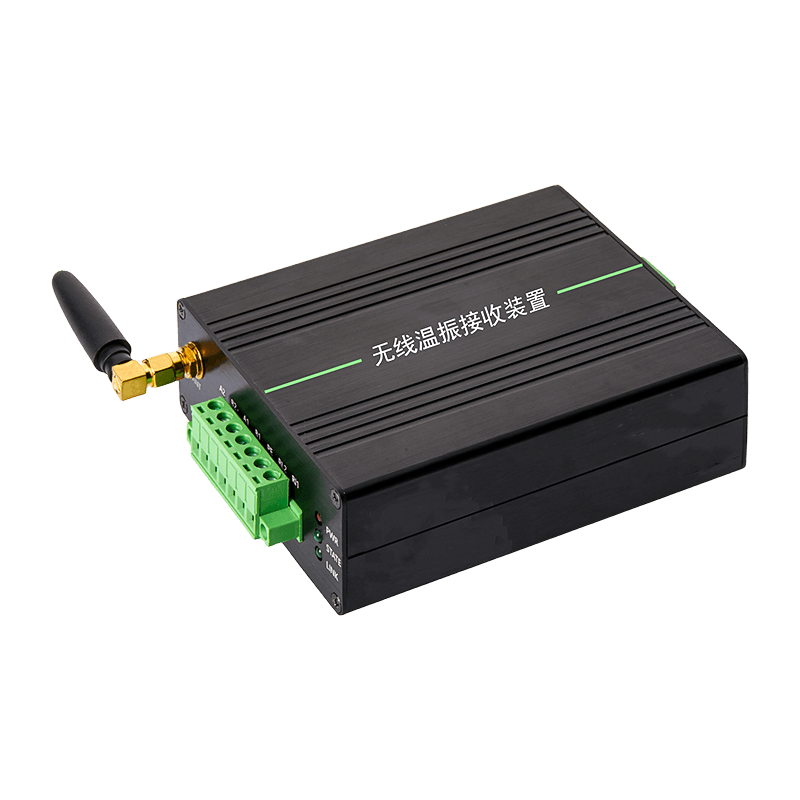
The device receives information from compatible wireless temperature sensors and temperature measurement hosts, amplifies and forwards the wireless signal, and functions as a communication route between the field sensor network and the receiving host. Rather than replacing the measuring sensor or host, it strengthens the complete monitoring architecture by improving the path between them. This makes the repeater especially useful where a direct wireless connection is difficult to maintain.
Manufactured and supplied by ASY Electronics (JiaXing) Co., Ltd., the KS30R-LORA reflects the company’s focus on data sensing, industrial connectivity, smart factories, power-line communication, wireless monitoring, and industrial data integration. Its design combines a compact industrial communication role with practical installation options, a broad operating environment, standard communication support, and compatibility with industrial monitoring projects that require dependable data transmission.
This article examines the product’s operating principle, technical features, installation value, industrial advantages, manufacturing strengths, application scenarios, and selection considerations. It also explains how a wireless repeater can improve the performance of a temperature monitoring system when compared with a sensor network that relies only on direct communication.
Metal Track Temperature Measurement System Transmitter
What the KS30R-LORA Is Designed to Do
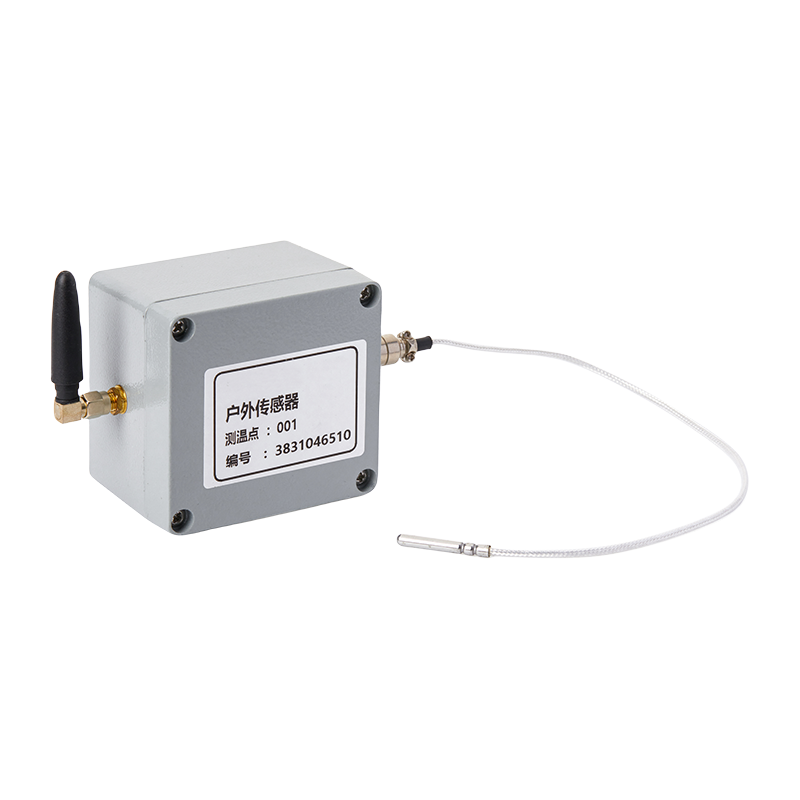
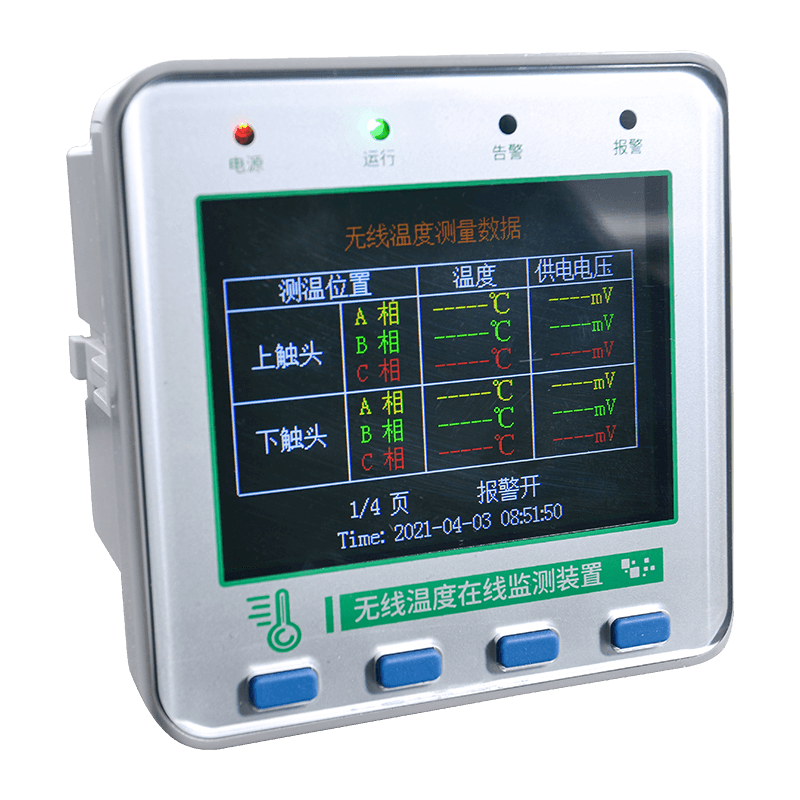
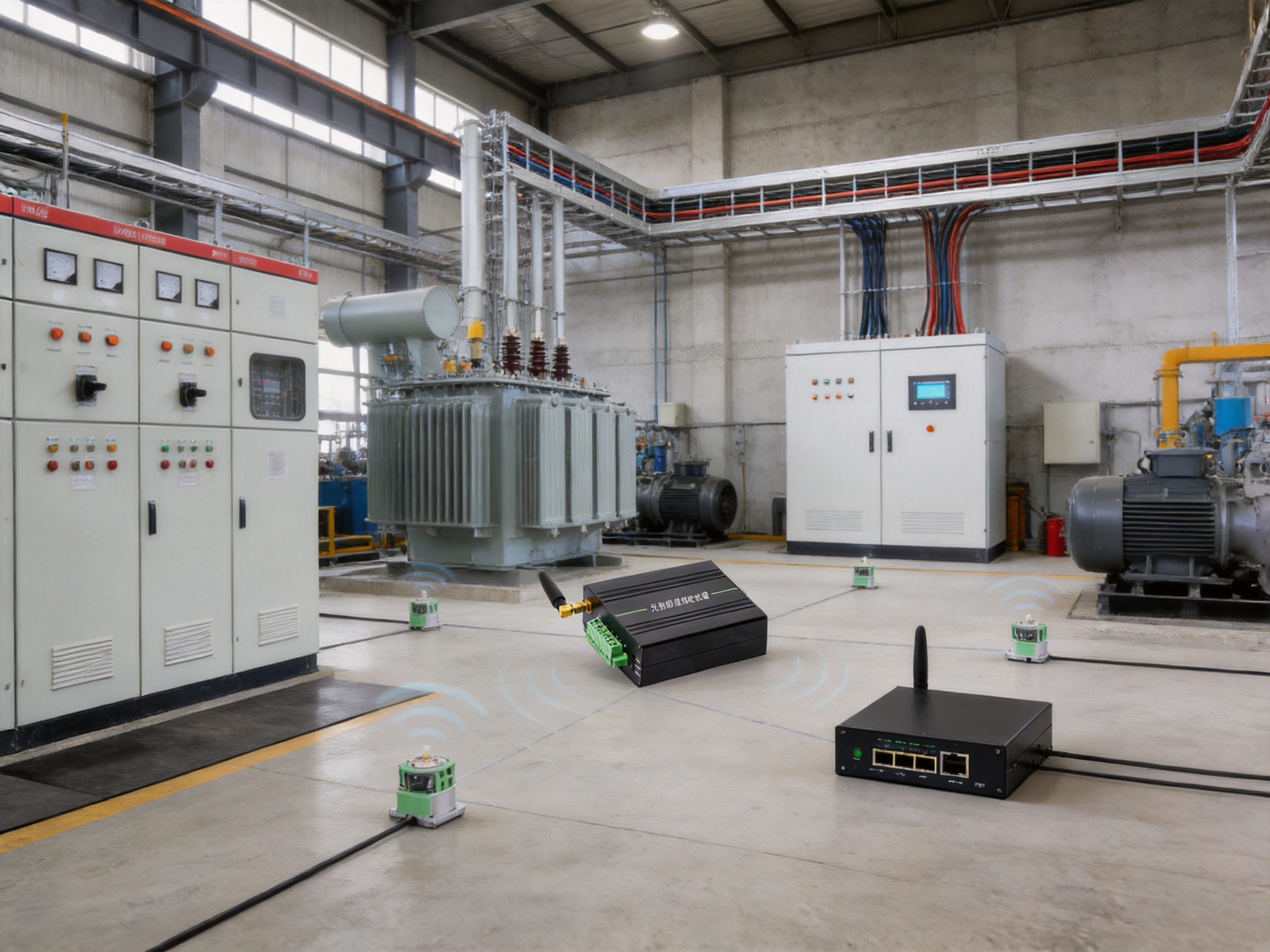
The KS30R-LORA is a wireless signal amplification and forwarding device for temperature measurement systems. In a typical installation, wireless temperature sensors are positioned on electrical cabinets, busbars, motors, transformers, industrial equipment, or other locations where temperature must be observed. A temperature measurement host receives the sensor data and presents it to an operator, control platform, or higher-level monitoring system. If the distance between the sensor and host is excessive, or if physical obstructions interfere with radio communication, the repeater can be placed between the two devices.
The repeater receives compatible wireless data, processes the communication signal, and forwards the information toward the receiving host. This creates an intermediate route that may improve network coverage and reduce the impact of difficult installation conditions. In practical terms, the product helps the monitoring system reach locations that would otherwise be outside the reliable communication range of the host.
Its function is therefore different from that of a standalone temperature transmitter. A conventional transmitter generally converts a measured temperature into an electrical or wireless output. The KS30R-LORA is primarily a network repeater and communication relay. It supports the data path created by compatible temperature sensors and hosts, helping those devices communicate across a larger or more obstructed industrial environment.
The stated open-area transmission distance is up to 200 meters. Actual performance depends on antenna placement, building materials, machinery, electromagnetic conditions, radio frequency regulations, installation height, and the number and location of obstructions. The open-area figure should therefore be used as a planning reference rather than a guaranteed distance in every industrial environment.
Core Communication Functions
The main function is signal amplification. The repeater receives sensor data and forwards an enhanced signal to the receiving host. This can be valuable in facilities where reinforced concrete walls, metal enclosures, cable trays, production equipment, and multiple rooms make a direct wireless link unreliable.
The second function is wireless data uploading. Detected or received data is wirelessly uploaded to the receiving host through the established communication route. The repeater can consequently form part of a broader industrial monitoring network without requiring a dedicated wired connection between every sensor location and the host.
The device also provides industrial communication connectivity through TTL and RS485-related interfaces as listed in the technical information. Because interface implementation can vary according to model configuration and project requirements, users should confirm the exact terminal definition, wiring method, and operating mode before deployment. The listed default communication settings are 9600 bps, 8 data bits, no verification, and a standard MODBUS protocol that can be customized.
Why Wireless Repeaters Matter in Industrial Temperature Monitoring
Temperature monitoring is often installed in locations where direct access is inconvenient or hazardous. Sensors may be attached to high-voltage equipment, enclosed switchgear, remote machinery, elevated structures, or moving production assets. Running a separate cable from every measurement point can increase installation time, require additional cable protection, and create maintenance issues. Wireless sensors reduce much of this wiring burden, but their value depends on a stable communication path.
A direct sensor-to-host system can work effectively in a small, open installation. However, many industrial sites are not small or open. A sensor may be located behind a metal cabinet, on the opposite side of a plant, inside a dense equipment room, or in an area separated by several structural walls. In these conditions, adding a strategically positioned repeater can be more practical than relocating the host or installing additional signal cables.
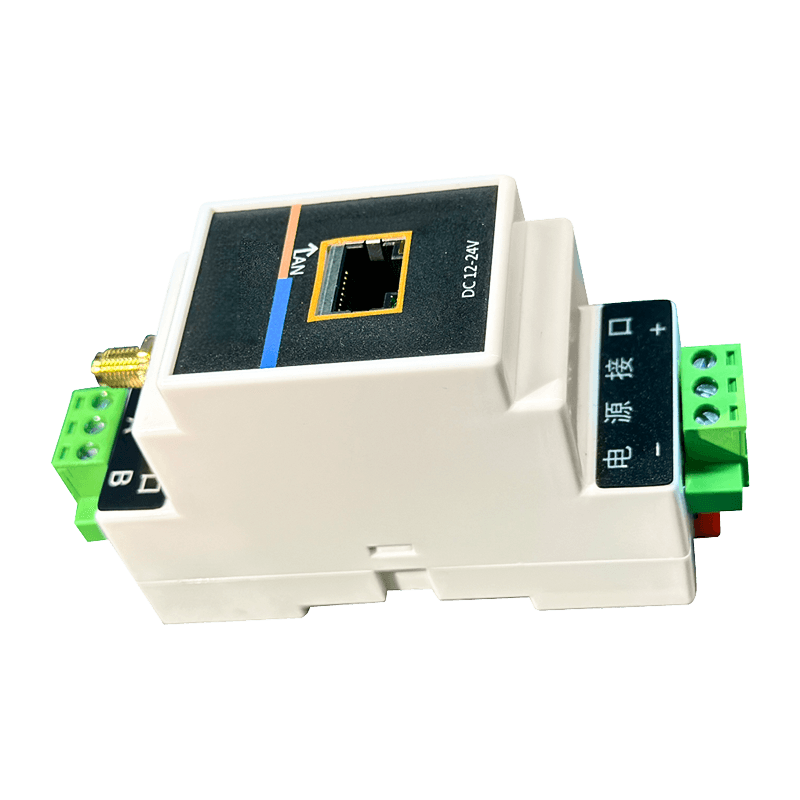
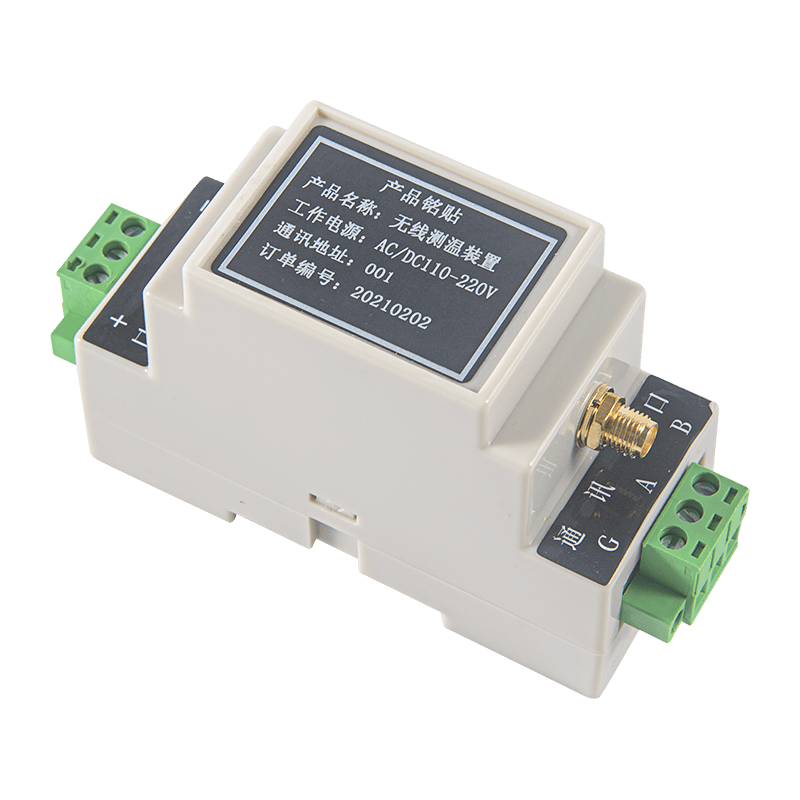
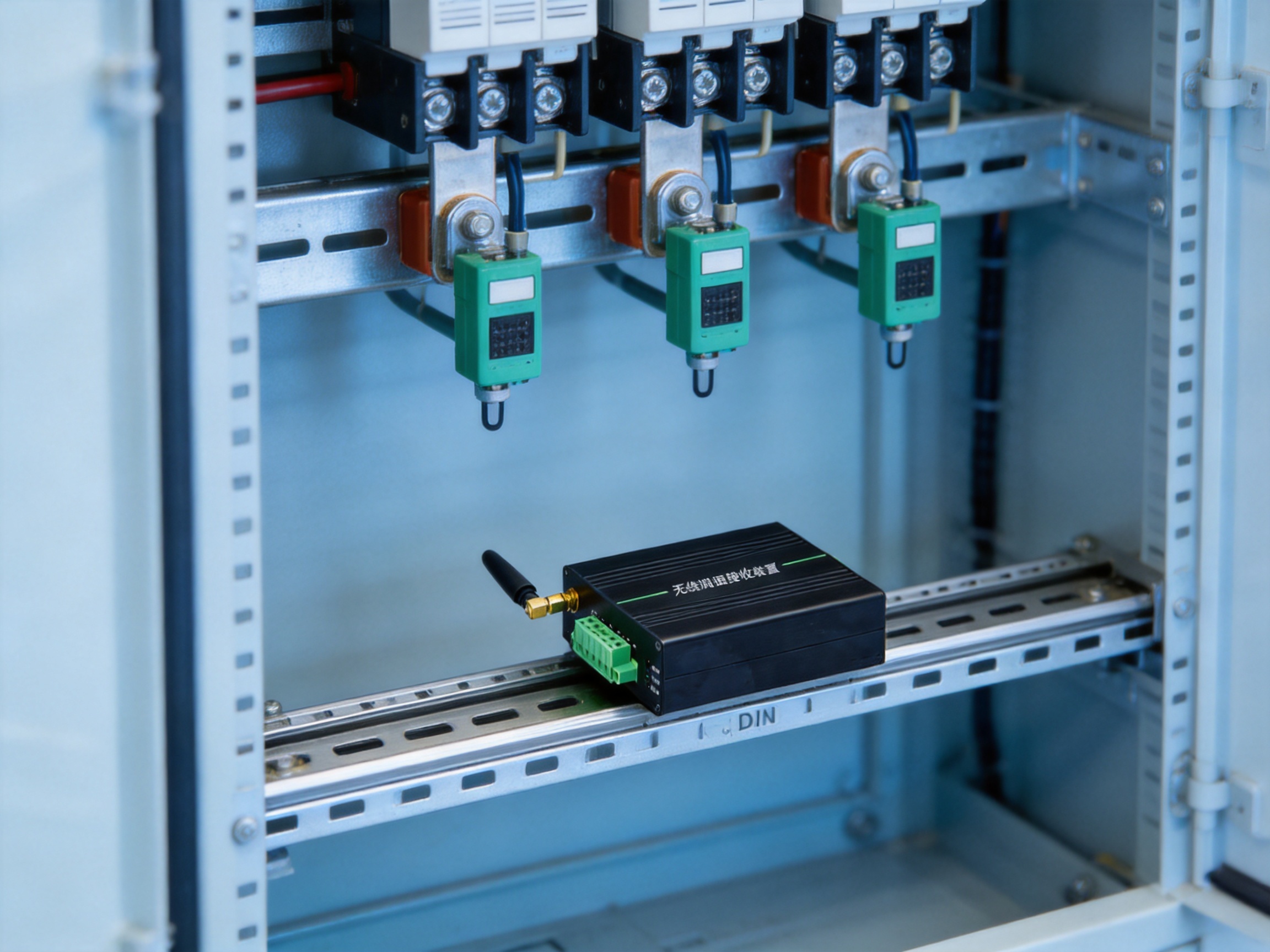
The KS30R-LORA provides a dedicated communication point that can be positioned according to the site’s radio layout. The device may be installed on a guide rail or by screws, giving system integrators flexibility when working inside control cabinets, electrical rooms, machine enclosures, and equipment panels.
A repeater also supports phased deployment. An enterprise can begin with a limited number of wireless temperature sensors and then expand monitoring coverage as new equipment is added. If a later expansion creates a communication gap, a repeater may extend the existing network without requiring a complete redesign of the monitoring system.
Improved Coverage Without Replacing the Monitoring Host
One advantage of a repeater-based architecture is that it can improve coverage while preserving the existing sensor and host arrangement. If the sensors and host are compatible with the repeater, the system integrator may only need to install the additional communication device in a suitable intermediate location. This can reduce disruption to operating equipment and simplify upgrades.
Compared with a system that depends exclusively on direct communication, a repeater network can provide more flexibility in large or irregularly shaped facilities. The communication path can be designed around walls, machinery, cabinets, and production zones rather than being limited to a single straight-line connection.
Reduced Cabling Requirements
Traditional wired temperature monitoring can provide stable communication, but it may require extensive cable routing. Cable installation can be challenging around high-voltage equipment, moving assemblies, hot surfaces, or existing infrastructure. Wireless communication reduces the amount of signal cable required at the monitored point, while the repeater helps maintain communication over a larger area.
The result is not necessarily a completely cable-free system, because the repeater requires AC220V power and may use local communication connections. Nevertheless, it can significantly reduce the need for long sensor-to-host signal cables. This can lower installation complexity and help preserve the physical organization of an industrial site.
Technical Specifications
| Parameter | Specification |
|---|---|
| Product model | KS30R-LORA |
| Product type | Rail-mounted wireless temperature measurement repeater |
| Primary function | Receive, amplify, and forward compatible wireless temperature data |
| Ambient temperature | -25°C to +85°C |
| Ambient humidity | Not more than 95% |
| Atmospheric pressure | 80 to 110 kPa |
| Altitude | Not more than 2,500 meters |
| Power supply | AC220V |
| Wireless frequency band | 433–510 MHz band; outdoor sensors listed at 470 MHz band |
| Transmission distance | Up to 200 meters in open conditions |
| Communication methods | TTL and RS485 |
| Default baud rate | 9600 bps |
| Data bits | 8-bit |
| Stop-bit specification | Listed as 0th in the supplied technical information; confirm configuration before commissioning |
| Verification method | None |
| Communication protocol | Standard MODBUS protocol, customizable |
| Installation | Guide rail installation or screw installation |
| Default antenna cable length | 1.5 meters, customizable as needed |
The technical specifications show that the KS30R-LORA is intended for industrial environments rather than ordinary indoor consumer applications. The -25°C to +85°C ambient range supports use in many electrical rooms, workshops, control cabinets, and outdoor-protected installations. The humidity specification of up to 95% and atmospheric pressure range of 80 to 110 kPa further indicate that the device is designed for a broad range of industrial operating conditions.
These environmental values do not eliminate the need for correct enclosure selection. If the repeater is installed outdoors, in a wet process area, or in a location exposed to dust, condensation, chemicals, vibration, or direct sunlight, the complete installation should include suitable protection. The repeater should be mounted according to the environmental requirements of the application, with attention to ventilation, grounding, power protection, and antenna positioning.
Frequency and Antenna Considerations
The listed wireless frequency range is 433–510 MHz, with outdoor sensors identified in the 470 MHz band. This frequency area is commonly used for industrial wireless communication, but permitted frequencies and transmission conditions vary by country and region. System designers should verify local radio regulations and ensure that the selected sensor, repeater, antenna, and host configurations operate within the approved range.
Radio frequency performance is strongly affected by antenna installation. The default antenna cable length is 1.5 meters, and the cable can be customized when required. This flexibility allows the antenna to be positioned away from a metal cabinet or placed at a more favorable elevation. In a factory environment, even a small change in antenna position can influence signal quality because nearby metal surfaces may reflect, absorb, or redirect radio energy.
The antenna should not be installed directly against a large metal surface unless the system design specifically supports that arrangement. It should also be kept away from high-current conductors, powerful motors, variable-frequency drives, and other sources of electromagnetic noise where practical. The antenna cable should be routed carefully, protected from mechanical damage, and kept within the recommended specifications.
For larger facilities, the communication plan should begin with a site survey. The survey can identify sensor locations, host locations, structural barriers, possible repeater positions, antenna routes, and areas of radio shadow. A repeater should be installed where it can communicate reliably with both the sensor network and the receiving host. Installing it at the midpoint of a building is not always the best solution; a higher position, an opening between rooms, or a location near a cable or equipment corridor may provide better results.
Installation Flexibility and Industrial Integration
The KS30R-LORA supports guide rail installation and screw installation. Guide rail mounting is suitable for control cabinets, distribution panels, automation cabinets, and standardized electrical enclosures. It can speed up installation and make replacement or maintenance more convenient. Screw installation provides an alternative for wall panels, machine frames, junction boxes, and locations where a standard rail is not available.
Installation should begin with a review of the system architecture. The integrator should identify which sensors communicate with the repeater, which host receives the forwarded data, which communication interface is used, and how the device will be powered. The AC220V supply should be connected by qualified personnel using appropriate protection and isolation. Power wiring should be separated from sensitive signal wiring where possible.
After installation, the system should be commissioned in stages. First, verify that the repeater powers on correctly. Second, confirm that it can receive data from the compatible wireless sensor. Third, check that the receiving host obtains the forwarded information. Finally, test the system under representative operating conditions, including equipment running states and normal sources of industrial interference.
MODBUS Compatibility
The listed communication protocol is standard MODBUS, with customization available. MODBUS is widely used in industrial automation because it is straightforward to integrate with programmable logic controllers, data acquisition systems, supervisory control and data acquisition platforms, industrial computers, and building or energy management systems.
Compatibility should not be assumed solely from the word MODBUS. The integrator should confirm the exact register map, device address, function codes, byte order, data scaling, temperature unit, alarm status format, and timing requirements. If the project uses a customized protocol, the required data structure should be agreed upon before production or deployment.
The default communication settings are 9600 bps and 8 data bits with no verification. The supplied technical information lists the stop-bit parameter as “0th,” which should be verified with the manufacturer or technical team before commissioning because serial communication devices normally require a clearly defined stop-bit configuration. Confirming this detail early can prevent communication errors during system integration.
Advantages Compared with Conventional Alternatives
Compared with Direct Wireless Communication Only
A direct wireless network without a repeater has a simple architecture and may be adequate for compact installations. Its limitation is that every sensor must maintain a dependable path to the host. When the plant expands or physical obstructions are introduced, communication quality can decline. The KS30R-LORA adds an intermediate route, allowing the system to overcome some distance and obstruction challenges.
The main advantage is deployment flexibility. Instead of moving every sensor or installing a longer cable, the integrator can position a repeater in a communication-friendly location. This is particularly valuable in retrofit projects where equipment positions are fixed and major construction work is undesirable.
Compared with Long Wired Sensor Runs
Long wired sensor runs can be stable, but they may involve significant cable, conduit, tray, labor, and inspection requirements. Wiring from high-voltage or remote equipment can also be difficult to modify. A wireless sensor and repeater arrangement can reduce the amount of field cabling and support more adaptable monitoring layouts.
The wireless approach is not automatically superior for every application. Wired systems may be preferred in areas with severe radio interference, strict cybersecurity policies, or existing cable infrastructure. The strength of the KS30R-LORA is its ability to provide a practical wireless communication route where wireless monitoring is appropriate and direct coverage is insufficient.
Compared with Consumer-Grade Wireless Extenders
Consumer wireless extenders are generally designed for office or residential networks, not industrial temperature measurement systems. They may lack the environmental range, industrial communication interfaces, MODBUS support, mounting options, and application-specific compatibility required by a plant monitoring project.
The KS30R-LORA is purpose-oriented for industrial sensor communication. Its AC220V power supply, RS485 and TTL communication references, industrial temperature range, customizable antenna cable, guide rail mounting, and MODBUS support make it more suitable for integration into equipment monitoring architectures than a general household network extender.
Compared with Replacing the Host
If a wireless host is unable to receive data from a remote sensor, replacing the host may be expensive and disruptive. A repeater can offer a more targeted response by extending or improving the communication route while retaining the existing host, provided that the devices are compatible. This approach can reduce the scope of system modifications.
Application Scenarios
Electrical Cabinets and Switchgear
Electrical cabinets and switchgear contain many potential heat sources, including busbar connections, cable terminals, circuit breakers, contactors, and other conductive joints. Temperature monitoring can help identify abnormal heating before it develops into a more serious equipment issue. Metal enclosures can also interfere with radio transmission, making a strategically installed repeater useful for connecting internal or nearby sensors to a host outside the cabinet area.
When deployed in an electrical room, the repeater can serve several cabinets or equipment sections, depending on the sensor network design and site radio conditions. The antenna should be positioned to support the required communication path, and the installation should comply with all applicable electrical safety procedures.
Transformers and Distribution Equipment
Transformers, bus systems, and distribution equipment may be spread across large rooms or outdoor substations. A repeater can help connect remote monitoring points to a centralized temperature host. The operating temperature range and flexible antenna cable support a variety of protected industrial locations, while the open-area transmission specification provides a starting point for network planning.
Outdoor applications require special attention to weatherproofing, condensation control, lightning protection, grounding, and local radio regulations. The repeater should be installed in an enclosure appropriate for the site, and the antenna should be selected and mounted for the environmental conditions.
Motors, Pumps, and Production Machinery
Temperature is a useful condition indicator for motors, pumps, gearboxes, bearings, and other mechanical equipment. Wireless monitoring can reduce the need to route cables to rotating or difficult-to-access assets. If the machinery is located behind barriers or at a considerable distance from the host, the repeater can help maintain the communication route.
In these applications, the system designer should consider vibration, heat, oil, dust, cleaning procedures, and machine movement. The repeater should be mounted in a stable, protected position rather than directly on a vibrating component unless the installation has been specifically engineered for that condition.
Smart Factory Networks
Smart factories depend on the collection of reliable equipment data. Temperature information can be combined with energy data, operating status, maintenance records, production information, and alarm events. The KS30R-LORA can contribute to this architecture by serving as a field communication node between wireless temperature sensors and the industrial host.
When integrated with a larger data platform, temperature information may support condition-based maintenance, abnormal heating alerts, asset health analysis, and production risk reduction. The repeater itself does not perform all these higher-level functions; instead, it helps ensure that compatible sensor data reaches the systems that provide analysis and visualization.
Energy Management and Equipment Condition Monitoring
Temperature is closely related to electrical losses, overload conditions, mechanical friction, poor connections, and equipment aging. A stable monitoring network can support more informed maintenance decisions. By extending wireless coverage, the repeater can make it easier to collect data from more assets across a plant.
For energy management projects, temperature data can be compared with load, current, voltage, operating schedules, and environmental conditions. For equipment condition monitoring, it can be analyzed alongside vibration, pressure, flow, or motor current. The repeater provides the communication link required for such data collection, while the final analysis depends on the host system and software platform.
Manufacturing and Engineering Strengths
ASY Electronics is a high-tech enterprise focused on smart factory development, data sensing, intelligent connectivity, and industrial data integration. Its product portfolio includes broadband power-line communication devices, wireless temperature monitoring systems, transmitters, flow meters, and automatic door controllers. This combination provides a broader industrial context for the KS30R-LORA.
A supplier with experience across sensing and connectivity can better understand the relationship between field devices, communication routes, industrial hosts, and application software. This is important because a repeater is not an isolated consumer accessory. It must operate as part of a complete system that includes sensors, antennas, power supplies, serial interfaces, communication protocols, and monitoring platforms.
Application-Oriented Product Development
The product’s specifications indicate an application-oriented design. Guide rail and screw mounting support common industrial installation practices. RS485 and TTL references address practical integration requirements. MODBUS support helps connect the device to established automation systems. A customizable antenna cable allows the physical installation to be adapted to different cabinets and equipment layouts.
These features demonstrate attention to the complete installation process rather than only the wireless radio function. In industrial projects, a product’s value depends on how easily it can be mounted, powered, configured, connected, tested, and maintained. A device that addresses these steps can reduce engineering effort and improve project consistency.
Data Sensing and Intelligent Connectivity
The company’s stated capabilities in data sensing and intelligent connectivity align closely with the function of the KS30R-LORA. Data sensing begins at the temperature sensor, but intelligent connectivity determines whether that data reaches the correct host in a usable form. A repeater helps bridge the distance between field sensing and centralized data processing.
This connectivity focus also supports customized solutions. Industrial facilities rarely share identical layouts or communication requirements. A project may need different antenna cable lengths, a customized MODBUS register arrangement, specific host integration, or a particular mounting method. The listed customization options suggest that the supplier can participate in project-level adaptation rather than providing only a fixed, off-the-shelf configuration.
Manufacturing Quality and Process Control
Reliable industrial communication equipment requires disciplined manufacturing processes. Although detailed factory certifications and line-by-line production procedures are not specified in the supplied information, the product category itself requires attention to electronic component control, printed circuit board assembly, soldering quality, enclosure assembly, power-supply safety, interface inspection, radio performance, and final functional testing.
For a product such as the KS30R-LORA, an effective manufacturing process should include incoming material inspection, controlled assembly, firmware or configuration management, electrical safety checks, communication testing, wireless transmission verification, environmental consideration, and traceable final inspection. These practices help reduce field failures and support consistent performance from one production batch to the next.
Manufacturing strength also includes the ability to manage customization without losing configuration control. If antenna cables, communication parameters, protocols, or mechanical arrangements are customized, each project must be documented and verified. Clear model identification, parameter records, test results, and shipping inspection can help ensure that the delivered unit matches the customer’s system requirements.
System Design Recommendations
A successful deployment begins with a communication survey. Record the locations of all sensors and the receiving host. Note the distance between devices, wall materials, metal structures, cabinet positions, machinery, high-current equipment, and possible antenna locations. Identify whether the host and sensors use the same compatible wireless frequency and protocol family.
Next, determine whether one repeater is sufficient. The 200-meter open-area figure does not account for industrial obstructions. A dense plant may require one or more repeaters, depending on the size and structure of the facility. Repeater placement should be validated through actual signal testing rather than distance calculations alone.
Power planning is equally important. The KS30R-LORA uses AC220V, so the installation should include an appropriate branch circuit, overcurrent protection, isolation, grounding, and maintenance access. If the equipment is part of a critical monitoring system, the project team should consider power interruption behavior and whether backup power is required at the plant level.
Communication parameters should be standardized before commissioning. Confirm baud rate, data bits, stop bits, verification method, device address, register definitions, polling interval, and protocol version. The default values can provide a starting point, but the final settings must match the host and system architecture.
A commissioning record should include the installation position, antenna cable length, frequency configuration, sensor associations, host address, communication test results, environmental conditions, and any observed signal limitations. This documentation improves future maintenance and makes it easier to diagnose changes in system performance.
Maintenance and Troubleshooting
Routine maintenance should begin with visual inspection. Check that the repeater remains securely mounted, that the antenna and cable are undamaged, and that the power connection is stable. Look for signs of overheating, condensation, corrosion, dust accumulation, loose terminals, or mechanical impact.
If the host stops receiving temperature data, first determine whether the issue affects one sensor or the entire network. A single-sensor problem may involve the sensor battery, sensor position, sensor configuration, or local obstruction. If multiple sensors stop communicating, inspect the repeater power supply, antenna connection, host connection, and communication parameters.
For serial communication problems, verify the interface type and wiring polarity. RS485 wiring should follow the required A/B or positive/negative identification for the particular system. TTL connections require careful attention to voltage levels and signal reference. Incorrect wiring can prevent communication or damage an interface.
For wireless problems, inspect the antenna position and cable. A cable that has been sharply bent, crushed, disconnected, or routed near a strong noise source may reduce performance. Temporary construction, newly installed machinery, metal partitions, or changed equipment positions can also alter the radio environment.
Firmware, protocol, and parameter changes should be documented. If the device is customized for a particular host or sensor family, unauthorized changes may cause compatibility problems. Maintenance personnel should retain the original configuration and record any replacement unit settings.
Purchasing and Project Evaluation Checklist
Before purchasing, confirm that the repeater is compatible with the exact wireless temperature sensors and receiving host used in the project. Compatibility should include frequency band, communication protocol, data format, addressing, and network behavior. A repeater cannot automatically connect devices that use different proprietary communication methods.
Confirm the power requirement. The stated supply is AC220V, and the project should verify whether the available site voltage, protective devices, and installation standards are suitable. If the device will be installed in a cabinet, check available space, rail type, ventilation, and antenna routing.
Confirm environmental conditions. The listed ambient temperature range is -25°C to +85°C, humidity is up to 95%, atmospheric pressure is 80–110 kPa, and altitude is up to 2,500 meters. If the installation exceeds these conditions or includes corrosive gases, heavy dust, high vibration, or water exposure, additional protection or a different configuration may be required.
Confirm the required interface and protocol settings. Ask for the specific RS485 or TTL connection definition, MODBUS register table, default address, stop-bit configuration, and customized communication options. The listed “0th” stop-bit description should be clarified before the order is finalized.
Finally, request project support for antenna selection, repeater quantity, placement, commissioning, and documentation. A technically suitable device can perform poorly if it is installed without considering the site’s physical and radio environment.
Frequently Asked Questions
What is the primary purpose of the KS30R-LORA?
The KS30R-LORA is a wireless temperature measurement repeater. It receives data from compatible wireless temperature sensors and forwards the information to a compatible temperature measurement host. Its primary purpose is to improve the communication route between field sensors and the host.
Is it a temperature sensor itself?
No. The product is primarily a wireless signal amplifier and repeater. It does not replace the temperature sensing element. It works with compatible wireless temperature sensors and a receiving host.
How far can the device transmit?
The listed transmission distance is up to 200 meters in open conditions. Industrial walls, metal structures, equipment, electromagnetic interference, antenna position, and local regulations can reduce the effective distance. A site survey is recommended for accurate planning.
What power supply does it use?
The stated working power supply is AC220V. The installation should use appropriate electrical protection, qualified wiring, grounding, and isolation procedures.
Which wireless frequencies are supported?
The listed wireless frequency range is 433–510 MHz, with outdoor sensors identified in the 470 MHz band. The exact frequency must match the compatible sensors and host and must comply with local radio regulations.
Can the antenna cable be customized?
Yes. The default antenna cable length is 1.5 meters, and customization is available as needed. The required length should be determined according to the cabinet layout, antenna position, radio environment, and project specification.
How can the repeater be installed?
The device supports guide rail installation and screw installation. Guide rail mounting is suitable for industrial cabinets and panels, while screw mounting can be used on walls, machine frames, enclosures, and other suitable surfaces.
Does it support MODBUS?
The supplied technical information specifies standard MODBUS support and indicates that the protocol can be customized. The exact register map, addressing, data format, and communication parameters should be confirmed for each project.
What are the default serial communication parameters?
The listed defaults are 9600 bps, 8 data bits, and no verification. The supplied information identifies the stop-bit setting as “0th,” so this parameter should be confirmed with the technical team before commissioning.
Can it be used outdoors?
It may be used in suitable outdoor-protected installations when the environmental conditions, enclosure, antenna, power protection, and local radio requirements are properly addressed. The repeater itself should not be exposed to conditions beyond its specified environmental limits without suitable protection.
How does it compare with a standard wireless network extender?
The KS30R-LORA is designed for industrial temperature monitoring systems and supports industrial mounting, AC220V power, listed TTL and RS485 communication, MODBUS integration, and compatible sensor-host communication. A consumer network extender may not provide these industrial functions or environmental characteristics.
Can one repeater cover an entire factory?
Coverage depends on factory size, construction, equipment layout, frequency configuration, antenna placement, and the number of obstructions. Some facilities may require one repeater, while larger or more complex sites may require several. A communication survey should determine the correct quantity and locations.
Does using a repeater eliminate all wiring?
No. The repeater requires AC220V power and may use local TTL or RS485 connections depending on the system design. However, it can reduce the need for long sensor-to-host signal cables and make wireless monitoring more practical in difficult areas.
What should be checked before ordering?
Confirm sensor and host compatibility, wireless frequency, protocol, power supply, mounting method, environmental conditions, antenna cable length, interface type, MODBUS details, and local regulatory requirements. These checks help ensure that the repeater matches the complete monitoring system.
Conclusion
The KS30R-LORA is a practical communication component for industrial wireless temperature monitoring. By receiving, amplifying, and forwarding compatible sensor data, it helps address the coverage limitations that can occur in large, enclosed, or metal-intensive industrial environments. Its value lies not in measuring temperature independently, but in strengthening the communication path that allows temperature information to reach the monitoring host.
Its main advantages include a 200-meter open-area transmission reference, a broad -25°C to +85°C operating range, AC220V industrial power, 433–510 MHz wireless operation, TTL and RS485 communication references, MODBUS support, guide rail or screw installation, and a customizable antenna cable. Compared with direct wireless communication alone, it provides greater network flexibility. Compared with long wired sensor runs, it can reduce installation complexity in suitable applications. Compared with consumer-grade wireless extenders, it is more closely aligned with industrial monitoring integration.
The product also benefits from the supplier’s wider capabilities in industrial sensing, intelligent connectivity, smart factory solutions, power-line communication, transmitters, flow measurement, and automatic control products. This broader engineering background supports a system-level approach in which sensing, communication, integration, and data utilization are considered together.
For the best results, users should conduct a site survey, verify compatibility, confirm radio and serial parameters, plan the antenna carefully, protect the AC220V power connection, and document the completed configuration. When properly selected and installed, the KS30R-LORA can become a reliable link between wireless temperature sensors and the industrial systems that depend on their data.
References
1. Product technical information for the KS30R-LORA rail-mounted wireless temperature measurement repeater, supplied by ASY Electronics.
2. Industrial wireless temperature monitoring system design and commissioning principles.
3. MODBUS application and serial communication integration practices.
4. Industrial radio-frequency planning, antenna placement, and wireless coverage assessment guidelines.
5. Smart factory equipment condition monitoring and industrial data integration concepts.