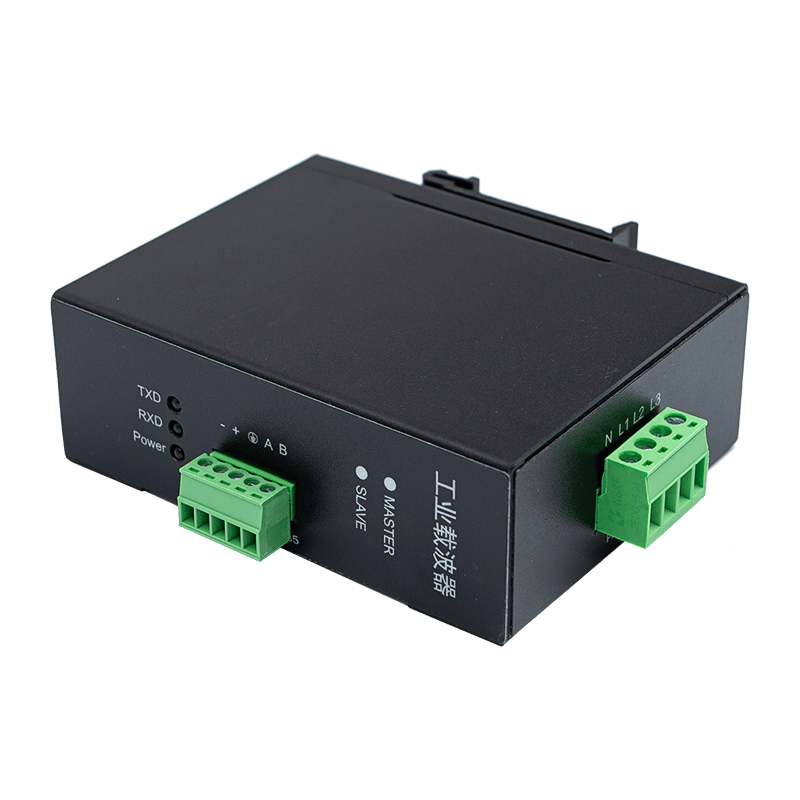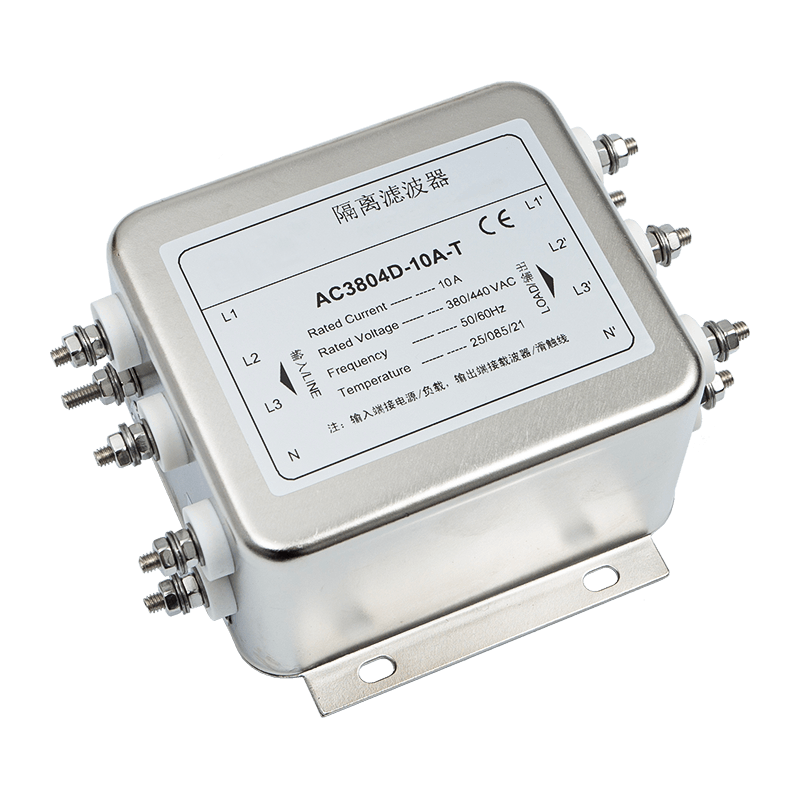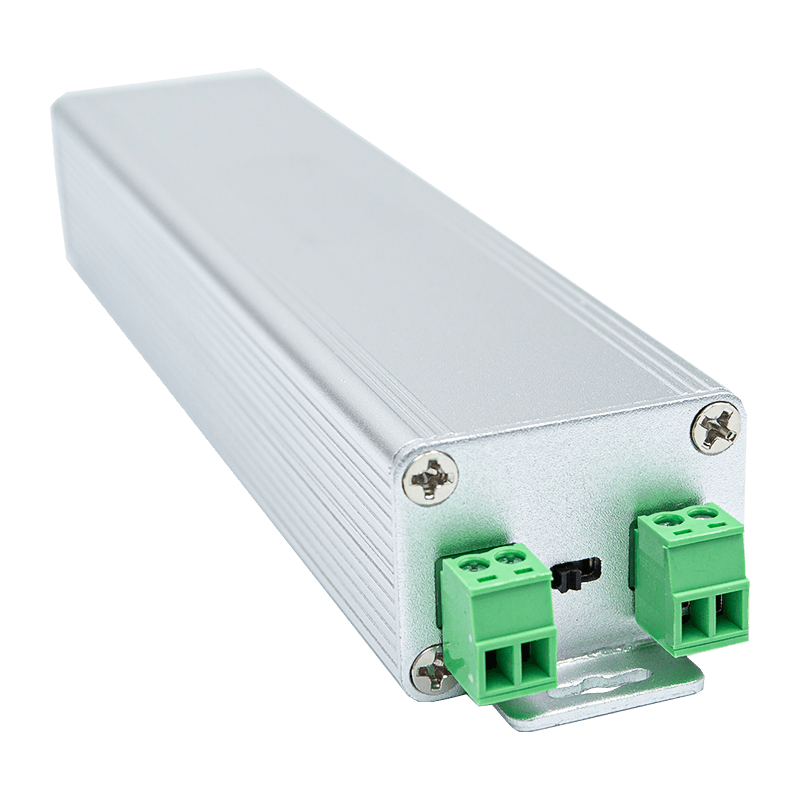


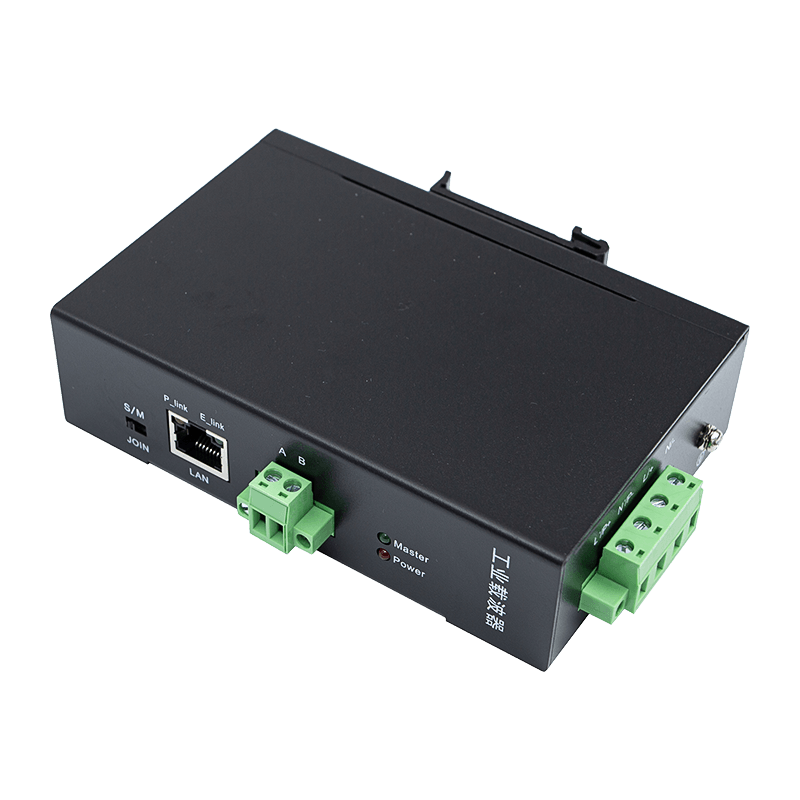
Modern industrial facilities increasingly depend on fast, dependable, and flexible communication between machines, controllers, sensors, gateways, drives, and supervisory systems. However, creating a new communication network inside an operating plant is often difficult. Installing dedicated Ethernet cabling may require production interruptions, extensive civil work, new cable trays, additional protection systems, and considerable labor. In mines, railway systems, logistics centers, parking structures, and other large industrial environments, cable installation can be even more complicated because equipment is distributed across long distances and exposed to vibration, dust, temperature changes, electrical noise, and high-voltage conditions.
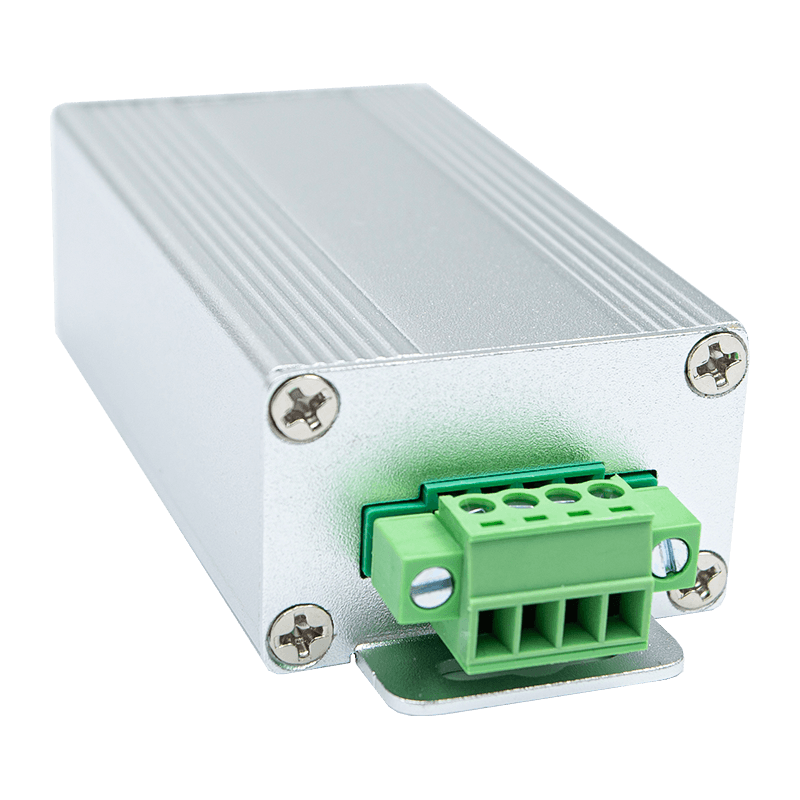
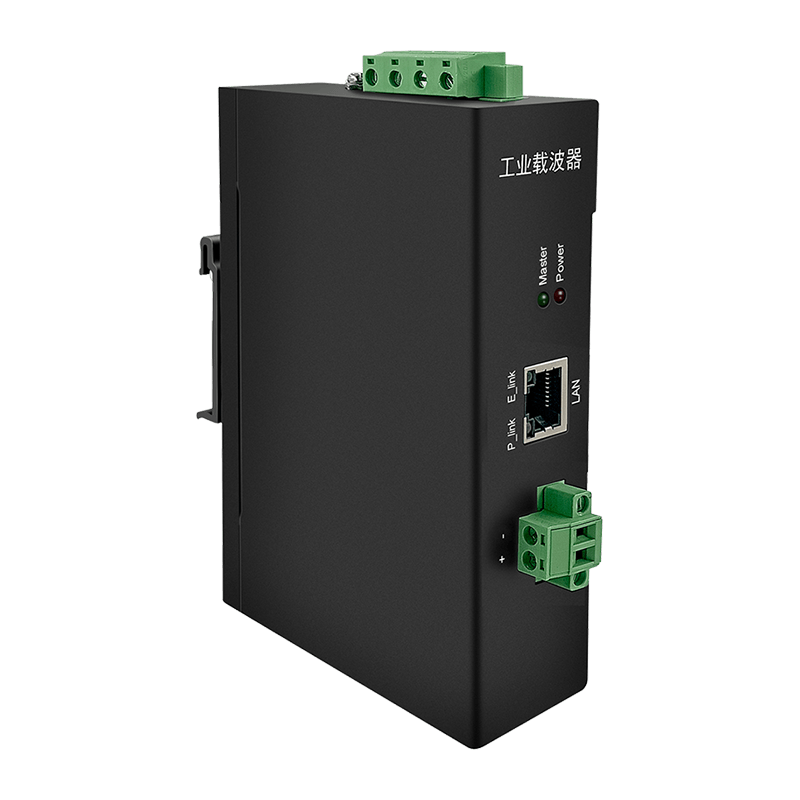
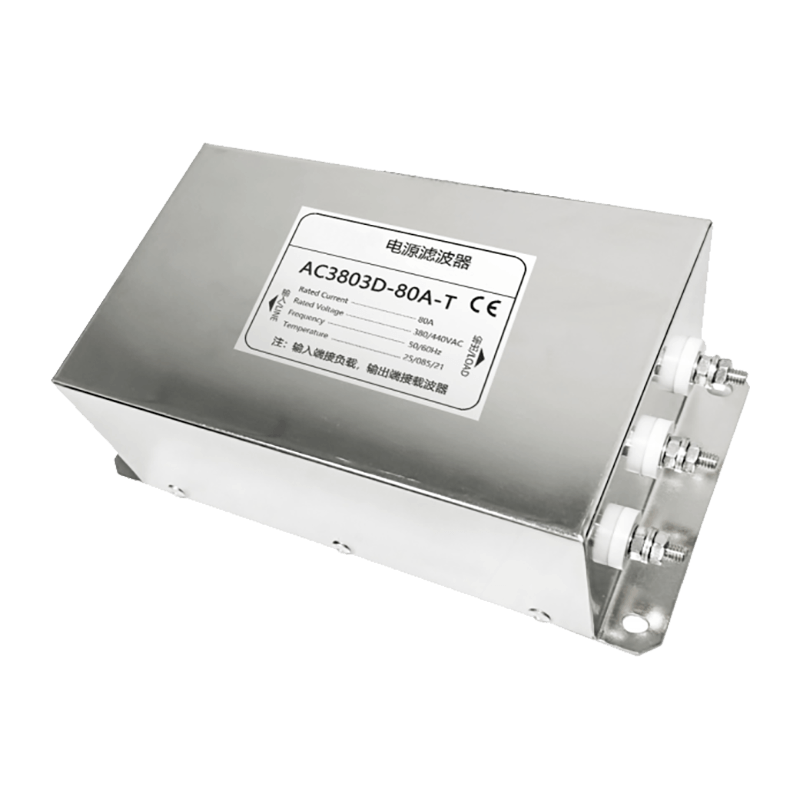
The Three-Phase Gigabit Broadband Power Line Communication Device, identified as the KS1000M, addresses these challenges by using existing power lines or sliding-contact power rails as the transmission medium. Instead of relying exclusively on newly installed data cables, the device allows industrial Ethernet data to travel through infrastructure that may already be available at the installation site. This approach can reduce deployment complexity while supporting high-speed, bidirectional, real-time communication for industrial applications.
Designed for industrial-grade operation, the KS1000M combines broadband power line communication, Ethernet transparency, automatic networking, AES-128-bit encryption, wide environmental tolerance, and rail-type installation in one compact device. Its stated maximum transmission bandwidth is 480 Mbps, while its Ethernet interface supports automatic adaptation from 10 Mbps to 100 Mbps and 1,000 Mbps. The device can transmit over power lines up to 800 meters and over coaxial cable up to 3,000 meters under appropriate conditions.
These capabilities make the product relevant to smart factories, industrial automation, smart grid infrastructure, mining, oil and gas facilities, railway and metro systems, warehouse automation, logistics sorting equipment, three-dimensional parking systems, and other applications in which communication must coexist with power delivery.
1. The Communication Challenge in Industrial Environments
Industrial communication networks differ significantly from office or residential networks. A factory network must often operate continuously, support equipment with different communication requirements, and tolerate conditions that would be unsuitable for standard commercial networking devices. Electrical motors, variable-frequency drives, relays, switching power supplies, welding equipment, and high-current loads can generate electromagnetic interference. Long cable routes may introduce attenuation and signal distortion. Mobile machinery may require communication through sliding contacts rather than fixed cables.
In addition, many industrial facilities contain a mixture of legacy equipment and new digital systems. Replacing all existing infrastructure is not always practical. A production line may already have power rails, three-phase distribution systems, or coaxial cable routes in place, while the equipment connected to them may need Ethernet connectivity for monitoring, control, video, diagnostics, or data collection.
Traditional network expansion methods can create several difficulties:
1. Dedicated Ethernet cables may be difficult to route through moving machinery or long-distance industrial structures.
2. New cable installation may require shutdowns, construction work, protective conduits, and additional maintenance resources.
3. Wireless networks can be affected by metal structures, electromagnetic interference, obstructions, reflections, and changing propagation conditions.
4. Commercial-grade communication products may not be designed for wide temperature ranges or continuous operation in harsh locations.
5. Separate power and communication systems can increase installation complexity and the number of components that must be maintained.
The KS1000M responds to these issues by using power-line communication technology to transmit data over existing electrical infrastructure. This does not eliminate the need for proper electrical engineering or network planning, but it can offer a practical alternative where conventional communication cabling is costly, difficult, or vulnerable.
2. Product Overview and Core Communication Technology
The KS1000M is a high-speed industrial power carrier communication device based on broadband power line communication technology. The product profile identifies IEEE P1901 and related HomePlug AV and HomePlug AV2 compatibility as part of its technology foundation. It uses orthogonal frequency-division multiplexing, commonly known as OFDM, to divide the available communication spectrum into multiple subcarriers.
OFDM is valuable in power line communication because power networks are rarely ideal communication channels. Different frequencies may experience different levels of attenuation, interference, and noise. By distributing data across many subcarriers, the communication system can adapt more effectively to channel conditions than a simple single-carrier approach. The result is improved resilience and more efficient use of the available frequency band.
The listed carrier frequency range is 2 to 68 MHz. Within this range, the device can transmit data through a power line or other supported conductive medium. The maximum stated transmission bandwidth is 480 Mbps. Actual throughput depends on cable characteristics, line length, electrical noise, network topology, connected devices, and operating conditions, but the bandwidth specification gives the product a strong position for applications requiring more than basic low-speed monitoring.
The product also supports Ethernet transparency. In practical terms, Ethernet packets can pass through the power line communication link without requiring application-specific conversion at every endpoint. This makes the system suitable for industrial protocols and applications that use standard Ethernet transport, including TCP/IP, UDP, PROFINET, and Modbus-TCP, subject to the requirements of the complete network design.
Transparent transmission is especially useful for integrators. Instead of creating a proprietary communication architecture, an engineer can connect an Ethernet device to the KS1000M and use the power line as the physical transmission path. The communication equipment remains largely independent of the upper-layer application, allowing the same hardware platform to support automation data, diagnostics, control information, industrial cameras, access systems, and other Ethernet-based services.
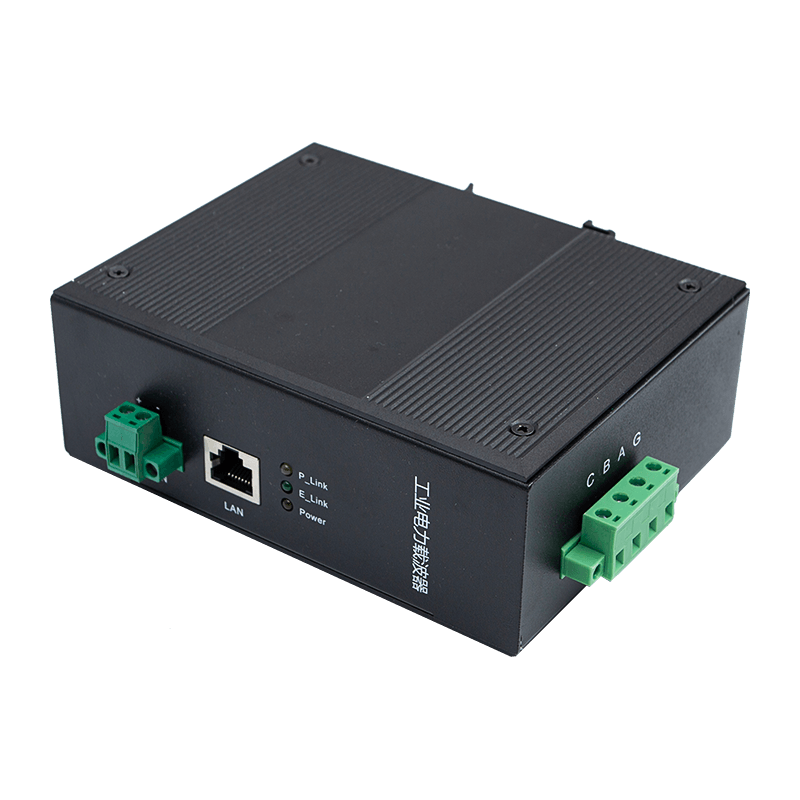
Three-Phase Gigabit Broadband Power Line Communication (PLC) Device
3. Main Technical Advantages
3.1 High-Speed Industrial Ethernet Connectivity
The KS1000M supports 10M/100M/1000Mbps Ethernet auto-negotiation and provides a maximum power line transmission bandwidth of 480 Mbps. This combination allows the device to serve both conventional control equipment and higher-bandwidth industrial applications. It is suitable for systems in which low-speed sensor data must share a network with configuration traffic, maintenance access, event records, or image-related information.
Many low-cost power line communication products are designed primarily for residential networking or simple data transfer. They may not provide the environmental tolerance, industrial protocol support, or installation flexibility required by a factory. The KS1000M is positioned differently. Its hardware and operating specifications are directed toward industrial communication, where stable connectivity and long-term operation are more important than consumer-oriented features.
3.2 Long-Distance Transmission
The product profile specifies a transmission distance of up to 800 meters over power lines and up to 3,000 meters over coaxial cable. This is valuable in geographically distributed systems, such as warehouse conveyors, railway infrastructure, parking garages, mine operations, and long production lines.
Long-distance communication through existing conductors can reduce the amount of new data cabling required. It can also help connect equipment located in areas where installing fiber or Ethernet cable is difficult. The actual distance must be evaluated for each project because conductor type, impedance, junctions, filters, loads, noise, and network topology all affect performance. Nevertheless, the stated range provides a strong basis for designing extended industrial networks.
3.3 Dual Power Supply Design
The KS1000M product information describes an MS-type version with a dual power supply concept. It can receive power through the dedicated power supply port or through the PLC channel port line. When the power supply port is used, the supported supply voltage is DC 12 to 48 V. When suitable conditions are present, the communication channel can also provide operating power.
This design improves installation flexibility. In some locations, a low-voltage DC supply is readily available near the communication cabinet. In other locations, the power line or sliding-contact rail is already present, while installing a separate low-voltage supply would add cost and complexity. The ability to select the most appropriate supply method can simplify system architecture and help integrators adapt the product to different equipment layouts.
Power-line voltage compatibility is application-dependent and must be reviewed carefully by qualified personnel. The product information lists supported AC and DC ranges for the PLC channel interface, including high-voltage power-line applications. Proper insulation, grounding, protection, isolation, and compliance with local electrical regulations remain essential.
3.4 Support for Power Lines and Sliding-Contact Cords
One of the product’s most useful distinctions is its support for both ordinary power lines and sliding-contact cord or rail-based communication environments. Sliding contacts are commonly used in moving systems, automated storage equipment, cranes, logistics machinery, parking systems, and other applications in which a fixed data cable cannot follow the moving equipment.
Communication over a sliding-contact power system can reduce the need for separate wireless equipment or flexible data cables. It also allows data to travel along the same general infrastructure that supplies power to the moving machinery. This makes the product particularly relevant to applications where movement, distance, and installation access are major design constraints.
3.5 Automatic Routing and Self-Organized Networking
The device includes a self-contained routing algorithm and supports self-routing and self-organized networking. These functions can reduce the configuration burden when multiple nodes are deployed across a facility. Depending on the network design, nodes can participate in bus, star, tree, or hybrid topologies.
Flexible topology support is important because industrial layouts are rarely uniform. A production line may use a linear bus arrangement, while a warehouse may require branches to separate zones. A railway or parking system may combine a trunk route with multiple local branches. The ability to accommodate different topologies gives system designers more freedom to match the network to the physical site.
Automatic networking does not replace engineering planning. Integrators still need to define node locations, assess line conditions, manage network segmentation, consider redundancy, and verify bandwidth requirements. However, self-organization can make deployment and expansion more efficient than a system that requires extensive manual configuration for every communication endpoint.
3.6 Data Security Through AES-128-Bit Encryption
The KS1000M supports AES-128-bit encryption. Industrial networks increasingly connect operational equipment to monitoring platforms, enterprise systems, remote maintenance tools, and cloud-based services. Protecting data as it travels through a shared electrical infrastructure is therefore an important consideration.
Encryption helps reduce the risk of unauthorized access to traffic transmitted across the power line communication network. It is one layer of a broader industrial cybersecurity strategy that should also include network segmentation, access control, secure credentials, device inventory, software maintenance, monitoring, and appropriate firewall policies.
Compared with an unprotected communication bridge, an encrypted power line communication device provides a stronger foundation for secure deployment. This is particularly relevant in smart grid, industrial automation, and infrastructure applications where operational data may be sensitive or where unauthorized commands could affect equipment behavior.
3.7 Multicast Capability
The device supports IGMP multicast protocols and lists a maximum of 64 nodes for multicast management. Multicast can be useful when the same data stream must reach multiple endpoints without sending an independent copy to every device. Potential applications include distributed monitoring, coordinated control information, synchronized displays, and selected industrial video or diagnostic traffic.
Multicast performance depends on the complete network architecture and the behavior of the connected switches, controllers, and applications. Nevertheless, built-in IGMP support provides a valuable feature for structured industrial networks that must distribute information efficiently.
3.8 Wide Operating Temperature Range
The listed operating temperature range is -40°C to 85°C. This broad range supports deployment in locations where equipment may be exposed to unconditioned environments, outdoor cabinets, railway systems, warehouses, utility areas, and industrial production zones.
The product also specifies operating humidity of 10% to 95% without condensation and a storage temperature range of -40°C to 85°C. These specifications are important for system planners because environmental conditions can vary substantially between a climate-controlled control room and a field cabinet near heavy machinery.
A wide temperature rating does not mean that every installation can ignore enclosure design. Airflow, thermal accumulation, condensation prevention, dust protection, vibration, and electrical clearance must still be considered. The value of the rating is that the device is designed for a substantially wider operating environment than ordinary office networking equipment.
3.9 Compact Rail-Type Installation
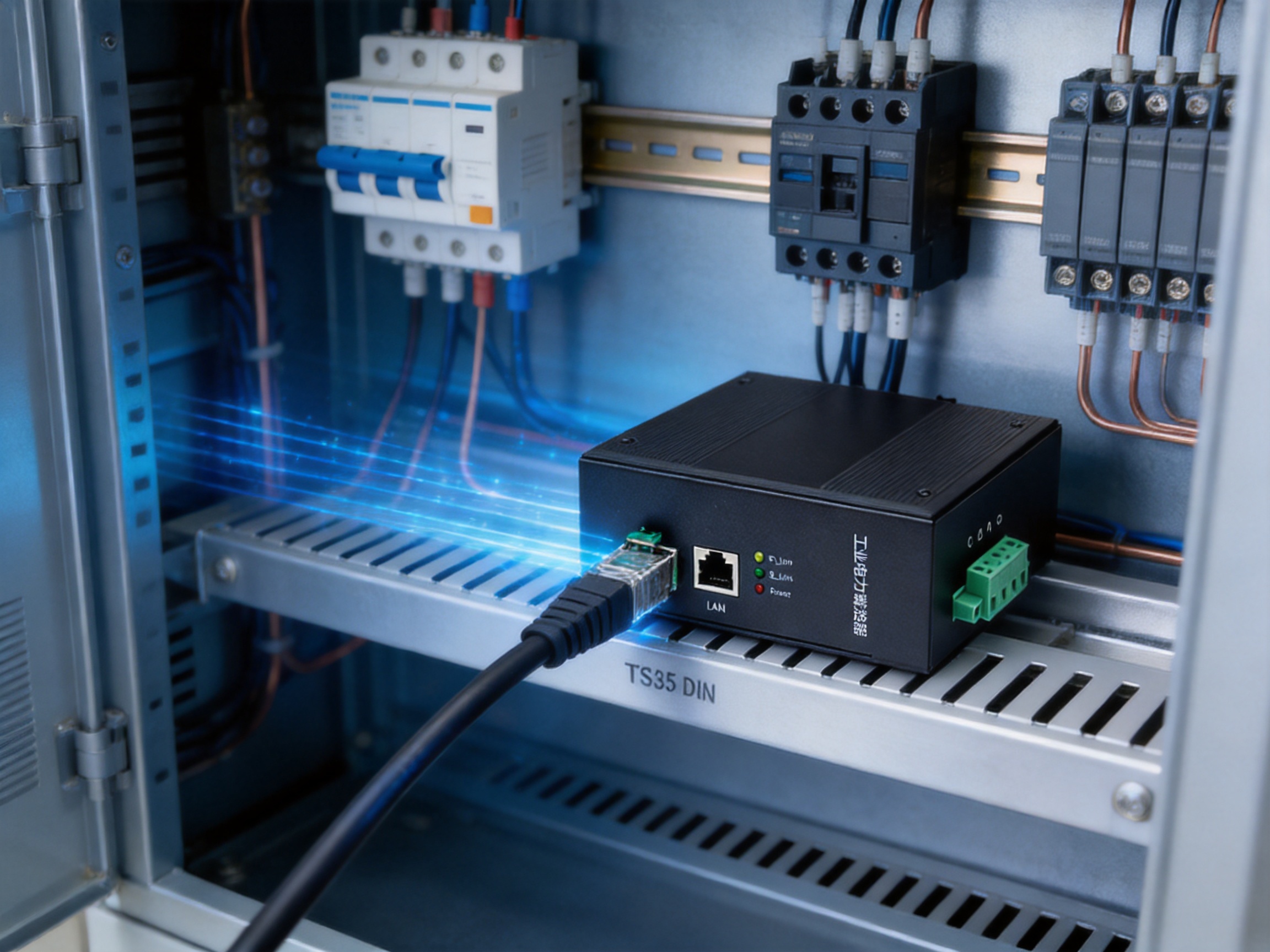
The device uses TS35 rail or TS35 steel rail installation. Rail mounting is widely used in control cabinets and industrial distribution systems because it saves panel space and simplifies replacement. A rail-mounted device can be installed near circuit protection, terminal blocks, PLCs, relays, and other automation equipment.
The stated dimensions of 105.2 × 53.5 × 136 mm provide a compact form factor for an industrial communication device with power-line interface functionality. Compact construction can simplify cabinet design, reduce wiring distances, and make service access more convenient.
4. Technical Specification Summary
Item |
Specification |
Product model |
KS1000M |
Communication technology |
Broadband power line communication using OFDM |
Ethernet interface speed |
10M/100M/1000Mbps auto-adaptation |
Maximum transmission bandwidth |
Up to 480 Mbps |
Transmission distance |
Power line up to 800 meters; coaxial cable up to 3,000 meters |
Carrier frequency |
2–68 MHz |
Modulation |
OFDM |
Encryption |
AES-128-bit |
Multicast |
IGMP support; maximum listed multicast nodes: 64 |
Power consumption |
5 W or less |
Operating temperature |
-40°C to 85°C |
Operating humidity |
10%–95%, non-condensing |
Storage temperature |
-40°C to 85°C |
Installation |
TS35 or TS35 steel rail mounting |
Dimensions |
105.2 × 53.5 × 136 mm |
Operating mode |
Industrial-grade, 24-hour continuous operation |
5. Advantages Compared with Conventional Alternatives
5.1 Compared with New Ethernet Cabling
Dedicated Ethernet cabling remains an excellent option when suitable cable routes are available. Fiber optic networks are particularly strong for long-distance communication, electrical isolation, and high electromagnetic immunity. However, installing new cable infrastructure may be expensive and disruptive. In an existing plant, cable trays may be full, machine movement may prevent fixed cable routing, and production schedules may limit access for installation work.
The KS1000M provides an alternative by using existing power conductors or sliding-contact systems. It can be attractive when the power infrastructure already reaches the required locations but a separate data network does not. This can reduce the need for additional cable routes and may allow communication upgrades to be completed with less physical modification.
The choice between power line communication, copper Ethernet, and fiber should be made according to the application. Power line communication is especially compelling where reuse of existing conductors, flexible deployment, and industrial environmental tolerance are high priorities.
5.2 Compared with Wireless Communication
Wireless networks can provide excellent mobility and flexible installation, but industrial wireless performance may be affected by metal structures, moving equipment, electromagnetic noise, signal reflections, and changing line-of-sight conditions. Wireless coverage may also require multiple access points, antennas, roaming configuration, and site surveys.
The KS1000M uses a guided transmission medium rather than open-air propagation. Where the power line or sliding-contact system is continuous and suitable for communication, the device can offer a more predictable physical path. It is therefore useful in applications where wireless signals are unreliable or where the same electrical route already serves the moving or remote equipment.
5.3 Compared with Low-Speed Power Line Products
Some power line communication products are intended for simple metering, low-rate sensor connectivity, or residential networking. Industrial automation often demands more bandwidth, greater environmental tolerance, stronger security, and broader protocol compatibility. The KS1000M combines a 480 Mbps maximum transmission bandwidth with gigabit Ethernet adaptation, industrial temperature support, rail installation, multicast management, and transparent Ethernet transmission.
This combination makes it better suited to integrated industrial networks than products designed only for basic low-rate data exchange. It can support a wider range of applications without forcing the system designer to deploy separate communication technologies for every class of device.
5.4 Compared with Point-to-Point Communication Devices
A simple point-to-point bridge may be adequate for connecting two isolated devices, but many industrial projects require multiple nodes and changing layouts. The KS1000M supports bus, star, tree, and hybrid network structures, along with self-routing and self-organized networking. This gives it greater potential for expansion and multi-node communication.
Network flexibility is a significant advantage for facilities that may add sensors, controllers, cameras, meters, or remote I/O units over time. A scalable communication platform can reduce the risk that an initial installation will become obsolete as the factory grows.
6. Application Areas
6.1 Smart Factories and Industrial Automation
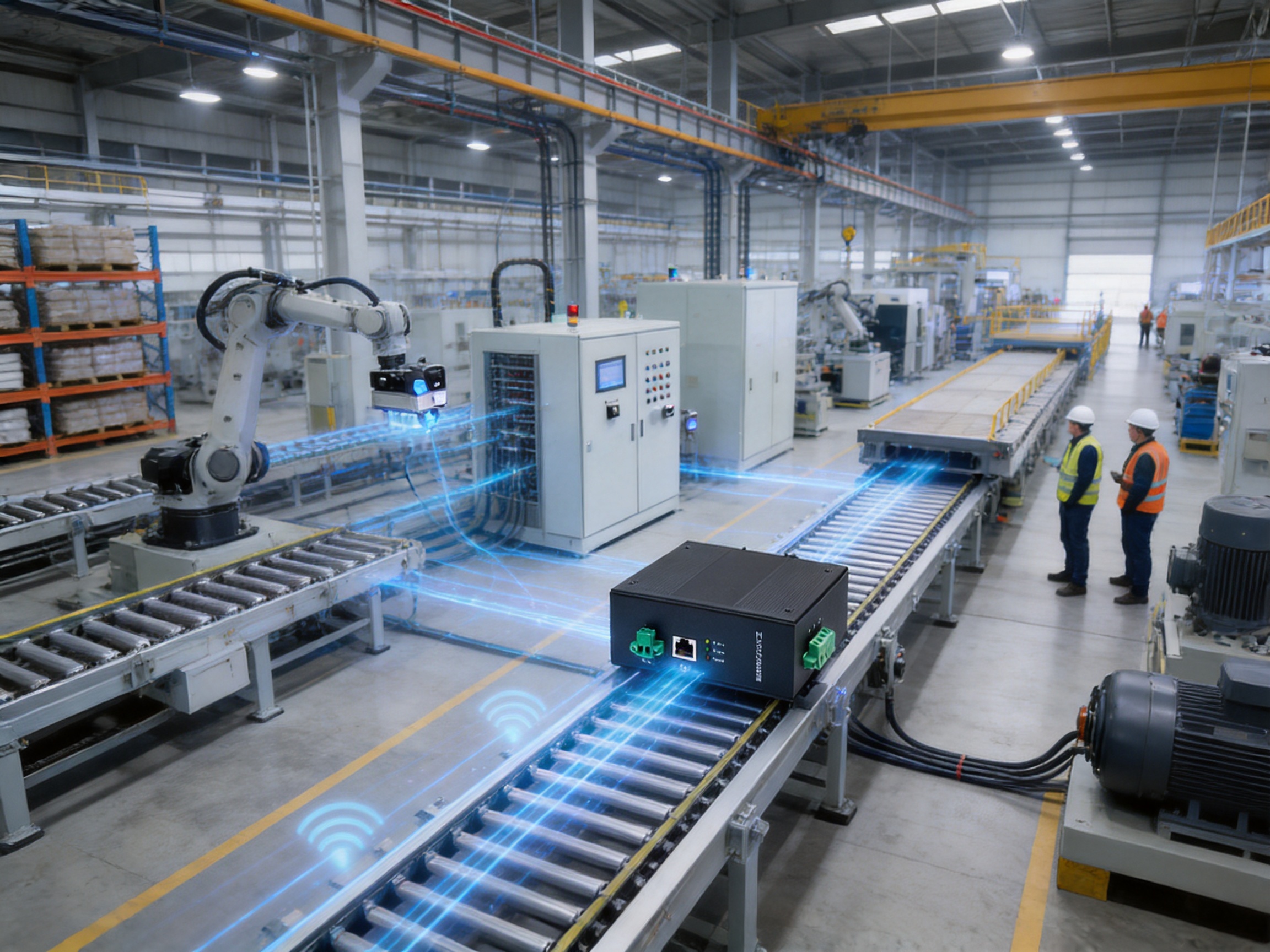
In a smart factory, machines must exchange production status, alarm information, control commands, energy data, and maintenance information. The KS1000M can connect Ethernet-based controllers, remote I/O systems, monitoring terminals, and edge computing equipment through existing power infrastructure.
Its transparent communication capability supports industrial protocols such as PROFINET and Modbus-TCP, making it relevant to automation architectures that rely on standard Ethernet transport. Engineers can use the device as a communication bridge between equipment zones, production cells, or remote control cabinets, subject to protocol timing and network performance validation.
6.2 Mines and Oilfields
Mines and oilfields often cover large areas and contain equipment located far from central control rooms. Installing communication cable can be difficult, while existing power lines may already follow the equipment layout. The wide operating temperature range and industrial construction of the KS1000M are valuable in these environments.
Potential uses include pump monitoring, conveyor communication, equipment diagnostics, remote control, environmental data collection, and integration of local control systems. Site-specific safety requirements, hazardous-area classifications, isolation requirements, and local regulations must be reviewed before installation.
6.3 Warehousing and Logistics Sorting
Automated warehouses and logistics sorting centers use conveyors, scanners, motors, sensors, and distributed controllers. Equipment may be arranged along long routes or moving structures, making dedicated data cabling complicated. Power line communication can provide a communication path that follows existing electrical distribution or sliding-contact systems.
The device’s high bandwidth, multicast support, and flexible network topology can help connect multiple sorting zones. Its rail mounting also makes it suitable for control cabinets distributed throughout a facility.
6.4 Three-Dimensional Parking Systems
Mechanical parking systems often include moving platforms, lifts, sensors, access controls, safety devices, and local controllers. Communication may need to travel through power rails or sliding contacts to reach moving equipment. A power line communication device can reduce the requirement for separate flexible data cables.
The combination of industrial temperature tolerance, compact rail mounting, and transparent Ethernet transmission supports the integration of access management, machine control, status monitoring, and fault reporting systems.
6.5 Railway and Metro Communication
Railway and metro infrastructure requires communication over long routes and in environments containing electrical equipment, metal structures, vibration, and temperature variation. The KS1000M can be considered for selected data communication tasks where an appropriate power or contact-line medium is available.
Possible applications include equipment status monitoring, station systems, tunnel equipment, maintenance data, and distributed control cabinets. Railway projects require rigorous system-level validation, including electromagnetic compatibility, safety classification, isolation, surge protection, and compatibility with the specific electrical system.
6.6 Smart Grid and Energy Management
Power line communication is naturally relevant to smart grid and energy management applications because the communication path can follow the energy distribution path. The KS1000M can help connect monitoring devices, controllers, gateways, and industrial Ethernet equipment in distributed energy environments.
Its encryption, automatic networking, and wide voltage interface options provide useful design features for structured industrial energy networks. The device can also support broader smart factory objectives by helping organizations collect equipment condition data and energy-use information through a unified communication infrastructure.
7. Manufacturing and Engineering Strengths
The product is supplied by ASY Electronics (JiaXing) Co., Ltd., a high-technology enterprise focused on smart factory development, data sensing, intelligent connectivity, edge-layer hardware, and industrial data integration. Its product portfolio includes broadband power line carriers, wireless temperature monitoring systems, industrial transmitters, thermal gas mass flow meters, and automatic door controllers.
This portfolio indicates a manufacturing and engineering focus that extends beyond a single communication product. The company’s products cover sensing, transmission, connectivity, and equipment control. Such a combination can be valuable to industrial customers that prefer to coordinate multiple layers of an automation project through one technology provider.
7.1 Hardware-Oriented Industrial Product Development
The KS1000M is an example of hardware designed for industrial deployment rather than office networking. Its wide temperature rating, low power consumption, rail installation, high-voltage channel interface, and continuous operating capability reflect the requirements of field equipment. Product development in this area requires attention to electrical design, thermal behavior, signal integrity, insulation, enclosure layout, protection circuits, connector reliability, and mechanical mounting.
Because power line communication must coexist with electrical power, the design process also requires careful consideration of coupling methods, impedance, noise rejection, surge protection, isolation, and compatibility with different cable conditions. The stated support for industrial applications suggests that the company’s engineering strengths are aligned with these practical field requirements.
7.2 Integration of Communication and Industrial Data
ASY’s stated mission includes industrial data integration and equipment condition monitoring. This is relevant to the KS1000M because a communication device is most valuable when it forms part of a complete data architecture. Connecting a machine is only the first step. The network must then deliver information to control systems, maintenance platforms, dashboards, energy management systems, or production databases.
Experience with data sensing and intelligent connectivity can help the supplier understand how communication products are used in real production environments. This perspective supports more practical product selection, system integration, and customization than a purely general-purpose networking approach.
7.3 Manufacturing Consistency and Quality Control Priorities
Although detailed factory process records are not included in the supplied product information, industrial communication manufacturing requires disciplined control at every stage. A strong production process should include controlled component sourcing, printed circuit board assembly inspection, firmware loading, connector and interface verification, power consumption testing, communication throughput testing, environmental evaluation, and final functional inspection.
For a device such as the KS1000M, production testing should pay particular attention to Ethernet negotiation, PLC link establishment, transmission stability, power supply behavior, encryption functions, multicast management, and operation across the specified temperature range. High-voltage interface products also require appropriate electrical safety tests and process controls.
These manufacturing priorities are important competitive strengths because field reliability depends not only on the circuit design but also on repeatable assembly and verification. Consistent production helps ensure that units installed in different locations behave predictably and that system integrators can scale projects without excessive device-to-device variation.
7.4 Application-Oriented Customization
Industrial customers often need more than a standard catalog product. They may require a particular power interface, mounting arrangement, communication topology, enclosure configuration, protocol environment, or network management method. A supplier that develops both hardware and industrial solutions can be better positioned to evaluate these requirements.
ASY’s range of communication, sensor, transmitter, flow measurement, and automatic door control products creates opportunities for coordinated solutions. For example, a smart factory project may combine power line communication with wireless temperature monitoring, industrial transmitters, energy measurement, and production data integration. A supplier with experience across these layers can help reduce interface complexity.
8. Deployment and Network Design Considerations
The KS1000M should be deployed as part of a complete electrical and communication design. Before installation, engineers should survey the power network, determine conductor types and lengths, identify electrical noise sources, inspect switching equipment, and confirm that the intended communication route is continuous.
Network planners should also determine whether a bus, star, tree, or hybrid topology best matches the facility. Node placement should consider bandwidth demand, line attenuation, maintenance access, cabinet temperature, grounding, and protection. If several nodes transmit high-bandwidth data simultaneously, the system should be tested under representative traffic conditions rather than evaluated only with a single endpoint.
When using the product with sliding-contact systems, the design should account for contact quality, mechanical wear, vibration, movement speed, transition points, and possible discontinuities. The physical condition of the contact system can directly influence communication stability.
High-voltage applications require special care. The voltage ranges listed for the PLC channel interface are not a substitute for site-specific safety engineering. Installation should be performed by qualified personnel using appropriate isolation, overcurrent protection, surge protection, earthing, creepage and clearance practices, and enclosure protection. The communication system must also be evaluated for compliance with applicable local and industry requirements.
Where the device is installed in an outdoor or unconditioned cabinet, engineers should evaluate heat dissipation, condensation, humidity, dust, and solar loading. The operating temperature specification provides a broad permissible range, but the actual temperature inside an enclosure may be higher than the surrounding air temperature.
9. Reliability, Maintenance, and Lifecycle Value
Industrial communication equipment creates value when it remains stable over the full operating life of the facility. The KS1000M’s industrial temperature range, low power consumption, continuous operation specification, and rail-mounted structure support long-term deployment planning.
Low power consumption of 5 W or less can be beneficial in installations containing many communication nodes. Lower heat generation may also simplify cabinet thermal management, particularly when multiple devices are installed in a compact enclosure. Rail mounting can reduce replacement time because technicians can access the device within the existing control cabinet layout.
Transparent Ethernet operation can simplify maintenance because technicians can use familiar network tools and protocols. Instead of maintaining a separate application-specific communication system, the power line link can function as part of the existing Ethernet architecture. This may reduce training requirements and make troubleshooting more accessible to industrial automation teams.
Maintenance planning should include inspection of electrical connections, review of link status, verification of network performance, and assessment of the physical power-line or sliding-contact environment. If communication quality changes over time, possible causes may include contact wear, newly installed electrical equipment, increased interference, cable modifications, or changes in network loading.
10. Contribution to Smart Factory Development
A smart factory requires reliable movement of data between the physical production environment and digital decision-making systems. Sensors collect information, controllers execute actions, edge devices process data, and management platforms analyze performance. The KS1000M contributes to this architecture by providing a communication path for industrial Ethernet devices over power infrastructure.
Its application can support several smart factory objectives:
1. Equipment condition monitoring through connected controllers and sensors.
2. Refined energy management by connecting meters and monitoring systems.
3. Production process optimization through faster access to machine data.
4. Reduced installation complexity by reusing existing power routes.
5. Better connectivity for moving equipment and distributed production cells.
6. More structured industrial networking through self-organized nodes and flexible topologies.
7. Improved protection of transmitted data through AES-128-bit encryption.
Communication infrastructure is often the foundation of digital transformation. If devices cannot exchange data reliably, analytics and automation systems cannot deliver their full value. By addressing the physical communication layer, the KS1000M can help industrial organizations progress from isolated equipment toward connected, measurable, and more responsive operations.
11. Why This Product Is a Practical Industrial Choice
The strongest value of the KS1000M is the way several capabilities are combined in one industrial platform. High bandwidth alone is not enough for a factory network. A practical product must also support the available electrical infrastructure, tolerate environmental stress, provide security, accommodate multiple network structures, and remain manageable by the maintenance team.
The KS1000M brings together:
1. Up to 480 Mbps power line communication bandwidth.
2. Gigabit Ethernet auto-adaptation.
3. Transmission through power lines and sliding-contact systems.
4. Up to 800 meters over power lines under suitable conditions.
5. Up to 3,000 meters over coaxial cable under suitable conditions.
6. OFDM-based communication across a 2–68 MHz carrier range.
7. Self-routing and self-organized networking.
8. Bus, star, tree, and hybrid topology support.
9. AES-128-bit encryption.
10. IGMP multicast support.
11. -40°C to 85°C operating temperature.
12. TS35 rail installation.
13. Low power consumption of 5 W or less.
14. Industrial-grade continuous operation.
For customers seeking a communication upgrade without completely rebuilding existing electrical infrastructure, this combination can offer a balanced alternative to conventional cabling and wireless-only solutions.

12. Frequently Asked Questions
Q1: What is the KS1000M designed to do?
The KS1000M is an industrial broadband power line communication device designed to transmit Ethernet data through existing power lines, sliding-contact cords, or suitable coaxial cable. It is intended for high-speed communication between distributed industrial equipment, controllers, monitoring systems, and network devices.
Q2: What is the maximum communication bandwidth?
The listed maximum transmission bandwidth is 480 Mbps. The Ethernet interface supports 10M/100M/1000Mbps auto-adaptation. Actual application throughput depends on the electrical medium, distance, noise level, network topology, and traffic conditions.
Q3: How far can the device transmit data?
The product information specifies up to 800 meters over power lines and up to 3,000 meters over coaxial cable. These values should be treated as design references. A project survey and field test are recommended because conductor characteristics and electrical interference can affect the achievable range.
Q4: Can the KS1000M work with moving equipment?
Yes. The product supports communication through sliding-contact cord or rail-based power systems. This makes it suitable for selected moving machinery, automated parking systems, logistics equipment, cranes, and other applications where a fixed Ethernet cable is difficult to use.
Q5: Which industrial protocols can it support?
The listed protocols include TCP/IP, UDP, PROFINET, and Modbus-TCP. Because the device provides transparent Ethernet transmission, the final supported application depends on the complete network, connected devices, timing requirements, and configuration.
Q6: Does it support network encryption?
Yes. The product supports AES-128-bit encryption. Industrial users should combine this feature with network segmentation, access control, secure credentials, monitoring, and other cybersecurity measures.
Q7: What network topologies are available?
The KS1000M supports bus, star, tree, and hybrid network topologies. It also includes self-routing and self-organized networking functions, which can help simplify multi-node deployment and expansion.
Q8: What environmental conditions can it tolerate?
The listed operating temperature range is -40°C to 85°C. Operating humidity is specified as 10% to 95% without condensation, and the storage temperature range is also -40°C to 85°C. Cabinet thermal design, condensation control, dust protection, and electrical safety remain necessary.
Q9: How is the device installed?
The device is designed for TS35 or TS35 steel rail installation. This enables mounting in industrial control cabinets, distribution panels, automation enclosures, and other rail-based equipment layouts.
Q10: Does the device require a separate power supply?
The MS-type design supports a DC 12–48 V power supply and can also obtain power from the PLC port line under suitable conditions. The exact power method depends on the selected version and the electrical design of the installation.
Q11: Is the product suitable for a smart factory?
Yes. Its Ethernet transparency, high bandwidth, industrial temperature range, flexible topology support, encryption, and compatibility with power-line infrastructure make it suitable for selected smart factory communication applications. System-level testing is recommended before full deployment.
Q12: What should be checked before ordering?
Customers should confirm the required device type, PLC channel voltage, power supply method, conductor type, transmission distance, network topology, Ethernet protocol, environmental conditions, mounting arrangement, and applicable electrical or industry standards. A project-specific technical review can help select the correct configuration.
13. Conclusion
The Three-Phase Gigabit Broadband Power Line Communication Device provides a practical method for extending industrial Ethernet through existing electrical infrastructure. By combining OFDM-based broadband communication, up to 480 Mbps transmission bandwidth, gigabit Ethernet adaptation, long-distance capability, dual power options, self-organized networking, AES-128-bit encryption, and industrial environmental performance, the KS1000M addresses many of the limitations associated with conventional network expansion.
Its support for power lines and sliding-contact systems is particularly valuable in factories, warehouses, mines, railway facilities, parking structures, and other environments where new Ethernet cabling is difficult or where equipment moves along powered routes. The rail-mounted form factor and low power consumption further support practical cabinet installation and maintenance.
ASY Electronics brings together industrial communication, data sensing, intelligent connectivity, transmitters, flow measurement, and automatic control products. This broader capability can support customers seeking more than a standalone communication component. It provides a foundation for integrated industrial IoT projects focused on equipment monitoring, energy management, production optimization, and smart factory development.
For the best results, the KS1000M should be selected and deployed through a complete engineering process that considers line conditions, electrical safety, environmental factors, bandwidth requirements, protocol behavior, and cybersecurity. When those conditions are properly evaluated, power line communication can become a reliable and cost-conscious bridge between existing industrial power infrastructure and the connected factory of the future.
References
1. IEEE P1901, Broadband Power Line Communication Networks: Technical Reference Framework.
2. IEEE 1901, Broadband over Power Line Networks: Medium Access Control and Physical Layer Specifications.
3. IEEE 1905.1, Convergent Digital Home Network Architecture.
4. IEEE 802.3, Ethernet Standards for Local and Metropolitan Area Networks.
5. IEEE 802.3u, Fast Ethernet Standard.
6. IEEE 802.3ab, Gigabit Ethernet over Copper Standard.
7. HomePlug AV and HomePlug AV2 Technical Specifications.
8. EN 50561, Power Line Communication Apparatus for Low-Voltage Installations.
9. Industrial Ethernet and Ethernet-Based Automation Protocol Practices.
10. Product technical information for the KS1000M industrial broadband power line communication device.