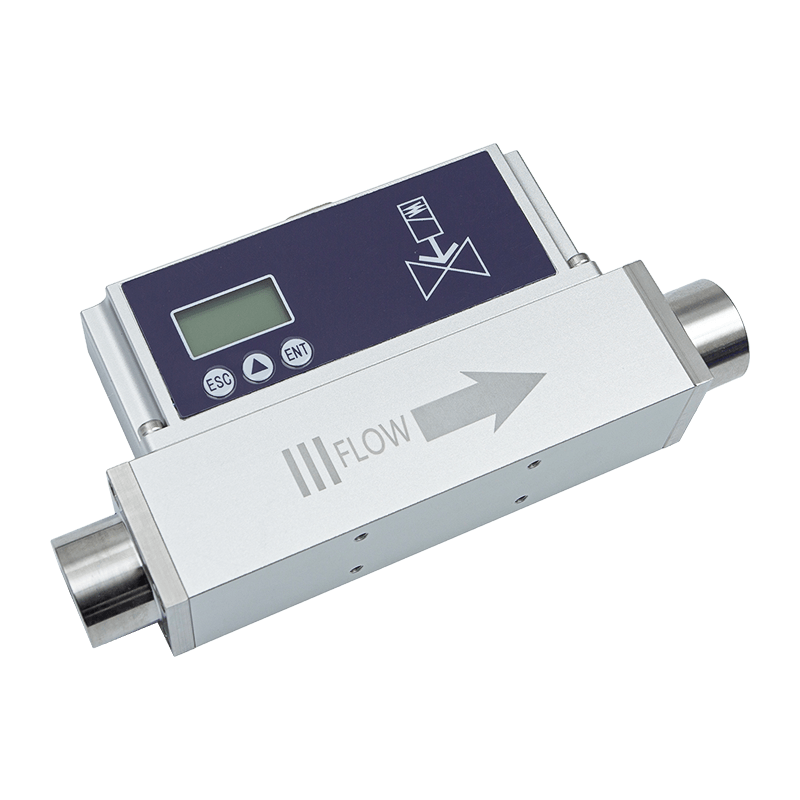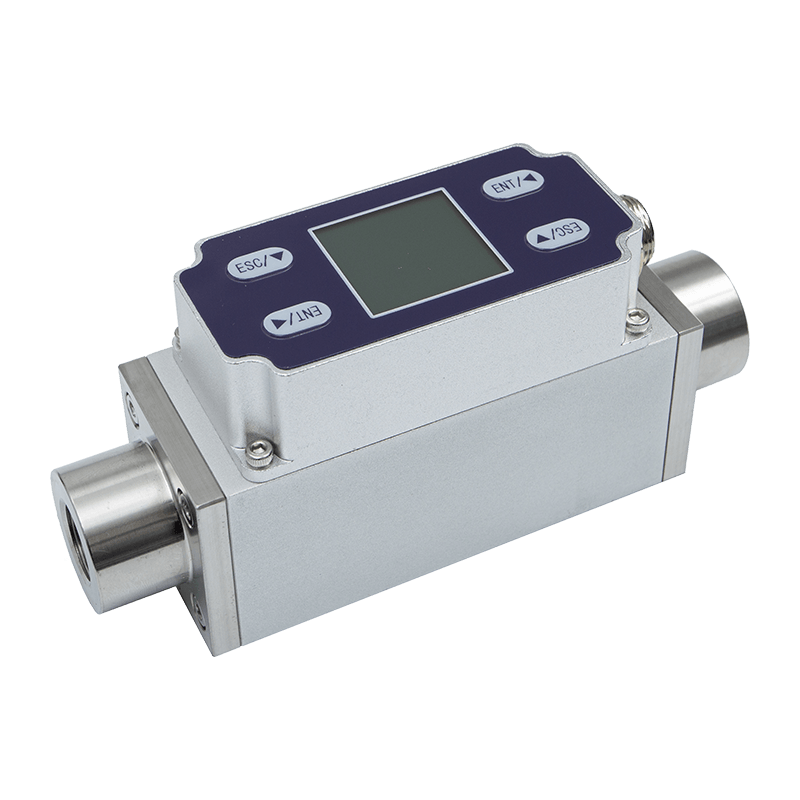


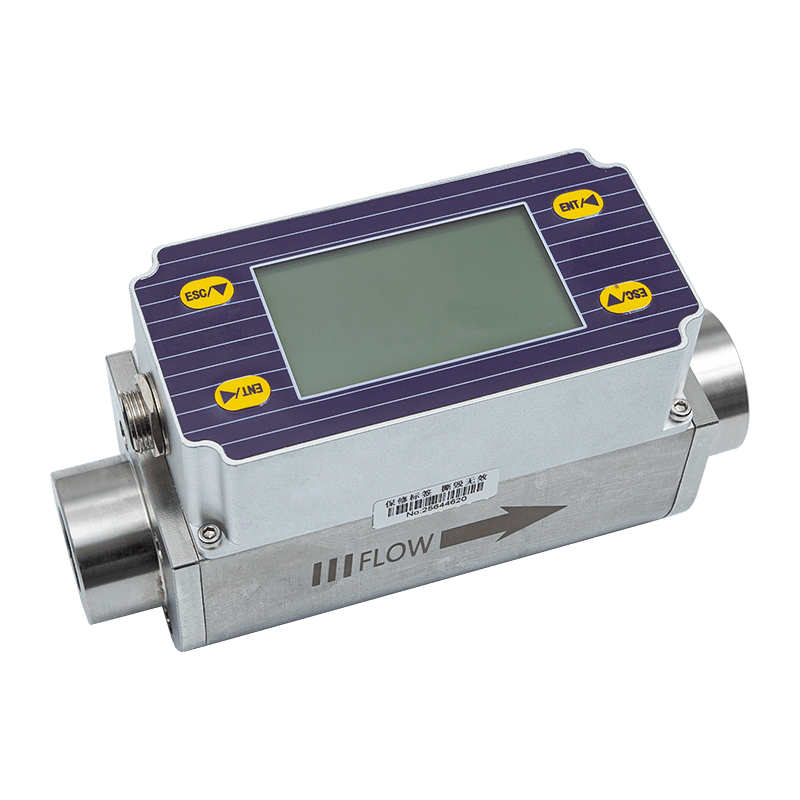
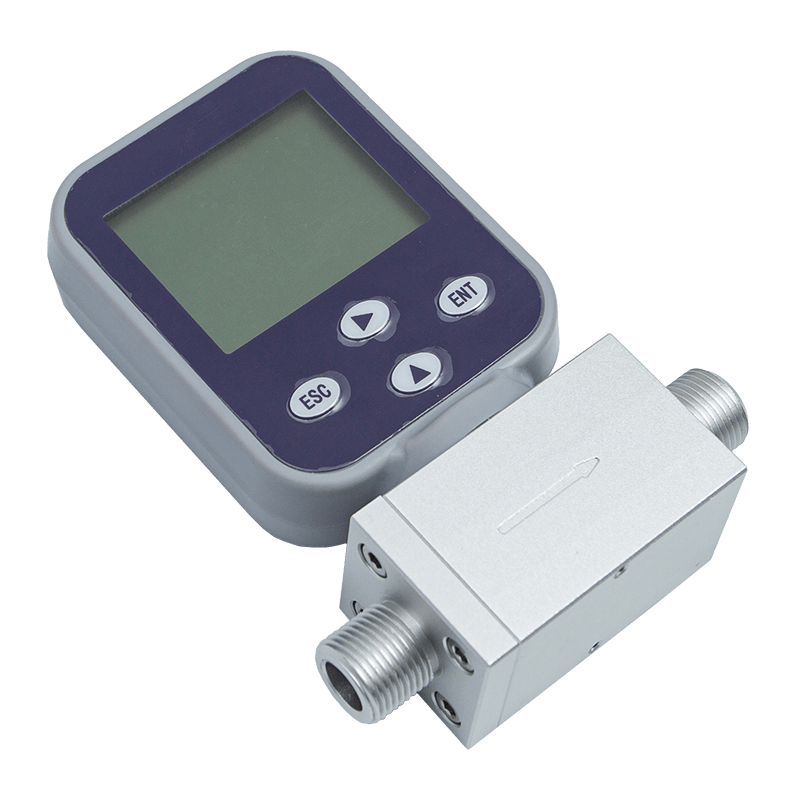
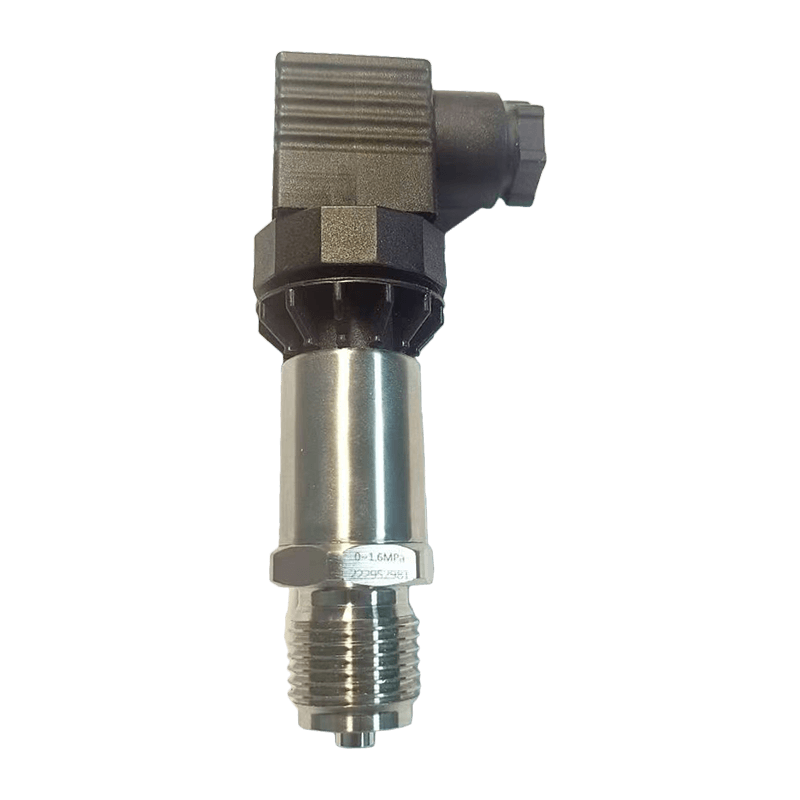
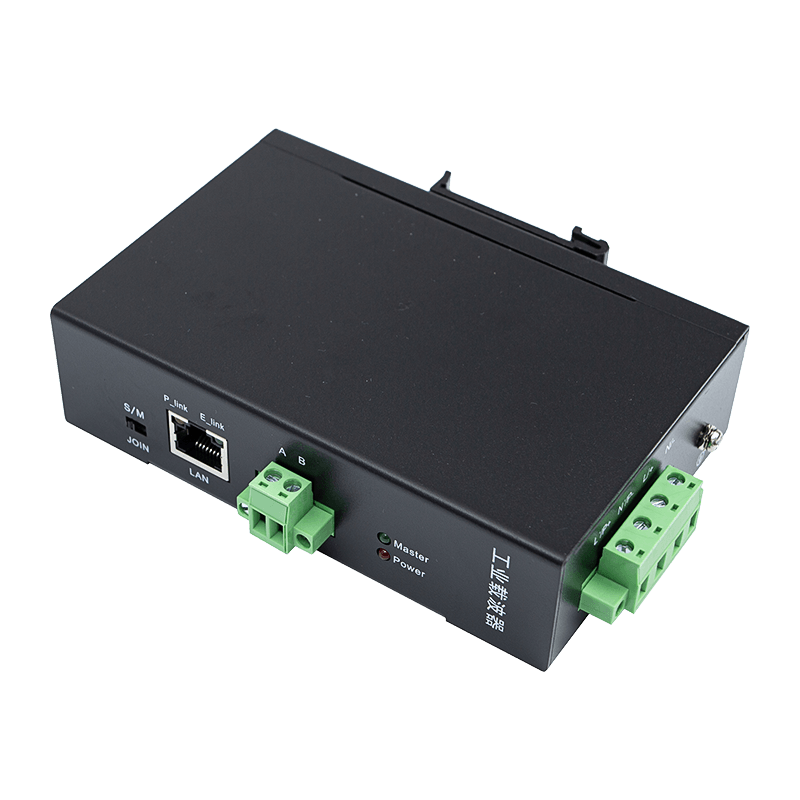
In modern industrial production, accurate gas flow measurement is no longer a secondary instrument function; it is a foundation for process quality, energy efficiency, safety, and digital management. The AI-FM high-precision thermal gas mass flow meter is designed for applications that require stable measurement of small-flow clean gases, fast response, simple integration, and dependable long-term operation. Built around a microelectromechanical system flow sensing chip, it offers high sensitivity, strong anti-interference capability, and reliable repeatability across its measurement range.
This product is positioned for industries where traditional volumetric or differential pressure flow meters may be too complex, too bulky, or too dependent on temperature and pressure compensation. Because thermal mass flow measurement directly reflects mass flow behavior, the AI-FM can reduce installation complexity and improve measurement confidence in many gas monitoring and control systems. It is suitable for air, nitrogen, oxygen, methane, argon, carbon dioxide, helium, hydrogen, propane, and other gases available through manufacturer consultation.
For manufacturers, laboratories, equipment builders, and automation integrators, the value of a gas flow meter is measured not only by accuracy, but also by practical usability. A flow meter must be easy to install, easy to read, compatible with industrial control systems, and capable of maintaining stable zero-point behavior over time. The AI-FM addresses these requirements through a standard mechanical interface, selectable analog signal output, RS485 communication with Modbus RTU protocol, LCD display for instantaneous and cumulative flow, and intrinsically safe explosion-proof certification.
High-Precision Type Thermal Gas Mass Flowmete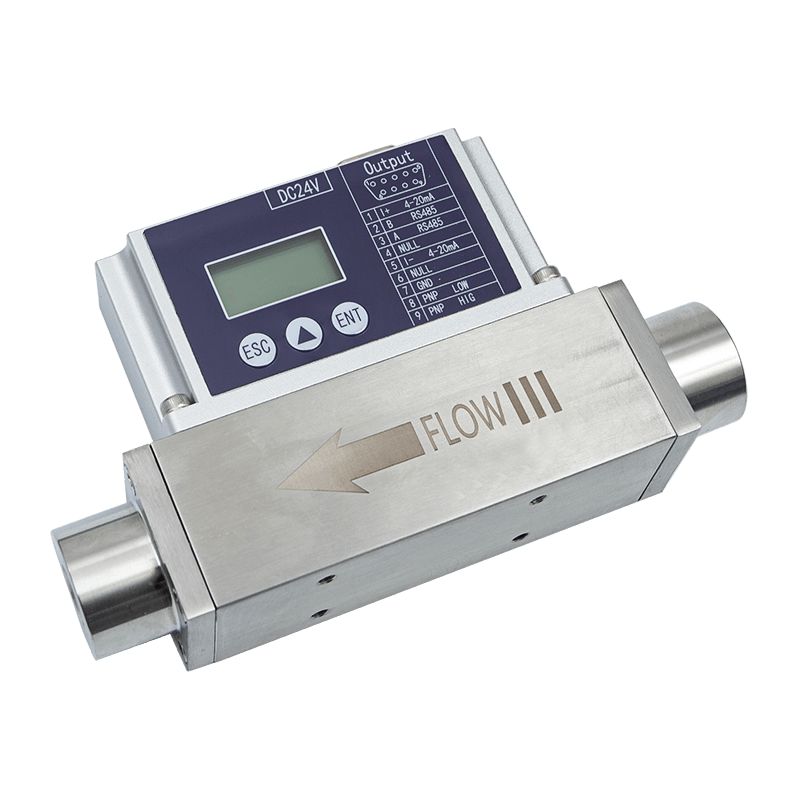
Product Overview
The AI-FM high-precision thermal gas mass flow meter is a compact industrial sensing instrument developed for measuring and controlling clean gas flow, especially in small-flow-rate applications. It uses an advanced MEMS flow sensing chip to detect gas flow with high precision and sensitivity. MEMS technology allows the sensing structure to be miniaturized, responsive, and capable of consistent performance when properly applied in clean gas environments.
The product operates on a DC 24 V power supply with low power consumption of 2.5 W, making it suitable for equipment panels, instrument cabinets, and automated production systems. It offers accuracy of plus or minus 1.0 percent of full scale, a response time of 50 ms, and a range ratio of 1:100. This combination makes it valuable for systems that must detect both low and high flow levels within a defined operating range.
The meter supports multiple output methods, including 4 to 20 mA current output and selectable 1 to 5 V, 0 to 5 V, or 0 to 10 V voltage output. It also supports RS485 communication using the Modbus RTU protocol, which is widely adopted in industrial control, monitoring, and data acquisition systems. For users who require switching functions, PNP output is also available as an option.
The device is designed for medium temperatures from minus 10 degrees Celsius to 55 degrees Celsius and storage temperatures from minus 10 degrees Celsius to 65 degrees Celsius. Its humidity tolerance is below 95 percent relative humidity, with no frost, ice, or condensation. Standard working pressure is up to 1.5 MPa, and 3 MPa can be customized. Mechanical connections include PT1/2 or G1/4 internal threads, while other thread interfaces can be customized to suit specific installation conditions.
Key Technical Specifications
Parameter |
Specification |
Practical Meaning |
Power Supply |
DC 24 V, 2.5 W |
Low power consumption for industrial cabinets and equipment integration |
Accuracy |
Plus or minus 1.0 percent of full scale |
Reliable precision for clean gas measurement and control |
Medium Temperature |
Minus 10 degrees Celsius to 55 degrees Celsius |
Suitable for common industrial indoor environments |
Working Pressure |
Up to 1.5 MPa; 3 MPa customizable |
Supports general compressed gas and customized higher-pressure applications |
Response Time |
50 ms |
Fast response for dynamic process monitoring |
Output Options |
4 to 20 mA, 1 to 5 V, 0 to 5 V, 0 to 10 V, RS485 Modbus RTU, optional PNP |
Flexible integration with PLCs, controllers, recorders, and IoT gateways |
Display |
Instantaneous flow and cumulative flow |
On-site operators can read real-time and total gas consumption |
Range Ratio |
1:100 |
Broad measurement capability within selected range |
Preheating Time |
3 to 4 minutes recommended |
Helps obtain optimal measurement stability |
Protection Level |
IP40 |
Suitable for protected industrial installation environments |
Pipe Diameter |
DN8 and DN15 available |
Supports compact small-flow gas pipelines |
Why Thermal Mass Flow Measurement Matters
Gas flow measurement can be performed using several methods, including differential pressure, turbine, vortex, ultrasonic, positive displacement, and thermal mass sensing. Each technology has its own strengths, but thermal mass flow measurement is especially attractive for clean gas applications where direct mass flow information, low-flow sensitivity, and compact installation are important.
A volumetric flow meter measures the volume of gas passing through a pipe. However, gas volume changes with temperature and pressure. In many applications, this means additional sensors and compensation algorithms are needed to obtain normalized or standard flow data. Differential pressure instruments can be robust and widely used, but they often require pressure loss, straight pipe sections, or impulse lines. Mechanical instruments may suffer wear or response limitations in low-flow applications.
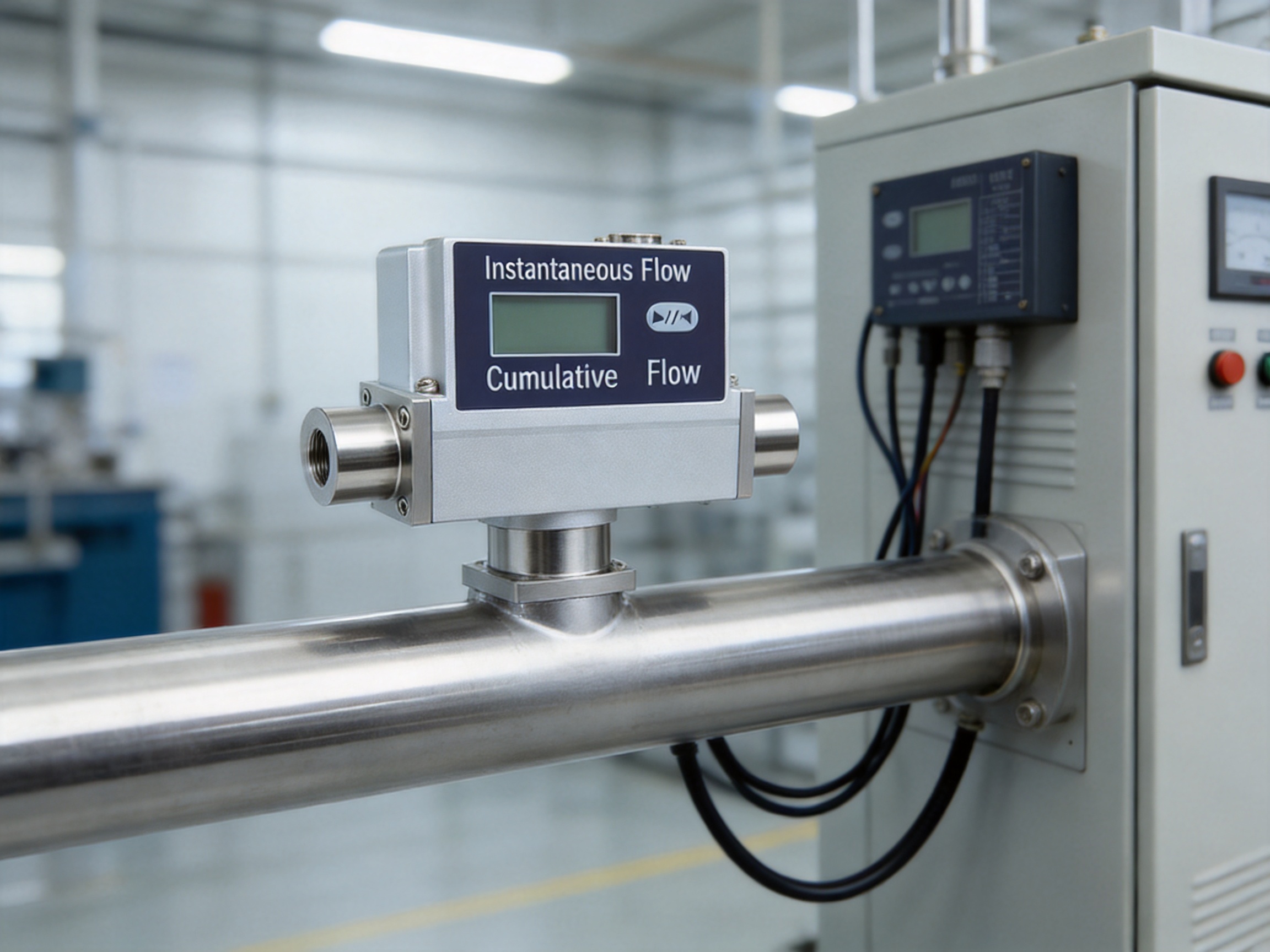
The AI-FM thermal gas mass flow meter helps simplify this situation. It is designed so users do not need temperature or pressure compensation in typical clean gas measurement scenarios. This is a major advantage for equipment manufacturers and plant engineers who want to reduce instrument count, simplify commissioning, and lower maintenance workload. The flow meter can provide instantaneous and cumulative flow information directly, making it useful for both process control and energy monitoring.
Thermal mass sensing is especially valuable when measuring gases such as air, nitrogen, oxygen, methane, carbon dioxide, argon, helium, hydrogen, and propane. In industrial production, these gases may be used for pneumatic systems, shielding, purging, drying, calibration, combustion control, laboratory instruments, semiconductor support systems, environmental testing, and process automation. Accurate monitoring helps reduce waste, identify leakage, maintain process repeatability, and support intelligent production management.
High-Precision MEMS Sensing Chip
At the heart of the AI-FM is a MEMS flow sensing chip. MEMS devices are manufactured using microfabrication techniques that allow mechanical sensing structures and electronic functions to be integrated at a very small scale. In flow measurement, this brings several important benefits: faster thermal response, improved sensitivity, compact structure, and good repeatability when the gas medium is clean and stable.
The sensor is designed for high precision and high sensitivity. This means it can detect small changes in gas flow and convert them into usable electrical signals for display, analog output, or digital communication. The specified response time of 50 ms is beneficial in systems where the gas flow may change rapidly, such as dosing control, valve testing, leak detection assistance, and automated equipment operation.
Another important characteristic is zero-point stability. In flow meters, zero drift can cause inaccurate readings when no flow is present or when the flow is very low. A stable zero point supports reliable low-flow measurement, reduces the need for frequent recalibration, and improves confidence in cumulative flow data. For small-flow clean gas systems, zero stability can be as important as full-scale accuracy.
The MEMS-based design also supports strong anti-interference capability. Industrial environments often include electromagnetic noise, vibration, power fluctuations, and nearby switching devices. A well-designed sensor and signal processing structure help maintain stable output under such conditions. This makes the product suitable for automated factories, gas supply panels, testing benches, and equipment manufacturing lines where measurement reliability is essential.
Advantages Over Conventional Flow Meters
Reduced Need for Compensation
One of the key advantages of the AI-FM is that it can serve as a practical replacement for traditional volumetric or differential pressure flow meters in suitable clean gas applications. Conventional volumetric measurement often requires additional temperature and pressure compensation to obtain accurate mass or standard flow values. This increases system complexity and introduces more points of possible error. The AI-FM provides mass flow-oriented measurement, helping users simplify their instrumentation architecture.
Compact Installation and Standard Interfaces
The product provides standard mechanical interfaces, including PT1/2 and G1/4 internal thread options, with other thread interfaces customizable. This gives equipment designers and maintenance teams more flexibility. DN8 and DN15 pipe diameter options support compact installations, which are common in analytical equipment, industrial test benches, automation modules, and gas distribution subassemblies.
Fast Response for Dynamic Processes
Some flow meters are suitable for steady-state flow but perform poorly when flow changes quickly. The AI-FM has a 50 ms response time, helping control systems detect changing gas conditions quickly. This is useful for valve actuation monitoring, process alarms, flow stabilization, gas injection systems, and closed-loop control applications.
Wide Signal Compatibility
Industrial users often have different signal requirements depending on their control architecture. Some need a 4 to 20 mA signal for long-distance analog transmission. Others prefer voltage signals for compact equipment electronics. Many modern factories require RS485 Modbus RTU for digital integration. The AI-FM provides these options, which makes it easier to integrate into both traditional automation systems and industrial IoT platforms.
Clear Local Display
The LCD display shows both instantaneous flow and cumulative flow. This feature is important because not every maintenance activity is performed from a control room. Technicians often need to verify flow locally during commissioning, troubleshooting, and routine inspections. A clear display reduces diagnostic time and helps operators compare instrument output with process behavior.
Intrinsic Safety for Demanding Environments
The product has intrinsically safe explosion-proof certification. In gas-related industrial environments, safety cannot be treated as an optional feature. Intrinsic safety design supports applications where electrical energy must be controlled to reduce ignition risk. This advantage improves the suitability of the flow meter for industries and systems requiring higher safety assurance.
Industrial Application Scenarios
The AI-FM is suitable for measuring and controlling small-flow-rate clean gases. Its combination of precision, response speed, communication flexibility, and compact installation makes it relevant across multiple industrial scenarios. It can be applied in gas consumption monitoring, automated equipment, laboratory systems, industrial environmental control, process gas management, and intelligent factory data acquisition.
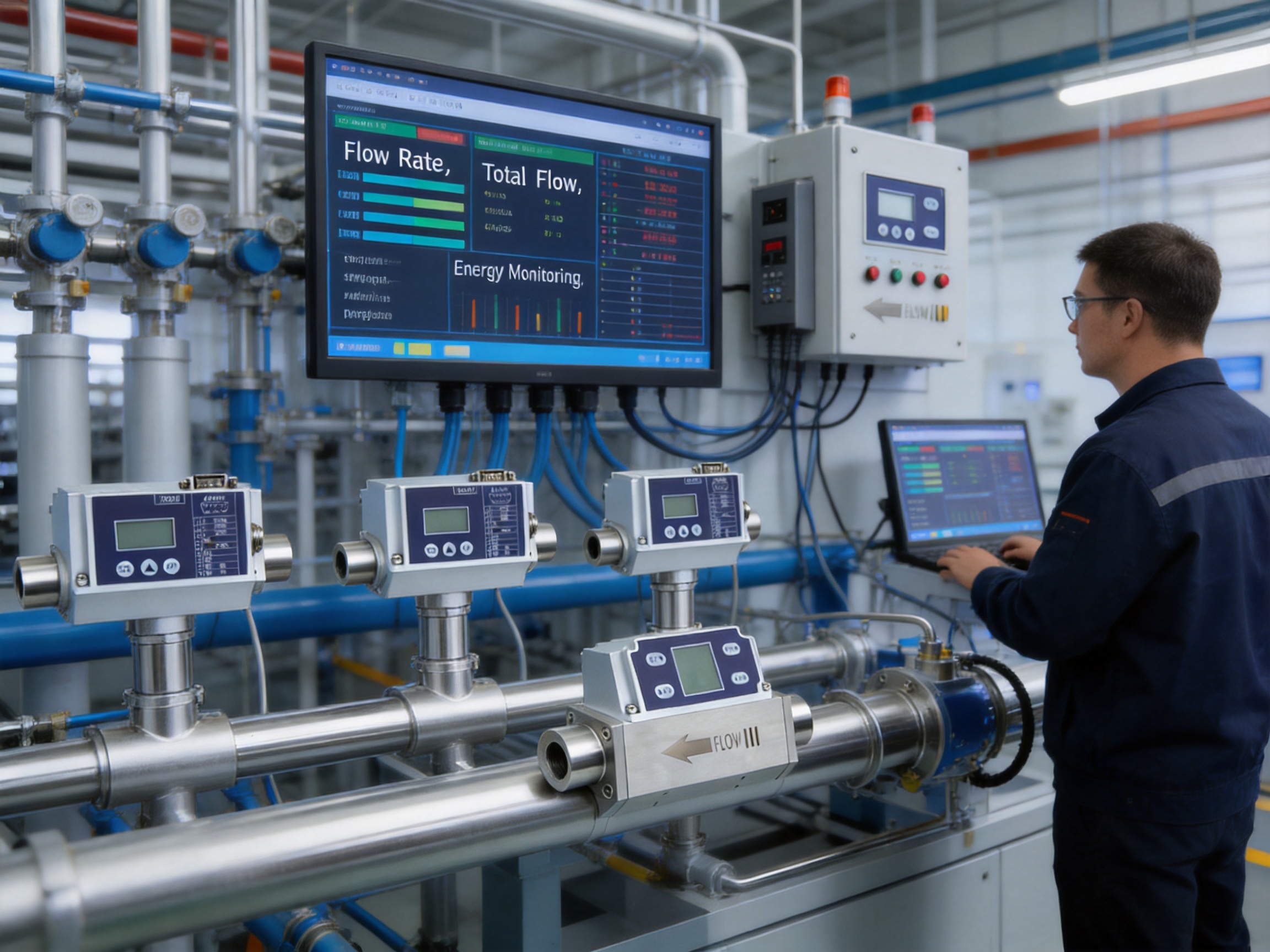
In compressed air monitoring, the meter can help identify abnormal gas consumption and improve energy management. Compressed air is one of the most expensive utilities in many factories, and small leaks or inefficient equipment can create significant operating costs. By measuring flow at machine-level or line-level positions, users can collect data for refined energy management and production optimization.
In nitrogen and argon systems, accurate flow measurement supports purging, shielding, and inerting processes. These gases are often used to protect products from oxidation or contamination. Stable flow control helps improve product quality and reduce gas waste. For equipment builders, integrating a compact thermal mass flow meter can improve the value and intelligence of their machines.
In oxygen and carbon dioxide applications, flow monitoring can support laboratory equipment, environmental chambers, gas mixing systems, and process control. Accurate gas flow data helps maintain consistent experimental and production conditions. The availability of analog and digital outputs allows the instrument to be connected to controllers, data loggers, and supervisory systems.
In hydrogen, methane, and propane applications, measurement must be combined with proper safety design. The AI-FM intrinsic safety certification is especially relevant when measuring gases that may require strict safety precautions. Users should always select the correct model, installation method, and safety standard according to the gas, location, pressure, and regulatory requirements.
In industrial automation, the fast response time and Modbus RTU communication make the meter useful for machine builders who need real-time data. A PLC or edge gateway can collect flow values, cumulative totals, status information, and alarm conditions. This supports preventive maintenance, production traceability, and intelligent energy analysis.
Designed for Smart Factory Data Integration
Modern factories require instruments that do more than display a number. Measurement devices increasingly serve as data sources for digital production systems. The AI-FM aligns with this trend by supporting RS485 communication using the Modbus RTU protocol. This communication format is mature, widely supported, and suitable for connecting multiple devices in industrial environments.
Through Modbus RTU, flow data can be integrated into programmable logic controllers, distributed control systems, human-machine interfaces, energy management systems, and industrial IoT gateways. This allows gas consumption and process flow data to become part of a broader factory information model. Users can analyze gas use by production line, equipment type, process recipe, shift, batch, or maintenance status.
When combined with intelligent data platforms, the flow meter can help identify abnormal flow patterns. For example, unexpected flow during machine standby may indicate leakage. A sudden decrease in flow may indicate clogged filters, supply pressure issues, valve malfunction, or process interruption. Cumulative flow can support cost allocation, preventive maintenance, and consumable management.
This capability matches the broader direction of advanced manufacturing: more sensors, better connectivity, and data-driven decisions. Instruments such as the AI-FM are not isolated measuring devices; they are foundational nodes in an intelligent industrial ecosystem. Their reliability and communication compatibility directly influence the quality of operational data.
Manufacturing Strengths Behind the Product
ASY Electronics is a high-tech enterprise focused on building future-oriented smart factories through data sensing and intelligent connectivity. The company develops edge-layer hardware products and industrial data integration solutions for equipment condition monitoring, refined energy management, and production process optimization. This background gives the AI-FM a strong foundation: it is not only a flow meter, but also part of a broader industrial sensing and connectivity portfolio.
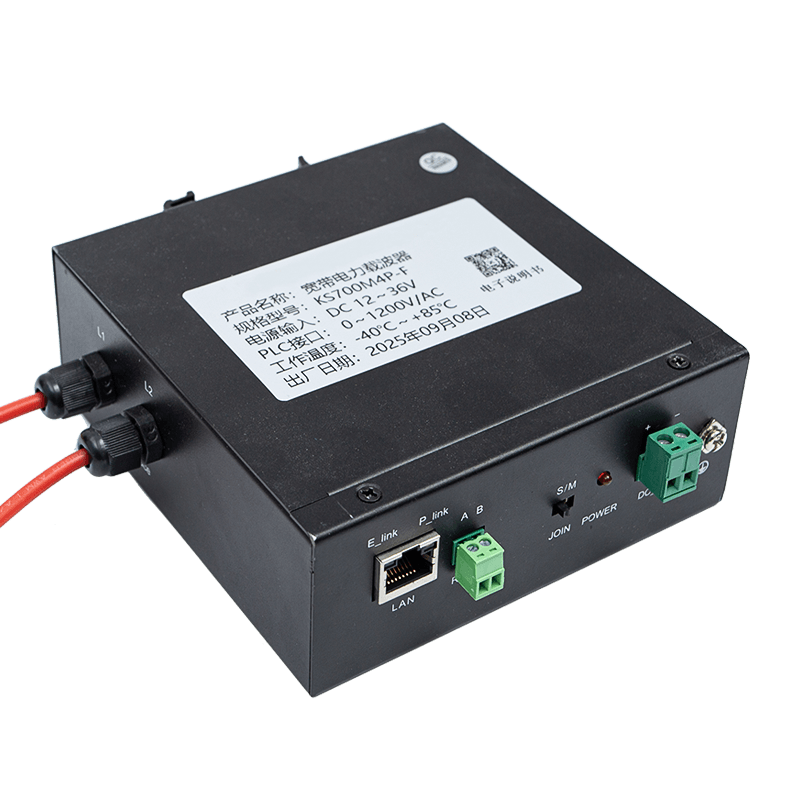
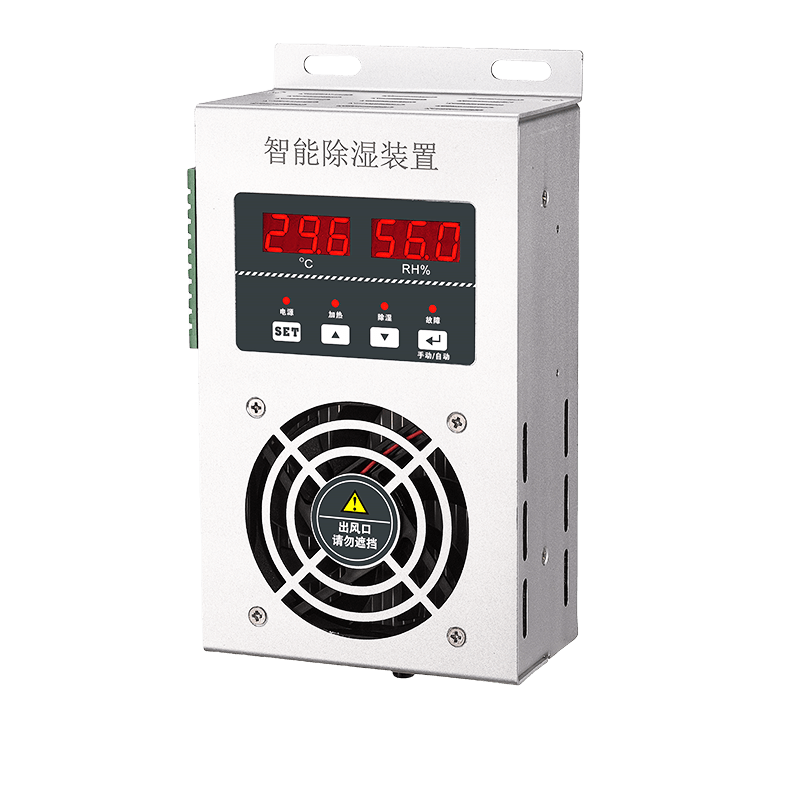
The company’s manufacturing strengths are reflected in its product categories, which include broadband power line carriers, wireless temperature monitoring systems, industrial transmitters, flow meters, and automatic door controllers. This diversified industrial product capability demonstrates experience with sensing, communication, electronic control, and system integration. These capabilities are important because a modern flow meter depends on more than one technology. It requires precise sensing, stable circuit design, reliable signal output, communication protocol support, mechanical structure design, safety considerations, and quality-controlled assembly.
Advanced manufacturing begins with product engineering. For a thermal mass flow meter, the design team must consider gas path structure, thermal sensor placement, signal amplification, temperature behavior, mechanical sealing, display interface, output signal conditioning, communication reliability, and calibration methodology. The AI-FM product information indicates attention to real industrial requirements, such as selectable signal outputs, standard mechanical interfaces, local display, Modbus RTU support, and customizable connection options.
In production, consistency is critical. A flow meter must perform not only in a prototype test, but also across batches. Manufacturing processes for this type of instrument generally include incoming component inspection, sensor module assembly, circuit board production, firmware loading, mechanical integration, calibration, aging or stabilization checks, communication testing, display verification, output signal inspection, and final quality confirmation. The company’s experience in industrial hardware supports disciplined production control and repeatable product performance.
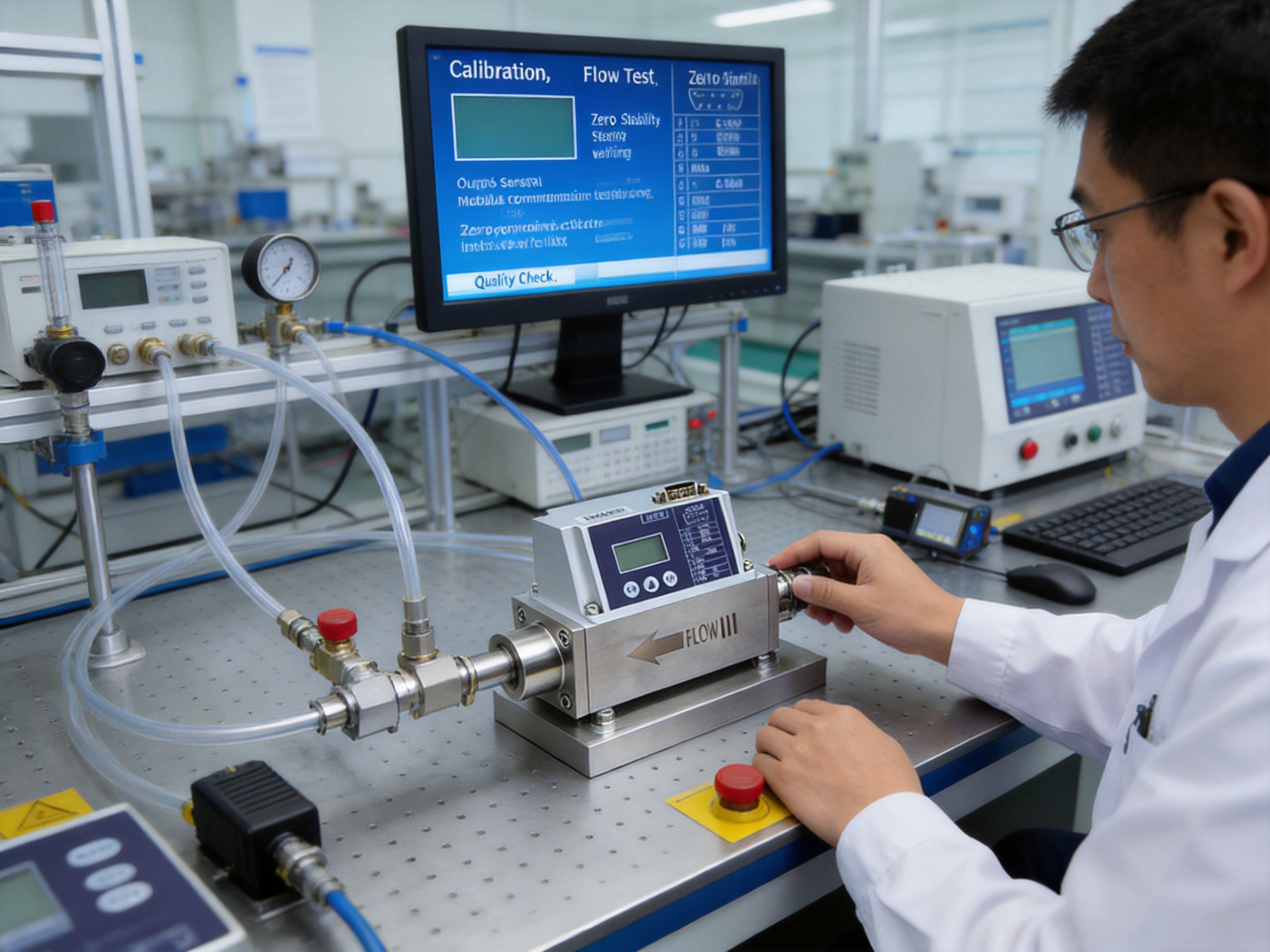
Calibration capability is especially important. The AI-FM specifications are based on measurements at 25 degrees Celsius, 101.32 kPa, and dry air. This indicates that reference conditions are clearly defined, which helps users understand how the instrument is characterized. For a precision flow meter, calibration under controlled conditions supports traceability and confidence. The ability to provide different gas options also requires knowledge of gas properties and application-specific selection.
Process Quality and Reliability Considerations
A high-quality thermal gas mass flow meter requires careful control of both electronic and mechanical processes. The MEMS sensing element must be protected from contamination and mechanical damage. The circuit must maintain stable signal processing. The housing and gas path must provide secure mechanical connection and leak resistance. The display and terminals must withstand normal industrial handling.
Quality control should begin before assembly. Electronic components need to meet specification requirements, and mechanical parts need dimensional consistency. During assembly, attention must be given to cleanliness because the meter is designed for clean gases. Contaminants can affect sensor response or long-term stability. Controlled assembly procedures help preserve the precision of the sensing element.
After assembly, functional testing verifies whether the instrument responds correctly to flow. Output signal tests confirm that analog outputs match expected values. Communication tests confirm RS485 and Modbus RTU behavior. Display tests confirm that instantaneous and cumulative flow values are clearly shown. Pressure-related checks and mechanical inspection help confirm suitability for installation conditions.
The recommended preheating time of 3 to 4 minutes reflects a practical understanding of measurement stability. Thermal instruments benefit from stable operating conditions. In real use, allowing the device to warm up before precision reading helps achieve better results. This guidance is valuable because it helps users operate the product correctly rather than only focusing on theoretical specifications.
The warning not to exceed the measurement range is also important. The minimum measurable flow rate is 0.3 normal milliliters per minute, and the maximum measurable flow rate is 1000 normal liters per minute, depending on selected configuration. Exceeding the measurement range can damage the sensor. Clear operating limits help protect the instrument and improve service life.
Competitive Advantages in Real-World Use
When comparing flow meters, users often look at accuracy first. However, practical competitiveness depends on the total experience from selection to long-term use. The AI-FM’s competitive advantages include precision MEMS sensing, fast response, multiple outputs, digital communication, local display, intrinsic safety certification, customizable connections, and ease of installation.
Compared with many differential pressure flow meters, the AI-FM can reduce pressure-loss-related design concerns and compensation complexity in suitable applications. Differential pressure systems may require orifice plates, pressure transmitters, tubing, straight runs, and compensation calculations. The AI-FM provides a more compact path for small clean gas measurement where thermal mass technology is appropriate.
Compared with mechanical flow meters, the AI-FM avoids moving measuring parts in the sensing principle. Moving parts can wear, become contaminated, or respond poorly at low flow. MEMS thermal sensing supports sensitivity and rapid response, which is valuable for modern automated systems. It also provides electrical outputs directly, reducing the need for additional conversion devices.
Compared with basic thermal flow sensors that only provide a single signal output, the AI-FM offers broader integration capability. Users can choose analog current, analog voltage, RS485 Modbus RTU, and optional PNP output. This flexibility allows one product platform to serve many equipment architectures, reducing selection complexity for system integrators.
Compared with instruments that lack local display, the AI-FM improves on-site usability. Operators can verify instantaneous flow and cumulative flow without connecting a laptop or external display. This is especially helpful during commissioning, maintenance, and troubleshooting. A clear local display reduces downtime and supports faster decision-making.
Compared with suppliers that only provide isolated components, ASY Electronics brings broader expertise in industrial IoT communication, sensing, and smart factory solutions. This system-level capability matters because customers increasingly need instruments that can be integrated into digital platforms, not just installed as standalone meters.
Selection and Installation Considerations
Correct selection is essential for good measurement performance. Users should define the gas type, expected minimum and maximum flow, operating pressure, temperature, required output signal, communication method, pipe diameter, mechanical thread, safety requirements, and environmental conditions. The AI-FM offers selectable gas types including air, nitrogen, oxygen, methane, argon, carbon dioxide, helium, hydrogen, and propane. For other gases, users should consult the manufacturer.
The selected flow range should match the actual process. Oversizing a flow meter can reduce low-flow resolution, while undersizing can lead to overrange conditions and possible sensor damage. The product’s wide range ratio of 1:100 helps cover many applications, but users should still choose the correct configuration. The stated measurable range from 0.3 normal milliliters per minute to 1000 normal liters per minute represents the broad product capability, not a single universal range for every configuration.
Installation should keep the gas clean and free from liquid droplets, dust, oil mist, and condensation. Since the product is designed for clean gases, filtration and drying may be necessary in some systems. The humidity condition should remain below 95 percent relative humidity, with no frost, ice, or condensation. Condensation can affect sensor performance and may damage internal components.
Electrical installation should follow industrial wiring practices. The 24 V DC supply should be stable. Analog signal wiring should be routed away from high-power switching lines when possible. RS485 communication should use suitable cable, correct polarity, appropriate grounding strategy, and termination where needed. These practices improve measurement stability and communication reliability.
Mechanical installation should use the correct thread type and sealing method. Excessive mechanical stress should be avoided. The meter should be installed where it can be accessed for reading, wiring inspection, and maintenance. If the environment requires intrinsic safety compliance, users must ensure the complete installation meets relevant safety requirements, not only the instrument itself.
Output and Communication Flexibility
The AI-FM’s output flexibility is one of its strongest practical advantages. The 4 to 20 mA current signal is widely used because it is robust for industrial transmission and easy to monitor for faults. Many PLC analog input modules, process controllers, and recorders support 4 to 20 mA directly. For traditional process automation, this remains a preferred option.
Voltage outputs such as 1 to 5 V, 0 to 5 V, and 0 to 10 V are useful for equipment-level electronics, compact controllers, data acquisition cards, and laboratory instruments. These signals are simple to read and can be convenient when wiring distances are short and noise conditions are controlled.
RS485 Modbus RTU communication provides a digital path for intelligent systems. Unlike a single analog value, digital communication can support structured data transmission and multi-device networking. It also reduces conversion errors caused by analog scaling. For smart factories, digital communication is essential because it allows instruments to become part of integrated monitoring and analysis systems.
Optional PNP output can support switching or alarm-related functions. This may be useful when users need a discrete signal for flow threshold detection, equipment interlock, or status indication. By offering analog, digital, and optional switching outputs, the product can meet the needs of many control strategies.
Energy Management and Sustainability Benefits
Efficient gas management contributes directly to sustainability. Industrial gases and compressed air require energy to produce, compress, purify, transport, or store. Wasteful gas use increases operating cost and environmental impact. Accurate measurement is the first step toward control, optimization, and reduction.
The AI-FM supports refined energy management by providing both instantaneous and cumulative flow. Instantaneous flow helps users see current operating conditions, while cumulative flow supports consumption analysis over time. When data is collected through Modbus RTU or analog systems, users can compare gas use across equipment, production lines, shifts, and product types.
In compressed air systems, monitoring small flows can reveal leakage or inefficient machine behavior. In nitrogen systems, accurate control can reduce excessive purge rates. In shielding gas applications, stable flow improves process quality while minimizing waste. In laboratory or test systems, precise gas measurement improves repeatability and reduces unnecessary consumption.
These benefits align with the company’s mission of supporting efficient, reliable, and green smart factories. By combining sensing hardware with data integration capability, industrial users can move from rough estimation to measurable improvement. The flow meter becomes part of a continuous optimization cycle: measure, analyze, adjust, and verify.
Safety and Operational Discipline
Gas systems require disciplined engineering and operation. Even when gases are clean and non-corrosive, pressure, flammability, oxygen enrichment, asphyxiation risk, and contamination must be considered. The AI-FM’s intrinsically safe explosion-proof certification is an important product advantage, but safe application also depends on correct system design.
Users should ensure that the selected gas type is compatible with the meter configuration. Hydrogen, methane, and propane require particular attention because of flammability. Oxygen service may require special cleanliness and material compatibility considerations. High-pressure applications should follow pressure equipment and piping requirements. If 3 MPa customization is needed, the user should confirm all operating conditions with the manufacturer.
Operational discipline includes respecting flow range limits. The product note clearly states that users should not exceed the measurement range because doing so may damage the sensor. This is especially important during commissioning, when valves may be opened too quickly or upstream pressure may be higher than expected. Flow limiting, pressure regulation, and procedural controls can help protect the instrument.
Preheating is another practical operating step. The recommended 3 to 4 minute preheating period helps the sensor reach stable operating conditions. In precision applications, users should allow the instrument to stabilize before recording critical data. This simple practice improves measurement reliability and repeatability.
Role in Advanced Industrial IoT Solutions
Industrial IoT depends on reliable edge data. A factory cannot optimize what it cannot measure, and it cannot trust analytics if the source data is unstable. The AI-FM contributes to the edge sensing layer by providing gas flow data that can be used for monitoring, control, maintenance, and energy analysis.
ASY Electronics operates in several related technology areas, including high-speed power line communication, wireless temperature monitoring, industrial transmitters, flow meters, and automatic door controllers. This portfolio shows competence in both device-level hardware and industrial connectivity. For customers, this means the company can understand how a flow meter fits into larger automation and digitalization projects.
For example, a production facility may use wireless temperature monitoring for electrical assets, transmitters for pressure or process variables, flow meters for gas consumption, and communication technologies for data transfer. When these technologies are integrated, the factory gains a clearer understanding of equipment condition, energy use, and process behavior. The AI-FM is one important data source in that larger structure.
This system perspective distinguishes the product from simple commodity sensors. The value is not only the sensing element; it is the ability to deliver stable industrial data in a form that engineers can use. Modbus RTU, analog outputs, local display, and customization options all support this role.
Maintenance and Long-Term Use
The AI-FM is designed for easy installation and practical operation, but long-term performance still depends on proper maintenance. Since it is intended for clean gases, users should maintain filtration and prevent contamination. If the upstream system includes compressors, dryers, regulators, or filters, those components should be inspected according to their maintenance schedules.
Periodic zero checks may be useful in precision applications. With no flow and stable conditions, the displayed and transmitted value should be evaluated. Stable zero-point behavior is a product feature, but system conditions such as leakage, valve bypass, or thermal disturbance can influence readings. A zero check can help distinguish instrument behavior from system behavior.
Communication and wiring should also be inspected. Loose terminals, damaged cables, incorrect grounding, or electromagnetic interference can affect signal stability. For RS485 networks, address settings, baud rate, wiring polarity, and termination should be controlled carefully. Good documentation during commissioning makes later maintenance easier.
Calibration intervals should be determined according to application criticality, quality system requirements, gas type, operating conditions, and regulatory expectations. Applications in laboratories, safety-related processes, or quality-critical production may require more formal calibration management than general monitoring applications. Users should consult the manufacturer when special calibration or gas configuration is required.
Customer Value for Equipment Builders
Equipment builders need components that improve machine value without creating unnecessary engineering burden. The AI-FM supports this goal by offering compact size options, standard threads, multiple outputs, digital communication, and clear display. These features allow machine builders to integrate gas flow measurement into equipment with less custom development.
For original equipment manufacturers, flexibility is especially important. One customer may request 4 to 20 mA output, another may require 0 to 10 V, and another may need Modbus RTU. A product platform that supports multiple output options helps reduce inventory complexity and design variation. Custom thread options can also support different regional or industry-specific mechanical standards.
Machine builders can use cumulative flow data to provide added value to end users. For example, equipment can display total gas usage per batch, trigger maintenance reminders based on consumption, or detect abnormal flow during standby. These functions help transform a machine from a basic mechanical system into an intelligent production asset.
The product’s fast response also helps equipment builders improve control performance. In applications where gas flow must follow a recipe or respond to valve commands, a slow sensor can limit system capability. The 50 ms response time supports more responsive monitoring and control strategies.
Customer Value for Plant Operators
Plant operators care about uptime, safety, cost, and process stability. The AI-FM contributes to each of these goals. Accurate flow measurement helps maintain process conditions. Cumulative data helps monitor consumption. Local display helps maintenance staff diagnose issues. Modbus RTU supports integration with plant-level systems. Intrinsic safety certification supports use in environments with stricter safety requirements.
When installed at strategic points, the meter can help operators understand where gas is being used and where it may be wasted. This is valuable for compressed air, nitrogen, argon, and other utility gases. Consumption monitoring can support cost allocation between production lines or departments, creating accountability and encouraging efficiency improvements.
Flow data can also support maintenance. If a machine normally consumes a certain gas flow during operation, deviations may indicate wear, leakage, clogged nozzles, valve problems, or incorrect settings. By tracking trends, operators can act before failures become severe. This supports predictive and condition-based maintenance strategies.
Q&A Section
Q1: What type of gas flow meter is the AI-FM?
The AI-FM is a high-precision thermal gas mass flow meter designed for measuring and controlling small-flow-rate clean gases. It uses a MEMS flow sensing chip and provides high sensitivity, stable zero-point behavior, and fast response.
Q2: What gases can it measure?
Selectable gases include air, nitrogen, oxygen, methane, argon, carbon dioxide, helium, hydrogen, and propane. Other gases may be available by consulting the manufacturer. Users should always confirm gas compatibility before ordering or installation.
Q3: Does it require temperature and pressure compensation?
In suitable clean gas applications, the product is designed to provide mass flow measurement without requiring additional temperature or pressure compensation, which helps simplify installation compared with many volumetric or differential pressure systems.
Q4: What outputs are available?
The meter supports 4 to 20 mA current output, selectable 1 to 5 V, 0 to 5 V, or 0 to 10 V voltage output, RS485 communication with Modbus RTU protocol, and optional PNP output.
Q5: What information does the LCD show?
The LCD shows instantaneous flow and cumulative flow. This allows users to check current gas flow and total gas consumption directly at the installation site.
Q6: What is the response time?
The specified response time is 50 ms, making the product suitable for applications where gas flow changes quickly and real-time monitoring is important.
Q7: What is the recommended preheating time?
A preheating time of 3 to 4 minutes is recommended for best results. This helps the thermal sensing system reach stable operating conditions before precision measurement.
Q8: What should users avoid during operation?
Users should not exceed the selected measurement range, because overrange flow may damage the sensor. Users should also prevent condensation, frost, ice, dust, oil mist, and other contamination from entering the meter.
Q9: Why is Modbus RTU useful?
Modbus RTU allows the flow meter to be integrated into PLCs, industrial computers, human-machine interfaces, energy management systems, and industrial IoT gateways. This supports data collection, trend analysis, alarms, and smart factory integration.
Q10: What makes this product competitive?
Its main competitive strengths include MEMS-based high-precision sensing, stable zero point, 50 ms response time, multiple signal outputs, RS485 Modbus RTU communication, local LCD display, standard and customizable mechanical interfaces, intrinsic safety certification, and strong suitability for smart factory data integration.
Conclusion
The AI-FM high-precision thermal gas mass flow meter is a practical and advanced solution for clean gas measurement in modern industrial environments. It combines MEMS sensing technology, high accuracy, fast response, stable zero-point performance, flexible outputs, digital communication, and intuitive local display. These features help users simplify gas measurement, improve process control, reduce energy waste, and support industrial digitalization.
Compared with many conventional volumetric, mechanical, or differential pressure flow measurement solutions, the AI-FM offers meaningful advantages in compactness, response speed, low-flow sensitivity, integration flexibility, and reduced compensation requirements. Its RS485 Modbus RTU support makes it suitable for smart factory systems, while its analog outputs maintain compatibility with traditional industrial control architectures.
Behind the product is ASY Electronics, a high-tech enterprise focused on data sensing, intelligent connectivity, edge-layer hardware, and industrial data integration. The company’s broader strengths in power line communication, wireless temperature monitoring, transmitters, flow meters, and automation-related products provide a strong foundation for manufacturing reliable industrial instruments. For users seeking accurate gas flow measurement and a path toward smarter production management, the AI-FM offers a balanced combination of precision, usability, safety, and integration capability.
References
1. Baker, R. C. Flow Measurement Handbook: Industrial Designs, Operating Principles, Performance, and Applications. Cambridge University Press.
2. Miller, R. W. Flow Measurement Engineering Handbook. McGraw-Hill Education.
3. ISO 14511. Measurement of Fluid Flow in Closed Conduits: Thermal Mass Flowmeters.
4. IEC 60079 Series. Explosive Atmospheres: Equipment Protection and Intrinsic Safety Principles.
5. Liptak, B. G. Instrument Engineers' Handbook: Process Measurement and Analysis. CRC Press.
6. Modbus Organization. Modbus Application Protocol Specification.