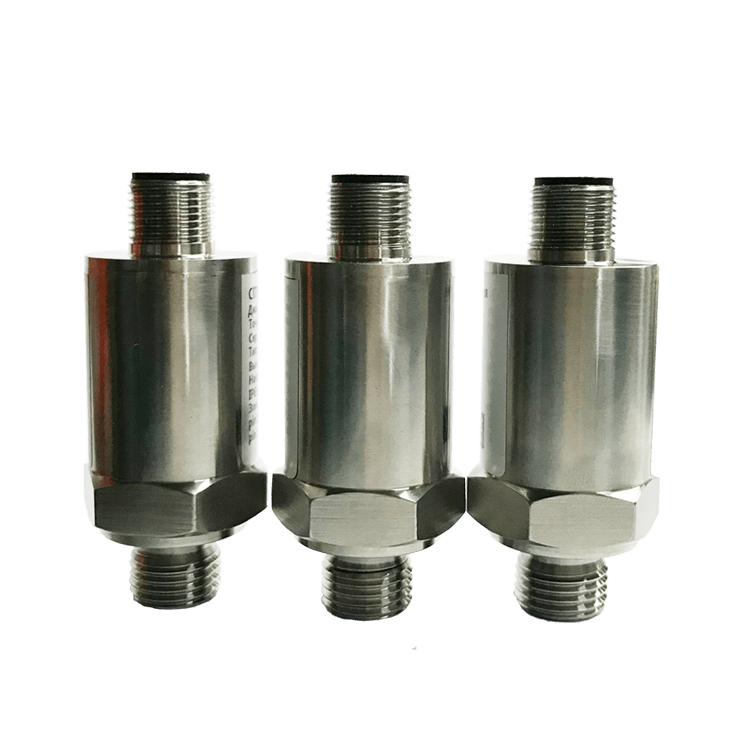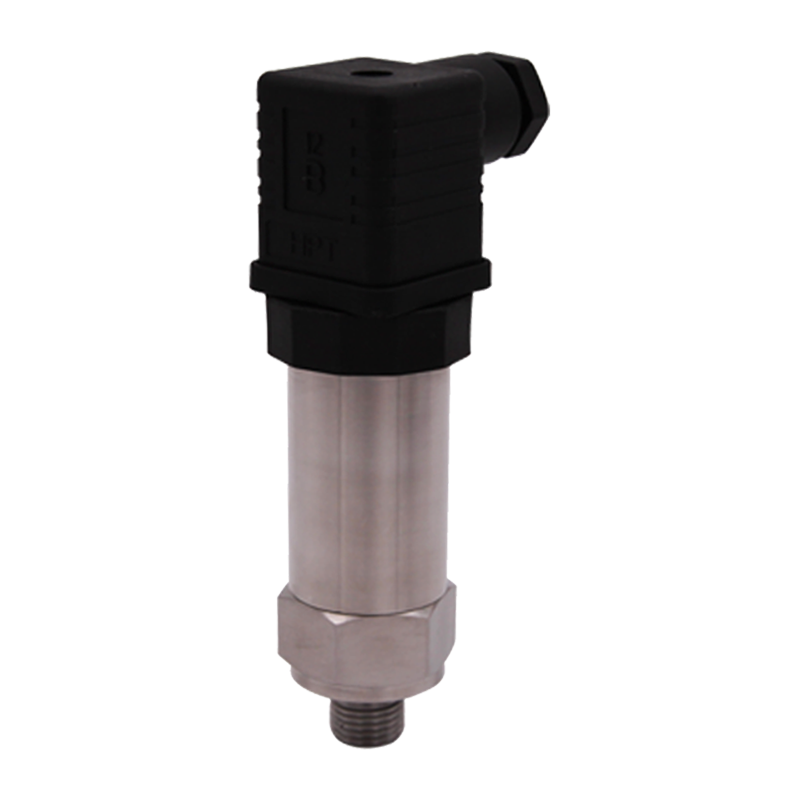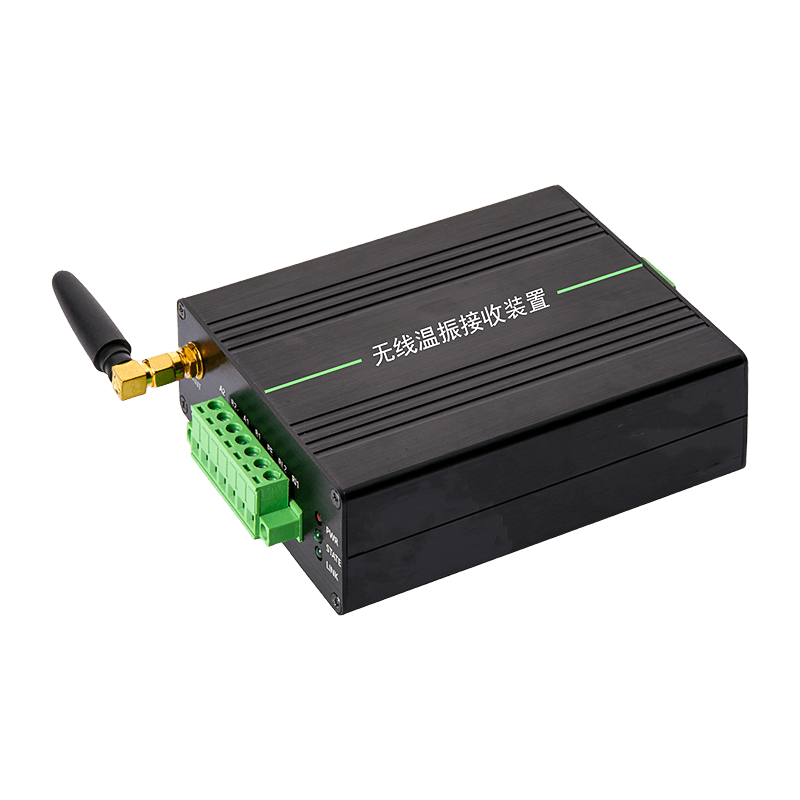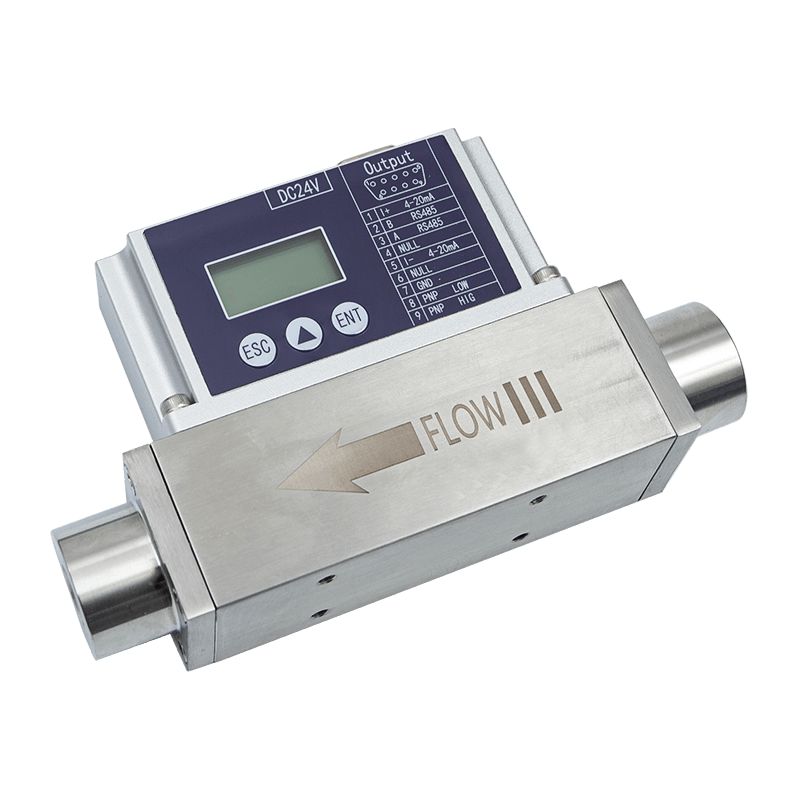


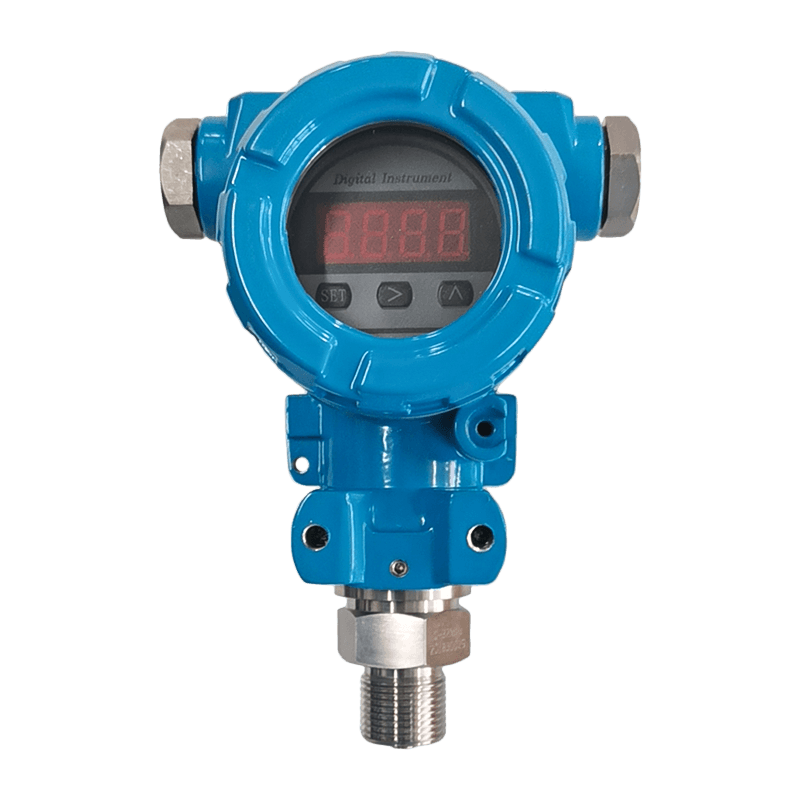
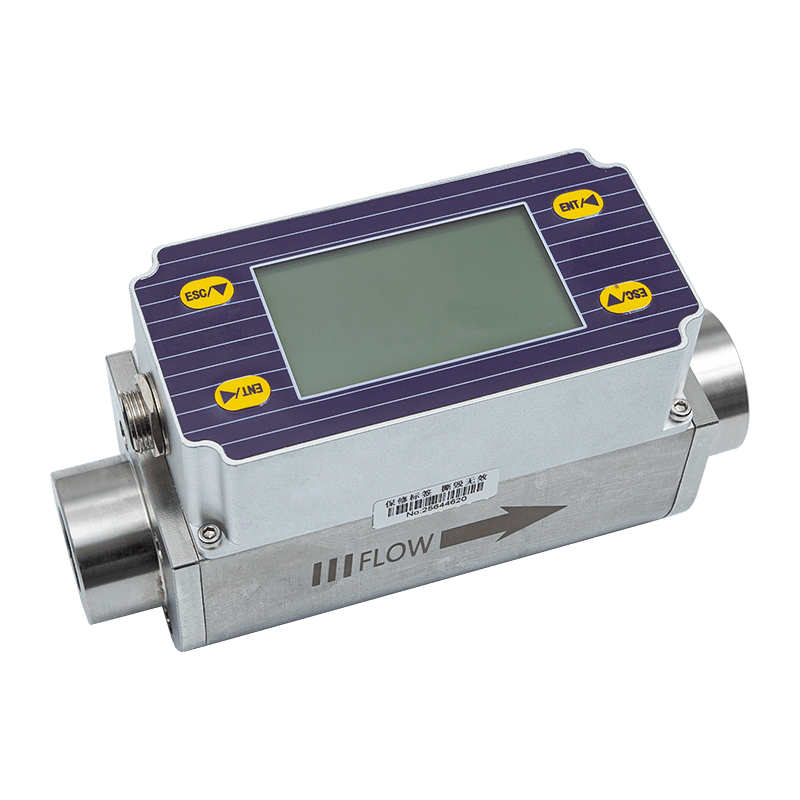
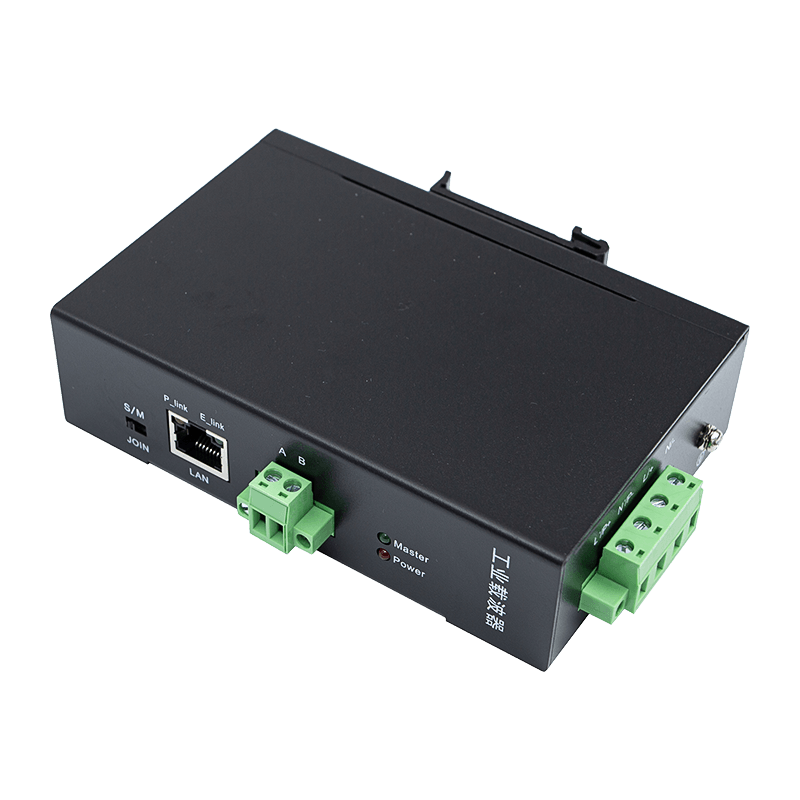
Modern industrial production depends on accurate, stable, and repeatable measurement. Among all process variables, pressure is one of the most critical because it directly affects safety, efficiency, product quality, and equipment life. The AI-TH pressure transmitter is designed for demanding industrial applications where operators need dependable pressure monitoring across a wide range of media, operating conditions, and control environments.
Built around a piezoresistive OEM pressure sensor and protected by a stainless steel diaphragm and stainless steel housing, the transmitter converts measured pressure into standard industrial output signals such as 4 mA to 20 mA DC or voltage signals. Its measuring range extends from vacuum and low-pressure applications up to high-pressure conditions reaching 100 MPa, making it suitable for petroleum, chemical processing, metallurgy, power generation, water level monitoring, and general industrial automation.
What makes this transmitter valuable is not only its specification list, but also the manufacturing philosophy behind it. ASY Electronics (JiaXing) Co.,Ltd. develops industrial sensing and connectivity products for smart factories, with strengths in data sensing, intelligent connectivity, edge-layer hardware, and industrial data integration. This background enables the company to treat a pressure transmitter not as an isolated component, but as part of a larger industrial digitalization ecosystem. The result is a product that supports reliable data acquisition, refined energy management, equipment condition monitoring, and process optimization.
Hähnermann Series Pressure Transmitter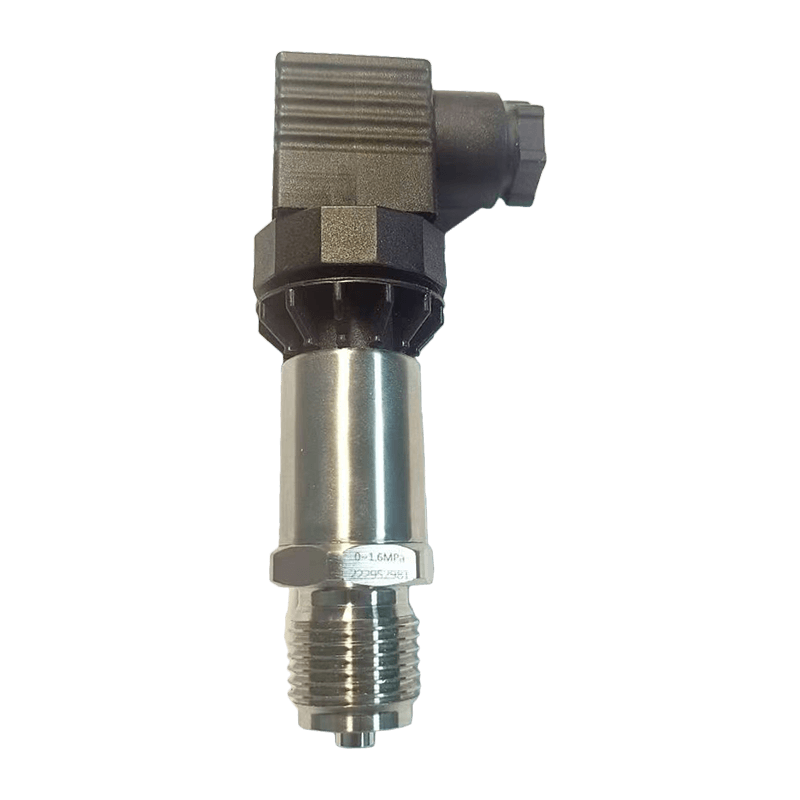
Product Overview
The AI-TH pressure transmitter is a compact industrial pressure measurement device developed for stable operation in harsh field environments. Its sensing core uses piezoresistive technology, a mature and widely adopted method for converting pressure-induced mechanical deformation into an electrical signal. The stainless steel diaphragm acts as the pressure-sensitive interface, helping protect the sensing element from direct process exposure while maintaining accurate transmission of pressure changes.
After pressure is sensed, the internal signal processing circuit converts the sensor output into a standardized signal suitable for control systems, programmable logic controllers, data acquisition modules, displays, and industrial monitoring platforms. The transmitter is available in current-output and voltage-output versions. The two-wire current-output model provides 4 mA to 20 mA DC, a standard highly valued in industrial environments because it resists signal degradation over long cable distances. The three-wire voltage-output model supports 0 V to 5 V, 1 V to 5 V, 0 V to 10 V, or 1 V to 10 V DC output options, depending on system requirements.
The device is built for practical installation. It uses a stainless steel structure, supports various pressure interface types, and can be customized upon request. The standard pressure connection is G1/2 external thread, while electrical connection is provided through a plug-in industrial connector. The enclosure protection grade is IP65 for the plug-in type, helping protect the transmitter from dust and low-pressure water jets in typical plant environments.
With an accuracy of ±0.5% full scale and long-term stability up to ±0.3% full scale per year, the product is positioned for applications that require dependable measurement without excessive recalibration burden. Its compensation temperature range of -10°C to 80°C and storage temperature range of -40°C to 125°C further demonstrate its suitability for industrial installations exposed to changing environmental conditions.
Why Pressure Measurement Quality Matters
In industrial systems, pressure data is often used to make immediate control decisions. A pump may start or stop based on pressure, a valve may modulate to maintain a process setpoint, or an alarm may trigger when pressure exceeds safe limits. If the transmitter drifts, responds inconsistently, or fails under electrical disturbance, the entire control strategy can be compromised.
Pressure measurement also influences energy efficiency. In compressed air systems, hydraulic stations, water distribution networks, and thermal processes, poor pressure control can lead to unnecessary energy consumption. Accurate transmitter feedback enables operators to reduce overpressure, detect leaks, maintain process balance, and optimize equipment operation.
In safety-critical industries such as petroleum, chemical processing, metallurgy, and power generation, pressure deviations can indicate dangerous conditions. Overpressure may lead to equipment damage, while underpressure may suggest leakage, cavitation, insufficient flow, or process interruption. A pressure transmitter with reliable overload tolerance, stable output, and robust electrical protection is therefore not a luxury; it is a basic requirement for safe operation.
Core Technical Specifications
The following table summarizes the main technical parameters of the AI-TH pressure transmitter.
Parameter |
Specification |
Measuring range |
-0.1 MPa to 100 MPa, including low-pressure and high-pressure options |
Overload capability |
2 times full-scale pressure or 110 MPa, whichever is lower |
Pressure type |
Gauge pressure, absolute pressure, or sealed gauge pressure |
Accuracy |
±0.5%FS |
Long-term stability |
Maximum ±0.3%FS per year |
Zero-point temperature coefficient |
0.03%FS/°C for ranges ≤100 kPa; 0.02%FS/°C for ranges above 100 kPa |
Full-scale temperature coefficient |
0.03%FS/°C for ranges ≤100 kPa; 0.02%FS/°C for ranges above 100 kPa |
Compensation temperature |
-10°C to 80°C |
Operating temperature |
-30°C to 80°C; intrinsically safe type -10°C to 60°C |
Storage temperature |
-40°C to 125°C |
Current output |
4 mA to 20 mA DC, two-wire system |
Voltage output |
0/1 V to 5/10 V DC, three-wire system |
Power supply |
10 VDC to 30 VDC |
Insulation resistance |
100 MΩ at 100 VDC |
Enclosure protection |
IP65 plug-in type |
Pressure connection |
G1/2 external thread, customizable upon request |
Wide Measuring Range for Flexible Application Coverage
One of the strongest advantages of the AI-TH pressure transmitter is its wide measuring range. It can cover vacuum measurement from -0.1 MPa and extend to demanding high-pressure applications up to 100 MPa. This flexibility allows users to standardize on a single transmitter family across many different process points rather than purchasing separate product lines for low, medium, and high-pressure applications.
Competitor products often provide strong performance only within a limited range. Some low-cost transmitters are suitable for water pressure or pneumatic systems but cannot support high-pressure hydraulic, metallurgical, or energy applications. Other transmitters are designed for high pressure but may be oversized, costly, or less suitable for low-pressure and vacuum use. The AI-TH transmitter provides a balanced solution, supporting multiple pressure types and ranges while maintaining a practical industrial structure.
The availability of gauge pressure, absolute pressure, and sealed gauge pressure versions further increases application flexibility. Gauge pressure is commonly used when pressure is measured relative to atmospheric pressure. Absolute pressure is essential when measurement must be referenced to a vacuum, such as in certain process vessels or environmental test systems. Sealed gauge pressure is useful for high-pressure conditions where atmospheric compensation may be impractical or unnecessary.
Stainless Steel Construction for Industrial Durability
Industrial pressure transmitters often operate in environments that include vibration, humidity, dust, process contamination, temperature changes, and occasional mechanical shock. A transmitter that performs well in a laboratory can fail prematurely if its housing, diaphragm, and process connection are not suitable for field conditions.
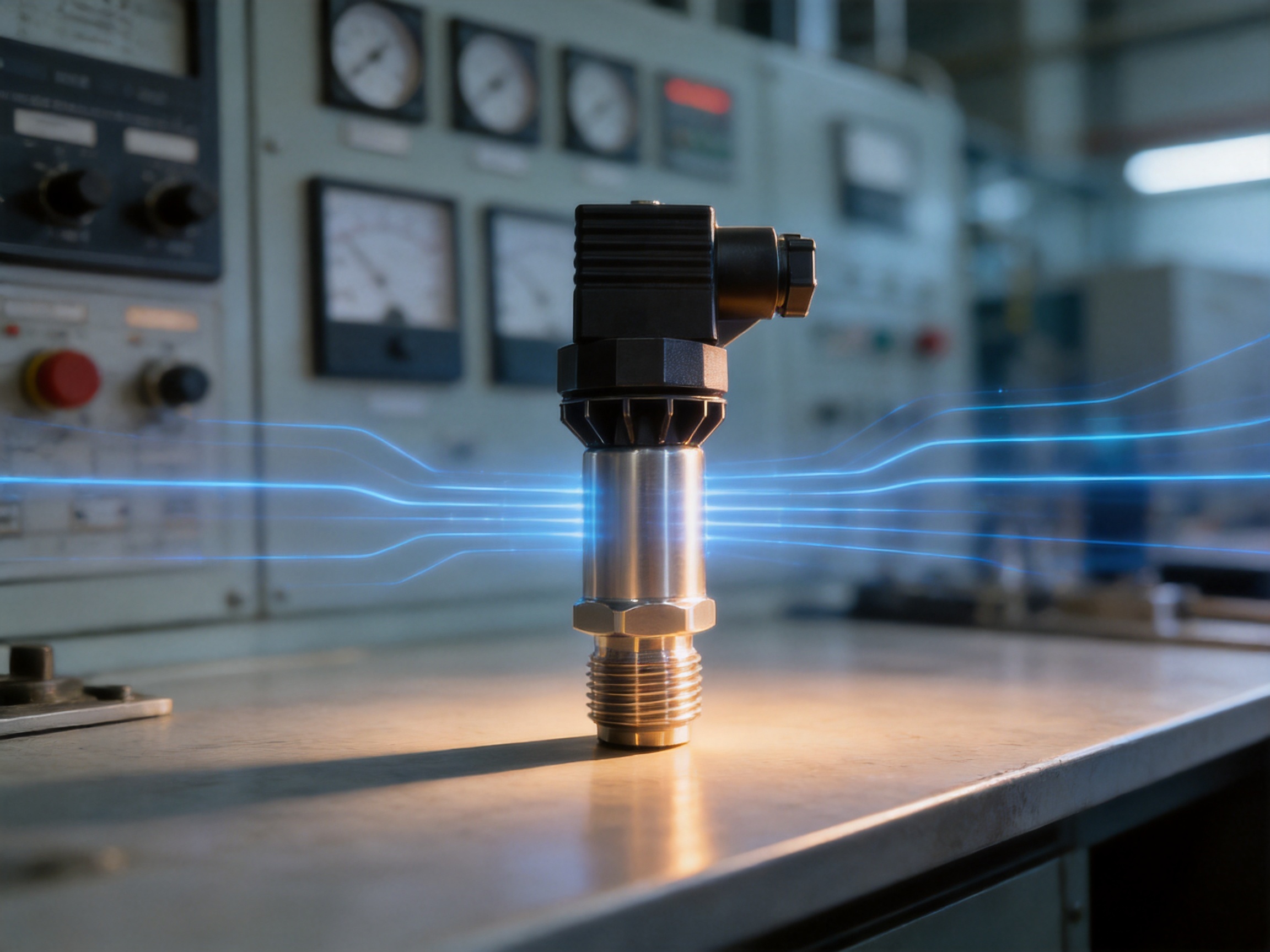
The AI-TH transmitter uses all stainless steel construction. This design improves mechanical strength and corrosion resistance while supporting long service life in many industrial environments. The stainless steel diaphragm provides a robust interface between the process medium and the sensing mechanism. The stainless steel housing protects the internal circuit and sensor assembly from external damage and environmental stress.
Compared with lower-cost transmitters that use lighter housings, less durable process interfaces, or inconsistent sealing structures, a stainless steel design offers practical advantages. It reduces the likelihood of deformation, leakage, corrosion-related failure, and mechanical instability. For plant operators, this can translate into fewer replacements, less downtime, and more confidence in field data.
Accuracy, Stability, and Temperature Compensation
The transmitter provides ±0.5%FS accuracy, which is suitable for a wide range of industrial monitoring and control tasks. While extremely high-precision laboratory instruments may offer narrower accuracy bands, they are often expensive, delicate, and unnecessary for most process control points. The AI-TH transmitter focuses on practical industrial accuracy combined with ruggedness, output compatibility, and field reliability.
Long-term stability is rated at a maximum of ±0.3%FS per year. This parameter is important because a transmitter may appear accurate at installation but gradually drift over time due to sensor aging, thermal cycling, mechanical stress, and circuit variation. Lower long-term drift means the measurement remains more dependable between maintenance intervals.
Temperature compensation is another key performance advantage. The transmitter undergoes compensation over a wide temperature range using automated computer testing and laser trimming technology. Zero-point and temperature performance compensation help reduce the effect of temperature variation on measurement output. This is especially important for outdoor installations, plants with seasonal temperature changes, process areas near heat sources, and applications where ambient temperature changes between day and night.
The compensation temperature range of -10°C to 80°C aligns with many industrial operating environments. Standard operating temperature extends from -30°C to 80°C, while intrinsically safe versions operate from -10°C to 60°C. Storage temperature from -40°C to 125°C provides added resilience during transportation, warehousing, and shutdown periods.
Signal Output Options for Control System Compatibility
Industrial facilities rarely use a single control architecture. Some rely on traditional analog input modules, some use distributed control systems, some connect transmitters to local displays, and others integrate sensor data into edge devices or industrial IoT platforms. A pressure transmitter must therefore provide output flexibility.
The AI-TH transmitter supports both two-wire current output and three-wire voltage output. The 4 mA to 20 mA output is the most common industrial analog standard. It offers strong noise immunity, supports long transmission distances, and allows easy detection of open-circuit faults because 4 mA represents the live zero rather than 0 mA. This makes it ideal for petroleum, chemical, water treatment, power, and heavy industry applications.
The voltage-output version provides options such as 0 V to 5 V, 1 V to 5 V, 0 V to 10 V, and 1 V to 10 V DC. These outputs are convenient for shorter-distance applications, machine control systems, test benches, data acquisition units, and equipment-level monitoring. By offering both signal types, the product reduces integration barriers and allows users to select the configuration best suited to their control cabinet, cable length, and input module design.
Electrical Protection for Harsh Field Conditions
Industrial electrical environments are often far from ideal. Power supply fluctuations, wiring errors, electromagnetic interference, inductive loads, and transient overvoltage events can damage sensitive electronics. A reliable pressure transmitter must therefore include protection functions that preserve operation and prevent premature failure.
The AI-TH transmitter includes reverse polarity protection as well as instantaneous overcurrent and overvoltage protection. These measures help protect the transmitter during installation and operation. Reverse polarity protection is particularly useful because field wiring mistakes can occur during commissioning or maintenance. Without protection, a simple wiring error may permanently damage the transmitter.
Overcurrent and overvoltage protection help resist transient events caused by switching operations, power disturbances, or nearby electrical equipment. The product is designed to meet electromagnetic interference protection requirements, improving measurement reliability in factories where motors, variable-frequency drives, contactors, welding equipment, and high-power systems may be present.
Compared with basic transmitters that provide minimal circuit protection, this protection-oriented design supports lower total ownership cost. Even if the initial purchase price of a protected transmitter is slightly higher than a low-end alternative, preventing failures, reducing maintenance visits, and avoiding process interruption can produce meaningful savings over time.
Explosion-Proof and Intrinsically Safe Design Options
Many industrial pressure measurement applications exist in environments where flammable gases, vapors, dusts, or hazardous substances may be present. In such locations, instrument safety design becomes essential. The AI-TH pressure transmitter offers intrinsically safe and explosion-proof product options that meet the design requirements of relevant GB3836 standards.
Intrinsically safe products are designed to limit electrical and thermal energy so that they cannot ignite a hazardous atmosphere under specified conditions. Explosion-proof products are designed to prevent internal ignition from spreading to the surrounding environment. These approaches support safer use in petroleum, chemical, and related industries where ordinary instruments may be unsuitable.
This capability provides a competitive advantage because not every transmitter family offers both general industrial versions and hazardous-area design options. Users with mixed application areas can maintain product consistency while selecting the correct safety version for each installation point.
Manufacturing Process and Quality Assurance
The performance of a pressure transmitter is strongly influenced by manufacturing quality. Even when two products use similar sensing principles, differences in sensor selection, diaphragm assembly, circuit design, compensation procedure, testing, aging, and final inspection can produce major differences in field reliability.
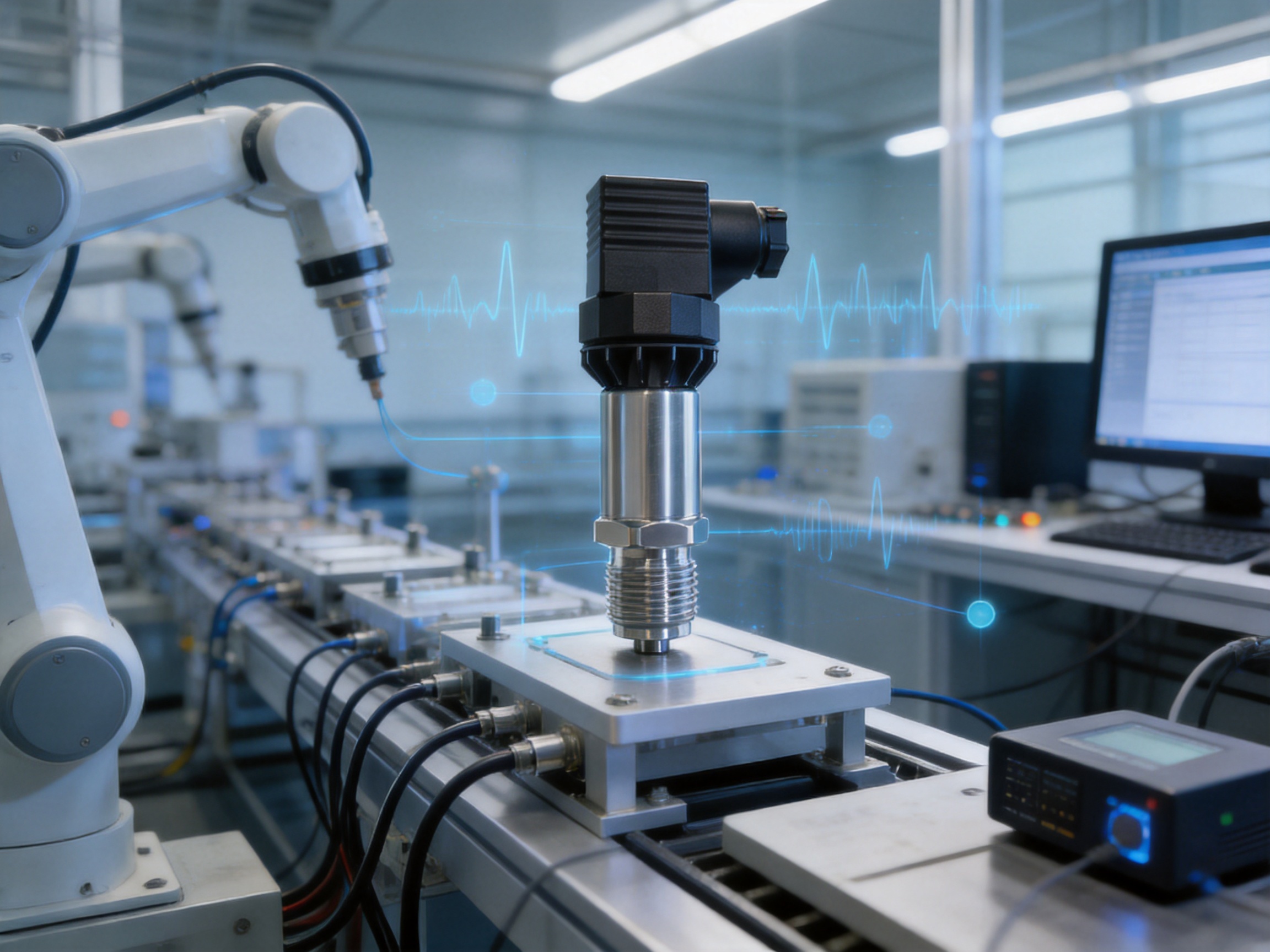
ASY Electronics applies a manufacturing approach based on automated testing, laser trimming, component screening, semi-finished product inspection, finished product testing, and aging verification. Automated computer testing helps improve consistency by reducing human variability in calibration and compensation steps. Laser trimming technology is used to adjust zero-point and temperature performance, producing more stable output across changing environmental conditions.
Component testing is important because transmitter reliability depends on every element in the signal chain. Sensors, resistors, capacitors, protection components, connectors, circuit boards, seals, and housings must all meet performance requirements. Screening components before assembly reduces the risk of early failure.
Semi-finished product testing allows defects to be identified before final assembly. This improves production efficiency and prevents flawed subassemblies from reaching later stages. Finished product testing confirms that each complete transmitter meets electrical, mechanical, and measurement requirements. Aging screening then helps expose early-life failures before products are delivered to customers.
This layered quality control strategy is a major advantage over manufacturers that rely mainly on final inspection. Final inspection alone may detect obvious failures, but it may not reveal marginal components or unstable assemblies. By testing at multiple stages, the company improves product consistency and long-term reliability.
Advanced Manufacturing Strengths Behind the Product
ASY Electronics is not only a supplier of pressure transmitters. The company is a high-tech enterprise focused on smart factory development. Its main business capabilities include data sensing, intelligent connectivity, edge-layer hardware products, and industrial data integration solutions. This broader technical foundation strengthens the product design philosophy behind the AI-TH transmitter.
In modern factories, sensors are not merely signal generators. They are the starting point of digital productivity. Pressure data can feed equipment condition monitoring systems, energy management platforms, production optimization tools, and predictive maintenance models. Because ASY Electronics also develops broadband power line carrier communication products, wireless temperature monitoring systems, flow meters, industrial transmitters, and automatic door controllers, it has practical experience with the requirements of connected industrial systems.
This ecosystem perspective helps the company design transmitters that are compatible with real-world industrial integration needs. Stable analog outputs, robust protection, practical installation structures, wide power supply input, and strong environmental adaptability all support easier deployment in digital manufacturing systems.
The company’s focus on efficient, reliable, and green smart factories also aligns with the role of pressure measurement in energy optimization. Accurate pressure data helps reduce waste, improve pump and compressor efficiency, detect abnormal consumption, and maintain stable process conditions. In this sense, the AI-TH transmitter contributes not only to measurement accuracy but also to sustainable operation.
Advantages Over Common Competing Products
The AI-TH pressure transmitter offers several advantages when compared with common competing products in the industrial transmitter market. These advantages become especially clear when considering lifecycle performance rather than only initial purchase cost.
Broader Pressure Range
Many competing transmitters are limited to narrow range families or require separate models for vacuum, low-pressure, and high-pressure applications. The AI-TH transmitter supports a broad measuring span from -0.1 MPa to 100 MPa, allowing users to cover many application scenarios with one product series. This simplifies procurement, spare parts management, engineering selection, and maintenance training.
Better Industrial Robustness
The all stainless steel construction gives the transmitter a strong mechanical and environmental foundation. Some lower-end products rely on less durable materials or lighter assemblies that may be sufficient for clean indoor equipment but less reliable in harsh industrial settings. The stainless steel diaphragm and housing help the AI-TH transmitter withstand demanding applications with greater confidence.
Multi-Stage Testing and Aging
A key difference between a dependable industrial transmitter and a low-cost alternative is the depth of quality assurance. The AI-TH transmitter benefits from automated computer testing, laser trimming, component screening, semi-finished product verification, finished product inspection, and aging screening. This process-oriented advantage supports consistency and reduces the probability of early field failure.
Electrical Protection Built for Real Installations
Reverse polarity protection, instantaneous overcurrent protection, and overvoltage protection are important in practical field wiring. Competing products that omit these protections may fail during installation errors or power disturbances. The AI-TH transmitter is better prepared for the realities of plant maintenance and commissioning.
Multiple Output Configurations
The availability of both current and voltage outputs makes the transmitter easier to integrate into different control systems. Competitors that only provide one output type may force users to add signal converters or change input modules, increasing total system cost and complexity.
Hazardous-Area Design Options
Intrinsically safe and explosion-proof versions enable use in more demanding industries. This is a significant advantage for customers in petroleum, chemical, energy, and related sectors, where safety compliance is a primary selection criterion.
Application in Petroleum and Chemical Processing
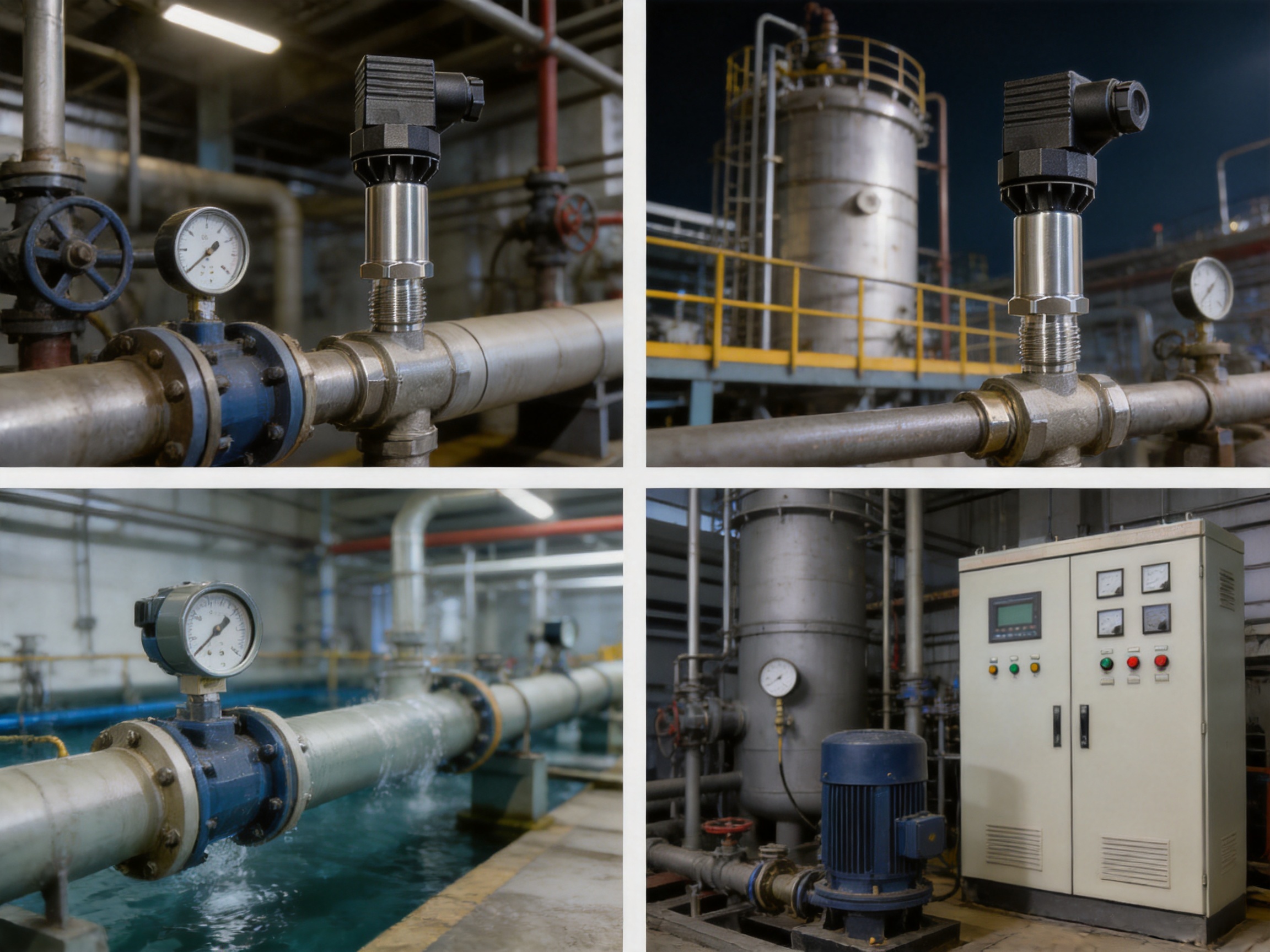
Petroleum and chemical facilities require pressure monitoring at many points, including pipelines, storage tanks, reactors, separators, pumps, compressors, and filtration systems. These environments may involve hazardous atmospheres, corrosive media, high pressure, and strict safety requirements.
The AI-TH transmitter’s wide measuring range and explosion-proof design options make it suitable for many of these applications. The stainless steel construction supports use with many industrial media, while the standardized signal output allows easy integration with distributed control systems and safety monitoring equipment.
In chemical production, pressure stability may directly affect reaction efficiency and product consistency. A transmitter with poor long-term stability may gradually shift the control point, leading to quality variation or inefficient operation. The AI-TH transmitter’s long-term stability specification helps maintain reliable process data over time.
Application in Metallurgy and Heavy Industry
Metallurgical plants and heavy industrial facilities operate under harsh conditions that may include high temperature nearby, vibration, dust, hydraulic pressure, cooling water networks, lubrication systems, and large electrical equipment. Instruments installed in these facilities must be mechanically strong and electrically resilient.
The AI-TH transmitter’s stainless steel structure and IP65 plug-in enclosure protection support these requirements. Its overvoltage and overcurrent protection are valuable in environments with heavy electrical loads and switching equipment. The broad pressure range also allows the same transmitter family to support hydraulic systems, water cooling circuits, gas pressure lines, and process monitoring points.
Reliable pressure data in metallurgy can help protect pumps, maintain furnace auxiliary systems, detect blocked filters, monitor hydraulic drives, and support stable production. In such demanding operations, transmitter failure can result in expensive downtime, so durability and quality assurance are particularly important.
Application in Power Generation and Energy Systems
Power generation facilities depend on pressure measurement for boiler systems, cooling water, feedwater, lubrication, hydraulic control, fuel supply, compressed air, and environmental protection systems. Pressure transmitters must perform reliably because power plants often operate continuously and unscheduled shutdowns are costly.
The AI-TH transmitter supports these applications through stable output, strong overload capability, and wide operating temperature tolerance. Its 4 mA to 20 mA output is particularly suitable for long-distance transmission across large facilities. The ability to withstand storage temperatures from -40°C to 125°C also supports transportation and maintenance conditions where equipment may experience extreme temperatures before installation.
Pressure measurement in power systems also contributes to energy efficiency. Accurate monitoring can help optimize pump operation, detect pressure losses, identify leakage, and support condition-based maintenance. This aligns with the broader smart factory and green operation philosophy of ASY Electronics.
Application in Water Level and Fluid Management
Pressure transmitters are often used for water level measurement by detecting hydrostatic pressure. In water treatment plants, reservoirs, tanks, pumping stations, and industrial water systems, pressure-based level measurement provides a practical and robust method for monitoring liquid height.
The AI-TH transmitter can be selected for suitable pressure ranges to match tank height or pipeline pressure. Its stainless steel structure, standard signal output, and stable performance make it useful for water supply, wastewater treatment, cooling water circulation, and process liquid management.
When connected to industrial controllers or data acquisition systems, pressure data can support automatic pump control, overflow prevention, leak detection, and energy management. Reliable level and pressure feedback helps reduce manual inspection and improve operational responsiveness.
Installation and Selection Considerations
Correct selection and installation are essential for achieving the best performance from any pressure transmitter. Users should choose the pressure range based on normal operating pressure, expected pressure peaks, and required measurement resolution. A range that is too low may expose the transmitter to overload, while a range that is too high may reduce effective measurement sensitivity.
The overload specification of 2 times full-scale pressure or 110 MPa, whichever is lower, provides additional protection against accidental pressure spikes. However, continuous operation beyond the selected range should be avoided. For severe pulsation or pressure shock, users may consider installing damping devices, snubbers, or appropriate process isolation measures.
The pressure type should also match the application. Gauge pressure is suitable for most systems referenced to atmosphere. Absolute pressure is better for vacuum-related or atmospheric-independent measurement. Sealed gauge pressure may be preferred in certain high-pressure installations.
Electrical output should be selected according to the receiving equipment. For long cable runs and industrial control systems, 4 mA to 20 mA is usually the preferred choice. For short-distance machine-level monitoring or data acquisition, voltage output may be convenient. The power supply should remain within the specified 10 VDC to 30 VDC range.
Pressure connection customization is available upon request, which helps users match existing process interfaces. Proper sealing, torque control, and compatibility with the process medium should be considered during installation. Electrical connectors should be secured to maintain IP65 protection.
Maintenance and Lifecycle Value
A pressure transmitter’s value should be evaluated over its full lifecycle. Purchase price is only one part of the cost. Other factors include installation time, calibration frequency, failure rate, downtime impact, spare parts inventory, maintenance labor, and system integration effort.
The AI-TH transmitter supports lifecycle value through stable performance, durable construction, and broad application coverage. Its long-term stability helps reduce measurement drift, while electrical protection reduces failure risk caused by wiring mistakes and transient disturbances. The stainless steel structure helps extend service life in many industrial environments.
Because the product supports multiple pressure ranges and output types, users can simplify spare parts planning. Keeping a consistent transmitter family across a facility can reduce training requirements and make maintenance procedures more efficient. For factories moving toward digital management, consistent sensor data quality is also important for analytics and monitoring systems.
Role in Smart Factory Digitalization
Industrial digitalization begins with reliable field data. Sensors collect the physical reality of the plant, and pressure transmitters are among the most widely used field instruments. If the pressure data is inaccurate or unstable, advanced software cannot produce reliable insights. Therefore, the foundation of smart manufacturing is dependable sensing.
ASY Electronics focuses on smart factory solutions built around data sensing and intelligent connectivity. The AI-TH transmitter fits naturally into this strategy. It supplies stable pressure signals that can be captured by controllers, edge devices, industrial gateways, or monitoring systems. These signals can then contribute to equipment condition monitoring, energy management, and process optimization.
For example, pressure trends in a pipeline can indicate blockage, leakage, pump degradation, or filter saturation. Pressure fluctuations in a hydraulic system can reveal valve instability, accumulator problems, or abnormal load changes. Water pressure patterns can support pump scheduling and energy savings. By providing dependable pressure measurement, the transmitter becomes a practical source of industrial intelligence.
Company Strength and Customer Support
ASY Electronics (JiaXing) Co.,Ltd. is located in Jiaxing City, Zhejiang Province, China, and serves industrial customers with products including high-speed power line communication systems, wireless temperature monitoring sensors, thermal gas mass flow meters, industrial transmitters, and automatic door controllers. This broad portfolio reflects the company’s involvement in both sensing and connectivity, two essential pillars of industrial IoT.
The company’s mission is to help build efficient, reliable, and green smart factories. Its solutions support equipment condition monitoring, refined energy management, and production process optimization. This gives customers more than a component supplier; it provides access to a manufacturer that understands how field instruments contribute to plant-level digital productivity.
Customer communication is supported through direct contact channels, including sales consultation by phone and email. The company can also support customization needs such as pressure interface adaptation, helping users match the transmitter to specific field conditions.
Frequently Asked Questions
What is the main purpose of the AI-TH pressure transmitter?
The transmitter is designed to measure pressure in industrial processes and convert the measured value into a standard electrical signal such as 4 mA to 20 mA DC or a voltage output. It can be used for monitoring, control, alarm, and data acquisition in many industrial systems.
What pressure range does the transmitter support?
The product supports a wide measuring range from -0.1 MPa to 100 MPa. This allows it to be used in vacuum, low-pressure, medium-pressure, and high-pressure applications depending on the selected model.
What types of pressure can it measure?
It can be configured for gauge pressure, absolute pressure, or sealed gauge pressure measurement. The correct type should be selected according to the process requirement and reference pressure condition.
Why is stainless steel construction important?
Stainless steel construction improves mechanical strength, corrosion resistance, and long-term durability. It is especially valuable in industrial environments where instruments may be exposed to vibration, moisture, process media, dust, or mechanical stress.
What output signals are available?
The transmitter provides a two-wire 4 mA to 20 mA DC current output and three-wire voltage output options such as 0 V to 5 V, 1 V to 5 V, 0 V to 10 V, or 1 V to 10 V DC.
What is the accuracy of the product?
The transmitter has an accuracy of ±0.5%FS. This level of accuracy is suitable for many industrial process monitoring and control applications.
How stable is the transmitter over time?
The long-term stability is rated at a maximum of ±0.3%FS per year. This helps maintain dependable measurement performance and may reduce the need for frequent recalibration.
Does the transmitter include electrical protection?
Yes. It includes reverse polarity protection, instantaneous overcurrent protection, and overvoltage protection. These functions help protect the transmitter from wiring errors and electrical disturbances.
Can it be used in hazardous areas?
Intrinsically safe and explosion-proof versions are available. These versions are designed according to relevant GB3836 standard requirements and are suitable for applications where hazardous atmospheres may be present.
What industries commonly use this transmitter?
Typical industries include petroleum, chemical processing, metallurgy, power generation, water management, hydraulic systems, and general industrial automation.
What makes this transmitter competitive compared with low-cost alternatives?
Its advantages include a wide measuring range, stainless steel construction, multiple output options, electrical protection, temperature compensation, hazardous-area design options, and multi-stage manufacturing quality control including automated testing, laser trimming, and aging screening.
Can the pressure connection be customized?
Yes. The standard connection is G1/2 external thread, and pressure interfaces can be customized upon request to match specific installation requirements.
Conclusion
The AI-TH pressure transmitter is a practical and robust solution for industrial pressure measurement. It combines a piezoresistive sensing element, stainless steel diaphragm, stainless steel housing, standard industrial outputs, broad pressure range, temperature compensation, electrical protection, and rigorous manufacturing quality control. These features make it suitable for many applications in petroleum, chemical processing, metallurgy, power generation, water level monitoring, and general industrial automation.
Its competitive strength lies in balanced performance. It is accurate enough for demanding process measurement, durable enough for field environments, flexible enough for multiple control systems, and reliable enough for long-term operation. The broad range from -0.1 MPa to 100 MPa allows users to apply one transmitter family across many pressure points, simplifying procurement and maintenance.
The manufacturing strength behind the product further increases its value. Automated computer testing, laser trimming, component screening, semi-finished product inspection, finished product testing, and aging screening all contribute to stable and dependable field performance. Supported by ASY Electronics’ broader expertise in smart factory sensing and connectivity, the transmitter is well suited for industrial users who want reliable measurement today and a stronger foundation for digital manufacturing tomorrow.
References
1. Industrial Instrumentation and Process Control Principles, standard technical guidance on pressure measurement and analog signal transmission.
2. Piezoresistive Pressure Sensor Technology, engineering literature on silicon-based pressure sensing and compensation methods.
3. GB3836 Series Standards, technical requirements for electrical apparatus used in explosive atmospheres.
4. Process Measurement Best Practices, industrial guidance on transmitter selection, installation, calibration, and lifecycle maintenance.
5. Smart Manufacturing and Industrial IoT Systems, reference material on sensor data integration, equipment monitoring, and energy management.