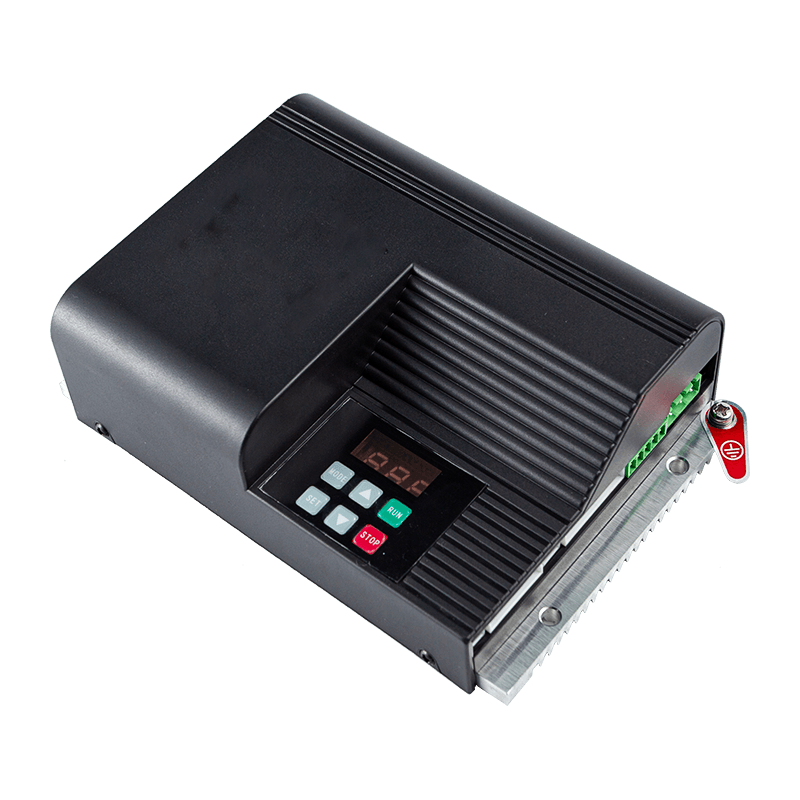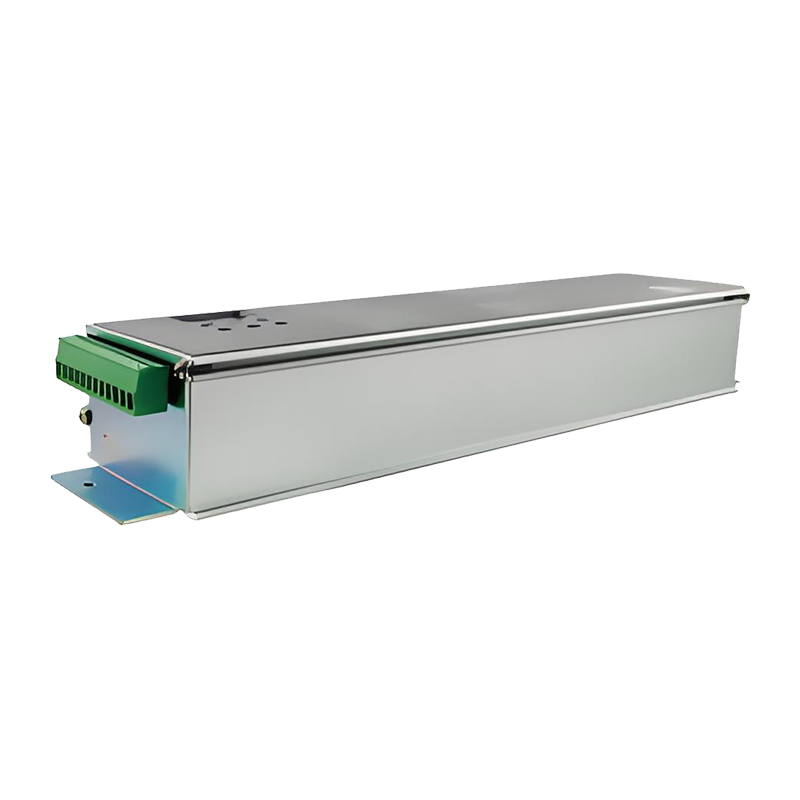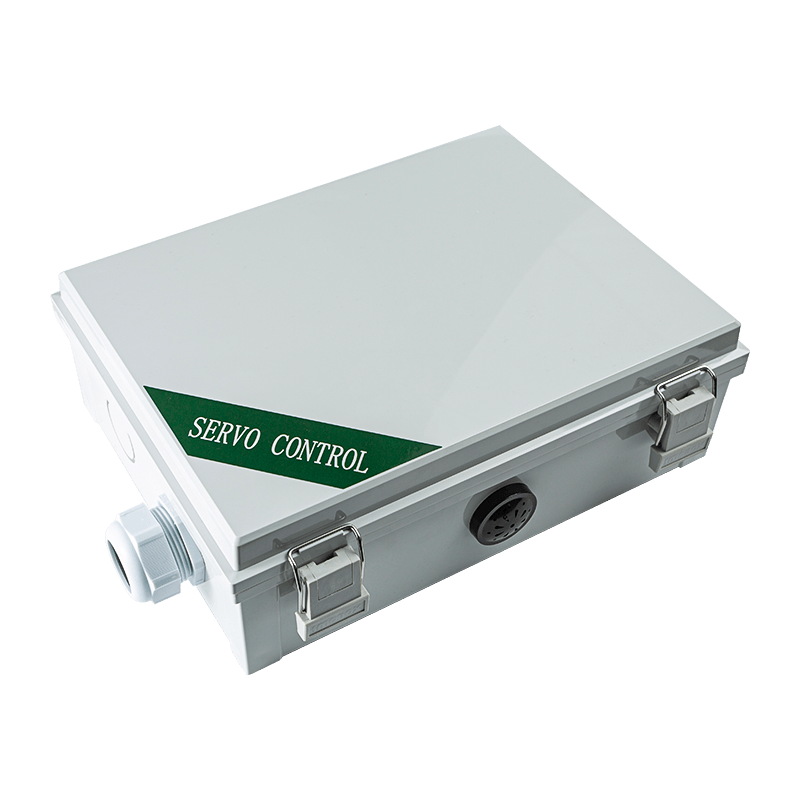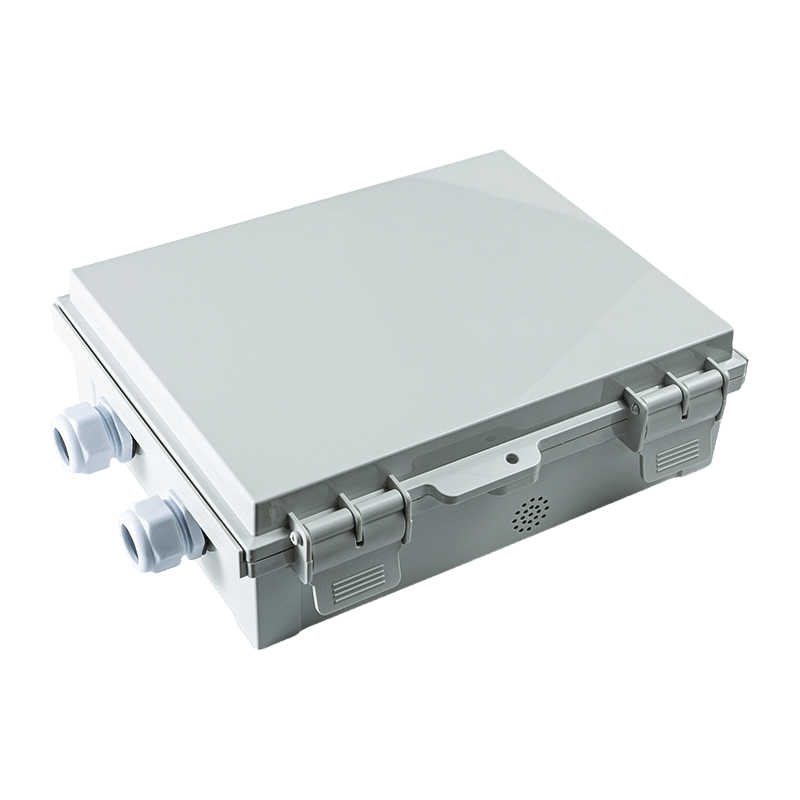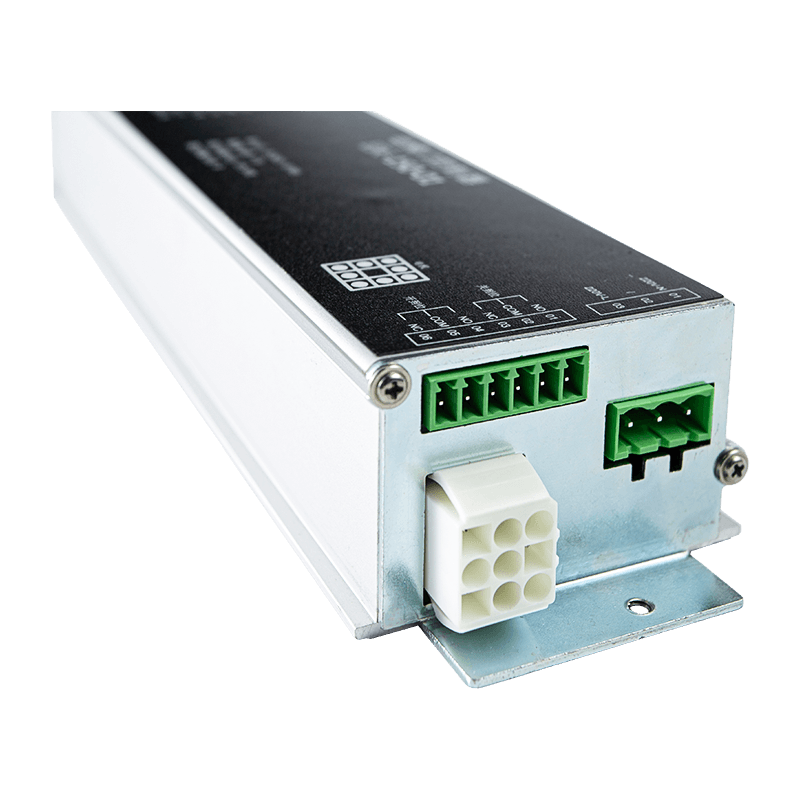


Modern elevator systems are judged not only by how quickly they move passengers between floors, but also by how safely, quietly, and consistently their doors operate thousands of times every day. The elevator door is the most visible moving mechanism in the lift system, and it is also one of the most frequently used. A door controller must therefore deliver repeatable motion, reliable protection, simple commissioning, and convenient troubleshooting in a compact industrial package. The AIG-500E-03 AC Asynchronous Elevator Door Controller is designed precisely for this demanding task. It is a variable frequency drive solution dedicated to elevator and lift door opening and closing cycles, supporting high-voltage asynchronous motors and high-voltage servo motors with a maximum output current of 3 A and a maximum output power of 500 W.
The product combines accurate door curve control, flexible operating modes, programmable torque functions, safety-oriented input and output logic, and real-time monitoring through a digital keypad interface. Unlike general-purpose drives that must be adapted to elevator doors through complex external logic, this controller is developed around the practical requirements of door motion. It gives installers and maintenance engineers the tools needed to fine-tune acceleration, deceleration, speed, current, position, and protection parameters for smooth, stable, and safe door operation.
In addition to product-level performance, the controller benefits from the industrial hardware and intelligent connectivity capabilities of ASY Electronics (JiaXing) Co., Ltd. The company focuses on data sensing, edge-layer hardware, industrial data integration, and smart factory solutions. Its experience in communication, monitoring, transmitters, flow measurement, and automatic door controller products supports a manufacturing philosophy centered on reliability, efficient production, and long-term field stability. This article explains the product’s technical value, its advantages over conventional competitor solutions, its manufacturing strengths, typical applications, commissioning practices, and frequently asked questions for elevator system designers and maintenance teams.
AC Asynchronous Elevator Door Controller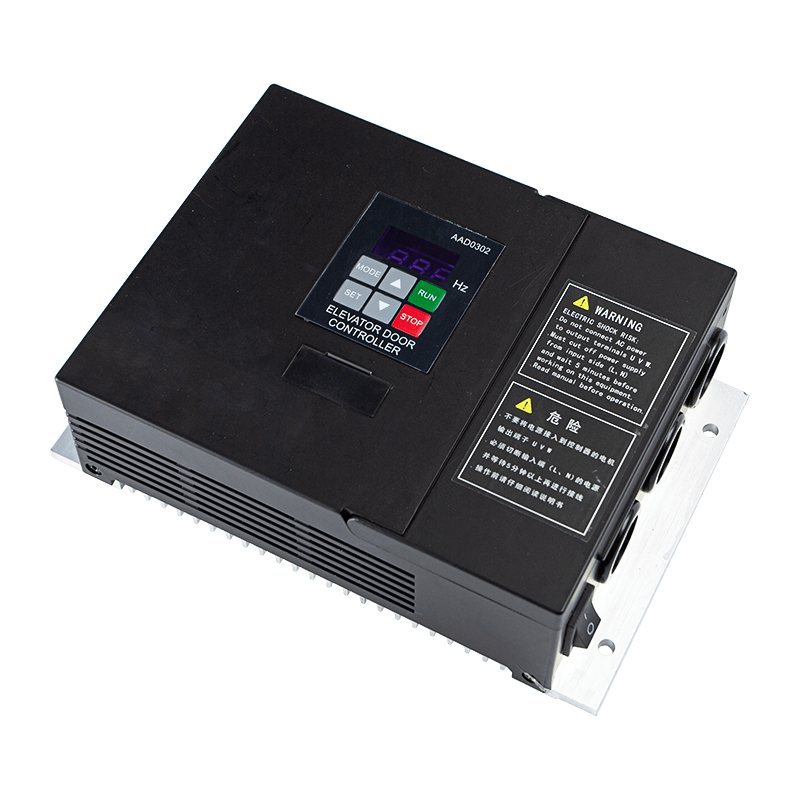
Product Overview
The AIG-500E-03 is an AC asynchronous elevator door controller built as a specialized variable frequency drive for lift door systems. Its core function is to control the motor that opens and closes the elevator door, adjusting output frequency, acceleration, deceleration, and torque behavior to create a smooth running curve. Instead of allowing the door to start and stop abruptly, the controller shapes the motion in stages. This reduces vibration, limits mechanical shock, improves passenger comfort, and helps extend the service life of door rollers, belts, tracks, couplings, and related components.
The controller uses a single-phase input power supply with an input voltage range of 176 to 264 VAC at 50 or 60 Hz. This range provides practical tolerance for common site power conditions and makes the unit suitable for many elevator modernization and replacement projects. It provides terminals for motor connection, open and close input signals, anti-pinch or fire protection input, position-reached feedback, motor thermal protection, relay outputs, and fault alarm output. The controller is also compatible with application requirements associated with Panasonic AAD03020 model replacement or matching scenarios, giving it strong practical value in maintenance and retrofit markets.
A digital keypad with display is integrated for navigation, parameter editing, and monitoring. Parameter groups include types such as “p”, “n”, and “d”, allowing technicians to edit motion behavior, observe actual running status, and adjust system logic. This interface supports on-site setup without depending on a separate programming device, reducing commissioning complexity. For integrated elevator systems, communication mode through RS-485 is available, enabling the controller to work as part of a broader control environment.
The product supports multiple running modes, including encoder mode, encoder circle mode, 4-position switch mode, 4-position switch circle mode, communication mode, and manual mode. This variety allows the same controller platform to adapt to different door mechanisms, feedback arrangements, and elevator control strategies. For testing and setup, manual mode is especially useful because it lets technicians confirm motor direction, door travel, signal logic, and safety behavior before the system is placed into normal automatic service.
Why Elevator Door Control Requires a Specialized Drive
Elevator doors operate under conditions that differ significantly from many other motor-driven machines. The movement distance is short, the duty cycle is frequent, and the required motion quality is high. A door may open and close hundreds or even thousands of times per day in commercial buildings, hospitals, apartments, factories, hotels, and transport facilities. Each cycle must be controlled so that the door starts gently, accelerates efficiently, decelerates at the right point, reaches the end position reliably, and remains held without excessive current or mechanical strain.
A general-purpose inverter can control a motor, but it is not automatically optimized for elevator door motion. Without dedicated parameters, the installer may need external control circuits, complicated timing adjustments, or repeated trial-and-error tuning. A door controller must understand the difference between opening speed, closing speed, holding current, end-position behavior, anti-pinch response, and limit input logic. It must also provide convenient diagnostics because elevator downtime has immediate consequences for building users and service providers.
The AIG-500E-03 addresses this need by combining variable frequency motor control with door-specific settings. Users can tune acceleration and deceleration at different stages of the open and close cycle. The controller can monitor door position, door width pulses, output frequency, output current, and run times. These values are not merely technical details; they are the foundation for safe and efficient maintenance. When a technician can see the actual output current or position status, troubleshooting becomes faster and more accurate.
Another important requirement is the ability to hold the door in position once it is fully opened or closed. If the holding force is too weak, the door may drift or fail to remain stable. If it is too strong, energy is wasted and the motor may heat unnecessarily. The controller includes programmable keeping current settings, including d40 and d41, allowing the system to maintain door position with appropriate force. The DC torque boost level, such as P05, helps improve low-speed torque behavior, which is critical when the door starts moving or encounters load variation.
Core Technical Architecture
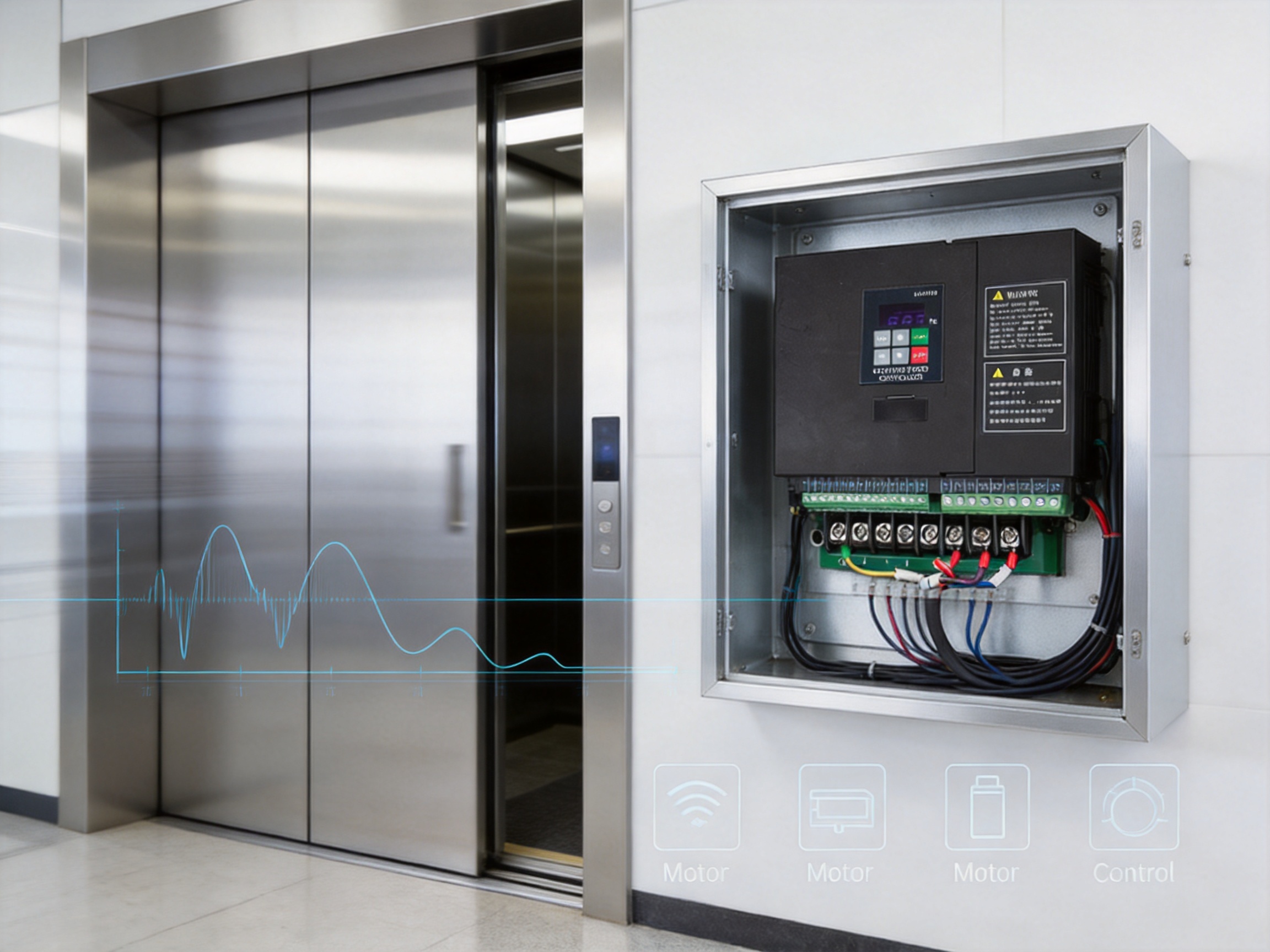
The controller is designed around a variable frequency drive structure. Input power is converted and controlled to supply the motor with the appropriate output frequency and current. By varying frequency, the controller changes the motor speed. By managing acceleration and deceleration parameters, it avoids abrupt transitions. By monitoring feedback signals and configured inputs, it coordinates door movement with elevator system commands.
The control interface includes terminals for opening and closing commands, limit or position signals, anti-pinch or fire protection input, motor thermal protection, and relay outputs. The open position reached, close position reached, and fault alarm relay outputs allow the elevator main controller or service circuit to receive clear status information. This is an important advantage compared with basic motor controllers that may require additional relays or logic boards to report door status.
The digital keypad is a central part of the system architecture. It gives direct access to parameters, status values, and fault codes. Technicians can view output frequency, current, door position, door width pulse information, and total run time data. This reduces dependence on guesswork and helps establish a repeatable commissioning process. Password protection through P41 is available to prevent accidental or unauthorized parameter changes, protecting the stability of the installation after commissioning.
The controller also supports RS-485 communication mode. In a modern elevator system, distributed control and data exchange are increasingly important. Communication mode enables integration with supervisory systems or main elevator controllers that support serial communication. This makes the product suitable not only for standalone door applications, but also for systems that require coordinated control, centralized diagnostics, or more advanced equipment management.
Product Performance Parameters
Parameter |
Specification |
Practical Value |
Device Type |
Variable frequency drive for elevator door AC asynchronous control |
Dedicated door motion control instead of general motor operation |
Input Voltage |
176 to 264 VAC, 50 or 60 Hz |
Suitable for common single-phase power environments with useful tolerance |
Motor Compatibility |
High-voltage servo motors or high-voltage asynchronous motors |
Flexible motor matching for new systems, replacement, and retrofit projects |
Maximum Output Current |
3 A |
Appropriate for compact elevator door drive applications |
Maximum Output Power |
500 W |
Supports typical door motor power requirements in lift systems |
Input Signals |
Open, close, anti-pinch or fire protection, position reached, motor thermal protection |
Supports safety and door-cycle coordination |
Relay Output Signals |
Open position reached, close position reached, fault alarm |
Provides clear system feedback to elevator control circuits |
Operating Modes |
Encoder, encoder circle, 4-position switch, 4-position switch circle, communication, manual |
Adapts to multiple door mechanisms and commissioning requirements |
Communication |
RS-485 communication mode |
Enables integrated control and system-level data exchange |
Application Range |
Compatible with Panasonic AAD03020 model application range |
Useful for maintenance, replacement, and modernization projects |
Advantages Over Conventional Competitor Solutions
One of the controller’s strongest advantages is its door-specific tuning capability. Many competing products in the same general category provide basic speed control and limited input logic. They may allow a motor to start, stop, and reverse, but they do not always provide refined adjustment for multiple stages of the door curve. The AIG-500E-03 supports finely adjustable acceleration, deceleration, and frequency settings at different parts of the opening and closing process. This means the installer can shape a movement profile that fits the physical door, the motor, the pulley system, and the desired passenger experience.
Another advantage is control flexibility. The product supports keypad, terminal, and communication control modes. A competitor solution may work well only in one control arrangement, forcing system designers to adapt the elevator control cabinet around the drive. By contrast, this controller can adapt to the elevator system. Terminal mode supports traditional hardwired control. Keypad mode supports setup and local operation. Communication mode supports integrated RS-485 control. This range reduces inventory complexity for service organizations because one model can be used across several control strategies.
The supported operating modes also set the product apart. Encoder mode and encoder circle mode are valuable when position feedback is available and higher precision is required. 4-position switch mode and 4-position switch circle mode are useful for door systems that rely on switch-based position detection. Manual mode is essential for testing, troubleshooting, and safe setup. Competitor products with fewer modes may require additional components or different controller models for different door types, increasing cost and maintenance burden.
Protection is another area where the product provides practical benefits. Integrated safeguards against overcurrent, overvoltage, undervoltage, and overload help protect both the controller and the motor. Elevator doors encounter variable loads caused by mechanical wear, debris in tracks, misalignment, passenger contact, or environmental changes. A controller without strong protection may fail prematurely or cause excessive maintenance calls. The AIG-500E-03 is designed to detect abnormal electrical conditions and report faults through error codes, supporting faster diagnosis and better equipment protection.
The controller’s monitoring functions also create a competitive advantage. Real-time display of output frequency, current, door position, door width pulses, and total run times provides immediate visibility into the door system. In practice, many door problems develop gradually. Current may increase as mechanical resistance grows. Door position may become inconsistent because of sensor or encoder issues. Run time data can indicate aging equipment. By making these values available, the controller supports preventive maintenance rather than only reactive repair.
Password protection is a further benefit in buildings with multiple maintenance personnel or high service turnover. Once a door system has been tuned correctly, unauthorized parameter changes can create safety risks, inconsistent operation, or nuisance faults. The password function helps preserve validated settings. This is especially important in large buildings, public facilities, or industrial plants where elevator availability and safety are critical.
Precision Door Curves for Smooth Motion
Smooth elevator door movement is not achieved by speed alone. It depends on carefully coordinated acceleration, constant speed, deceleration, torque, and holding behavior. If acceleration is too aggressive, the door may jerk at the beginning of travel. If deceleration is too late or too weak, the door may strike the end position with noise or vibration. If low-speed torque is insufficient, the door may hesitate, stall, or respond poorly when load conditions change. The AIG-500E-03 gives engineers the ability to tune these behaviors through configurable parameters.
The product supports up to six different acceleration and deceleration times for both opening and closing. This allows the door curve to be divided into meaningful stages rather than treated as one simple start-stop movement. A typical opening cycle may require a gentle start, a stable travel speed, and a controlled slow-down as the door approaches the open limit. A closing cycle may require even more careful behavior because passenger safety and anti-pinch response are involved. With multiple timing stages, the controller can produce a professional motion profile that feels stable and refined.
Door curve adjustment is also important for mechanical longevity. Abrupt operation increases stress on belts, hangers, rollers, panels, and drive couplings. Over time, these stresses can lead to noise, loosening, wear, or failures. A smooth curve reduces impact loads and helps the door mechanism operate within a more controlled mechanical envelope. For building owners, this can mean fewer service calls and improved user satisfaction. For elevator maintenance companies, it means faster commissioning and more consistent results across installations.
The DC torque boost setting, including P05, supports reliable starting and low-speed movement. Elevator doors often need strong torque at the beginning of travel because static friction may be higher than running friction. If the controller cannot provide suitable low-speed torque, technicians may compensate by increasing speed or forcing a rougher motion curve. A programmable torque boost function allows better balance: enough force to move reliably, without unnecessary harshness.
Keeping Current and Position Stability
After a door reaches the fully open or fully closed position, motion control is not finished. The controller must maintain the door’s position appropriately. In the fully closed position, stable holding can help ensure that the door remains correctly seated. In the fully open position, stable holding prevents drift and supports proper passenger flow. The AIG-500E-03 includes specific keeping current settings, such as d40 and d41, for maintaining position after opening or closing.
This feature is especially useful because elevator doors vary in mechanical design and load characteristics. A light door mechanism may need only modest holding current. A heavier or more resistant door may need more current. If a controller provides no adjustment, the system may either waste energy or fail to hold properly. Adjustable keeping current helps installers tune the door to the actual site conditions.
Compared with competitor products that rely on mechanical end stops or fixed holding behavior, programmable keeping current offers better adaptability. It also contributes to reduced heat and improved motor life when tuned correctly. In long-term elevator operation, small reductions in unnecessary current can matter because doors spend significant time in open or closed states. Efficient holding behavior supports both reliability and energy-conscious operation.
Flexible Input Logic and Practical System Compatibility
Elevator control systems are not all wired in the same way. Some use normally open signal logic, while others use normally closed logic. Some installations use hardwired open and close commands, while others rely on communication or more advanced integrated control. The controller allows selection of input signal logic, making it easier to adapt to existing site wiring and different elevator controller designs.
This flexibility is important for replacement projects. When a maintenance team replaces a door controller, minimizing wiring changes is a major advantage. Reworking a cabinet can increase labor, introduce errors, and extend elevator downtime. A controller that can adapt to signal logic and operating mode differences is more attractive for field service. The AIG-500E-03 is designed to reduce such friction by supporting multiple signal arrangements and control methods.
Relay output signals for open position reached, close position reached, and fault alarm provide clear communication to external systems. These outputs make it easier for the main elevator controller to verify door status before allowing car movement or responding to faults. In safety-related systems, clear status feedback is essential. While the door controller itself is not a complete elevator safety system, its ability to provide reliable status signals supports the overall control architecture.
Real-Time Monitoring and Fault Diagnosis
Fast troubleshooting is one of the most valuable practical features of an elevator door controller. When an elevator is out of service, building users notice immediately. Technicians must identify the cause quickly, whether it is electrical, mechanical, signal-related, or parameter-related. The AIG-500E-03 supports real-time monitoring of output frequency, current, door position, door width pulses, and total run times. These values help technicians understand what is happening inside the system rather than relying only on visual inspection.
For example, a high output current during closing may indicate mechanical resistance, track contamination, misalignment, or a door panel issue. Abnormal position feedback may point to encoder problems or signal wiring issues. Unexpected run time patterns may suggest that the door is taking longer than normal to complete cycles. By using monitoring data, technicians can narrow the cause of a fault more quickly and make better repair decisions.
The controller also includes an extensive error code system. Examples include SC1 for overcurrent and Er1 for encoder pulse failure. Clear fault codes are valuable because they create a common language between the controller, the technician, and the maintenance manual. Instead of describing vague symptoms, the technician can identify a specific electrical or feedback condition. This reduces troubleshooting time and improves first-visit repair success.
Compared with competitor products that display only simple alarm indicators, a structured diagnostic approach is a major advantage. It supports professional service workflows, reduces downtime, and improves customer confidence. In large facilities with many elevators, consistent diagnostics across controllers can also simplify maintenance training and spare parts management.
Ready-to-Use Commissioning Benefits
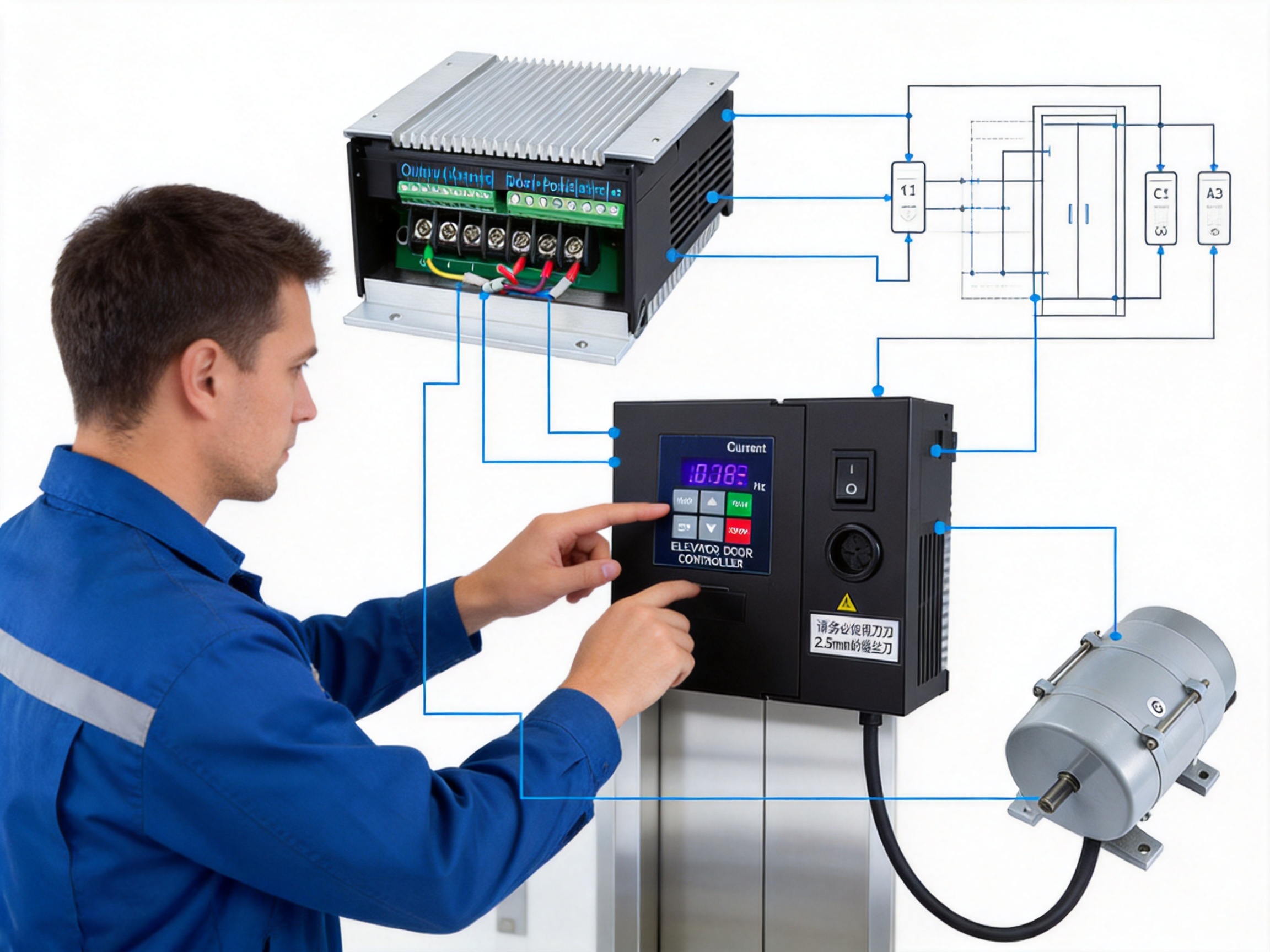
The controller is shipped with factory-completed autotuning for door width pulses and function parameters, allowing immediate basic operation. This does not eliminate the need for site verification, but it gives installers a useful starting point. Factory tuning reduces the risk of incorrect initial setup and helps the door system reach functional operation more quickly.
Commissioning time matters in both new construction and modernization. In new buildings, elevator installation schedules are often linked to project handover deadlines. In existing buildings, every minute of downtime affects residents, workers, or visitors. A controller that begins from a ready-to-use configuration can reduce field labor and improve scheduling predictability.
Manual mode further supports commissioning. Before connecting the door controller to automatic commands, technicians can confirm direction, travel, signal response, and door limits. This step-by-step process helps prevent errors. It also allows mechanical adjustments to be made while observing actual controller behavior. Once the door moves correctly in manual or test conditions, automatic operation can be enabled with greater confidence.
Manufacturing Strengths Behind the Controller
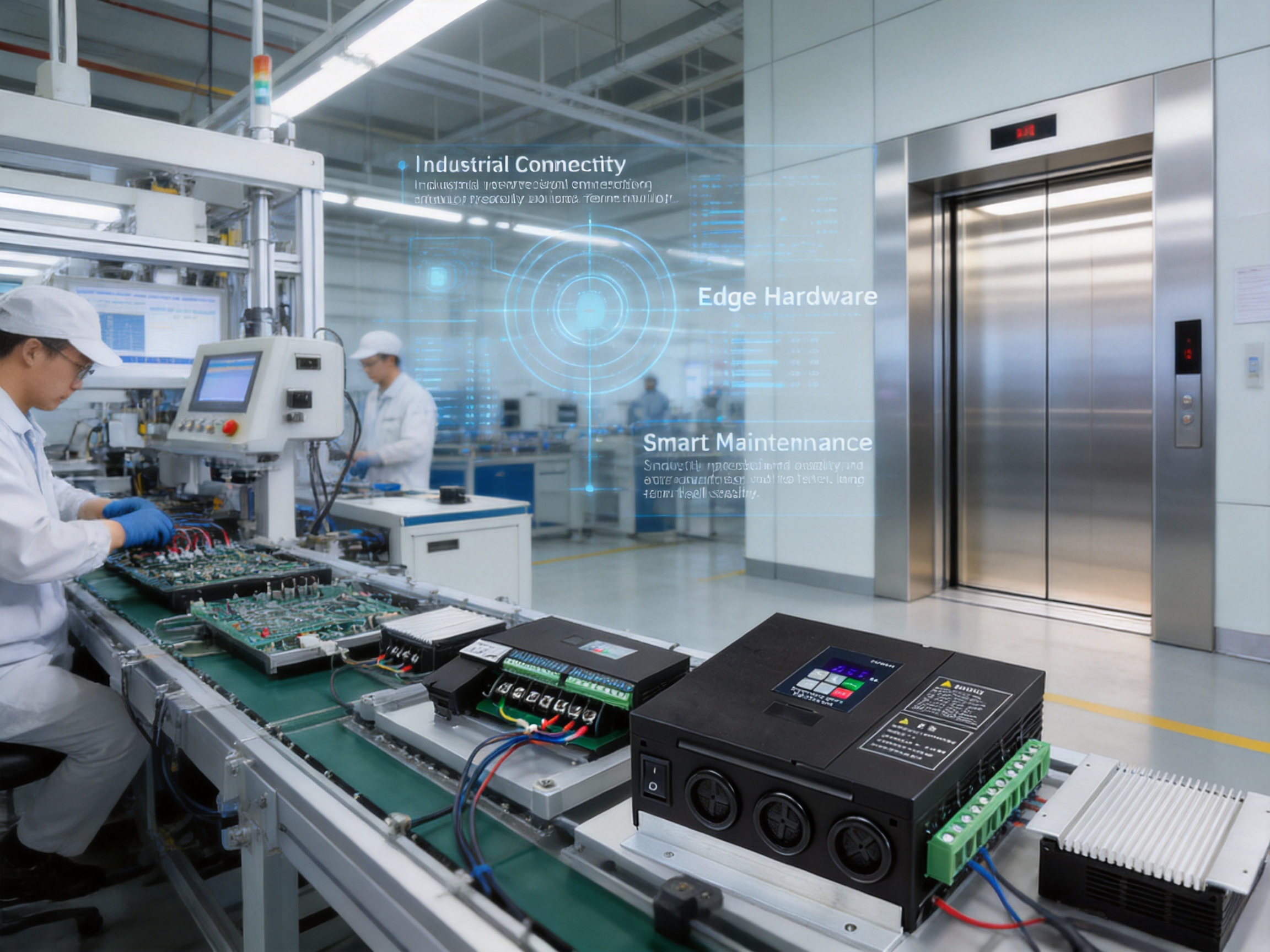
Product performance depends not only on design, but also on manufacturing discipline. ASY Electronics (JiaXing) Co., Ltd. is positioned as a high-tech enterprise dedicated to supporting smart factories through efficient, reliable, and green industrial solutions. The company’s capabilities in data sensing, intelligent connectivity, edge-layer hardware, and industrial data integration create a strong foundation for producing industrial control products that must operate reliably in demanding environments.
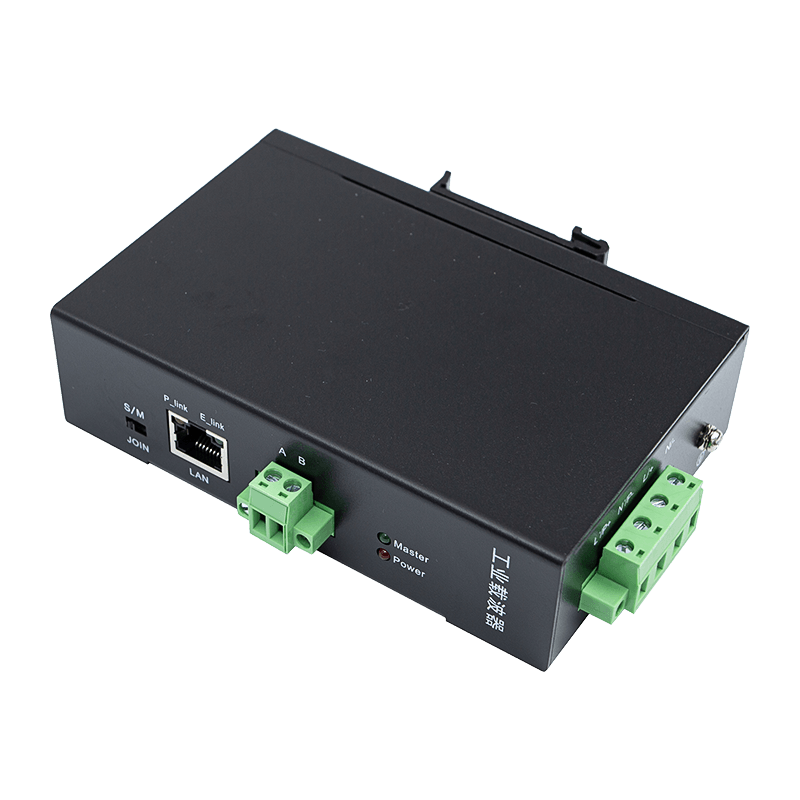
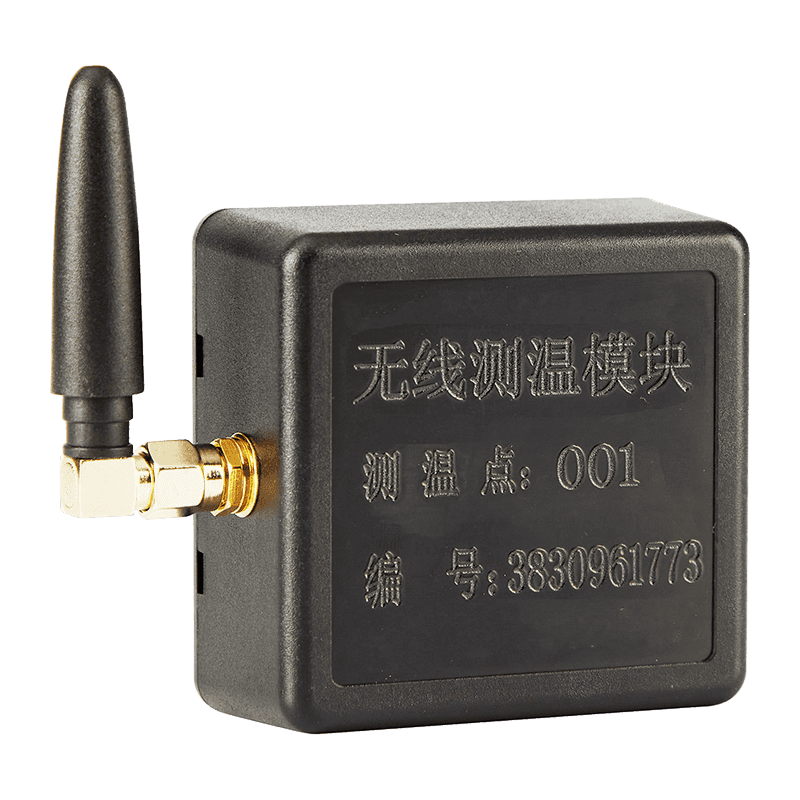
The company’s product portfolio includes broadband power line communication devices, wireless temperature monitoring systems, industrial transmitters, thermal gas mass flow meters, and automatic door controllers. This range reflects experience in multiple industrial hardware disciplines, including signal acquisition, communication stability, power electronics, sensing accuracy, and field reliability. Such cross-domain experience is valuable for an elevator door controller because the product must combine motor control, signal processing, protection logic, communication, and human-machine interaction.
Advanced manufacturing for a controller of this type typically requires careful component selection, printed circuit board process control, electrical testing, firmware verification, keypad and display inspection, terminal connection reliability checks, and final functional testing. The company’s smart-factory-oriented philosophy supports these needs by emphasizing reliable production processes, data-driven quality awareness, and product consistency. For customers, this means the controller is not treated as a simple commodity part, but as an industrial device requiring stable performance across many operating cycles.
Manufacturing strength also appears in the way the product is prepared for field use. Factory-completed autotuning of door width pulses and function parameters shows attention to practical installation. A controller that leaves the factory with validated baseline settings reduces the burden on installers and limits early-stage commissioning mistakes. This reflects a manufacturer that understands real field conditions, not only laboratory specifications.
Quality control is especially important for elevator door systems because intermittent faults can be difficult and expensive to diagnose. A weak terminal, unstable display, inconsistent parameter storage, or poor protection response may not appear immediately, but it can become a service problem later. A manufacturer with industrial hardware experience can apply process controls to reduce these risks. This includes inspection of soldering quality, verification of power input tolerance, checking output behavior under load, validating input and output signal response, and confirming that fault codes trigger correctly under abnormal conditions.
Smart Factory Mindset and Industrial Reliability
The company’s broader mission is to help manufacturing enterprises develop efficient, reliable, and sustainable digital productivity. Although the elevator door controller serves a specific motion-control function, it benefits from the same industrial mindset. Reliability is not achieved by one component alone; it is the result of design choices, manufacturing consistency, testing, documentation, and support.
A smart factory mindset emphasizes data. In product manufacturing, data can support process repeatability, defect tracking, testing records, and continuous improvement. In product operation, data appears through monitoring values such as output current, frequency, position, and run time. The AIG-500E-03 reflects this approach by making operational information visible to technicians. This bridges the gap between factory quality and field maintenance.
Green and efficient operation are also part of the company’s stated mission. In the context of a door controller, efficiency is reflected in controlled motor output, appropriate holding current, reduced mechanical stress, and longer component life. While one elevator door motor is a small part of a building’s total energy profile, thousands of daily cycles across many buildings make efficient control meaningful. Smooth operation also reduces waste related to premature mechanical replacement.
Industrial reliability also requires adaptability. Real-world elevator systems differ by door weight, motor type, signal logic, feedback method, and building usage. A rigid controller may work well only in ideal conditions. A controller with multiple modes, adjustable parameters, and practical diagnostics is more likely to deliver stable results across varied applications. This adaptability is one of the key strengths of the AIG-500E-03.
Application Scenarios
The primary application is controlling the opening and closing cycles of elevator and lift doors. This includes passenger elevators in residential buildings, commercial elevators in office towers, service elevators in hotels or hospitals, and industrial lifts in factories or logistics environments. In each case, the door controller must provide stable motion, clear status feedback, and reliable response to safety-related input signals.
In modernization projects, the controller is valuable when existing door controllers are obsolete, difficult to source, or unreliable. Its compatibility with the Panasonic AAD03020 application range can help maintenance teams address replacement needs. Rather than redesigning the entire door system, a compatible controller can restore function while improving adjustability and diagnostics.
In new elevator production, the controller offers a compact and dedicated solution for manufacturers who need repeatable door performance. Because it supports multiple control methods and feedback modes, elevator manufacturers can standardize around one controller platform while configuring it for different door designs. This can reduce engineering complexity and simplify after-sales support.
In industrial buildings, elevator doors may face more dust, heavier usage, or less predictable operating conditions than those in residential settings. Adjustable torque, protection functions, and monitoring are particularly useful in such environments. If the door track becomes contaminated or mechanical resistance increases, monitoring current and fault codes can help maintenance teams respond before a minor issue becomes a major shutdown.
Installation and Commissioning Considerations
Proper installation begins with confirming that the power supply is within the specified input voltage range of 176 to 264 VAC at 50 or 60 Hz. The motor must be suitable for the controller’s output capability, with a maximum output current of 3 A and maximum output power of 500 W. Wiring should follow the terminal definitions for motor output, open and close inputs, limit or position signals, anti-pinch or fire protection input, motor thermal protection, relay outputs, and communication if used.
Before automatic operation, technicians should verify motor direction and basic door travel. Manual mode is useful for this purpose. If the door moves opposite to the intended direction, wiring or parameter settings should be corrected before continuing. Input signal logic should be checked carefully, especially whether normally open or normally closed logic is required by the elevator system. Incorrect signal logic can cause unexpected operation or failure to respond.
Door width pulse autotuning and position verification are important when encoder-based operation is used. The controller’s factory-completed baseline settings support immediate basic operation, but the actual installation should still be tested across full opening and closing cycles. Door movement should be observed for smooth start, stable travel, controlled deceleration, and proper holding at the final positions.
After basic movement is confirmed, acceleration and deceleration parameters can be refined. The goal is not merely to make the door fast, but to make it safe, quiet, and repeatable. Excessive speed may reduce passenger comfort and increase wear. Excessive softness may slow elevator traffic and cause dissatisfaction. The controller’s multiple acceleration and deceleration stages allow a balanced setting.
Finally, protection functions and outputs should be verified. The open position reached, close position reached, and fault alarm outputs should be checked by the elevator control system. Any fault codes that appear during commissioning should be recorded and resolved rather than ignored. Password protection can be enabled after final settings are validated, preventing accidental changes during future maintenance.
Safety-Oriented Operation
Elevator door systems must be designed and maintained with safety as the central priority. The controller supports safety-oriented operation through anti-pinch or fire protection input, position feedback, motor thermal protection input, controlled acceleration and deceleration, fault detection, and relay status outputs. These functions help the controller participate in a safer door control architecture.
Anti-pinch functionality depends on the overall elevator door system, including sensors, mechanical design, controller settings, and main elevator logic. The controller provides the input capability needed to respond to anti-pinch or fire protection signals, but proper system design and testing remain essential. Closing force and speed must be adjusted responsibly to match the door mechanism and applicable safety requirements.
Thermal protection input helps protect the motor from overheating conditions. Door motors may heat if overloaded, blocked, repeatedly cycled, or held with excessive current. By incorporating motor thermal protection input and overload-related safeguards, the controller helps reduce the risk of damage. Overcurrent, overvoltage, undervoltage, and overload protection further improve electrical safety and equipment durability.
Controlled motion itself is also a safety benefit. A door that starts gently and decelerates predictably is less likely to create sudden contact or alarming movement. Smooth operation improves passenger confidence, especially for elderly users, children, and people carrying luggage or equipment. In public buildings, this user experience is closely connected to perceived elevator quality.
Life-Cycle Value and Maintenance Efficiency
The value of an elevator door controller should be measured over its service life, not only by purchase price. A low-cost controller that is difficult to tune, lacks diagnostics, or fails prematurely can cost more through labor, downtime, and replacement. The AIG-500E-03 creates life-cycle value through easier commissioning, adjustable motion, integrated protection, real-time monitoring, and flexible compatibility.
Maintenance efficiency is improved because technicians can view meaningful operating data. Instead of replacing parts based on guesswork, they can examine output current, position information, run times, and fault codes. This supports more accurate troubleshooting and can reduce unnecessary component replacement. For service companies, faster diagnosis means better productivity and improved customer satisfaction.
Mechanical life may also improve when door curves are tuned correctly. Smooth acceleration and deceleration reduce impact and vibration. Appropriate holding current reduces unnecessary stress and heat. Protection functions help prevent damage during abnormal conditions. Over time, these benefits can reduce total maintenance cost and improve elevator availability.
Inventory efficiency is another form of life-cycle value. Because the controller supports multiple operating modes and control methods, service organizations may be able to cover more applications with fewer controller types. This simplifies stock management and reduces the chance of arriving at a site with the wrong replacement product.
Comparison With General-Purpose Door Drive Alternatives
General-purpose drives can be attractive when evaluated only by basic motor control capability. However, elevator door applications require more than frequency output. A general drive may need additional programming, external relays, special feedback logic, or custom wiring to perform the same tasks. This increases engineering time and introduces more points of failure.
The AIG-500E-03 offers a dedicated alternative. Its interface and functions are built around door commands, door position, holding behavior, door width pulses, and related fault conditions. This reduces adaptation work and supports a more standardized installation process. The difference becomes especially clear during troubleshooting. A general-purpose drive may report electrical faults but not provide door-specific position or pulse information. A dedicated controller makes the technician’s work more direct.
Competitor products with limited parameter access may also restrict optimization. If the door curve cannot be adjusted in enough stages, installers must compromise between speed and smoothness. If holding current is fixed, the system may be inefficient or unstable. If input logic is inflexible, wiring changes may be needed. The AIG-500E-03 addresses these pain points with configurable control logic, multiple running modes, programmable torque and keeping current settings, and comprehensive monitoring.
Support for Digital Elevator Modernization
Elevator modernization increasingly involves smarter components, better diagnostics, and improved communication. While mechanical parts remain important, digital control plays a growing role in performance and maintenance. The controller’s RS-485 communication capability supports this trend by allowing integration into more connected control environments.
When combined with broader industrial IoT and smart factory thinking, data from door controllers can contribute to condition monitoring and maintenance planning. For example, increasing current trends may indicate mechanical wear. Frequent fault alarms may identify problematic doors or installation conditions. Run time data may support service scheduling. Although the controller’s immediate job is door motion, its monitoring functions align with modern data-driven maintenance strategies.
This direction matches the company’s broader focus on intelligent connectivity and industrial data integration. A manufacturer experienced in smart grid communication, wireless monitoring, transmitters, flow meters, and industrial hardware is well positioned to understand the importance of stable field data. For elevator operators, this means the controller is not isolated from the future of digital building management; it is compatible with more connected maintenance practices.
Q&A
What is the main purpose of the AIG-500E-03 controller?
Its main purpose is to control the opening and closing cycles of elevator or lift doors. It is a specialized variable frequency drive for AC asynchronous elevator door control, designed to provide smooth motion, flexible tuning, reliable protection, and practical diagnostics.
What power supply does the controller require?
The controller uses a single-phase input power supply with an input voltage range of 176 to 264 VAC at 50 or 60 Hz. This range is suitable for common elevator control cabinet power environments.
What motor types can it support?
It supports high-voltage asynchronous motors and high-voltage servo motors within its output capacity. The maximum output current is 3 A, and the maximum output power is 500 W.
How does it improve door smoothness?
It improves smoothness through adjustable acceleration, deceleration, and frequency parameters at different stages of opening and closing. Multiple acceleration and deceleration times allow the door curve to be tuned for gentle starts, stable travel, and controlled stops.
Does the controller support different operating modes?
Yes. It supports encoder mode, encoder circle mode, 4-position switch mode, 4-position switch circle mode, communication mode through RS-485, and manual mode for testing and setup.
What diagnostic information is available?
The controller can display output frequency, output current, door position, door width pulses, and total run times. It also provides fault codes such as overcurrent and encoder pulse failure alarms to help technicians identify problems quickly.
Why is programmable keeping current important?
Programmable keeping current helps maintain the door’s position after it is fully opened or closed. It allows the installer to balance holding force, energy use, and motor heating according to the actual door mechanism.
Can it be used in replacement or modernization projects?
Yes. Its flexible input logic, multiple control modes, and compatibility with the Panasonic AAD03020 application range make it useful for maintenance, replacement, and elevator modernization projects.
How does password protection help?
Password protection helps prevent accidental or unauthorized parameter changes after commissioning. This protects the validated door settings and supports stable long-term operation.
What makes this controller different from a general-purpose inverter?
A general-purpose inverter controls motor speed, but it is not necessarily optimized for elevator doors. This controller includes door-specific functions such as position-related operation modes, door curve tuning, keeping current settings, door status outputs, anti-pinch or fire protection input, and practical door diagnostics.
Conclusion
The AIG-500E-03 AC Asynchronous Elevator Door Controller is a dedicated solution for one of the most important motion-control tasks in an elevator system. It combines variable frequency motor control with door-specific operating modes, flexible signal logic, RS-485 communication, programmable torque behavior, keeping current adjustment, real-time monitoring, and comprehensive protection. These features help elevator manufacturers, maintenance teams, and modernization contractors achieve smoother door motion, safer operation, faster troubleshooting, and better long-term reliability.
Its advantages over many competitor solutions are practical rather than cosmetic. It reduces dependence on external logic, supports multiple feedback and control arrangements, provides refined motion curve adjustment, protects the motor and controller against common electrical faults, and gives technicians meaningful data through the keypad display. These capabilities can lower commissioning time, reduce service calls, and improve passenger experience.
Behind the product is a manufacturer focused on smart factory development, industrial data sensing, intelligent connectivity, and edge-layer hardware. This background supports a manufacturing approach built around reliability, process discipline, and field usability. For customers who need an elevator door controller that is adaptable, serviceable, and designed for real operating conditions, the AIG-500E-03 provides a strong balance of performance, protection, and life-cycle value.
References
1. Elevator and Escalator Electrical Equipment Design Guidelines, industry technical handbook.
2. Variable Frequency Drive Application Manual for Small Motor Control Systems.
3. Elevator Door Operator Maintenance and Troubleshooting Practices, technical service reference.
4. Industrial Motor Control and Protection Principles, engineering training publication.
5. Smart Factory Edge Hardware and Industrial Data Integration Concepts, manufacturing technology reference.
6. AC Motor Drive Commissioning Methods for Building Transportation Equipment, application engineering guide.