


Reliable communication is one of the most important foundations of safe industrial operations. In factories, mines, energy facilities, chemical plants, utility stations, processing workshops, and other demanding environments, personnel must be able to exchange voice messages, broadcast instructions, and issue alarms even when conventional communication infrastructure is limited or unavailable. The AC Explosion-Proof Digital Telephone, model CS618L-FB220, is designed for precisely this requirement.
This industrial communication terminal combines multi-party intercom, broadcasting, and alarm functions in one rugged machine. It uses broadband power carrier communication over an existing AC signal line, while its independent DC24V supply provides operating power. Through automatic IP assignment and self-organizing networking, multiple units can be deployed with minimal configuration. The result is a plug-and-play communication system intended to reduce installation complexity and improve response speed in high-risk industrial areas.
Unlike ordinary office telephones, consumer intercoms, or basic industrial paging devices, the CS618L-FB220 is engineered around the conditions found in harsh industrial environments. Its aluminum-alloy enclosure, IP68 explosion-proof protection, WF1 corrosion-proof grade, wide operating temperature range, high audio output, and wall-mounted construction enable it to support demanding sites where dust, moisture, corrosive atmospheres, temperature fluctuations, and electrical noise may affect standard equipment.
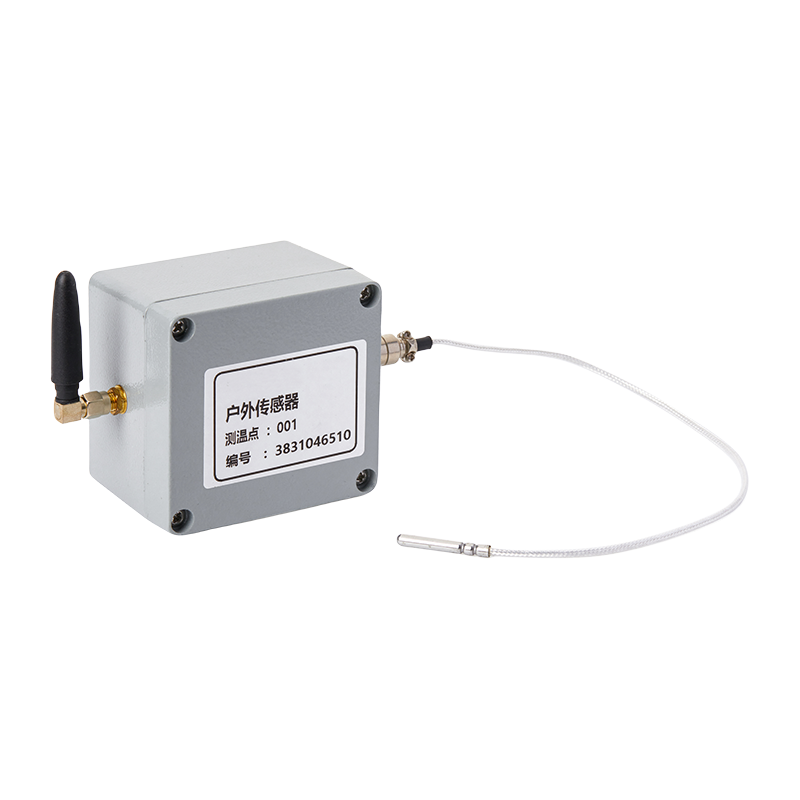
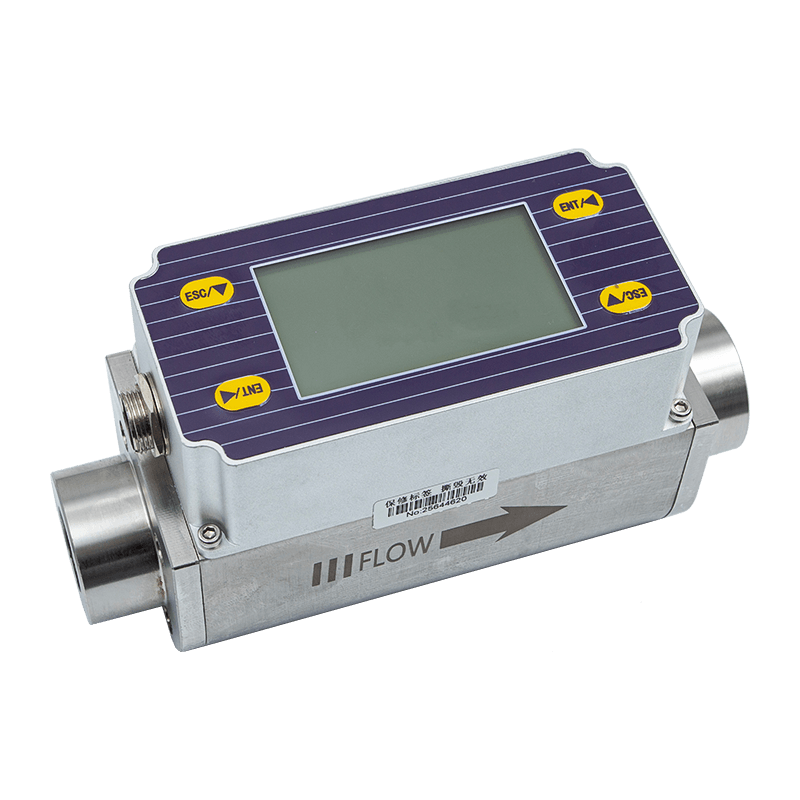
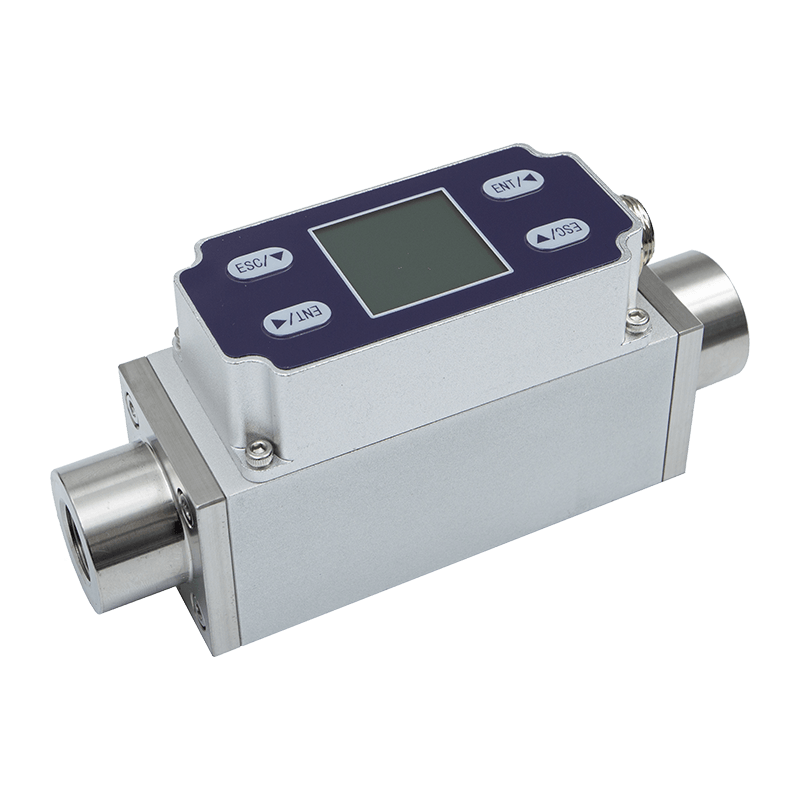
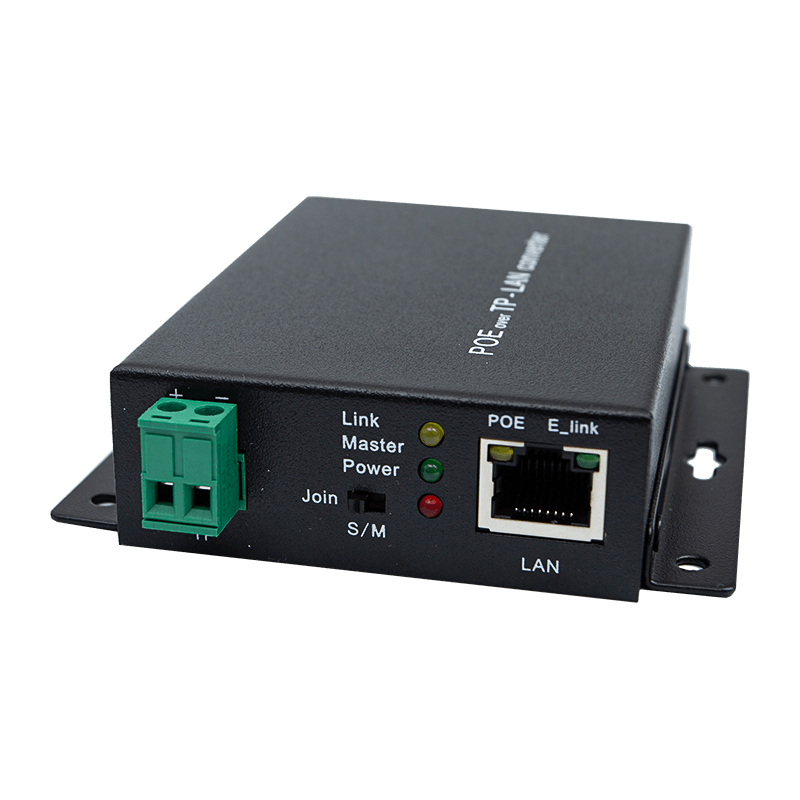
The product is also part of a broader industrial connectivity portfolio developed by ASY Electronics (JiaXing) Co., Ltd. The company focuses on industrial IoT communication, broadband power line carriers, wireless temperature monitoring, transmitters, flow meters, automatic door controllers, and integrated data connectivity solutions. This product portfolio allows the company to approach industrial communication not as an isolated device category, but as part of a larger smart-factory and industrial data infrastructure.
1. The Communication Challenge in High-Risk Industrial Areas
Industrial communication systems often operate under more difficult conditions than commercial communication networks. A production line may contain motors, pumps, transformers, frequency converters, welding equipment, and other electrical loads that generate interference. A utility station may have long cable runs and limited access to communication wiring. A chemical or energy facility may require equipment that can withstand corrosive gases, humidity, dust, and wide temperature variations.
In these locations, communication equipment must perform several functions simultaneously. Workers may need direct voice communication with another location, plant-wide or zone-wide announcements, and emergency alarm broadcasting. Installing three separate systems can increase equipment cost, wiring requirements, maintenance complexity, and training needs. A combined terminal can simplify the communication architecture by consolidating essential functions into one industrial enclosure.
Traditional communication deployments may also require dedicated telephone cables, network switches, central control cabinets, specialist commissioning, and detailed cable routing. These requirements can be difficult to satisfy in existing facilities, especially when the site is already operating or when new wiring would require production shutdowns. A communication system that can use available AC power-line infrastructure offers an alternative approach.
The CS618L-FB220 is designed for high-risk industrial areas where the existing infrastructure utilizes AC power lines for signaling. It connects in parallel to an AC 0–220V signal line for communication while using a separate DC24V power supply for operation. This architecture allows the communication signal to travel through the available power-line environment without requiring a completely independent communication cable network.
Power-line communication is particularly valuable for retrofit projects. Instead of redesigning an entire facility’s cable layout, integrators can assess the available AC signaling infrastructure and deploy compatible communication terminals at required locations. The technology can help reduce installation work while supporting an expandable network of intercom and broadcast points.
2. Product Overview
The CS618L-FB220 is an AC explosion-proof digital telephone categorized as a PLC Digital Telephone. Its core communication method is wideband power carrier transmission. It supports automatic IP assignment and a self-organizing network, allowing connected devices to join the communication system without extensive manual network configuration.
The product is intended to function as a multi-purpose industrial communication terminal. Its stated functions include multi-party intercom, broadcasting, and alarm operation. These functions make it suitable for sites where routine communication and emergency notification must be available through the same platform.
The terminal is designed for wall mounting and has an overall size of 343 × 294 × 206 millimeters. Its overall weight is approximately 7 kilograms. The enclosure is constructed from aluminum alloy, combining structural strength with a relatively manageable weight for a heavy-duty industrial device.
The product supports a working temperature range from -40°C to 85°C. This broad range enables deployment in cold outdoor locations, unconditioned equipment rooms, hot workshops, and industrial areas exposed to substantial seasonal or operational temperature changes. Its specified relative humidity range is 10% to 95% non-condensing, while the supported barometric pressure range is 80 to 110 kPa.
For protection, the unit is specified as explosion-proof IP68 and includes a WF1 corrosion-proof grade. IP68 protection is associated with high resistance to dust ingress and water exposure when the equipment is correctly installed and used within the manufacturer’s defined conditions. The WF1 designation indicates a corrosion-resistant design intended for industrial atmospheres. Final site suitability should always be confirmed through a formal installation assessment and applicable local safety requirements.
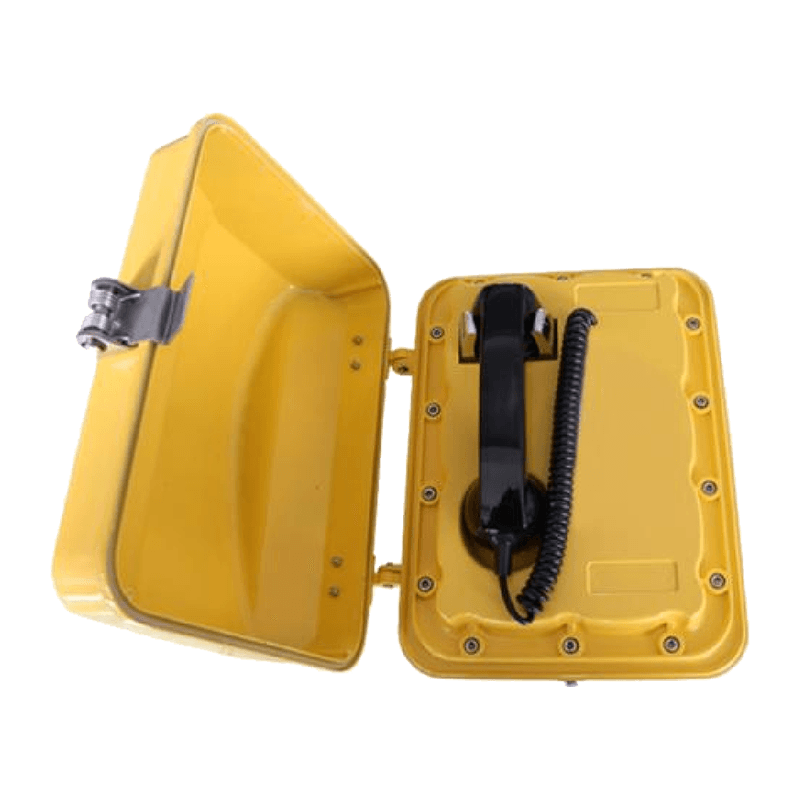
AC Explosion-Proof Digital Telephone
3. Core Functions: Intercom, Broadcast, and Alarm
3.1 Multi-Party Intercom
Multi-party intercom allows personnel at different points of a facility to communicate through the same industrial network. This can support coordination between control rooms, production areas, pump stations, loading zones, warehouses, workshops, and security posts. The ability to reach multiple terminals through a shared network can be valuable during routine operations as well as abnormal events.
In a conventional telephone arrangement, communication may be limited to one-to-one calls or require a separate conference system. An industrial intercom platform with multi-party capability can reduce this limitation. Teams can coordinate maintenance activities, production changes, equipment inspections, and emergency response through a communication device located close to the work area.
Because the CS618L-FB220 uses a wideband power carrier communication method, its communication network is aligned with the existing electrical environment rather than depending exclusively on a newly installed Ethernet or telephone cable system. This can be an advantage in industrial retrofits where new cable routes are expensive or physically difficult to create.
3.2 Broadcasting
Broadcasting allows a message to reach several terminals or a defined area at the same time. This is useful for shift instructions, operational announcements, evacuation notices, maintenance warnings, and general plant information. A dedicated high-output speaker system can help ensure that instructions are heard in areas where background machinery noise may be present.
The product information specifies an 8-ohm, 50-watt spread or speaker output arrangement and a 50-watt full-load rating. This provides a substantially stronger audio capability than many small office intercom terminals. The high-output design is intended to support clear voice distribution over industrial areas, although actual sound coverage depends on mounting position, ambient noise, room geometry, speaker characteristics, and system configuration.
3.3 Alarm Communication
Alarm communication is one of the most important functions in a high-risk workplace. When a dangerous condition occurs, personnel may have only a limited amount of time to react. A system that combines voice communication with alarm capability can help operators deliver both an immediate alert and specific instructions.
For example, an alarm sequence may begin with a general warning followed by instructions directing personnel to stop equipment, move to a designated location, avoid a specific zone, or contact a control center. Integrating alarm and voice functions within a common terminal can help reduce the number of independent systems that operators must manage.
The product should be integrated into a complete site safety architecture that includes alarms, emergency procedures, local regulations, and professionally designed control systems. The telephone is a communication device and should not be treated as a substitute for mandatory safety instrumentation or independently required emergency systems.
4. Wideband Power Carrier Communication
The CS618L-FB220 communicates through a wideband power carrier method. In practical terms, the communication signal is carried over an AC power-line signaling environment. This approach is different from a conventional analog telephone network and different from a standard wireless network. It uses existing electrical pathways as part of the communication infrastructure.
Power-line carrier communication can provide several benefits in industrial installations. First, it can reduce the need for separate communication cabling. Second, it may simplify the physical deployment of multiple terminals. Third, it can make use of existing infrastructure in facilities where power lines already connect the required areas. Fourth, it can support a more flexible approach to expanding or relocating communication points.
The product is specified for connection in parallel to an AC 0–220V signal line. It requires an independent DC24V power supply to operate. This distinction is important: the AC line serves as the signaling path, while the DC24V input provides operating energy for the device. System designers should therefore verify the availability, stability, isolation, and protection of both the AC signal line and DC power supply before installation.
Power-line communication performance can depend on the characteristics of the electrical network. Cable length, line topology, connected loads, electrical noise, filtering devices, transformers, and other equipment may influence communication quality. A professional site survey and commissioning process remain important, even though the product is designed to simplify networking.
5. Automatic IP Assignment and Self-Organizing Networking
One of the product’s major usability advantages is its automatic IP assignment and self-organizing network capability. Conventional industrial networks can require manual address planning, device-by-device configuration, network management, and commissioning by specialist technicians. These tasks may increase deployment time, especially when many communication terminals are installed across a large facility.
With automatic IP allocation, devices can obtain their network identities without requiring every terminal to be configured manually. The self-organizing network function allows compatible devices to establish their communication relationships with reduced intervention. This supports the product’s plug-and-play positioning and can be especially helpful for industrial projects that must be installed quickly.
Automatic networking does not eliminate the need for engineering discipline. Installers should still document device locations, verify power connections, test communication paths, label equipment, and confirm alarm and broadcast zones. However, reducing repetitive configuration work can make the overall deployment more efficient and less prone to addressing errors.
Compared with systems that rely on complex manual network configuration, the self-organizing architecture may offer a lower barrier to installation. It can also help maintenance teams replace or add terminals with less downtime, subject to the specific network design and commissioning procedures used at the site.
6. Rugged Construction for Harsh Environments
6.1 Aluminum-Alloy Enclosure
The enclosure is made from aluminum alloy. This material is widely used in industrial equipment because it combines strength, corrosion resistance, and manageable weight. For a wall-mounted terminal weighing approximately 7 kilograms, material selection is important. The enclosure must provide mechanical protection while remaining practical to transport, handle, mount, and service.
An aluminum-alloy housing can also support heat dissipation compared with some insulating enclosure materials. Thermal performance depends on the internal design, mounting surface, ambient conditions, and operating load, but the material is well suited to industrial electronics that must function across a broad temperature range.
6.2 IP68 Explosion-Proof Protection
The stated protection grade is explosion-proof IP68. The IP68 designation indicates a high level of enclosure protection against solid particles and water ingress under defined test conditions. The explosion-proof construction is intended for areas where the risk classification requires specially designed industrial equipment.
Explosion-proof equipment must be selected and installed according to the hazardous-area classification, gas or dust group, temperature class, local codes, and the certification requirements applicable to the project. The presence of an explosion-proof designation does not mean that any model is automatically suitable for every hazardous location. Engineering teams should verify all product documentation and site requirements before purchase and installation.
6.3 WF1 Corrosion-Proof Grade
The WF1 corrosion-proof grade is an important feature for industrial environments exposed to corrosive conditions. Chemical processing areas, coastal facilities, wastewater plants, fertilizer production sites, and some mining environments can expose equipment to moisture, salts, gases, and chemical contaminants.
Corrosion resistance helps preserve the mechanical integrity of the enclosure, mounting points, fasteners, and external interfaces. It can also support longer service life and reduce maintenance requirements. As with any industrial product, the actual lifetime depends on the specific atmosphere, cleaning procedures, exposure level, installation quality, and maintenance plan.
6.4 Wide Temperature Tolerance
The operating temperature specification of -40°C to 85°C is one of the product’s strongest environmental advantages. Many commercial communication devices are designed for indoor rooms with controlled temperatures and may not be reliable in hot process areas or freezing outdoor locations. The CS618L-FB220 is intended for a much wider industrial temperature envelope.
This broad tolerance can reduce the need for additional climate-control cabinets in selected applications. It also offers greater design flexibility for facilities that have seasonal temperature extremes or equipment rooms without dedicated heating and cooling. The product should still be installed with adequate ventilation, protection from direct environmental abuse, and appropriate thermal spacing.

7. Audio Output and Industrial Communication Performance
Industrial communication must be intelligible, not merely functional. Background noise from compressors, conveyors, fans, pumps, generators, and production machinery can make low-power audio difficult to hear. The CS618L-FB220 is specified with an 8-ohm, 50-watt spread or speaker output and a full-load power rating of 50 watts.
This output capability is intended to support communication over a wider or noisier area than a typical office telephone. A higher-power speaker arrangement can improve the audibility of voice messages when the device is installed correctly. Speaker placement, acoustic reflections, physical obstructions, and ambient sound pressure remain important factors in the final result.
The product information also lists an 8-ohm, 5-watt value under “Rise upward.” Because the supplied terminology appears to be a direct technical translation, project engineers should confirm the intended meaning of this parameter with the manufacturer before final system design. Clear technical interpretation is especially important when integrating the unit with external amplifiers, speakers, or audio distribution equipment.
Power consumption is listed as 5 watts in standby and 50 watts at full load. This distinction assists power-supply planning. Facilities can estimate normal standby requirements separately from maximum broadcast or alarm conditions. The DC24V power system should be sized with suitable reserve capacity, protection, and backup arrangements where continuous communication is required.
8. Advantages Compared with Conventional Alternatives
8.1 Reduced Dependence on Dedicated Communication Cabling
A major advantage of the CS618L-FB220 is its use of broadband power carrier communication over an AC signaling environment. Conventional telephone or network systems may require dedicated cables, cable trays, switches, junction boxes, and additional infrastructure. In retrofit projects, these requirements can add significant labor and material costs.
By using available power-line pathways, the product may reduce the amount of new communication wiring required. This can be particularly beneficial in large factories, utility corridors, process areas, and older facilities where cable routes are congested or difficult to access.
8.2 Simpler Deployment
Automatic IP allocation and self-organizing networking simplify the setup of compatible units. Compared with systems that require manual network addressing and extensive configuration, the product can shorten commissioning time and make expansion more straightforward.
The plug-and-play concept is also beneficial for contractors and maintenance teams. Fewer configuration steps can reduce the risk of address duplication, incorrect device mapping, or inconsistent settings across multiple stations. System documentation and functional testing remain necessary, but the basic deployment process is designed to be efficient.
8.3 One Device for Several Communication Functions
Separate intercom, public-address, and alarm systems can create duplicated hardware and complicated operator workflows. The CS618L-FB220 combines multi-party intercom, broadcasting, and alarm functions in one platform. This integration can help reduce the number of devices mounted in each area and make routine operation easier for personnel.
For industrial organizations seeking a unified communication architecture, this multifunction approach can improve consistency. Operators can use a common system for daily coordination and emergency announcements rather than switching between unrelated equipment.
8.4 Greater Environmental Adaptability
Many communication products are not designed for direct exposure to harsh industrial conditions. The CS618L-FB220 is built around a set of environmental specifications that include IP68 explosion-proof protection, aluminum-alloy construction, WF1 corrosion resistance, and an operating range of -40°C to 85°C.
These features make the device more suitable for demanding environments than ordinary office telephones, consumer intercom systems, and non-protected public-address units. The product is not simply a communication endpoint placed inside an industrial enclosure; it is specified as a purpose-built industrial terminal.
8.5 Higher Audio Power
The 50-watt full-load rating and 8-ohm, 50-watt speaker arrangement provide stronger audio capability than many low-power intercom products. In noisy industrial areas, this can support clearer announcements and improve the likelihood that instructions will be heard.
Higher output power is especially relevant when the unit serves a large work zone or when it must overcome continuous machinery noise. A complete acoustic survey is recommended to determine the number and positioning of terminals required for a facility.
8.6 Long Communication Distance
The product description states a talking distance of up to 1,000 meters. Actual communication distance depends on power-line conditions, network topology, electrical interference, installation quality, and site configuration. Nevertheless, the stated distance makes the product relevant to large industrial areas where communication points may be widely distributed.
Compared with short-range local intercoms, a system designed for extended industrial coverage can reduce the number of intermediate communication stations required in some layouts. This may simplify deployment and improve communication continuity across a facility.
9. Typical Industrial Applications
9.1 Chemical and Petrochemical Facilities
Chemical and petrochemical facilities often contain hazardous areas, corrosive atmospheres, large process units, and high background noise. Personnel may need to coordinate between control rooms, pump areas, loading stations, and maintenance zones. Explosion-proof construction and corrosion resistance are highly relevant in such environments.
The product can support routine voice communication, process announcements, and emergency instructions. Its use should be based on a formal hazardous-area assessment and compliance review.
9.2 Mining and Materials Processing
Mines, mineral-processing plants, and aggregate facilities may include dust, vibration, long distances, and limited communication wiring. A power-line communication solution can help connect remote work areas when suitable electrical infrastructure is available.
The high audio output can be useful in areas with crushing, screening, conveying, or ventilation equipment. The robust enclosure and wide temperature tolerance may also support outdoor or semi-enclosed installations.
9.3 Power and Utility Stations
Substations, generation facilities, water utilities, and distribution sites often require reliable communication between equipment zones and operation centers. Existing AC infrastructure can provide an advantageous pathway for communication signaling, particularly in expansion or retrofit projects.
Communication terminals can be positioned near transformer areas, switchgear rooms, pump stations, control buildings, and access points. Engineers should assess electromagnetic conditions and confirm compatibility with the site’s electrical system.
9.4 Manufacturing Plants
Manufacturing plants frequently require communication between production lines, warehouses, inspection departments, maintenance teams, and security points. In facilities with high machinery noise, the 50-watt audio capability may be useful for announcements and urgent notifications.
The self-organizing network can also support phased deployment. A plant may begin with several critical zones and later add terminals as production areas expand or communication needs change.
9.5 Ports, Terminals, and Logistics Facilities
Ports and logistics facilities cover large areas and may expose equipment to humidity, wind, salt, dust, and changing temperatures. Wall-mounted industrial communication terminals can provide communication points near warehouses, loading zones, maintenance buildings, and operational control areas.
Where conventional indoor telephones are unsuitable, a rugged terminal with corrosion-resistant construction and high environmental protection can provide a more appropriate solution.
9.6 Wastewater and Environmental Infrastructure
Wastewater treatment plants and environmental facilities can contain moisture, corrosive gases, pumps, blowers, and large outdoor spaces. Communication is needed for maintenance coordination, operating instructions, and emergency response.
The product’s environmental specifications make it a candidate for selected areas of these facilities, subject to the atmosphere, installation location, and applicable compliance requirements.
10. Technical Specification Table
| Parameter | Specification |
|---|---|
| Product type | AC explosion-proof digital telephone |
| Item number | CS618L-FB220 |
| Supply voltage | DC24V |
| Signal line voltage | AC0–220V |
| Communication method | Wideband power carrier |
| Networking mode | Automatic IP assignment and self-organizing network |
| Primary functions | Multi-party intercom, broadcasting, and alarm communication |
| Protection grade | Explosion-proof IP68 |
| Enclosure material | Aluminum alloy |
| Audio parameter listed | 8 ohms, 5 watts |
| Speaker output listed | 8 ohms, 50 watts |
| Power consumption | Standby 5 watts; full load 50 watts |
| Working temperature | -40°C to 85°C |
| Relative humidity | 10% to 95%, non-condensing |
| Barometric pressure | 80–110 kPa |
| Corrosion-proof grade | WF1 |
| Outline dimensions | 343 × 294 × 206 mm |
| Overall weight | Approximately 7 kg |
| Installation method | Wall mounting |
| Stated talking distance | Up to 1,000 meters, subject to site conditions |
11. Manufacturing and Engineering Strengths
The product’s performance depends not only on its published specifications but also on the engineering and manufacturing capabilities behind it. ASY Electronics is a high-tech enterprise focused on smart-factory infrastructure, industrial data sensing, and intelligent connectivity. Its product range includes broadband power line carriers, wireless temperature monitoring systems, industrial transmitters, thermal gas mass flow meters, and automatic door controllers.
This product combination demonstrates an emphasis on industrial environments rather than general-purpose consumer electronics. The company’s solutions address communication, measurement, equipment condition monitoring, energy management, and access control. Such a portfolio can support cross-disciplinary system integration for industrial customers.
11.1 Industrial-Oriented Product Development
Industrial communication devices must be designed around real operating conditions. Product development must consider enclosure strength, environmental sealing, electrical compatibility, thermal behavior, corrosion exposure, audio performance, and long-term serviceability. The CS618L-FB220 reflects this industrial-oriented approach through its environmental protection, wide temperature range, power-line communication architecture, and high-output audio design.
Rather than optimizing only for appearance or low initial cost, industrial product development focuses on reliability, maintainability, and suitability for continuous operation. This approach is important when equipment is installed in locations where replacement or repair may interrupt production or create safety risks.
11.2 Integration of Hardware and Communication Technology
The company’s capabilities combine rugged hardware design with communication technology. A successful PLC digital telephone requires more than an enclosure and a speaker. It must coordinate power input, signal transmission, automatic addressing, network organization, audio processing, alarm functions, and environmental protection.
The integration of these elements can reduce the need for customers to combine products from several unrelated suppliers. A unified device may simplify technical support, spare-parts management, system documentation, and maintenance training.
11.3 Smart-Factory and Industrial IoT Perspective
Industrial communication is increasingly connected to broader digital transformation programs. Facilities want to monitor equipment, optimize energy use, identify abnormal conditions, and coordinate production activities through integrated systems. A communication terminal such as the CS618L-FB220 can serve as an operational interface within this larger industrial IoT environment.
The company’s focus on edge-layer hardware and industrial data integration supports the development of solutions that connect field devices with higher-level management systems. While the telephone itself is primarily a communication product, its automatic networking and PLC-based architecture align with the needs of connected industrial facilities.
11.4 Manufacturing Consistency and Quality Control
Explosion-proof and industrial communication products require consistent assembly quality. Enclosure interfaces, sealing elements, mounting structures, cable connections, and internal component placement must be controlled carefully. Manufacturing processes should include incoming material inspection, assembly verification, electrical testing, communication testing, enclosure checks, and final functional inspection.
For a product intended to operate from -40°C to 85°C and in high-protection environments, manufacturing consistency is essential. Small deviations in sealing, wiring, or mechanical fit can affect field reliability. A professional industrial manufacturer therefore benefits from documented processes, traceability, standardized work instructions, and inspection procedures.
11.5 Application-Specific Engineering Support
Industrial projects vary significantly. A chemical plant, a power station, and a manufacturing workshop may require different communication zones, mounting arrangements, power supplies, and integration methods. A capable supplier should be able to review site requirements, recommend a system structure, support product selection, and clarify installation conditions.
Application support is particularly important for power-line communication because the electrical environment influences system performance. Engineering teams may need guidance on signal-line connection, DC24V power distribution, terminal placement, audio coverage, and network commissioning.

12. Installation and Deployment Considerations
The terminal is designed for wall mounting. Before installation, the selected wall or support structure should be assessed for mechanical strength, vibration, accessibility, and environmental exposure. The mounting location should allow personnel to operate the device safely and allow technicians to perform inspection and maintenance.
The DC24V power supply should be stable and appropriately protected. Where communication continuity is critical, the power system may require backup capacity or connection to an uninterruptible industrial power source. The AC0–220V signal-line connection should be designed according to the site’s electrical architecture and applicable safety procedures.
Installers should verify cable compatibility, grounding and bonding requirements, protective devices, isolation arrangements, and hazardous-area regulations. Connections should be made only by qualified personnel familiar with industrial and explosion-protected equipment.
After physical installation, commissioning should include power verification, communication tests, intercom tests, broadcast tests, alarm tests, network discovery checks, and audio intelligibility checks. Each terminal should be assigned a clear location identifier in the project documentation.
Testing should be performed under representative operating conditions whenever possible. If the device is intended for a high-noise area, the broadcast and intercom functions should be assessed while nearby machinery is operating. If the unit is deployed across a long power-line path, communication should be checked at the farthest intended station rather than only at a nearby test point.
13. Maintenance and Lifecycle Management
Regular inspection helps preserve the performance of industrial communication systems. Maintenance teams should examine the enclosure, mounting hardware, cable entries, external surfaces, operating controls, and audible output. Any signs of corrosion, mechanical damage, loose connections, water ingress, or unusual sound should be recorded and investigated.
The product’s aluminum-alloy construction and WF1 corrosion-proof grade can support durability, but no enclosure is maintenance-free. Cleaning procedures should be compatible with the material and the hazardous-area requirements. Strong chemicals, abrasive tools, or unauthorized modifications should be avoided.
Communication tests should be included in routine plant maintenance. A terminal that appears physically intact may still have a damaged cable, unstable power supply, degraded audio output, or communication-path problem. Periodic functional testing can identify issues before an emergency occurs.
Facilities should also maintain updated network drawings, terminal lists, power-supply records, spare-part information, and test reports. Because the system supports automatic networking, documentation remains important for locating individual devices and understanding the overall communication topology.
14. Selecting the Product for a Project
The CS618L-FB220 is most suitable when a project requires a rugged communication terminal, high audio output, power-line carrier communication, and operation in demanding industrial conditions. It is particularly relevant when existing AC signaling infrastructure can be used and when the customer wants to avoid extensive dedicated communication wiring.
Before selection, project teams should review several factors. These include the hazardous-area classification, ambient temperature, humidity, corrosive atmosphere, available DC24V power, AC signal-line conditions, communication distance, required number of stations, sound coverage, and integration with existing alarm systems.
Customers should also clarify the exact meaning of all technical parameters during the engineering stage. The listed audio values include both an 8-ohm, 5-watt parameter and an 8-ohm, 50-watt speaker output. Confirming the intended signal path and external speaker arrangement will help prevent design misunderstandings.
A site survey is recommended for large or complex facilities. During the survey, engineers can identify suitable mounting points, examine cable routes, assess electrical noise, determine broadcast zones, and establish testing criteria. This process helps ensure that the product’s capabilities are matched to actual site requirements.
15. Why Industrial Buyers May Prefer This Communication Architecture
Industrial buyers generally evaluate more than purchase price. They consider installation labor, operational continuity, maintenance requirements, environmental suitability, spare parts, scalability, and supplier support. A communication platform that addresses several of these factors can deliver value over its service life.
The CS618L-FB220 offers a combination of rugged construction and simplified networking. Its power-line carrier approach may reduce cabling work. Its automatic IP assignment may reduce configuration time. Its multifunction design may reduce the number of separate communication devices. Its high audio output may improve message audibility. Its environmental specifications may expand the number of locations where it can be installed.
These advantages are especially relevant in modernization projects. Many industrial sites contain legacy infrastructure that remains operational but lacks modern communication functions. A product capable of using existing AC signaling pathways can support incremental upgrades without requiring a complete replacement of the facility’s infrastructure.
The company’s broader industrial IoT capabilities may also be valuable to buyers seeking a long-term technology partner. Communication, sensing, energy monitoring, flow measurement, and equipment data integration are often connected within modern smart-factory projects. A supplier with experience across these areas may be better positioned to support future system expansion.
16. Frequently Asked Questions
Q1: What is the primary purpose of the CS618L-FB220?
The CS618L-FB220 is an AC explosion-proof digital telephone for industrial communication. It combines multi-party intercom, broadcasting, and alarm functions in one rugged terminal.
Q2: How does the device communicate?
It uses wideband power carrier communication. The unit connects in parallel to an AC0–220V signal line for communication and requires an independent DC24V power supply for operation.
Q3: Does the product require a separate communication cable?
The product is designed to use an existing AC power-line signaling environment, which can reduce the need for a separate dedicated communication cable. The actual installation must be assessed according to the site’s electrical infrastructure and system requirements.
Q4: What networking functions are included?
The product supports automatic IP assignment and a self-organizing network. These functions reduce manual configuration and support plug-and-play deployment of compatible terminals.
Q5: What communication functions are supported?
The product supports multi-party intercom, broadcasting, and alarm communication. These functions can be used for routine coordination, plant-wide announcements, and emergency instructions.
Q6: What is the maximum stated talking distance?
The product description states a talking distance of up to 1,000 meters. Actual performance depends on power-line conditions, network topology, electrical interference, installation quality, and environmental factors.
Q7: Is the unit suitable for hazardous industrial areas?
The product is specified as explosion-proof IP68 and is designed for high-risk industrial environments. Suitability must be confirmed against the site’s hazardous-area classification, local regulations, certification requirements, and installation conditions.
Q8: What material is used for the enclosure?
The enclosure is made from aluminum alloy. The product also carries a stated WF1 corrosion-proof grade.
Q9: What temperatures can the product withstand?
The specified working temperature range is -40°C to 85°C.
Q10: What is the power supply requirement?
The operating supply voltage is DC24V. The AC0–220V line is used as the signal line rather than as the primary operating supply according to the supplied product information.
Q11: What is the audio output rating?
The technical information lists an 8-ohm, 50-watt speaker output and a 50-watt full-load rating. It also lists an 8-ohm, 5-watt audio parameter. The exact application of each parameter should be confirmed during technical design.
Q12: How is the product installed?
The product uses a wall-mounted installation method. The mounting surface, cable connections, power supply, hazardous-area requirements, and maintenance access should be reviewed before installation.
Q13: What is the product’s approximate size and weight?
The outline dimensions are 343 × 294 × 206 millimeters, and the overall weight is approximately 7 kilograms.
Q14: Can the product be used outdoors?
Its IP68 protection, corrosion-proof grade, and wide temperature range support selected outdoor or semi-outdoor industrial applications. Outdoor use must still be evaluated according to exposure, mounting, drainage, direct sunlight, wind, local weather, and hazardous-area requirements.
Q15: What makes this product different from a standard office telephone?
The CS618L-FB220 is designed for industrial conditions. It provides explosion-proof IP68 protection, corrosion resistance, a wide temperature range, high audio output, power-line carrier communication, automatic networking, and integrated intercom, broadcast, and alarm functions.
Q16: What should be checked before purchasing?
Buyers should confirm the hazardous-area classification, AC signal-line conditions, DC24V supply availability, required communication distance, audio coverage, network size, environmental exposure, installation location, and compliance requirements.
17. Conclusion
The AC Explosion-Proof Digital Telephone CS618L-FB220 is designed to address a practical industrial communication challenge: how to provide reliable intercom, broadcast, and alarm capabilities in demanding areas without depending entirely on new dedicated communication wiring.
Its wideband power carrier communication method, automatic IP assignment, self-organizing network, and plug-and-play design can simplify deployment. Its aluminum-alloy enclosure, IP68 explosion-proof protection, WF1 corrosion-proof grade, -40°C to 85°C working temperature range, and wall-mounted construction support use in harsh industrial environments. Its 50-watt full-load capability and 8-ohm, 50-watt speaker output provide the audio strength needed for many noisy work areas.
Compared with conventional office telephones, low-power intercoms, and systems requiring extensive cabling and manual configuration, the product offers a more integrated and industrially focused approach. It can support communication modernization in factories, utilities, energy facilities, chemical plants, mining operations, logistics areas, and other high-risk locations.
The product also reflects the strengths of a manufacturer focused on industrial IoT, power-line carrier technology, sensing, measurement, and smart-factory infrastructure. By combining rugged hardware with intelligent connectivity and application-oriented engineering, ASY Electronics can support customers seeking scalable solutions for industrial communication and data integration.
Successful deployment still requires professional assessment, correct installation, compliance verification, and regular maintenance. When these requirements are addressed, the CS618L-FB220 can serve as a dependable communication component within a broader industrial safety and operational network.
References
1. Product technical information for CS618L-FB220 AC Explosion-Proof Digital Telephone.
2. Industrial power-line carrier communication design and application principles.
3. General enclosure protection classification principles for electrical equipment.
4. Industrial hazardous-area equipment selection and installation practices.
5. Industrial communication system planning, commissioning, and maintenance guidelines.
6. Smart-factory architecture and industrial IoT edge connectivity principles.
7. Industrial audio coverage, public-address, and emergency communication design practices.