

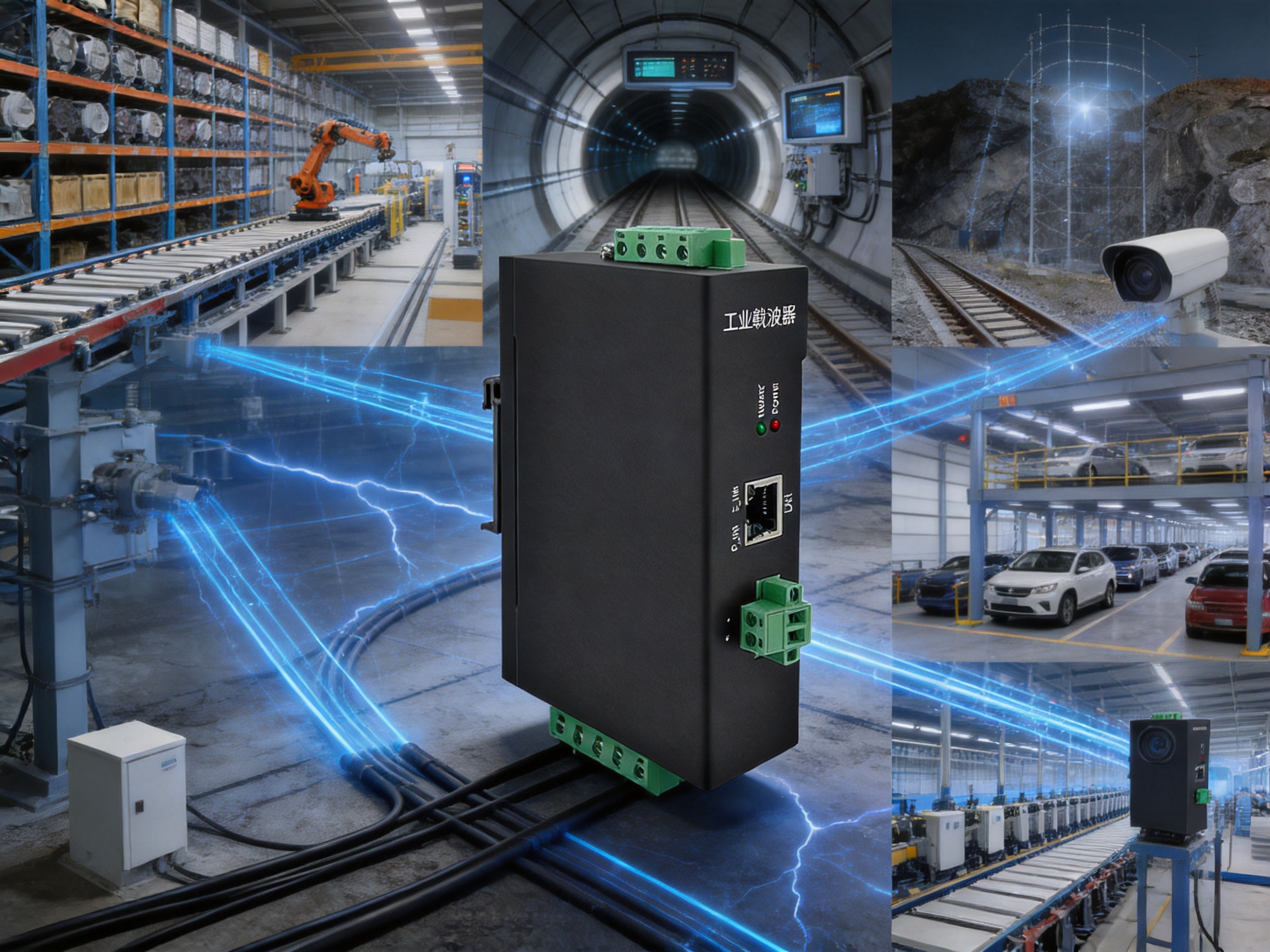
Industrial automation increasingly depends on communication networks that can move large volumes of data quickly, reliably, and securely. Cameras, programmable logic controllers, robots, sensors, drives, gateways, and enterprise systems all need to exchange information in real time. In many facilities, however, installing new communication cables is expensive, disruptive, or technically difficult. Existing power cables may already reach the machines, vehicles, control cabinets, and remote operating areas that require connectivity.
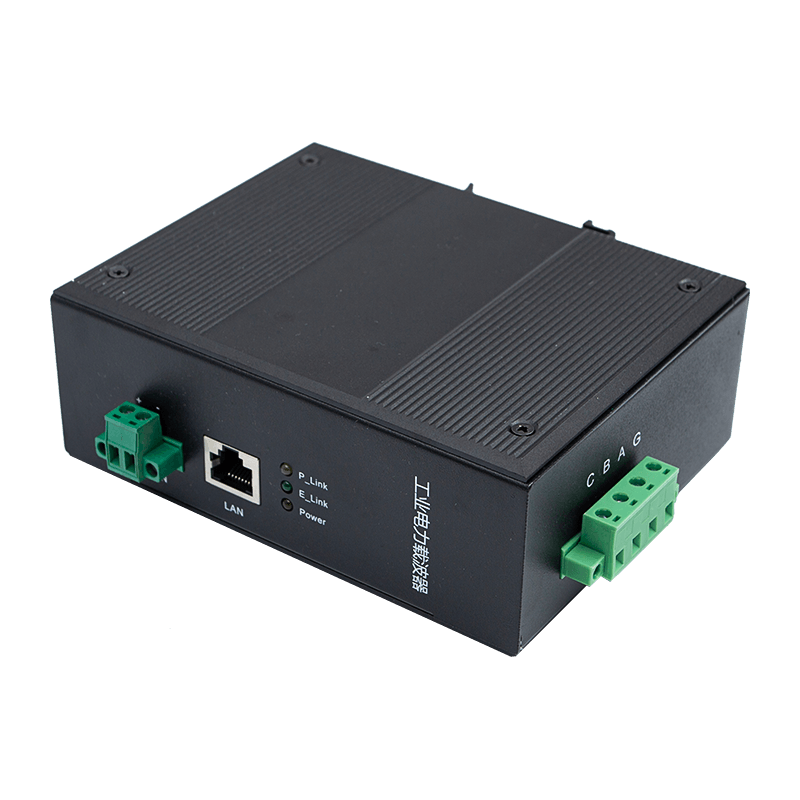
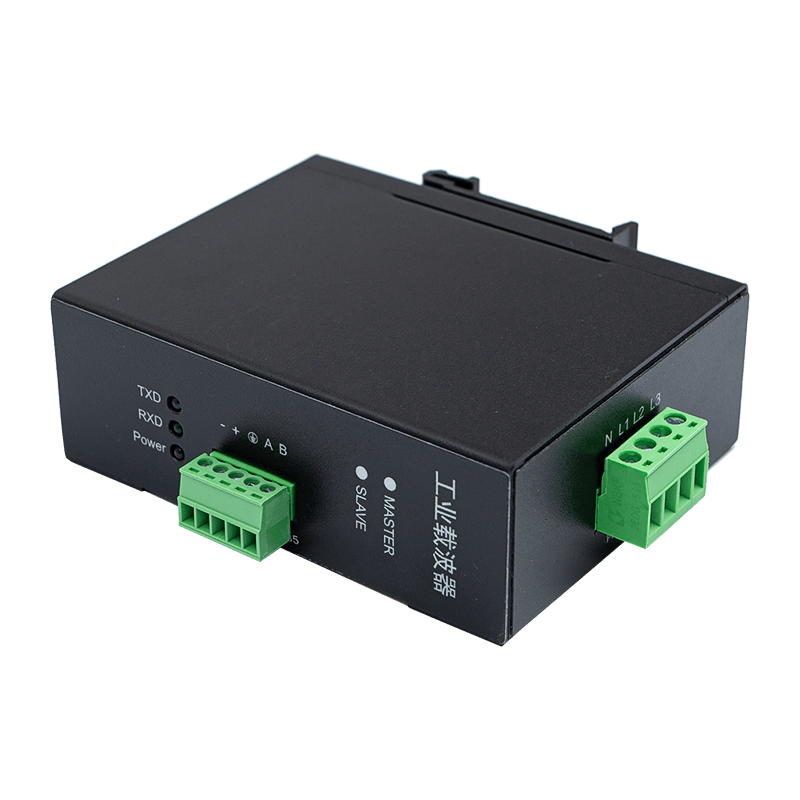
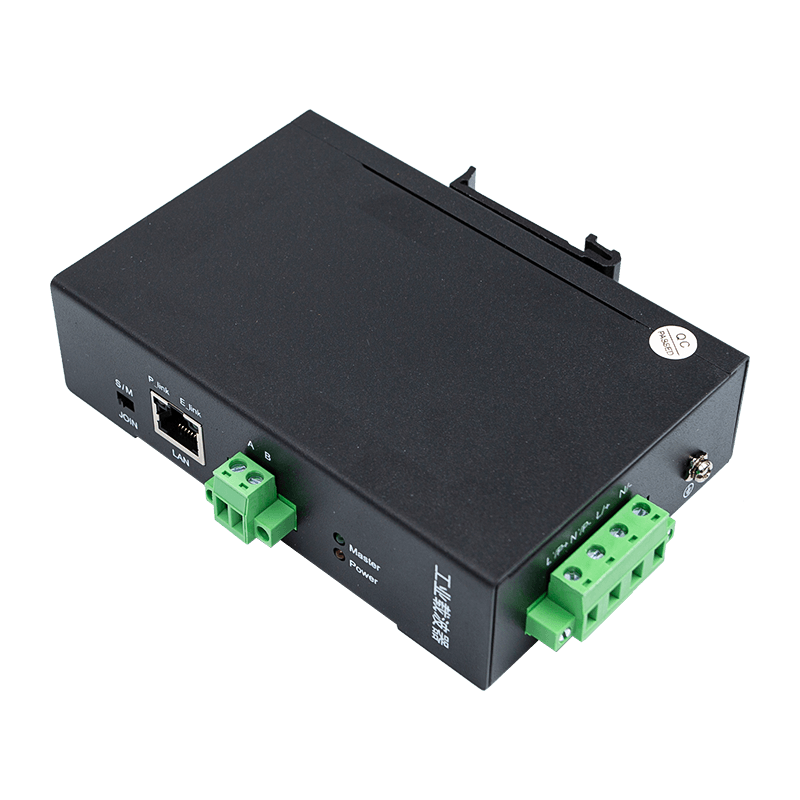
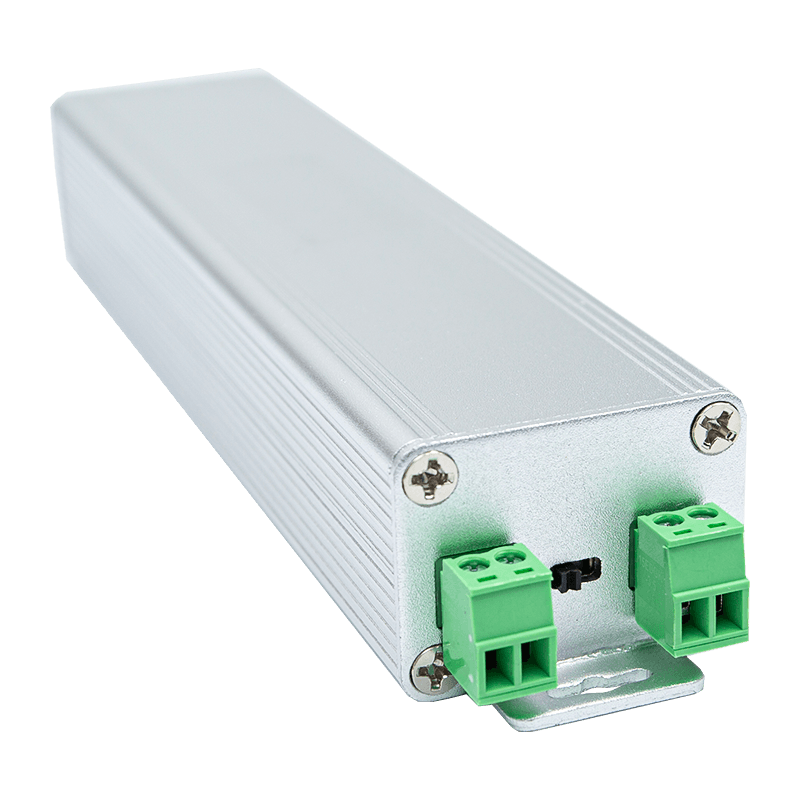
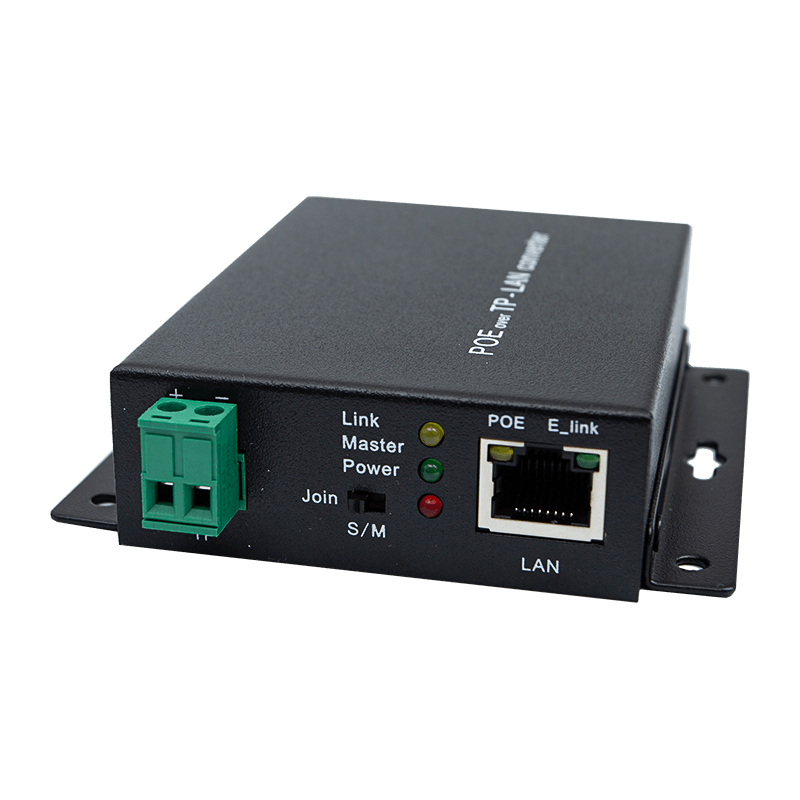
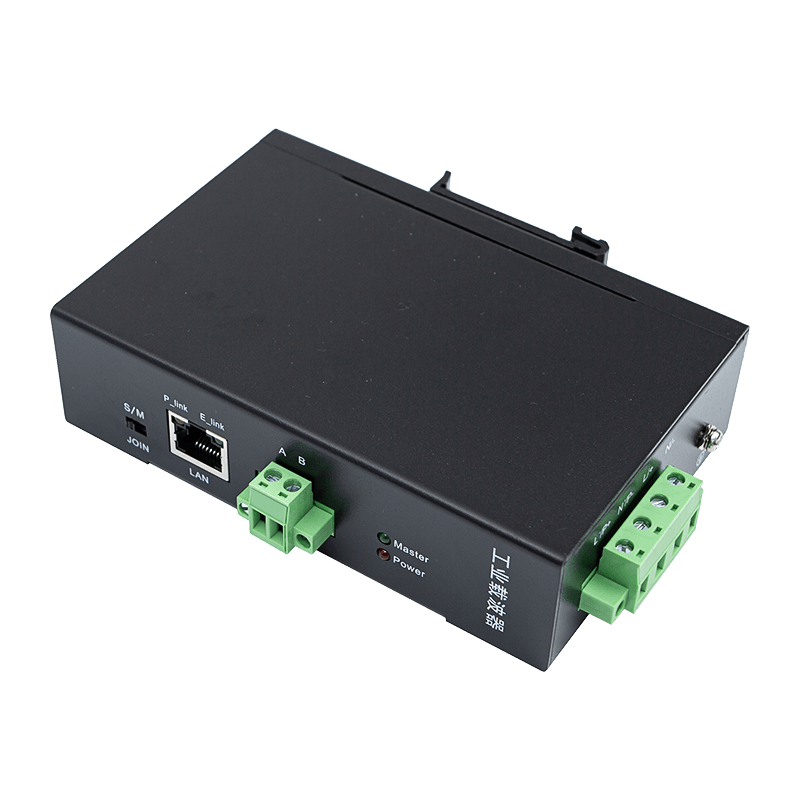
General Gigabit Power Line Communication, model KS1200G, is designed to transform existing power lines and suitable industrial cables into a high-speed data communication channel. Based on broadband power line communication technology, the device supports Ethernet transmission through electrical wiring while maintaining an industrial operating range, compact form factor, flexible networking capability, and integrated security functions.
The solution is intended for industrial Internet of Things applications, smart factories, energy systems, logistics equipment, rail and subway infrastructure, mines, oilfields, underwater robots, automated parking facilities, and other environments where communication must coexist with demanding electrical and environmental conditions.
With a physical-layer carrier bandwidth of up to 1,000 Mbps and Ethernet data rates of up to 480 Mbps, the KS1200G offers a practical alternative to conventional communication infrastructure. It can reduce the need for dedicated network cabling while enabling bidirectional, real-time, and long-distance data transmission over power lines.
1. The Industrial Connectivity Challenge
Modern industrial facilities contain a mixture of fixed and moving assets. Production lines may include robotic arms, motor controllers, machine vision systems, safety devices, industrial computers, and condition-monitoring sensors. Warehouses may use automated guided vehicles, conveyors, lifts, sorting systems, and three-dimensional storage equipment. Rail systems and tunnels may contain equipment distributed over long distances, with limited access to conventional communications infrastructure.
Each application has different networking requirements. Some devices need only a small amount of monitoring data, while others transmit high-resolution images, diagnostic files, control commands, or process information. A network may also need to support multicast traffic, industrial protocols, remote configuration, and continuous operation around the clock.
Traditional Ethernet cabling remains an excellent choice in many applications, but it is not always the simplest choice. New network cables may require cable trays, conduits, connectors, junction boxes, and additional installation labor. In difficult areas, cable installation may involve shutting down equipment, drilling structures, entering confined spaces, or modifying machinery.
Wireless communication can reduce cabling requirements, but industrial wireless networks may experience signal attenuation, interference, reflections, obstruction, or coverage gaps. Metal structures, moving equipment, concrete walls, underground spaces, and electromagnetic noise can all influence wireless performance. Some industrial applications also require a predictable communication path that does not depend on radio coverage.
Power line communication addresses this challenge by using an existing electrical path for data transmission. A communication module is connected to the equipment’s power network, and high-frequency data signals are coupled onto the power line while the normal power function continues. This approach can be especially valuable where the target equipment already has a stable power connection but lacks a separate data cable.
2. Product Overview
The KS1200G is a general-purpose industrial broadband power line communication device. It uses OFDM modulation and demodulation technology and is designed around relevant IEEE 1901 and broadband PLC communication principles. The device supports Ethernet communication through power lines, allowing industrial terminals to exchange data without requiring a separate communication cable in every location.
Its independent power supply accepts DC 12–48 V. The PLC signal port is suitable for power line communication at up to 380 V AC or 560 V DC, subject to correct installation, electrical safety procedures, and application-specific validation. The PLC channel does not distinguish between phase sequence or positive and negative polarity, which can simplify deployment and reduce installation errors in appropriate systems.
The device provides adaptive Ethernet communication at 10 Mbps, 100 Mbps, or 1,000 Mbps. Its stated Ethernet bandwidth can reach up to 480 Mbps, while the physical-layer carrier bandwidth is up to 1,000 Mbps. Actual throughput depends on cable type, line length, electrical noise, network topology, load conditions, and the performance of connected equipment.
Point-to-point transmission over power lines can reach approximately 800 meters under suitable conditions. The product also supports automatic networking, self-routing, and multiple network topologies. These features allow engineers to build bus, star, tree, or hybrid networks according to the layout of a facility.
For industrial environments, the KS1200G supports an operating temperature range of -40°C to 85°C, storage temperature from -40°C to 85°C, and operating humidity of 20% to 95% without condensation. Its industrial-grade design supports continuous 24-hour, seven-day operation.
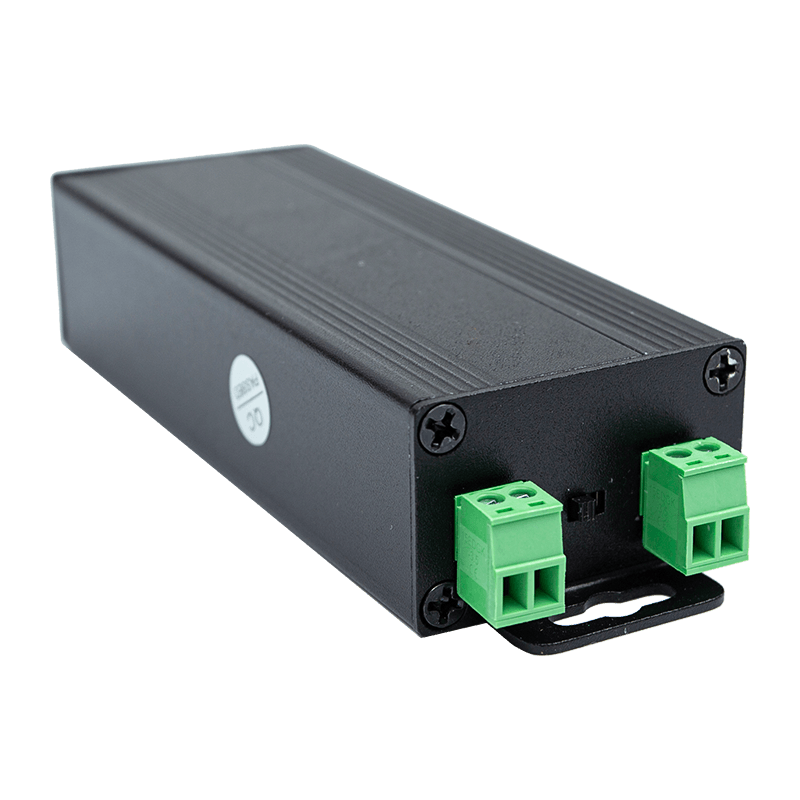
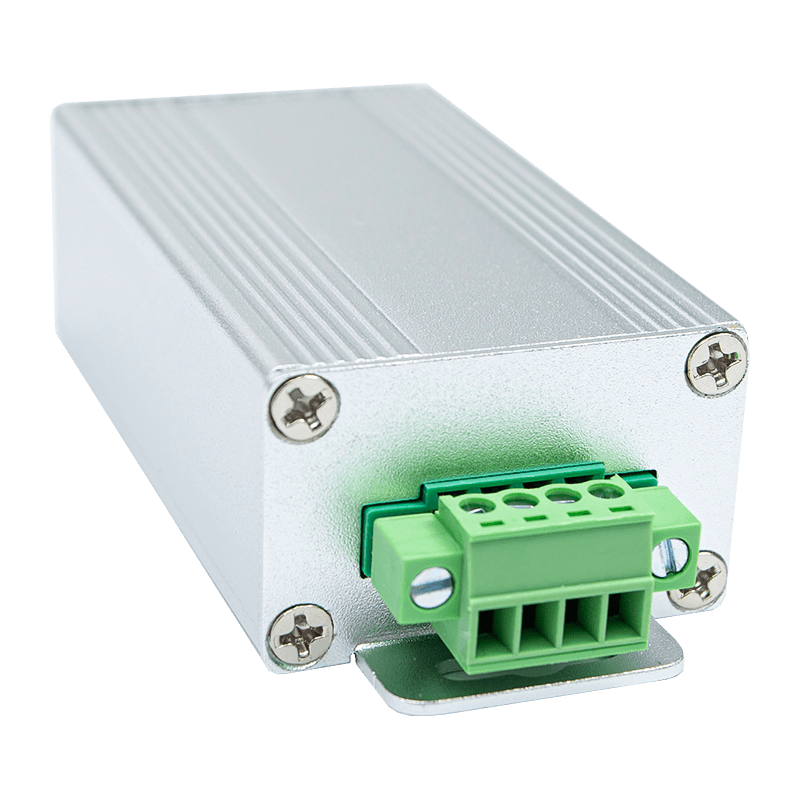
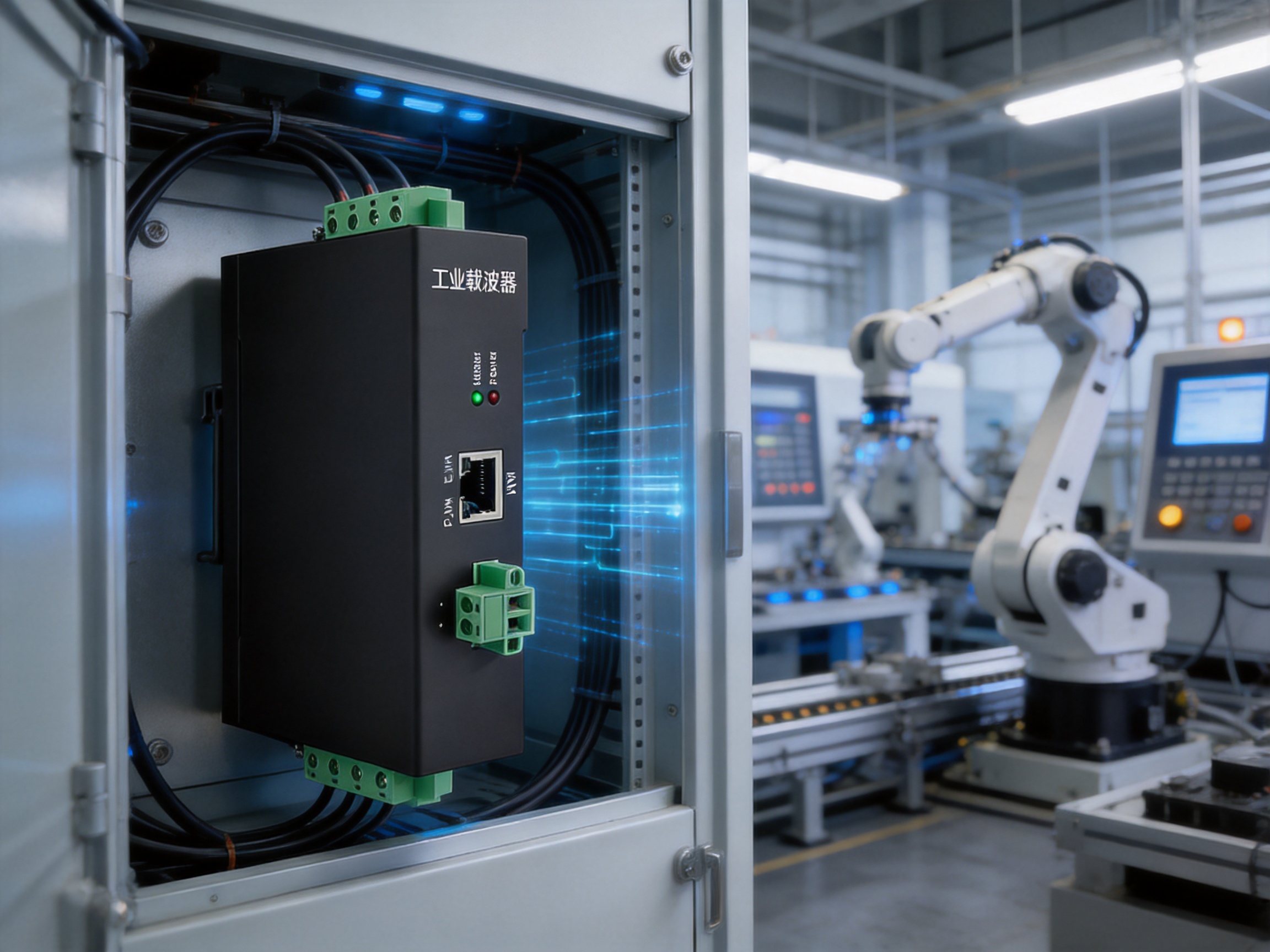
The housing measures approximately 90 × 35 × 130 mm and weighs about 400 grams. It is designed for TS35 or RAILTS35 guide-rail installation, making it suitable for control cabinets, electrical panels, automation enclosures, and industrial communication cabinets.
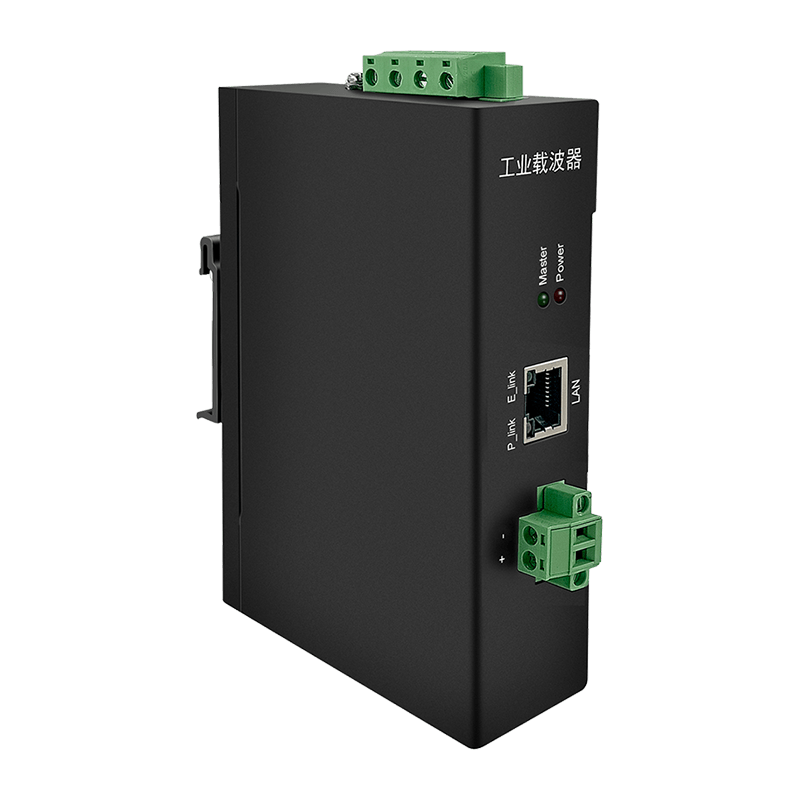
General Gigabit Power Line Communication
3. Core Technical Advantages
3.1 High-Bandwidth Data Transmission
The principal advantage of the KS1200G is its high-speed broadband communication capability. With an Ethernet rate of up to 480 Mbps and adaptive support for Gigabit Ethernet interfaces, the device is designed for applications that require more than basic telemetry.
High bandwidth is useful when a single industrial link must carry several types of traffic at the same time. For example, a production cell may transmit equipment status, control information, alarm messages, maintenance data, and video streams through the same communication network. A logistics system may use one link for scanner data, conveyor coordination, vehicle information, and remote diagnostics.
Compared with narrow-band power line carrier products, broadband PLC can provide substantially higher data capacity. Narrow-band systems are often appropriate for low-rate metering, basic switching, and simple control. The KS1200G is positioned for more demanding industrial communication tasks where rapid data exchange and larger packets are required.
3.2 Bidirectional and Real-Time Communication
The device supports bidirectional data transmission, allowing connected systems not only to collect information but also to send commands back to field equipment. This is important for closed-loop industrial applications. A monitoring system can detect abnormal operating conditions, while a control system can respond by adjusting a machine, issuing an alert, or changing a process sequence.
Data delay is specified as within 10 milliseconds under suitable operating conditions. This performance can support many industrial monitoring and control scenarios, although the required response time should always be assessed against the complete application architecture. Network load, protocol behavior, switching equipment, application software, and controller scan times may all affect end-to-end response.
3.3 Automatic Networking and Self-Routing
Complex industrial installations often contain multiple communication nodes. Manually configuring each node can increase commissioning time and create opportunities for addressing or routing errors. The KS1200G incorporates automatic networking and self-routing functions, reducing the need to define a traditional master-slave structure.
When devices are installed in a suitable network, the system can organize communication paths automatically. This is valuable for distributed equipment, modular production lines, and facilities where the network may expand over time. Automatic networking also supports plug-and-play deployment, provided that the power-line environment and security parameters have been correctly prepared.
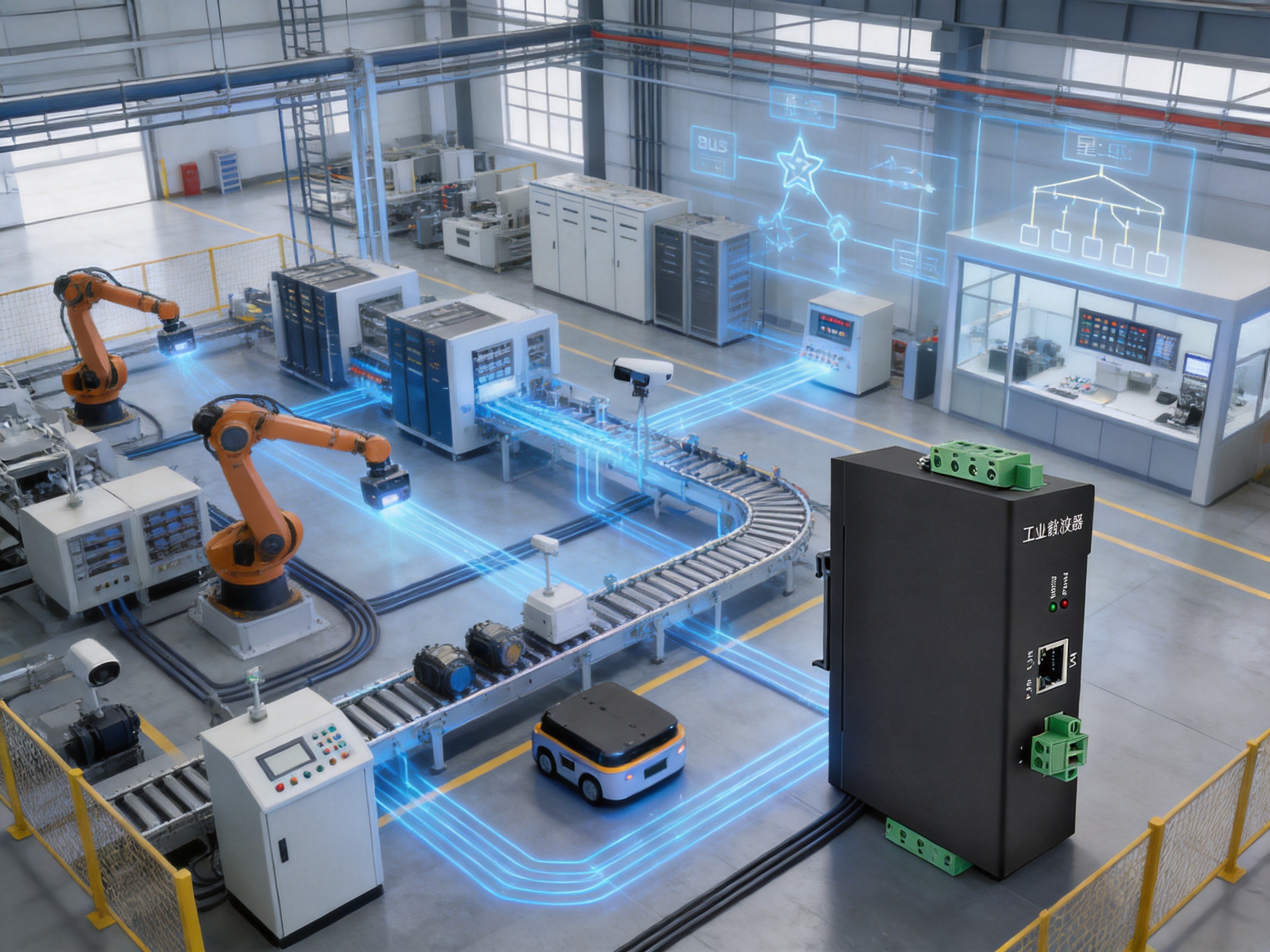
Self-routing can improve flexibility in networks with multiple paths. Engineers can select a topology that follows the facility’s physical layout rather than forcing every device into a single point-to-point arrangement. Bus, star, tree, and hybrid architectures can be adapted to production cells, distribution networks, logistics corridors, or infrastructure systems.
3.4 Strong Electromagnetic Interference Resistance
Industrial environments contain many sources of electrical noise, including variable-frequency drives, switching power supplies, motors, relays, contactors, welding equipment, and high-current loads. A communication device must be designed to function in an environment where the power line is not a clean laboratory signal path.
OFDM technology divides data across multiple subcarriers. This approach can improve communication resilience because the system can distribute information across a broad frequency range and manage the effects of frequency-selective attenuation or interference. The use of appropriate modulation and demodulation techniques helps the communication channel maintain reliable data exchange under changing line conditions.
The KS1200G uses a carrier frequency range of approximately 2–68 MHz. This broadband operating range supports high data capacity while allowing the communication system to use the characteristics of the connected power line. Performance remains application-dependent, and electrical filtering, grounding, cable routing, isolation, and surge protection should be considered during system design.
3.5 Integrated Data Security
Industrial networks increasingly connect operational technology with supervisory systems, enterprise applications, and remote service platforms. Protecting data from unauthorized access is therefore an important design requirement. The KS1200G includes AES-128-bit encryption for the power line communication network.
Encryption helps protect data as it travels between communication nodes. It can reduce the risk of unauthorized interception and support a more controlled industrial network architecture. However, encryption should be combined with broader cybersecurity practices, including network segmentation, access control, password management, firmware governance, secure configuration, monitoring, and controlled remote access.
3.6 Multicast Support
Many industrial systems need to distribute the same data to multiple devices. Examples include software updates, synchronized machine instructions, video distribution, status announcements, and coordination messages for multiple controllers. The device supports IGMP multicast protocols and can support networks with up to 64 nodes according to the stated product information.
Multicast can reduce unnecessary duplicate transmissions when several endpoints need the same content. This may improve network efficiency in systems such as automated warehouses, industrial displays, distributed control stations, and equipment groups that share a common data stream.
3.7 Industrial Temperature and Continuous Operation
The specified operating temperature range of -40°C to 85°C allows the product to be considered for environments that are significantly more demanding than ordinary office or residential applications. Industrial cabinets may be installed in outdoor enclosures, unconditioned warehouses, transportation infrastructure, mines, or equipment rooms where temperatures vary widely.
The product also supports industrial-grade continuous operation. A 7-by-24 operating design is important for facilities that cannot tolerate frequent communication interruptions. Continuous operation helps support production monitoring, safety-related information exchange, energy management, equipment diagnostics, and remote maintenance.
4. Comparison with Conventional Communication Options
The KS1200G is not intended to replace every communication technology. Instead, it provides a practical option for environments where the existing electrical network offers a useful communication path. Its competitive value becomes clearer when compared with separate Ethernet cabling, wireless networks, and narrow-band PLC systems.
Communication option |
Main strengths |
Potential limitations |
Position of the KS1200G |
Dedicated Ethernet cabling |
High reliability, mature infrastructure, predictable topology |
New cable installation may be expensive or disruptive |
Uses existing power lines where new data cabling is difficult |
Industrial wireless |
Flexible deployment and mobility |
Coverage, interference, obstruction, and radio planning concerns |
Provides a wired electrical path without depending on radio coverage |
Narrow-band PLC |
Suitable for low-rate metering and basic control |
Lower data capacity |
Offers broadband performance for larger data volumes |
Fiber optic communication |
Excellent immunity to electromagnetic interference and long-distance performance |
Higher installation complexity and specialized termination |
Can simplify short- and medium-distance connections where power cables already exist |
Point-to-point serial communication |
Simple and economical for basic device links |
Limited bandwidth and network expansion capability |
Supports Ethernet-based industrial communication and flexible network topologies |
Compared with dedicated Ethernet cabling, the device can reduce the amount of new communication infrastructure required. This can be particularly advantageous in retrofit projects, temporary systems, mobile equipment, and locations where access to cable routes is limited.
Compared with wireless networking, power line communication offers a physical communication path through the existing electrical system. This may be useful in metal-rich facilities, underground environments, enclosed machinery, and locations where wireless signals are difficult to plan or maintain.
Compared with narrow-band PLC, broadband PLC provides substantially more capacity for modern industrial applications. It can carry Ethernet traffic, support higher data volumes, and connect systems that need more than basic status information.
Compared with fiber optics, the KS1200G may offer simpler installation in applications where power cabling is already available and the required distance and performance are compatible with the PLC channel. Fiber remains highly valuable for long-distance backbones, electrically isolated links, and environments with extreme electromagnetic exposure. Selecting between the technologies should be based on the complete application rather than on a single specification.
5. Network Architecture and Deployment Flexibility
5.1 Point-to-Point Links
A point-to-point configuration connects two communication devices through a suitable power line or cable. This architecture is straightforward and can be useful for linking a remote control cabinet to a machine, connecting two sections of a production line, or transmitting data between a field unit and a supervisory computer.
The stated point-to-point transmission distance is up to approximately 800 meters under appropriate line conditions. Actual performance depends on cable characteristics, electrical loads, coupling methods, noise levels, and network design. A site survey or engineering test is recommended before final deployment.
5.2 Bus Topology
A bus topology can connect multiple devices along a shared electrical path. This may be suitable for conveyor lines, production cells, tunnel equipment, or distributed monitoring stations. Bus layouts can reduce the need for individual cable runs and follow the natural structure of an existing power distribution route.
When using a bus topology, engineers should evaluate the number of nodes, signal attenuation, branch lengths, noise sources, and the effect of connected loads. Proper segmentation and electrical protection can help maintain stable operation.
5.3 Star Topology
In a star topology, several field devices communicate through a central point. This arrangement can simplify network management and make it easier to identify individual branches. It can be appropriate for control cabinets, equipment rooms, and distribution centers where several units are located around a central communication area.
5.4 Tree and Hybrid Topologies
Large industrial facilities rarely have a perfectly uniform layout. A tree or hybrid topology can combine central distribution with branch connections. For example, a logistics center may have one main line feeding several conveyor areas, while each area contains several local nodes. A hybrid structure can follow this physical arrangement without requiring all equipment to be placed on one cable segment.
The ability to support several topologies is an important advantage over products designed for only one fixed installation pattern. It allows system integrators to adapt the network to building geometry, equipment placement, production expansion, and maintenance zones.
6. Applications in Industrial and Infrastructure Systems
6.1 Smart Factory Equipment
Smart factories depend on the continuous exchange of information between machines and digital systems. The KS1200G can provide communication between industrial controllers, monitoring computers, sensors, actuators, and edge gateways where power wiring is already present.
Potential data includes machine status, production counters, alarm events, maintenance information, parameter values, and process records. The same communication infrastructure can support energy monitoring by transmitting information from meters and intelligent electrical devices to a central management platform.
Because the product supports Ethernet, it can be integrated into broader industrial networks that use TCP/IP, UDP, Profinet, Modbus-TCP, and related communication environments. Protocol compatibility should be verified for each application, but the Ethernet foundation allows the PLC link to serve as a transport channel for many industrial data types.
6.2 Industrial Automation Equipment
Automation systems often include distributed components connected across a machine or production area. Installing a dedicated communication cable to every module may be difficult, especially when the equipment is frequently reconfigured. Power line communication can provide a flexible connection method for controllers, remote I/O units, drives, inspection equipment, and local operator stations.
The low stated data delay and broadband capability can support applications where control data and diagnostic information share the same link. Engineers should still determine whether the communication performance meets the timing requirements of motion control, safety functions, and other time-critical operations.
6.3 Warehousing and Logistics
Automated warehouses use conveyors, sorters, elevators, scanners, robotic systems, and storage equipment. These systems may cover large areas and include moving or reconfigurable components. The KS1200G can help create communication paths along existing power distribution routes, reducing dependence on new data cabling or continuous wireless coverage.
In logistics environments, network flexibility is valuable because equipment layouts can change as production capacity expands. A topology that supports additional nodes and automatic networking can simplify future modifications. Multicast capability may also be useful when the same operational message or data stream must reach multiple controllers.
6.4 Three-Dimensional Parking Systems
Automated parking garages contain lifts, platforms, motors, sensors, cameras, access-control devices, and safety systems. Their equipment is distributed vertically and horizontally, often in reinforced concrete structures with substantial metal content. Communication through existing power lines can be considered where wireless coverage is difficult and where installing new communication cables would complicate construction or maintenance.
Safety-critical functions must always use appropriately certified and independently validated systems. The KS1200G may serve monitoring, coordination, diagnostic, and supervisory communication roles when the complete system design confirms suitability.
6.5 Railways and Subway Infrastructure
Rail and subway environments may include long tunnels, equipment rooms, platforms, signaling support systems, ventilation devices, monitoring units, and maintenance infrastructure. Power lines and industrial cables may already connect many of these locations. Broadband PLC can offer a way to transmit operational and diagnostic data without installing a separate communication path in every section.
Such applications require careful assessment of electrical isolation, grounding, surge protection, electromagnetic compatibility, environmental conditions, and applicable transportation standards. The KS1200G can be evaluated as part of an industrial communication layer where its specifications match the project requirements.
6.6 Mines and Oilfields
Mines and oilfields often contain geographically distributed equipment operating in harsh environments. Access to network infrastructure may be limited, and the cost of installing new communication cable can be substantial. Existing power lines can provide a practical route for monitoring and control traffic.
Potential uses include equipment status monitoring, remote diagnostics, pump and motor information, environmental data, and communications between field areas and supervisory stations. Hazardous-area certification, enclosure selection, isolation requirements, and local regulations must be reviewed separately before installation in any potentially explosive atmosphere.
6.7 Underwater Robots and Specialized Equipment
Underwater robotic systems and specialized industrial equipment may use tether cables that provide both power and communication. A broadband PLC device can be considered when the electrical characteristics of the tether and the system architecture are suitable. This may reduce the need for a separate data conductor and simplify the overall tether design.
Underwater applications require specialized testing for cable impedance, signal attenuation, connector behavior, pressure effects, isolation, and electromagnetic compatibility. The communication device should be integrated into a complete system designed for the intended depth, temperature, and mechanical conditions.
6.8 Energy Management and Smart Grid Applications
Smart energy systems require data from electrical equipment, meters, controllers, and distributed loads. Power line communication naturally aligns with these systems because the communication medium is related to the power distribution network itself.
The KS1200G can support industrial energy-management architectures in which data is collected from distributed equipment and transmitted to an edge computer or central platform. Information may include power consumption, load status, operating conditions, and equipment alarms. With suitable software integration, this data can contribute to energy optimization, predictive maintenance, and production planning.
7. Manufacturing and Engineering Strengths
The value of an industrial communication product depends not only on its specifications but also on the manufacturer’s ability to develop, produce, test, and support reliable equipment. The supplier behind the KS1200G focuses on data sensing, intelligent connectivity, broadband power line carriers, wireless temperature monitoring systems, transmitters, flow meters, and automatic door controllers.
This product portfolio indicates a broad industrial orientation rather than a focus on consumer networking alone. Industrial communication devices must be designed with attention to electrical stability, environmental endurance, mechanical installation, long-term availability, and compatibility with automation systems.
7.1 Integrated Product Development
A company that develops communication devices alongside sensing and industrial instrumentation can better understand the complete data chain. Industrial data begins at a sensor or machine, travels through a communication layer, reaches an edge or control system, and is then used for monitoring, optimization, or decision-making.
Experience with temperature monitoring, transmitters, flow measurement, and automatic control equipment can help inform practical communication design. It encourages attention to field conditions, installation constraints, sensor integration, and the requirements of industrial operators.
7.2 Industrial-Grade Design Approach
The KS1200G’s wide temperature range, guide-rail mounting, compact enclosure, low power consumption, and continuous operating capability reflect an industrial design approach. The device is intended to fit into real control cabinets and field systems rather than only laboratory environments.
An industrial product must also consider repeatability in manufacturing. Stable assembly processes, controlled component sourcing, inspection procedures, and functional testing are important to ensure that units perform consistently across production batches. These practices are especially important for communication products that may be installed in large numbers throughout a facility.
7.3 Manufacturing Process Considerations
Advanced manufacturing for industrial communication equipment generally includes controlled printed circuit board assembly, accurate component placement, soldering quality management, connector inspection, enclosure assembly, firmware loading, and functional verification. Each stage contributes to the reliability of the finished device.
For a PLC communication product, manufacturing quality is closely connected to signal integrity. The layout of high-frequency circuits, the quality of coupling components, grounding arrangements, shielding, connector stability, and power-supply filtering can all influence communication performance. Production controls should therefore address both digital functionality and high-frequency electrical behavior.
Environmental and reliability testing may include temperature operation, power cycling, communication load testing, Ethernet interface verification, insulation checks, vibration evaluation, and long-duration operation. The exact test program depends on product design and target market, but systematic verification is essential for industrial deployment.
7.4 Customization and System Integration
Industrial projects often require more than a standard product. Customers may need assistance with network topology, coupling methods, enclosure integration, protocol connections, temperature monitoring, energy management, or communication testing on a specific cable type.
A supplier with capabilities in hardware development and industrial data integration can support a project from component selection to complete solution design. This may include application assessment, product configuration, sample testing, network evaluation, integration support, and after-sales service.
7.5 Focus on Smart Factory Transformation
The manufacturer’s stated mission is to help build efficient, reliable, and environmentally responsible smart factories. This focus connects the KS1200G with broader industrial objectives such as equipment condition monitoring, refined energy management, production process optimization, and digital productivity.
In this context, the product is more than a standalone network adapter. It can serve as part of an industrial connectivity layer that links field equipment with edge computing and management platforms. The ability to combine communication products with sensing and industrial data solutions can help customers develop a more coordinated digital architecture.
8. Installation and Engineering Considerations
Although broadband PLC can simplify communication infrastructure, successful deployment requires careful engineering. The electrical network is also the communication medium, so its physical and electrical characteristics directly affect performance.
8.1 Assess the Power-Line Environment
Before installation, engineers should identify the cable type, conductor arrangement, cable length, branch structure, connected loads, switching devices, and expected electrical noise. Variable-frequency drives, large motors, welding equipment, and switching converters may introduce interference or attenuation.
Testing should be performed under representative operating conditions whenever possible. A line that performs well when machines are stopped may behave differently when motors, inverters, and heaters are active. Measurements and field trials can help confirm the expected data rate and stability.
8.2 Use Appropriate Coupling and Protection
Power line communication connections must be designed with suitable coupling components, isolation methods, protective devices, and installation practices. The PLC signal path should be connected according to the product’s technical requirements and applicable electrical regulations.
Surge protection, grounding, insulation, and cabinet design should be selected for the installation environment. High-voltage systems require qualified personnel and appropriate safety procedures. The maximum stated PLC voltage should not be interpreted as permission to connect the device to any power system without a complete engineering review.
8.3 Plan Network Segmentation
Network segmentation can improve performance, security, and maintainability. Large systems may be divided into production areas, logistics zones, energy sections, or infrastructure segments. Ethernet switches, industrial gateways, firewalls, and control systems can be used to separate operational traffic from enterprise or external networks.
Segmentation also limits the impact of faults. If one area experiences a wiring problem or electrical disturbance, the rest of the system may remain easier to diagnose and operate.
8.4 Consider Installation Location
The compact dimensions and guide-rail installation of the KS1200G make it suitable for control cabinets and automation panels. The installation location should still provide adequate ventilation, protection from condensation, and access for inspection or replacement.
The specified humidity range applies to non-condensing conditions. If a cabinet may experience condensation, additional environmental protection, heating, ventilation, or enclosure design measures may be necessary.
8.5 Validate Protocol Requirements
The device supports Ethernet-based communication and lists compatibility with protocols and standards including TCP/IP, UDP, Profinet, and Modbus-TCP. System designers should verify the exact behavior required by their controllers, switches, PLCs, and supervisory software.
Special attention should be given to real-time performance, multicast behavior, broadcast traffic, network discovery, address assignment, and redundancy requirements. A communication path that is suitable for monitoring may not automatically be suitable for a motion-control or safety function.
9. Technical Specification Summary
Item |
Specification |
Product type |
Industrial broadband power line communication device |
Model |
KS1200G |
Communication technology |
Broadband PLC using OFDM modulation and demodulation |
Physical-layer bandwidth |
Up to 1,000 Mbps |
Ethernet bandwidth |
10 Mbps / 100 Mbps / 1,000 Mbps adaptive |
Stated Ethernet data bandwidth |
Up to 480 Mbps |
Independent power supply |
DC 12–48 V |
PLC working voltage |
AC 0–380 V or DC 0–560 V |
Carrier frequency |
Approximately 2–68 MHz |
Point-to-point distance |
Up to approximately 800 meters under suitable conditions |
Data delay |
Within 10 ms under stated conditions |
Packet loss probability |
Less than 0.1‰ under stated conditions |
Power consumption |
Not more than 3 W |
Encryption |
AES-128-bit |
Multicast |
IGMP multicast support; up to 64 nodes according to product information |
Dimensions |
Approximately 90 × 35 × 130 mm |
Weight |
Approximately 400 g |
Mounting |
TS35 or RAILTS35 guide rail |
Operating temperature |
-40°C to 85°C |
Operating humidity |
20%–95%, non-condensing |
Operation mode |
Industrial-grade continuous operation, 7 days per week and 24 hours per day |
10. Why This Product Is Competitive
The KS1200G combines several features that are not always available in one industrial communication device. It provides broadband data capacity, electrical-network connectivity, automatic networking, flexible topology support, encryption, multicast, guide-rail installation, low power consumption, and a wide operating temperature range.
Its most important competitive advantage is deployment efficiency. Customers can use existing power infrastructure instead of installing a completely separate communication network in every location. This can reduce construction work, shorten installation time, and make communication possible in areas where new data cabling is difficult.
A second advantage is its balance between speed and industrial practicality. Some high-speed network products are designed mainly for clean indoor environments, while some rugged field products provide limited data capacity. The KS1200G is designed to combine high-speed Ethernet communication with industrial environmental performance.
A third advantage is network flexibility. Support for automatic networking, self-routing, bus, star, tree, and hybrid topologies gives system integrators several ways to adapt the product to real facility layouts. This flexibility can reduce the need to redesign the entire network when equipment is moved or expanded.
A fourth advantage is its suitability for digital transformation projects. The product can act as an enabling layer for condition monitoring, energy management, industrial automation, and production optimization. It is therefore relevant not only to network engineers but also to factory modernization teams and system integrators.
11. Q&A
Q1: What is industrial broadband power line communication?
Industrial broadband power line communication transmits digital data over existing electrical wiring or suitable industrial cables. High-frequency communication signals are coupled onto the power line while the line continues to provide electrical power. This allows equipment to exchange Ethernet data without always requiring a separate communication cable.
Q2: What is the main purpose of the KS1200G?
The KS1200G is designed to provide high-speed Ethernet communication through power lines in industrial environments. It can connect controllers, machines, sensors, gateways, monitoring systems, and other Ethernet-enabled equipment where dedicated data cabling or wireless coverage may be difficult.
Q3: How fast can the device communicate?
The product supports adaptive Ethernet interfaces at 10 Mbps, 100 Mbps, and 1,000 Mbps. Its stated Ethernet bandwidth can reach up to 480 Mbps, while the physical-layer carrier bandwidth is up to 1,000 Mbps. Actual throughput depends on the power-line environment, cable characteristics, noise, distance, and network load.
Q4: What power supply does the device use?
The independent power supply range is DC 12–48 V. The PLC communication port is designed for power line communication at up to 380 V AC or 560 V DC, subject to correct electrical design, installation procedures, and application validation.
Q5: Does the device require a master-slave configuration?
The product information states that the device supports automatic networking and self-routing and does not require a traditional master-slave setup. This can simplify network deployment and make it easier to create distributed industrial communication systems.
Q6: Which network topologies are supported?
The KS1200G supports bus, star, tree, and hybrid network topologies. The best choice depends on the physical structure of the facility, the position of electrical equipment, the number of nodes, and the required communication paths.
Q7: Can the device support industrial protocols?
The product supports Ethernet communication and lists TCP/IP, UDP, Profinet, and Modbus-TCP among its compatible standards or protocols. The exact requirements of the controller and application should be tested during system integration.
Q8: Is the communication encrypted?
Yes. The device includes an AES-128-bit encryption function for the power line communication network. Encryption should be combined with network segmentation, access control, secure passwords, controlled remote access, and other industrial cybersecurity practices.
Q9: How far can the signal travel?
The stated point-to-point transmission distance is up to approximately 800 meters under suitable conditions. Actual range and speed depend on cable type, electrical noise, branch structure, connected loads, and installation quality. A field test is recommended for critical projects.
Q10: Can it be used in a factory with motors and variable-frequency drives?
It may be suitable for such environments because it uses broadband OFDM communication and is designed for industrial applications. However, motors, drives, switching equipment, and other loads can affect PLC performance. Testing under actual operating conditions and applying appropriate filtering, coupling, grounding, and protection are important.
Q11: What are the environmental specifications?
The operating temperature range is -40°C to 85°C. Operating humidity is specified as 20%–95% without condensation, and storage temperature is also -40°C to 85°C. The product is designed for industrial-grade continuous operation.
Q12: How is the device mounted?
The KS1200G is designed for TS35 or RAILTS35 guide-rail installation. Its compact size allows it to be integrated into industrial control cabinets, automation panels, and communication enclosures.
Q13: Is it suitable for safety-critical control?
The device can be evaluated for monitoring and control communication, but suitability for safety-critical functions must be confirmed through a complete system assessment. Safety functions may require dedicated certified networks, redundancy, isolation, or other measures defined by applicable standards and project requirements.
Q14: What makes it different from a wireless industrial network?
The KS1200G uses an electrical cable path rather than radio transmission. This can be advantageous in metal structures, tunnels, enclosed machinery, underground areas, or locations where wireless coverage is difficult. It also avoids some radio planning concerns, although power-line signal quality must be evaluated.
Q15: Can the product support a smart factory project?
Yes. It can provide a communication layer for equipment condition monitoring, production data collection, energy management, remote diagnostics, and industrial automation. Its value is greatest when integrated with edge computing, industrial software, sensors, controllers, and a well-planned network architecture.
12. Conclusion
Industrial facilities need communication networks that are fast, resilient, secure, and practical to deploy. The General Gigabit Power Line Communication KS1200G addresses these requirements by using existing power lines as a broadband Ethernet communication medium.
Its key features include up to 480 Mbps stated Ethernet bandwidth, a physical-layer bandwidth of up to 1,000 Mbps, OFDM technology, automatic networking, self-routing, flexible topologies, AES-128-bit encryption, IGMP multicast support, a point-to-point distance of approximately 800 meters, and operation from -40°C to 85°C.
The product can help reduce the complexity of installing new communication cables in factories, warehouses, mines, transportation systems, energy facilities, automated parking structures, and other industrial environments. It can also support the broader goals of smart manufacturing by connecting field equipment with monitoring, control, and data-management platforms.
Its competitive strength comes from combining high-speed communication with industrial installation flexibility. Rather than forcing every application into a single networking model, it enables system integrators to select point-to-point, bus, star, tree, or hybrid arrangements according to the physical and operational requirements of the site.
The manufacturer’s broader focus on intelligent connectivity, sensing, industrial instrumentation, and smart factory solutions further supports the product’s position as part of a complete industrial digitalization strategy. Through controlled product development, industrial-grade design, manufacturing quality management, testing, and application support, the supplier can help customers move from isolated equipment toward connected, measurable, and more efficient operations.
For each project, engineers should validate the electrical environment, communication distance, protocol requirements, safety conditions, electromagnetic compatibility, and cybersecurity architecture. When these factors are properly considered, broadband power line communication can become an effective way to extend industrial Ethernet through infrastructure that already exists.
References
1. IEEE 1901, Broadband Power Line Networks: Medium Access Control and Physical Layer Specifications.
2. IEEE 1905.1, Convergent Digital Home Network Protocol.
3. IEEE 802.3, Ethernet Standards for Local and Metropolitan Area Networks.
4. IEEE 802.3u, Fast Ethernet Standard.
5. IEEE 802.3ab, Gigabit Ethernet over Copper.
6. European EN 50561 series, Power Line Communication Apparatus Used in Low-Voltage Installations.
7. HomePlug AV and HomePlug AV2 technical principles for broadband power line communication.
8. Industrial Ethernet design practices for TCP/IP, UDP, Profinet, and Modbus-TCP networks.
9. Industrial communication cybersecurity practices for encryption, segmentation, access control, and secure network management.
10. Product technical information for the KS1200G industrial broadband power line communication device.