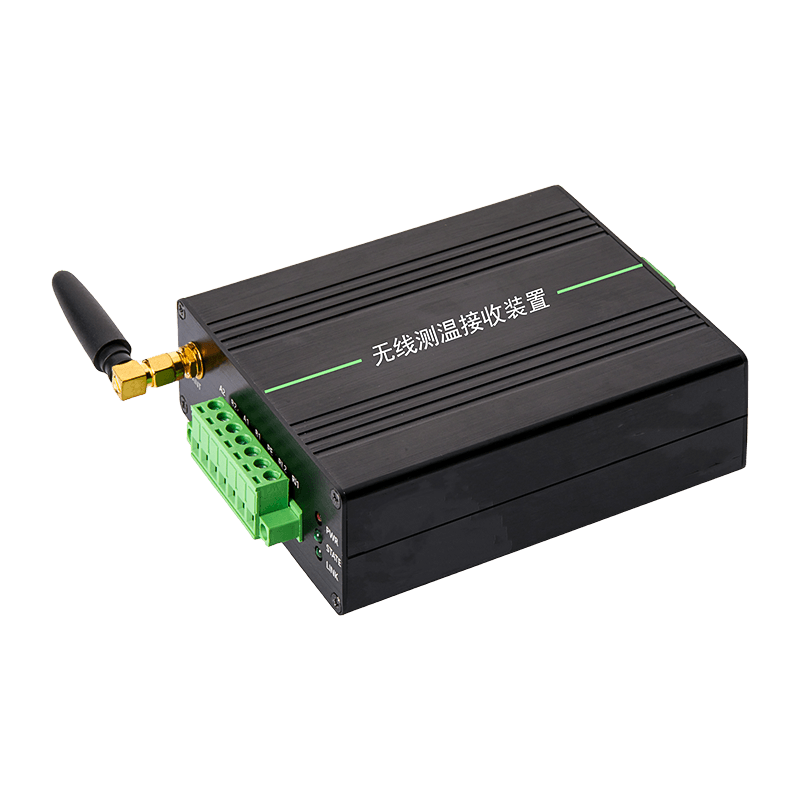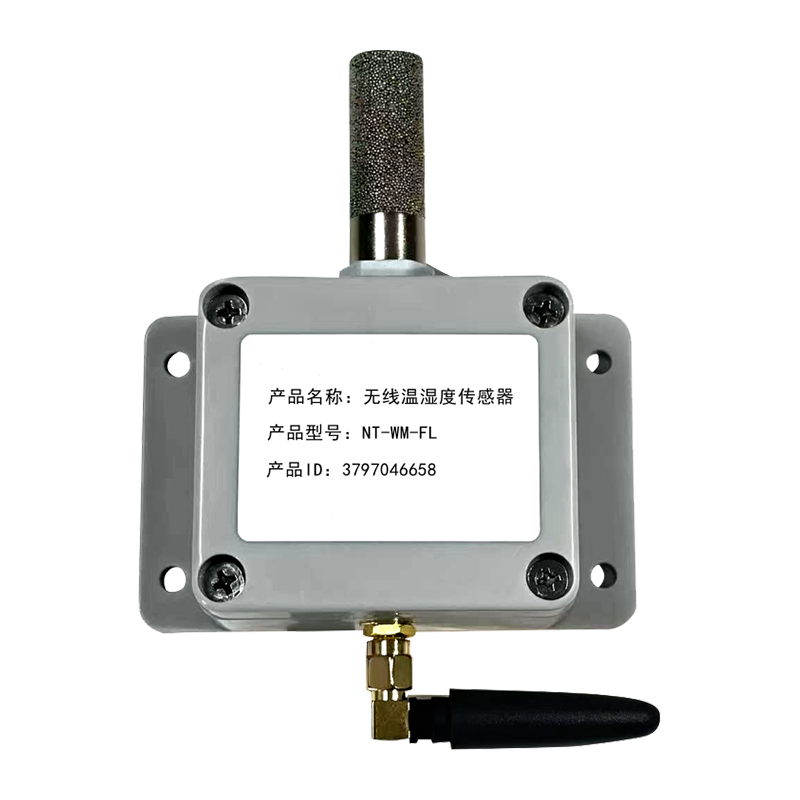


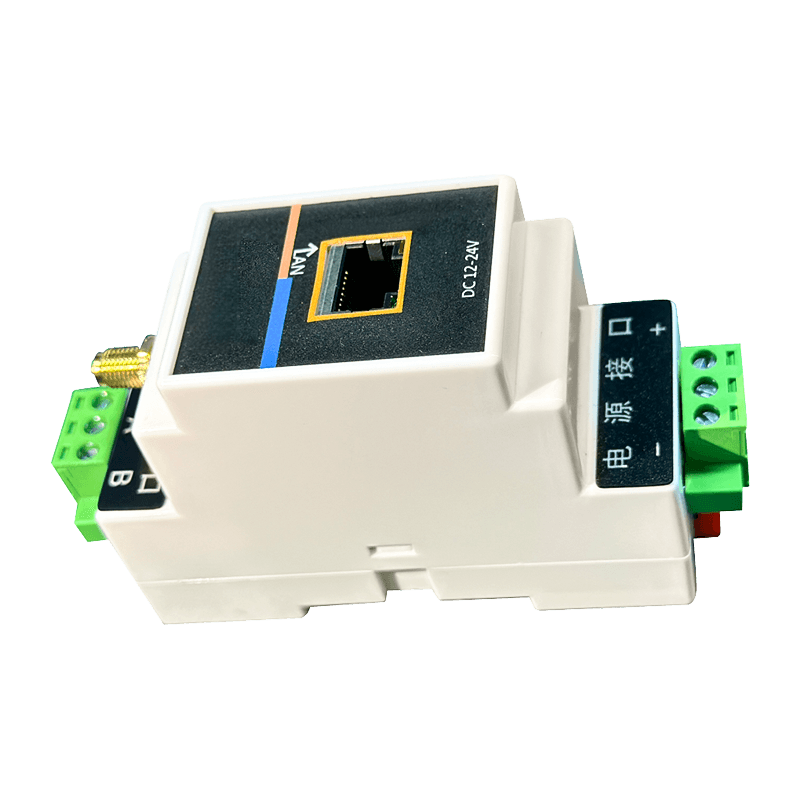
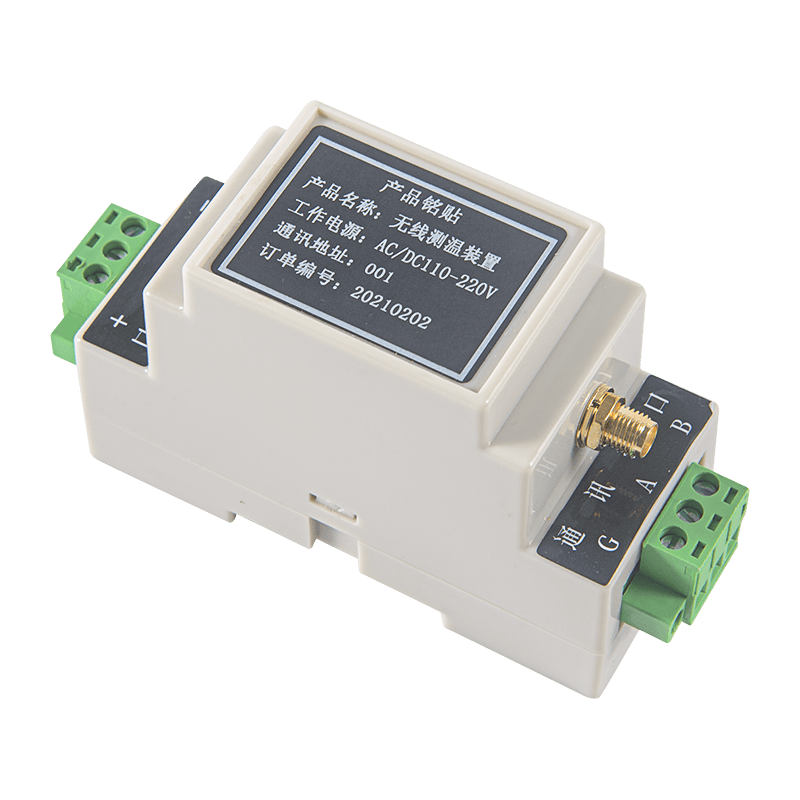
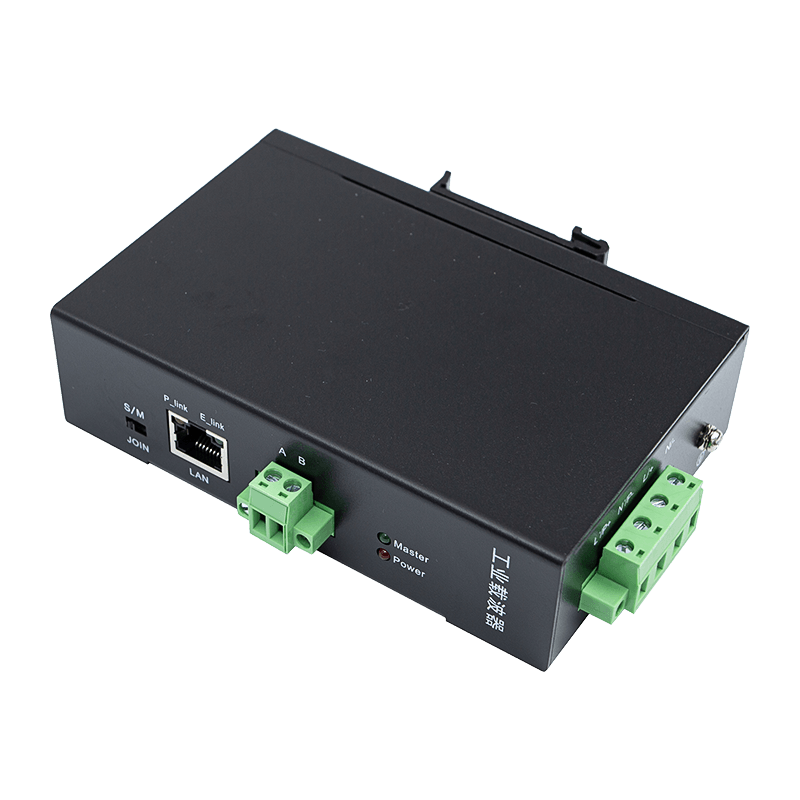
Industrial electrical systems are becoming more connected, more automated, and more dependent on continuous condition monitoring. In high-voltage switchgear, transformer terminals, outdoor disconnect switches, busbar joints, wall-penetrating cable clamps, and other energized connection points, temperature is one of the most important indicators of equipment health. A small increase in contact resistance can lead to local heating; local heating can accelerate oxidation and looseness; and a neglected thermal fault can eventually become a costly shutdown, insulation failure, or fire risk. The Magnetic-Attachment Wireless Temperature Measurement Sensor, model KL-DS31YS, is designed to solve this problem with a practical combination of high-accuracy sensing, ultra-low power operation, long-distance wireless communication, and simple magnetic installation.
This article introduces the sensor’s operating principles, technical advantages, application value, manufacturing quality, and competitive strengths. It also explains why magnetic wireless temperature monitoring is becoming a preferred solution for industrial users who need reliable temperature data without complicated wiring, intrusive installation, or frequent maintenance.
Magnetic-Attachment Wireless Temperature Measurement Sensor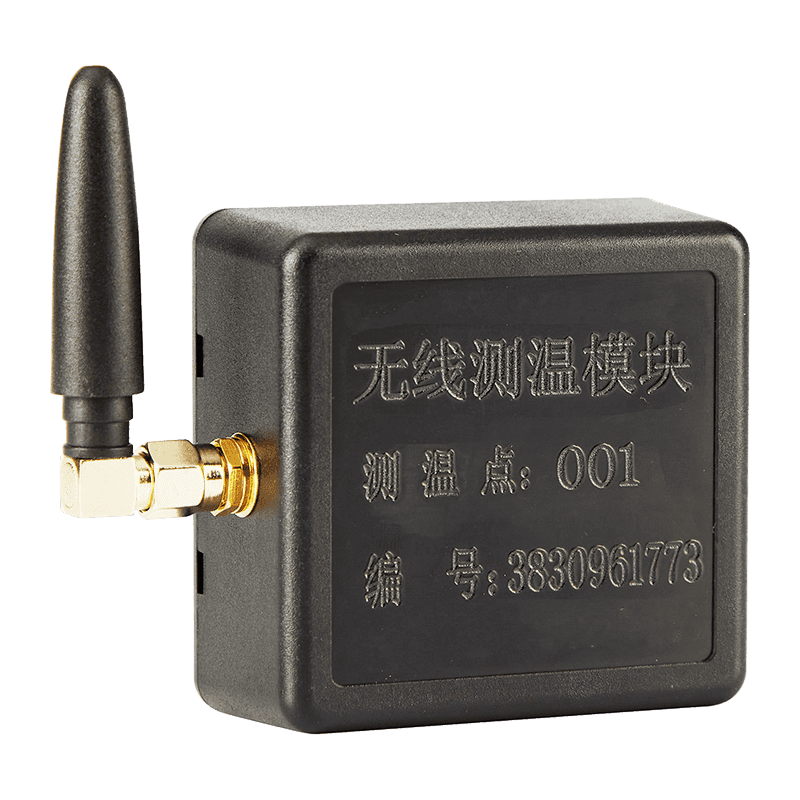
Product Overview
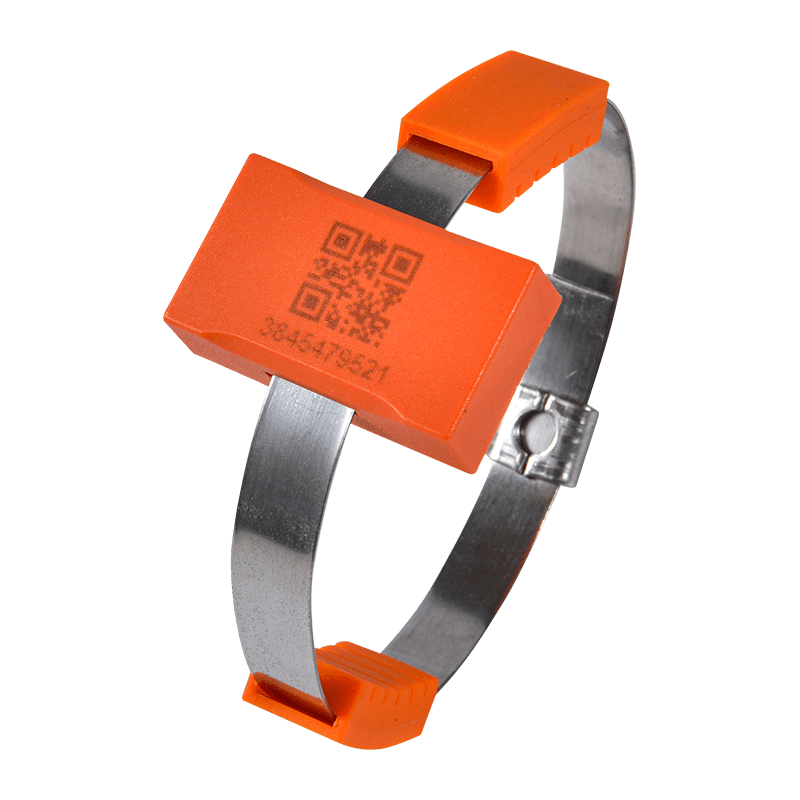
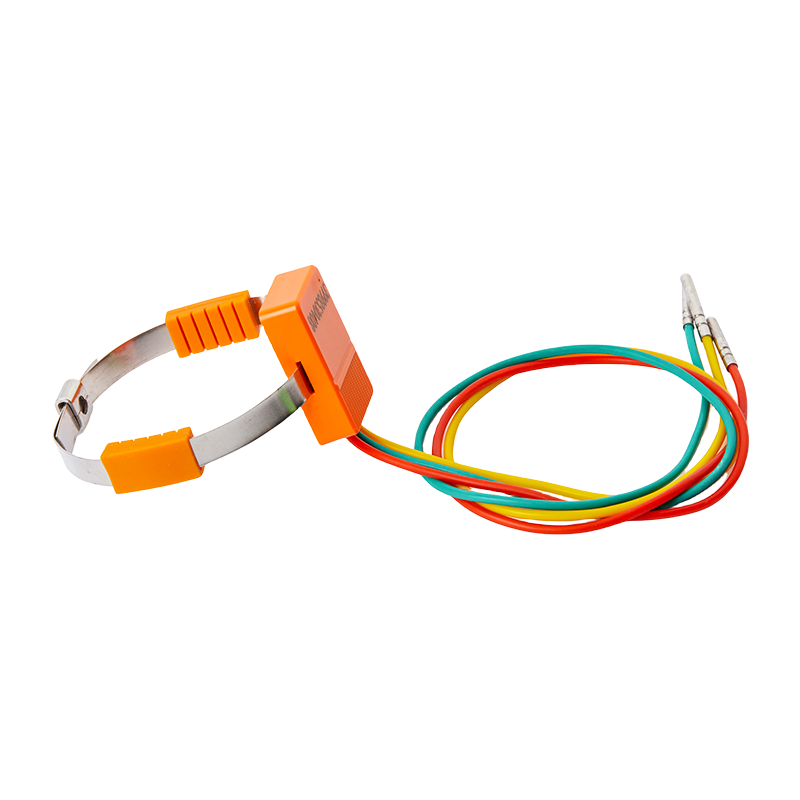
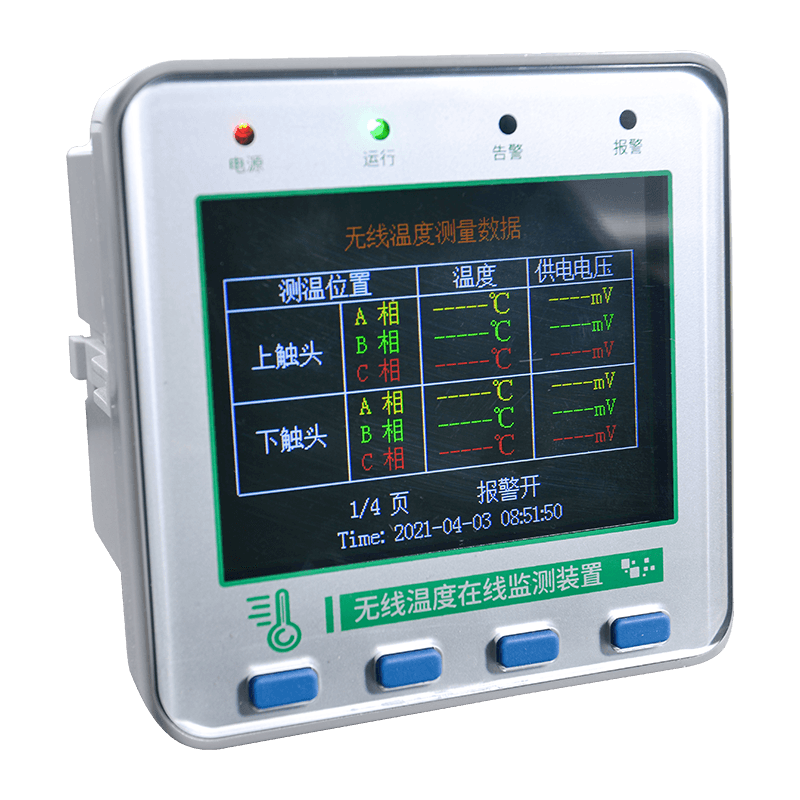
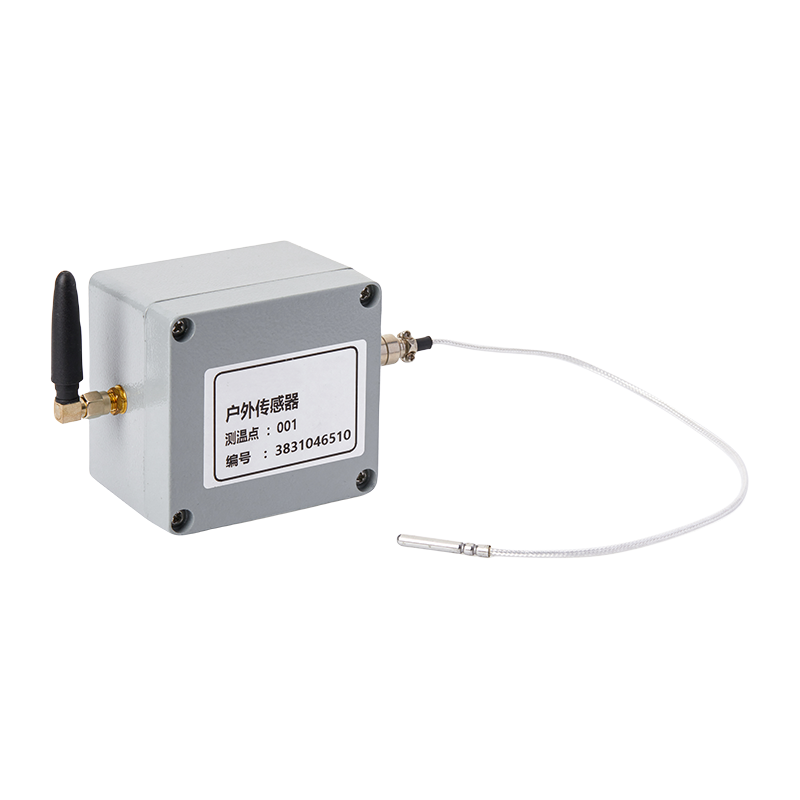
The KL-DS31YS Magnetic-Attachment Wireless Temperature Measurement Sensor is a single-channel wireless temperature sensor designed for measuring the surface temperature or contact temperature of high-voltage energized equipment. It integrates a temperature sensing element, signal modulation and amplification circuit, logic control circuit, wireless communication circuit, lithium battery, and antenna into a compact industrial device. The sensor collects temperature data at the monitored point and transmits the data wirelessly to a wireless temperature measurement host through a low-power wireless network.
Its core value is simple: it allows industrial operators to detect abnormal heating before it becomes a serious fault. Because many electrical failures begin with poor contact, overload, aging materials, or mechanical looseness, continuous temperature monitoring provides an early-warning layer for preventive maintenance. Instead of waiting for periodic infrared inspection or manual temperature checks, the sensor enables automatic, real-time, and networked data collection.
The KL-DS31YS supports a temperature measurement range of -40 to +200 degrees Celsius and an accuracy of ±1 degree Celsius. It uses a PT1000 thermistor and a default temperature sampling frequency of 10 seconds. Communication is based on LoRa wireless technology in the 470 to 510 MHz frequency range, with a wireless transmission distance of up to 800 meters under suitable conditions. Its lithium battery supports a service life of approximately 5 to 8 years, depending on operating environment, communication interval, and system configuration. Installation is completed by magnetic fixation, making it especially convenient for outdoor isolating switches, transformer inlet and outlet terminals, outdoor flexible copper busbar connections, and similar locations where traditional wiring is inconvenient or unsafe.
Why Temperature Monitoring Matters in Industrial Power Systems
In industrial power distribution systems, temperature is not merely a comfort parameter; it is a direct reflection of electrical and mechanical condition. When a conductor joint, switch contact, busbar connection, or terminal becomes loose or corroded, its contact resistance increases. According to Joule heating principles, heat generation rises with the square of current. Therefore, even a small increase in resistance may produce significant heat under heavy load. If this heat is not detected and corrected, it may damage insulation, deform metal parts, weaken clamping force, and cause a chain reaction of deterioration.
Traditional temperature inspection often depends on manual infrared thermography. Infrared inspection is useful, but it has limitations. It is periodic rather than continuous, so faults may develop between inspection intervals. It may require technicians to approach energized equipment, which increases safety risk. Its accuracy can be affected by emissivity, viewing angle, weather, distance, and access limitations. In contrast, a mounted sensor continuously measures the target component and transmits data automatically, providing a more stable foundation for condition-based maintenance.
Wireless temperature monitoring is especially valuable where wiring is difficult. High-voltage switchgear compartments, moving disconnect switch structures, outdoor terminals, and compact busbar arrangements may not be suitable for signal cables or power cables. A battery-powered wireless sensor eliminates the need for long wiring, reduces installation labor, and avoids introducing unnecessary insulation or routing risks into electrical equipment.
Key Technical Specifications
The following table summarizes the main technical parameters of the Magnetic-Attachment Wireless Temperature Measurement Sensor.
Parameter |
Specification |
Practical Value |
Product Model |
KL-DS31YS |
Identifies the magnetic wireless temperature sensor series |
Temperature Measurement Range |
-40 to +200 degrees Celsius |
Suitable for cold outdoor environments and high-temperature electrical contact monitoring |
Measurement Accuracy |
±1 degree Celsius |
Supports reliable alarm thresholds and trend analysis |
Temperature Element |
PT1000 |
Provides stable resistance-temperature characteristics for industrial measurement |
Sampling Frequency |
Default 10 seconds |
Enables frequent monitoring of temperature changes |
Communication Method |
LoRa wireless communication |
Offers long-range, low-power data transmission |
Wireless Frequency |
470 to 510 MHz |
Supports industrial wireless networking requirements |
Transmission Distance |
Up to 800 meters |
Reduces the number of repeaters or gateways needed in many sites |
Battery Life |
5 to 8 years |
Minimizes maintenance frequency and replacement cost |
Installation Method |
Magnetic fixation |
Allows fast and non-invasive installation on suitable metal surfaces |
External Dimensions |
85 mm × 85 mm × 34 mm |
Compact size for practical installation in industrial environments |
Typical Installation Locations |
Outdoor disconnect switches, cable clamps, transformer terminals, flexible copper busbar connections |
Covers common high-risk heating points in power distribution systems |
Magnetic Installation: Fast, Clean, and Practical
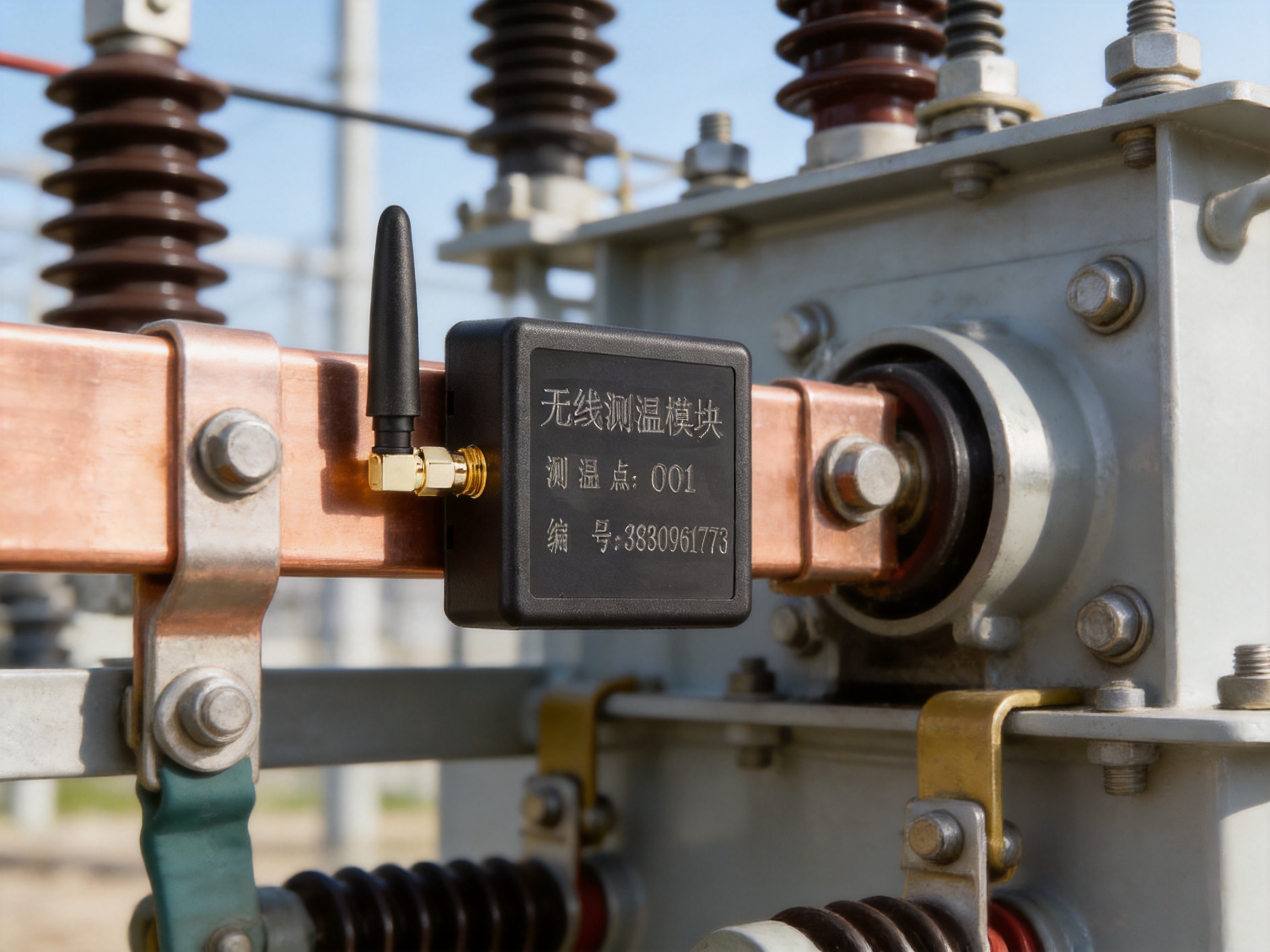
One of the most important advantages of the KL-DS31YS is its magnetic mounting method. In many industrial sites, the cost and complexity of installation can be as important as the sensor itself. A wired temperature monitoring system may require cable routing, drilling, brackets, insulation treatment, cable trays, terminal wiring, and shutdown planning. In comparison, magnetic fixation allows the sensor to be placed directly on suitable ferromagnetic surfaces with minimal mechanical work.
This installation method is particularly useful for retrofit projects. Many factories, substations, and industrial facilities operate existing electrical equipment that was not originally designed for embedded temperature sensors. Retrofitting wired monitoring into such equipment can be expensive, time-consuming, and disruptive. The magnetic wireless sensor provides a more flexible pathway: it can be deployed at key temperature points, connected to a wireless host, and integrated into monitoring routines without major reconstruction.
Magnetic attachment also helps maintenance teams adjust monitoring layouts. If an engineer identifies a new high-risk point, the sensor can often be repositioned more easily than a fixed wired unit. This flexibility is valuable in commissioning, troubleshooting, load testing, seasonal operation, and temporary diagnostic projects.
Compared with adhesive-based sensors, magnetic installation can provide better long-term stability in many industrial environments. Adhesives may degrade under heat, moisture, dust, ultraviolet exposure, or oil contamination. Mechanical straps may require more space and may be unsuitable for certain structures. Magnetic fixation offers a balanced solution by providing firm placement without complex accessories.
Wireless Communication Designed for Industrial Sites
The KL-DS31YS uses LoRa wireless communication, a technology well known for long-range, low-power transmission. Industrial environments are often challenging for wireless devices because metal structures, electrical cabinets, transformers, motors, and machinery can affect signal propagation. A sensor used in these conditions must not only transmit data but also do so reliably while preserving battery life.
LoRa technology offers several benefits for temperature monitoring. First, it supports relatively long communication distances compared with many short-range wireless technologies. With a transmission distance of up to 800 meters under suitable conditions, the KL-DS31YS can cover many industrial areas with fewer gateways or hosts. Second, LoRa is optimized for low power consumption, helping the sensor achieve a multi-year battery life. Third, the technology is suitable for low-bandwidth data such as temperature values, battery status, and sensor identity information.
The frequency range of 470 to 510 MHz supports robust penetration and practical deployment in many industrial layouts. Lower-frequency wireless signals often perform better than higher-frequency signals in certain obstructed environments, although final performance depends on site layout, antenna placement, interference, and installation height. The sensor’s wireless design is aligned with the practical needs of industrial monitoring: stable data, long operation, and minimal wiring.
Ultra-Low Power Design and Long Battery Life
Battery life is a critical factor for wireless industrial sensors. If a sensor requires frequent battery replacement, the maintenance burden can offset the benefits of wireless monitoring. The KL-DS31YS addresses this issue with an ultra-low power design and a lithium battery that can support approximately 5 to 8 years of operation.
This long service life is achieved through a combination of efficient sensing, controlled sampling, optimized logic control, and low-power wireless transmission. The default temperature sampling frequency is 10 seconds, allowing the sensor to detect temperature changes frequently while still managing energy consumption. In a real industrial monitoring system, data transmission strategies can be designed to balance responsiveness and battery conservation. For example, systems may use regular reporting, threshold-triggered reporting, or a combination of both depending on the host configuration.
Long battery life improves system reliability in several ways. It reduces the need for technicians to access energized or difficult-to-reach areas. It lowers maintenance planning costs. It minimizes the chance that a sensor becomes inactive because battery replacement was missed. It also supports large-scale deployment because hundreds or thousands of monitoring points can be maintained with less labor.
High-Accuracy PT1000 Temperature Sensing
The sensor uses a PT1000 temperature element, which is widely valued in industrial temperature measurement for its stable and predictable resistance characteristics. PT1000 sensors have a higher nominal resistance than PT100 elements, which can improve measurement resolution and reduce the relative impact of lead resistance in certain circuit designs. In the KL-DS31YS, the PT1000 element works with the internal signal modulation and amplification circuit to deliver a measurement accuracy of ±1 degree Celsius.
Accuracy matters because alarm thresholds must be meaningful. If a sensor is inaccurate or unstable, operators may receive false alarms or miss real faults. A ±1 degree Celsius accuracy level supports reliable trend monitoring and early-warning strategies. In electrical equipment, the absolute temperature value and the rate of temperature rise are both important. For example, a busbar joint operating at a moderately elevated temperature may be acceptable under heavy load, but a rapid increase under stable load may indicate worsening contact resistance. Accurate measurement enables intelligent diagnosis based on both threshold and trend.
The wide measurement range from -40 to +200 degrees Celsius makes the sensor suitable for outdoor and indoor industrial environments. It can operate in cold climates and monitor high-temperature contact points where overheating risk is significant. This broad range gives engineers flexibility when applying the same product family across multiple types of equipment.
Single-Channel Monitoring for Targeted Fault Detection
The KL-DS31YS is designed for single-channel temperature detection. This is a practical design choice for applications where each sensor is attached to one specific high-risk point. In electrical equipment, temperature faults are often localized: a single clamp, terminal, contact, or busbar joint may heat abnormally while adjacent parts remain normal. A dedicated sensor at each important point provides clear location-specific data.
Single-channel architecture also supports modular deployment. Users can install sensors only where monitoring is needed, then expand the network as risk assessment changes. This modularity is useful for phased upgrades, pilot projects, and budget-controlled condition monitoring programs. Rather than installing a complex multi-channel wired system all at once, a facility can begin with the most critical points and gradually extend coverage.
Each sensor can upload detected temperature and internal battery voltage information to the wireless temperature measurement host. Battery voltage self-test is important because it gives maintenance teams visibility into sensor health. Instead of discovering battery depletion after data loss, users can plan battery maintenance based on reported battery status.
Advantages Over Conventional Competitor Solutions
Compared with many conventional temperature monitoring methods, the KL-DS31YS offers a strong combination of installation convenience, measurement accuracy, wireless range, and maintenance efficiency. Its competitive advantages can be considered in several categories.
Advantage 1: Easier Installation Than Wired Sensors
Wired sensors can be accurate, but installation is often complex. They require signal cables, protective routing, terminal connections, and sometimes additional power supply wiring. In high-voltage environments, wiring must be carefully designed to avoid insulation problems, electromagnetic interference, and mechanical damage. The KL-DS31YS eliminates most of these concerns by using battery power and wireless communication. Magnetic fixation further simplifies physical installation.
Advantage 2: More Continuous Than Manual Infrared Inspection
Infrared thermography is useful but periodic. A fault that develops after inspection may remain undetected until the next scheduled check. The KL-DS31YS supports real-time or near-real-time monitoring through frequent sampling and wireless data upload. This continuous monitoring capability is especially important for critical electrical systems, variable-load equipment, and outdoor installations exposed to changing weather.
Advantage 3: Longer Range Than Many Short-Range Wireless Devices
Some wireless sensors rely on short-range communication technologies that may be adequate in small rooms but limited in large industrial facilities. The KL-DS31YS uses LoRa communication and supports a transmission distance of up to 800 meters under suitable conditions. This helps reduce network complexity and supports broader deployment across factories, substations, and outdoor equipment yards.
Advantage 4: Longer Battery Life Than Many General Wireless Sensors
General-purpose wireless sensors may offer convenient data collection but often require more frequent battery replacement. A 5 to 8 year battery life gives the KL-DS31YS a strong lifecycle advantage. This is particularly important when sensors are installed in difficult or hazardous areas.
Advantage 5: Better Retrofit Flexibility Than Embedded Monitoring
Some temperature monitoring systems must be built into equipment during manufacturing. While embedded systems can be effective, they may not help users with existing assets. The magnetic wireless sensor is suitable for retrofit projects because it can be installed on existing equipment without major modification.
Advantage 6: Practical Industrial Design
The sensor is not merely a communication module with a temperature probe. It is an integrated industrial monitoring unit with sensing, signal processing, control logic, wireless communication, battery power, and antenna design. This integration improves consistency and simplifies deployment for users who need dependable field performance.
Applications in High-Voltage and Industrial Equipment
The KL-DS31YS is primarily used to measure the surface or contact temperature of high-voltage energized objects. Its typical applications include industrial production equipment, high-power motors, exposed contacts in high-voltage switchgear, busbar connections, outdoor disconnect switches, transformers, outdoor isolating switches, wall-penetrating cable clamps, transformer inlet and outlet terminals, and outdoor flexible copper busbar connections.
In high-voltage switchgear, contact overheating can indicate looseness, oxidation, insufficient contact pressure, or overload. Installing sensors near key contact locations allows operators to identify abnormal heating trends before failure occurs. In transformer terminals, temperature monitoring helps detect poor connection quality or load-related stress. In busbar systems, monitoring joints is important because bolted connections may loosen over time due to thermal cycling and vibration. In outdoor disconnect switches, environmental exposure may accelerate corrosion, making continuous temperature detection valuable.
For high-power motors and industrial production equipment, abnormal terminal heating can indicate electrical imbalance, connection degradation, or overload. Continuous monitoring supports predictive maintenance and can help prevent unplanned downtime. In energy-intensive factories, temperature monitoring also contributes to refined energy management by identifying inefficient or unsafe electrical conditions.
Role in Industrial IoT and Smart Factory Systems
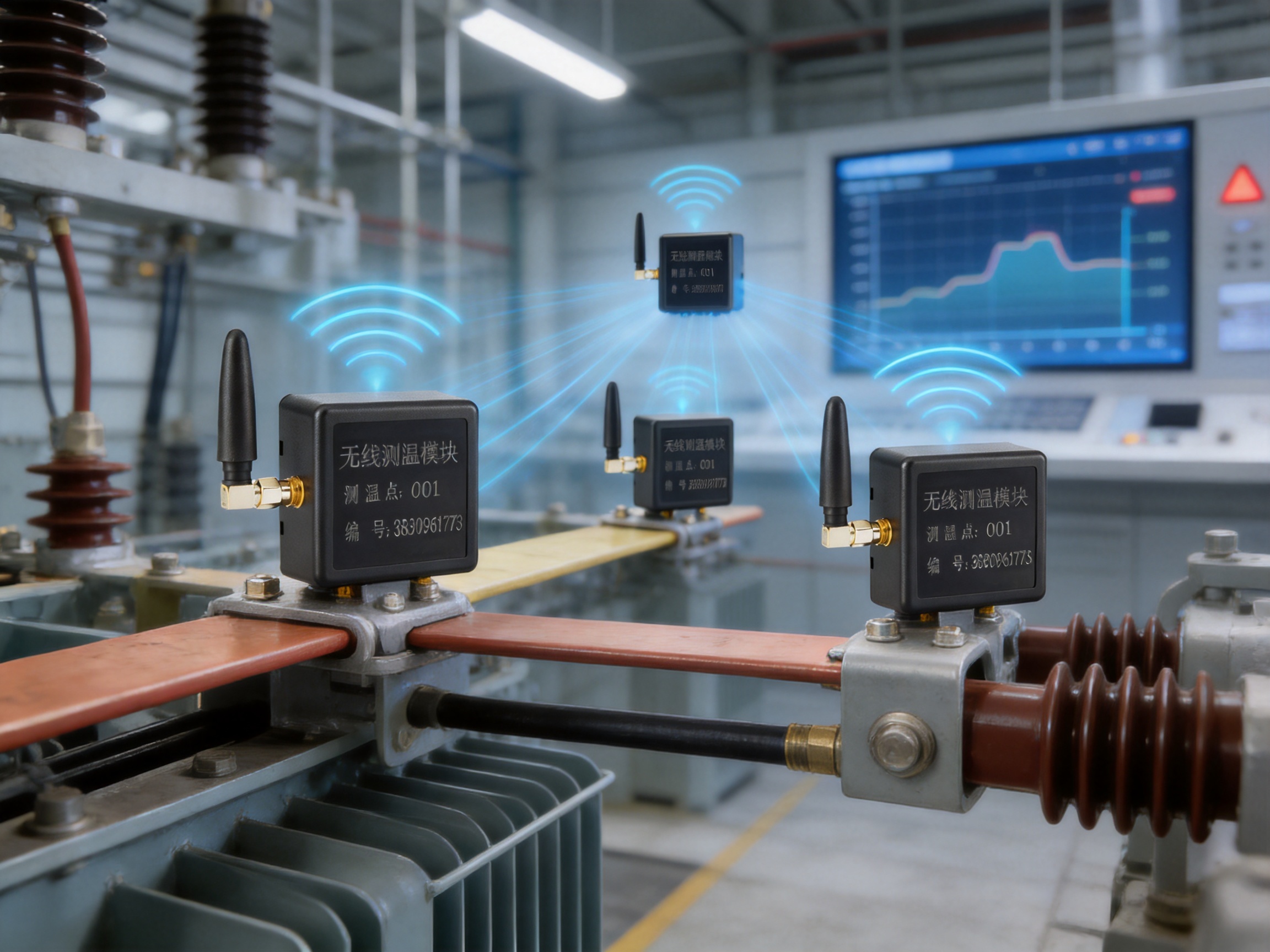
Modern factories increasingly rely on industrial IoT systems to collect data from equipment, analyze operating conditions, and optimize maintenance decisions. Temperature sensors are a foundational part of this data layer. The KL-DS31YS supports this transformation by converting local temperature conditions into wireless data that can be collected, stored, displayed, and analyzed by monitoring platforms.
When integrated with a wireless temperature measurement host and higher-level management software, sensor data can support alarm management, historical trend review, maintenance reports, and energy reliability analysis. Operators can set temperature thresholds for different equipment types, compare temperatures across phases, identify abnormal rise rates, and schedule inspection before faults escalate. Over time, accumulated temperature data can help maintenance teams understand normal operating patterns and improve asset management decisions.
This approach aligns with the broader trend toward condition-based maintenance. Instead of replacing parts only by schedule or responding after failure, users can make decisions based on actual equipment condition. Wireless temperature monitoring is one of the most practical entry points for condition-based maintenance because it addresses a common failure mechanism and is relatively easy to deploy.
Manufacturing Strengths Behind the Product
A reliable industrial sensor depends not only on its specifications but also on the manufacturing capabilities behind it. ASY Electronics (JiaXing) Co., Ltd. is a high-tech enterprise focused on industrial data sensing, intelligent connectivity, and smart factory solutions. The company’s product scope includes broadband power line communication products, wireless temperature monitoring systems, industrial transmitters, thermal gas mass flow meters, and automatic door controllers. This combination of products reflects a strong foundation in industrial electronics, communication technology, sensing hardware, and applied automation.
The company’s manufacturing approach is built around the requirements of industrial reliability. For a wireless temperature sensor, this includes stable component selection, accurate sensor calibration, low-power circuit design, wireless performance verification, battery quality control, enclosure assembly, and final functional testing. Each of these steps affects the long-term performance of the device in real field conditions.
Advanced manufacturing for such a sensor begins with design for manufacturability. Circuit layouts must support low noise measurement, stable wireless transmission, and efficient power consumption. Mechanical structure must protect internal components while allowing effective temperature contact and magnetic mounting. Antenna design must be considered together with enclosure materials and installation scenarios. Battery placement and power management must support long-term stability. These details require engineering experience across multiple disciplines.
Quality Control and Process Discipline
Industrial customers expect sensors to operate for years, often in harsh conditions. Therefore, process discipline is essential. A strong manufacturing system must verify incoming materials, manage production traceability, control assembly quality, and perform final testing before shipment.
For the KL-DS31YS, quality control may include inspection of the PT1000 temperature element, verification of electronic components, soldering quality checks, wireless communication testing, battery voltage confirmation, enclosure inspection, and data reporting validation. Temperature accuracy should be verified according to calibrated procedures, and wireless communication should be checked to ensure that data can be correctly transmitted to the host. The battery voltage self-test function provides an additional layer of operational reliability after installation.
Manufacturing strength also appears in consistency. A single prototype can perform well, but large-scale industrial deployment requires every unit to behave predictably. Consistency in measurement accuracy, wireless communication, power consumption, and mechanical assembly is what gives users confidence when deploying many sensors across a facility.
Engineering for Low Power and Long-Term Stability
Achieving 5 to 8 years of battery life is not a simple matter of using a large battery. Long-term wireless sensor operation requires disciplined low-power engineering. The sensing circuit, microcontroller logic, wireless transmission schedule, sleep mode behavior, and battery characteristics must be designed as a complete system. Even small inefficiencies can shorten battery life when multiplied over millions of sampling cycles.
The KL-DS31YS combines frequent temperature sampling with ultra-low power communication. Its default 10-second sampling interval allows responsive monitoring, while the internal logic controls power use. The design must also ensure that wireless transmission does not consume excessive energy. LoRa is suitable for this purpose because it can transmit small data packets efficiently over long distances.
Long-term stability also involves environmental considerations. Industrial sensors may face vibration, dust, temperature cycling, humidity, and electromagnetic interference. A well-designed unit must maintain measurement performance and communication reliability despite these factors. Manufacturing process control, component selection, and testing all contribute to this stability.
Compact Structure and Field Usability
The sensor’s external dimensions of 85 mm × 85 mm × 34 mm make it compact enough for many industrial locations while still providing space for internal electronics, battery, antenna, and magnetic mounting structure. Compact size is important because electrical equipment often has limited available space, especially around terminals and busbar connections.
Field usability depends on more than dimensions. Installers need a device that is easy to position, easy to identify, and easy to include in a wireless network. Maintenance personnel need clear data from the host system, including temperature and battery condition. The sensor’s integrated design supports these practical needs.
The use of magnetic fixation also reduces the need for special tools. In many projects, reduced installation complexity directly lowers total project cost. Less installation time means shorter outage windows or less work near energized equipment. For large-scale deployment, these time savings can be substantial.
Safety and Maintenance Benefits
Safety is a major reason to adopt wireless temperature monitoring. Electrical maintenance often requires personnel to inspect equipment that may be energized, hot, or located in difficult positions. By providing remote temperature data, the KL-DS31YS helps reduce the frequency of manual close-range inspections. Technicians can focus on points that show abnormal trends rather than checking every connection manually.
Early detection of overheating also supports asset protection. When an alarm identifies a rising temperature, maintenance teams can plan corrective action before severe damage occurs. This may include tightening connections, cleaning contacts, balancing load, replacing aging components, improving ventilation, or investigating overload conditions. Preventing one serious failure can justify the investment in a monitoring system, especially in facilities where downtime is expensive.
For power distribution equipment, thermal faults can escalate quickly. Insulation aging accelerates at high temperature, and repeated thermal cycling can worsen mechanical looseness. Continuous temperature monitoring provides the visibility needed to break this cycle.
How the Sensor Supports Predictive Maintenance
Predictive maintenance depends on data. A single temperature reading provides limited information, but a history of temperature readings reveals patterns. The KL-DS31YS enables users to collect continuous temperature data from critical points. Over time, this data can be used to establish normal operating baselines and identify deviations.
For example, if a transformer terminal normally operates at 55 degrees Celsius under a certain load but gradually rises to 75 degrees Celsius under similar load conditions, maintenance personnel can investigate before an emergency occurs. If one phase of a three-phase connection runs hotter than the others, the difference may indicate unbalanced contact quality or load distribution. If a temperature rises rapidly after a switching operation, it may indicate a mechanical contact issue.
Such insights are difficult to obtain from occasional inspection alone. Wireless monitoring turns temperature into a continuous diagnostic signal. This is especially valuable in smart factory environments where equipment uptime, energy efficiency, and safety are all business priorities.
Comparison with Alternative Monitoring Methods
Industrial users may consider several methods for temperature monitoring: manual infrared inspection, wired temperature sensors, passive temperature labels, fiber optic sensors, and wireless battery-powered sensors. Each method has its place, but the KL-DS31YS provides a balanced solution for many retrofit and distributed monitoring applications.
Manual infrared inspection is flexible and visual, but it is periodic and labor-intensive. Passive temperature labels are inexpensive, but they do not provide real-time data and may only show historical maximum exposure. Wired sensors can provide continuous data, but wiring is often costly and difficult in high-voltage or moving equipment. Fiber optic temperature monitoring offers excellent electrical insulation and anti-interference performance, but it can be more expensive and complex. Wireless magnetic sensors provide a practical combination of continuous data, easy installation, long battery life, and scalable deployment.
This does not mean one method replaces all others. In many advanced maintenance programs, wireless temperature sensors complement infrared inspection. Sensors provide continuous alerts, while infrared cameras can be used for detailed follow-up diagnosis. Together, they improve reliability and reduce blind spots.
Design Advantages for Outdoor Installations
Outdoor electrical equipment faces additional challenges, including temperature extremes, wind, rain, dust, sunlight, and corrosion. The KL-DS31YS is suitable for applications such as outdoor isolating switches, transformer terminals, and flexible copper busbar connections. Its -40 to +200 degrees Celsius measurement range supports operation across a wide environmental span.
Wireless communication is particularly valuable outdoors because equipment may be spread across a large area. Running cables to every monitoring point can be expensive and exposed to mechanical damage. A wireless system reduces infrastructure complexity and supports flexible placement. Magnetic installation is also useful outdoors where drilling or bracket installation may be difficult or undesirable.
In outdoor applications, site planning remains important. Sensor placement should ensure good thermal contact with the monitored surface and reasonable wireless signal conditions. The wireless host should be located to optimize communication paths, and maintenance teams should verify signal quality during commissioning.
Integration with Energy Management and Reliability Programs
Temperature monitoring is closely related to energy reliability. Poor electrical contact wastes energy as heat, and that heat represents both inefficiency and risk. By identifying abnormal heating, the KL-DS31YS helps users reduce unnecessary energy loss and improve electrical system reliability.
In factories pursuing refined energy management, temperature data can become part of a broader monitoring strategy that includes current, voltage, power quality, equipment status, flow measurement, pressure, and environmental data. ASY Electronics supports industrial data integration through edge-layer hardware products and industrial solutions. The wireless temperature sensor fits naturally into this ecosystem because it provides important condition data from electrical assets.
When temperature data is integrated into digital dashboards, users can prioritize maintenance based on risk. For example, a high-temperature alarm on a critical transformer connection may receive immediate attention, while a moderate trend on non-critical equipment may be scheduled for the next planned maintenance window. This supports more efficient use of maintenance resources.
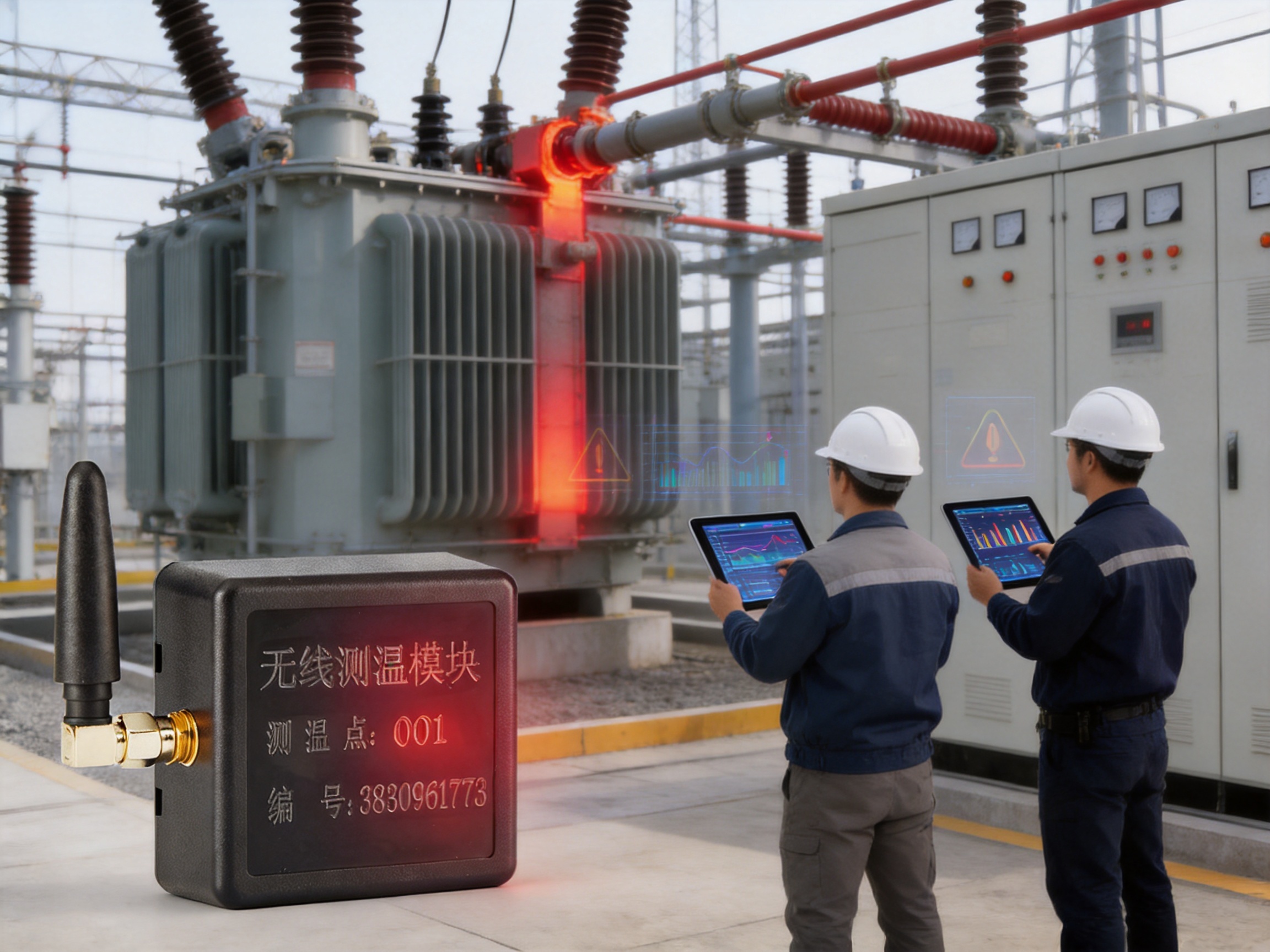
Recommended Deployment Strategy
For best results, users should begin with a risk-based survey of electrical equipment. The highest priority monitoring points are usually high-current joints, frequently operated contacts, outdoor exposed connections, transformer terminals, switchgear contacts, busbar connections, and locations with previous overheating history. Load profiles should also be considered because heavy-load circuits generate more heat when contact resistance increases.
After selecting monitoring points, the installation team should confirm that magnetic fixation is suitable for the target surface. The sensor should be placed where it can accurately reflect the temperature of the component of interest. Good contact and stable positioning are important for reliable measurement. The wireless network should then be tested to ensure communication between the sensor and the host. Battery status and sensor identity should be recorded for future maintenance.
Alarm thresholds should be configured based on equipment type, load, ambient conditions, and maintenance policy. A fixed temperature threshold may be useful, but trend-based alarms can provide additional insight. In three-phase systems, temperature differences between phases can also be meaningful. Users should review historical data periodically to refine alarm settings and reduce unnecessary alarms.
Lifecycle Cost Advantages
The total cost of a temperature monitoring system includes purchase cost, installation labor, commissioning, wiring, downtime, maintenance, battery replacement, and failure prevention value. The KL-DS31YS offers lifecycle cost advantages because it reduces wiring and installation work, supports long battery life, and helps prevent expensive failures.
In many industrial sites, installation cost can exceed sensor cost, especially when equipment shutdown, cable routing, and safety permits are required. Magnetic wireless installation reduces these hidden expenses. Long battery life further improves lifecycle economics by lowering maintenance frequency. The ability to detect thermal faults early can provide the greatest value of all, because preventing a major outage, equipment damage, or safety incident may save far more than the cost of the monitoring system.
Company Capabilities and Industrial Solution Strength
ASY Electronics (JiaXing) Co., Ltd. is positioned as a provider of industrial IoT communication and sensing solutions. The company focuses on creating efficient, reliable, and green smart factories through data sensing and intelligent connectivity. Its self-developed edge-layer hardware products and industrial data integration capabilities support equipment condition monitoring, refined energy management, and production process optimization.
This background strengthens the value of the KL-DS31YS because the sensor is part of a broader industrial technology foundation. The company’s experience with broadband power line carriers, wireless temperature monitoring systems, transmitters, flow meters, and controllers reflects a practical understanding of industrial environments. Customers benefit not only from a single sensor product but also from engineering knowledge in communication, sensing, automation, and industrial data systems.
Advanced manufacturing strength also means the company can support customization and system-level requirements. Industrial projects often need more than catalog products; they require deployment guidance, communication planning, integration support, and stable supply. A manufacturer with broad industrial electronics capabilities is better positioned to meet these needs.
Q&A Section
Q1: What is the main purpose of the Magnetic-Attachment Wireless Temperature Measurement Sensor?
The main purpose is to continuously measure the temperature of high-risk electrical contact points and transmit the data wirelessly to a monitoring host. It helps detect abnormal heating in equipment such as switchgear contacts, busbar joints, transformer terminals, outdoor disconnect switches, and industrial power connections.
Q2: What temperature range does the sensor support?
The sensor supports a temperature measurement range from -40 to +200 degrees Celsius, making it suitable for both cold outdoor environments and high-temperature electrical contact monitoring.
Q3: How accurate is the temperature measurement?
The measurement accuracy is ±1 degree Celsius. This accuracy supports practical alarm thresholds, trend analysis, and predictive maintenance decisions.
Q4: What type of temperature element is used?
The sensor uses a PT1000 temperature element, which provides stable and reliable temperature measurement characteristics for industrial applications.
Q5: How often does the sensor sample temperature?
The default temperature sampling frequency is 10 seconds. This allows the monitoring system to detect temperature changes frequently and respond to abnormal heating trends.
Q6: What wireless technology does the sensor use?
The sensor uses LoRa wireless communication in the 470 to 510 MHz frequency range. LoRa is suitable for long-distance, low-power industrial data transmission.
Q7: What is the wireless transmission distance?
The wireless transmission distance is up to 800 meters under suitable conditions. Actual distance may vary depending on installation environment, obstacles, interference, antenna position, and host placement.
Q8: How long does the battery last?
The battery lifespan is approximately 5 to 8 years, depending on operating environment, sampling and reporting strategy, wireless conditions, and system configuration.
Q9: Why is magnetic installation useful?
Magnetic installation reduces wiring, drilling, brackets, and installation labor. It is especially useful for retrofit projects and for locations where traditional wired sensors are difficult or unsafe to install.
Q10: Can the sensor report battery status?
Yes. The sensor has a battery voltage self-test function, allowing the monitoring system to track internal battery voltage and support planned maintenance.
Q11: How does this sensor compare with infrared inspection?
Infrared inspection is periodic and requires manual operation, while the wireless sensor provides continuous monitoring. The two methods can complement each other: the sensor provides automatic alerts, and infrared inspection can be used for follow-up analysis.
Q12: What are typical installation locations?
Typical locations include outdoor isolating switches, wall-penetrating cable clamps, transformer inlet and outlet terminals, outdoor flexible copper busbar connections, busbar joints, high-voltage switchgear contacts, and high-power motor terminals.
Conclusion
The KL-DS31YS Magnetic-Attachment Wireless Temperature Measurement Sensor is a practical and advanced solution for industrial electrical temperature monitoring. It combines a -40 to +200 degrees Celsius measurement range, ±1 degree Celsius accuracy, PT1000 sensing, 10-second default sampling, LoRa wireless communication, up to 800 meters transmission distance, 5 to 8 years of battery life, and convenient magnetic fixation. These characteristics make it highly suitable for high-voltage equipment, transformer terminals, busbar connections, outdoor disconnect switches, and other critical industrial monitoring points.
Its advantages over many competitor solutions include easier installation than wired sensors, more continuous monitoring than manual infrared inspection, longer range than many short-range wireless devices, longer battery life than general wireless sensors, and better retrofit flexibility than embedded systems. For industrial users seeking safer operation, reduced downtime, improved maintenance efficiency, and stronger digital visibility, the sensor provides a compelling foundation for modern condition monitoring.
Backed by ASY Electronics’ strengths in industrial sensing, intelligent connectivity, edge-layer hardware, and smart factory solutions, the product reflects not only strong device-level engineering but also broader system-level manufacturing capability. As factories and power systems continue moving toward predictive maintenance and industrial IoT integration, magnetic wireless temperature monitoring will play an increasingly important role in building safer, more reliable, and more efficient industrial infrastructure.
References
1. Industrial Temperature Measurement Principles and Applications, Instrumentation Engineering Handbook.
2. Predictive Maintenance for Electrical Distribution Systems, Power Reliability Engineering Review.
3. LoRa and Low-Power Wide-Area Networks for Industrial Monitoring, Wireless Sensor Technology Journal.
4. Resistance Temperature Detectors and PT1000 Sensor Characteristics, Industrial Measurement Guide.
5. Condition Monitoring of High-Voltage Switchgear and Busbar Connections, Electrical Maintenance Technical Manual.
6. Smart Factory Data Acquisition and Edge Sensing Systems, Industrial IoT Applications Handbook.