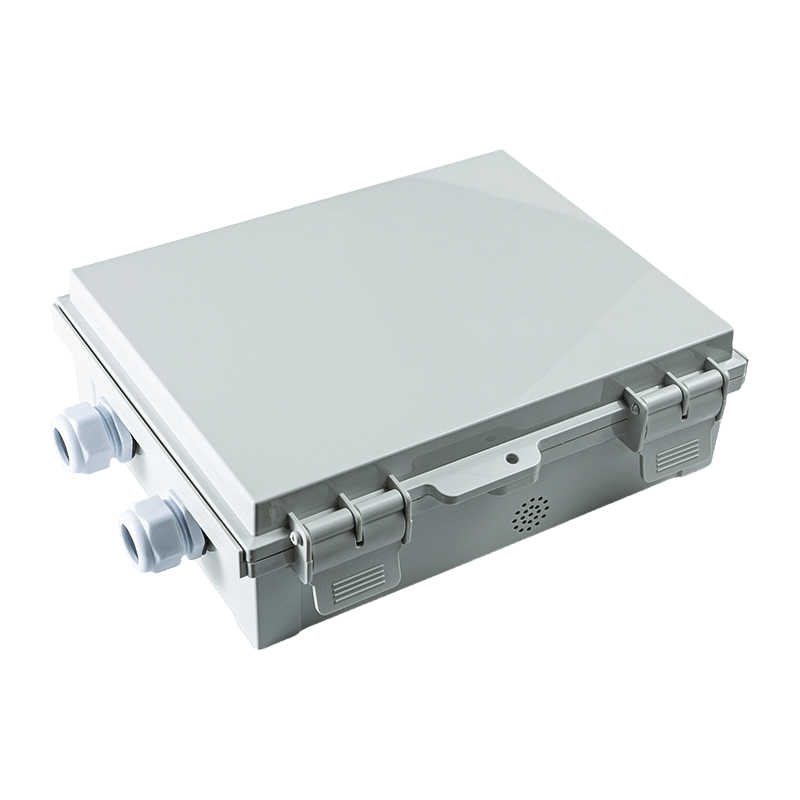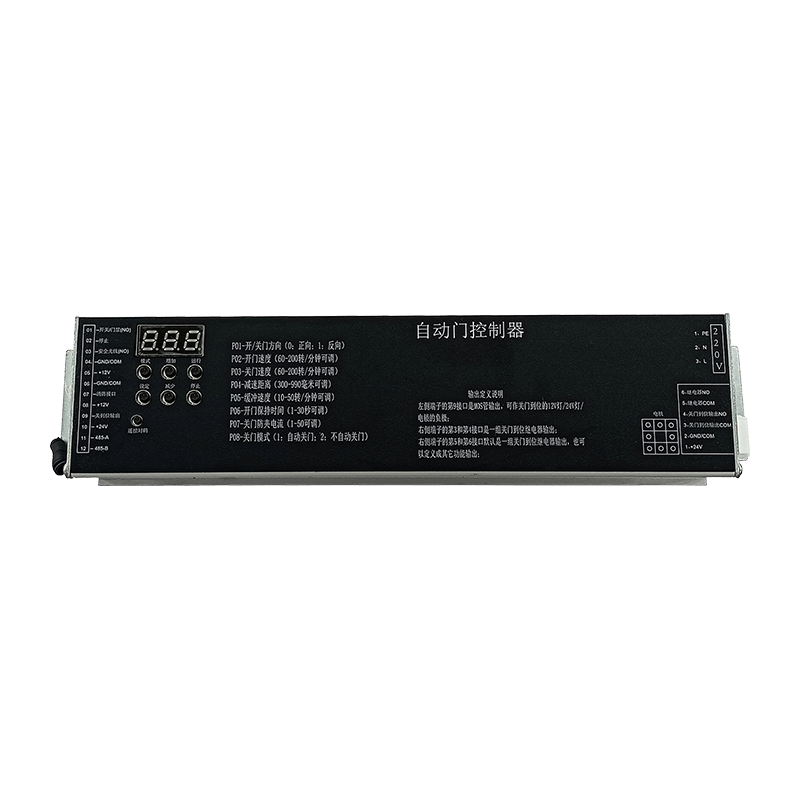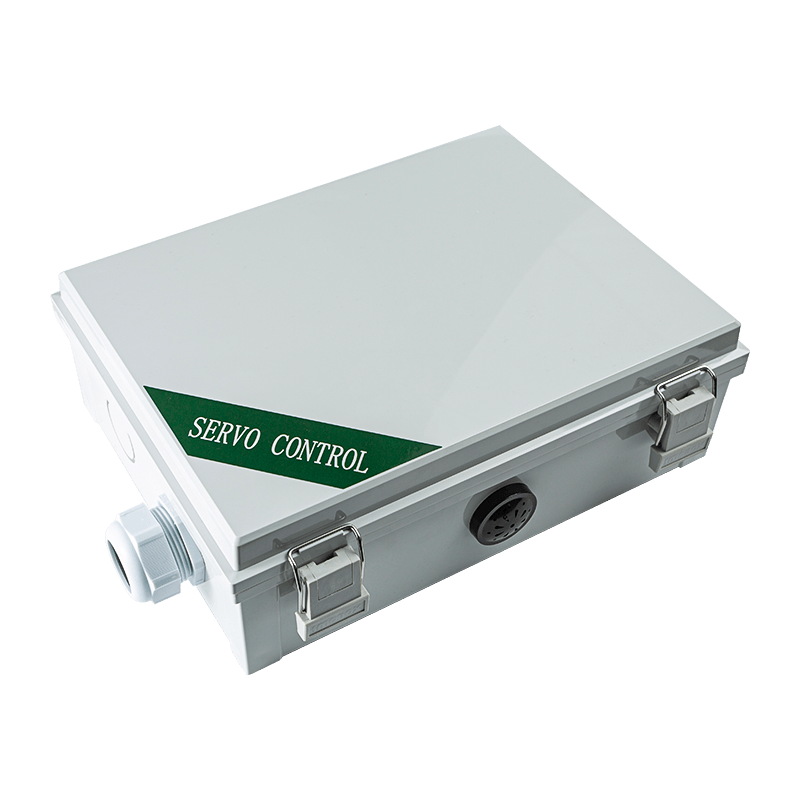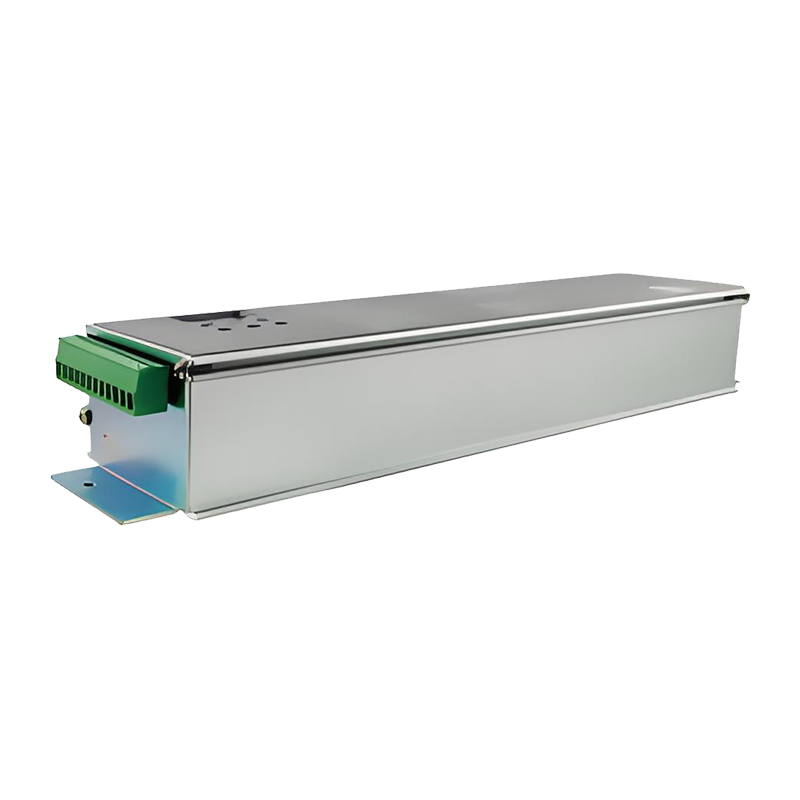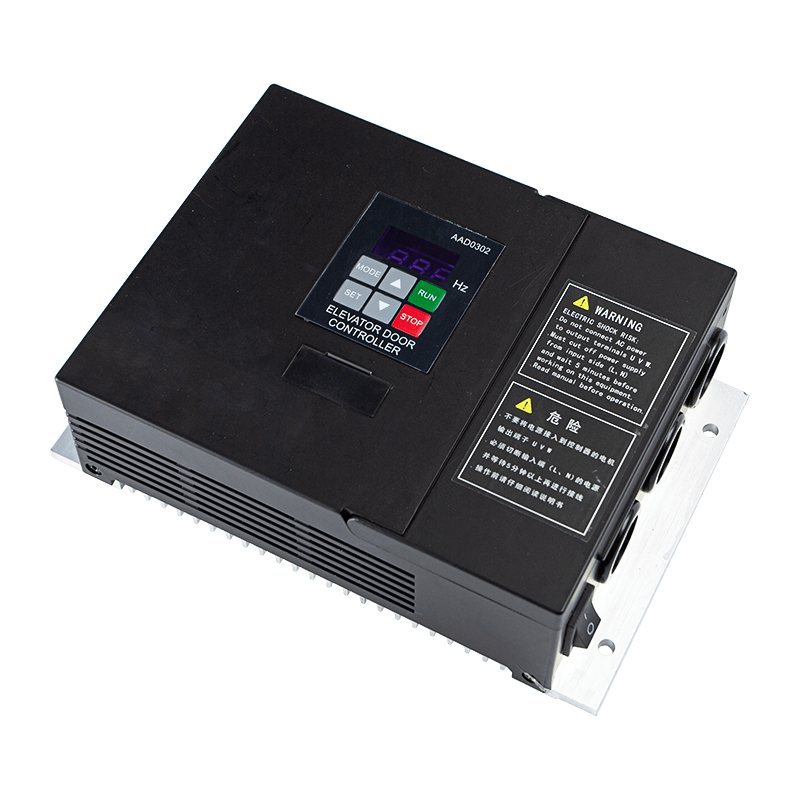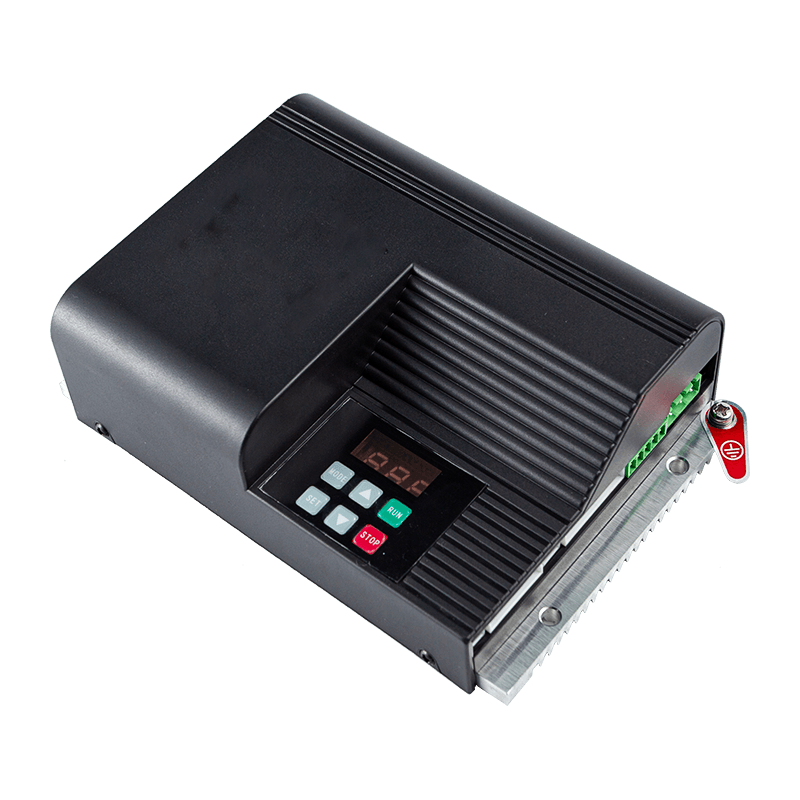


In medical, industrial, and temperature-controlled environments, a heavy sliding door is more than a moving panel. It is a safety barrier, a workflow tool, an environmental seal, and often a critical part of daily operations. The Medical Heavy Duty Door Controller, model AIG-750P-06, is designed for demanding automatic sliding door applications where reliability, force control, environmental resistance, and intelligent diagnostics are essential. Built for heavy-duty medical lead doors, industrial sliding doors, cold storage doors, and similar high-load systems, this controller provides precise motor control, safety-oriented operation, peripheral equipment management, and networked communication capability.
The controller is intended for systems that require stable operation under frequent opening and closing cycles. It supports high-voltage DC brushless motor control and can be integrated with a compatible control box and motors such as MT02-WS-200W or MT02-WS-150W. Its rated voltage is 220V, with a rated power profile of 0.75KW, while the broader control platform can support motor output up to 1500W. This makes it suitable for automated doors that are significantly heavier than standard commercial entrance doors and that demand more advanced torque, speed, and safety management.
Compared with common automatic door controllers, this solution is positioned for more challenging environments. It is not simply a controller that opens and closes a door. It can manage heating wires to prevent freezing, coordinate air curtains to preserve environmental separation, record operational data for maintenance planning, learn door positions during commissioning, and provide fault codes for fast troubleshooting. These characteristics make it a practical choice for hospitals, pharmaceutical facilities, laboratories, clean workshops, warehouses, cold rooms, and industrial plants.
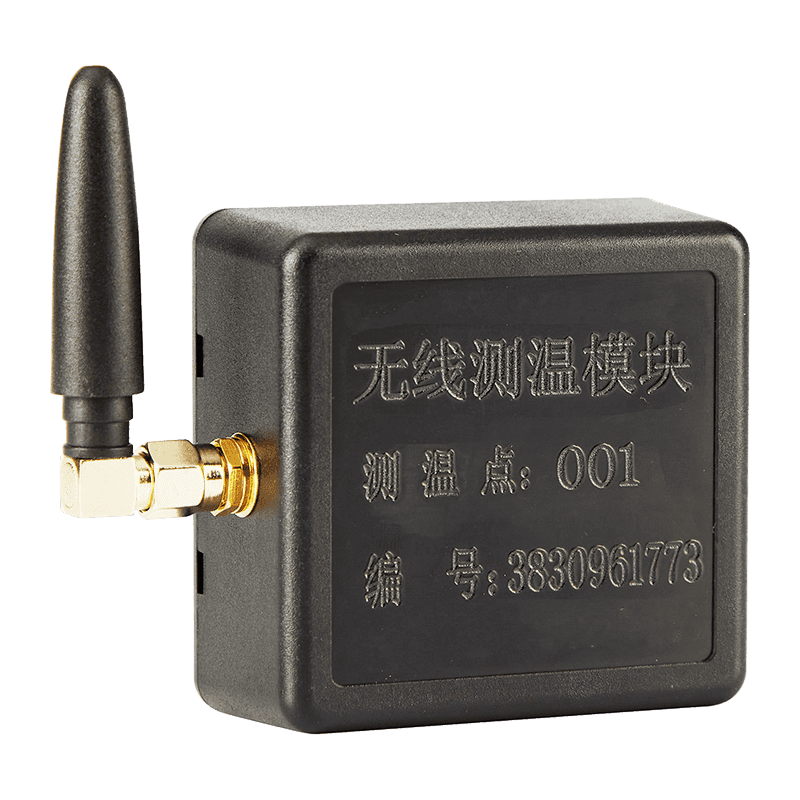
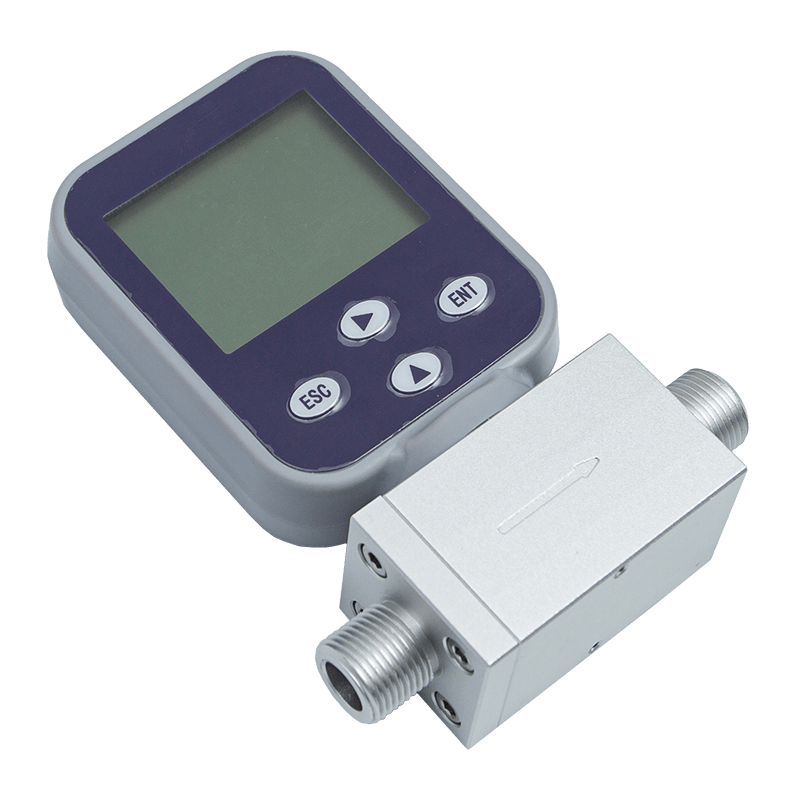
ASY Electronics (JiaXing) Co., Ltd. develops industrial connectivity, sensing, control, and automation products for smart factories and industrial facilities. The company’s broader portfolio includes high-speed power line communication products, wireless temperature monitoring sensors, thermal gas mass flow meters, industrial transmitters, and automatic door controllers. This background gives the door controller a strong foundation in industrial control, data integration, communication, and equipment reliability. The product reflects not only a door automation function, but also a design philosophy shaped by industrial IoT, preventive maintenance, and intelligent operation.
Product Positioning and System Overview
The AIG-750P-06 Medical Heavy Duty Door Controller is a motor controller designed specifically for medical heavy sliding doors and other high-load sliding door systems. In many hospitals and specialized facilities, heavy lead-lined doors are used for radiation protection, controlled access, temperature isolation, or clean separation. Such doors require higher driving force and more precise protection than light-duty automatic entrances. A standard commercial door controller may not provide sufficient torque, accurate limit learning, reliable anti-pinch logic, or the ability to manage external equipment such as heating elements and air curtains.
The system is typically integrated with the AIG-1500P-02Y control box and a DC brushless motor. The use of a DC brushless motor is important because heavy doors benefit from efficient torque output, smooth motion, lower maintenance requirements, and better controllability. Brushless motors avoid the wear associated with brushes, which supports long-term performance in high-cycle applications. In an environment where doors may open hundreds or thousands of times per day, reduced mechanical and electrical wear becomes a measurable operational advantage.
The controller operates within an input voltage range of 176–264VAC at 50/60Hz. This wide voltage tolerance improves adaptability in real-world sites where power fluctuations can occur. For industrial and medical facilities, power quality may vary due to large equipment loads, compressors, HVAC systems, imaging equipment, or machinery. A controller that can maintain stable function across a practical input voltage range reduces nuisance faults and improves uptime.
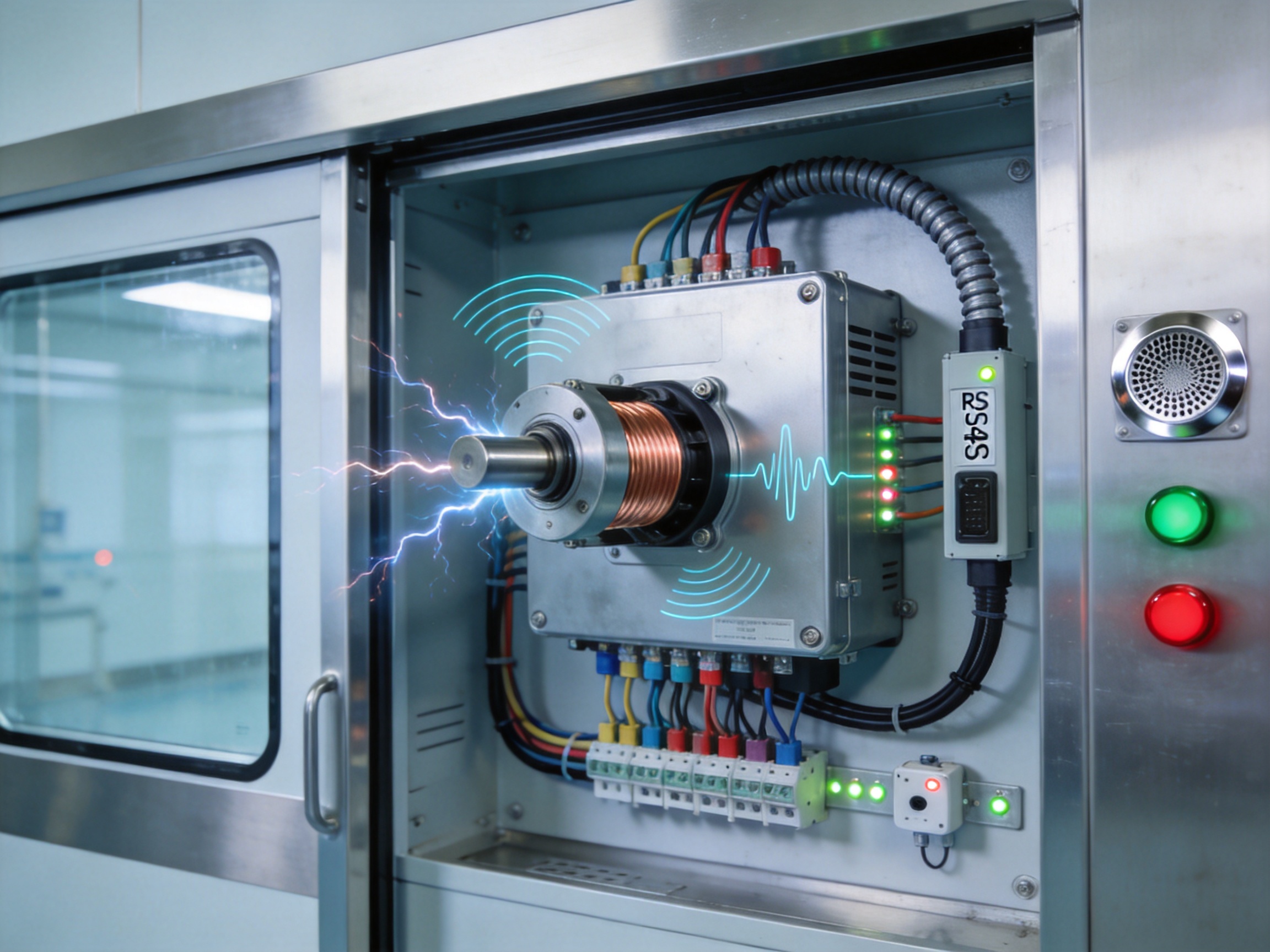
The controller supports multiple input signals, including open, close, stop, anti-pinch or fire protection, door lock, radar, and temperature sensing resistor signals. This enables integration with sensors, access systems, safety devices, and environmental monitoring components. It also provides outputs for a 380VAC air curtain motor, a 220VAC heating element, a buzzer, open position output, and close position output. These outputs allow the door system to act as a coordinated automation node rather than an isolated drive device.
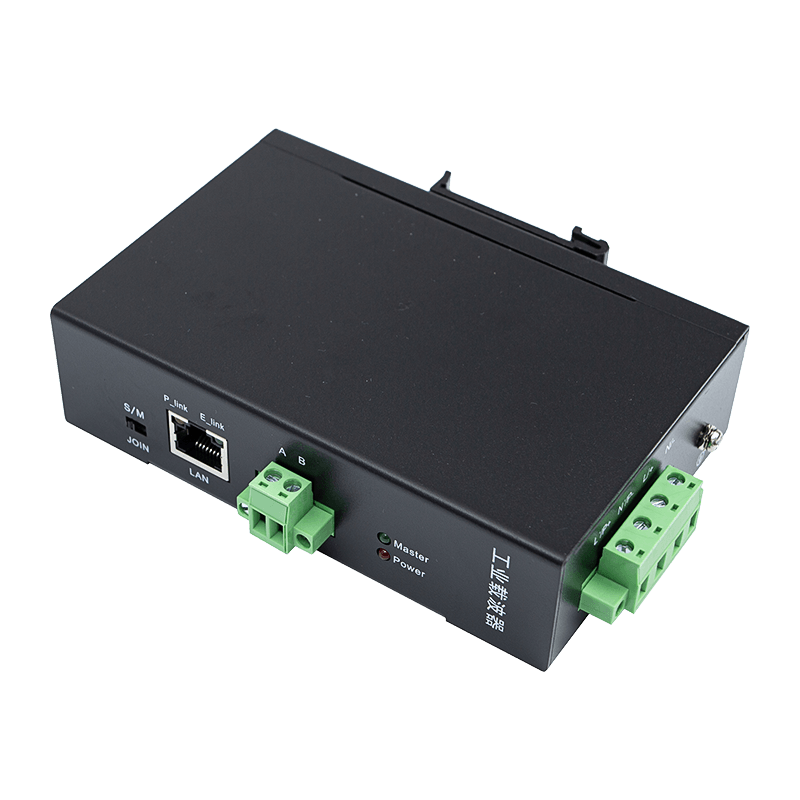
An RS485 communication interface is included for networked control. RS485 remains widely used in industrial automation because it is robust, cost-effective, and suitable for multi-device communication over practical distances. Through this interface, the controller can be incorporated into facility management systems, industrial control networks, or supervisory monitoring platforms, depending on the customer’s integration design.
Core Technical Parameters
The following table summarizes the main product performance parameters and explains their value in practical applications.
Parameter |
Specification |
Operational Value |
Input Voltage |
176–264VAC, 50/60Hz |
Supports stable operation under common industrial and medical power conditions. |
Rated Voltage |
220V |
Compatible with widely used facility power systems. |
Rated Power |
0.75KW |
Designed for heavy sliding door applications requiring stronger drive capability. |
Motor Control |
High-voltage DC brushless motor support, maximum output power up to 1500W |
Provides efficient, smooth, and durable control for high-load doors. |
Input Signals |
Open, close, stop, anti-pinch, fire protection, door lock, radar, temperature sensing resistor, and related inputs |
Enables flexible safety and automation integration. |
Outputs |
380VAC air curtain motor, 220VAC heating element, buzzer, open position output, close position output |
Allows coordinated control of environmental and status-related equipment. |
Communication Interface |
One RS485 interface |
Supports networked control and industrial system integration. |
Application Range |
Heavy-duty medical lead doors and heavy-duty industrial sliding doors |
Suitable for hospitals, laboratories, factories, warehouses, and controlled spaces. |
Why Heavy Medical Doors Need Specialized Control
Medical heavy sliding doors often serve functions that ordinary doors cannot perform. In radiology departments, imaging rooms, or treatment areas, lead-lined doors may be required to provide radiation shielding. In operating areas, isolation zones, clean facilities, or pharmaceutical spaces, doors may be used to maintain hygiene, pressure balance, or controlled access. In cold storage or low-temperature medical storage, doors help maintain temperature stability. These use cases create technical challenges involving door weight, opening frequency, sealing resistance, safety, environmental stress, and maintenance accessibility.
A heavy door has higher inertia than a lightweight automatic entrance. When it starts moving, stops, or reverses direction, the controller must manage torque carefully. Excessive force can create a safety risk, while insufficient force can cause stalled movement or incomplete closing. The controller must also determine accurate open and close positions. If the door fails to close fully, environmental separation may be compromised. If it closes too forcefully, it can damage seals, rails, or objects in the path.
The AIG-750P-06 addresses these issues through adjustable anti-pinch logic, torque settings, position learning, and fault diagnostics. During commissioning, the controller can learn the door positions by identifying the open and closed limits. This reduces setup complexity and improves repeatability. For facility managers and installation teams, a controller that supports efficient commissioning reduces labor time and minimizes the risk of incorrect setup.
In medical environments, safety is especially important because the users may include patients, nurses, doctors, technicians, cleaners, and logistics personnel. Some users may be moving beds, carts, diagnostic equipment, or medicine storage units. Door behavior must be predictable, smooth, and protective. Anti-pinch functionality helps reduce entrapment risks, while stop and fire protection inputs allow the system to interact with emergency or safety systems.
It is also important to note that anti-pinch protection is not active within 20 cm of the fully open or closed positions. This kind of detail is valuable because it helps engineers and installers design the overall safety system correctly. A high-quality controller is not only defined by what it can do, but also by the clarity of its operating conditions. Proper installation, correct sensor placement, and appropriate safety assessment remain necessary for a complete door automation solution.
Key Advantages Over Conventional Door Controllers
Higher Load Capability for Demanding Doors
Many standard automatic door controllers are designed for retail entrances, office buildings, or light commercial doors. They may operate well in moderate-duty settings but can struggle with heavy medical lead doors or industrial sliding doors. The AIG-750P-06 is engineered for heavy-duty operation, with compatibility for high-voltage DC brushless motors and system support for significant output power. This gives it a clear advantage where door mass and operating resistance exceed common commercial requirements.
Integrated Management of External Equipment
A major advantage of this controller is its ability to manage peripheral hardware. The system can control heating wires up to 1KW to help prevent freezing, which is particularly valuable for cold storage doors or low-temperature spaces. It can also manage air curtains up to 2.2KW, supporting environmental separation by reducing air exchange when the door opens. Competitor products that focus only on door motion may require separate control panels for these devices, increasing wiring complexity, cost, and maintenance difficulty.
Fault Diagnostics and Maintenance Support
The controller records the latest four errors through diagnostic memory positions and provides specific error codes such as Hall sensor failure, undervoltage, and overspeed. This feature is highly valuable in critical environments where downtime needs to be minimized. Instead of relying only on visual inspection or trial-and-error troubleshooting, technicians can check recorded faults and identify the likely cause more quickly. This can reduce service time and improve maintenance efficiency.
Operational Data for Preventive Maintenance
The system tracks current runtime and total number of runs, with cycle counts reaching into the millions. In facility management, preventive maintenance depends on reliable data. If a door has completed a high number of cycles, technicians can inspect rollers, rails, seals, belts, motor mounts, and safety sensors before failure occurs. This data-driven approach is increasingly important in smart buildings and smart factories, where equipment condition monitoring supports lower lifecycle cost.
Flexible Inputs for System Integration
The controller accepts inputs from open, close, stop, anti-pinch, fire protection, door lock, radar, temperature sensing resistor, and related signals. This flexibility allows it to fit different door control architectures. For example, a hospital may require radar activation, access control, fire linkage, and manual stop functions. A cold storage facility may prioritize temperature sensing, anti-freezing heating elements, and air curtain coordination. A manufacturing plant may need integration with production lines, safety interlocks, or logistics equipment.
Networked Control Through RS485
RS485 communication gives the controller an integration path for networked control. While wireless systems are common in some building automation applications, wired industrial communication remains highly valued where reliability and interference resistance are priorities. RS485 allows multiple devices to communicate in a structured network, making it suitable for control rooms, industrial panels, facility monitoring systems, or equipment management platforms.
Safety Functions Designed for Real-World Use
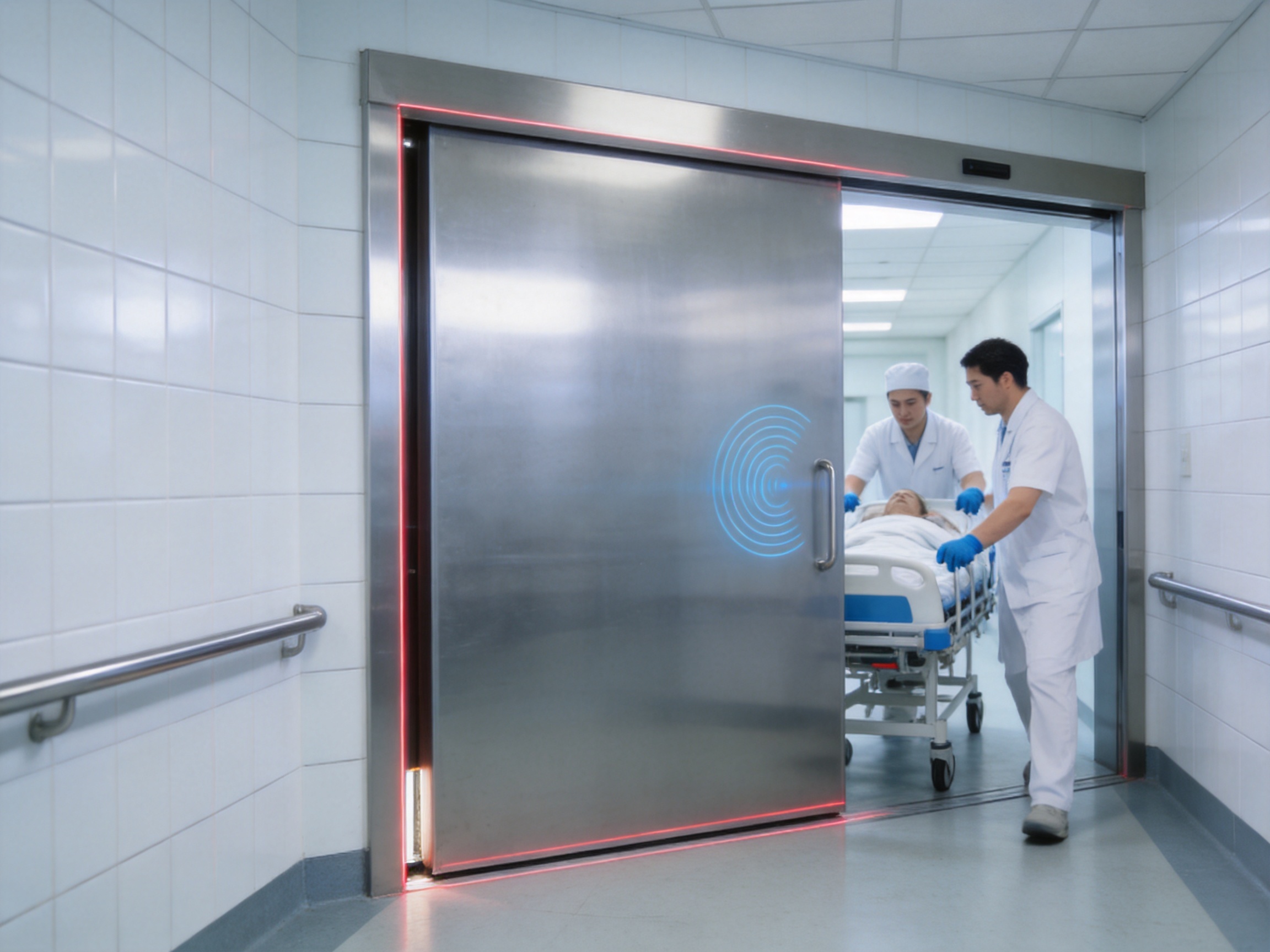
Safety is a central requirement for automatic door controllers. Heavy doors can generate significant force, and in medical or industrial settings the risks are amplified by traffic patterns, equipment movement, emergency situations, and environmental constraints. The AIG-750P-06 includes multiple safety-related design considerations, including anti-pinch logic, adjustable determination times, torque settings, stop input, fire protection input, grounding requirements, and diagnostic feedback.
The anti-pinch logic is particularly important. It helps identify resistance that may indicate a person, object, cart, or equipment has been caught in the door path. Adjustable determination time and torque settings allow installers to tune the system according to door weight, friction, expected traffic, and safety requirements. This is more sophisticated than fixed-response systems, because a heavy lead door and a lighter industrial sliding door may require different protection thresholds.
The controller also includes electrical safety guidance. The motor earth wire must be connected to the controller’s grounding mark to help prevent high-voltage induced electricity and electric shock. This requirement highlights the importance of professional installation. In high-power automatic systems, proper grounding is not optional; it is essential to personnel safety, electromagnetic stability, and long-term equipment reliability.
The fire protection input enables the door system to respond to emergency control requirements. In a facility safety strategy, doors may need to open, close, stop, or release according to fire control logic, evacuation plans, smoke control strategies, or access management policies. The controller’s compatibility with fire protection signaling gives system designers more flexibility when integrating the door into building safety infrastructure.
The door lock input provides another layer of control. In medical and industrial facilities, certain rooms require restricted access. Door lock coordination helps ensure that automated movement does not conflict with security or process requirements. For example, a controlled storage area may require the door to remain closed unless authorized, while a laboratory may need to coordinate door movement with interlocking access systems.
Radar input support allows touchless activation, which is useful in medical spaces where hygiene and workflow speed are important. Staff carrying supplies or moving equipment can activate the door without touching a button. This reduces contact points and supports smoother circulation. In industrial settings, radar activation can also improve logistics flow when forklifts, carts, or personnel approach the door.
Environmental Adaptability and Cold Storage Performance
Heavy-duty door systems are often installed in environments that challenge ordinary automation components. Cold storage rooms, refrigerated medical storage, pharmaceutical warehouses, and temperature-controlled production areas expose doors to condensation, frost, low temperatures, and thermal cycling. The AIG-750P-06 system documentation notes use with refrigerator door control boxes and cold storage doors, making it suitable for temperature-controlled environments when properly configured.
Heating wire control is an important feature for these applications. Door edges, seals, thresholds, or mechanical zones can freeze when moisture accumulates and temperatures remain low. Freezing can increase friction, prevent sealing, damage components, or stop door movement. By supporting heating wires up to 1KW, the controller helps maintain reliable movement and reduce frost-related failures.
Air curtain control is another valuable capability. Air curtains help reduce the exchange of warm and cold air when the door opens. In cold storage, this can reduce energy loss and limit moisture entry. In clean or controlled environments, air curtains can support separation between zones. The controller’s ability to manage an air curtain up to 2.2KW allows the door opening event and air curtain operation to be coordinated rather than controlled independently.
Compatible motors can offer IP65 waterproof levels and operate in temperatures as low as -30°C. This expands the application range beyond ordinary indoor environments. IP65 protection means the motor enclosure can resist dust ingress and water jets under defined conditions, making it more suitable for washdown-prone or humid areas. Low-temperature capability is especially relevant for cold chain logistics, medical refrigeration, food storage, and industrial freezing areas.
For facilities that cannot tolerate repeated door failures, environmental durability is a competitive advantage. A controller that can coordinate heating and air curtain equipment, work with protected motors, and provide diagnostic information offers more value than a controller designed only for mild indoor conditions. This difference becomes visible over years of operation, where fewer failures, reduced service calls, and better energy control contribute to lower total ownership cost.
Intelligent Commissioning and Position Learning
Commissioning is often one of the most time-consuming parts of automatic door installation. Installers must configure movement direction, open and close limits, acceleration, deceleration, speed, torque, safety response, and peripheral device behavior. If the controller is difficult to commission, installation costs rise and long-term reliability may suffer because incorrect settings can lead to mechanical stress or unsafe movement.
The AIG-750P-06 provides a commissioning method that allows the controller to learn door positions during the first power-up by identifying open and closed limits. This learning function simplifies setup and helps create a reliable baseline for operation. For heavy doors, accurate limit recognition is particularly important because overtravel can damage mechanical stops, seals, frames, or drive components.
Position learning also supports consistent user experience. A door that stops smoothly at the correct open position allows efficient passage. A door that closes accurately maintains environmental separation and security. If a controller loses position accuracy or requires frequent manual adjustment, the facility experiences higher maintenance burden. The learning function therefore contributes directly to stability and usability.
In addition to initial setup, operational insight is supported through runtime and cycle tracking. This helps maintenance teams understand how the door is being used. A door serving a busy emergency route may accumulate cycles much faster than a door in a restricted technical area. With cycle data, maintenance can be scheduled according to actual use rather than fixed calendar intervals alone.
When combined with error history, this data enables more professional service. For example, if a door records overspeed errors, technicians can inspect drive tuning, mechanical friction, or sensor feedback. If undervoltage appears, they can check power supply stability. If a Hall sensor failure is recorded, they can evaluate motor sensor wiring or motor condition. These clues reduce downtime and avoid unnecessary component replacement.
Advanced Manufacturing Processes Behind the Controller
A reliable industrial controller depends not only on circuit design, but also on manufacturing discipline. ASY Electronics applies a smart-factory-oriented approach to product development and production. The company’s core mission is to help build efficient, reliable, and green smart factories through data sensing, intelligent connectivity, edge-layer hardware, and industrial data integration. These capabilities influence how its automatic door controllers are engineered and manufactured.
In controller manufacturing, printed circuit board design and assembly quality are critical. Power electronics must handle voltage, current, heat, and switching behavior reliably. Signal circuits must remain stable in the presence of electrical noise. Communication interfaces must maintain data integrity. A high-quality manufacturing process begins with component selection, circuit layout optimization, thermal design, and protection strategy. It continues through controlled assembly, inspection, functional testing, and quality verification.
Advanced production typically includes automated surface-mount technology processes for electronic boards, controlled soldering profiles, in-process optical inspection, electrical testing, and functional simulation. For an industrial door controller, manufacturing verification should confirm power input tolerance, motor output behavior, signal input recognition, relay or output control, communication function, display or diagnostic response, and fault handling. These test steps help ensure that every controller leaving production performs consistently.
Because the company also develops industrial IoT communication solutions, wireless temperature monitoring systems, transmitters, and flow meters, it has experience with sensor reliability, signal conditioning, embedded control, and industrial communication. This cross-product expertise strengthens the door controller platform. A manufacturer focused only on simple door automation may lack the same depth in industrial data and connectivity. In contrast, a company with broader smart factory capabilities can design controllers that are easier to integrate into modern digital facilities.
Manufacturing strength also depends on traceability. For critical industrial products, traceability helps identify production batches, component lots, test results, and process history. This supports quality improvement and after-sales service. When a customer operates many controllers across a facility or across multiple sites, traceable manufacturing and consistent documentation become important for maintenance planning and spare parts management.
Thermal management is another important manufacturing consideration. Motor controllers generate heat through power conversion, switching devices, and load conditions. Proper heat dissipation design, component derating, enclosure planning, and verification under load can improve service life. In heavy-door applications, the controller may face repeated acceleration cycles, high starting torque, and frequent direction changes. A robust manufacturing process must account for these operating realities.
Electromagnetic compatibility is also essential. Hospitals and factories contain many electrical systems, including imaging equipment, HVAC motors, compressors, communication networks, conveyors, drives, and monitoring systems. A controller must be designed and produced to resist interference and avoid generating unacceptable interference. Good grounding practices, PCB layout discipline, filtering, shielding strategy, and production consistency all contribute to electromagnetic reliability.

Company Strengths Supporting Long-Term Customer Value
ASY Electronics (JiaXing) Co., Ltd. is located in Jiaxing City, Zhejiang Province, China, and operates as a high-tech enterprise serving industrial automation and smart factory needs. The company focuses on efficient, reliable, and green digital productivity. Its key capabilities include data sensing, intelligent connectivity, edge-layer hardware products, and industrial data integration solutions. These strengths make it well positioned to support customers who need more than a single piece of hardware.
The company’s product categories include high-speed power line communication, wireless temperature monitoring sensors, thermal gas mass flow meters, industrial transmitters, and automatic door controllers. This product mix reflects competence in communication, sensing, measurement, control, and industrial equipment integration. For customers, this means the door controller is part of a broader technology ecosystem rather than an isolated product line.
In smart factories, doors are not merely building components. They can affect logistics, temperature control, energy consumption, access management, safety, and process efficiency. A manufacturer with industrial IoT knowledge can better understand how a door controller fits into the larger operational picture. For example, door cycle data can support maintenance planning; RS485 communication can support remote monitoring; temperature-related inputs can coordinate cold storage reliability; and output controls can connect door movement with air curtains or heating systems.
Another strength is customization potential. Industrial customers often require tailored settings, integration support, documentation, or configuration guidance. A company experienced in industrial hardware and data integration is better equipped to discuss application requirements, environmental conditions, wiring design, communication protocols, and system commissioning. This reduces the risk of selecting a controller that appears suitable on paper but fails to meet site-specific needs.
As a China-based manufacturer and solution provider, ASY can support customers seeking factory-direct industrial control products and customized automation components. Factory capability can improve responsiveness in product adaptation, quality feedback, batch supply, and technical communication. For OEMs, door manufacturers, system integrators, and facility engineering contractors, direct cooperation with a technically capable manufacturer can be more efficient than sourcing through multiple layers of generic distributors.
Application Scenarios
Medical Lead Sliding Doors
The primary application is automated control of heavy-duty sliding doors in medical environments. Lead-lined medical doors are used in radiation-related departments and specialized medical spaces. Their weight and safety requirements make them unsuitable for many light-duty controllers. The AIG-750P-06 offers the power, torque management, safety logic, and diagnostics needed for such demanding doors.
Hospital Logistics and Service Corridors
Hospitals require reliable movement of beds, carts, supplies, waste containers, and equipment. Heavy automatic doors in service corridors, imaging areas, and controlled zones must operate smoothly while minimizing delays. Touchless activation through radar input and reliable open-close control can help improve workflow and reduce physical contact with surfaces.
Cold Storage and Refrigerated Rooms
Cold storage applications benefit from heating wire and air curtain control. The controller can help prevent freezing around door components and coordinate environmental separation during opening events. This is valuable for medical cold storage, pharmaceutical warehouses, food processing facilities, and logistics centers.
Industrial Sliding Doors
Factories and warehouses often use heavy sliding doors to separate production areas, loading zones, clean spaces, or safety-controlled areas. These doors may be exposed to dust, moisture, temperature variation, and frequent use. The controller’s heavy-duty motor support and diagnostic features make it suitable for industrial installations.
Clean and Controlled Environments
Facilities that require controlled air movement, cleanliness, or pressure separation can use automated heavy doors as part of a broader environmental strategy. Air curtain coordination and accurate close position control help reduce unwanted exchange between spaces. Integration with access and safety systems allows door behavior to match process requirements.
Design Benefits for Door Manufacturers and System Integrators
Door manufacturers need controllers that are reliable, configurable, and compatible with their mechanical designs. The AIG-750P-06 supports a range of heavy-duty sliding door applications and can be paired with suitable DC brushless motors. This allows door manufacturers to design systems for medical, industrial, and cold storage markets without relying on low-capacity controllers that may limit performance.
System integrators benefit from flexible inputs and outputs. Instead of adding multiple independent modules for heating wires, air curtains, alarms, and status outputs, they can use a controller that already supports these functions. This can simplify wiring, reduce panel space, and make troubleshooting easier. A more integrated system also reduces the number of separate devices that must be configured and maintained.
For facility contractors, RS485 communication is a useful feature because it allows the door controller to participate in networked control architecture. Even if a customer does not initially implement advanced monitoring, the communication interface provides a path for future upgrades. This future-ready design is valuable as more facilities move toward digital maintenance and centralized supervision.
The controller’s error memory and operating count features can also support after-sales service. Door manufacturers can provide maintenance recommendations based on cycle counts, while integrators can diagnose issues more efficiently. This can improve customer satisfaction and reduce warranty disputes caused by unclear fault conditions.
Energy Efficiency and Operational Sustainability
Energy efficiency is increasingly important in medical and industrial facilities. Doors influence energy use because they affect heating, cooling, refrigeration, air pressure, and cleanroom conditioning. A heavy automatic door that closes reliably and coordinates with environmental equipment can help reduce unnecessary energy loss.
In cold storage, every opening allows warm air and moisture to enter. If the door closes slowly, incompletely, or unreliably, refrigeration systems must work harder. Air curtain control can reduce temperature exchange, while accurate closing helps maintain the thermal boundary. Heating wire control can prevent frost buildup that would otherwise compromise sealing and increase mechanical resistance.
In clean or controlled environments, door automation can reduce the time a door remains open. A properly controlled sliding door opens when needed and closes after passage, helping maintain environmental separation. When integrated with sensors and access systems, it can reduce unnecessary openings and support better process discipline.
From a sustainability perspective, reliable equipment also reduces waste. Controllers that last longer, provide diagnostics, and support preventive maintenance help avoid premature replacement. The company’s mission of supporting green smart factories aligns with this practical approach: efficient production is not only about energy-saving devices, but also about durable, maintainable, and data-aware equipment.
Reliability Through Diagnostics and Error Codes
Fault diagnostics are among the most important features distinguishing professional industrial controllers from basic products. The AIG-750P-06 records the latest four errors and provides specific codes for failures such as Hall sensor failure, undervoltage, and overspeed. These codes help technicians move quickly from symptom to likely cause.
A Hall sensor failure code can indicate issues related to motor feedback. Since brushless motor control depends on accurate rotor position feedback, sensor issues can affect smooth operation or prevent proper motor control. A technician can inspect sensor wiring, connectors, motor condition, and controller input circuits.
An undervoltage code can reveal power supply problems. Instead of replacing the controller unnecessarily, the maintenance team can check incoming voltage, power distribution, wiring quality, or site power fluctuation. This is especially useful in facilities with large loads that may cause temporary voltage drops.
An overspeed code can indicate abnormal motion behavior, configuration issues, load changes, or feedback problems. In a heavy door system, overspeed must be taken seriously because it can affect safety and mechanical integrity. The diagnostic code gives technicians a starting point for inspection and adjustment.
Error history is also useful for intermittent problems. Some faults occur only under certain conditions, such as low temperature, high traffic, unstable voltage, or mechanical obstruction. If the controller stores recent errors, technicians can identify patterns even if the door appears normal during service inspection.
Installation and Safety Considerations
Professional installation is essential for any heavy automatic door system. The controller should be installed according to electrical safety requirements, wiring instructions, motor compatibility guidelines, and local regulations. The motor earth wire must be connected to the controller grounding mark to reduce the risk of high-voltage induced electricity and electric shock.
Installers should verify input voltage, motor wiring, signal wiring, grounding, sensor placement, mechanical travel, limit learning, torque settings, anti-pinch settings, and emergency stop behavior. Heavy doors should be mechanically balanced and free of excessive friction. A controller cannot compensate indefinitely for poor mechanical installation. Rails, rollers, belts, chains, frames, and seals should be inspected before commissioning.
Because anti-pinch protection is not active within 20 cm of the fully open or fully closed positions, the overall safety design should account for this zone. Additional mechanical guarding, sensor placement, user training, and warning labels may be required depending on the site. Safety evaluation should consider actual users, traffic patterns, door speed, door weight, and surrounding equipment.
Peripheral equipment such as heating wires and air curtains should be wired according to rated capacity and electrical codes. Overloading outputs can damage equipment or create safety hazards. Proper circuit protection, contactors, relays, and panel design should be considered where necessary. For cold storage installations, moisture protection and condensation management are also important.
After installation, the door should be tested under realistic conditions. This includes multiple open-close cycles, obstruction response testing, activation sensor testing, door lock coordination, stop signal response, fire protection input behavior, air curtain operation, heating function, and communication checks. Maintenance teams should be trained to read diagnostic codes and record cycle data.
Comparison With Typical Competitor Solutions
In the automatic door controller market, many products are optimized for standard pedestrian doors. These controllers may be compact and economical, but they often lack the power capacity, diagnostic depth, peripheral control, and environmental adaptability required by medical heavy doors and industrial sliding doors. The AIG-750P-06 is differentiated by its heavy-duty positioning and integrated control capabilities.
Compared with basic controllers, it offers stronger support for DC brushless motor systems and high-load applications. This provides smoother control and better durability for heavy doors. Basic controllers may use simpler motor technologies or limited torque settings, making them less suitable for lead-lined doors or cold storage doors affected by seal friction.
Compared with controllers that require separate modules for heating and air curtains, this solution reduces system complexity by providing related outputs. Fewer external modules can mean fewer wiring points, fewer configuration steps, and fewer potential failure locations. For integrators, simplified architecture can reduce installation time and improve serviceability.
Compared with products that provide limited fault indication, this controller’s error history and specific codes improve maintenance efficiency. In critical facilities, the cost of downtime can exceed the cost of the controller itself. Fast troubleshooting is therefore a major competitive advantage.
Compared with controllers lacking communication interfaces, RS485 support gives this product better integration potential. As buildings and factories adopt digital monitoring, controllers that cannot communicate may become isolated assets. Network-capable controllers are more aligned with modern facility management.
Finally, compared with suppliers focused only on door accessories, ASY brings experience in industrial IoT, sensing, communication, measurement, and smart factory solutions. This broader technical foundation supports more robust product design and better understanding of industrial customer needs.
Lifecycle Value and Total Cost of Ownership
When selecting a heavy-duty door controller, the purchase price is only one part of the decision. Total cost of ownership includes installation labor, commissioning time, downtime, service calls, spare parts, energy impact, safety risk, and product lifespan. A controller that costs less initially may become more expensive if it causes frequent failures, requires separate peripheral control equipment, or lacks diagnostic features.
The AIG-750P-06 supports lifecycle value through several mechanisms. First, its heavy-duty motor control capability reduces the risk of underpowered operation. Second, its position learning function simplifies commissioning. Third, its diagnostic memory reduces troubleshooting time. Fourth, its runtime and cycle tracking support preventive maintenance. Fifth, its peripheral outputs reduce system fragmentation. Sixth, its environmental compatibility supports demanding installations.
For hospitals, downtime can disrupt patient movement, imaging schedules, service logistics, or controlled area access. For cold storage facilities, door failure can cause temperature loss, product risk, and energy waste. For factories, door downtime can interrupt material flow or compromise safety zoning. In all these cases, reliability and serviceability create measurable value.
Preventive maintenance based on cycle count can also extend mechanical component life. Door systems include rollers, tracks, seals, drive belts, fasteners, motors, sensors, and control devices. By monitoring usage, maintenance teams can inspect and replace wear parts before breakdown. This planned approach is usually less expensive than emergency repair.
The controller’s ability to coordinate air curtains and heating elements can also contribute to energy and maintenance savings. Preventing frost buildup reduces mechanical strain, while air curtain coordination can reduce environmental loss. Over years of operation, these improvements can offset initial investment and improve facility performance.
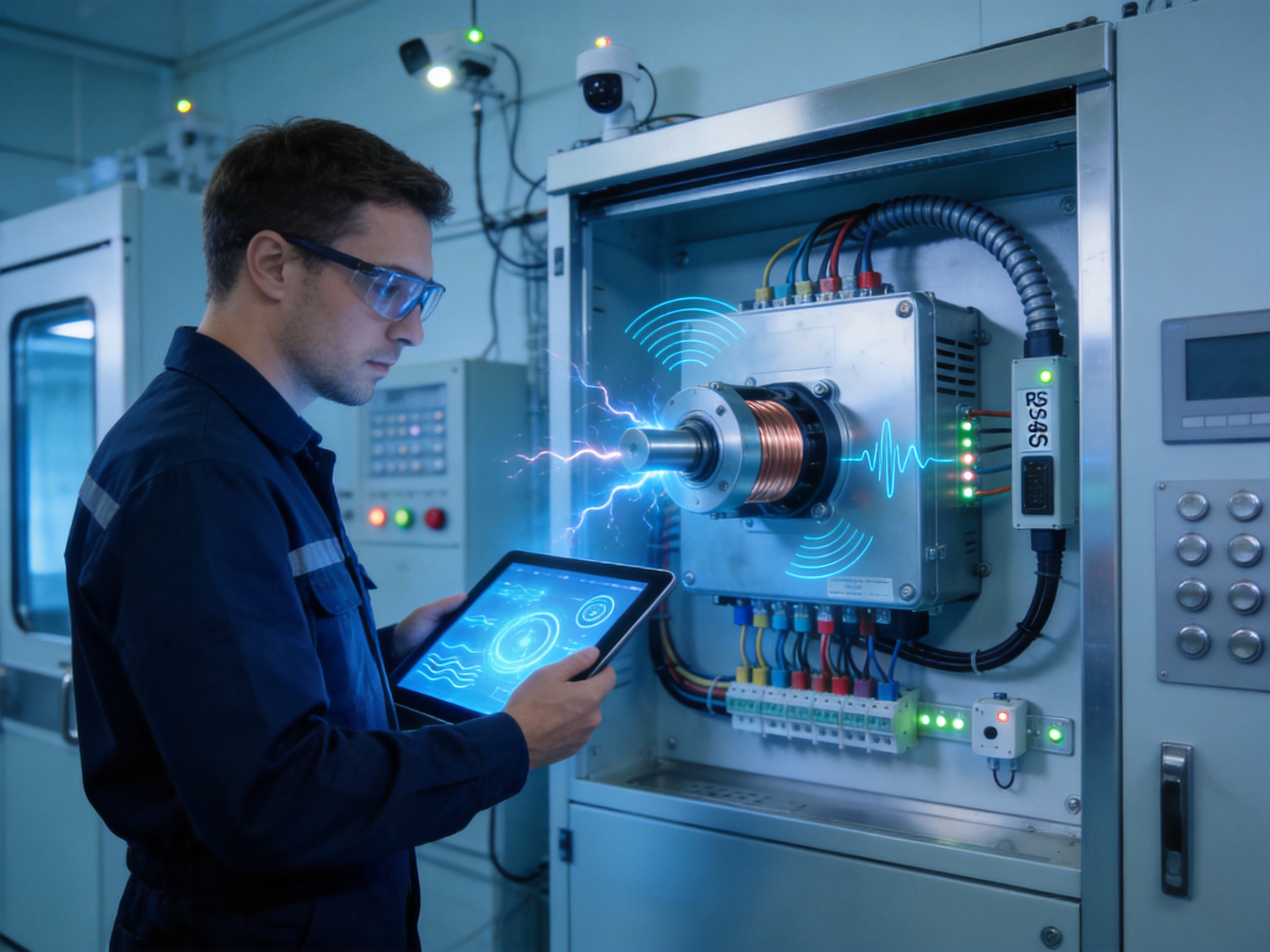
How the Controller Supports Smart Facility Development
Smart facilities depend on equipment that can generate data, communicate status, and integrate with broader systems. Doors are often overlooked in digital transformation projects, yet they affect logistics, safety, energy, and access control. A heavy automatic door controller with communication, diagnostics, and cycle tracking can become part of a facility’s intelligent equipment network.
Through RS485 communication, the controller can support networked control strategies. Depending on system design, facility managers may monitor door status, coordinate door behavior, collect operational data, or integrate door events with other automation processes. Even simple signals such as open position and close position outputs can be useful for monitoring and interlocking.
In a smart hospital, door data can help maintenance teams identify high-use areas and schedule service outside peak times. In a pharmaceutical warehouse, door status can be connected with temperature monitoring. In a factory, door operation can be coordinated with production logistics or safety zones. In cold storage, door opening patterns can support energy analysis.
The company’s broader expertise in wireless temperature monitoring, transmitters, flow meters, and high-speed power line communication reinforces this smart facility perspective. Rather than treating the door controller as a standalone accessory, ASY can position it as part of a larger industrial data and control environment.
Recommended Selection Considerations
Before selecting a controller for a heavy sliding door, customers should evaluate door weight, door size, operating frequency, environmental conditions, required opening speed, safety requirements, available power supply, motor compatibility, access control needs, and peripheral equipment requirements. The AIG-750P-06 is especially suitable when the application involves heavy doors, medical or industrial reliability requirements, cold storage conditions, or the need to coordinate heating and air curtain equipment.
Customers should also consider future integration. Even if the first installation is simple, future facility upgrades may require communication, monitoring, or centralized control. Choosing a controller with RS485 support provides more flexibility. Similarly, diagnostic functions may not seem essential during purchase, but they become highly valuable during service and troubleshooting.
For medical applications, safety assessment should be performed carefully. The door’s operating force, anti-pinch settings, activation sensors, emergency stop functions, and fire control behavior should match facility requirements. For cold storage, heating wire capacity, condensation protection, motor environmental rating, and air curtain coordination should be reviewed. For industrial installations, dust, moisture, mechanical impact, traffic flow, and maintenance access should be considered.
Working with a technically capable manufacturer can make the selection process easier. Customers can discuss application details, wiring requirements, motor matching, control logic, and commissioning steps. This helps prevent mismatch between product capability and site conditions.
Q&A Section
What is the main purpose of the Medical Heavy Duty Door Controller?
The controller is designed to automate heavy-duty sliding doors, especially medical lead doors, industrial sliding doors, and cold storage doors. It provides motor control, safety logic, peripheral equipment management, diagnostics, and communication capability.
Why is this controller suitable for medical heavy doors?
Medical heavy doors often have greater weight and stricter safety requirements than standard doors. This controller supports high-voltage DC brushless motors, adjustable anti-pinch logic, position learning, fault diagnostics, and reliable operation for demanding environments.
Can it be used in cold storage applications?
Yes. The system documentation references refrigerator door control boxes and cold storage doors. It can manage heating wires up to 1KW to help prevent freezing and air curtains up to 2.2KW to support environmental separation.
What communication interface does it provide?
The controller includes one RS485 communication interface for networked control. This allows integration with industrial control systems or facility monitoring platforms when properly configured.
What types of input signals are supported?
Supported inputs include open, close, stop, anti-pinch or fire protection, door lock, radar, temperature sensing resistor, and related signals. This gives the controller flexibility for different safety and automation designs.
Does the controller provide fault diagnostics?
Yes. It records the latest four errors and provides specific fault codes, including codes for Hall sensor failure, undervoltage, and overspeed. This helps technicians troubleshoot faster and reduce downtime.
How does the controller improve maintenance planning?
It tracks current runtime and total number of runs. Maintenance teams can use this information to schedule inspections and replacement of wear parts based on actual usage rather than guesswork.
What safety issue should installers pay special attention to?
The motor earth wire must be connected to the controller grounding mark to help prevent high-voltage induced electricity and electric shock. Installers should also remember that anti-pinch protection is not active within 20 cm of fully open or closed positions.
How does it compare with ordinary automatic door controllers?
Compared with ordinary controllers, this product is better suited for heavy-duty applications, provides stronger peripheral equipment management, supports diagnostic memory, offers RS485 communication, and is designed for more demanding medical, industrial, and cold storage environments.
Who can benefit most from this product?
Hospitals, door manufacturers, system integrators, cold storage operators, pharmaceutical facilities, industrial plants, warehouses, and smart factory projects can benefit from its heavy-duty control capability and integration-friendly design.
Conclusion
The Medical Heavy Duty Door Controller AIG-750P-06 is a specialized solution for applications where ordinary automatic door controllers are not enough. It is designed for heavy sliding doors that require strong motor control, safe operation, reliable commissioning, environmental adaptability, and maintenance intelligence. With support for DC brushless motors, wide voltage input, multiple control signals, RS485 communication, heating wire management, air curtain control, fault diagnostics, and cycle tracking, it provides a comprehensive control platform for demanding door automation.
Its advantages are especially clear in medical, industrial, and cold storage environments. Medical facilities benefit from smooth and safe movement of heavy lead doors. Cold storage operators benefit from anti-freezing support and air curtain coordination. Industrial users benefit from durable control, diagnostics, and integration capability. Door manufacturers and system integrators benefit from a flexible controller that can simplify system design and improve long-term serviceability.
The product is also strengthened by the manufacturing and engineering background of ASY Electronics. The company’s focus on smart factories, industrial data integration, sensing, communication, and edge-layer hardware gives the controller a broader technological foundation. Instead of functioning as a simple open-close device, it supports the future direction of intelligent facilities: equipment that is reliable, connected, diagnosable, and maintainable.
For customers seeking a heavy-duty automatic door controller with practical safety functions, environmental support, and industrial integration potential, the AIG-750P-06 offers a strong balance of performance and long-term value. It addresses the real challenges of heavy door automation while supporting modern facility goals such as safety, efficiency, energy control, and preventive maintenance.
References
1. Product technical materials for AIG-750P-06 Medical Heavy Duty Door Controller.
2. Industrial automatic door control principles and motor drive application guidelines.
3. General practices for DC brushless motor control in heavy-duty automation systems.
4. Electrical safety and grounding practices for industrial control equipment.
5. Preventive maintenance concepts for automated access systems in medical and industrial facilities.
6. Cold storage door automation and environmental separation design references.
7. RS485 industrial communication application notes for equipment networking.