

Industrial electrical cabinets, control panels, distribution boxes, automation enclosures, and instrumentation compartments often appear solid and sealed from the outside, yet inside them temperature and humidity can change rapidly. Moisture can enter through cable glands, ventilation openings, door gaps, seasonal condensation, maintenance access, or the breathing effect caused by daily temperature swings. Once moisture accumulates, it can create corrosion, insulation degradation, electronic malfunction, short circuits, terminal oxidation, sensor drift, mold growth, and unexpected equipment shutdowns. A high-power smart dehumidifier is therefore not simply an accessory; it is an important protective device for maintaining electrical reliability, operational safety, and long-term asset value.
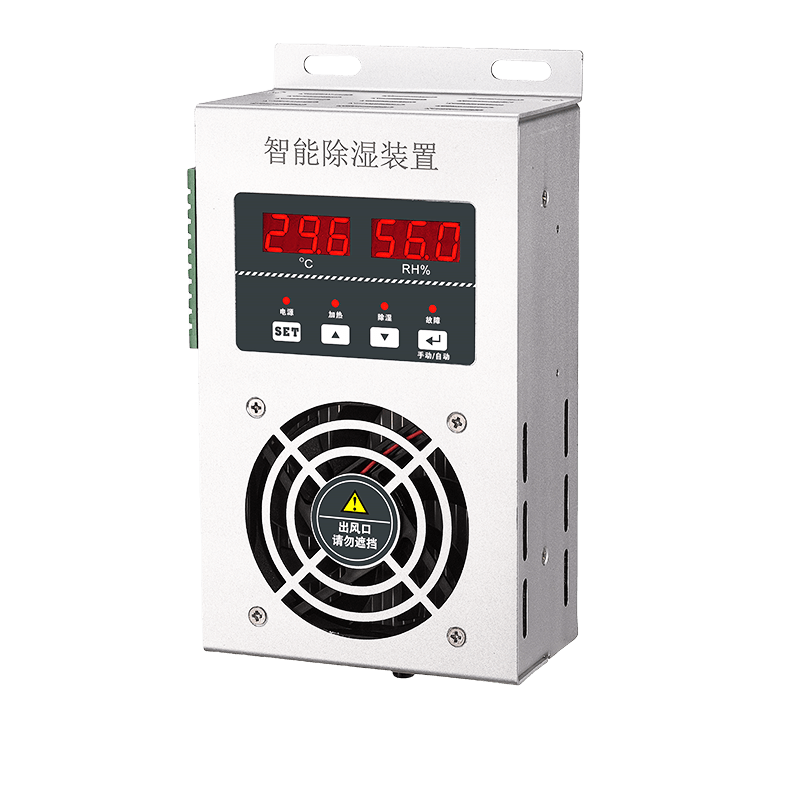
The KL-CS60W high-power dehumidifier is designed for closed or semi-closed industrial spaces where humidity control must be stable, automatic, and energy-conscious. It uses semiconductor refrigeration dehumidification to draw humid air into a dehumidification duct, condense water vapor, and discharge the collected water through a drain pipe. Unlike passive desiccant packs that eventually saturate, or simple heaters that only reduce relative humidity by raising temperature, this product actively removes moisture from the cabinet environment. It also integrates temperature and humidity monitoring, dual relay output, cooling or heating logic, anti-frost protection, and air circulation, making it a comprehensive environmental control device for industrial enclosures.
For factories building digital production lines, smart grids, energy systems, communication equipment rooms, railway cabinets, charging infrastructure, and process automation stations, stable cabinet microclimate control is increasingly important. Intelligent electronics, field instruments, transmitters, controllers, relays, communication modules, and power electronic components require consistent operating conditions. The KL-CS60W supports this need with a practical balance of compact structure, high dehumidification effectiveness, wide power supply compatibility, and automatic control logic that can be adapted to different operating scenarios.
Why Humidity Control Matters in Industrial Enclosures
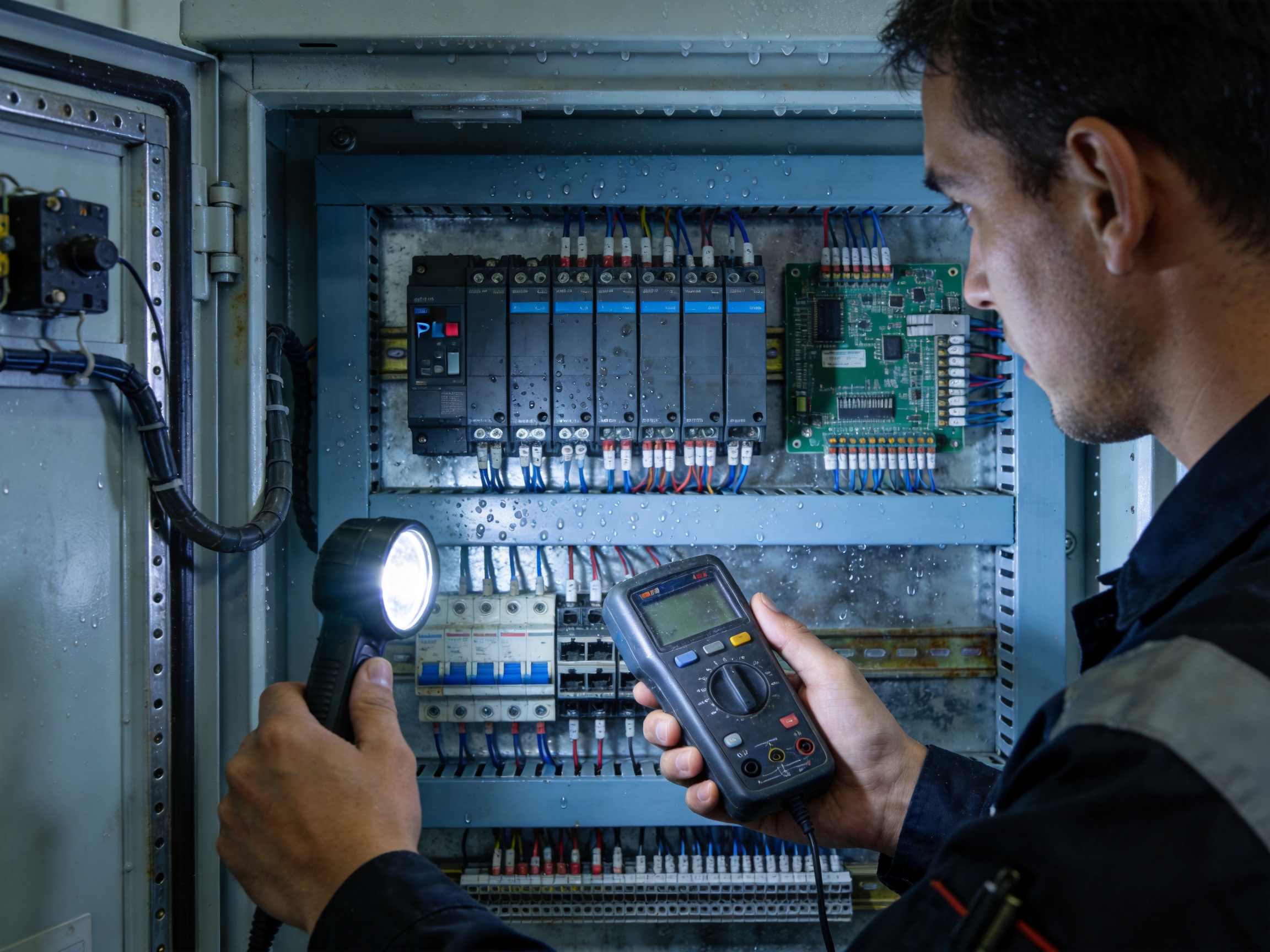
Humidity is often underestimated because its damage is usually gradual and hidden. In an electrical cabinet, water vapor can condense on metal terminals, printed circuit boards, busbars, sensor modules, wiring harnesses, and relay contacts. This condensation may appear only during certain hours, such as early morning, rainy seasons, winter startup, or after a sudden cooling event. When technicians inspect the cabinet during daytime operation, the moisture may have already evaporated, leaving only corrosion marks or intermittent failures. This makes humidity-related issues difficult to diagnose and expensive to solve after damage occurs.
Industrial cabinets are especially vulnerable because they are exposed to mixed environmental stresses. Outdoor panels experience rain, fog, sun exposure, low temperatures, high temperatures, and dust. Indoor cabinets near production lines may face steam, washdown humidity, compressed air leakage, chemical vapor, or temperature gradients between workshop shifts. Energy distribution cabinets may heat up during load peaks and cool down during idle periods, causing internal air to repeatedly expand and contract. Each cycle can draw moisture into the enclosure, even if the cabinet has a good protection rating.
Moisture can reduce insulation resistance and increase leakage current. In high-voltage or high-current cabinets, this can produce severe safety risks. In control cabinets, moisture can cause unstable signals, relay misoperation, communication faults, and inaccurate sensor readings. In instrumentation panels, humidity may affect calibration stability and long-term measurement accuracy. In smart factory equipment, a small amount of condensation on an edge gateway, PLC module, communication board, or I/O module can interrupt data acquisition and stop the production process.
Traditional countermeasures are often incomplete. Silica gel packets and desiccant bags are cheap but require frequent replacement and provide no active drainage. Cabinet heaters are useful for preventing condensation but add heat and do not remove water from the enclosure. Ventilation fans can exchange air but may bring in more humidity when the external environment is wet. Air conditioners can control temperature and humidity but may be too large, expensive, and energy-intensive for many electrical cabinets. The KL-CS60W addresses the gap between low-cost passive protection and oversized climate control systems by actively removing moisture while also supporting temperature-related control functions.
Product Overview
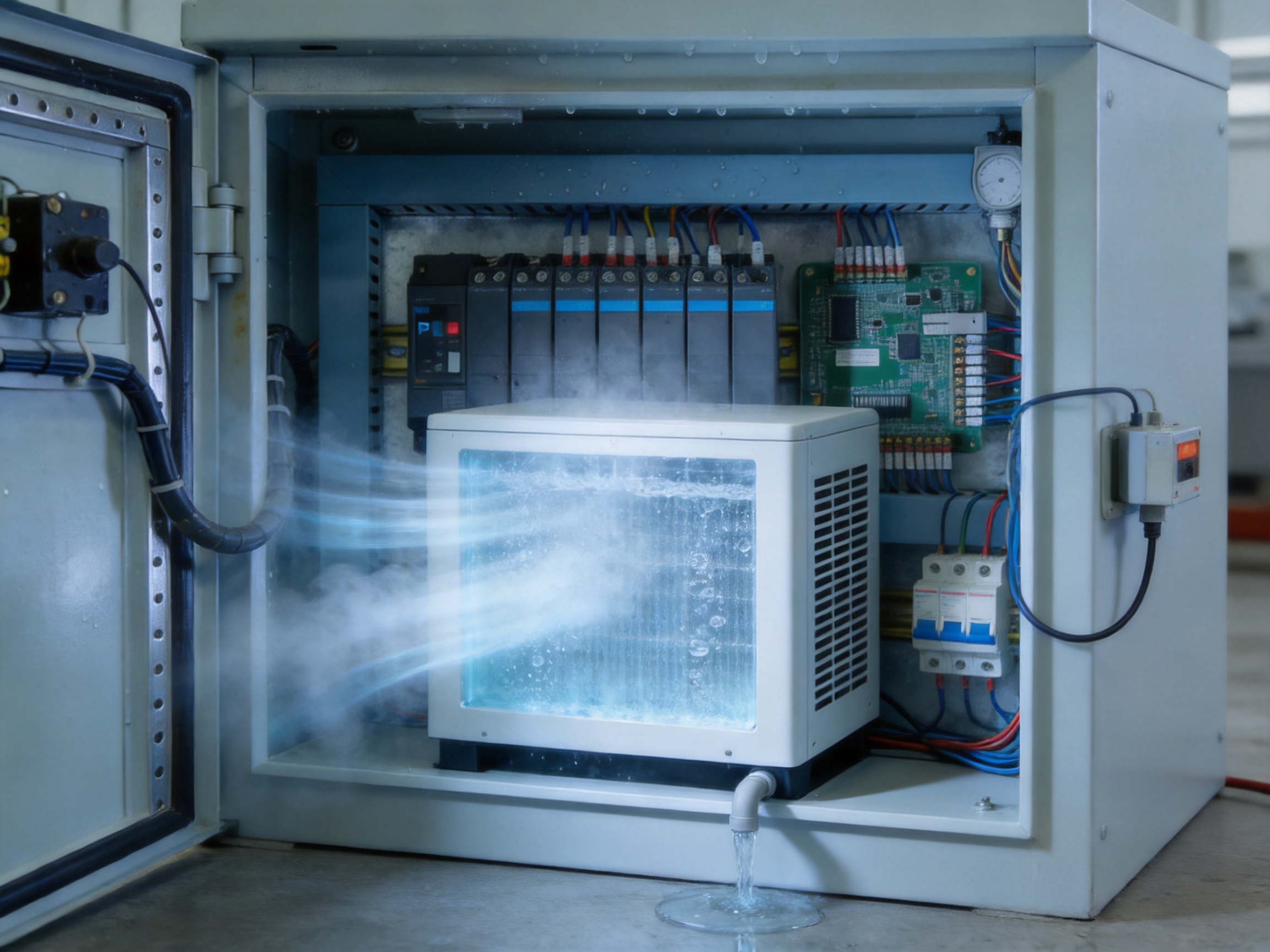
The KL-CS60W high-power dehumidifier is a smart cabinet dehumidification product based on semiconductor refrigeration technology. When the internal fan operates, humid air from the closed space is actively pulled through the dehumidification duct. The air passes the semiconductor refrigeration mechanism, where water vapor condenses into liquid water. The condensed water is then discharged out of the cabinet through a water pipe. This direct removal of water vapor provides a strong and reliable dehumidification effect, especially in enclosures where humidity repeatedly rises above safe limits.
The product supports a one-channel temperature and humidity input module and provides two-channel relay output. This combination allows it to monitor the cabinet environment and execute control actions according to preset thresholds. It can be configured for cooling type operation or heating type operation. In cooling mode, dehumidification starts when ambient humidity is higher than the maximum humidity setting and stops when humidity falls below the lower threshold determined by the hysteresis value. The fan cooling function can also respond to temperature conditions. In heating mode, the product supports heating logic based on temperature setpoints and can still perform condensation dehumidification when humidity exceeds the set limit.
One of the most valuable features is hysteresis-based control. In real industrial conditions, temperature and humidity fluctuate around setpoints. If a controller starts and stops immediately at a single threshold, it can switch too frequently, reducing relay life and creating unstable operation. By using setting values and hysteresis values, the KL-CS60W provides more stable control behavior. This improves equipment reliability and avoids unnecessary cycling.
The product also includes anti-frost and anti-icing protection. Semiconductor refrigeration can create a cold surface for condensation, but if the surface temperature becomes too low, frost or ice may form. Ice formation can reduce drainage performance and interfere with dehumidification efficiency. By monitoring the condenser working surface temperature in real time, the device helps prevent frost accumulation and supports continuous moisture removal in suitable operating conditions.
Another important feature is the air circulation function. In a cabinet with still air, humidity and temperature are not always uniform. The top, bottom, cable entry area, door side, and heat source area may each have different values. A sensor located at only one point may not accurately represent the entire enclosure. By promoting internal air circulation, the dehumidifier helps make temperature and humidity more uniform, enabling more effective monitoring and control. This function is particularly useful in tall cabinets, densely wired enclosures, and cabinets containing both heat-generating and moisture-sensitive components.
Core Operating Principle
The working principle of the KL-CS60W can be summarized as active air intake, refrigeration condensation, liquid drainage, and intelligent control. First, the built-in fan creates airflow that draws humid air into the dehumidification duct. This is an important distinction from passive moisture absorbers, which depend on natural diffusion and can be slow in larger or complex enclosures. Active air movement improves contact between the humid air and the condensing surface.
Second, the semiconductor refrigeration mechanism creates a temperature difference. When humid air touches or passes near the colder surface, water vapor reaches its dew point and condenses into liquid droplets. These droplets are collected and guided toward the drainage path. Semiconductor refrigeration has advantages in compactness, controllability, and mechanical simplicity compared with compressor-based refrigeration. It is suitable for cabinet-level applications where the required dehumidification capacity is meaningful but the space is limited.
Third, the condensed water is discharged through a water pipe. This is crucial because moisture must be removed from the cabinet, not merely relocated. Some products reduce humidity temporarily but leave water inside a tray that may evaporate again. Proper drainage ensures that the extracted moisture exits the protected space. For maintenance personnel, external drainage also simplifies inspection and reduces the risk of internal water accumulation.
Fourth, the device uses temperature and humidity input plus relay outputs to control operation. The control strategy is based on user-defined setpoints and hysteresis. This enables the dehumidifier to respond intelligently rather than running continuously in all conditions. The result is a better balance between protection, energy use, and device longevity.
Technical Parameters
The following table summarizes the key technical parameters of the KL-CS60W high-power dehumidifier. These values help engineers, panel builders, and maintenance teams evaluate whether the product matches their cabinet environment and control requirements.
Item |
Specification |
Item |
Specification |
Input Specifications |
1-channel temperature and humidity input module |
Working Power Supply |
AC/DC 85-260V |
Temperature Measurement Range |
-20℃ to 120℃ |
Humidity Measurement Range |
5%RH to 95%RH |
Product Power |
Dehumidification power is 60W when started |
Output Specifications |
2-channel relay output, 250VAC/3A or 12VDC/3A |
Work Environment |
Temperature 0-50℃ |
Environmental Requirement |
Non-corrosive environment with humidity ≤85%RH |
Control Method |
Position control |
Basic Humidity Error |
±3%RH from 10%RH to 90%RH; ±5%RH from 0%RH to 99%RH |
Resolution |
Temperature 0.1℃ |
Humidity Resolution |
1%RH |
Advantages Over Conventional Cabinet Moisture Control
The first advantage is active moisture removal. Many competing approaches only reduce the chance of condensation, but do not physically remove water vapor from the cabinet. A heater raises air temperature, which lowers relative humidity, but the absolute amount of moisture remains inside the cabinet. Once the heater stops or the enclosure cools, condensation can return. The KL-CS60W condenses water vapor and discharges it outside, giving a more direct and durable humidity reduction effect.
The second advantage is intelligent dual-parameter control. Some basic dehumidifiers operate only from a humidity switch. Others provide simple manual operation without temperature logic. The KL-CS60W combines temperature and humidity monitoring with cooling and heating type settings. This allows it to serve not only as a dehumidification device but also as part of a broader cabinet environmental management strategy. In practical applications, temperature and humidity are connected, so controlling them together improves system effectiveness.
The third advantage is wide power supply compatibility. With AC/DC 85-260V power supply support, the product can be integrated into many industrial power environments without requiring a highly specific input voltage. This reduces the need for additional power conversion components and simplifies design for cabinet manufacturers and retrofit projects. Wide power compatibility is especially useful for global equipment suppliers, distributed installations, and industrial sites where cabinet power standards may vary.
The fourth advantage is relay output flexibility. The two-channel relay output can support control integration with fans, heaters, alarms, or other auxiliary devices depending on system design. Relay ratings of 250VAC/3A or 12VDC/3A provide practical switching capability for cabinet-level control loads. This makes the product more versatile than standalone dehumidifiers that only turn themselves on and off.
The fifth advantage is anti-frost and anti-icing function. In some dehumidification devices, low condensing surface temperature can lead to frost accumulation. This reduces performance and may cause drainage problems. Real-time monitoring of the condenser working surface helps maintain reliable operation and protects dehumidification performance. For industrial users, this means fewer maintenance surprises and more stable cabinet protection.
The sixth advantage is air circulation. Competitor products that rely on localized sensing may respond too late or incorrectly if moisture accumulates in a dead zone of the cabinet. By circulating air, the KL-CS60W reduces internal stratification and helps the sensor detect a more representative cabinet condition. This is especially valuable in enclosures with complex wiring, multiple compartments, or heat-generating modules.
The seventh advantage is practical energy behavior. Because the device operates according to humidity and temperature thresholds, it does not need to run continuously under all conditions. This helps reduce unnecessary power consumption and component wear. The 60W dehumidification power at startup is suitable for high-power cabinet moisture control while remaining far more compact and targeted than many full cabinet air-conditioning systems.
Cooling Type Operation
When the device is set to cooling type, the control logic focuses on dehumidification and fan cooling. If the ambient humidity is higher than the maximum humidity value, which is the humidity setting value, the dehumidifier automatically starts removing moisture. Once the ambient humidity becomes lower than the minimum humidity value, calculated as the humidity setting value minus the humidity hysteresis value, the dehumidification operation stops. This prevents repeated rapid switching around the setpoint and supports stable control.
Temperature control in cooling type operation is also straightforward. When the ambient temperature is higher than the maximum set temperature value, the fan cooling function starts. When the temperature falls below the set temperature value minus the temperature hysteresis value, the cooling fan stops. This can help reduce localized heat buildup inside the cabinet, especially when electronics, communication modules, power supplies, or control components generate heat during operation.
Cooling type operation is suitable for many electrical cabinets where heat and humidity may both be concerns. For example, an outdoor communication cabinet may be exposed to high daytime temperature and nighttime condensation. A power distribution cabinet may generate heat during load periods and collect moisture during low-load periods. A factory control cabinet may need air circulation and humidity reduction to keep PLCs, relays, and sensors stable. In these cases, cooling type operation provides a practical control mode that reacts to both humidity and temperature changes.
Heating Type Operation
When the device is set to heating type, heating starts when ambient temperature is lower than the minimum set temperature, which is the temperature setpoint. Heating stops when the temperature rises above the maximum set temperature, which equals the temperature setpoint plus the temperature hysteresis value. This logic is useful in cold environments where low temperature can increase the risk of condensation, reduce electronics performance, or affect the operation of mechanical components inside the enclosure.
Heating type operation can also support condensation dehumidification when humidity control is required at the same time. If the humidity value is set and ambient humidity rises above the maximum set humidity, the dehumidifier starts automatically. When ambient humidity falls below the humidity setpoint minus humidity hysteresis, dehumidification stops. This combined strategy provides a stronger moisture defense than heating alone because it can both warm the cabinet and remove water vapor.
The product also supports manual dehumidification start. When the dehumidification function is manually started, it continues to dehumidify until the function is manually turned off. This is useful after cabinet maintenance, after rainy-season inspection, after water ingress repair, before equipment commissioning, or during emergency moisture recovery. Manual control gives technicians direct intervention capability when automatic thresholds are not enough for a special situation.
Industrial Application Scenarios
The KL-CS60W is suitable for industrial electrical cabinets and control enclosures that need stable humidity management. In smart grid systems, distribution cabinets, transformer station auxiliary cabinets, metering boxes, communication cabinets, and power automation panels may all face condensation risk. Electrical insulation, communication stability, and long-term component life are critical in these systems. Active dehumidification helps reduce unplanned downtime and supports more reliable power infrastructure.
In manufacturing plants, automation control cabinets contain PLCs, I/O modules, industrial computers, relays, contactors, drives, network switches, and power supplies. Production environments can include humidity from cleaning, compressed air systems, raw materials, steam processes, or seasonal climate changes. A moisture-related failure in one cabinet may stop an entire production line. By keeping the cabinet environment drier and more stable, the dehumidifier supports production continuity and maintenance efficiency.
In transportation and rail-related installations, cabinets may be installed outdoors or in semi-outdoor environments. Daily temperature differences, rain, fog, and vibration can all stress electronics. Moisture control is important for signaling equipment, monitoring systems, power distribution boxes, and communication nodes. A compact dehumidifier with automatic control can help protect these assets with limited maintenance requirements.
In energy storage, charging infrastructure, and renewable energy systems, electrical cabinets often work in changing outdoor conditions and may contain sensitive electronics, battery management components, monitoring modules, and communication devices. Humidity can increase corrosion risk and affect insulation. The KL-CS60W can be integrated into environmental control strategies for cabinets where moisture prevention is part of safety and reliability design.
In process industries, instrumentation cabinets and analyzer shelters often need stable conditions for transmitters, flow meters, controllers, and signal interfaces. Humidity can cause sensor drift, terminal corrosion, and inaccurate readings. Since industrial process decisions depend on reliable measurements, cabinet microclimate control contributes directly to process stability and quality management.
Design Philosophy: Practical Intelligence for Cabinet Protection
The KL-CS60W reflects a design philosophy based on practical intelligence. Industrial users do not need a device that is complicated for the sake of complexity. They need a product that senses the environment, performs a necessary control action, protects itself from abnormal operating conditions, and integrates easily into the cabinet. The product’s position control method, hysteresis logic, relay outputs, and wide power supply range all support this practical approach.
Another key design point is maintainability. The water drainage concept is simple and effective: condensed water is discharged through a pipe outside the cabinet. This reduces the risk of internal water re-evaporation and makes it easier for maintenance teams to verify whether moisture is being removed. The anti-frost function further improves maintainability by helping prevent ice-related drainage problems.
The product also supports predictable behavior. Industrial equipment should operate according to clear rules. In cooling type mode, users can understand when dehumidification starts and stops, and when fan cooling starts and stops. In heating type mode, users can understand how temperature and humidity setpoints interact. Predictable control logic helps engineers write operating procedures, train maintenance personnel, and troubleshoot quickly.
Manufacturing Strength Behind the Product
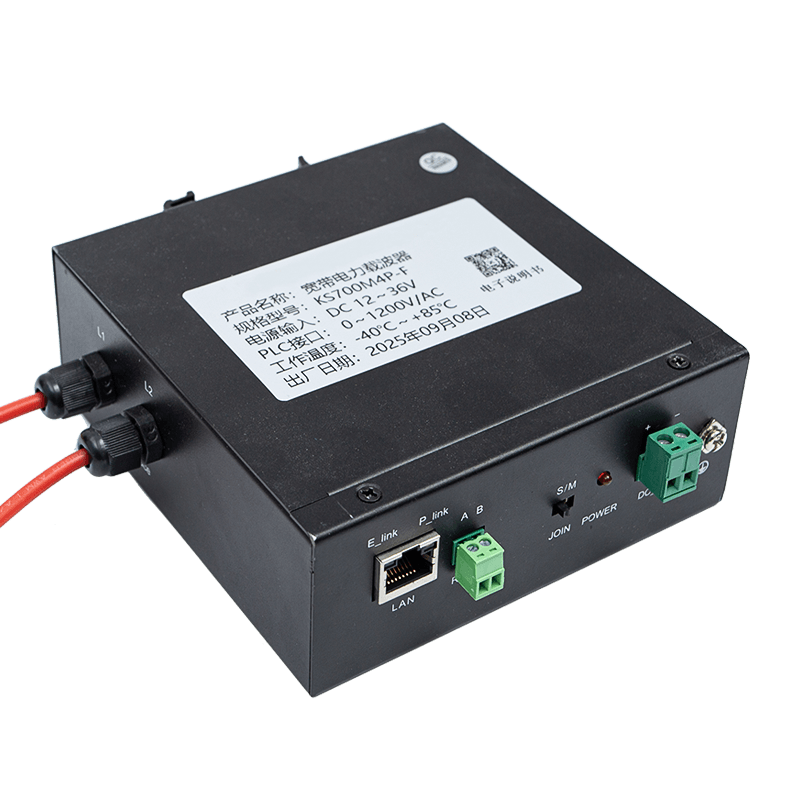
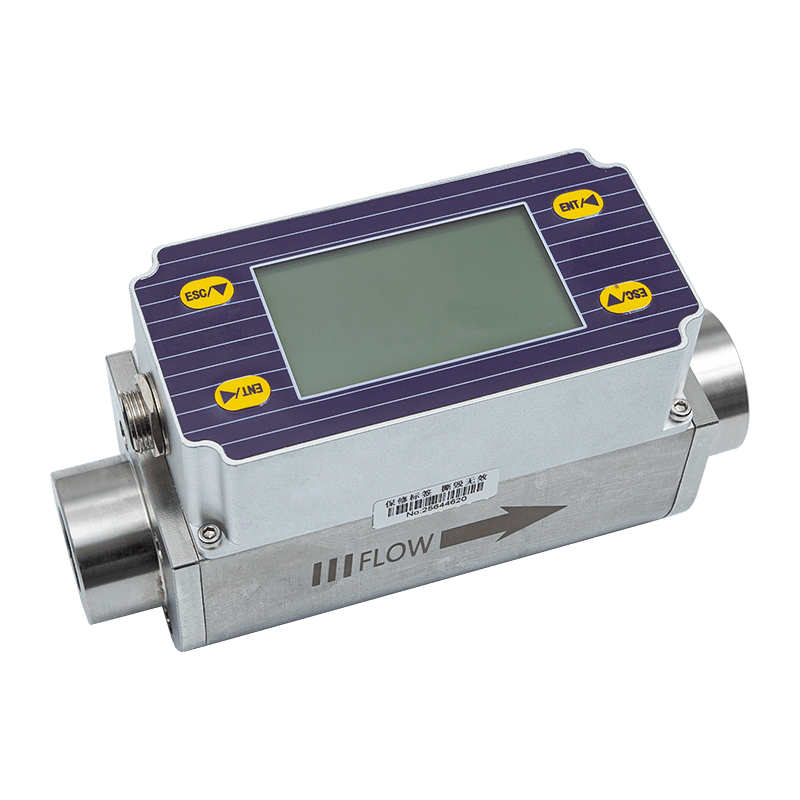
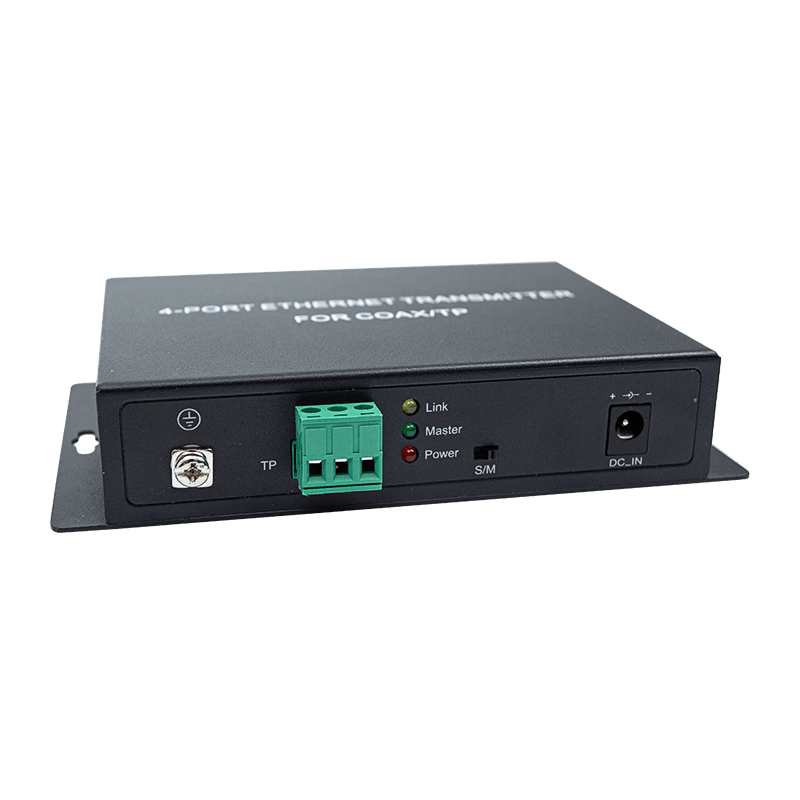
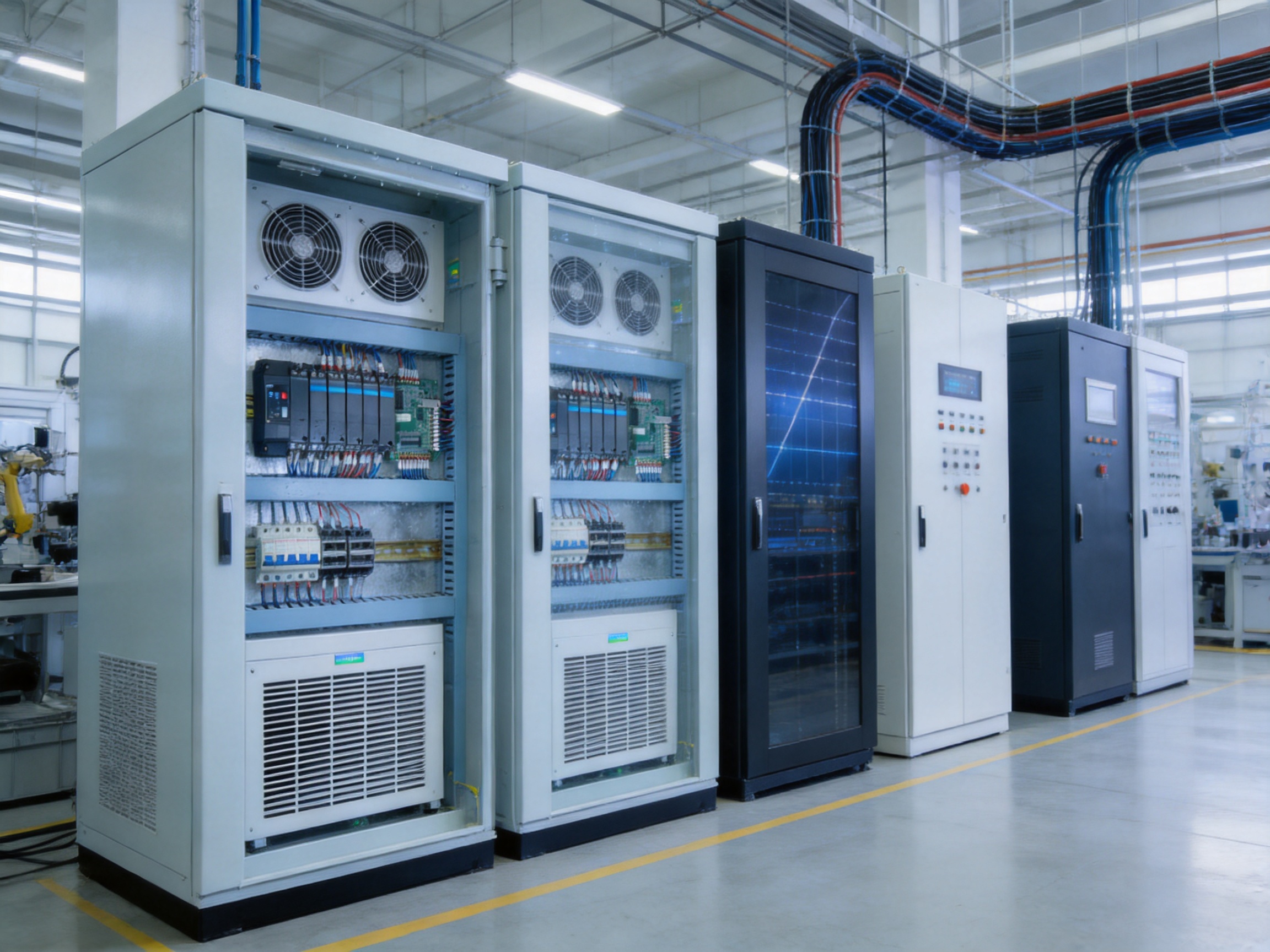
A reliable dehumidifier depends not only on its design but also on the manufacturing system behind it. ASY Electronics (JiaXing) Co.,Ltd. is a high-tech enterprise focused on smart factory development, data sensing, intelligent connectivity, and industrial edge-layer hardware. The company’s broader product portfolio includes broadband power line carrier products, wireless temperature monitoring systems, transmitters, thermal gas mass flow meters, and automatic door controllers. This background gives the company cross-disciplinary knowledge in sensing, communication, electrical control, and industrial reliability.
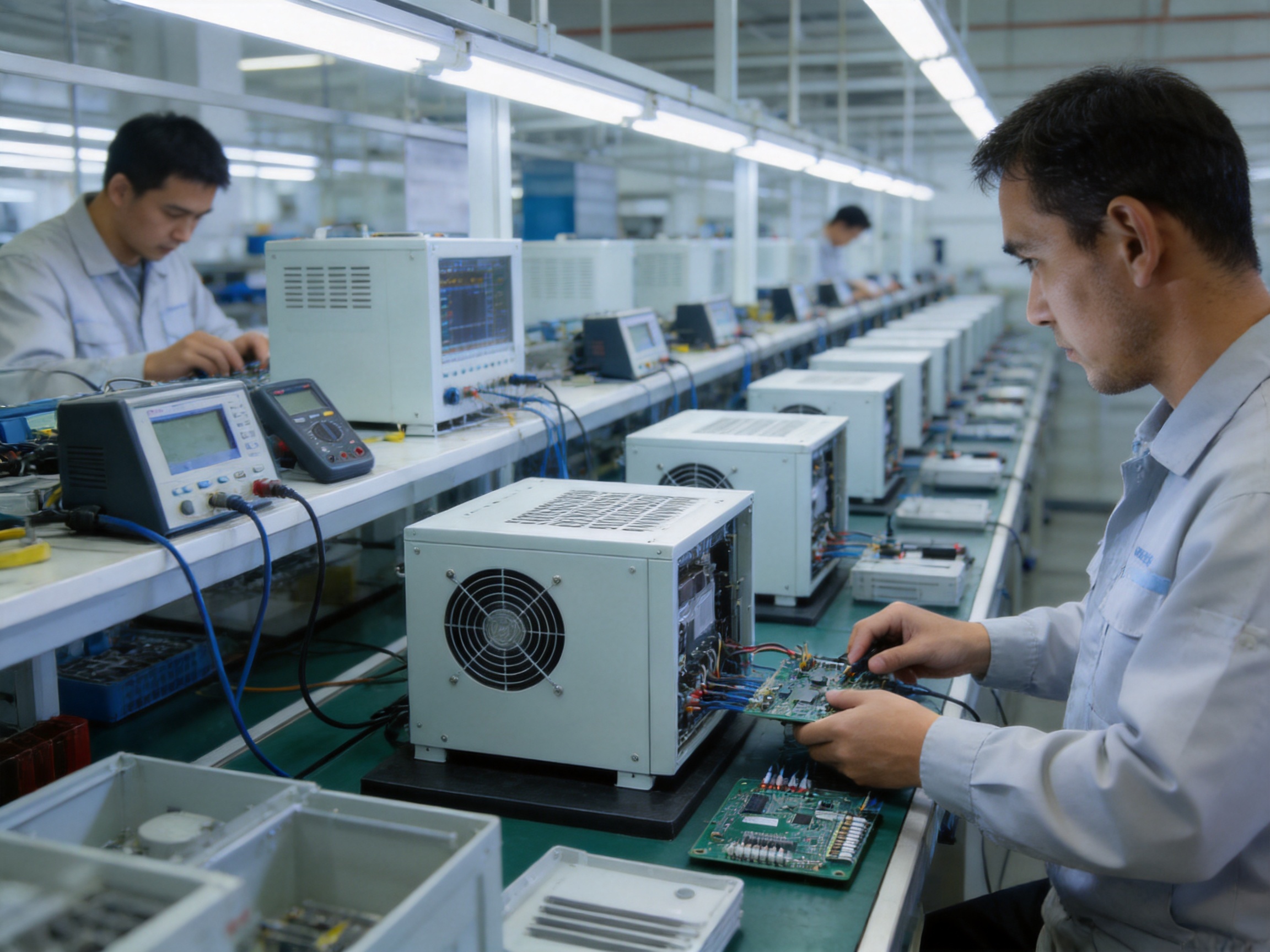
The company’s manufacturing approach is aligned with the requirements of modern industrial equipment. Cabinet environmental control products must be accurate, durable, and consistent from batch to batch. This requires controlled component selection, stable assembly processes, electrical testing, calibration verification, functional inspection, and quality traceability. A dehumidifier used in an electrical cabinet may operate for long periods with limited human attention, so manufacturing consistency is essential.
Advanced manufacturing strength begins with engineering standardization. Product design, wiring interfaces, relay output specifications, power supply compatibility, control logic, and sensing modules must be developed with industrial application requirements in mind. Standardized design reduces installation errors and supports repeatable production. For customers, this means easier integration, predictable performance, and lower engineering risk.
Process control is another important strength. In electronics manufacturing, soldering quality, component placement, insulation distance, connector reliability, and enclosure assembly all affect product life. A company experienced in industrial IoT hardware and power communication products understands the importance of stable electrical performance. Applying similar process discipline to the KL-CS60W helps ensure that each unit meets functional expectations before delivery.
Testing capability is particularly important for a product that combines temperature sensing, humidity sensing, semiconductor refrigeration, fan operation, relay output, and control logic. Manufacturing inspection should verify power-on behavior, input response, relay switching, dehumidification function, fan operation, display or control interface behavior where applicable, and protective logic. Such testing reduces the possibility of field failure and helps customers deploy the product with confidence.
ASY Electronics also emphasizes intelligent connectivity and industrial data integration solutions. Although the KL-CS60W itself is focused on cabinet dehumidification, it benefits from the company’s wider understanding of industrial digitalization. In smart factories, environmental control is part of equipment condition monitoring and energy management. A company that understands edge hardware, sensing, and connectivity can design products that fit into larger industrial ecosystems rather than functioning as isolated devices.
Quality and Reliability Considerations
Industrial users evaluate dehumidifiers differently from household consumers. They consider electrical safety, cabinet compatibility, operation under changing load conditions, maintenance frequency, sensor accuracy, relay durability, power supply tolerance, and long-term stability. The KL-CS60W addresses these concerns through a combination of wide input power, defined working environment, temperature and humidity measurement, relay output, and protective functions.
The humidity basic error specification is suitable for cabinet-level environmental control. The product provides ±3%RH accuracy in the 10%RH to 90%RH range and ±5%RH across a wider 0%RH to 99%RH range. For industrial cabinet protection, the goal is usually to prevent excessive humidity and condensation rather than perform laboratory-grade humidity measurement. This accuracy level supports practical control decisions and early humidity response.
Temperature resolution of 0.1℃ supports fine observation of cabinet temperature changes, while humidity resolution of 1%RH provides clear control feedback. The measurement range from -20℃ to 120℃ for temperature and 5%RH to 95%RH for humidity gives the sensing module broad monitoring capability, even though the product’s working environment is specified as 0-50℃ in non-corrosive conditions with humidity ≤85%RH. This distinction is important: measurement range indicates sensing capability, while working environment indicates recommended operating conditions for reliable product use.
Relay output gives the product practical system value, but relay life depends on load type, switching frequency, and installation conditions. The hysteresis control function helps reduce unnecessary switching and therefore supports relay reliability. Correct wiring, load matching, and protective design by the cabinet engineer further improve system durability.
The anti-frost function contributes to reliability because it addresses a real risk of refrigeration-based dehumidification. Without monitoring, frost may form during low-temperature operation and reduce drainage performance. By monitoring the condenser working surface, the device helps maintain the physical process of condensation and drainage within a more reliable operating range.
Energy Efficiency and Lifecycle Value
Energy efficiency in cabinet environmental control is not only about rated power. It is also about applying power only when needed, avoiding overcooling, avoiding continuous heating, and preventing equipment failures that waste production resources. The KL-CS60W uses setpoints and hysteresis to operate according to actual environmental conditions. This means it can remain inactive when the cabinet is already within safe humidity and temperature limits, then start automatically when conditions require intervention.
Compared with always-on heaters, the product can reduce the problem of unnecessary heat addition. A heater may prevent condensation, but it also raises cabinet temperature and can increase cooling demand elsewhere. In cabinets containing temperature-sensitive electronics, excessive heat can shorten component life. Active dehumidification removes moisture directly, allowing a more balanced environmental strategy.
Compared with large cabinet air-conditioning units, the KL-CS60W is more targeted for moisture removal. Air conditioners are valuable when both significant heat removal and humidity control are required, but they may be oversized for cabinets where moisture is the main problem. A compact high-power dehumidifier can provide a lower-cost, lower-complexity alternative in many applications.
The lifecycle value also includes avoided downtime. A single humidity-related failure can cause production stoppage, emergency maintenance, replacement of electronic modules, safety inspection, and quality losses. Preventing corrosion and condensation helps extend the service life of cabinet components. Over time, the cost of an active dehumidifier may be small compared with the cost of one major electrical fault.
Installation and Integration Guidance
Successful dehumidification depends on correct installation. The device should be installed in a location where air can circulate effectively and where the intake and outlet paths are not blocked by cables, wiring ducts, structural plates, or densely packed components. If the cabinet has known humidity accumulation zones, the installation position should help draw air from those areas or promote overall circulation.
The drainage pipe should be routed securely outside the cabinet to prevent water from returning into the enclosure. The pipe should avoid sharp bends, blockage, upward traps, or compression. Maintenance personnel should periodically check that drainage is clear, especially in dusty or harsh environments. The purpose of active condensation is to remove moisture from the cabinet, so drainage quality is an essential part of system reliability.
Power wiring should follow electrical safety standards and cabinet design rules. Because the product supports AC/DC 85-260V, engineers have flexibility, but correct polarity, protection, grounding strategy, and isolation practices should still be observed according to the final system design. Relay outputs should be connected only to loads within specified ratings, and inductive loads may require appropriate protection components.
Setpoint selection should be based on the application. For many cabinets, humidity thresholds are chosen to prevent condensation and corrosion rather than to achieve very low humidity. Excessively low humidity settings may cause unnecessary operation. Engineers should consider ambient climate, cabinet sealing quality, heat sources, component sensitivity, and maintenance access. Hysteresis values should be wide enough to avoid frequent cycling but narrow enough to maintain stable protection.
In retrofit projects, it is useful to observe cabinet humidity over several days before finalizing settings. This helps identify daily patterns, seasonal risk, and whether moisture is mainly caused by external ingress, internal condensation, or process environment exposure. The KL-CS60W can then be configured to respond effectively to actual site behavior.
Competitive Comparison
Compared with disposable desiccants, the KL-CS60W offers continuous active control and external water discharge. Desiccants are simple, but their performance declines as they absorb moisture. They require inspection and replacement, and they may be insufficient in cabinets with ongoing moisture ingress. The KL-CS60W provides an automatic response and does not rely on consumable moisture packs as the main protection method.
Compared with heating rods, the product removes moisture rather than only changing relative humidity. Heating rods can be useful in cold climates, but they may create temperature stress and increase energy use if not controlled properly. The KL-CS60W supports heating type logic while still offering condensation dehumidification. This gives a more complete solution for environments where both low temperature and high humidity are concerns.
Compared with simple fan ventilation, the product is more suitable when external air may also be humid. Ventilation works best when outside air is drier than inside air. In rainy, coastal, underground, or high-humidity industrial environments, ventilation can worsen moisture problems. The KL-CS60W treats the air inside the cabinet and removes condensed water, reducing dependence on outside air quality.
Compared with compressor-based cooling systems, the semiconductor approach is compact and suitable for cabinet-level dehumidification needs. Compressor systems can provide stronger cooling for larger thermal loads, but they also introduce higher complexity, larger size, and maintenance considerations. For many electrical cabinets, the KL-CS60W offers a more focused solution with easier integration.
Compared with low-end dehumidifiers without anti-frost control, the KL-CS60W has a reliability advantage. Frost or ice on the condensation surface can reduce efficiency and create drainage issues. Real-time working surface monitoring helps maintain effective performance and reduces the risk of hidden malfunction.
Contribution to Smart Factory Reliability
Smart factories depend on data, connectivity, and stable automation. Sensors collect information, controllers execute logic, communication systems transmit production data, and edge devices integrate equipment status. If cabinet humidity disrupts any of these layers, digital productivity is affected. Environmental control is therefore part of the foundation of smart manufacturing.
ASY Electronics is dedicated to building efficient, reliable, and green smart factories by using data sensing and intelligent connectivity. The KL-CS60W supports this mission at the cabinet level. By protecting electronic infrastructure, it helps maintain the stability of condition monitoring systems, energy management systems, production optimization platforms, and industrial communication networks.
In a refined energy management system, reliable measurement and control cabinets are essential. If moisture affects transmitters, flow meters, communication modules, or power monitoring devices, energy data can become incomplete or inaccurate. By reducing humidity risk, cabinet dehumidification helps preserve the quality of industrial data.
In equipment condition monitoring, downtime prevention depends on continuous sensor operation. A wireless temperature monitoring system, industrial transmitter, or edge acquisition device can only deliver value if its enclosure environment supports stable electronics. The KL-CS60W acts as a protective layer for these digital assets.
Maintenance Recommendations
Although the KL-CS60W is designed for automatic operation, routine inspection improves long-term reliability. Maintenance teams should periodically check the drainage pipe, confirm that water can be discharged smoothly, inspect the fan area for dust accumulation, verify that air paths are not blocked, and review setpoints after major seasonal changes. In environments with heavy dust, oil mist, or fibers, more frequent inspection may be needed.
Electrical connections should be checked during scheduled cabinet maintenance. Loose terminals can create heat, unstable operation, or signal problems. Relay-connected loads should be inspected to ensure they remain within rated capacity. If the dehumidifier is integrated with external alarms or control circuits, functional testing should be included in the maintenance plan.
Humidity and temperature readings should be compared with site expectations. If readings appear unusual, technicians should check sensor placement, airflow, cabinet sealing, and nearby heat sources. Because air circulation helps equalize cabinet conditions, blocked airflow can reduce measurement representativeness.
After cabinet door opening during rainy or high-humidity conditions, temporary manual dehumidification may be useful. Maintenance activities can introduce humid air into the cabinet. Running dehumidification after service helps restore the internal environment more quickly.
Q&A
What is the main purpose of the KL-CS60W high-power dehumidifier?
Its main purpose is to actively remove moisture from industrial cabinets and closed spaces by using semiconductor refrigeration condensation. It helps prevent condensation, corrosion, insulation degradation, electronic malfunction, and humidity-related downtime.
How is it different from a cabinet heater?
A cabinet heater raises temperature to reduce relative humidity, but it does not remove water vapor from the enclosure. The KL-CS60W condenses water vapor into liquid water and discharges it outside through a pipe, providing direct moisture removal.
What happens when humidity exceeds the set value?
When the ambient humidity rises above the maximum humidity setting, the dehumidifier starts automatically. It stops when humidity falls below the lower threshold determined by the humidity setting minus the humidity hysteresis value.
Can the product help with cabinet temperature control?
Yes. The product supports cooling type and heating type operation. In cooling type mode, fan cooling can start when temperature exceeds the set value. In heating type mode, heating can start when temperature is below the setpoint and stop when the upper hysteresis threshold is reached.
Why is hysteresis important?
Hysteresis prevents frequent on-off cycling around a single setpoint. This improves control stability, reduces relay switching frequency, supports longer component life, and creates more predictable operation.
What does the anti-frost function do?
The anti-frost function monitors the working surface temperature of the condenser in real time. It helps prevent frost and ice formation during dehumidification, which could otherwise reduce drainage performance and dehumidification efficiency.
Why is air circulation useful inside a cabinet?
Cabinet air can be uneven, with different humidity and temperature levels in different areas. Air circulation helps make conditions more uniform, improving monitoring accuracy and enabling more effective humidity control.
What types of applications can use this dehumidifier?
It can be used in electrical cabinets, automation control panels, distribution boxes, smart grid equipment, communication cabinets, transportation systems, energy storage cabinets, charging infrastructure, instrumentation panels, and other industrial enclosures requiring moisture protection.
Is it suitable for corrosive environments?
The specified working environment is a non-corrosive environment with temperature from 0-50℃ and humidity not exceeding 85%RH. If the site contains corrosive gases or chemical vapors, additional protective measures and suitability evaluation are recommended.
What makes the product competitive?
Its competitive strengths include active moisture removal, semiconductor refrigeration, wide AC/DC 85-260V power supply, temperature and humidity monitoring, two-channel relay output, cooling and heating control logic, anti-frost protection, air circulation, and manufacturing support from an industrial IoT hardware company.
Conclusion
The KL-CS60W high-power dehumidifier provides a practical and intelligent solution for protecting industrial cabinets from humidity-related damage. By using semiconductor refrigeration to condense water vapor and discharge it outside the cabinet, it offers a stronger moisture control method than passive desiccants, simple heaters, or uncontrolled ventilation. Its temperature and humidity monitoring, hysteresis control, cooling and heating operation modes, two-channel relay output, anti-frost protection, and air circulation function make it well suited for modern electrical and automation environments.
For industrial users, the value of this product lies not only in dehumidification performance but also in reliability, integration flexibility, and lifecycle protection. Moisture can silently damage electrical systems, compromise communication stability, and shorten equipment life. A smart dehumidification device helps prevent these risks before they become failures.
Backed by ASY Electronics’ experience in industrial IoT communication, sensing, transmitters, flow meters, wireless monitoring, and smart factory solutions, the KL-CS60W reflects a broader commitment to efficient, reliable, and sustainable industrial operation. For cabinet manufacturers, system integrators, maintenance teams, and factory operators, it is a focused environmental control solution that supports safer equipment, more stable data, and more dependable production systems.
References
ASHRAE Handbook: HVAC Applications, chapters on industrial environmental control and humidity management.
IEC 60204-1, Safety of Machinery: Electrical Equipment of Machines.
IEC 60529, Degrees of Protection Provided by Enclosures.
IEC 60721, Classification of Environmental Conditions.
IPC standards and guidance documents for electronic assembly reliability and moisture-related risks.
Industrial cabinet climate control application notes from electrical enclosure engineering literature.
General principles of psychrometrics, dew point, condensation prevention, and enclosure thermal management.