

Why Cold Chain Failures Still Threaten Pharmaceutical Quality Programs
Temperature-sensitive pharmaceuticals, biologics, and reagents remain vulnerable at almost every stage of storage and handling. Industry surveys on cold chain logistics consistently report that a meaningful share of temperature-controlled shipments and in-house storage units experience at least one excursion outside their validated range each year. For vaccines, blood products, and compounded sterile preparations, even a short excursion can compromise potency, trigger costly product loss, or force a facility to discard an entire batch out of caution.
The consequences extend beyond direct financial loss. Regulatory bodies increasingly expect facilities to demonstrate, with objective electronic evidence, that vaccine storage temperature and other critical parameters were maintained continuously, not just spot-checked. This shift has made manual logging, paper charts, and infrequent manual readings increasingly difficult to defend during an inspection.
Understanding USP 797 and BIMO Inspection Expectations for Temperature Control
USP 797 governs sterile compounding practices and sets clear expectations for the storage conditions of compounded sterile preparations, including refrigerated and frozen components. Facilities are expected to maintain documented, continuous evidence that storage units stay within their labeled range, with a defined process for responding to and documenting any deviation. Auditors reviewing compliance with this chapter routinely ask for historical temperature records covering weeks or months, not just the day of inspection.
BIMO inspection programs, used by regulators to evaluate clinical trial sites, place similar weight on investigational product storage. Inspectors commonly request temperature logs for refrigerators and freezers holding investigational drugs, along with documentation showing that any excursion was investigated and that affected product was appropriately quarantined or assessed for continued suitability. Gaps in these records, or logs that rely on infrequent manual checks, are a recurring source of inspection findings.
| Regulatory Framework | Primary Focus | Typical Documentation Requested |
|---|---|---|
| USP 797 | Sterile compounding storage conditions | Continuous temperature history, excursion logs |
| BIMO Inspection | Clinical trial investigational product storage | Refrigerator and freezer logs, deviation reports |
| 21 CFR Part 11 | Electronic record integrity | Audit trails, user access records, e-signatures |
Core Components of a Modern Environmental Monitoring System
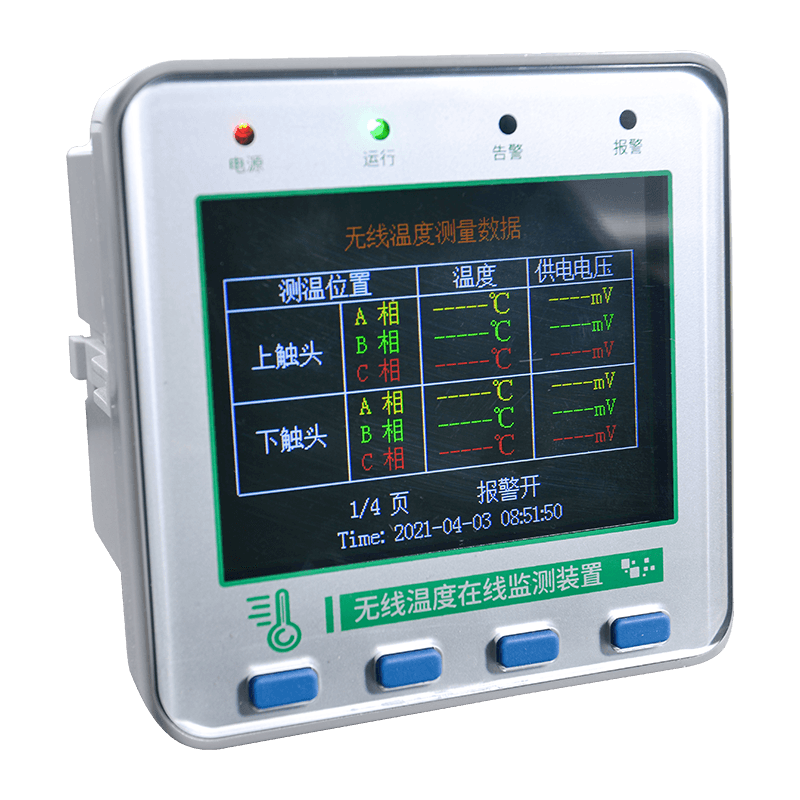
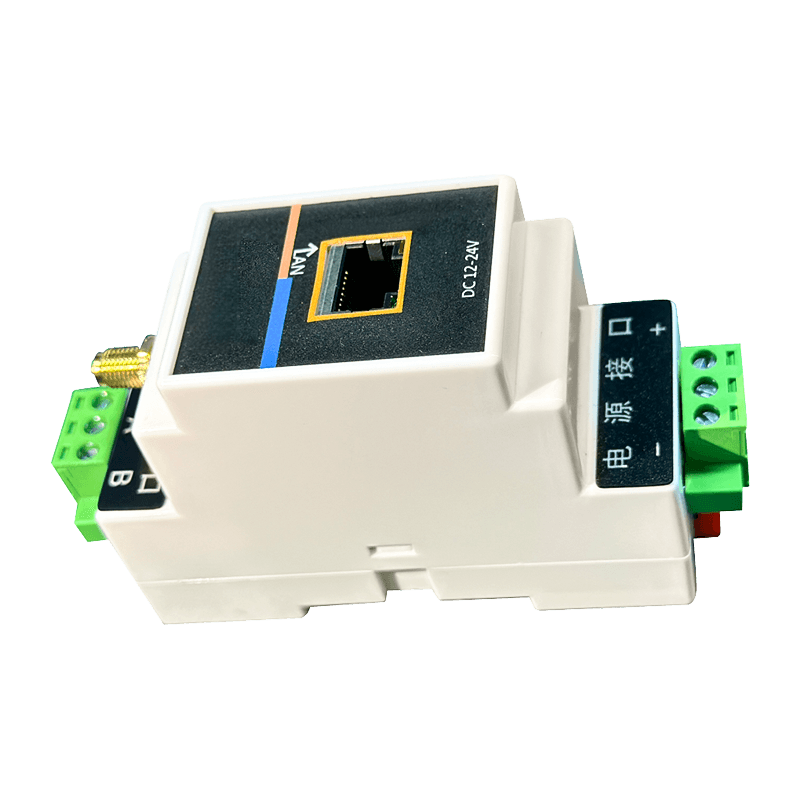
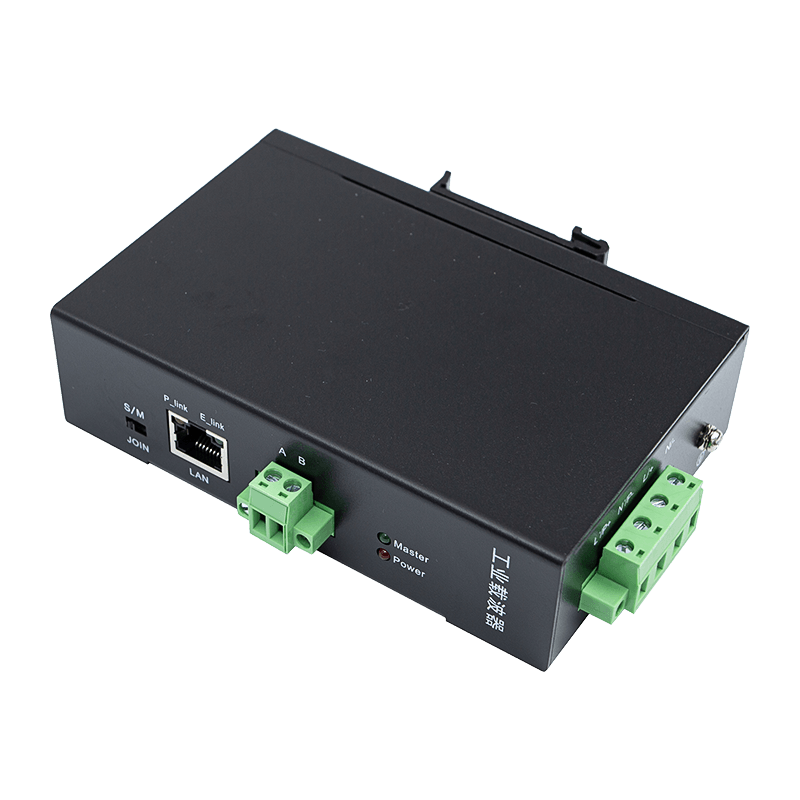
A dependable environmental monitoring system is built around a small set of interconnected components rather than a single device. At its center sits a wireless temperature monitoring host, which receives readings from distributed sensors, stores data locally as a backup, and manages alarm logic when conditions move outside a defined range.
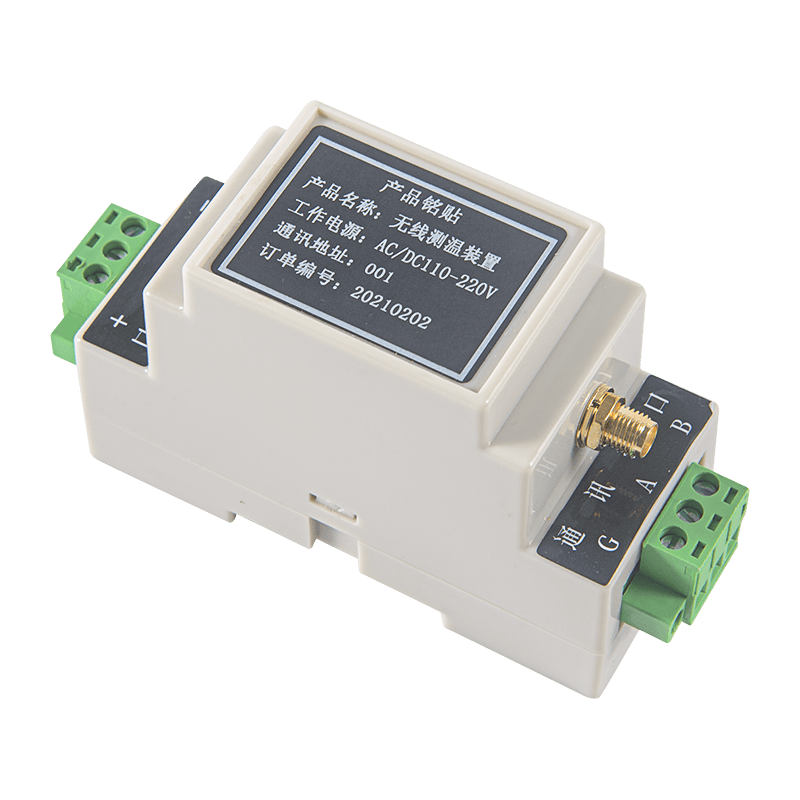
Around that host, a facility typically deploys the following elements:
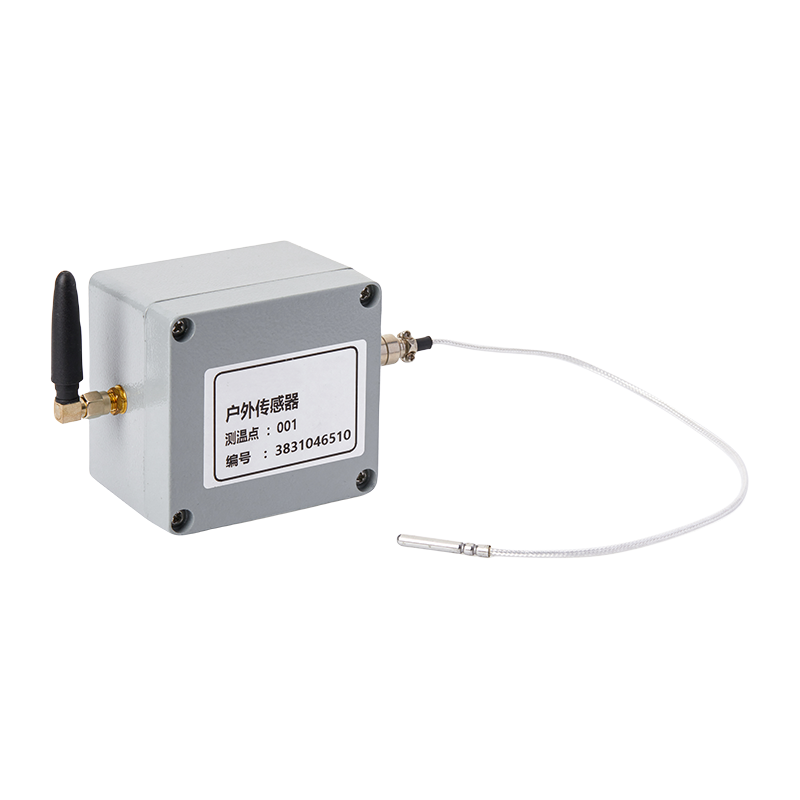
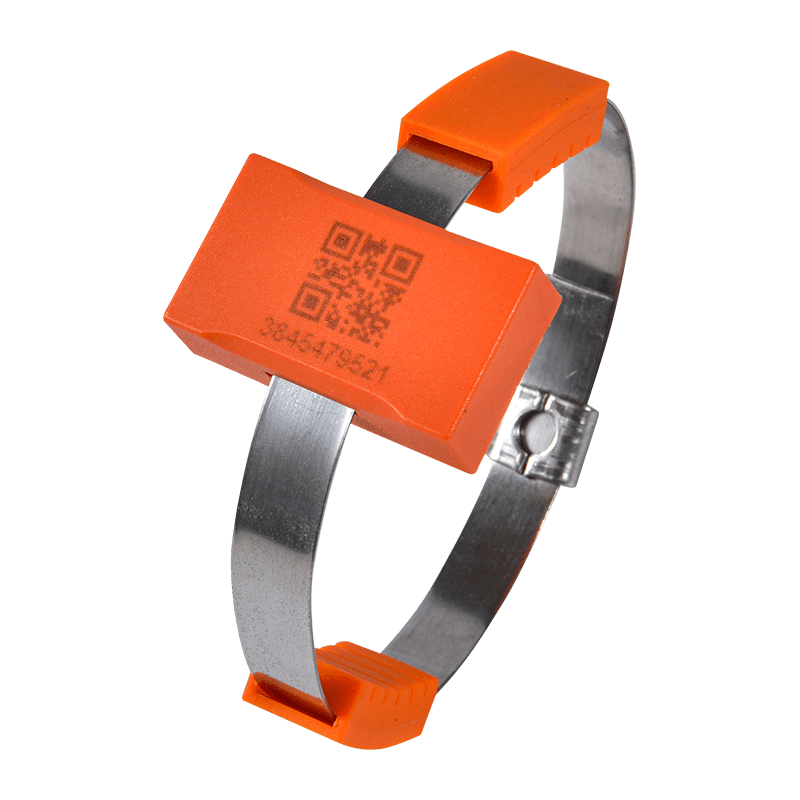
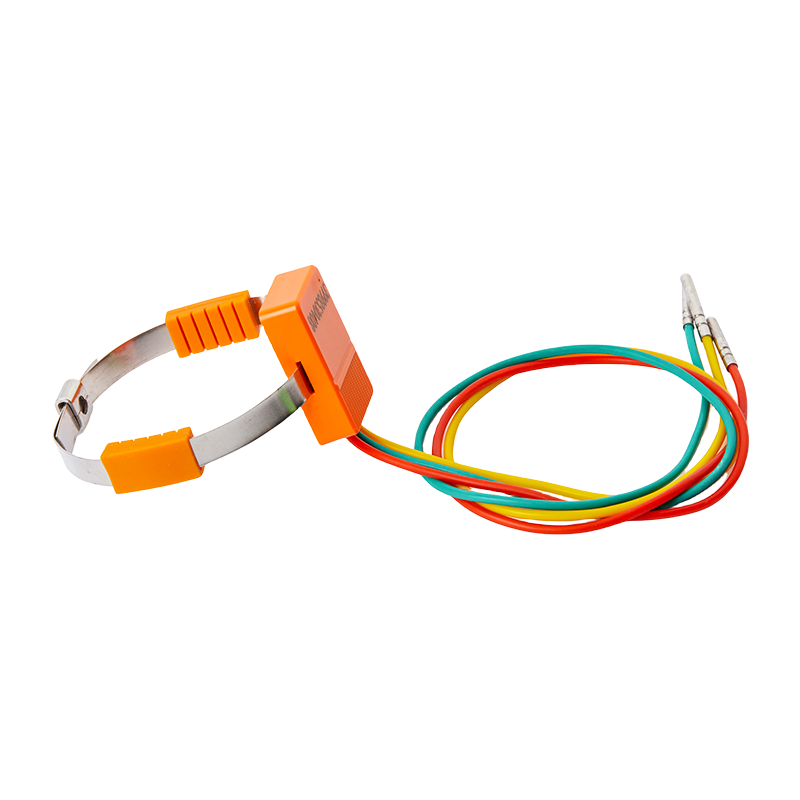
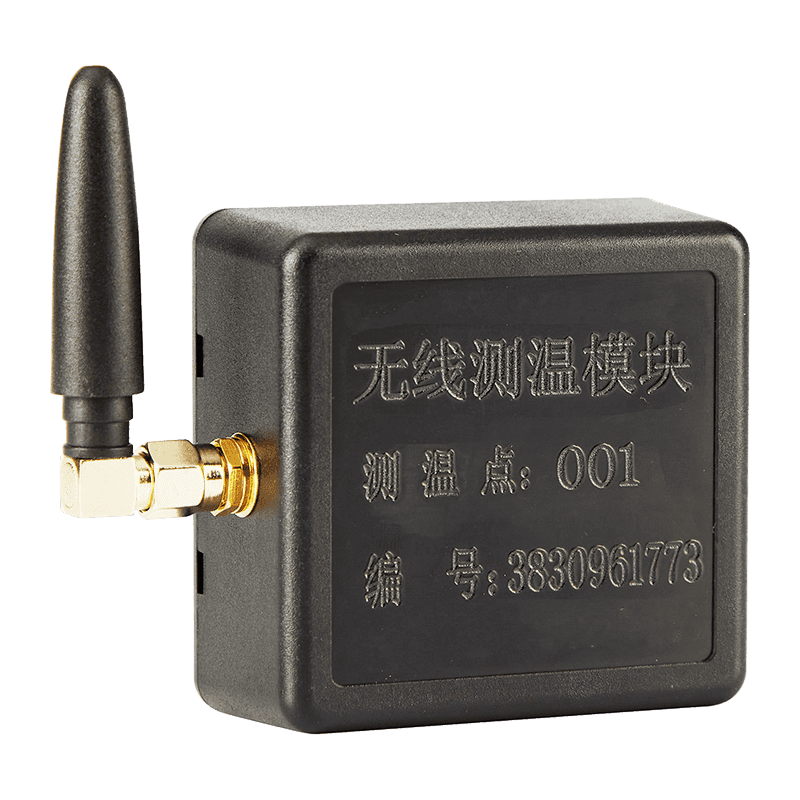
- Distributed sensors placed inside refrigerators, freezers, incubators, and storage rooms
- A gateway or host unit that aggregates readings and manages local alarms
- Software or a dashboard for reviewing historical trends and generating reports
- A notification pathway, such as audible alarms, email, or text alerts, for out-of-range conditions
- Backup power or battery operation so monitoring continues through short outages
Sensor Placement and Temperature Mapping for Accurate Coverage
A monitoring host is only as reliable as the sensor network feeding it. A wireless temperature and humidity sensor placed in the wrong location can miss a real excursion or trigger false alarms from a localized draft near a door or fan. This is why temperature mapping studies matter: before permanent sensor placement, a facility should chart temperature variation across a unit under normal operating conditions, including door openings and defrost cycles.
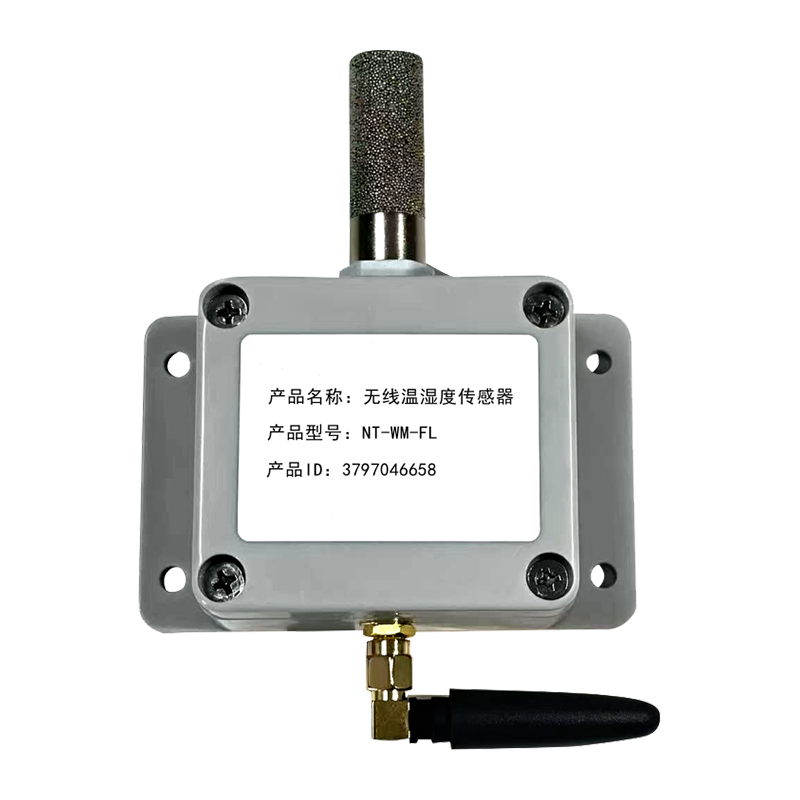
Mapping studies typically reveal predictable hot and cold spots. A well-designed sensor layout accounts for these patterns rather than relying on a single central sensor.
| Storage Type | Common Risk Area | Recommended Sensor Focus |
|---|---|---|
| Pharmacy refrigerator | Door area, top shelf | Sensor near door seal and warmest shelf |
| Ultra-low freezer | Compressor cycling zones | Sensor away from direct airflow, mid-chamber |
| Laboratory incubator | Corners farthest from heat source | Multiple sensors across chamber corners |
| Cold storage room | Areas near loading doors | Sensor placed near entry and rear wall |
Data Integrity and 21 CFR Part 11: Building a Defensible Audit Trail
Electronic temperature records are only useful in an inspection if they meet basic data integrity expectations. Under 21 CFR Part 11, electronic records generally need to demonstrate that data has not been altered without a traceable record of who made the change, when, and why. For a monitoring system, this translates into several practical requirements.
- Time-stamped readings recorded automatically at a fixed interval, not entered manually
- A complete audit trail showing any edits, alarm acknowledgments, or configuration changes
- Unique user credentials rather than shared logins for anyone accessing the system
- Secure, tamper-resistant storage of historical data, including local backup during connectivity loss
- The ability to export a readable report covering any requested date range
Facilities that rely on manual paper logs often struggle to demonstrate this level of traceability. A missed reading, an illegible entry, or a log sheet completed after the fact all create openings for an inspector to question the reliability of the entire record set.
Continuous Monitoring Versus Manual Logging
Many facilities still operate with a mix of manual spot checks and occasional automated monitoring. The practical difference between the two approaches becomes clear once excursion frequency and inspection readiness are compared side by side.
| Factor | Manual Logging | Continuous Automated Monitoring |
|---|---|---|
| Reading frequency | Typically once or twice per day | Every few minutes, around the clock |
| Excursion detection speed | Delayed until next scheduled check | Near real-time alerting |
| Data integrity | Dependent on staff transcription accuracy | Automatically time-stamped and stored |
| Audit readiness | Requires manual assembly of records | Reports generated directly from stored history |
| Staff burden | Ongoing manual task for every unit | Primarily exception-based review |
The gap widens further when a facility manages many storage units across multiple rooms or buildings. A temperature and humidity sensor network tied to a single dashboard removes the need for staff to physically visit each unit, which reduces both labor cost and the chance of a missed reading during weekends or off-hours.
Sensor Accuracy, Calibration, and Long-Term Reliability
Regulatory reviewers frequently ask facilities to justify why a given monitoring device can be trusted. Two factors drive that trust: documented sensor accuracy and a defined calibration schedule.
Accuracy specifications should be understood in context. A sensor rated to a tight tolerance across a refrigerated range provides more confidence for pharmacy or laboratory storage than a general-purpose device with a wide tolerance band. Facilities should retain manufacturer accuracy specifications as part of their validation package, alongside evidence of periodic calibration against a traceable reference standard.
- Establish a calibration interval based on sensor type and criticality of the storage unit
- Retain calibration certificates as part of the facility's quality documentation
- Monitor for sensor drift over time by comparing readings against a reference thermometer periodically
- Replace or recalibrate sensors that show consistent deviation rather than adjusting alarm thresholds to compensate
Battery life and wireless signal reliability also affect long-term data continuity. A sensor that loses connectivity intermittently can create gaps in the historical record that are difficult to explain during an audit, so signal range and battery status should be reviewed as part of routine system checks.
Implementation Workflow: From Risk Assessment to Continuous Compliance
Rolling out a monitoring system in a regulated environment works best as a structured process rather than a single installation event. The steps below outline a typical sequence.
Each phase feeds into the next. Risk assessment identifies which storage units carry the highest product or regulatory risk. Mapping and sensor placement follow, then installation is paired with a validation exercise that confirms alarms trigger correctly and data flows reliably to the host. Once live, continuous monitoring becomes routine operation, with periodic audit and reporting cycles used to confirm the system continues meeting its documented performance.
Frequently Asked Questions
Q1: How often should temperature data be recorded to satisfy an inspector?
Most reviewers expect readings frequent enough to catch a meaningful excursion before it causes product damage, commonly every few minutes rather than a handful of manual checks per day. Continuous automated recording is generally viewed more favorably than infrequent manual entries.
Q2: Do all refrigerators and freezers in a facility need individual sensors?
Any unit storing temperature-sensitive product that falls under a regulatory framework such as USP 797 or a clinical trial protocol should have its own dedicated sensor, since conditions can vary significantly even between units in the same room.
Q3: What should happen when an alarm indicates an excursion?
A documented deviation process should capture the time and duration of the excursion, the corrective action taken, and an assessment of whether affected product remains suitable for use. This record becomes part of the facility's audit trail.
Q4: How long should temperature monitoring records be retained?
Retention periods depend on the applicable regulation and the type of product involved, but many facilities retain electronic monitoring records for several years to align with broader quality system documentation requirements.
Q5: Can a wireless sensor network replace manual temperature checks entirely?
A properly validated wireless network can replace routine manual checks for day-to-day monitoring, though most quality programs still include periodic manual verification as an independent check on system performance.