In the 2019 Two Sessions report and on various other occasions, State Grid Corporation of China proposed a new strategic goal of "Three Types and Two Networks" (i.e., three types of enterprises and two types of grids), and also stated that the important material foundation for building a world-class energy internet enterprise is to construct and operate the "Two Networks" well. The so-called "Two Networks" are: first, to build and operate a "strong and smart grid" with UHV as the backbone and coordinated development of power grids at all levels; second, to fully apply modern information technologies such as mobile internet and artificial intelligence, as well as advanced communication technologies, to create a "ubiquitous power internet of things" featuring comprehensive state perception, efficient information processing, and convenient and flexible application.
The ubiquitous power internet of things is fundamentally based on the Internet of Things.
The power internet of things includes the perception layer, network layer, platform layer, and application layer. The perception layer consists of various sensors, and wireless temperature sensors also belong to this layer. For the data from the perception layer to reach the network layer, there are two steps. The core step is from the terminal modules in the perception layer to the IoT base stations, which is addressed through the narrowband IoT. Terminals require low power consumption so that batteries do not need frequent replacement, but at the same time they need relatively long transmission distances. There is a certain contradiction between these two requirements, which needs to be resolved through advanced technologies. After the base stations collect the data, they transmit it back to the platform system.
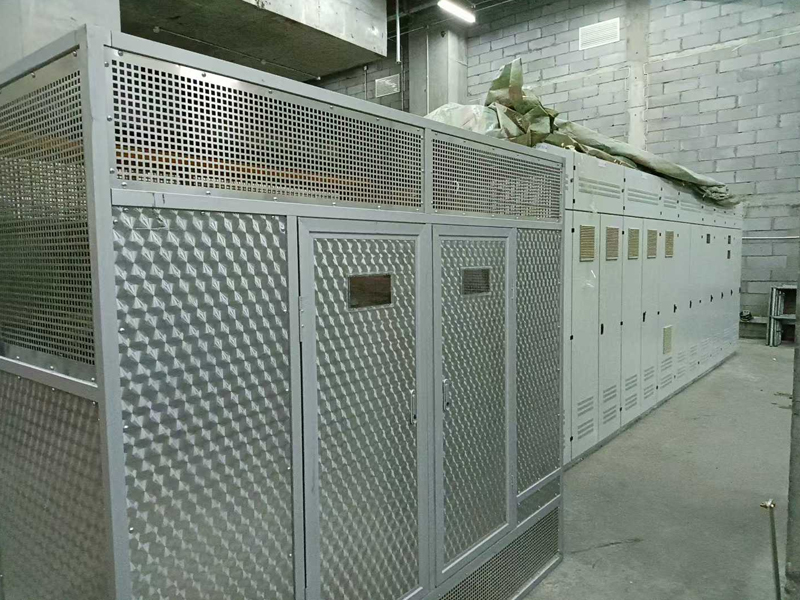
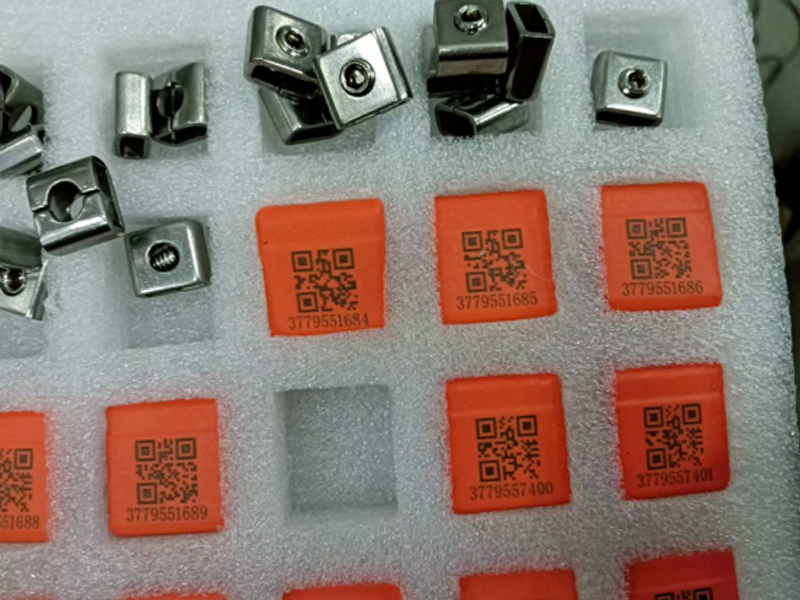
ASY's passive wireless temperature sensors perfectly solve the problems of power supply and transmission distance. They were the first to be applied in State Grid's pilot projects for the ubiquitous power internet of things, uploading temperature data from the wireless temperature sensors to the cloud platform, thereby providing data support for the platform layer of the ubiquitous power internet of things in areas such as smart distribution, smart power consumption, smart parks, and other integrated energy services.
OEM/ODM Service
We provide professional OEM and ODM service to meet your needs.
WhatsApp:
+86-18157343325
Contact Details
+86-18157343325
Location
Quick Link
Product
Get In Touch
You can contact to me using this form.